
Ancient Madness: How Civilizations Understood the Unsound Mind

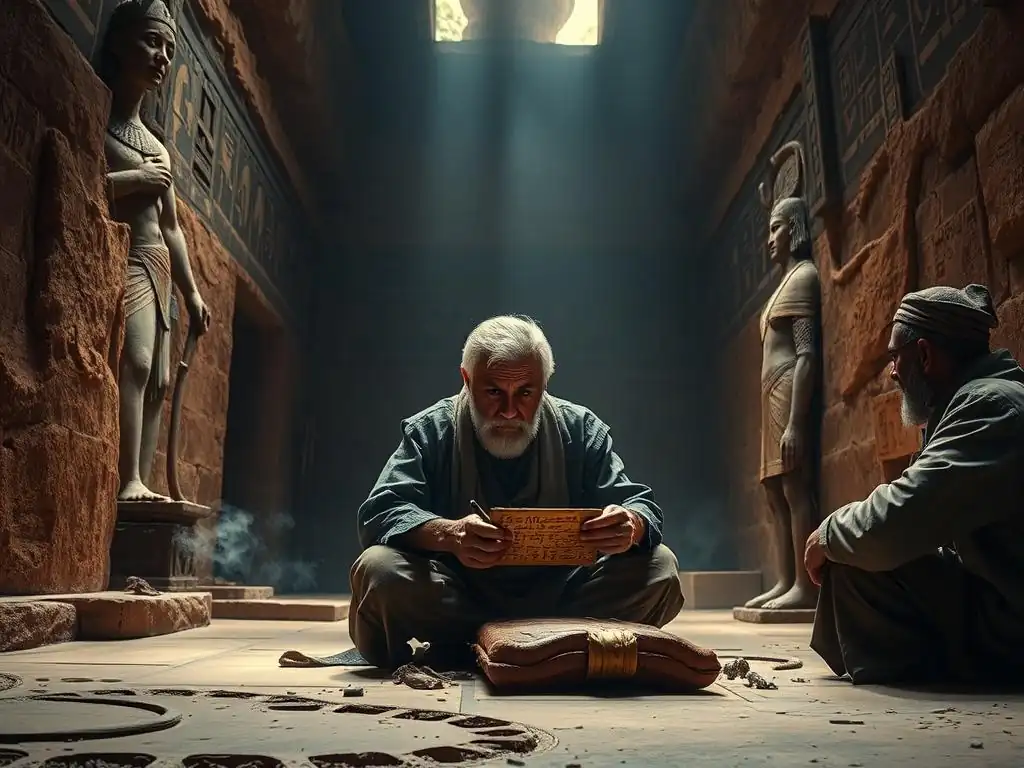
Welcome to Mind Care Guide, a sanctuary for exploring the intricate landscape of mental well-being. Ever wondered how our ancestors wrestled with the shadows of the mind? Ancient Madness: How Civilizations Understood the Unsound Mind delves into the fascinating, and often unsettling, history of mental health across different cultures. Prepare to be surprised by the perspectives of those who came before us – perspectives that might just shed new light on our own understanding of mental health today. Intrigued? Let's journey back in time...
Ancient Understandings of Mental Well-being
- Introduction: Exploring Historical Perspectives on Mental Health
- Ancient Egypt: Religion, Magic, and Early Medical Texts
- Ancient Mesopotamia: Demons, Gods, and Ritualistic Healing
- Ancient Greece: Naturalistic Explanations and Philosophical Inquiry
- Ancient Rome: Building on Greek Medicine and Legal Considerations
- Beyond the Mediterranean: Diverse Approaches to Mental Well-being
- The Legacy of Ancient Views: Relevance for Modern Mental Health
- Conclusion: Lessons from the Past and Future Directions
-
Frequently Asked Questions
- How did ancient civilizations generally view mental illness?
- What were some common treatments for mental illness in ancient times?
- Did any ancient civilizations have more progressive views on mental health?
- What evidence exists that ancient people struggled with mental health issues?
- How can understanding ancient approaches to mental health inform modern practices?
- Final Reflection: Echoes of the Unsound Mind Across Time
- Embrace the Journey: Explore Ancient Wisdom for Modern Minds!
Introduction: Exploring Historical Perspectives on Mental Health
Setting the Stage: The Challenges of Interpreting Ancient Views
Understanding how ancient civilizations perceived and treated what we now term "mental health struggles" presents significant challenges. Unlike modern societies with specific diagnostic categories and medical specializations, ancient cultures often lacked distinct terminology for psychological conditions. Concepts of the "mind," "soul," and "body" were frequently intertwined, making it difficult to isolate purely psychological phenomena from physical ailments, spiritual afflictions, or moral failings. Primary sources, such as medical texts, religious writings, and legal codes, offer glimpses, but interpreting them requires careful consideration of their original context and purpose, which was often not to provide a clinical description as understood today.
Furthermore, surviving records are often fragmented and represent the views of a specific elite or religious class, potentially overlooking the diverse experiences and folk practices of the general population. The supernatural, divine punishment, or demonic possession were common explanations for suffering, including behaviors we might recognize as severe mental distress. This blend of medical, magical, and religious perspectives means that what constituted "treatment" for ancient civilizations mental health struggles could range from herbal remedies and dietary changes to elaborate exorcisms, prayers, and pilgrimages, reflecting a worldview where the physical and spiritual realms were intimately connected.
Scope: Focusing on Key Civilizations and Their Approaches
This exploration delves into the perspectives and practices regarding mental well-being in several prominent ancient civilizations. We will examine the approaches taken in Ancient Egypt and Mesopotamia, where religious and magical explanations often predominated, alongside early medical observations. The focus then shifts to Ancient Greece and Rome, where more naturalistic and philosophical theories began to emerge, influencing Western thought for centuries.
Beyond the classical Mediterranean, we will briefly touch upon diverse approaches in civilizations like Ancient China, India, and the Pre-Columbian Americas. The aim is not to provide an exhaustive list but to highlight the varied ways different cultures grappled with the concept of an "unsound mind." By examining these historical perspectives on ancient civilizations mental health struggles, we gain a deeper appreciation for the long and complex history of human attempts to understand and alleviate psychological suffering, laying a foundation for understanding the evolution of mental health concepts.
Ancient Egypt: Religion, Magic, and Early Medical Texts
The Ebers Papyrus: Evidence of Mental Ailments and Treatments
Among the most significant surviving medical texts from Ancient Egypt is the Ebers Papyrus, dating to approximately 1550 BCE. This extensive scroll, over 20 meters long, contains around 877 recipes and remedies for various ailments, including some descriptions that scholars interpret as potentially related to mental health. For example, it describes a condition characterized by "sadness of heart" or "melancholy," which some researchers link to what we might today call depression. The papyrus also mentions anxieties and other forms of distress related to physical symptoms or external worries.
Treatments suggested in the Ebers Papyrus for these conditions often involved a blend of practical medicine and magical thinking. Remedies for "sadness" might include herbal concoctions, such as those containing poppy (opium), alongside incantations or amulets designed to ward off malevolent spirits or restore balance within the body or spirit.
While the understanding of causes was different – often linking distress to blockages in bodily channels or divine displeasure – the papyrus provides early written evidence that ancient Egyptians recognized and attempted to treat conditions affecting emotional and mental states, representing some of the earliest documented ancient civilizations mental health struggles and attempts at intervention.
Role of Priests: Healing Through Ritual and Spiritual Practices
In Ancient Egypt, the line between medicine, magic, and religion was fluid, particularly when addressing illnesses perceived as supernatural in origin. Priests, especially those associated with healing deities like Sekhmet or Thoth, played a crucial role in treating conditions that might include mental distress. These priests acted as intermediaries between humans and the divine, employing rituals, prayers, and spells to diagnose causes – often attributed to angry gods, curses, or demonic possession – and effect cures.
Healing rituals conducted by priests could involve elaborate ceremonies, purification rites, the use of sacred objects, and the recitation of protective incantations. Patients might seek solace and healing in temple precincts, which sometimes functioned similarly to early sanatoria, offering a calming environment and spiritual support. This approach highlights the Egyptian belief that restoring harmony with the divine and spiritual realms was essential for overall well-being, including alleviating what they perceived as ancient civilizations mental health struggles caused by forces beyond the physical body.
Ancient Mesopotamia: Demons, Gods, and Ritualistic Healing
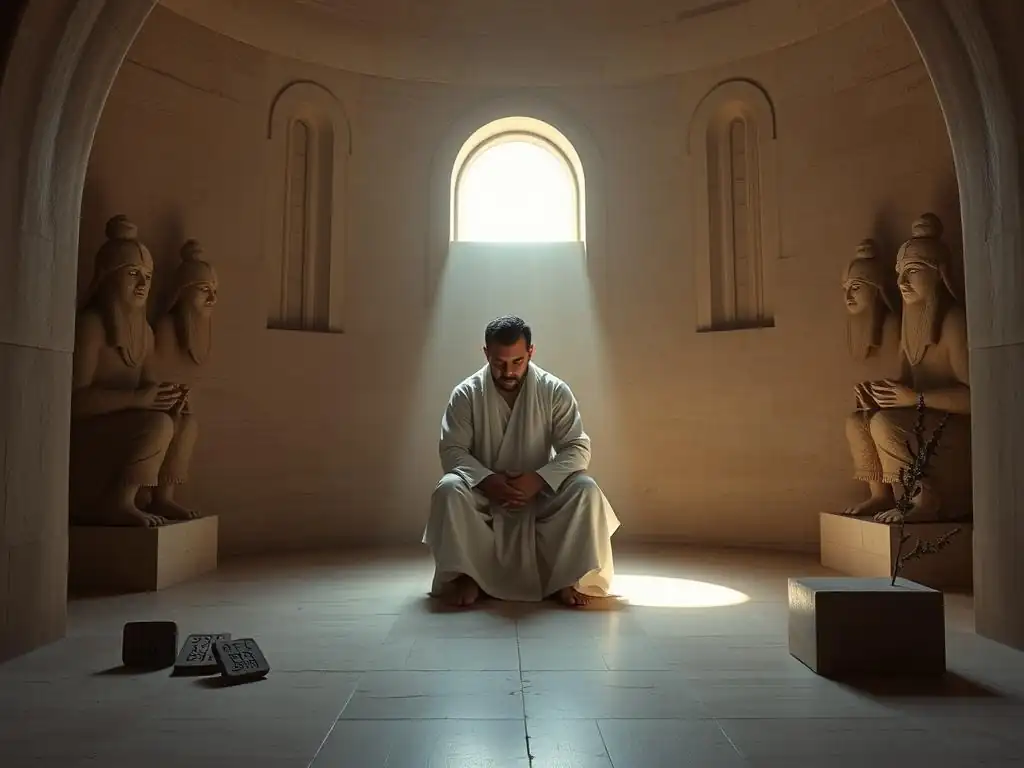
Exorcism and Incantations: Addressing Perceived Supernatural Causes
Mesopotamian civilizations, including the Babylonians and Assyrians, held a strong belief that illness, including mental distress and unusual behavior, was often caused by malevolent demons or the displeasure of gods. Texts from this period, such as omen series and ritual manuals, detail numerous types of demons (like the Utukku or Gallu) believed to invade the body or mind, causing suffering. Consequently, healing practices heavily relied on religious and magical interventions aimed at expelling these entities or appeasing divine anger.
The Ašipu, a type of priest-healer, was central to addressing these perceived supernatural causes of ancient civilizations mental health struggles. Their methods involved intricate diagnostic rituals to identify the specific demon or sin responsible for the affliction, followed by elaborate exorcisms and incantations. Texts like the Maqlû series contain hundreds of spells designed to burn or banish witches and demons believed to be causing harm, including psychological torment. These practices underscore a worldview where mental disturbance was not seen as an internal pathology but as an external force acting upon the individual, requiring spiritual countermeasures.
Astrology: Connecting Mental States to Celestial Influences
Beyond demonic possession, Mesopotamian thought also linked human health and destiny to celestial phenomena. Astrology played a significant role, with the movements and positions of planets and stars believed to influence earthly events, including individual well-being and temperament. Barû priests, who specialized in divination and interpreting omens, would consult astronomical observations to understand the potential causes of a person's suffering.
Certain planetary alignments were thought to be associated with specific moods or behaviors, offering an alternative, albeit still external, explanation for ancient civilizations mental health struggles. For example, unfavorable positions of certain stars might be interpreted as predisposing an individual to melancholy or erratic behavior. The recommended course of action derived from astrological readings often involved specific rituals, sacrifices, or protective measures designed to counteract the negative celestial influence, demonstrating another layer of complexity in how Mesopotamians sought to understand and manage conditions affecting the mind.
Ancient Greece: Naturalistic Explanations and Philosophical Inquiry
Hippocrates and Humoral Theory: Balancing Bodily Fluids for Mental Health
Ancient Greece witnessed a significant shift towards more naturalistic explanations for illness, largely attributed to Hippocrates (c. 460–370 BCE) and his followers. Rejecting purely divine or demonic causes, the Hippocratic school proposed that health depended on the balance of four fundamental bodily fluids, or humors: blood, yellow bile, black bile, and phlegm. Imbalances in these humors were believed to cause various diseases, including those affecting the mind. For instance, an excess of black bile was thought to cause melancholia (depression), while an excess of yellow bile might lead to mania (agitation or excitement).
Treatments based on humoral theory aimed to restore balance through diet, exercise, rest, baths, and sometimes purgatives or bloodletting. The Hippocratic corpus contains descriptions of conditions like phobias, delirium, and hysteria, attempting to link them to physical causes rather than supernatural ones. This approach marked a pivotal moment in the history of ancient civilizations mental health struggles, offering a framework for understanding psychological distress as a medical issue amenable to physical interventions, laying groundwork for future biological psychiatry.
Philosophical Perspectives: The Soul, Emotions, and Mental Equilibrium
Greek philosophers also extensively explored the nature of the soul ( psyche) and emotions, offering insights into achieving mental equilibrium. Plato (c. 428/427–348/347 BCE), in works like the Phaedrus and Republic, described the soul as having different parts (reason, spirit, appetite), suggesting that internal conflict or imbalance between these parts could lead to psychological disharmony and irrational behavior. His concept of eros (desire) and its proper direction was central to achieving a well-ordered psyche.
Aristotle (384–322 BCE) delved into the study of emotions ( pathe) in works like Rhetoric and Nicomachean Ethics. He viewed emotions as integral to human experience but emphasized the importance of moderation and the development of virtuous habits ( arete) to achieve eudaimonia (human flourishing or living well). Philosophical schools like Stoicism and Epicureanism later offered specific practices and ethical frameworks aimed at cultivating inner tranquility and managing emotional distress, providing guidance for navigating ancient civilizations mental health struggles through introspection and reasoned control.
Asklepian Temples: Holistic Healing Environments
Alongside naturalistic medicine and philosophical inquiry, religious healing sanctuaries dedicated to Asklepios, the god of medicine, remained popular throughout Ancient Greece. These temples, such as the famous one at Epidaurus, served as centers for healing that integrated physical, psychological, and spiritual elements. Patients would undergo purification rituals, make offerings, and participate in incubatio, a practice where they slept in a sacred dormitory ( abaton) hoping for a divine dream guiding them to a cure.
The healing process within Asklepian temples was remarkably holistic for its time. It included therapeutic baths, exercise, dietary advice, exposure to art and music (theater was often part of the complex), and interaction with priests who offered counsel and support. While divine intervention was the stated goal, the calming environment, structured routine, and psychological comfort provided likely offered significant relief for individuals suffering from various ailments, including what might be considered ancient civilizations mental health struggles, demonstrating an early recognition of the link between environment, spirit, and well-being.
Ancient Rome: Building on Greek Medicine and Legal Considerations
Galen's Contributions: Expanding on Humoral Theory
Ancient Roman medicine was heavily influenced by Greek practices, particularly the humoral theory. Galen of Pergamon (129–c. 210 CE), a Greek physician practicing in Rome, became the most influential medical authority for over a millennium, building extensively on Hippocrates' work. Galen refined the understanding of humors and temperaments, linking specific personality traits and predispositions to mental conditions with humoral imbalances. He provided detailed descriptions of the brain and nervous system based on animal dissection, attempting to connect physical structures to mental functions, though his anatomical understanding was limited by the prohibition of human dissection.
Galen's prolific writings described various psychological states and conditions, including melancholia, mania, and delirium, and he proposed treatments based on restoring humoral balance through diet, lifestyle changes, and medicinal substances. His systematic approach and detailed observations, despite some inaccuracies, solidified the humoral model as the dominant paradigm for understanding both physical and mental illness in the Roman world and beyond. His work significantly shaped the medical approach to ancient civilizations mental health struggles for centuries.
Legal Aspects: Protection and Management of the Mentally Incapacitated
Roman society also developed legal frameworks to address individuals deemed to have an "unsound mind." Roman law recognized categories like the furiosus (the violently insane) and the mente captus (the mentally deficient or incapacitated). These individuals were often considered incapable of managing their own affairs or making legal decisions. The law provided for the appointment of guardians ( curatores) from their family to manage their property and ensure their welfare, demonstrating a societal recognition of severe mental health struggles and the need for protection.
While Roman law did not focus on treatment in a medical sense, its provisions acknowledged that some individuals lacked full cognitive capacity and required societal management. Furthermore, individuals deemed furiosus might be excused from legal responsibility for crimes committed during their fits of madness, indicating an early, albeit basic, understanding that severe mental disturbance could impair judgment and control. These legal considerations reflect a practical response to the presence of ancient civilizations mental health struggles within the social fabric, focused primarily on public order and property protection.
Beyond the Mediterranean: Diverse Approaches to Mental Well-being

Ancient China: Traditional Medicine and Holistic Harmony
In Ancient China, health and illness, including conditions affecting the mind, were understood within the framework of Traditional Chinese Medicine (TCM). This system, developed over millennia, views the body and mind as an integrated whole, where health depends on the balanced flow of Qi (vital energy) and the harmonious interaction of the five elements (wood, fire, earth, metal, water) and Yin and Yang forces.
Mental and emotional states were closely linked to the health of specific organs; for example, the heart was considered the seat of the Shen (spirit or mind), and imbalances in the heart's energy were thought to lead to conditions like anxiety, insomnia, or emotional lability.
Ancient Chinese medical texts, such as the Huangdi Neijing (The Yellow Emperor's Classic of Medicine, compiled over centuries), describe various conditions related to emotional distress and unusual behavior. Treatments for these ancient civilizations mental health struggles aimed to restore harmony and balance within the body's energy systems using practices like acupuncture, herbal medicine (many herbs were used for their calming or mood-regulating properties), dietary therapy, and exercises like Qigong and Tai Chi. This holistic approach emphasized prevention and maintaining equilibrium rather than solely focusing on symptom eradication.
Ancient India: Ayurveda and the Mind-Body Connection
Ancient Indian civilization developed Ayurveda, another comprehensive system of medicine that predates written records but is codified in texts like the Charaka Samhita (circa 400-200 BCE). Ayurveda also emphasizes the interconnectedness of mind, body, and spirit, viewing health as a state of balance among the three doshas (Vata, Pitta, and Kapha), which represent different combinations of the five elements within the body.
Mental conditions, referred to as Mano Roga (diseases of the mind), were understood as resulting from imbalances in these doshas, particularly Vata, which governs movement and the nervous system, or from the influence of negative mental states ( gunas) like Rajas (activity, passion) and Tamas (inertia, darkness).
Ayurvedic treatments for ancient civilizations mental health struggles were highly individualized based on the patient's unique constitution ( prakriti) and the nature of the imbalance. Therapies included dietary recommendations, herbal remedies (many plants were used for their calming or cognitive effects), therapeutic massage ( Abhyanga), detoxification procedures ( Panchakarma), and practices aimed at calming the mind, such as Yoga and meditation. These ancient Indian approaches highlight an enduring recognition of the profound link between physical health, lifestyle, and mental well-being.
Pre-Columbian Americas: Spiritual and Herbal Approaches
Information regarding ancient civilizations mental health struggles and their treatment in the Pre-Columbian Americas is more fragmented and varies greatly across diverse cultures like the Maya, Aztec, and Inca. However, surviving records and anthropological studies of descendant cultures suggest that illness, including conditions affecting the mind or behavior, was often viewed through a spiritual lens. Diseases were frequently attributed to spiritual imbalances, loss of soul parts, or the actions of malevolent spirits or sorcery.
Healing was often the domain of shamans or healers who acted as intermediaries between the human and spirit worlds. Their practices involved divination, ritual ceremonies, prayers, and the use of medicinal plants, some of which were psychoactive and used in carefully controlled ritual contexts to induce altered states of consciousness for healing or spiritual insight. While specific descriptions of conditions resembling modern mental illnesses are rare, these approaches demonstrate a recognition of suffering that affects the whole person – body, mind, and spirit – and the importance of community and spiritual harmony in addressing ancient civilizations mental health struggles.
The Legacy of Ancient Views: Relevance for Modern Mental Health
Understanding the Evolution of Mental Health Concepts
Studying the history of ancient civilizations mental health struggles provides crucial context for understanding the evolution of psychological concepts. It reveals a long trajectory of human attempts to explain and alleviate suffering that affects the mind, moving from predominantly supernatural and spiritual models in early civilizations towards more naturalistic and biological explanations in classical antiquity. While modern psychiatry and psychology operate within vastly different scientific paradigms, the ancient world's exploration of the mind-body connection, the influence of environment and lifestyle, and the importance of emotional balance resonate with contemporary holistic approaches to well-being.
This historical perspective highlights that the way societies perceive and treat mental health is deeply embedded in their cultural, religious, and scientific beliefs. It shows that the distinction between "mental" and "physical" illness was often not made, or made differently, in the past. Recognizing this evolution helps us appreciate how far our understanding has come, while also acknowledging that the fundamental human experience of psychological distress and the search for healing are ancient and universal aspects of the human condition.
Recognizing Cultural Influences on Mental Well-being
The diverse approaches seen across ancient civilizations underscore the profound impact of culture on mental health. How distress is expressed, understood, and responded to is shaped by societal norms, religious beliefs, and available explanatory models. In Mesopotamia, a "crazy" person might be seen as possessed; in Greece, perhaps humorally imbalanced; in China, experiencing a disruption of Qi. These differing interpretations demonstrate that while the underlying experience of suffering may share common elements, its manifestation and the prescribed path to recovery are culturally constructed.
This historical insight is vital for contemporary mental health care. In an increasingly globalized world, understanding that cultural background influences how individuals perceive their own ancient civilizations mental health struggles, seek help, and respond to treatment is paramount. It emphasizes the need for culturally sensitive practices that respect diverse beliefs about health, illness, and healing, moving beyond a one-size-fits-all approach to care.
The Importance of Context: Approaching Historical Practices with Sensitivity
When examining ancient practices related to mental health, it is essential to approach them with historical sensitivity and avoid anachronism. While some ancient treatments or explanations might seem primitive, harsh, or even harmful by modern standards (e.g., bloodletting for melancholia, or attributing distress solely to demons), they were developed within the limited scientific understanding and specific cultural contexts of their time. They represented sincere attempts by healers and societies to make sense of and alleviate profound human suffering.
Approaching these historical accounts critically but empathetically allows us to learn from the past without judgment. It reminds us that our current understanding is the product of millennia of evolving thought and experimentation. By placing ancient civilizations mental health struggles within their proper historical context, we gain a deeper appreciation for the continuous human effort to understand the complexities of the mind and care for those experiencing distress, acknowledging the limitations and innovations of each era.
Conclusion: Lessons from the Past and Future Directions
Integrating Historical Knowledge into Contemporary Understanding
The study of ancient civilizations mental health struggles offers valuable lessons for today. It reminds us that the quest for mental well-being is a long-standing human endeavor, addressed through diverse lenses – medical, spiritual, philosophical, and communal. Understanding these historical perspectives can enrich contemporary discussions about mental health by highlighting the enduring nature of psychological challenges and the varied ways humanity has sought to cope. It underscores the potential benefits of holistic approaches that consider the interplay of physical, emotional, and social factors, echoing ancient wisdom found in traditions like Ayurveda and TCM.
Furthermore, tracing the evolution of concepts from supernatural explanations to naturalistic theories provides a backdrop for understanding the scientific progress that underpins modern mental health care. It also implicitly reminds us that our current understanding is not static and will continue to evolve. Integrating historical knowledge encourages a broader perspective, moving beyond purely biomedical models to appreciate the multifaceted nature of well-being.
Promoting Culturally Sensitive Mental Health Care
Perhaps the most critical lesson from examining ancient civilizations mental health struggles is the paramount importance of cultural context. The vast differences in how ancient societies perceived, explained, and treated mental distress serve as a powerful reminder that mental health is not experienced or understood in a vacuum. Culture shapes symptoms, influences help-seeking behaviors, and impacts the effectiveness of interventions.
Drawing on this historical insight, contemporary mental health care must prioritize cultural sensitivity and humility. Clinicians and systems should be mindful of patients' diverse backgrounds, beliefs about illness, and preferred coping mechanisms. Promoting culturally sensitive care means recognizing that there is no single universal experience of mental distress and that effective support requires understanding and respecting the individual's cultural narrative. The legacy of ancient approaches, with their varied explanations and treatments, ultimately reinforces the modern imperative to provide compassionate, informed, and culturally resonant care for all.
Frequently Asked Questions
How did ancient civilizations generally view mental illness?
Ancient civilizations often attributed mental illness to supernatural causes, such as demonic possession or divine punishment, rather than biological factors. Treatments were often based on these beliefs.
What were some common treatments for mental illness in ancient times?
Common treatments included rituals like exorcism, trepanation (drilling holes in the skull), and the use of herbal remedies believed to appease the gods or drive away evil spirits.
Did any ancient civilizations have more progressive views on mental health?
While rare, some civilizations like the ancient Greeks, particularly through figures like Hippocrates, began to explore naturalistic explanations and humoral imbalances as potential causes.
What evidence exists that ancient people struggled with mental health issues?
Archeological finds, such as skeletal remains showing signs of trauma (potentially related to treatments), and ancient texts describing unusual behaviors, suggest mental health struggles.
How can understanding ancient approaches to mental health inform modern practices?
Studying ancient beliefs can offer historical context on the evolution of our understanding of mental illness and highlight the importance of evidence-based approaches in modern treatment.
Final Reflection: Echoes of the Unsound Mind Across Time
The struggles of mental illness are not a modern phenomenon; they are a timeless echo resonating through the halls of history. Understanding how ancient civilizations grappled with the "unsound mind" offers a crucial perspective on our own contemporary challenges, reminding us that the human experience of mental distress transcends time and culture. The enduring nature of these struggles underscores the need for continued empathy, research, and progress in mental health care.
The ways in which ancient societies perceived and treated mental illness profoundly shaped their cultural landscapes, influencing everything from art and literature to social structures and religious beliefs. The stigma, fear, and misunderstanding surrounding mental illness, so prevalent then, sadly continue to echo in our own time. The insane person is not simply a person who is different; he is a person who is dangerous, and therefore must be controlled.
This sentiment, though perhaps not explicitly stated in such terms today, still underlies many of the prejudices and systemic barriers faced by individuals struggling with mental health issues.
Consider the lessons learned from the past. The varied approaches – from trepanation to temple healing – highlight the diverse ways humans have sought to understand and alleviate suffering. You, the reader, are now empowered to reflect on this journey through history.
How can we learn from the mistakes and successes of the past to build a more compassionate and understanding future for those struggling with mental illness? Let the echoes of ancient voices inspire you to advocate for better mental health resources, challenge stigma, and foster a world where everyone feels safe and supported in their journey towards well-being.
Embrace the Journey: Explore Ancient Wisdom for Modern Minds!
Thank you for diving into "Ancient Madness"! Your interest in how civilizations understood unsound minds is essential to unraveling the threads of mental health history. Now that you've gained insights into this fascinating topic, it's time to take meaningful action in your own life and community.
Here are some steps you can take right now:
- Connect with Others: Join a local or online discussion group focused on mental health. Sharing insights and experiences can deepen your understanding and support others on their journey.
- Explore Ancient Perspectives: Read a book or watch a documentary about historical approaches to mental health. Understanding our past can offer valuable lessons for today.
- Advocate for Change: Get involved in a mental health awareness campaign. Your voice can help raise awareness and reduce stigma in your community.
What ancient practices do you think we should revisit in modern mental health discussions? Share your thoughts!