
Probiotics for Peace: Eating for a Healthy Gut and Less Anxiety.


Welcome to Mind Care Guide, your sanctuary for navigating the complexities of mental well-being. Feeling overwhelmed by anxiety? Perhaps the answer lies closer than you think...within your gut! This article delves into the fascinating connection between your microbiome and mental health, exploring how probiotics reduce anxiety symptoms. Could a simple dietary change be the key to unlocking a calmer, more peaceful you? Read on to discover the surprising science and practical steps you can take to nourish your gut and quiet your mind.
- Gut Health and Anxiety: A Holistic Approach
- Understanding the Gut-Brain Axis
- Probiotics for Anxiety: Evidence-Based Insights
- Dietary Strategies for a Healthy Gut and Reduced Anxiety
- Integrating Probiotics into Your Daily Routine
- Lifestyle Factors for Gut Health and Anxiety Reduction
- The Future of Gut-Directed Therapies for Mental Health
- Conclusion: Empowering Your Mental Health Through Gut Health
-
Frequently Asked Questions
- How can probiotics potentially help with anxiety?
- Which probiotic strains are most effective for anxiety reduction?
- How long does it typically take to see a reduction in anxiety symptoms after starting probiotics?
- Are there any side effects associated with taking probiotics for anxiety?
- Should I replace my current anxiety medication with probiotics?
- Final Reflection: Cultivating Inner Peace, One Probiotic at a Time
- Unlock Your Inner Calm: Nourish Your Gut, Soothe Your Mind
Gut Health and Anxiety: A Holistic Approach
Anxiety is a complex condition influenced by a myriad of factors, including genetics, environment, life experiences, and even physical health. Increasingly, research points to a significant connection between the state of our digestive system and our mental wellbeing, particularly concerning anxiety. This perspective suggests that addressing gut health could be a powerful, complementary strategy in managing anxious feelings. Probiotics, often referred to as "good bacteria," are emerging as key players in this intricate relationship. Exploring how probiotics reduce anxiety symptoms involves understanding the deep communication pathway between the gut and the brain.
Embracing a holistic approach to anxiety management means looking beyond traditional treatments and considering the body as an interconnected system. The gut, far from being just a digestive organ, is now recognized as a vital component influencing mood, stress response, and overall psychological state. By focusing on nurturing a healthy gut environment through dietary changes and the potential inclusion of probiotics, individuals may find an additional avenue for finding peace and reducing the impact of anxiety on their daily lives. This journey into the gut-brain connection opens up new possibilities for enhancing mental resilience.
Understanding the Gut-Brain Axis
The gut-brain axis is a bidirectional communication system that links the central nervous system (brain) and the enteric nervous system (gut). This complex network allows for constant information exchange between these two vital organs. It involves multiple pathways, including the vagus nerve, the endocrine system (hormones), the immune system, and the metabolic products of gut bacteria. Understanding this axis is fundamental to appreciating how digestive health influences mental states, and conversely, how stress and emotions can impact gut function.
This axis is not merely a simple connection but a sophisticated feedback loop. Signals from the brain can affect gut motility, secretion, and permeability, which is why stress can cause digestive upset. Conversely, signals from the gut, including those generated by the trillions of microorganisms residing there, travel to the brain and can influence mood, cognition, and behavior. Disruptions in this communication pathway are increasingly implicated in various health conditions, including anxiety disorders and depression.
The Gut Microbiome: Its Role in Mental Wellbeing
The gut microbiome refers to the vast community of bacteria, viruses, fungi, and other microorganisms living in the digestive tract, primarily the large intestine. This ecosystem is incredibly diverse, containing hundreds of different species and trillions of individual cells – outnumbering human cells by a factor of roughly 1.3 to 1. The composition and balance of this microbial community are crucial for numerous bodily functions beyond digestion, including immune regulation, vitamin production, and importantly, communication with the brain.
The gut microbiome plays a significant role in mental wellbeing by producing various neuroactive compounds. For instance, gut bacteria produce short-chain fatty acids (SCFAs) like butyrate, which can influence brain function and reduce inflammation. They also interact with the host to modulate the production of neurotransmitters and their precursors. A diverse and balanced microbiome is often associated with better mental health outcomes, while dysbiosis – an imbalance in the microbial community – has been linked to increased vulnerability to anxiety and other mood disorders.
Gut Inflammation and Anxiety: Exploring the Link
Chronic, low-grade inflammation in the gut can have far-reaching effects throughout the body, including the brain. This inflammation can be triggered by various factors, such as an unhealthy diet, stress, infections, or an imbalanced gut microbiome. Inflammatory molecules, known as cytokines, produced in the gut can enter the bloodstream and cross the blood-brain barrier, directly affecting brain regions involved in mood and behavior.
Research indicates a strong association between inflammatory bowel diseases (IBD), such as Crohn's disease and ulcerative colitis, which are characterized by chronic gut inflammation, and a higher prevalence of anxiety and depression. While this is an association and not direct causation, it highlights how inflammation originating in the gut can contribute to psychological distress. Even subclinical inflammation, not severe enough to cause overt digestive symptoms, might silently contribute to increased anxiety levels by disrupting the gut-brain axis communication.
Neurotransmitters and the Gut: Serotonin, Dopamine, and GABA
Neurotransmitters are chemical messengers that play a critical role in regulating mood, emotions, and stress responses. While primarily associated with the brain, many neurotransmitters and their precursors are produced or influenced by the gut. Serotonin, often called the "feel-good" neurotransmitter, is particularly notable; approximately 90% of the body's serotonin is produced in the gut by specialized cells called enterochromaffin cells.
Gut bacteria can directly influence the production and metabolism of neurotransmitters like serotonin, dopamine, and gamma-aminobutyric acid (GABA). GABA is the primary inhibitory neurotransmitter in the central nervous system, helping to calm nerve activity and reduce anxiety. Certain gut bacteria can produce GABA, and others can influence its receptors. By modulating the availability and activity of these key neurotransmitters, the gut microbiome exerts a powerful influence on brain function and emotional state, offering a potential pathway for how probiotics reduce anxiety symptoms.
Probiotics for Anxiety: Evidence-Based Insights
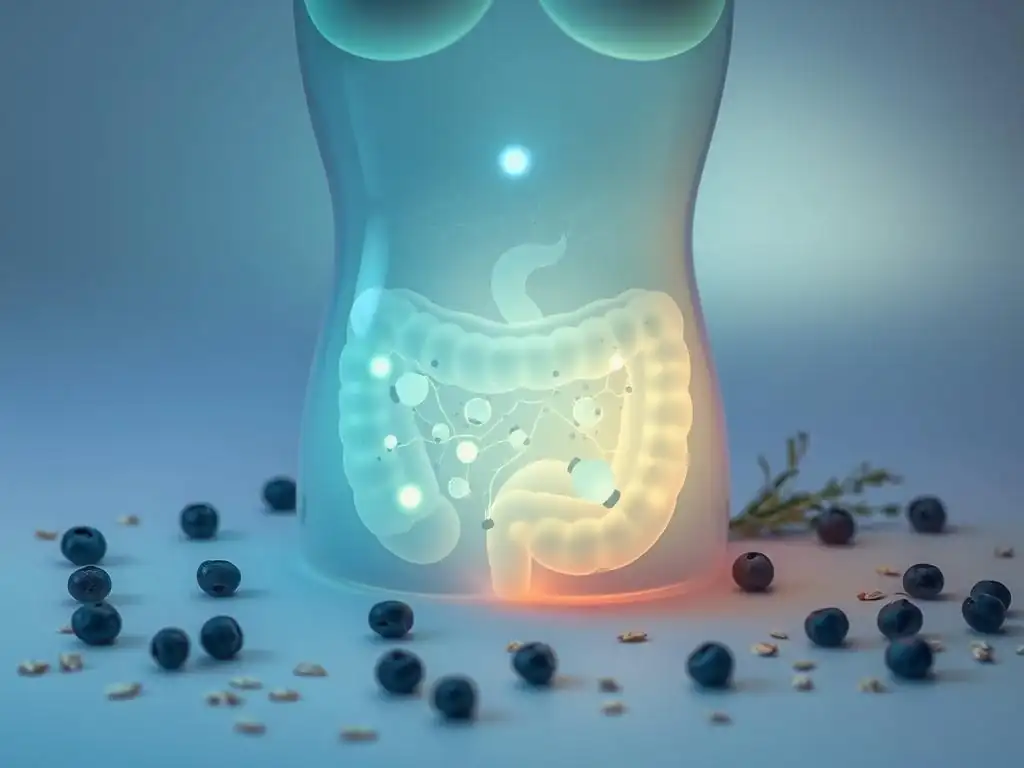
Given the strong link between the gut and the brain, researchers have turned their attention to the potential therapeutic effects of probiotics – live microorganisms that, when administered in adequate amounts, confer a health benefit on the host. The idea is that introducing beneficial bacteria into the gut could help restore balance to the microbiome, reduce inflammation, and positively influence the gut-brain axis, thereby potentially alleviating symptoms of anxiety.
The use of probiotics for mental health is a growing area of research, sometimes referred to as psychobiotics. These are defined as live organisms that, when ingested in adequate amounts, produce a positive mental health benefit. While not a standalone cure, the evidence suggests that specific probiotic strains or combinations might serve as a valuable adjunctive therapy, working alongside other treatments to support mental wellbeing and specifically exploring how probiotics reduce anxiety symptoms in some individuals.
Probiotics Defined: Mechanisms of Action
Probiotics are live beneficial bacteria and yeasts that are naturally present in your body and also found in certain foods and supplements. When consumed, they can colonize the gut and interact with the existing microbial community. Their mechanisms of action in potentially reducing anxiety symptoms are multifaceted. They can help restore a healthy balance to the gut microbiome, especially after disruptions caused by antibiotics, illness, or stress.
Furthermore, probiotics can strengthen the gut barrier function, reducing "leaky gut" (increased intestinal permeability) which can contribute to inflammation. They can also modulate the immune system, reducing the production of pro-inflammatory cytokines that might negatively impact the brain. Some probiotic strains are known to produce SCFAs, which have anti-inflammatory effects and can nourish brain cells. Additionally, certain probiotics can directly influence the production of or sensitivity to neurotransmitters like GABA and serotonin, thereby impacting mood and stress response pathways.
Clinical Studies on Probiotics and Anxiety Reduction
The scientific community has been actively investigating the efficacy of probiotics in alleviating anxiety. Numerous clinical trials and studies have been conducted, with varying results. Several systematic reviews and meta-analyses, pooling data from multiple studies, suggest a potential benefit of probiotic supplementation for anxiety symptoms in certain populations, particularly those with mild to moderate anxiety or comorbid conditions like IBS (Irritable Bowel Syndrome), which often involves gut-brain axis dysfunction.
For example, a meta-analysis published in 2018, reviewing studies involving hundreds of participants, found that while more high-quality research was needed, there was a trend suggesting that probiotics could have a positive impact on anxiety levels compared to placebo. Another review in 2019 highlighted that specific probiotic strains or multi-strain formulations appeared more promising than others. While the evidence isn't universally conclusive across all studies and populations, a significant body of research supports the hypothesis that probiotics reduce anxiety symptoms in some contexts, paving the way for further investigation into specific strains and optimal dosages.
Specific Probiotic Strains for Anxiety: Lactobacillus and Bifidobacterium
Not all probiotic strains are created equal, and the effects are highly strain-specific. Research into probiotics for anxiety has primarily focused on strains belonging to the Lactobacillus and Bifidobacterium genera. These are common inhabitants of a healthy human gut and are frequently found in probiotic foods and supplements.
Specific strains that have shown promise in animal models and some human studies for their potential psychobiotic effects include Lactobacillus helveticus R0052 and Bifidobacterium longum R0175 (often studied together), Lactobacillus rhamnosus GG, and Bifidobacterium longum 1714. These strains have been investigated for their ability to modulate stress hormones, reduce anxiety-like behaviors in animals, and potentially improve mood and anxiety symptoms in humans. It is crucial to remember that the effectiveness can depend on the specific strain, the dosage, the individual's baseline gut health, and the nature of their anxiety.
Dietary Strategies for a Healthy Gut and Reduced Anxiety
While probiotic supplements offer a concentrated dose of beneficial bacteria, incorporating probiotic-rich foods and prebiotic fibers into your diet is a fundamental step towards nurturing a healthy gut microbiome naturally. A diverse, plant-rich diet provides the necessary fuel for beneficial bacteria to thrive and produce beneficial compounds that support both gut and brain health. This dietary approach works synergistically to create an environment where probiotics reduce anxiety symptoms more effectively.
Focusing on whole, unprocessed foods while limiting those known to disrupt gut balance is a cornerstone of this strategy. It's about feeding your beneficial bacteria and minimizing inflammation. This isn't about a restrictive diet but a nourishing one that supports the intricate connection between your digestive system and your mental state, making it easier for your body and mind to find equilibrium.
Probiotic-Rich Foods: Natural Sources of Beneficial Bacteria
Consuming foods naturally containing live and active cultures is a delicious way to introduce beneficial bacteria into your digestive system. These foods undergo fermentation, a process where microorganisms convert carbohydrates into other compounds, often producing beneficial bacteria as a byproduct. Incorporating a variety of these foods can help diversify your gut microbiome over time.
However, it's important to check labels to ensure that fermented foods still contain live cultures, as some processing methods (like pasteurization after fermentation) can kill the beneficial bacteria. While the CFU count (colony-forming units) in foods is often lower and less controlled than in supplements, regular consumption can still contribute to a healthier gut environment and support the potential for dietary probiotics reduce anxiety symptoms.
Fermented Foods: Sauerkraut, Kimchi, and Miso
- Sauerkraut: Fermented cabbage, a staple in many European cuisines. Look for versions in the refrigerated section that are unpasteurized to ensure live cultures.
- Kimchi: A Korean staple made from fermented vegetables, most commonly cabbage and radishes, seasoned with chili peppers, garlic, ginger, and other spices. It's rich in Lactobacillus species.
- Miso: A traditional Japanese seasoning produced by fermenting soybeans with salt and kōji ( Aspergillus oryzae) and sometimes rice, barley, or seaweed. Used in soups and sauces.
Other examples include tempeh (fermented soybeans), natto (fermented soybeans, very high in Vitamin K2), and some traditional pickles (ensure they are naturally fermented, not just preserved in vinegar). These foods offer a diverse array of beneficial microbes and unique flavors to your diet.
Yogurt and Kefir: Choosing the Right Products
- Yogurt: Made by bacterial fermentation of milk. Look for labels that state "contains live and active cultures." Greek yogurt often has a higher protein content. Be mindful of added sugars, which can counteract the benefits.
- Kefir: A fermented milk drink, similar to yogurt but typically thinner and containing a wider variety of bacteria and yeasts. Kefir grains (a symbiotic culture of bacteria and yeasts) are used to ferment the milk. It's often considered a more potent source of diverse probiotics than yogurt.
When choosing yogurt or kefir, opt for plain, unsweetened varieties whenever possible to avoid excess sugar. You can add your own fruit for sweetness. Non-dairy versions made from coconut milk, almond milk, or soy milk are also available, fermented with similar probiotic cultures, offering options for those with dairy sensitivities.
Prebiotics: Nourishing Your Gut Microbiome
While probiotics introduce beneficial bacteria, prebiotics are non-digestible fibers that act as food for these bacteria already residing in your gut. Consuming adequate prebiotics is just as crucial as consuming probiotics, as they help the beneficial bacteria thrive, multiply, and produce beneficial metabolites like short-chain fatty acids. A diet rich in prebiotics creates a fertile ground where probiotics can work more effectively to reduce anxiety symptoms.
Prebiotics are found in many plant-based foods, particularly those high in fiber. Ensuring you get a variety of prebiotic sources helps feed a diverse range of gut bacteria. Think of prebiotics as fertilizer for your gut garden – they help the good bacteria flourish and outcompete less desirable microbes.
High-Fiber Foods: Fruits, Vegetables, and Whole Grains
A diet high in diverse plant fibers is the cornerstone of prebiotic intake. Aim for a wide variety of fruits, vegetables, legumes, nuts, seeds, and whole grains.
- Fruits: Apples (with skin), bananas (slightly green), berries.
- Vegetables: Artichokes, asparagus, broccoli, cabbage, Brussels sprouts, green leafy vegetables.
- Legumes: Lentils, chickpeas, beans.
- Whole Grains: Oats, barley, rye.
These foods provide various types of fiber that are fermented by different groups of gut bacteria, promoting overall microbial diversity, which is linked to better mental and physical health.
Onions, Garlic, Asparagus, and Bananas: Key Prebiotic Sources
Some foods are particularly rich in specific types of prebiotic fibers, such as inulin and fructans.
- Onions and Garlic: Contain fructans, including inulin. Cooking can reduce their prebiotic content slightly, but they remain good sources.
- Asparagus: A good source of inulin.
- Bananas: Contain resistant starch (especially when slightly green) and fructans. Resistant starch is a type of fiber that resists digestion in the small intestine and is fermented by bacteria in the large intestine.
Incorporating these specific foods regularly into your diet can provide a consistent supply of fuel for your beneficial gut microbes, supporting a healthy gut environment that is more conducive to managing anxiety.
Avoiding Gut Disruptors: Foods That Exacerbate Anxiety
Just as some foods support gut health, others can disrupt the delicate balance of the microbiome, increase inflammation, and negatively impact the gut-brain axis, potentially worsening anxiety symptoms. Limiting or avoiding these "gut disruptors" is an essential part of a dietary strategy for mental wellbeing.
Identifying and reducing consumption of foods that cause inflammation or feed less beneficial bacteria can significantly improve gut health. This isn't about strict deprivation but making conscious choices to nourish your body and mind more effectively.
Processed Foods, Sugar, and Artificial Sweeteners: Negative Effects
- Processed Foods: Often high in unhealthy fats, sugar, salt, and additives, and low in fiber. They can promote the growth of pro-inflammatory bacteria and damage the gut lining.
- Added Sugars: Excess sugar can feed less beneficial bacteria and yeasts in the gut, leading to dysbiosis. High sugar intake is also linked to increased inflammation throughout the body.
- Artificial Sweeteners: Some artificial sweeteners have been shown in studies to negatively alter the composition of the gut microbiome, potentially impacting metabolic health and the gut-brain axis.
Reducing reliance on processed foods, sugary drinks, and foods with added sugars is a crucial step in supporting a healthy gut and reducing the likelihood of diet-induced anxiety triggers.
Gluten, Dairy, and Caffeine: Potential Triggers to Limit
These are common dietary components that can be problematic for some individuals, depending on sensitivities or intolerances.
- Gluten: For individuals with celiac disease or non-celiac gluten sensitivity, gluten can cause significant gut inflammation and damage, which can impact mood. Even without a diagnosed condition, some people report improved gut health and reduced anxiety upon reducing gluten intake.
- Dairy: Lactose intolerance is common, causing digestive distress. For others, dairy proteins can trigger inflammatory responses. Pay attention to how dairy affects your digestion and mood.
- Caffeine: While not directly a gut disruptor in the same way as sugar or processed foods, caffeine can stimulate the nervous system, increase cortisol levels, and exacerbate anxiety symptoms in sensitive individuals. It can also affect gut motility.
Identifying potential food sensitivities through an elimination diet (under guidance from a healthcare professional) can help determine if limiting these specific items benefits your gut health and anxiety levels.
Integrating Probiotics into Your Daily Routine
Beyond dietary sources, probiotic supplements offer a convenient way to deliver a targeted dose of specific beneficial strains. If you are considering using probiotics to reduce anxiety symptoms, integrating a supplement can be a strategic part of your plan. However, choosing the right supplement and understanding how to use it effectively is important.
Supplements should be viewed as complementary to a healthy diet and lifestyle, not a replacement for them. Consistency is key when taking probiotics, as their effects are often dose-dependent and build up over time.
Selecting a Probiotic Supplement: CFU Count, Strains, and Quality
Choosing a probiotic supplement can be overwhelming due to the vast number of products available. Here are key factors to consider:
- CFU Count: This indicates the number of live microorganisms per dose. While higher numbers aren't always better, a supplement targeting general health often contains billions of CFUs (e.g., 10 billion to 50 billion). For specific conditions like anxiety, research might point to effective ranges, but generally, a multi-billion CFU count is expected.
- Specific Strains: As discussed, the benefits are strain-specific. Look for supplements containing strains that have been studied for their effects on the gut-brain axis or anxiety, such as Lactobacillus helveticus R0052, Bifidobacterium longum R0175, or Bifidobacterium longum 1714. Ensure the specific strain name (e.g., R0175) is listed, not just the genus ( Bifidobacterium).
- Quality and Purity: Choose reputable brands that follow good manufacturing practices (GMP). Look for third-party certifications if possible. Ensure the product is stored correctly (some require refrigeration) to maintain viability. Check the expiration date – CFU counts are guaranteed until then.
It's often wise to consult with a healthcare provider or a registered dietitian before starting a new supplement, especially if you have underlying health conditions or are taking medications.
Dosage and Timing: Optimizing Probiotic Effectiveness
The optimal dosage for probiotics varies widely depending on the specific strain, the product formulation, and the intended health benefit. Studies investigating probiotics for anxiety have used doses ranging from a few billion to tens of billions of CFUs per day. It's best to follow the dosage instructions on the product label or as recommended by a healthcare professional.
Timing can also play a role. Some experts recommend taking probiotics on an empty stomach to help them reach the intestines more quickly, while others suggest taking them with a meal containing some fat, which may offer a protective buffer against stomach acid. Consistency is more important than exact timing for most people. Taking your probiotic around the same time each day helps maintain a steady supply of beneficial bacteria in your gut.
Combining Probiotics with Therapy and Medication: A Comprehensive Plan
Probiotics and dietary changes should be viewed as complementary strategies within a broader, comprehensive anxiety management plan. They are not typically a substitute for professional psychological therapy (like Cognitive Behavioral Therapy - CBT) or prescribed anxiety medications.
Working with a mental health professional is crucial for developing an effective treatment plan tailored to your specific needs. Discussing your interest in incorporating gut-directed strategies, including probiotics, with your therapist or doctor can help ensure a coordinated approach. They can provide guidance on how these elements might fit into your overall treatment, which may include therapy, lifestyle adjustments, and potentially medication. This integrated approach acknowledges the multifaceted nature of anxiety and addresses it from multiple angles.
Lifestyle Factors for Gut Health and Anxiety Reduction

Diet and probiotics are powerful tools for influencing the gut-brain axis, but they operate within the context of your overall lifestyle. Other daily habits significantly impact both gut health and anxiety levels. Addressing these factors creates a supportive environment where gut-directed strategies, including the use of probiotics reduce anxiety symptoms more effectively.
Integrating healthy lifestyle practices amplifies the benefits gained from dietary changes and probiotic intake. It's about building a foundation of wellbeing that supports both your physical and mental health, recognizing that they are deeply intertwined.
Stress Management: Mindfulness, Meditation, and Yoga
Chronic stress is a major disruptor of the gut-brain axis. It can alter gut motility, increase gut permeability, and negatively impact the composition of the gut microbiome. Finding effective ways to manage stress is therefore paramount for both gut health and anxiety reduction.
Practices like mindfulness meditation, deep breathing exercises, and yoga have been shown to activate the parasympathetic nervous system, often referred to as the "rest and digest" system. This counteracts the "fight or flight" response triggered by stress, promoting relaxation, improving digestion, and fostering a healthier gut environment. Regular engagement in these activities can create a positive feedback loop, where reduced stress benefits the gut, and a healthier gut helps the body better manage stress.
Exercise and Sleep: Regulating the Gut-Brain Axis
Regular physical activity is beneficial for both physical and mental health, and it also appears to influence the gut microbiome positively. Exercise can increase the diversity of gut bacteria and promote the growth of beneficial species. It also helps reduce inflammation and stress hormones, both of which impact the gut-brain axis. Aim for consistent, moderate exercise most days of the week.
Adequate and quality sleep is equally important. Sleep deprivation can negatively impact gut barrier function and alter the microbiome composition. Poor sleep is also strongly linked to increased anxiety and stress. Prioritizing 7-9 hours of quality sleep per night supports overall health, including the health of your gut-brain connection, creating optimal conditions for strategies involving probiotics reduce anxiety symptoms.
Hydration: Supporting Microbial Balance
Staying well-hydrated is essential for overall digestive health. Water helps move food through the digestive system and is necessary for the fermentation processes carried out by gut bacteria. Proper hydration supports the health of the gut lining and helps maintain a balanced microbial environment.
Dehydration can slow down digestion and potentially contribute to constipation, which can negatively impact the gut microbiome. Drinking plenty of water throughout the day is a simple yet crucial step in supporting a healthy gut and overall wellbeing. Aim for about 8 glasses of water per day, or more if you are exercising or in a hot climate.
The Future of Gut-Directed Therapies for Mental Health
The understanding of the gut-brain axis and the potential of gut-directed therapies for mental health is rapidly evolving. Research is moving beyond general probiotic supplementation towards more personalized and targeted interventions. This exciting field holds promise for developing novel approaches to managing conditions like anxiety.
Future therapies may involve highly specific interventions designed to manipulate the gut microbiome in precise ways to achieve desired mental health outcomes. This includes exploring more complex microbial interventions and tailoring treatments based on an individual's unique microbial profile.
Fecal Microbiota Transplantation (FMT) for Anxiety
Fecal Microbiota Transplantation (FMT) involves transferring stool from a healthy donor to a recipient to restore a healthy gut microbiome. While primarily used and approved for treating recurrent Clostridium difficile infection, research is exploring its potential for other conditions linked to gut dysbiosis, including mental health disorders.
Studies in animal models have shown that FMT can transfer anxiety-like behaviors between individuals depending on the donor's microbiome composition. Early human trials are investigating the safety and efficacy of FMT for conditions like depression and anxiety, often alongside other treatments. This is still considered experimental for mental health conditions, but it highlights the significant role the entire microbial community may play and represents a frontier in gut-directed therapies.
Precision Nutrition: Tailoring Diets to Individual Microbiomes
As technology advances, it is becoming possible to analyze an individual's unique gut microbiome composition. This opens the door to precision nutrition – tailoring dietary recommendations and potentially probiotic/prebiotic interventions based on a person's specific microbial profile.
Instead of general advice, future approaches might involve testing your microbiome to understand which bacteria are present, which are lacking, and how they are functioning. This information could then be used to recommend specific foods or probiotic strains most likely to benefit your unique gut ecosystem and, consequently, your mental health. This personalized approach could make strategies like using probiotics reduce anxiety symptoms much more targeted and potentially more effective.
Conclusion: Empowering Your Mental Health Through Gut Health
The journey towards reduced anxiety is multifaceted, and understanding the powerful connection between your gut and your brain offers a compelling pathway for support. Recognizing that the trillions of microbes in your digestive system can influence your mood, stress response, and overall psychological state is an empowering realization. Taking proactive steps to nurture your gut health is not just about digestion; it's a vital component of caring for your mental wellbeing.
By adopting dietary strategies that favor whole, fiber-rich foods and fermented options, while minimizing gut disruptors, you create a foundation for a healthy microbiome. Supplementing with carefully selected probiotics can further enhance these efforts, providing targeted support. While research is ongoing, the evidence suggesting that probiotics reduce anxiety symptoms is promising and warrants consideration as part of a holistic approach.
Probiotics as Part of a Comprehensive Anxiety Management Strategy
It bears repeating that while probiotics and gut health strategies are powerful tools, they are best utilized as part of a comprehensive anxiety management plan. This plan should ideally include professional support from therapists or counselors, and potentially medication as prescribed by a doctor.
Probiotics and dietary changes can complement these traditional approaches by addressing underlying physiological factors that contribute to anxiety. Think of them as supporting players on your team, working alongside therapy to build resilience and improve your ability to cope with anxious feelings. They offer a way to physically support your brain's health from the inside out.
Long-Term Strategies for a Healthy Gut and Mind
Building a healthy gut-brain axis is a long-term commitment, not a quick fix. Consistent effort in maintaining a gut-friendly diet, managing stress, getting enough sleep, and staying hydrated are foundational. If you choose to use probiotics, consistency in taking them is key to maintaining their presence and potential benefits in the gut.
The goal is to create a sustainable lifestyle that supports both your physical and mental health simultaneously. By making conscious choices every day to nourish your gut and manage stress, you empower yourself to cultivate a more peaceful mind and a healthier body, leveraging the profound connection between your digestive system and your emotional state.
Frequently Asked Questions
How can probiotics potentially help with anxiety?
Probiotics influence the gut-brain axis, a bi-directional communication system. By improving gut health, they can indirectly impact brain function and potentially reduce anxiety symptoms through neurotransmitter regulation and inflammation reduction.
Which probiotic strains are most effective for anxiety reduction?
Research suggests that certain strains, such as Lactobacillus and Bifidobacterium, may be more effective. However, more research is needed to determine the most potent strains and optimal dosages for anxiety relief.
How long does it typically take to see a reduction in anxiety symptoms after starting probiotics?
The timeline varies depending on the individual and the specific probiotic being used. Some people may experience noticeable improvements within a few weeks, while others might require several months to see significant changes.
Are there any side effects associated with taking probiotics for anxiety?
Generally, probiotics are considered safe for most people. Some individuals may experience mild digestive symptoms like gas or bloating, especially when first starting them. Consult a doctor if symptoms persist or worsen.
Should I replace my current anxiety medication with probiotics?
Probiotics should not be used as a replacement for prescribed medication. They can be a complementary approach to managing anxiety alongside traditional treatments, but always consult your doctor before making any changes to your medication regimen.
Final Reflection: Cultivating Inner Peace, One Probiotic at a Time
The connection between gut health and mental well-being is no longer a fringe theory; it's a burgeoning field of research with profound implications for our understanding of anxiety and stress. The evidence presented in this article strongly suggests that incorporating probiotics into our diets can be a powerful, natural tool in managing anxiety symptoms, offering a pathway to a calmer, more balanced life. This isn't just about fleeting relief; it's about cultivating a resilient inner ecosystem that supports our overall mental health.
The exploration of this topic has profoundly shifted my own perspective on anxiety management. I've personally witnessed the transformative power of dietary changes, and the research presented here only reinforces the importance of nurturing our gut microbiome. It's a reminder that we are not simply minds inhabiting bodies, but complex ecosystems where every part plays a vital role. The gut is the second brain,
a phrase often used, truly encapsulates the intricate relationship between our digestive system and our mental state. Understanding this connection empowers us to take proactive steps towards better mental health.
Now, consider your own relationship with food and anxiety. What small changes could you implement today to support your gut health and, in turn, your mental well-being? Perhaps it's adding a probiotic-rich yogurt to your breakfast, incorporating fermented foods into your diet, or simply paying closer attention to the signals your body sends you. This isn't about a quick fix, but a journey towards a healthier, happier you. Embrace the opportunity to cultivate inner peace, one probiotic at a time.
Unlock Your Inner Calm: Nourish Your Gut, Soothe Your Mind
Thanks for taking the time to explore the powerful connection between gut health and anxiety! We hope you discovered valuable insights into how nourishing your gut can positively impact your mental well-being. Ready to take the next step towards a calmer, happier you?
- Prioritize prebiotic-rich foods: Start incorporating foods like bananas, onions, and garlic into your diet this week. Notice how even small changes can make a difference.
- Experiment with a new probiotic: Try a new yogurt, kefir, or a high-quality probiotic supplement. See which one suits your system best and listen to your body's response.
- Share your journey: Tell us (and others!) about your experience with incorporating probiotics into your diet. What changes have you noticed? What challenges did you face?
Have you considered how your daily food choices might be subtly affecting your anxiety levels? Let's discuss!