
Sleep Smarter, Feel Better: Essential Practices for a Calmer Mind


Welcome to Mind Care Guide, a space dedicated to nurturing your inner peace and navigating the complexities of mental well-being. Feeling overwhelmed by anxiety? You're not alone. Discover how mastering sleep hygiene for anxiety relief can be a powerful first step towards reclaiming your calm. Are you ready to unlock the secrets to a more restful night and a brighter day? Let's explore practical strategies together.
Sleep Smarter, Feel Better: Essential Practices for a Calmer Mind
- Introduction: The Crucial Link Between Sleep and Mental Well-being
- Understanding Sleep Hygiene and its Impact on Anxiety
- Establishing a Relaxing Bedtime Routine for Anxiety Reduction
- Optimizing Your Daily Habits for Enhanced Sleep and Reduced Anxiety
- Practical Techniques for Addressing Sleep Disturbances Related to Anxiety
- Managing Specific Anxiety-Related Sleep Challenges
- Long-Term Strategies for Maintaining Good Sleep Hygiene and Mental Well-being
- Conclusion: Prioritizing Sleep Hygiene for a Calmer and Healthier Mind
-
Frequently Asked Questions
- How does improving sleep hygiene help with anxiety?
- What are some key components of good sleep hygiene?
- How long does it take to see a noticeable improvement in anxiety levels after improving sleep hygiene?
- What are some common sleep hygiene mistakes that can worsen anxiety?
- What resources are available if I'm struggling to improve my sleep hygiene and anxiety on my own?
- Final Reflection: Embracing Sleep Hygiene for a Calmer Mind
- Unlock Your Best Sleep Tonight!
Introduction: The Crucial Link Between Sleep and Mental Well-being
It's a common experience: a night of poor sleep leaves you feeling irritable, foggy, and perhaps more prone to worry. But the connection between sleep and mental well-being goes far beyond temporary grumpiness. Chronic sleep deprivation and disrupted sleep patterns are deeply intertwined with various mental health challenges, particularly anxiety. When sleep suffers, our capacity to manage stress diminishes, our emotional regulation becomes compromised, and our anxious thoughts can intensify, creating a challenging cycle that's hard to break.
Understanding this fundamental link is the first step towards improving both sleep and mental health. Just as diet and exercise are pillars of physical health, quality sleep is a non-negotiable foundation for a calm and resilient mind. By actively focusing on improving how we sleep, we gain a powerful tool for managing anxiety and enhancing overall emotional stability. This guide explores the essential practices of sleep hygiene and how they serve as a vital strategy for finding relief from anxiety.
Understanding Sleep Hygiene and its Impact on Anxiety
What is Sleep Hygiene? A Foundation for Mental Calm
Sleep hygiene refers to the set of habits and practices that are necessary to get good quality sleep on a regular basis. It's not a single solution, but rather a holistic approach encompassing behaviors, environmental factors, and daily routines that collectively influence sleep quality and duration. Effective sleep hygiene creates the optimal conditions for falling asleep faster, staying asleep longer, and experiencing more restorative sleep cycles, which is crucial for mental calm and resilience.
Implementing good sleep hygiene involves establishing consistent schedules, creating a conducive sleep environment, and adopting relaxing pre-sleep routines. These practices work together to regulate the body's internal clock, known as the circadian rhythm, and promote physiological relaxation necessary for sleep onset. For individuals struggling with anxiety, mastering sleep hygiene offers a tangible, actionable pathway to reduce the physiological arousal and racing thoughts that often interfere with restful nights. Prioritizing sleep hygiene for anxiety relief is a proactive step towards better mental health.
How Poor Sleep Affects Anxiety Levels: The Vicious Cycle
Poor sleep and anxiety often fuel each other in a detrimental feedback loop. When sleep is insufficient or disrupted, the body's stress response system, including the release of cortisol, becomes dysregulated. Elevated stress hormones can increase feelings of nervousness, irritability, and worry during the day. Furthermore, lack of sleep impairs the prefrontal cortex, the part of the brain responsible for rational thought and emotional regulation, making it harder to control anxious thoughts and reactions.
This heightened state of anxiety then makes it more difficult to fall asleep or stay asleep the following night, perpetuating the cycle. Worrying about sleep itself—sleep anxiety—becomes another significant barrier. Studies have shown that even partial sleep deprivation can lead to increased activity in the amygdala, the brain's fear center, making individuals more reactive to negative stimuli. Breaking this vicious cycle requires addressing both the sleep and anxiety components simultaneously, making sleep hygiene for anxiety relief a critical strategy.
The Science Behind Sleep and Anxiety: Neurochemical Connections
The intricate relationship between sleep and anxiety is deeply rooted in brain chemistry. Neurotransmitters like serotonin, dopamine, and gamma-aminobutyric acid (GABA) play crucial roles in regulating both mood and sleep. Serotonin, often associated with mood stabilization, is also a precursor to melatonin, the hormone that regulates the sleep-wake cycle. Disruptions in serotonin levels, which are often seen in anxiety disorders, can therefore directly impact sleep patterns.
GABA is the primary inhibitory neurotransmitter in the brain, helping to calm neural activity. Adequate sleep is essential for maintaining healthy GABA levels. Sleep deprivation can reduce GABAergic tone, leading to increased neural excitability, which manifests as heightened anxiety and difficulty relaxing. Research using fMRI scans has demonstrated that sleep-deprived individuals show reduced connectivity between the prefrontal cortex and the amygdala, meaning the 'thinking' part of the brain is less effective at dampening the activity of the 'fear' part. Improving sleep through effective sleep hygiene for anxiety relief helps rebalance these critical neurochemical pathways.
Establishing a Relaxing Bedtime Routine for Anxiety Reduction

Creating a Pre-Sleep Ritual: Wind-Down Activities
Establishing a consistent and calming pre-sleep ritual signals to your brain and body that it's time to wind down and prepare for rest. This transition period should ideally begin 60 to 90 minutes before your target bedtime. Engaging in relaxing activities helps to lower physiological arousal, reduce the mental chatter associated with anxiety, and create a sense of predictability that can be very soothing.
Examples of effective wind-down activities include reading a physical book (avoiding screens), taking a warm bath or shower, listening to calming music or a podcast, gentle stretching, or spending quiet time with a pet. The key is consistency and choosing activities that you genuinely find relaxing. Avoid stimulating content, work, or stressful conversations during this time. By making this ritual a non-negotiable part of your evening, you build a powerful habit that supports sleep hygiene for anxiety relief.
Optimize Your Bedroom Environment for Better Sleep Quality
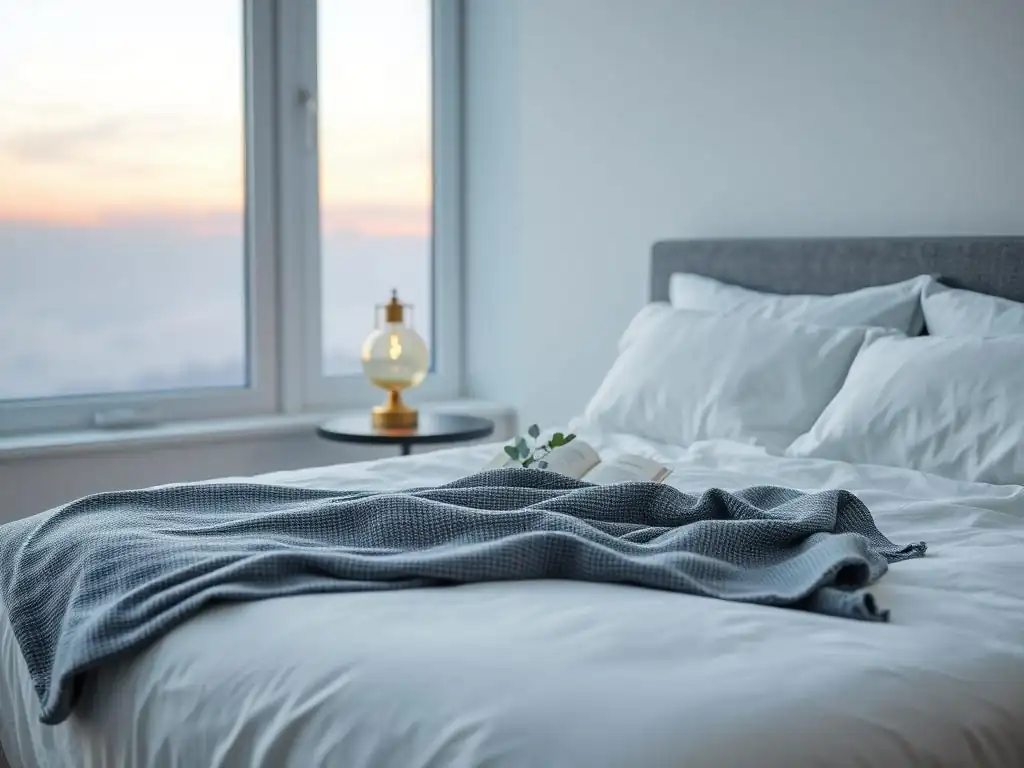
Your bedroom should be a sanctuary dedicated primarily to sleep and intimacy, free from distractions and optimized for rest. The ideal sleep environment is cool, dark, and quiet. Aim for a room temperature between 60 and 67 degrees Fahrenheit (15-19 degrees Celsius), as cooler temperatures promote sleep onset. Darkness is crucial because light exposure, especially blue light from screens, suppresses melatonin production. Use blackout curtains or an eye mask if necessary.
Minimize noise by using earplugs, a white noise machine, or a fan. Ensure your mattress and pillows are comfortable and supportive. Remove electronic devices that emit light or notifications. By controlling these environmental factors, you create optimal conditions that facilitate falling asleep and staying asleep, significantly enhancing the effectiveness of sleep hygiene for anxiety relief.
The Power of Mindfulness and Meditation for Anxiety Before Sleep
Mindfulness and meditation practices can be incredibly effective tools for calming an anxious mind before bed. Anxiety often manifests as racing thoughts, worrying about the future or ruminating on the past, which makes it hard to switch off and sleep. Mindfulness involves paying non-judgmental attention to the present moment, observing thoughts and feelings without getting carried away by them.
Even a few minutes of simple mindfulness meditation—focusing on your breath, a body scan, or guided imagery—can help to quiet the mental noise and reduce the physical tension associated with anxiety. Numerous studies have shown that regular meditation can decrease cortisol levels and improve sleep quality. Apps like Calm or Headspace offer guided meditations specifically designed for sleep and anxiety. Incorporating these practices into your pre-sleep ritual is a powerful component of sleep hygiene for anxiety relief.
Optimizing Your Daily Habits for Enhanced Sleep and Reduced Anxiety
The Importance of Regular Exercise for Sleep and Anxiety Management
Regular physical activity is a cornerstone of both good sleep and reduced anxiety. Exercise helps to lower stress hormones, release endorphins (natural mood boosters), and can improve the body's ability to regulate its temperature, which aids sleep later at night. Moderate aerobic exercise, such as brisk walking, jogging, swimming, or cycling, performed consistently most days of the week, has been shown to significantly improve sleep quality for individuals with insomnia and anxiety.
Aim for at least 30 minutes of moderate-intensity exercise most days. However, it's generally advisable to avoid vigorous exercise within two to three hours of bedtime, as it can be stimulating for some individuals. Morning or afternoon workouts are often ideal for maximizing the sleep-promoting effects. The physical exertion helps dissipate nervous energy and tension, making it easier to relax and fall asleep, thereby supporting sleep hygiene for anxiety relief.
Diet and Sleep: Foods to Embrace and Avoid for Anxiety Relief
What you eat and when you eat it can significantly impact both your sleep and anxiety levels. Certain foods contain nutrients that support sleep-regulating neurotransmitters, while others can be disruptive. Foods rich in complex carbohydrates, lean proteins, and healthy fats can help stabilize blood sugar and promote feelings of calm. Tryptophan, an amino acid found in foods like turkey, chicken, nuts, and seeds, is a precursor to serotonin and melatonin and may help promote sleepiness.
Conversely, avoid heavy meals, spicy foods, or excessive amounts of sugar close to bedtime, as these can cause digestive discomfort that interferes with sleep. While a small, light snack high in tryptophan might be helpful for some, eating too much before bed can be disruptive. Be mindful of individual sensitivities and experiment to see what works best for you. Paying attention to dietary habits is a key, often overlooked, aspect of effective sleep hygiene for anxiety relief.
Limiting Caffeine and Alcohol Intake for Improved Sleep Quality
Caffeine and alcohol are two of the most common culprits behind sleep disturbances, and their impact is particularly pronounced for individuals with anxiety. Caffeine is a stimulant that blocks adenosine, a chemical that promotes sleepiness. Its effects can last for several hours, even for those who feel they are not affected. Consuming caffeine late in the day can make it much harder to fall asleep and can increase feelings of jitteriness and anxiety.
Alcohol, while initially sedating, disrupts sleep architecture later in the night, leading to more awakenings and less restorative REM sleep. It can also worsen snoring and sleep apnea. For optimal sleep and reduced anxiety, it's best to limit or avoid caffeine intake, especially after midday, and to moderate alcohol consumption, avoiding it entirely in the hours leading up to bedtime. Reducing these substances is a fundamental practice in sleep hygiene for anxiety relief.
Cognitive Behavioral Therapy for Insomnia (CBT-I): A Powerful Tool
Cognitive Behavioral Therapy for Insomnia (CBT-I) is a structured program that helps identify and replace thoughts and behaviors that cause or worsen sleep problems. It is considered the gold standard treatment for chronic insomnia and is particularly effective for individuals whose sleep issues are linked to anxiety. CBT-I addresses not just sleep habits but also the cognitive factors, such as worry about sleep, that fuel insomnia.
The therapy typically involves several components: stimulus control (associating the bed/bedroom with sleep), sleep restriction (temporarily limiting time in bed to increase sleep drive), cognitive restructuring (challenging unhelpful beliefs about sleep), and relaxation techniques. Unlike sleeping pills, which offer temporary relief, CBT-I provides long-term strategies for improving sleep quality and reducing sleep-related anxiety. Its evidence-based approach makes it a highly recommended part of a comprehensive strategy for sleep hygiene for anxiety relief.
Relaxation Techniques for Sleep: Progressive Muscle Relaxation and Deep Breathing
Specific relaxation techniques can be powerful tools to calm the body's stress response and prepare for sleep. Progressive Muscle Relaxation (PMR) involves tensing and then slowly releasing different muscle groups in the body, from your toes to your head. This practice helps you become more aware of physical tension and teaches you how to consciously release it, which can be incredibly helpful for the physical manifestations of anxiety.
Deep breathing exercises, such as diaphragmatic breathing or the 4-7-8 technique (inhale for 4 counts, hold for 7, exhale for 8), activate the parasympathetic nervous system, promoting a state of rest and digestion. Practicing these techniques regularly, especially as part of your pre-sleep ritual, can lower heart rate, reduce cortisol levels, and quiet a racing mind, making it easier to transition into sleep. Integrating these methods enhances the effectiveness of sleep hygiene for anxiety relief.
Addressing Racing Thoughts at Night: Journaling and Thought Stopping
One of the most common ways anxiety interferes with sleep is through racing thoughts and persistent worrying when your head hits the pillow. It feels impossible to switch off the internal monologue. Techniques aimed at managing these thoughts before bed can be very beneficial. Journaling is one such method: setting aside 15-20 minutes earlier in the evening (not right before bed) to write down worries, to-do lists, or anything else on your mind can help offload these thoughts from your mental space.
Another technique is thought stopping, although it requires practice and isn't suitable for everyone. It involves consciously interrupting a thought pattern, perhaps by saying "stop" internally or even out loud, and then immediately redirecting your attention to a calming activity or positive affirmation. For persistent racing thoughts, scheduling a "worry time" earlier in the day can also help contain anxiety so it doesn't spill over into the evening. Effectively managing these thoughts is key to successful sleep hygiene for anxiety relief.
Anxiety can manifest in sleep through disturbing dreams, including nightmares and, less commonly in adults, sleep terrors. Nightmares are vivid, frightening dreams that typically occur during REM sleep and can cause you to wake up feeling anxious or scared. Sleep terrors are more dramatic, involving sudden arousal from deep sleep with screaming or thrashing, often without full consciousness or recall of a dream. High levels of daytime stress and anxiety are significant risk factors for both.
Techniques to manage anxiety during the day can help reduce the frequency of these events. For recurrent, distressing nightmares, a specific CBT technique called Imagery Rehearsal Therapy (IRT) can be very effective. IRT involves rewriting the nightmare with a positive or neutral ending and rehearsing this new version while awake. Creating a calm bedtime environment and practicing relaxation techniques also contribute to reducing overall arousal, which can help decrease the likelihood of sleep disturbances like nightmares, thereby supporting sleep hygiene for anxiety relief.
Addressing Sleep Paralysis: Understanding and Coping Strategies
Sleep paralysis is a temporary inability to move or speak that occurs while waking up or falling asleep. It can be accompanied by vivid hallucinations, often described as a sense of presence or pressure, which can be terrifying, especially for those already prone to anxiety. While relatively common, episodes can be triggered or worsened by sleep deprivation, irregular sleep schedules, and high stress levels – all factors linked to anxiety.
Understanding that sleep paralysis is a benign, albeit frightening, state where the brain is active but the body's muscle control is temporarily switched off can help reduce the fear surrounding it. Maintaining a regular sleep schedule and ensuring adequate sleep duration are the most effective preventative measures. Managing underlying anxiety through therapy or relaxation techniques can also reduce the frequency of episodes. If an episode occurs, focusing on calm breathing and reminding yourself that it is temporary can help you ride it out. Prioritizing consistent sleep through good sleep hygiene for anxiety relief is crucial in managing this phenomenon.
Restless Leg Syndrome and Anxiety: Finding Relief
Restless Leg Syndrome (RLS) is a neurological disorder characterized by an irresistible urge to move the legs, often accompanied by uncomfortable sensations like creeping, crawling, or tingling. Symptoms typically worsen in the evening or at night and are relieved by movement, making it incredibly difficult to fall asleep or stay asleep. While RLS is a physical condition, anxiety can exacerbate the symptoms, and the sleep deprivation caused by RLS can significantly increase anxiety levels.
Managing RLS often involves a combination of strategies. Addressing potential underlying causes like iron deficiency is important. Lifestyle changes, such as regular moderate exercise, avoiding caffeine and alcohol near bedtime, and establishing a consistent sleep schedule (core components of sleep hygiene for anxiety relief), can help. Some individuals find relief from gentle stretching, massage, or warm baths before bed. For severe symptoms, medication may be prescribed. Effectively managing RLS is vital for improving sleep quality and subsequently reducing anxiety.
Long-Term Strategies for Maintaining Good Sleep Hygiene and Mental Well-being
Creating a Consistent Sleep Schedule: The Key to Regulation
Consistency is perhaps the single most important factor in maintaining healthy sleep hygiene and regulating your body's internal clock. Going to bed and waking up at roughly the same time each day, even on weekends, helps to entrain your circadian rhythm. This regularity makes it easier to fall asleep when it's time and wake up feeling refreshed. While it might be tempting to 'catch up' on sleep on days off, significant deviations can disrupt your rhythm and worsen sleep quality overall, especially for those managing anxiety.
Aim for 7-9 hours of sleep per night, the amount recommended for most adults. Find a schedule that is realistic for your lifestyle and stick to it as closely as possible. Exposure to natural light shortly after waking can also help reinforce your body's internal clock. Building this consistent habit is a fundamental, long-term strategy for effective sleep hygiene for anxiety relief.
Seeking Professional Help: When to Consult a Doctor or Therapist
While implementing good sleep hygiene practices can significantly improve sleep and reduce anxiety for many people, it's important to recognize when professional help is needed. If you've consistently applied these strategies for several weeks or months and are still experiencing significant sleep difficulties (like taking longer than 30 minutes to fall asleep, waking up frequently, or waking up too early and being unable to get back to sleep) or if your anxiety is significantly impacting your daily life, it's time to consult a healthcare professional.
A primary care physician can rule out any underlying medical conditions contributing to sleep problems or anxiety. A sleep specialist can diagnose sleep disorders like insomnia, sleep apnea, or RLS. A therapist or counselor specializing in anxiety or CBT-I can provide targeted strategies for managing anxious thoughts and behaviors that interfere with sleep. Don't hesitate to seek support; professional guidance is a valuable resource in achieving lasting sleep hygiene for anxiety relief.
Building a Support System: Connecting with Others for Anxiety Management
Managing anxiety and improving sleep can feel isolating, but connecting with others can provide invaluable support. Sharing your experiences with trusted friends, family members, or support groups can reduce feelings of loneliness and provide comfort. Talking through worries with a supportive listener can sometimes help process them more effectively than keeping them bottled up.
Support groups, whether in-person or online, offer a space to connect with others who understand what you're going through, share coping strategies, and find encouragement. Simply knowing you're not alone in your struggles with sleep and anxiety can be incredibly empowering. A strong social support system acts as a buffer against stress and can reinforce positive habits, including adherence to sleep hygiene for anxiety relief.
Conclusion: Prioritizing Sleep Hygiene for a Calmer and Healthier Mind
Frequently Asked Questions
How does improving sleep hygiene help with anxiety?
Improving sleep hygiene can significantly reduce anxiety by promoting better sleep quality. When you sleep well, your brain can regulate emotions more effectively, leading to a calmer mind.
What are some key components of good sleep hygiene?
Key components include maintaining a consistent sleep schedule, creating a relaxing bedtime routine, and optimizing your sleep environment for darkness and quiet.
How long does it take to see a noticeable improvement in anxiety levels after improving sleep hygiene?
It varies from person to person, but many people experience some improvement within a few weeks of consistently practicing good sleep hygiene. Patience is key.
What are some common sleep hygiene mistakes that can worsen anxiety?
Using electronic devices before bed, consuming caffeine or alcohol close to bedtime, and having an irregular sleep schedule are all common mistakes that can exacerbate anxiety and sleep problems.
What resources are available if I'm struggling to improve my sleep hygiene and anxiety on my own?
Mind Care Guide offers extensive resources on sleep hygiene and anxiety relief, including articles, guides, and links to professional support. Consulting a therapist or sleep specialist is also advisable.
Final Reflection: Embracing Sleep Hygiene for a Calmer Mind
In today's fast-paced world, the importance of sleep hygiene for anxiety relief cannot be overstated. As we navigate through the complexities of modern life, the quality of our sleep directly impacts our mental well-being and overall health. The practices outlined in this article serve not only as a guide to better sleep but also as a pathway to a more peaceful and balanced life. In a society where anxiety often feels like a constant companion, prioritizing our sleep can be a revolutionary act of self-care.
The influence of sleep hygiene extends beyond individual well-being; it shapes our cultural and social landscapes. By fostering awareness around the significance of sleep, we can collectively shift our approach to mental health. As we embrace these practices, we contribute to a broader conversation about wellness and self-compassion. Sleep is the best meditation.
– Dalai Lama. This quote encapsulates the essence of our exploration, reminding us that nurturing our sleep is not just a personal endeavor but a communal responsibility that can lead to a more harmonious society.
As you reflect on the insights shared in this article, I invite you to take actionable steps toward enhancing your sleep hygiene. Consider how implementing these practices can transform not only your nights but also your days. Let this be a call to prioritize your mental health and well-being, for in doing so, you empower yourself to face life's challenges with a calmer mind and a rejuvenated spirit. Embrace the journey toward better sleep, and in turn, a brighter, more fulfilling life awaits you.
Unlock Your Best Sleep Tonight!
Thanks for taking the time to explore the world of better sleep with us! We hope you've discovered valuable insights into calming your mind and improving your rest. Now it's time to put that knowledge into action.
- Prioritize your sleep hygiene tonight: Start small – try dimming the lights an hour before bed, or taking a warm bath. See how even one small change makes a difference!
- Share your sleep tips with a friend: Spread the word about the power of restful sleep and help them improve their well-being too. A supportive community can make all the difference.
- Consider tracking your sleep patterns for a week: Notice any improvements and identify areas where you could still optimize your sleep routine.
Ready to experience the transformative power of a truly restful night's sleep? What's one small change you'll implement tonight?