
Beyond the Oracle: Greek Views on Melancholy and Mania

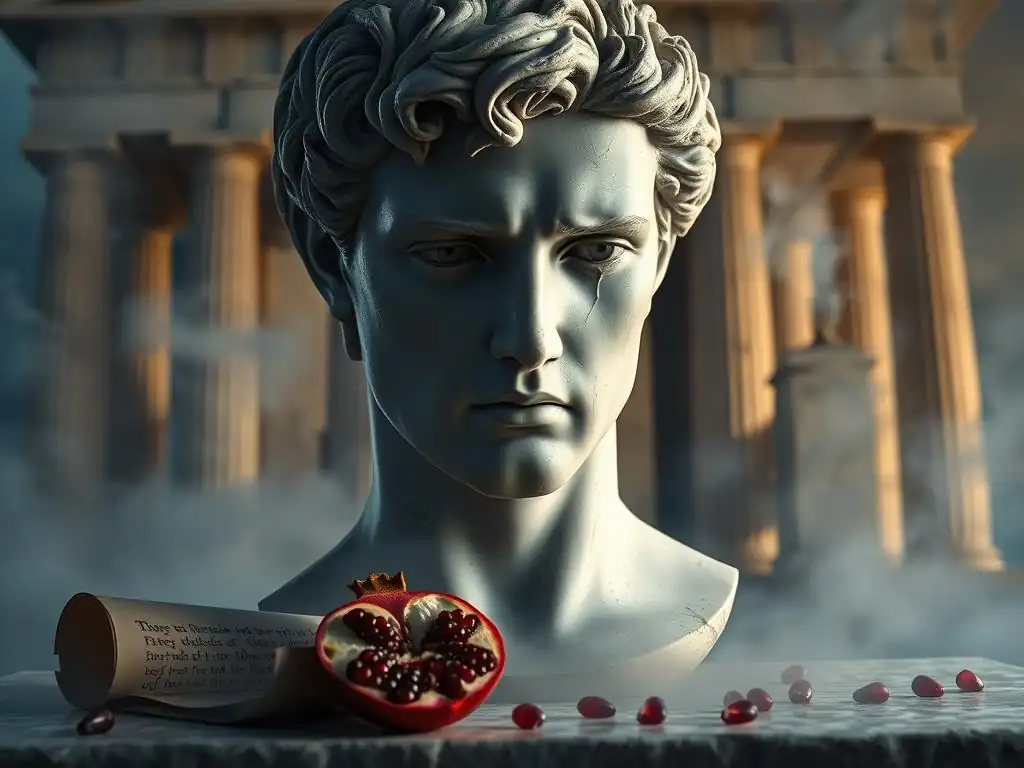
Welcome to Mind Care Guide! Here, we delve into the intricate tapestry of mental well-being, offering you a comprehensive resource to navigate the complexities of various mental health challenges. In our featured article, “Beyond the Oracle: Greek Views on Melancholy and Mania,” we explore the profound insights of Ancient Greece into the symptoms of melancholy and mania, revealing how these age-old perceptions continue to resonate in our modern understanding of mental health.
Are you ready to uncover the wisdom of the ancients and see how it can illuminate your journey toward well-being? Dive in and discover the connections that await you!
Beyond the Oracle: Greek Views on Melancholy and Mania
- Introduction: Exploring Ancient Greek Perspectives on Mental Health
- The Humoral Theory: A Foundation for Understanding Mental States
-
Melancholy in Ancient Greek Thought: Symptoms and Characteristics
- Defining Melancholy: Ancient Greek Terminology and Interpretations
- Key Symptoms of Melancholy as Described by Greek Physicians
- Melancholy's Impact on Daily Life: Ancient Greek Accounts
- Defining Mania: Ancient Greek Terminology and Interpretations
- Key Symptoms of Mania as Described by Greek Physicians
- Mania's Impact on Daily Life: Ancient Greek Accounts
- Prominent Figures and Their Contributions to Understanding Melancholy and Mania
- Treatments and Approaches to Managing Melancholy and Mania in Ancient Greece
- The Role of Religion and Mythology in Understanding Mental Illness
- Comparing Ancient Greek Views with Modern Understandings of Depression and Bipolar Disorder
- Conclusion: Reflecting on the Wisdom of the Ancients and Its Relevance Today
-
Frequently Asked Questions
- How did the Ancient Greeks view melancholy and mania?
- What were some of the melancholy mania symptoms recognized by ancient Greek physicians?
- What role did philosophy play in understanding mental health in Ancient Greece?
- Were there any specific treatments or remedies used for melancholy mania symptoms in ancient Greece?
- How does the ancient Greek understanding of melancholy mania symptoms compare to modern perspectives on mental health?
- Final Reflection: Echoes of Ancient Suffering in the Modern Mind
- Unlock Your Understanding: Explore the Ancient Wisdom of Mood
Introduction: Exploring Ancient Greek Perspectives on Mental Health
Setting the Stage: The Historical Context of Mental Illness in Ancient Greece
In ancient Greece, the understanding of illness, including what we now term mental illness, was deeply intertwined with their broader worldview. Far from being a purely medical matter in the modern sense, conditions like melancholy and mania were often viewed through multiple lenses: the physical, the philosophical, and sometimes, the divine.
The period from roughly the 8th century BCE to the 6th century CE saw significant shifts, moving from explanations rooted primarily in mythology and divine intervention towards more naturalistic and physiological interpretations, particularly with the rise of Hippocratic medicine around the 5th century BCE. This transition marked a crucial step in the history of medicine, attempting to explain human suffering, including profound shifts in mood and behavior, through observable phenomena rather than solely through the whims of gods or spirits.
This historical context is vital because it shapes how ancient Greek melancholy mania symptoms were perceived and categorized. Early explanations might attribute sudden mood swings or deep sadness to divine punishment or possession, as seen in some dramatic portrayals. However, figures like Hippocrates began to systematically observe patients, recording detailed descriptions of their physical and mental states.
This empirical approach, though limited by the scientific tools of the time, laid the groundwork for later humoral theories which dominated medical thought for centuries. Understanding this evolution from supernatural to naturalistic explanations provides essential context for appreciating the complexity of ancient Greek attempts to grapple with conditions that significantly impacted individuals and society.
The Significance of Studying Ancient Greek Views on Melancholy and Mania
Studying ancient Greek perspectives offers a unique window into humanity's long struggle to understand and alleviate mental suffering. Their conceptualizations of states like melancholy and mania, while different from modern diagnoses, reveal recurring patterns in human experience.
By examining ancient Greek melancholy mania symptoms as recorded in texts like the Hippocratic Corpus, the writings of Aristotle, or the later works of Galen, we gain insight into how these conditions manifested across different historical epochs. This historical perspective highlights that profound sadness, despair, excessive energy, and altered perceptions are not solely modern phenomena but have been part of the human condition for millennia.
Furthermore, the ancient Greek approach, particularly the humoral theory, significantly influenced Western medicine for over a thousand years. Galen, building upon Hippocratic ideas, solidified a framework that would define medical understanding until the Renaissance.
While the humoral theory is no longer scientifically valid, its historical dominance means that understanding ancient Greek views is essential for tracing the lineage of medical thought and appreciating how early physicians attempted to classify and treat complex conditions. Examining their methodologies, even the non-medical ones like philosophical counseling or lifestyle adjustments, provides valuable context for the evolution of therapeutic approaches and reminds us that addressing mental health has historically involved more than just physiological interventions.
The Humoral Theory: A Foundation for Understanding Mental States
The Four Humors and Their Influence on Temperament
The cornerstone of ancient Greek medical theory, particularly associated with Hippocrates and later refined by Galen, was the concept of the four humors. These were believed to be four fundamental bodily fluids: blood, yellow bile, black bile, and phlegm. The theory posited that health, both physical and mental, depended on the balance or equilibrium of these humors within the body.
Each humor was associated with specific qualities (hot, cold, wet, dry) and linked to particular seasons and elements. For instance, blood was seen as hot and wet, associated with spring and air; yellow bile was hot and dry, linked to summer and fire; black bile was cold and dry, connected to autumn and earth; and phlegm was cold and wet, related to winter and water.
Beyond physical health, the balance of these humors was thought to dictate an individual's temperament or personality. A predominance of blood was associated with a sanguine (optimistic, social) temperament; yellow bile with a choleric (irritable, ambitious) temperament; black bile with a melancholic (pensive, introverted) temperament; and phlegm with a phlegmatic (calm, sluggish) temperament.
Illness, including mental disturbances like ancient Greek melancholy mania symptoms, was seen as a result of an imbalance—either an excess or deficiency of one or more humors, or their improper distribution within the body. This framework provided a systematic way for ancient physicians to categorize conditions and devise treatments aimed at restoring humoral balance.
Black Bile and Melancholy: An Ancient Greek Perspective
Within the humoral framework, the state of melancholy was specifically attributed to an excess or corruption of black bile. This humor, associated with coolness and dryness, was believed to originate primarily from the spleen and stomach. When black bile was present in excess or was somehow vitiated (corrupted), it was thought to ascend to the brain, where it would cloud the mind and lead to the symptoms characteristic of melancholy.
Texts from the Hippocratic Corpus describe melancholy as a prolonged state of sadness, fear, and despondency, often without apparent cause. The association with black bile provided a physical explanation for these profound emotional and cognitive changes, grounding the condition in bodily processes rather than solely in external misfortune or divine will.
Aristotle, in his Problemata, also famously pondered the connection between black bile and exceptional individuals, asking why "all men who have become outstanding in philosophy, statesmanship, poetry, or the arts are clearly melancholic." This suggests that while an excess of black bile was linked to debilitating symptoms, a certain proportion of it might also be associated with deep thought, creativity, and intensity.
This nuanced view indicates that melancholy in ancient Greece was not always seen purely as an affliction but sometimes as a temperament that could, under certain conditions, lead to profound intellectual or artistic output, albeit often accompanied by difficulty and suffering. The ancient Greek melancholy symptoms linked to black bile were therefore complex, ranging from debilitating despair to intense introspection.
Yellow Bile and Mania: Connecting Humors to Elevated Moods
Just as black bile was linked to melancholy, yellow bile was the humor associated with the opposite state: mania. Yellow bile, characterized by heat and dryness, was thought to originate in the liver. An excess of this humor, particularly when heated or agitated, was believed to rush to the brain, causing states of excitement, restlessness, and irrational behavior.
Hippocratic texts describe mania as a condition marked by agitation, sleeplessness, shouting, and sometimes violent outbursts or delusions. The hot, dry nature of yellow bile was thought to 'overheat' the brain, leading to the frantic and disordered thoughts and actions observed in manic individuals.
Galen further elaborated on the connection between yellow bile and mania, distinguishing different types of mania potentially related to the type or location of the excess bile. This humoral explanation provided a physical basis for understanding states of extreme elevation, irritability, and disordered thought, contrasting sharply with the cold, dry nature of black bile associated with melancholy. Thus, within the humoral theory, the ancient Greek melancholy mania symptoms were seen as opposite ends of a spectrum, both rooted in imbalances of specific bodily fluids, providing a physiological framework for understanding diverse and sometimes oscillating mental states.
Melancholy in Ancient Greek Thought: Symptoms and Characteristics
Defining Melancholy: Ancient Greek Terminology and Interpretations
The term "melancholy" itself derives from the Greek words melas (black) and kholē (bile), directly reflecting its humoral explanation. Ancient Greek physicians and philosophers used this term to describe a cluster of symptoms that align broadly, though not perfectly, with modern concepts of depression. However, the ancient understanding was perhaps wider, sometimes encompassing not just sadness and despair but also certain types of fear, phobias, and even physical complaints. The interpretations varied slightly across different schools of thought and individual practitioners, but the core idea revolved around a state of profound dejection and mental cloudiness.
Aristotle, while linking it to genius, still described the melancholic temperament as one prone to fear, anxiety, and listlessness. Hippocrates and his followers provided more clinical descriptions. The ancient Greek melancholy symptoms were often presented as a chronic condition, distinct from temporary sadness caused by specific life events. It was seen as an internal state, a fundamental alteration in one's disposition caused by internal imbalances, particularly the dreaded black bile. This emphasis on an internal, physiological cause was a significant step away from purely external or supernatural explanations.
Key Symptoms of Melancholy as Described by Greek Physicians
Ancient Greek medical texts, particularly those within the Hippocratic Corpus, detail several recurring ancient Greek melancholy symptoms. A central feature was persistent sadness or dejection ( lypē). Patients were described as being downcast, sorrowful, and often tearful. Another prominent symptom was intense fear or anxiety ( phobos), sometimes manifesting as specific phobias or irrational dread. The texts note that melancholic individuals were often plagued by groundless fears, worrying excessively about death, illness, or other misfortunes.
Beyond emotional states, physical symptoms were also closely linked to melancholy. These included:
- Insomnia or disturbed sleep
- Loss of appetite or digestive issues
- Lethargy and lack of energy
- Physical pain or discomfort without clear physical cause
One Hippocratic text, Airs, Waters, Places, notes that people in certain environments might be more prone to melancholy, suggesting an environmental influence on the humoral balance. Another key aspect of ancient Greek melancholy symptoms was a preoccupation with negative thoughts and a tendency towards introspection, sometimes leading to philosophical contemplation but often resulting in brooding and despair. These descriptions provide a rich historical record of how profound sadness and related physical and psychological distress were understood millennia ago.
Melancholy's Impact on Daily Life: Ancient Greek Accounts
Melancholy had a significant impact on the daily lives of those affected, as described in ancient Greek accounts. Individuals suffering from severe melancholy were often incapacitated, unable to perform their usual duties or participate in social life. The pervasive sadness and fear could lead to social withdrawal and isolation. Historical anecdotes and philosophical writings sometimes depict melancholic individuals as reclusive, lost in thought, and detached from their surroundings.
For instance, some accounts suggest that melancholic individuals might exhibit strange or irrational behaviors stemming from their fears or preoccupations. While precise statistics are unavailable, the fact that melancholy was a recognized and discussed condition in both medical and philosophical texts suggests it was a noticeable and sometimes debilitating presence in ancient Greek society.
The impact ranged from personal suffering and inability to function professionally or domestically to, in extreme cases, self-harm, although detailed accounts of this are rare. The descriptions of ancient Greek melancholy symptoms highlight a condition that profoundly affected individuals' capacity for activity, enjoyment, and social connection.

Defining Mania: Ancient Greek Terminology and Interpretations
The term "mania" ( mania) in ancient Greek referred to a state of intense excitement, frenzy, or madness. Like melancholy, it was primarily understood through the lens of the humoral theory, specifically linked to an excess of yellow bile. However, ancient Greek interpretations of mania also encompassed states of divine inspiration or prophetic ecstasy, particularly in earlier periods.
Figures like Plato discussed different types of mania, including prophetic, poetic, erotic, and what he termed 'telestic' or ritual madness, suggesting a broader understanding that wasn't purely pathological. Yet, within medical texts, the focus was on the pathological state characterized by disordered thought and behavior.
Hippocratic physicians defined medical mania as a condition marked by excessive heat and dryness, leading to agitated and irrational states. It was often seen as the opposite pole to melancholy, representing an excess of energy and disordered activity compared to the lethargy and withdrawal of melancholy. The definition centered on observable behaviors indicative of a loss of rational control and heightened emotional and physical arousal. Understanding these ancient Greek mania symptoms requires recognizing this dual interpretation – sometimes a state of divine connection, but within medicine, primarily a state of pathological excitation.
Key Symptoms of Mania as Described by Greek Physicians
Ancient Greek medical texts provide detailed descriptions of the symptoms associated with mania. A hallmark feature was extreme restlessness and agitation. Patients were described as being unable to sit still, constantly moving or pacing. Another significant symptom was sleeplessness ( agrypnia), often for extended periods, without apparent fatigue. The texts emphasize the heightened energy levels and reduced need for rest.
Other prominent ancient Greek mania symptoms included:
- Rapid, disorganized speech ( lalia or phlyaria)
- Irritability and anger ( orgē)
- Sometimes, aggression or violence
- Delusions or irrational beliefs ( paraphrosyne)
- Heightened sensory perception or hallucinations (less frequently detailed than other symptoms)
- Lack of judgment and impulsive behavior
Hippocratic physicians noted that manic episodes could be episodic, sometimes alternating with periods of melancholy or normal mood. This observation, recorded centuries ago, hints at an early recognition of fluctuating mood states, although the concept of a single "bipolar" disorder did not exist. The descriptions of ancient Greek mania symptoms paint a picture of individuals in a state of intense, disorganized arousal, significantly impacting their ability to function rationally or maintain social norms.
Mania's Impact on Daily Life: Ancient Greek Accounts
The impact of mania on daily life in ancient Greece was often dramatic and disruptive. Individuals in a manic state could be highly unpredictable, engaging in impulsive and potentially dangerous behaviors. Their inability to sleep, constant activity, and disordered thinking made it difficult or impossible to perform daily tasks, maintain relationships, or hold positions of responsibility. Historical accounts sometimes portray manic individuals as being isolated or confined due to their erratic behavior.
While divine or prophetic mania might have been viewed differently, the medical state of mania was clearly seen as an affliction causing significant distress to both the individual and their community. The aggression or violence sometimes associated with severe mania posed a direct threat, leading to measures to restrain or control the affected person. The descriptions of ancient Greek mania symptoms underscore a condition that led to profound functional impairment, social disruption, and personal distress, necessitating interventions from family, community, or physicians.
Prominent Figures and Their Contributions to Understanding Melancholy and Mania
Hippocrates: The Father of Medicine and His Observations on Mental Disorders
Hippocrates of Kos (c. 460 – c. 370 BCE), often hailed as the "Father of Medicine," is a pivotal figure in the shift towards a naturalistic understanding of illness, including mental conditions. Although the Hippocratic Corpus is a collection of texts likely written by various physicians over several centuries, the principles attributed to Hippocrates laid the foundation for humoral theory and systematic clinical observation.
Hippocratic physicians viewed the brain as the seat of reason and sensation, and therefore also the organ responsible for mental disorders. They rejected supernatural explanations for conditions like melancholy and mania, attributing them instead to imbalances within the body, primarily of the humors.
The Hippocratic texts contain detailed descriptions of ancient Greek melancholy mania symptoms. For instance, the treatise On the Sacred Disease (often attributed to epilepsy but discussing brain function broadly) argues against divine causes for such afflictions. Other texts specifically describe the clinical presentation of melancholy and mania, linking them to black bile and yellow bile respectively.
Hippocrates' emphasis on observing the patient, recording symptoms, and considering environmental and lifestyle factors in diagnosis and treatment represented a radical departure from earlier approaches. His legacy provided a framework that would influence medical thought on mental states for over a millennium, grounding the understanding of these conditions in physiology rather than divinity.
Galen: Expanding on Humoral Theory and Its Application to Mental Health
Galen of Pergamon (129 – c. 216 CE) was a Greek physician, surgeon, and philosopher in the Roman Empire who became the most influential medical authority after Hippocrates. He rigorously systematized and expanded upon the humoral theory, refining the understanding of the four humors and their influence on health and temperament.
Galen's extensive writings, which synthesized centuries of Greek medical knowledge, became the standard medical texts in Europe and the Middle East for over 1,300 years. His work on mental health continued the Hippocratic tradition of viewing conditions like melancholy and mania through a physiological lens, specifically within the humoral framework.
Galen provided more detailed classifications of humoral imbalances and their specific effects on the brain and mind. He elaborated on the properties of black bile, distinguishing different types (e.g., natural vs. unnatural) and their potential origins (e.g., from burnt humors). He discussed how excesses or deficiencies of specific humors could lead to particular ancient Greek melancholy mania symptoms, offering more nuanced explanations than earlier texts.
Galen also explored the anatomical basis of mental function, dissecting brains (primarily animal) and proposing theories about the role of the brain and nerves. His detailed anatomical and physiological theories solidified the humoral model as the dominant paradigm for understanding and treating mental conditions, making his contributions indispensable to the history of ancient Greek perspectives on melancholy and mania.
Other Influential Greek Philosophers and Physicians
While Hippocrates and Galen are paramount in the medical understanding of melancholy and mania, other Greek thinkers also contributed significantly. Philosophers like Plato and Aristotle discussed states resembling melancholy and mania, albeit often through a less medical and more psychological or even metaphysical lens. Plato, as mentioned, explored different forms of mania, including those seen as divine inspiration, contrasting them with ordinary, rational thought. Aristotle's musings on melancholy and genius in Problemata provided a philosophical perspective on the potential link between temperament and intellectual intensity, influencing later discussions about the condition.
Other physicians, whose works might be less well-preserved or integrated into the main Hippocratic or Galenic canons, also contributed to the evolving understanding. For instance, figures associated with the Alexandrian school of medicine made anatomical discoveries that furthered the understanding of the brain, even if their humoral interpretations remained dominant.
Though specific treatises solely focused on ancient Greek melancholy mania symptoms by lesser-known figures are rare, the collective body of Greek philosophical and medical writing reflects a sustained intellectual effort to observe, categorize, and explain these complex human experiences, viewing them as phenomena rooted in the body, the mind, and sometimes, the broader cosmos.
Treatments and Approaches to Managing Melancholy and Mania in Ancient Greece
Herbal Remedies and Natural Treatments
Ancient Greek physicians employed a variety of herbal remedies and natural treatments aimed at restoring the balance of humors believed to cause conditions like melancholy and mania. Since melancholy was linked to an excess of cold, dry black bile, treatments often involved warming and moistening agents. This could include warm baths, specific foods considered warming, and herbal infusions.
For instance, herbs like hellebore were frequently mentioned in ancient texts as treatments for melancholy, although its use was complex and potentially dangerous. Purgatives and emetics were also used, based on the belief that expelling the excess humor from the body would restore balance.
For mania, linked to hot, dry yellow bile, treatments aimed at cooling and moistening. This might involve cooling baths, soothing poultices, and diets focused on foods considered cooling. Sedative herbs might also have been used to calm agitation and promote sleep.
While the scientific basis of these treatments is questionable by modern standards, they represented a systematic attempt within the humoral framework to counteract the perceived properties of the offending humor. The selection of specific herbs and natural substances was based on their perceived qualities (hot/cold, wet/dry) and their believed effects on the body, aiming to alleviate ancient Greek melancholy mania symptoms by correcting the underlying humoral imbalance.
Lifestyle Recommendations: Diet, Exercise, and Rest
Beyond specific remedies, ancient Greek physicians placed significant emphasis on lifestyle modifications as crucial components of treatment for both melancholy and mania. Diet played a major role; specific foods were recommended or avoided based on their perceived humoral properties and their effect on the production and balance of humors. For example, foods believed to produce 'good' blood were encouraged, while those thought to generate excessive or corrupted bile were restricted.
Exercise was also considered therapeutic. Moderate physical activity was thought to help balance the humors and clear obstructions, potentially alleviating lethargy associated with melancholy. The type and intensity of exercise might be tailored to the individual's temperament and condition. Rest and sleep were particularly important for mania, given the characteristic sleeplessness.
Creating a calm environment and promoting restful activities were often recommended. Travel, particularly to places with different climates or environments, was sometimes suggested as a way to alter the body's humoral state and break negative cycles. These lifestyle recommendations highlight a holistic approach that recognized the interplay between physical habits and mental well-being, offering non-pharmacological strategies alongside herbal treatments to manage ancient Greek melancholy mania symptoms.
The Role of Philosophy and Counseling in Addressing Mental Distress
While humoral medicine provided the primary physiological framework, ancient Greek approaches to mental distress were not limited to the physical. Philosophy played a significant role, offering perspectives on coping with suffering, managing emotions, and finding meaning. Schools like Stoicism and Epicureanism offered ethical frameworks and practical advice aimed at achieving tranquility ( ataraxia or eudaimonia) through reason and self-control. Philosophical discourse and reflection could serve as a form of counseling, helping individuals to understand their emotional states, challenge irrational fears (a key ancient Greek melancholy symptom), and cultivate resilience.
Physicians sometimes worked alongside philosophers or incorporated philosophical principles into their practice. The physician might address the humoral imbalance, while a philosopher might help the patient confront their fears, manage their desires, or find acceptance of their circumstances. This integrated approach recognized that mental distress involved more than just bodily fluids; it also involved thoughts, beliefs, and one's relationship with the world. While not formal 'therapy' in the modern sense, engaging in philosophical dialogue and adopting a philosophical way of life offered a crucial non-medical avenue for addressing the psychological and existential dimensions of ancient Greek melancholy mania symptoms.
The Role of Religion and Mythology in Understanding Mental Illness

Divine Intervention and Mental Afflictions
In early ancient Greek thought, before the full development of naturalistic medicine, mental afflictions were often attributed to divine intervention. The gods were capricious, and madness or profound despair could be seen as punishment for impiety, hubris, or offending a specific deity. Figures in mythology, like Ajax driven to madness by Athena, or the tragic fates often dictated by the Fates or other divine powers, illustrated the belief that external, supernatural forces could seize control of an individual's mind. This perspective meant that addressing mental distress might involve seeking appeasement from the gods through prayers, sacrifices, or rituals.
Even as medical explanations gained prominence, the idea of divine influence did not entirely disappear. Some conditions might still be seen as having a component of divine displeasure or testing. Certain sanctuaries, like the Temple of Asclepius (the god of healing), were sought out by those suffering from various ailments, including those affecting the mind.
Patients would undergo rituals, including therapeutic sleep ( incubation), in the hope of receiving a divine cure or guidance through dreams. While Hippocratic medicine sought to separate illness from divine cause, popular belief and practice often retained a connection between mental states and the will of the gods, particularly in understanding the origin or potential cure for severe ancient Greek melancholy mania symptoms.
The Significance of Dreams and Omens
Dreams held significant importance in ancient Greek culture, often viewed as messages from the gods, glimpses into the future, or reflections of one's physical and mental state. In the context of mental health, dreams could be interpreted as indicators of humoral imbalances or as symptoms of underlying conditions like melancholy or mania.
For instance, melancholic individuals, prone to fear and dark thoughts, might report disturbing or fearful dreams, which could be seen as the black bile affecting the brain during sleep. Similarly, agitated or chaotic dreams might be associated with the excess heat and activity of yellow bile in mania.
Omens, signs, and portents encountered in daily life were also interpreted for meaning, sometimes in relation to health. Unusual events or personal experiences might be seen as warnings or indications of underlying problems, potentially including mental or emotional distress. While medical practitioners focused on physical symptoms, individuals and their families might seek interpretations from priests, oracles, or dream interpreters. This highlights the multifaceted approach to understanding and addressing ancient Greek melancholy mania symptoms, where medical, philosophical, and religious/supernatural explanations and interventions often coexisted.
Gods and Goddesses Associated with Mental Health
Several Greek deities were associated with aspects of health, healing, madness, or wisdom, and were thus relevant to understanding and seeking relief from conditions like melancholy and mania. Asclepius was the primary god of healing, and his temples were centers for treating various illnesses, including those affecting the mind. Patients would seek his aid through prayer, rituals, and the aforementioned incubation.
Other deities were linked more directly to altered states of mind. Dionysus, the god of wine, revelry, and ecstasy, was associated with states of frenzy and altered consciousness, sometimes bordering on what might be considered pathological mania, though his influence could also be seen as transformative or divinely inspired. The Muses, goddesses of inspiration, were linked to poetic or artistic 'mania,' a creative frenzy distinct from debilitating illness.
Apollo, god of healing, music, and prophecy, was connected to both physical health and the prophetic states that could resemble mania. Even figures like the Erinyes (Furies), goddesses of vengeance, could be seen as inflicting madness or torment on those who had committed heinous crimes. These divine associations provided cultural frameworks for understanding the origins and manifestations of ancient Greek melancholy mania symptoms, offering avenues for explanation and potential intervention through religious practice.
Comparing Ancient Greek Views with Modern Understandings of Depression and Bipolar Disorder
Bridging the Gap: Similarities Between Ancient and Modern Symptom Descriptions
Despite the vast differences in scientific understanding, there are striking similarities between ancient Greek descriptions of melancholy and mania and modern diagnostic criteria for depression and bipolar disorder. The core ancient Greek melancholy symptoms—persistent sadness, fear, sleeplessness, loss of appetite, lethargy, and negative thoughts—map remarkably well onto major depressive episodes. Similarly, the ancient Greek mania symptoms—restlessness, sleeplessness, rapid speech, irritability, delusions, and impulsive behavior—show clear parallels with modern descriptions of manic episodes.
Ancient physicians' observations of fluctuating moods, with some individuals experiencing periods of both melancholy and mania, foreshadowed the modern concept of bipolar disorder, even if they lacked the framework to unify these states under a single diagnostic category. The recognition that these conditions impacted sleep, appetite, energy levels, and cognitive function (disordered thought, delusions) demonstrates a keen observational ability on the part of ancient practitioners. While the theoretical explanation (humors) was incorrect, the phenomenological descriptions of ancient Greek melancholy mania symptoms often resonate with contemporary clinical presentations, highlighting the enduring nature of these experiences across history.
Key Differences: Limitations and Contextual Considerations
However, crucial differences exist between ancient Greek and modern understandings. The most significant is the explanatory model: the humoral theory versus neurobiological, genetic, and psychosocial factors. Ancient physicians lacked the tools to understand brain chemistry, genetics, or the complex interplay of environmental stressors and psychological vulnerabilities. Their treatments, based on humoral balance, were often ineffective or even harmful by modern standards (e.g., harsh purgatives).
Furthermore, the ancient categories of melancholy and mania were broader and less precisely defined than modern diagnostic criteria. Melancholy could encompass a wider range of conditions, including what we might now classify as anxiety disorders or even certain physical ailments with psychological components. Mania sometimes blurred the lines between pathology and states of divine inspiration or intense creativity.
The concept of 'mental illness' as a distinct class of medical conditions was less formalized; conditions affecting the mind were often integrated into a general framework of bodily health and disease. The lack of standardized diagnostic criteria and the integration of philosophical and religious explanations also differentiate ancient Greek views from the biomedical focus of much of modern psychiatry when evaluating ancient Greek melancholy mania symptoms.
The Enduring Legacy of Ancient Greek Thought on Mental Health
Despite their limitations, ancient Greek views on melancholy and mania have an enduring legacy. Their emphasis on naturalistic explanation, clinical observation, and the brain as the seat of mental function were foundational shifts in medical thought. The Hippocratic Oath, with its principles of patient care and ethics, remains relevant today. The very terms "melancholy" and "mania" have persisted in medical and popular language for millennia, a testament to the lasting impact of their initial conceptualization.
Moreover, the ancient Greek recognition of the importance of lifestyle (diet, exercise, sleep) and non-medical approaches (philosophy, counseling) resonates with modern integrated models of mental health care that emphasize holistic well-being. While their specific theories were flawed, the ancient Greeks initiated a systematic inquiry into the causes and characteristics of profound mood and behavioral changes, laying essential groundwork. Studying ancient Greek melancholy mania symptoms and the attempts to understand them provides valuable historical context, reminding us of the long and complex journey of human understanding regarding mental health challenges.
Conclusion: Reflecting on the Wisdom of the Ancients and Its Relevance Today
Key Takeaways from Ancient Greek Perspectives on Melancholy and Mania
Exploring ancient Greek perspectives on melancholy and mania reveals several key takeaways. Firstly, these conditions, characterized by profound shifts in mood, energy, and behavior, have been recognized and described for thousands of years, indicating their deep roots in the human experience. The ancient Greek physicians provided detailed observations of ancient Greek melancholy mania symptoms that bear striking resemblance to modern descriptions of depression and bipolar disorder, highlighting a continuity in the phenomenology of these states across history.
Secondly, the ancient Greeks pioneered a shift towards naturalistic explanations for mental illness, moving away from purely supernatural interpretations. The humoral theory, while scientifically incorrect, represented a groundbreaking attempt to ground psychological states in physiological processes, laying the foundation for a medical approach to mental health. Finally, their holistic view, incorporating lifestyle, environment, and philosophical or spiritual approaches alongside physical treatments, reminds us that effective care has historically involved addressing multiple dimensions of human experience.
The Importance of Historical Context in Understanding Mental Illness
Understanding the historical context of mental illness, particularly through the lens of ancient Greek views, is crucial for several reasons. It challenges the notion that modern psychiatric concepts are entirely new, showing that humanity has long grappled with similar patterns of suffering. It highlights the evolution of medical thought, demonstrating how early attempts, even if flawed, paved the way for later scientific advancements. Examining ancient Greek melancholy mania symptoms within their cultural and scientific context helps us appreciate the limitations of knowledge in any given era and encourages humility in our own understanding.
Moreover, historical context provides perspective. It shows that societal attitudes towards mental distress have varied, sometimes viewing altered states through religious or philosophical lenses before medicalization became dominant. This historical depth enriches our understanding of the complex interplay between biological factors, individual psychology, and socio-cultural frameworks in shaping how mental health is perceived and addressed.
Further Research and Exploration
The study of ancient Greek perspectives on melancholy and mania is an ongoing area of research, offering many avenues for further exploration. Detailed analysis of primary texts, such as lesser-known Hippocratic treatises or philosophical commentaries, can yield deeper insights into the nuances of ancient Greek melancholy mania symptoms and their interpretations. Comparisons with contemporaneous medical traditions in other cultures (e.g., Egyptian, Mesopotamian) could provide a broader understanding of how mental distress was understood in the ancient world.
Investigating the social and cultural implications of these conditions in ancient Greece, beyond the medical and philosophical texts, could shed light on the lived experience of individuals and families affected. Furthermore, exploring how ancient concepts like temperament and humoral balance subtly influenced later Western thought, even outside of medicine, can reveal lasting legacies. Continued scholarly work in this area promises to deepen our appreciation for the intellectual history of mental health and the persistent human effort to comprehend the complexities of the mind.
Frequently Asked Questions
How did the Ancient Greeks view melancholy and mania?
The Ancient Greeks didn't always separate melancholy and mania. They often considered them two sides of the same coin, frequently describing them as imbalances in bodily humors, particularly an excess of black bile for melancholy.
What were some of the melancholy mania symptoms recognized by ancient Greek physicians?
Symptoms included sadness, despair, and aversion to life for melancholy, contrasted with excessive energy, impulsivity, and sometimes delusions for mania. These were often attributed to an imbalance in humoral theory.
What role did philosophy play in understanding mental health in Ancient Greece?
Philosophical schools, like the Stoics and Epicureans, offered perspectives on managing emotions and achieving inner peace, indirectly influencing the understanding of mental well-being. They emphasized reason and virtue as pathways to ataraxia (tranquility).
Were there any specific treatments or remedies used for melancholy mania symptoms in ancient Greece?
Treatments varied but often involved dietary changes, purging to restore humoral balance, and sometimes even music or theatrical performances. Herbs and minerals were also used to address the presumed humoral imbalances.
How does the ancient Greek understanding of melancholy mania symptoms compare to modern perspectives on mental health?
While the humoral theory is outdated, the Greeks recognized the impact of emotions and bodily states on mental well-being. Modern perspectives offer more nuanced understandings, focusing on neurochemical imbalances and psychological factors.
Final Reflection: Echoes of Ancient Suffering in the Modern Mind
The ancient Greek understanding of melancholy and mania, far from being a relic of the past, offers a surprisingly relevant framework for understanding mental health struggles today. While the diagnostic criteria have evolved, the core experiences of intense sadness, debilitating apathy, and overwhelming elation remain powerfully resonant in our contemporary understanding of mood disorders. The enduring nature of these conditions underscores the timeless struggle of the human spirit to navigate the complexities of emotion.
The exploration of these ancient perspectives reveals a fascinating interplay between societal views and individual suffering. The Greeks, despite lacking our modern medical terminology, acutely observed the spectrum of emotional experience, recognizing the cyclical nature of these conditions and the profound impact they had on individuals and communities. For the soul is not a thing apart, but a part of the whole, and it is affected by the whole.
This ancient wisdom reminds us that mental health is not isolated from our physical and social environments, a truth often overlooked in modern, fragmented approaches to care.
Consider the implications of this ancient knowledge. How might a deeper understanding of historical perspectives on melancholy and mania inform our current approaches to treatment and support? You, the reader, are invited to reflect on the enduring power of human experience and the importance of seeking compassionate understanding for those struggling with mental health challenges. Let the echoes of ancient voices inspire a renewed commitment to empathy, informed care, and a holistic approach to well-being, recognizing the timeless connection between mind, body, and spirit.
Unlock Your Understanding: Explore the Ancient Wisdom of Mood
Thank you for delving into the fascinating world of ancient Greek perspectives on melancholy and mania! We hope you gained a fresh perspective on these complex emotions and their historical context. Now it's time to take that knowledge further.
- Dive deeper: Research a specific Greek philosopher or writer mentioned in the article and explore their complete works on mood and emotion. Consider how their ideas resonate with modern psychological understanding.
- Share your insights: Discuss your biggest takeaway from the article with friends or family—how did this historical context change your understanding of mental health?
- Challenge your perspective: Find a piece of ancient Greek art or literature that explores themes of melancholy or mania and consider its impact on you. What emotions does it evoke?
What resonates most with you from this exploration of ancient wisdom regarding mood and emotion? Let's discuss in the comments below!