
The Feedback Loop: How Dopamine Reinforces Behavior

Welcome to Mind Care Guide, your compassionate companion on the journey to mental well-being.
Ever wondered why some habits are so hard to break, or how motivation really works? This article, "The Feedback Loop: How Dopamine Reinforces Behavior," delves into the fascinating neuroscience behind it all, specifically exploring the dopamine feedback loop and its impact on our daily lives. Prepare to unlock a deeper understanding of your own behavior and discover how to harness this powerful process for positive change. What if you could consciously shape your motivations? Let's explore.
The Dopamine Feedback Loop: How It Drives Motivation and Behavior
- Introduction to Dopamine and Its Role in Motivation
- Decoding the Dopamine Feedback Loop: A Detailed Explanation
- Dopamine's Influence on Motivation: Driving Desire and Action
- The Neuroscience Behind Dopamine and Reinforcement Learning
- Dopamine Feedback Loop in Everyday Life: Practical Examples
- Optimizing the Dopamine Feedback Loop for Enhanced Well-being
- The Impact of Dopamine Dysregulation on Mental Health
- Practical Strategies to Regulate Dopamine for Improved Well-being
- Conclusion: Harnessing the Dopamine Feedback Loop for a Fulfilling Life
-
Frequently Asked Questions
- What is a dopamine feedback loop in the context of motivation?
- How does the dopamine feedback loop relate to goal achievement?
- Can the dopamine feedback loop be negative or detrimental?
- How can I leverage the dopamine feedback loop to improve my mental well-being?
- What role does "Mind Care Guide" play in understanding and managing dopamine-related behaviors?
- Final Reflection: The Enduring Power of the Dopamine Loop
- Unlock Your Brain's Potential: Master Your Habits with Dopamine!
Introduction to Dopamine and Its Role in Motivation
Understanding Dopamine's Function as a Neurotransmitter
Dopamine is a crucial neurotransmitter in the brain, acting as a chemical messenger that transmits signals between nerve cells (neurons). While often associated solely with pleasure, its function is far more complex, playing significant roles in movement, learning, attention, and, critically, motivation. Neurons that produce dopamine are found in several areas of the brain, including the substantia nigra and the ventral tegmental area (VTA). These areas project to various other brain regions, forming pathways that are essential for regulating diverse behaviors and cognitive functions.
This powerful molecule doesn't just make us feel good; it signals the salience or importance of stimuli and actions, guiding our behavior towards potential rewards and away from perceived threats. It's involved in processing anticipation, desire, and the effort we're willing to expend to achieve a goal. Understanding dopamine's fundamental role as a signaling molecule is the first step in appreciating how the dopamine feedback loop motivation system operates within our brains to shape our daily actions and long-term pursuits.
The Connection Between Dopamine, Reward, and Goal-Oriented Actions
The brain's reward system, heavily reliant on dopamine, is a network of structures that motivates us to repeat behaviors essential for survival, such as eating, drinking, and social interaction. When we engage in these behaviors, or even anticipate engaging in them, dopamine is released, creating a signal that marks the associated actions and cues as valuable. This release reinforces the neural pathways linked to the behavior, making us more likely to repeat it in the future.
This intricate connection between dopamine and reward is fundamental to how we learn and pursue goals. If completing a task leads to a positive outcome – whether it's a tangible reward, social approval, or a feeling of accomplishment – the dopamine release strengthens the connection between the action and the positive result. This reinforcement is a core component of the dopamine feedback loop motivation mechanism, driving our desire to repeat successful actions and motivating us to work towards future rewards, thereby influencing our goal-oriented behaviors.
Decoding the Dopamine Feedback Loop: A Detailed Explanation
Step 1: Anticipation of Reward - Triggering Dopamine Release
The dopamine feedback loop motivation begins not with the reward itself, but with the anticipation of it. When we encounter a cue or situation that has previously been associated with a reward, or when we set a goal we desire to achieve, specialized dopamine-producing neurons in the VTA become active. This anticipatory phase is critical; it's the brain preparing for potential satisfaction and motivating the necessary action. For instance, simply seeing a notification pop up on your phone (a cue associated with social connection or information) can trigger a small release of dopamine, prompting you to check it immediately.
Research using techniques like fMRI has shown activity in dopamine-rich areas when individuals are merely expecting a reward, such as monetary gain in an experiment or a pleasant taste. This anticipatory dopamine surge isn't about pleasure yet; it's a signal of prediction and motivation. It primes the brain and body for action, directing attention and energy towards obtaining the predicted reward, setting the stage for the subsequent steps in the dopamine feedback loop motivation cycle.
Step 2: Dopamine's Role in Reinforcing Neural Pathways
Once released, dopamine travels across synapses to bind with receptors on receiving neurons, primarily in areas like the nucleus accumbens, prefrontal cortex, and striatum – key components of the reward pathway. The binding of dopamine to its receptors signals the 'value' of the preceding cue or action. This signal strengthens the connections between the neurons involved in processing the cue, the action taken, and the resulting outcome. It's akin to highlighting the successful route on a map, making it easier to follow next time.
This process of strengthening neural connections is known as synaptic plasticity. Within the context of the dopamine feedback loop motivation, dopamine acts as a potent modulator of this plasticity. It increases the likelihood that the specific pattern of neuronal activity that led to the reward will be repeated. For example, if you successfully learn a new skill (like playing a chord on a guitar) and receive positive feedback (the correct sound, perhaps praise), dopamine reinforces the neural circuits involved in executing that particular movement and sound association, making it easier to recall and perform again.
Step 3: Behavior Reinforcement and Habit Formation
The culmination of the dopamine feedback loop is the reinforcement of the behavior that led to the reward. Through repeated cycles of anticipation, action, dopamine release, and neural reinforcement, behaviors become more ingrained and automatic. This is the basis of habit formation. Initially, a behavior might require conscious effort, but as the dopamine loop strengthens the associated pathways, it becomes a default response to specific cues. Think about reaching for your phone when you hear a notification – this is often a highly reinforced habit.
This behavioral reinforcement is a powerful driver of motivation. Positive outcomes strengthen the desire and likelihood to repeat the action, while the absence of an expected reward can lead to a decrease in the behavior (extinction). Over time, as a habit forms, the dopamine response may shift from the reward itself to the cue that predicts the reward, further solidifying the automatic nature of the behavior. This robust mechanism underscores how the dopamine feedback loop motivation system effectively shapes our actions, from simple daily routines to complex goal pursuits.
Dopamine's Influence on Motivation: Driving Desire and Action
How Dopamine Impacts Goal-Directed Behavior
Dopamine is not merely a pleasure chemical; it is fundamentally about desire and seeking. It provides the motivational drive that propels us towards goals, particularly those associated with potential rewards. High levels of dopamine activity are often observed when individuals are actively pursuing a reward or overcoming obstacles to achieve one. This neurochemical signal increases our willingness to exert effort, focus attention, and persist in the face of challenges.
Studies have demonstrated that manipulating dopamine levels can directly impact effort expenditure. For example, research in both animals and humans has shown that blocking dopamine receptors or depleting dopamine can reduce the willingness to work for a reward, even if the reward is still perceived as desirable. Conversely, increasing dopamine activity can boost the tendency to choose more difficult tasks that offer larger rewards. This highlights dopamine's critical role in calculating the cost-benefit analysis of effort and reward, making it a central player in the dopamine feedback loop motivation that governs our pursuit of goals.
The Link Between Dopamine, Reward Prediction Error, and Motivation
A key insight into dopamine's function came from research showing that dopamine neurons fire most vigorously not when a reward is received as expected, but when the reward is better than predicted or when an unexpected reward is delivered. This phenomenon is known as the Reward Prediction Error (RPE). When the actual reward is better than expected, dopamine neurons show a burst of activity (positive RPE). If the reward is worse than expected or absent, their firing decreases (negative RPE).
This prediction error signal is a powerful learning mechanism. A positive RPE reinforces the actions and cues that led to the unexpectedly good outcome, driving learning and motivation to seek similar situations. A negative RPE signals that the prediction was wrong, prompting an adjustment in future behavior – either trying a different strategy or abandoning the pursuit. This dynamic signaling of the dopamine feedback loop motivation system allows us to learn from experience, adapt our strategies, and refine our goal-directed behaviors based on the discrepancy between expected and actual outcomes.
Understanding the Role of Dopamine in Task Persistence
Persistence – the ability to continue working towards a goal despite difficulties or delays – is profoundly influenced by dopamine. The anticipation of a future reward, signaled by dopamine, helps maintain motivation over long periods. Even when immediate gratification is absent, the expectation of a later, larger reward can sustain effort. This is particularly evident in tasks requiring delayed gratification, such as studying for an exam or saving money.
Research suggests that individual differences in dopamine system function may contribute to variations in persistence. For instance, studies have linked higher dopamine release in response to effort with a greater willingness to work hard for rewards. Furthermore, the dopamine feedback loop motivation helps bridge the gap between immediate cues and long-term goals by maintaining the salience of the goal and the value of the steps needed to achieve it. When we experience small wins or make progress towards a large goal, the associated dopamine release reinforces the effort, encouraging us to keep going.
The Neuroscience Behind Dopamine and Reinforcement Learning
Exploring the Mesolimbic Pathway and the Nucleus Accumbens
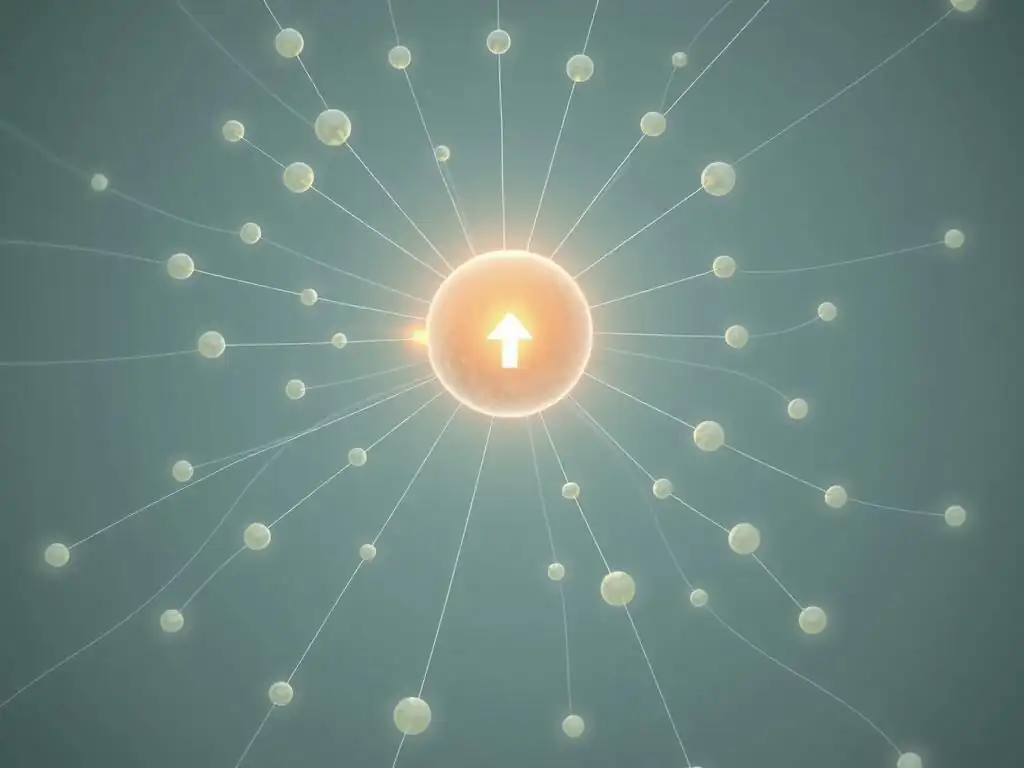
The mesolimbic pathway is a major dopamine pathway in the brain and is central to the dopamine feedback loop motivation system. It originates in the ventral tegmental area (VTA), located in the midbrain, and projects to structures in the limbic system, most notably the nucleus accumbens. The nucleus accumbens is often considered a key 'reward center' because of its crucial role in processing motivation, pleasure, and reinforcement learning.
When dopamine neurons in the VTA are activated – whether by natural rewards, cues predicting rewards, or addictive substances – they release dopamine into the nucleus accumbens. This surge of dopamine signals the motivational significance of the event or cue. The nucleus accumbens then integrates this dopamine signal with information from other brain areas, such as the prefrontal cortex (involved in planning and decision-making) and the amygdala (involved in emotion), to influence behavior. This pathway's activity is fundamental to how we learn which actions are rewarding and are therefore motivated to repeat them.
The Impact of Dopamine Receptor Density on Motivation and Reward
The effectiveness of dopamine signaling depends not only on the amount of dopamine released but also on the density and sensitivity of dopamine receptors on receiving neurons. There are several types of dopamine receptors (D1, D2, D3, D4, D5), with D1 and D2 being the most prevalent in the reward pathway. Variations in the number or function of these receptors can significantly impact an individual's motivation and response to rewards.
Studies have shown correlations between lower D2 receptor availability in the striatum (which includes the nucleus accumbens) and reduced motivation, increased impulsivity, and vulnerability to addiction. Conversely, individual differences in receptor density or sensitivity may explain why some people are more driven by rewards than others. This highlights how the underlying neurobiological architecture, specifically dopamine receptor distribution and function, plays a critical role in shaping the efficiency and impact of the dopamine feedback loop motivation system on individual behavior and propensity for seeking rewards.
The Role of Glutamate and GABA in Modulating Dopamine Signaling
While dopamine is the star player in the feedback loop, its activity is finely tuned by other neurotransmitters, particularly glutamate and GABA (gamma-aminobutyric acid). Glutamate is the brain's primary excitatory neurotransmitter, meaning it increases the likelihood that a neuron will fire. GABA is the primary inhibitory neurotransmitter, decreasing the likelihood of neuronal firing. These two neurotransmitters exert significant control over the activity of dopamine neurons and the neurons they project to.
For instance, glutamate inputs from areas like the prefrontal cortex and hippocampus influence the firing rate of dopamine neurons in the VTA, allowing cognitive processes and memories to modulate the dopamine response to cues. GABAergic interneurons within the VTA and nucleus accumbens can inhibit dopamine neuron activity, acting as a brake on the system. This complex interplay between dopamine, glutamate, and GABA ensures that the dopamine feedback loop motivation system is not simply a flood of reward signals but a carefully regulated process that integrates information from across the brain to guide motivated behavior.
Dopamine Feedback Loop in Everyday Life: Practical Examples
Dopamine and Habit Formation: Building and Breaking Habits
The dopamine feedback loop is the engine driving habit formation. When we repeat a behavior in response to a cue and receive a reward (or even just relief or satisfaction), the dopamine signal strengthens the connection between the cue, the routine (the behavior), and the reward. Over time, this 'habit loop' becomes automatic.
Examples include the morning routine of waking up (cue), making coffee (routine), and feeling alert/satisfied (reward), reinforced by dopamine. Research suggests that forming a new habit can take, on average, about 66 days, but this varies widely depending on the person and the habit's complexity, reflecting the variable strength of the dopamine feedback loop motivation at play.
Breaking unwanted habits also involves the dopamine system. The strong association between the cue and the reward makes resisting the behavior difficult. Strategies often involve identifying the cue and the underlying reward, then finding a different, less harmful routine to obtain a similar reward, thereby attempting to rewire the dopamine feedback loop. For example, if the habit is checking social media whenever you feel bored (cue: boredom, routine: scroll, reward: novelty/distraction), breaking the habit involves recognizing the boredom and finding a different routine, like reading a book, that provides a different, perhaps less immediate but more sustainable, reward.
Dopamine and Learning: How Rewards Shape Our Understanding and Skills
The dopamine feedback loop is fundamental to reinforcement learning, a type of learning where behaviors are strengthened or weakened based on their consequences. When a student studies hard (behavior) and receives a good grade (reward), the dopamine release reinforces the study habits and the knowledge acquired. This makes the student more likely to study effectively in the future. This principle applies to all forms of skill acquisition, from learning a musical instrument to mastering a new software program.
The reward prediction error signal, driven by dopamine, is particularly crucial here. If you expect a mediocre result but achieve an excellent one, the positive RPE strongly reinforces the preceding actions, signaling that you did something unexpectedly right. Conversely, if you expect success but fail, the negative RPE signals that your approach needs adjustment. This continuous feedback loop, mediated by dopamine, allows us to learn efficiently from trial and error, refining our strategies and skills over time by reinforcing effective actions and discouraging ineffective ones, highlighting the role of the dopamine feedback loop motivation in cognitive development.
Dopamine and Addiction: Understanding the Cycle of Dependence
Addictive substances and behaviors tragically hijack the brain's natural dopamine feedback loop motivation system. Drugs like cocaine, amphetamines, and nicotine cause a massive, unnatural surge of dopamine in the nucleus accumbens – far greater than natural rewards. This intense signal powerfully reinforces drug-seeking behavior. Over time, the brain adapts to these unnaturally high dopamine levels by reducing the number of dopamine receptors and potentially decreasing natural dopamine production.
This adaptation leads to tolerance, where more of the substance is needed to achieve the same effect, and physical dependence, where the absence of the drug leads to withdrawal symptoms. The natural rewards that previously motivated behavior (like food or social interaction) may no longer produce sufficient dopamine release to feel rewarding, leading the individual to seek the drug compulsively just to feel 'normal' or to alleviate withdrawal. This creates a vicious cycle where the hijacked dopamine feedback loop motivation drives continued drug use despite severe negative consequences, illustrating a pathological extreme of the system's power.
Optimizing the Dopamine Feedback Loop for Enhanced Well-being
Strategies for Using Dopamine for Positive Reinforcement and Goal Achievement
Understanding the dopamine feedback loop motivation system allows us to consciously leverage it for positive change. Setting clear, achievable goals provides the necessary anticipation. Breaking larger goals into smaller, manageable steps allows for more frequent 'small wins,' each providing a mini-reward and associated dopamine release to maintain momentum. Celebrating these small successes, even just acknowledging them, reinforces the effort and keeps motivation high.
Using positive self-talk and visualization can also tap into the anticipatory dopamine release. Imagining the successful completion of a task and the positive feelings associated with it can prime the brain and increase the drive to act. Structuring tasks with clear cues and immediate, positive feedback loops (like checking off items on a to-do list, tracking progress on a project, or receiving positive feedback from others) can effectively utilize the dopamine feedback loop motivation to build positive habits and achieve long-term goals.
Breaking Negative Dopamine Loops and Unhealthy Habits
Just as the dopamine loop reinforces positive behaviors, it can also solidify negative or unhealthy ones, such as excessive social media use, procrastination, or unhealthy eating. Breaking these loops requires conscious effort to interrupt the cue-routine-reward cycle. Identifying the specific cues that trigger the unwanted behavior is the first step. Is it boredom, stress, a particular time of day, or a location?
Once the cue is identified, the strategy involves either avoiding the cue or, more sustainably, changing the routine that follows the cue. This often involves finding alternative, healthier behaviors that can fulfill the same underlying need or provide a different, less immediate but more beneficial reward. For instance, if boredom triggers mindless scrolling, substitute it with a short walk or reading a book. This requires conscious effort initially to override the ingrained dopamine-reinforced pathway, but repeatedly choosing the alternative behavior can gradually weaken the old loop and build a new, healthier one, disrupting the negative dopamine feedback loop motivation.
The Importance of Maintaining Healthy Dopamine Levels for Overall Well-being
Maintaining balanced dopamine levels is crucial for overall mental health and well-being. Both excessively high and low dopamine activity can contribute to various conditions. Chronic stress, poor sleep, unhealthy diet, and lack of physical activity can disrupt the delicate balance of neurotransmitters, including dopamine. Ensuring adequate sleep (7-9 hours for most adults), regular exercise (which can increase dopamine receptor density and release), a balanced diet rich in protein (containing tyrosine, a precursor to dopamine) and antioxidants, and stress management techniques can all support healthy dopamine function.
Furthermore, engaging in novel experiences and activities that provide a sense of accomplishment, without leading to excessive or immediate gratification like addictive substances, can stimulate healthy dopamine release and reinforce positive behaviors. Nurturing social connections and engaging in altruistic acts also activate reward pathways, contributing to balanced dopamine function and overall well-being. Prioritizing these lifestyle factors helps support a healthy dopamine feedback loop motivation system, essential for mood, motivation, and cognitive function.
The Impact of Dopamine Dysregulation on Mental Health
Dopamine and Depression: Understanding the Neurochemical Connection
While depression is a complex disorder involving multiple neurotransmitter systems, disruptions in dopamine signaling are strongly implicated, particularly in symptoms related to motivation, pleasure, and reward. Many individuals with depression experience anhedonia, the reduced ability to feel pleasure or motivation, which is closely linked to dysfunction in the brain's reward pathways, including the mesolimbic dopamine system.
Research suggests that lower levels of dopamine activity or reduced sensitivity of dopamine receptors in areas like the nucleus accumbens may contribute to symptoms such as lack of energy, apathy, difficulty initiating tasks, and the absence of enjoyment in activities that were once pleasurable. Some antidepressant medications that affect dopamine levels or signaling pathways are used to target these specific symptoms, highlighting the significant role of dopamine dysregulation in the experience of depression and its impact on the dopamine feedback loop motivation.
Dopamine and Schizophrenia: The Dopamine Hypothesis
The dopamine hypothesis of schizophrenia proposes that the positive symptoms of the disorder, such as hallucinations and delusions, are associated with excessive or dysregulated dopamine activity in certain brain regions, particularly the mesolimbic pathway. Antipsychotic medications, the primary treatment for these symptoms, work by blocking dopamine receptors, primarily D2 receptors, which are abundant in this pathway.
However, dopamine's role in schizophrenia is complex. Negative symptoms (like social withdrawal and lack of motivation) and cognitive deficits may be linked to reduced dopamine activity in other brain areas, such as the prefrontal cortex. This suggests a more nuanced picture of dopamine dysregulation in schizophrenia, involving different pathways and receptor subtypes, which disrupts normal signaling and impacts the intricate dopamine feedback loop motivation and cognitive processes.
Dopamine and ADHD: Its Role in Attention and Impulsivity
Attention-Deficit/Hyperactivity Disorder (ADHD) is also thought to involve disruptions in dopamine signaling, particularly in pathways related to reward, motivation, and executive function (like planning and impulse control). Individuals with ADHD often exhibit symptoms such as difficulty maintaining attention, impulsivity, and hyperactivity, which may stem from differences in how their brains process dopamine signals related to reward and effort.
Studies suggest that individuals with ADHD may have lower levels of dopamine activity or fewer dopamine transporters (proteins that clear dopamine from the synapse) in certain brain regions, including the prefrontal cortex and striatum. This can lead to a weaker signal for delayed rewards compared to immediate ones, contributing to impulsivity and difficulty with tasks that require sustained effort without immediate gratification.
Stimulant medications commonly used to treat ADHD work by increasing dopamine (and norepinephrine) levels in the synapse, improving signaling and helping to regulate attention and impulse control, thereby influencing the dopamine feedback loop motivation in a therapeutic way.
Practical Strategies to Regulate Dopamine for Improved Well-being
Lifestyle Changes to Naturally Boost Dopamine Levels
Several lifestyle factors can positively influence dopamine levels and support a healthy dopamine feedback loop motivation system. Regular aerobic exercise, for instance, has been shown to increase dopamine synthesis and receptor density, contributing to improved mood and motivation. Engaging in activities that promote a sense of accomplishment, mastering a new skill, or achieving small goals can trigger natural dopamine release.
Diet plays a role too. Consuming foods rich in tyrosine and phenylalanine, amino acids that are precursors to dopamine (found in protein-rich foods like lean meats, eggs, dairy, nuts, and seeds), provides the building blocks for dopamine synthesis. Limiting saturated fats and sugar intake is also important, as these can negatively impact dopamine receptor function over time. Adequate sleep is crucial, as dopamine receptor sensitivity can be negatively affected by sleep deprivation. Sunlight exposure may also influence dopamine receptor density.
Mindfulness and Dopamine: Cultivating Awareness for Impulse Control
Mindfulness practices, such as meditation, can indirectly support healthy dopamine regulation and improve impulse control. By cultivating awareness of thoughts, feelings, and bodily sensations without judgment, mindfulness helps individuals recognize cues that trigger impulsive behaviors or cravings driven by the dopamine feedback loop. This increased awareness creates a pause between the cue and the automatic response, allowing for a more conscious choice rather than an impulsive reaction.
Regular mindfulness training can strengthen the prefrontal cortex, a brain region involved in executive functions like planning, decision-making, and inhibiting impulses. The prefrontal cortex exerts top-down control over the reward pathway and the nucleus accumbens. By enhancing this control, mindfulness can help individuals override immediate desires driven by the dopamine feedback loop motivation in favor of long-term goals and values, promoting more deliberate and less reactive behavior.
Pharmaceutical Interventions for Dopamine Imbalances
For individuals diagnosed with conditions involving significant dopamine dysregulation, pharmaceutical interventions may be necessary. For example, L-DOPA is a precursor medication used in Parkinson's disease to increase dopamine levels in the brain, as the disease involves the degeneration of dopamine-producing neurons. As mentioned earlier, stimulant medications are used in ADHD to enhance dopamine signaling.
In psychiatric conditions like schizophrenia, antipsychotic medications primarily work by blocking dopamine receptors to reduce excessive dopamine activity in certain pathways. It's important to note that these medications are powerful tools used to correct specific imbalances and should only be used under the supervision of a qualified healthcare professional. They target specific aspects of dopamine function to restore a healthier balance within the complex neurochemical landscape, including influencing the pathological aspects of the dopamine feedback loop motivation in these conditions.
Conclusion: Harnessing the Dopamine Feedback Loop for a Fulfilling Life
Key Insights on Dopamine, Motivation, and Behavior
The dopamine feedback loop is a fundamental neural circuit that powerfully shapes our motivation, guides our learning, and drives our behavior. It operates through the anticipation, pursuit, and receipt of rewards, reinforcing the actions and cues that lead to positive outcomes. This loop, centered on the mesolimbic pathway and structures like the nucleus accumbens, is not merely about pleasure but critically about desire, seeking, and learning from prediction errors. Understanding this intricate system reveals why we are driven to pursue goals, form habits, and learn new skills.
From the simple act of checking a phone notification to the complex process of overcoming addiction or achieving a long-term career goal, the dopamine feedback loop motivation mechanism is constantly at work beneath the surface. Its influence underscores the importance of rewards and reinforcement in shaping our actions. While a healthy dopamine system is essential for vitality and purpose, dysregulation can contribute to debilitating mental health conditions, highlighting the delicate balance required for optimal functioning.
The Future of Dopamine Research and its Implications for Mental Health
Research into dopamine and its feedback loops continues to evolve, promising deeper insights into the brain's motivational machinery and potential new avenues for treating mental health disorders. Advanced neuroimaging techniques allow scientists to observe dopamine activity in real-time during complex behaviors. Genetic studies are identifying variations in dopamine-related genes that may predispose individuals to certain conditions or influence their response to treatments.
Future research may lead to more targeted therapies for conditions like depression, addiction, ADHD, and schizophrenia, addressing the specific nature of dopamine dysregulation in different pathways and receptor types. Furthermore, a better understanding of how the dopamine feedback loop motivation interacts with other neurotransmitter systems and brain networks will provide a more holistic view of mental well-being. As our knowledge grows, we are better equipped to develop strategies, both pharmaceutical and behavioral, to support healthy dopamine function and help individuals live more motivated, engaged, and fulfilling lives.
Frequently Asked Questions
What is a dopamine feedback loop in the context of motivation?
It's a neurological process where the brain releases dopamine in response to an action, creating a feeling of pleasure or reward, which then encourages the repetition of that action. This reinforcement cycle drives behavior.
How does the dopamine feedback loop relate to goal achievement?
Successfully completing a step towards a goal triggers dopamine release, reinforcing the behaviors that led to that success. This positive reinforcement encourages continued effort and motivation to reach the final goal.
Can the dopamine feedback loop be negative or detrimental?
Yes, if unhealthy behaviors like substance abuse or excessive gaming trigger excessive dopamine release, they can become addictive. The brain prioritizes these activities, leading to neglect of other important aspects of life.
How can I leverage the dopamine feedback loop to improve my mental well-being?
By setting achievable goals and rewarding yourself for small successes, you can create a positive feedback loop. Focus on activities that naturally release dopamine, such as exercise, socializing, and creative pursuits.
"Mind Care Guide" offers information, support, and resources to understand the dopamine feedback loop and its impact on mental well-being. It can help individuals identify and manage both positive and negative dopamine-driven behaviors.
Final Reflection: The Enduring Power of the Dopamine Loop
Understanding the dopamine feedback loop is not merely an academic exercise; it's the key to unlocking a deeper understanding of our motivations, our habits, and ultimately, ourselves. The implications of this intricate biological mechanism extend far beyond the laboratory, shaping everything from our daily routines to our long-term goals and societal structures. This knowledge empowers us to take control of our behaviors and design lives aligned with our truest aspirations.
The pervasive influence of the dopamine feedback loop on our modern world is undeniable. From the addictive nature of social media to the design of reward systems in video games, businesses and technology leverage this neurological pathway to capture our attention and drive engagement. The brain is a reward-seeking machine.
This simple statement encapsulates the core principle at play, highlighting the profound impact of this biological mechanism on our choices and actions. Understanding this allows us to critically evaluate the systems we interact with and make conscious decisions about our engagement with them.
Now, consider your own life. How does the dopamine feedback loop manifest in your daily experiences? What behaviors are reinforced by this powerful system, and which ones might you want to reshape? Take a moment to reflect on your habits, your motivations, and the subtle cues that trigger your reward pathways. Armed with this knowledge, you have the power to consciously design your environment and cultivate behaviors that lead to a more fulfilling and meaningful life. Embrace the understanding of this fundamental process and use it to build a future driven by intention, not just instinct.
Unlock Your Brain's Potential: Master Your Habits with Dopamine!
Thanks for diving deep into the fascinating world of dopamine and behavior! We hope you gained valuable insights into how this powerful neurotransmitter shapes your actions. Now, let's put that knowledge into practice!
- Identify one small habit you want to improve: This could be anything from drinking more water to practicing mindfulness for five minutes daily. Focus on something manageable to build momentum!
- Track your progress: Use a journal, a simple app, or even a sticky note to monitor your success. Seeing your progress visually is incredibly motivating!
- Share your "aha!" moment: Did something in the article particularly resonate with you? Share your key takeaway in the comments below – let's learn from each other's experiences!
What small change will you make today to harness the power of dopamine for positive reinforcement?