
Finding Release: Hobbies and Activities for Male Mental Wellbeing


Welcome to Mind Care Guide, your trusted companion on the journey to mental well-being.
Ever feel like life's demands are overwhelming your peace of mind? You're not alone. In today's world, prioritizing mental health is more crucial than ever, especially for men. Dive in as we explore how simple, engaging activities can be powerful tools in fostering inner peace and resilience. Read on to discover how hobbies boost male mental health and unlock a happier, healthier you. What hidden passion might be the key to your wellbeing?
- Finding Release: Hobbies and Activities for Male Mental Wellbeing | Mind Care Guide
- Exploring Hobbies to Boost Male Mental Health: A Comprehensive Guide
- Overcoming Barriers to Participating in Hobbies
- Tips for Choosing the Right Hobby for You
- Maintaining a Hobby for Long-Term Mental Wellbeing
- Seeking Professional Help When Needed
- Hobbies as a Powerful Tool for Male Mental Wellness: A Recap
-
Frequently Asked Questions
- How do hobbies specifically benefit male mental health?
- What are some examples of hobbies particularly effective for improving male mental wellbeing?
- Why is it important for men to actively seek hobbies and interests?
- How can I find a hobby that's right for me?
- What if I'm feeling overwhelmed and unmotivated to start a new hobby?
- Final Reflection: Cultivating Inner Peace Through Engaging Hobbies
- Unleash Your Inner Peace: Start Your Wellbeing Journey Today!
Finding Release: Hobbies and Activities for Male Mental Wellbeing | Mind Care Guide
The Importance of Mental Wellbeing for Men
Mental wellbeing is a cornerstone of overall health for everyone, and men are certainly no exception. Historically, societal pressures and expectations have often encouraged men to suppress emotions, appear strong and independent, and avoid discussing vulnerabilities. This can lead to significant challenges in recognizing, acknowledging, and addressing mental health issues.
Data from various health organizations consistently indicates that men are less likely than women to seek help for mental health conditions, despite facing comparable, or in some cases higher, rates of certain issues like substance use disorders and suicide. For example, in many parts of the world, men account for a disproportionately high percentage of suicide deaths, often linked to untreated depression or other mental illnesses.
Ignoring mental health can have severe repercussions, impacting physical health, relationships, career, and overall quality of life. Symptoms like persistent stress, anxiety, irritability, withdrawal, or changes in sleep and appetite are not signs of weakness but indicators that support may be needed. Recognizing the importance of mental wellbeing means understanding that it's okay not to be okay and that proactive steps are essential for maintaining balance and resilience. Engaging in activities that promote positive mental states and provide healthy coping mechanisms is vital for men navigating the complexities of modern life.
Why Hobbies are Crucial for Men's Mental Health
Engaging in hobbies offers a powerful avenue for men to support their mental health in ways that traditional coping mechanisms might not. Hobbies provide a much-needed escape from daily pressures, allowing the mind to focus on something enjoyable and fulfilling. This shift in focus can significantly reduce stress levels, which are often a major contributor to anxiety and depression. When men discover activities they genuinely enjoy, they create dedicated time for self-care, a practice often overlooked in busy schedules. This deliberate act of prioritizing personal time for pleasure and relaxation is fundamental to maintaining good mental hygiene.
Furthermore, hobbies boost male mental health by fostering a sense of accomplishment and purpose. Whether it's completing a woodworking project, mastering a new guitar riff, or improving a running time, achieving small goals within a hobby can build self-esteem and provide a positive feedback loop. Many hobbies also offer opportunities for social connection, which is critical in combating feelings of isolation.
Joining a cycling group, a chess club, or a volunteer team provides a sense of belonging and a support network outside of work or family obligations. These connections are invaluable for emotional support and reducing the impact of loneliness, a known risk factor for mental health decline.
Breaking the Stigma: Men and Mental Health Discussions
The societal stigma surrounding men and mental health remains a significant barrier, often preventing men from openly discussing their struggles or seeking professional help. This stigma is deeply rooted in traditional masculine norms that discourage vulnerability and emotional expression. Phrases like "man up" or the expectation to be stoic can make men feel ashamed of experiencing emotions like sadness, fear, or anxiety.
As a result, many men suffer in silence, leading to delayed diagnosis and treatment of mental health conditions. Breaking this stigma requires a conscious effort from individuals and communities to normalize conversations about mental health and create safe spaces for men to share their experiences without judgment.
Hobbies can play an indirect but vital role in chipping away at this stigma. By participating in group hobbies, men can connect with peers in a relaxed, non-threatening environment. These shared activities can naturally lead to deeper conversations and mutual support, sometimes opening the door to discussions about personal challenges, including mental health.
Seeing other men openly engage in self-care activities like exercise, creative pursuits, or mindfulness can also normalize these behaviors as essential components of a healthy life, rather than signs of weakness. Promoting the idea that hobbies boost male mental health helps frame mental wellness as an active pursuit of strength and resilience, rather than a reaction to illness.
Exploring Hobbies to Boost Male Mental Health: A Comprehensive Guide
Physical Activities for Stress Relief and Mental Clarity
Engaging in regular physical activity is widely recognized for its profound positive effects on mental health. For men, incorporating sports, exercise, or outdoor activities into their routine can serve as a powerful stress reliever, a mood enhancer, and a way to gain mental clarity. Physical exertion releases endorphins, natural mood boosters that can help alleviate symptoms of depression and anxiety.
Furthermore, the focus required during many physical activities, whether it's concentrating on a technique or navigating a trail, can provide a welcome distraction from worries and promote mindfulness. This active engagement of both body and mind is a key way hobbies boost male mental health.
Beyond the immediate chemical benefits, physical hobbies offer structure and routine, which can be grounding for those experiencing mental health challenges. Setting fitness goals, tracking progress, and committing to a schedule can provide a sense of purpose and control. The physical improvements that often accompany regular exercise can also boost self-esteem and body image. Whether undertaken individually or as part of a group, physical activities provide a healthy outlet for energy and frustration, contributing significantly to overall mental and emotional balance.
Team Sports: Building Camaraderie and Reducing Isolation
Team sports like basketball, soccer, or rugby offer a unique combination of physical activity and social interaction. The camaraderie built through shared goals, challenges, and victories on the field fosters strong bonds and a sense of belonging.
- Benefits:
- Provides a built-in social network, directly combating loneliness and isolation.
- Encourages communication and teamwork skills.
- Offers a healthy competitive outlet.
- Regular commitment to practices and games provides structure.
Participating in a team sport means being part of something larger than oneself. This shared identity and mutual support system can be incredibly beneficial for men who may otherwise struggle to connect with others or feel isolated. The regular interaction and shared experiences provide opportunities for informal check-ins and support among teammates.
Individual Sports: Focusing the Mind and Achieving Goals
Activities such as running, swimming, cycling, or weightlifting allow for focused, solitary effort. These sports provide a space for introspection and require discipline and goal setting.
- Benefits:
- Offers a meditative quality, allowing the mind to quiet down.
- Provides a clear sense of progress and achievement through measurable results (e.g., faster times, heavier weights).
- Builds self-reliance and mental toughness.
- Flexible scheduling allows for fitting activity into busy lives.
Individual sports empower men to set personal challenges and work towards them at their own pace. The sense of accomplishment gained from hitting a new personal record or completing a challenging workout can significantly boost self-esteem and confidence, reinforcing how these hobbies boost male mental health.
Outdoor Activities: Connecting with Nature and Finding Peace
Hiking, fishing, camping, or rock climbing connect individuals with the natural world, offering a distinct set of mental health benefits.
- Benefits:
- Reduces stress and anxiety through exposure to nature (often called "nature therapy").
- Provides opportunities for mindfulness and appreciating the present moment.
- Offers a sense of adventure and exploration.
- Can be solitary or social, depending on preference.
Spending time outdoors has been shown to lower cortisol levels (a stress hormone) and improve mood. The vastness and tranquility of natural environments can provide perspective and a sense of calm, offering a powerful antidote to the pressures of urban or work life.
Creative Outlets for Emotional Expression and Wellbeing
Creative hobbies provide a non-verbal means of expressing emotions, exploring ideas, and finding a sense of flow – a state of complete immersion and enjoyment in an activity. For men, who may find it difficult to articulate feelings verbally due to societal conditioning, creative pursuits can be particularly therapeutic. Engaging in activities like making music, writing, painting, or building allows for the externalization of internal experiences, transforming abstract thoughts and feelings into tangible forms. This process of creation can be incredibly cathartic and provide valuable insights into one's own emotional landscape.
Moreover, creative hobbies foster patience, perseverance, and problem-solving skills. The process of learning a new technique, overcoming creative blocks, or refining a piece of work builds resilience and tolerance for frustration. The lack of strict rules or right/wrong answers in many creative fields offers a sense of freedom and experimentation, which can be liberating. Successfully completing a creative project, whether it's finishing a song, a story, or a sculpture, provides a deep sense of satisfaction and validation. These activities clearly demonstrate how hobbies boost male mental health by providing a healthy and productive channel for emotional processing and self-discovery.
Music: Learning an Instrument or Joining a Band
Playing music, whether learning an instrument or performing with others, engages multiple parts of the brain and offers a rich emotional experience.
- Benefits:
- Provides a powerful outlet for emotional expression.
- Improves cognitive function, memory, and coordination.
- Joining a band offers social connection and collaboration.
- Mastering an instrument provides a clear sense of progress and achievement.
Learning an instrument requires discipline and patience, but the reward of creating music can be immense. Playing with others in a band or ensemble adds a social dimension, fostering teamwork and shared passion.
Writing: Journaling and Expressing Emotions Through Words
Writing, in various forms from journaling to poetry or fiction, offers a private space for introspection and expression.
- Benefits:
- Helps process thoughts and emotions in a structured way.
- Provides clarity and perspective on personal challenges.
- Offers a safe space to explore difficult feelings without judgment.
- Developing writing skills can be intellectually stimulating.
Journaling, in particular, is a simple yet effective tool for tracking moods, identifying triggers, and gaining self-awareness. Putting thoughts into words can make them feel less overwhelming and more manageable, contributing to better emotional regulation.
Art and Crafting: Unleashing Creativity and Reducing Anxiety
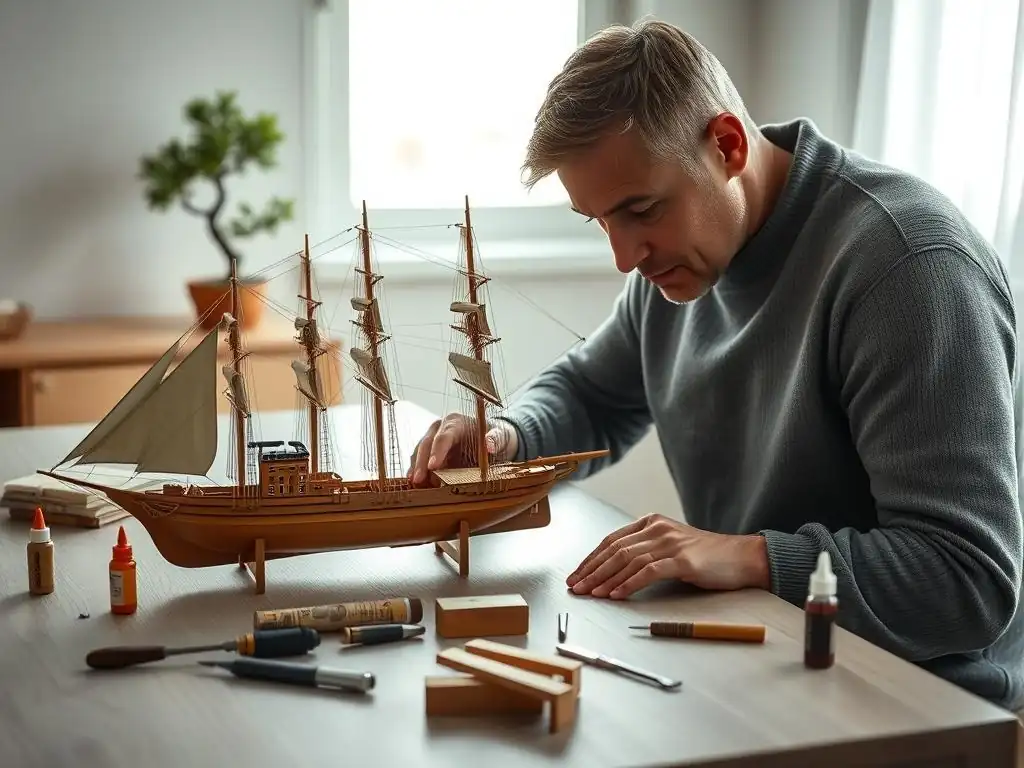
Visual arts like painting, drawing, sculpting, or crafts like woodworking, model building, or knitting, engage the hands and mind in a focused, often calming activity.
- Benefits:
- Reduces stress and anxiety through repetitive motions and focus.
- Provides a tangible outcome, offering a sense of accomplishment.
- Allows for non-verbal expression of feelings and ideas.
- Can be a meditative practice.
Working with materials and seeing a creation take shape can be incredibly rewarding. These activities offer a break from screen time and cognitive overload, promoting mindfulness and a sense of being present in the moment.
Intellectual Pursuits for Mental Stimulation and Growth
Hobbies that engage the intellect offer opportunities for continuous learning, problem-solving, and expanding one's knowledge base. For men, who may derive a sense of purpose from understanding how things work or mastering complex subjects, these pursuits can be deeply satisfying. Intellectual hobbies keep the mind sharp, improve cognitive function, and provide a sense of ongoing growth and development. Engaging with challenging material, whether it's a new language, a programming problem, or a historical topic, fosters critical thinking and analytical skills. This mental engagement is a vital component of overall brain health and resilience.
Furthermore, intellectual hobbies often involve delving into subjects purely out of curiosity, separate from professional obligations. This pursuit of knowledge for its own sake can be incredibly fulfilling and provide a sense of personal enrichment. Successfully grasping a complex concept or solving a difficult problem offers a significant confidence boost and reinforces the idea of one's own capabilities. These activities are excellent examples of how hobbies boost male mental health by providing stimulating challenges that build confidence and cognitive resilience.
Learning a New Language: Expanding Horizons and Cognitive Function
Taking on a new language challenges the brain in unique ways, improving memory, problem-solving, and multitasking abilities.
- Benefits:
- Enhances cognitive flexibility and problem-solving skills.
- Opens up new cultural perspectives and connection opportunities.
- Provides a clear, measurable goal and sense of progress.
- Can delay cognitive decline.
The process of learning vocabulary, grammar, and pronunciation requires dedication and consistent effort, providing a structured mental workout. Achieving fluency, even at a basic level, is a significant accomplishment.
Coding and Programming: Problem-Solving and Achieving a Sense of Accomplishment
Coding is a highly logical and creative pursuit that involves building software, websites, or applications. It's a process of problem-solving and creation.
- Benefits:
- Develops analytical and logical thinking skills.
- Provides a clear sense of accomplishment when a program works.
- Fosters creativity in finding solutions.
- Can be pursued individually or collaboratively.
Debugging code requires patience and persistence, building resilience. Successfully bringing a project to life, from a simple script to a complex application, offers a tangible result of one's mental effort.
Reading: Escaping into New Worlds and Expanding Knowledge
Reading broadly, whether fiction or non-fiction, stimulates the imagination, expands vocabulary, and provides exposure to new ideas and perspectives.
- Benefits:
- Reduces stress by providing an escape from reality.
- Improves focus and concentration.
- Increases empathy by exploring different characters and viewpoints.
- Expands knowledge on various subjects.
Getting lost in a good book can be a deeply relaxing and enriching experience. Reading non-fiction can also provide valuable insights and practical knowledge, contributing to a sense of personal growth.
Hobbies that involve interacting with others directly address the need for social connection, which is fundamental to human wellbeing. For men, who may face social isolation due to work demands, geographical relocation, or difficulty forming close friendships, group hobbies offer a low-pressure way to build relationships. Sharing an activity with others creates common ground and facilitates conversation and bonding.
These interactions provide opportunities for mutual support, sharing experiences, and simply enjoying companionship. A strong social network is a known protective factor against mental health challenges, and actively cultivating connections through shared interests is a smart strategy for maintaining mental wellness.
Participating in social hobbies also helps men practice and improve their communication and interpersonal skills in a relaxed setting. Navigating group dynamics, contributing to discussions, and collaborating on activities build confidence in social situations. The sense of belonging that comes from being part of a community, no matter how small, is incredibly validating and can help counteract feelings of loneliness or alienation. By fostering these connections, social hobbies significantly contribute to how hobbies boost male mental health.
Joining a Book Club: Engaging in Discussions and Building Relationships
Book clubs bring people together to discuss literature, offering a blend of intellectual stimulation and social interaction.
- Benefits:
- Encourages discussion and sharing of perspectives.
- Provides regular social interaction.
- Exposes participants to new books and ideas.
- Offers a structured opportunity for connection.
Discussing a book provides an easy starting point for conversation, which can then evolve into deeper connections as members get to know each other.
Volunteering: Giving Back to the Community and Finding Purpose
Volunteering involves dedicating time to help others or a cause, which can provide a strong sense of purpose and connection to the wider community.
- Benefits:
- Increases feelings of self-worth and purpose.
- Provides opportunities to meet like-minded, altruistic individuals.
- Reduces feelings of isolation by connecting with the community.
- Can shift focus away from personal problems.
Helping others has a well-documented positive impact on the volunteer's own mental health, often referred to as the "helper's high." It provides perspective and a sense of contributing to something meaningful.
Gaming with Friends: Connecting Virtually and Enjoying Friendly Competition
Playing video games with friends, either online or in person, offers a fun and accessible way to socialize and engage in friendly competition or cooperation.
- Benefits:
- Provides a relaxed environment for social interaction.
- Fosters teamwork and communication in collaborative games.
- Offers a shared activity for maintaining long-distance friendships.
- Can be a source of stress relief and enjoyment.
Gaming provides a common interest and activity that facilitates regular connection, offering a modern way for men to maintain social ties and combat isolation, demonstrating how these hobbies boost male mental health even in the digital realm.
Overcoming Barriers to Participating in Hobbies
Despite the clear benefits, men often face barriers that make it difficult to start or maintain hobbies. Recognizing these obstacles is the first step toward overcoming them. Common challenges include a lack of time, feelings of inadequacy or pressure to be perfect, and societal expectations or stereotypes about what constitutes appropriate male behavior. Addressing these barriers requires introspection, planning, and sometimes challenging ingrained beliefs. It's important to remember that hobbies are meant to be sources of enjoyment and relaxation, not additional sources of stress or obligation.
Successfully navigating these barriers can lead to greater consistency in engaging with activities that support mental wellness. It might involve setting realistic expectations, seeking support from others, or simply giving oneself permission to try something new without the pressure to be instantly good at it. Overcoming these hurdles reinforces the commitment to self-care and highlights the importance of hobbies boost male mental health by providing healthy coping mechanisms.
Addressing Time Constraints and Finding Balance
One of the most frequently cited barriers is a lack of time, often due to demanding work schedules, family responsibilities, and other commitments. Men may feel that allocating time for a hobby is selfish or unproductive compared to other obligations. However, viewing hobbies as essential for mental health reframes them as a necessary investment, not a luxury.
Finding time often requires intentional scheduling and prioritizing. This could mean blocking out specific time slots in a weekly calendar, similar to scheduling a meeting or appointment. It might also involve identifying small pockets of time throughout the day or week that can be dedicated to a hobby, even if it's just 15-30 minutes.
Perhaps a lunch break can be used for reading, or the first hour after work for a run before other duties begin. It's about integrating the hobby into the existing structure of life, rather than trying to fit it into non-existent free time. Starting small with realistic time commitments can make a hobby feel less daunting and more sustainable.
Combating Feelings of Inadequacy and Perfectionism
Men can sometimes feel pressure to be instantly skilled or successful at a new hobby, leading to feelings of inadequacy or frustration if they don't meet their own high standards. This can stem from a fear of failure or a belief that anything worth doing must be done perfectly. This perfectionism can be paralyzing, preventing men from even starting a hobby or causing them to give up quickly when faced with challenges. It's crucial to remember that hobbies are about the process and the enjoyment, not just the outcome or achieving expert status overnight.
Counteracting inadequacy and perfectionism involves adjusting expectations and embracing the beginner mindset. Start by focusing on the enjoyment of the activity itself rather than the end result. Acknowledge that learning takes time and effort, and mistakes are a natural part of the process. Celebrate small improvements and focus on personal progress rather than comparing oneself to others who may have years of experience. It's okay to be bad at something new. Giving oneself permission to learn and grow without judgment is key to making a hobby a positive experience that genuinely helps hobbies boost male mental health.
Dealing with Societal Expectations and Stereotypes
Societal expectations about masculinity can sometimes dictate what activities are considered "appropriate" for men, creating a barrier for those interested in hobbies that fall outside these narrow definitions. A man interested in knitting, pottery, or creative writing might worry about being perceived as less masculine or facing ridicule. These stereotypes are harmful and limit men's ability to explore activities that could be highly beneficial for their mental wellbeing. Challenging these outdated notions is essential for fostering a more inclusive view of masculinity that embraces diverse interests.
Overcoming this barrier requires courage and a willingness to prioritize personal wellbeing over outdated societal judgments. Finding communities of like-minded individuals, either online or in person, can provide support and validation. Seeing other men participate in a wide range of activities helps normalize diverse hobbies. Ultimately, the most effective way to deal with these stereotypes is to simply pursue the hobbies that genuinely bring joy and fulfillment, demonstrating through action that hobbies boost male mental health regardless of what the activity is.
Tips for Choosing the Right Hobby for You
Selecting a hobby that genuinely resonates with you is crucial for long-term engagement and maximizing the mental health benefits. With so many options available, it can feel overwhelming to decide where to start. The key is to approach the process with curiosity and a willingness to explore, rather than feeling pressured to find the "perfect" hobby immediately. The right activity should feel like a source of energy and enjoyment, not another item on a to-do list.
Finding the right fit involves a bit of self-reflection and experimentation. Consider what you enjoyed in the past, what you're curious about, and what kind of experience you're seeking – perhaps something relaxing, challenging, social, or solitary. The goal is to find an activity that provides a healthy escape, a sense of accomplishment, and contributes positively to your overall wellbeing. Taking the time to choose wisely ensures that your chosen activity truly helps hobbies boost male mental health effectively.
Identifying Your Interests and Passions
Start by thinking about what genuinely excites or intrigues you. What did you enjoy doing as a child or teenager before adult responsibilities took over? What topics do you find yourself reading about or watching documentaries on? What activities make you lose track of time?
Consider these questions:
- What problems do I enjoy solving?
- What kind of environment do I thrive in (e.g., outdoors, quiet indoor space, bustling group setting)?
- Do I prefer working with my hands, my mind, or my body?
- What have I always wanted to try but haven't?
Making a list of potential interests is a good starting point. Don't filter based on perceived difficulty or cost initially; just brainstorm possibilities. This initial exploration helps pinpoint activities that are likely to be intrinsically motivating and thus more sustainable as hobbies boost male mental health.
Experimenting with Different Activities
Once you have a list of potential interests, the next step is to try them out. Don't commit to buying expensive equipment or signing up for a long-term course right away. Look for introductory workshops, free online resources, or opportunities to borrow equipment.
Consider:
- Taking a single trial class (e.g., pottery, martial arts).
- Watching online tutorials and trying a simple project at home (e.g., drawing, basic coding).
- Joining a casual pickup game or group activity (e.g., running club, board game night).
- Visiting a local club or group meeting to observe (e.g., photography club, historical society).
Experimentation is key to finding a hobby that truly resonates. Be open-minded and willing to try things that might be outside your comfort zone. It's through trying that you'll discover what activities bring you joy and relaxation.
Setting Realistic Goals and Expectations
When starting a new hobby, it's important to set achievable goals and manage expectations. You won't be an expert overnight, and that's perfectly fine. Focus on the process of learning and the enjoyment of the activity itself.
Set goals like:
- Dedicate 30 minutes to this activity three times this week.
- Learn one basic technique or skill this month.
- Complete one small project.
- Attend one group meeting or session.
Avoid setting overly ambitious goals that can lead to frustration and discouragement. Celebrate small wins and acknowledge your progress. Remember that the primary purpose is to support your mental wellbeing, and progress in skill is secondary to the positive impact the activity has on your mood and stress levels. This realistic approach helps ensure that the hobby remains a source of support for male mental health.
Maintaining a Hobby for Long-Term Mental Wellbeing
Starting a hobby is a great step, but consistently engaging with it over time is what yields the most significant and lasting mental health benefits. Life's demands can easily push hobbies aside, so developing strategies to maintain your commitment is essential. Think of your hobby as a valuable tool in your mental wellness toolkit, requiring regular use to stay effective. Consistency is key to ensuring that hobbies boost male mental health not just temporarily, but as an ongoing practice of self-care.
Maintaining a hobby involves more than just showing up; it's about integrating it into your life in a sustainable way, finding motivation, and adapting as your interests or circumstances change. It requires intentional effort, but the rewards in terms of stress reduction, increased happiness, and improved resilience are well worth it.
Making Time for Your Hobby Regularly
Consistency is vital for a hobby to have a sustained positive impact on mental health. Just like exercise or healthy eating, irregular engagement provides limited benefits. Schedule dedicated time for your hobby each week, even if it's just for short periods.
Consider:
- Blocking out specific times in your calendar.
- Committing to a certain number of sessions per week or month.
- Integrating the hobby into your daily routine (e.g., reading for 20 minutes before bed, practicing an instrument for 15 minutes after breakfast).
Treat your hobby time as non-negotiable self-care. Communicate its importance to family or housemates if necessary. Finding ways to make it a regular, expected part of your week helps solidify its place in your life and ensures it continues to support your male mental health.
Joining a Community of Like-Minded Individuals
Connecting with others who share your hobby can significantly boost motivation and provide valuable support. Hobby communities offer opportunities to share knowledge, learn from others, celebrate successes, and navigate challenges together.
Look for:
- Local clubs or groups related to your hobby.
- Online forums, social media groups, or online communities.
- Workshops or classes where you can meet fellow enthusiasts.
- Events or meetups centered around the activity.
Being part of a community provides accountability and makes the hobby more enjoyable through shared experiences. These connections reinforce the social benefits of hobbies boost male mental health, combating isolation and building a support network.
Celebrating Progress and Finding Joy in the Process
To maintain motivation, focus on the positive aspects of your hobby and celebrate your progress, no matter how small. Avoid getting bogged down by setbacks or comparing yourself negatively to others.
Practice:
- Acknowledging skills learned or goals achieved.
- Focusing on the enjoyment and relaxation the hobby brings.
- Sharing your progress with others if you feel comfortable.
- Allowing yourself to simply play and experiment without pressure.
Remember why you started the hobby in the first place – likely for enjoyment and mental wellbeing. Keep the focus on the positive feelings the activity generates. Finding joy in the process itself is the most sustainable source of motivation and ensures the hobby continues to be a powerful tool for your mental health.
Seeking Professional Help When Needed
While hobbies are a powerful tool for supporting mental wellbeing and can help manage stress and improve mood, they are not a substitute for professional help when dealing with significant mental health challenges. It's crucial to recognize the signs that indicate you might need more support than hobbies alone can provide. Seeking professional help is a sign of strength and self-awareness, not a failure. Therapists and counselors are trained to provide effective strategies and treatments for various mental health conditions.
Integrating professional support with healthy lifestyle practices, including hobbies, creates a comprehensive approach to mental wellness. A mental health professional can help diagnose conditions, develop coping strategies, and provide therapeutic interventions tailored to individual needs. Don't hesitate to reach out if you're struggling; support is available. Combining professional guidance with activities that hobbies boost male mental health offers a robust path to recovery and sustained wellbeing.
Recognizing the Signs of Mental Health Struggles
Being aware of the signs and symptoms of common mental health issues is important for knowing when to seek professional help. These signs can vary from person to person and may manifest differently in men.
Common indicators include:
- Persistent sadness, irritability, or feelings of hopelessness.
- Loss of interest or pleasure in activities you once enjoyed, including hobbies.
- Significant changes in appetite or sleep patterns.
- Increased anxiety, worry, or restlessness.
- Difficulty concentrating, remembering, or making decisions.
- Increased use of alcohol or drugs.
- Angry outbursts or increased risk-taking behavior.
- Physical symptoms like headaches or digestive problems without a clear cause.
- Thoughts of self-harm or suicide (seek immediate help if experiencing this).
If these symptoms are persistent, severe, or interfering with daily life, it's time to consult a mental health professional. Ignoring these signs can lead to worsening conditions.
Finding a Therapist or Counselor
Finding the right mental health professional is a key step in getting help. There are various types of professionals, including therapists, counselors, psychologists, and psychiatrists, offering different approaches and services.
Steps to consider:
- Talk to your primary care physician; they can offer referrals.
- Check with your insurance provider for a list of in-network providers.
- Utilize online directories from mental health organizations.
- Ask trusted friends or family for recommendations if you feel comfortable.
- Consider the therapist's specialization, approach, and whether you feel comfortable talking to them.
Many therapists offer initial consultations to see if there's a good fit. Don't be discouraged if the first therapist you see isn't the right match; finding someone you connect with is important for successful therapy.
Utilizing Mental Health Resources and Support Groups
Beyond individual therapy, there are numerous resources and support systems available. These can provide additional support, information, and a sense of community.
Explore:
- Mental health hotlines or crisis lines for immediate support.
- Support groups for specific conditions (e.g., depression, anxiety, substance abuse) or for men's mental health.
- Online mental health resources, educational websites, and self-help apps.
- Community mental health centers.
Support groups, in particular, offer a space to connect with others who have similar experiences, reducing feelings of isolation and providing mutual encouragement. Utilizing a combination of professional help, personal support networks, and healthy activities like hobbies provides a strong foundation for managing mental health.
Hobbies as a Powerful Tool for Male Mental Wellness: A Recap
Hobbies are far more than just leisure activities; they are essential tools for supporting and enhancing male mental wellbeing. In a world that often places immense pressure on men and discourages vulnerability, dedicating time to enjoyable and fulfilling pursuits offers a vital counterbalance. From physical activities that release tension and build resilience to creative outlets that allow for emotional expression and intellectual pursuits that keep the mind sharp, the diverse world of hobbies provides numerous pathways to improved mental health.
Embracing hobbies means making a conscious choice to prioritize self-care and actively invest in your own happiness and resilience. It's about finding activities that provide stress relief, purpose, connection, and a sense of accomplishment. Overcoming barriers like time constraints or societal expectations is part of the journey, reinforcing the value you place on your mental wellness.
Embracing Hobbies for a Healthier and Happier Life
Making hobbies a consistent part of your life is a proactive step towards building a healthier, happier, and more resilient self. These activities provide a necessary escape, a sense of purpose, and opportunities for growth and connection.
- Hobbies reduce stress and anxiety.
- They provide a sense of accomplishment and boost self-esteem.
- Many offer valuable social connection, combating isolation.
- They provide healthy outlets for emotions and energy.
- They contribute to a balanced lifestyle.
By actively engaging in activities you enjoy, you create positive experiences that buffer against life's challenges and significantly enhance your overall quality of life.
Encouraging Other Men to Prioritize Their Mental Wellbeing
Part of the journey involves not only prioritizing your own mental health through hobbies but also encouraging the men in your life to do the same. Sharing your positive experiences with hobbies can inspire others.
Consider:
- Talking openly (where appropriate) about the benefits your hobby brings you.
- Inviting friends or family members to join you in a hobby.
- Challenging outdated stereotypes about masculinity and mental health.
- Supporting initiatives that promote men's mental health awareness.
By openly discussing the importance of hobbies boost male mental health and leading by example, you contribute to breaking down the stigma and creating a culture where prioritizing mental wellness is seen as a strength.
The Ongoing Journey of Self-Care and Mental Health Management
Mental health is not a destination but an ongoing journey. Hobbies are powerful allies in this journey, providing consistent support and enjoyment. They are a key component of a broader self-care strategy that may also include professional help, healthy habits, and strong relationships.
Your engagement with hobbies may evolve over time, and that's natural. You might explore new activities or deepen your commitment to existing ones. The key is to remain attuned to your needs and use hobbies as a flexible and enjoyable way to support your mental wellbeing throughout life's changes. Prioritizing activities that hobbies boost male mental health is an investment that pays dividends in resilience, happiness, and overall life satisfaction.
Frequently Asked Questions
How do hobbies specifically benefit male mental health?
Hobbies provide a positive outlet for stress and emotions, offering a sense of accomplishment and boosting self-esteem specifically crucial for men who may struggle to express vulnerability.
What are some examples of hobbies particularly effective for improving male mental wellbeing?
Activities like physical exercise, creative pursuits (writing, painting, music), and skill-based hobbies (woodworking, coding) have proven effective in reducing stress and improving mood.
Why is it important for men to actively seek hobbies and interests?
Many men face societal pressures to suppress emotions, making hobbies a healthy way to manage stress, build social connections, and find purpose outside of work.
How can I find a hobby that's right for me?
Experiment with different activities! Consider your interests, available time, and budget. Don't be afraid to try new things and see what resonates with you.
What if I'm feeling overwhelmed and unmotivated to start a new hobby?
Start small! Choose a low-pressure activity and focus on enjoyment, not perfection. Even a few minutes a day can make a significant difference in your mental wellbeing.
Final Reflection: Cultivating Inner Peace Through Engaging Hobbies
The pursuit of fulfilling hobbies is not merely a leisure activity; it's a vital component of maintaining robust male mental wellbeing in today's demanding world. The pressure to succeed professionally, the complexities of modern relationships, and the ever-present societal expectations can take a significant toll. Ignoring this crucial aspect of self-care leaves men vulnerable to a range of mental health challenges.
The impact of engaging hobbies extends far beyond stress reduction; it fosters a sense of accomplishment, cultivates creativity, and strengthens social connections. This positive ripple effect is undeniable, shaping not only individual lives but also the broader cultural landscape. As more men embrace diverse interests and activities, we see a shift towards a more open and honest conversation surrounding mental health. The greatest weapon against stress is our ability to choose one thought over another.
– William James. This quote perfectly encapsulates the power of actively choosing engagement and self-care over passive resignation to stress.
Now, consider your own life. What sparks your curiosity? What activity allows you to lose yourself in the present moment, shedding the weight of daily anxieties? I encourage you to actively seek out those passions, to dedicate time to nurturing them, and to embrace the transformative power of hobbies. Don't underestimate the profound impact even a small amount of dedicated time can have on your overall wellbeing. Start small, explore different options, and discover the unique path to inner peace that awaits you.
Unleash Your Inner Peace: Start Your Wellbeing Journey Today!
Thanks for taking the time to explore ways to nurture your mental wellbeing. We hope this article provided valuable insights into the power of hobbies and activities. Now it's time to put that knowledge into action!
Here's how you can get started:
- Identify and commit to ONE new hobby or activity that genuinely excites you. This could be anything from learning to play guitar to joining a hiking group – the key is finding something you genuinely enjoy.
- Explore local resources: Check out community centers, online forums, or local groups to discover opportunities for connection and learning.
- Share your progress and inspire others! Tell us about your chosen activity in the comments below – your journey might inspire someone else to take the first step.
What small step will you take this week to prioritize your mental wellbeing?