
Measuring Progress: How to Track Your Guided Meditation Journey

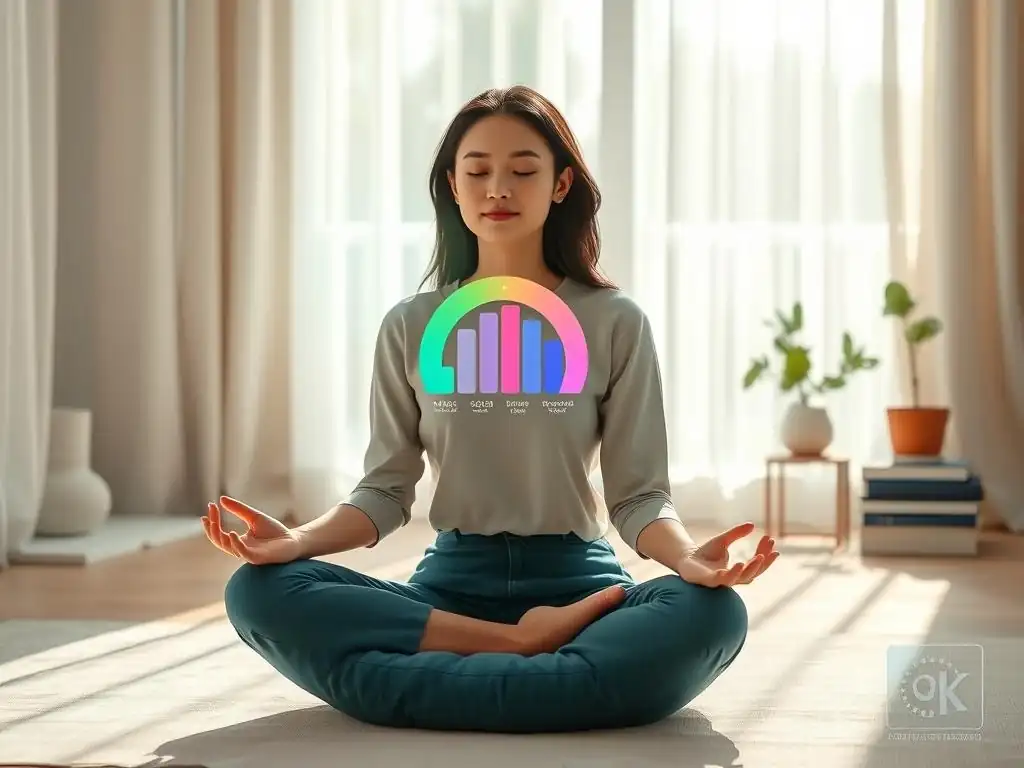
Welcome to Mind Care Guide, a safe space for your mental well-being journey.
Feeling lost on your path to inner peace? It's okay, we understand. Many find guided meditation a powerful tool, but struggle to see tangible results. That's why we're diving deep into guided meditation progress tracking tips in this article. Discover practical strategies to understand your growth, stay motivated, and truly experience the transformative power of mindfulness. Ready to unlock the secrets to a more mindful you?
Measuring Progress: How to Track Your Guided Meditation Journey
- Introduction: Why Track Your Guided Meditation Practice?
- Defining Your Baseline: Assessing Your Starting Point
- Methods for Tracking Guided Meditation Progress
- Key Metrics to Track During Guided Meditation
- Guided Meditation Progress Tracking Tips: Practical Strategies
- Analyzing Your Meditation Data: Identifying Patterns and Insights
- Troubleshooting: Addressing Common Challenges in Guided Meditation Progress
- Celebrating Your Guided Meditation Milestones: Recognizing Your Achievements
- Conclusion: The Journey of Guided Meditation and Continuous Growth
-
Frequently Asked Questions
- How can I tell if my guided meditation practice is actually working?
- What are some tools I can use to track my guided meditation progress?
- What should I include in my meditation journal for effective progress tracking?
- How often should I evaluate my progress in guided meditation?
- What if I don't see any immediate improvements in my mental well-being?
- Final Reflection: Cultivating Inner Peace Through Consistent Practice
- Unveil Your Inner Peace: Deepen Your Meditation Practice
Introduction: Why Track Your Guided Meditation Practice?
Embarking on a guided meditation journey is a profound step towards enhancing mental well-being. While the benefits of mindfulness are widely discussed, understanding how these practices are impacting you personally requires a more focused approach. Tracking your progress provides tangible evidence of the subtle yet significant shifts happening within, offering encouragement and insight into what works best for your unique path.
Without some form of monitoring, it's easy to overlook the gradual improvements that accumulate over time, potentially leading to a sense of stagnation even when growth is occurring. Effective guided meditation progress tracking tips can illuminate your path and reinforce your commitment.
Monitoring your journey isn't about achieving a perfect score or competing with others; it's about cultivating self-awareness and observing your internal landscape with curiosity and non-judgment. It transforms an abstract concept like "mindfulness" into a more concrete experience, allowing you to connect the practice directly to improvements in daily life. Whether you aim to reduce stress, improve focus, or simply cultivate more presence, tracking helps you see if your guided meditation efforts are yielding the desired results, guiding you towards a more effective and sustainable practice tailored to your needs.
The Importance of Monitoring Mindfulness Benefits
Monitoring the benefits of your mindfulness practice is crucial because the changes are often subtle and cumulative, not dramatic overnight shifts. Imagine you started guided meditation feeling overwhelmed by daily stress. After a few weeks, you might not feel completely stress-free, but tracking could reveal that you're experiencing fewer moments of intense panic, or that stressful thoughts don't linger as long.
For instance, a study published in Health Psychology indicated that participants engaging in regular mindfulness meditation reported a 15% reduction in perceived stress levels over an eight-week period. Tracking allows you to see if your personal experience aligns with, or even surpasses, such general findings.
Furthermore, tracking helps reinforce the value of your practice. In moments of doubt or when motivation wanes, reviewing your documented progress can serve as a powerful reminder of why you started and how far you've come. If your goal was to improve sleep, and your sleep journal (tracked alongside meditation) shows you're falling asleep 10-15 minutes faster on average, that's compelling evidence that the practice is working. These small, observed victories are essential for maintaining consistency and deepening your commitment to guided meditation progress tracking tips.
Setting Intentions for Your Guided Meditation Journey
Setting clear intentions before you begin tracking is like setting a destination before starting a road trip. What do you hope to gain from your guided meditation practice? Common intentions include reducing anxiety, improving concentration, managing difficult emotions, or simply cultivating more peace. Without a specific intention, tracking becomes aimless; you won't know what to look for or measure. For example, someone aiming to reduce anxiety might focus their tracking on moments of calm experienced during the day or the intensity of anxious thoughts, perhaps rating them on a scale of 1 to 10 before and after meditation.
Your intentions should be personal and meaningful to you. They provide the motivation and direction for both your meditation practice and your tracking efforts. Regularly revisiting and refining your intentions is also part of the process. As you progress, your initial goals might shift. Perhaps you started wanting to reduce stress, but after several months, you find you've made significant strides and now want to focus on cultivating self-compassion. Setting clear intentions makes your guided meditation progress tracking tips more effective and aligned with your evolving needs.
Defining Your Baseline: Assessing Your Starting Point
Before you can measure progress, you need to understand where you're starting from. This baseline assessment provides a crucial reference point against which future changes can be compared. It's about taking an honest look at your current state—your stress levels, emotional reactivity, focus, and general sense of well-being— before the consistent practice of guided meditation begins to influence them. Think of it as taking a "before" photo for your mental landscape.
Establishing a baseline doesn't require complex tests. It can be as simple as spending a few days or a week observing yourself and noting your typical experiences. How often do you feel stressed? How easily do you get distracted? How do you typically react to frustrating situations? This initial period of observation, perhaps using a simple journal or mental notes, is foundational for effective guided meditation progress tracking tips.
Understanding Your Current Stress Levels Before Meditation
Understanding your baseline stress levels is a critical first step if stress reduction is one of your primary goals for guided meditation. Before you start a consistent practice, take a week to simply observe and note when you feel stressed, what triggers it, and how intensely you experience it. You could use a simple 1-5 scale (1 being calm, 5 being highly stressed) and jot down your rating a few times a day. You might discover that your average stress level is around a 3.5, with frequent spikes to 4 or 5 during work hours.
This initial assessment gives you a concrete figure to work with. After several weeks or months of regular guided meditation, you can repeat this exercise and compare the results. If your average stress rating has dropped to 2.8, or if the frequency of those 4/5 spikes has significantly decreased, you have clear, personal data demonstrating the impact of your practice. This specific, data-driven approach is a key aspect of effective guided meditation progress tracking tips.
Identifying Key Areas for Improvement Through Mindfulness
Beyond stress, identify other areas where you feel guided meditation could make a difference. Do you struggle with focus during tasks? Do you get easily overwhelmed by strong emotions? Is your sleep quality poor? Pinpointing these specific challenges before starting your practice allows you to direct your attention and tracking efforts towards them. For example, if focus is an issue, you might note how many times you get distracted during a 30-minute work block.
By identifying these key areas, you create specific targets for your guided meditation practice and subsequent tracking. This makes your progress monitoring more focused and meaningful. If you track your distractions and find that after a month of regular practice, you are getting distracted 25% less often during that same 30-minute block, that's a powerful indicator of progress directly related to your identified area for improvement. Integrating this initial assessment into your routine is one of the most valuable guided meditation progress tracking tips.
Methods for Tracking Guided Meditation Progress
Tracking your guided meditation journey can take many forms, from simple personal reflection to utilizing technology. The best method often depends on your personal preference, technical comfort, and the specific aspects of your practice you wish to monitor. The key is to choose a method (or combination of methods) that you can realistically stick with consistently. Consistency in tracking is just as important as consistency in practice.
Whether you prefer the tactile experience of writing in a journal, the data-driven insights of a mobile app, or the subtle observations of self-assessment, each method offers a unique lens through which to view your progress. Exploring different options can help you find the approach that resonates most deeply and provides the most useful information for refining your guided meditation progress tracking tips.
Mindfulness Journaling: Documenting Your Experiences
Mindfulness journaling is a time-honored and deeply personal way to track your meditation progress. It involves writing down your thoughts, feelings, and observations before, during, or immediately after your guided meditation sessions. This practice encourages introspection and allows you to capture the nuanced, subjective experience of mindfulness that numbers or statistics might miss. A journal provides a space for free-form expression, letting you explore whatever arises without judgment.
Regular journaling helps you identify patterns in your practice over time. You might notice recurring thoughts, emotional states that frequently arise, or specific physical sensations that accompany different types of guided meditations. Reviewing past entries can reveal how your responses to these experiences are evolving. For instance, an early entry might describe feeling overwhelmed by distracting thoughts, while a later entry notes the ability to observe those thoughts without getting carried away. This qualitative data is invaluable for understanding the deeper impact of your guided meditation practice and refining your guided meditation progress tracking tips.
What to Include in Your Mindfulness Journal Entry
A comprehensive mindfulness journal entry can include several elements to provide a rich picture of your experience. Start with the basics: the date, time of day, and the length of your meditation session. Note the type of guided meditation you did (e.g., body scan, loving-kindness, breath focus) and the guide or app you used.
Beyond these details, focus on your subjective experience:
- Physical Sensations: What did you notice in your body? Tension, relaxation, tingling, warmth?
- Emotional State: What emotions were present before, during, and after the meditation? Did they shift?
- Thoughts: What kind of thoughts arose? Were they busy, calm, negative, positive? How did you relate to them?
- Challenges: What difficulties did you encounter? Distractions, restlessness, sleepiness?
- Insights/Ahas: Did you have any moments of clarity or new perspectives?
- Overall Quality: How would you rate the session (e.g., on a scale of 1-5)?
- Daily Life Connection: Did you notice any difference in your state of mind or behavior after the meditation in your daily activities?
Capturing these details provides a holistic view of your practice and helps you connect your meditation cushion experience to your everyday life, making your guided meditation progress tracking tips more insightful.
Sample Mindfulness Journal Prompts
Sometimes, a blank page can feel intimidating. Using prompts can help guide your journaling and ensure you're reflecting on key aspects of your practice. Here are a few sample prompts you could use:
- Today's Meditation: What was the most prominent sensation I noticed in my body?
- Before vs. After: How did my emotional state shift from the beginning to the end of the session?
- Dealing with Distraction: When my mind wandered, how did I respond? Was it different from last week?
- Daily Impact: Did I notice myself reacting differently to a challenging situation today because of my meditation?
- Learning from Today: What is one thing I learned about my mind or body during this session?
- Difficulties Explored: What specific challenge arose during the meditation, and how did I navigate it?
Using prompts, either consistently or by rotating through them, can help you focus your reflection and uncover specific patterns or areas of growth. Tailoring prompts to your specific intentions (like reducing anxiety or improving focus) can make your guided meditation progress tracking tips even more targeted.
Utilizing Meditation Apps for Progress Monitoring
Meditation apps have become a popular tool for both guided practice and tracking progress. Most apps automatically log basic data about your sessions, providing quantitative insights into your consistency and duration of practice. This automated tracking removes the need for manual logging of session details, making it easy to maintain a record of your meditation habits. Apps like Headspace, Calm, or Insight Timer offer various features to support your tracking efforts.
Beyond simple session logging, many apps offer additional tracking functionalities. They can provide statistics on your total minutes meditated, your longest streak of consecutive days, and the types of meditations you engage in most frequently. Some apps also include mood tracking features, allowing you to rate your emotional state before and after meditation, or even throughout the day. This integration of practice and tracking within a single platform simplifies the process and offers convenient guided meditation progress tracking tips right at your fingertips.
Exploring App Features: Session Length, Consistency, and Mood Tracking
Meditation apps offer valuable features for monitoring the quantitative aspects of your practice. The most basic is tracking session length and frequency. Seeing a graph of your daily or weekly minutes meditated can be a powerful motivator to maintain consistency. For example, if you aim for 20 minutes daily, the app clearly shows if you're hitting that target. Many apps also highlight your longest consistency streak, encouraging you to build a daily habit. Seeing a streak of 30 or 60 days can be a source of pride and reinforce your commitment.
Beyond basic session data, mood tracking is a common and useful feature. Apps allow you to log your mood before and after a session, or at different points in the day. Over time, you can review charts or graphs that might show a correlation between your meditation practice and shifts in your emotional state. For instance, you might observe that on days you meditate, your average mood rating is higher by 0.5 points, or that feelings of anxiety decrease by a full point immediately following a session. These features provide concrete data points for guided meditation progress tracking tips.
Understanding Meditation App Statistics and Analytics
Meditation apps often present your practice data in the form of statistics and analytics dashboards. These can include total meditation time accumulated (e.g., "You've meditated for 500 minutes! "), average session length, number of sessions completed, and even breakdowns by meditation type (e.g., "You've spent 60% of your time on Body Scan meditations"). Seeing these numbers grow can be very motivating and provides a clear, objective measure of your dedication.
Analyzing these statistics can also reveal patterns in your practice habits. Are you meditating more on weekends than weekdays? Is your average session length increasing over time? Coupled with mood tracking data, these analytics can offer insights into the relationship between your practice habits and your well-being. For example, if your mood scores are consistently lower during weeks when your session frequency drops, it highlights the positive impact meditation has on your emotional state. Utilizing these built-in tools is a straightforward way to implement guided meditation progress tracking tips.
Self-Assessment: Reflecting on Your Inner Experience
Self-assessment is perhaps the most fundamental method of tracking, relying purely on your own mindful observation and reflection. It involves paying close attention to your internal state throughout the day, noticing subtle changes in your awareness, emotional reactivity, and overall presence. While less structured than journaling or apps, consistent self-assessment cultivates a deeper understanding of how mindfulness is integrating into your moment-to-moment experience.
This method requires developing metacognition – the ability to observe your own thoughts and feelings. It's about pausing periodically to check in with yourself: How am I feeling right now? What thoughts are dominating my mind? How am I relating to the people or tasks around me? Over time, you'll start to notice shifts without needing to write them down or see them in an app dashboard. This internal awareness is a core benefit of mindfulness itself and a powerful way to gauge progress, forming the foundation of effective guided meditation progress tracking tips.
Paying Attention to Subtle Shifts in Awareness
One of the key indicators of progress in mindfulness is an increased ability to notice subtle shifts in your awareness. Before practicing, your attention might have been largely consumed by thoughts, operating on autopilot. As you practice guided meditation, you begin to develop the capacity to observe your thoughts as thoughts, rather than getting lost in them. You might start noticing moments where you are fully present during a conversation, truly tasting your food, or simply observing the sensation of walking without your mind racing ahead.
These are not dramatic changes, but subtle moments of increased clarity and presence. For example, you might notice that while waiting in line, instead of immediately pulling out your phone or getting impatient, you simply notice the sensations in your feet and the sounds around you for a few seconds. This ability to pause and observe, even briefly, is a sign that your mindful awareness is strengthening. Cultivating the sensitivity to recognize these small moments is a key aspect of self-assessment for guided meditation progress tracking tips.
Recognizing Changes in Emotional Reactivity
Another significant area for self-assessment is observing changes in your emotional reactivity. Before mindfulness, you might have found yourself quickly overwhelmed by difficult emotions like anger, frustration, or sadness, reacting impulsively or getting stuck in rumination. With practice, you often gain a greater capacity to simply be with these emotions without being immediately swept away by them.
You might notice that when someone says something that used to trigger you, there's a slightly longer pause before you respond. Or perhaps you still feel anger, but it dissipates more quickly, lasting 5 minutes instead of 30. You might also find yourself less prone to dwelling on negative events, spending perhaps 10 minutes rehashing an argument instead of hours. These changes in the intensity, duration, and frequency of reactive emotional responses are powerful indicators of progress, observable through diligent self-assessment as part of your guided meditation progress tracking tips.
Key Metrics to Track During Guided Meditation

While the benefits of meditation are holistic and encompass many aspects of well-being, focusing on specific metrics can provide clearer indicators of progress, especially when using guided meditation. These metrics often align with common reasons people start meditating, such as reducing anxiety, improving focus, or managing emotions. Tracking these specific areas allows you to see tangible improvements and understand how your practice is directly impacting the challenges you aimed to address.
Choosing a few key metrics to focus on can make your tracking efforts more manageable and insightful. Instead of trying to track everything, select the areas most relevant to your intentions. This targeted approach enhances the effectiveness of your guided meditation progress tracking tips and makes the data you collect more meaningful.
Measuring Anxiety Reduction Through Guided Meditation
If reducing anxiety is a primary goal, tracking changes in your anxiety levels is essential. This can be done using various methods. A simple approach is to use a daily rating scale, perhaps from 0 (no anxiety) to 10 (severe anxiety), noting your average level for the day or rating it before and after meditation sessions. You could also track the frequency of panic attacks or episodes of intense worry.
Over time, you would look for a decrease in your average daily anxiety score. For example, if you started with an average of 6 and after 3 months of consistent guided meditation, your average is now 4, that's a clear indication of progress. Similarly, if you previously experienced several panic attacks a month and now they are rare occurrences, that's significant.
Studies have shown that regular mindfulness practice can lead to a statistically significant reduction in anxiety symptoms, sometimes by as much as 20-30% over a few months, and tracking helps you see your personal results. These quantitative measures are valuable guided meditation progress tracking tips.
Assessing Improvements in Focus and Concentration
Many people turn to guided meditation to improve their ability to focus and concentrate, whether for work, studying, or daily tasks. Tracking this can involve observing how easily you get distracted during specific activities. You could set a timer for a focused task (like reading or writing) and count how many times your mind wanders significantly, requiring you to bring your attention back.
Another way to track focus is by noting your experience during meditation itself. Do you find your mind wandering less frequently? Are you able to sustain attention on the breath or the guide's voice for longer periods? You might even time how long you can stay focused on a simple object or task outside of meditation before your mind drifts. Seeing the number of distractions decrease over weeks, or your ability to stay present during meditation increase from 50% of the time to 70%, provides solid evidence of improved focus, offering practical guided meditation progress tracking tips.
Tracking Changes in Emotional Regulation
Emotional regulation refers to your ability to manage and respond to emotional experiences in a healthy way. This doesn't mean suppressing emotions, but rather being able to feel them without being overwhelmed or acting impulsively. Tracking changes in emotional regulation involves observing your reactions to challenging situations and the duration and intensity of difficult emotions.
Journaling is particularly useful here. Note specific instances where you felt a strong emotion (like anger, frustration, or sadness) and describe how you reacted. Did you lash out, withdraw, or were you able to pause and respond more thoughtfully?
Over time, look for changes in your typical reaction patterns. You might notice that situations that used to make you instantly furious now evoke only mild irritation, or that you can discuss disagreements calmly instead of getting into heated arguments. Observing these shifts in your behavioral responses and internal experience provides rich data for guided meditation progress tracking tips related to emotional regulation.
Monitoring Physical Sensations and Relaxation
Guided meditation, particularly body scan practices, often leads to increased awareness of and changes in physical sensations, including a greater sense of relaxation. Tracking this involves paying attention to your physical state before and after meditation, and noticing how tension levels or specific physical symptoms (like headaches or muscle tightness) might change over time.
Before meditation, you could do a quick body scan and note areas of tension, perhaps rating overall physical discomfort on a scale. After meditation, reassess. Over weeks and months, you might notice that your baseline tension levels decrease, or that you hold less tension in response to stress. You might also observe improvements in physical symptoms often linked to stress, such as fewer tension headaches or less digestive upset. This increased interoceptive awareness and reduction in physical tension are tangible benefits to track, providing valuable physical data points for your guided meditation progress tracking tips.
Guided Meditation Progress Tracking Tips: Practical Strategies
Implementing effective guided meditation progress tracking tips requires more than just knowing what to track; it also involves adopting practical strategies to make tracking a sustainable and insightful part of your routine. Consistency in both practice and tracking is paramount, as is setting realistic expectations for the journey. Exploring different approaches and seeking support when needed can also significantly enhance your tracking efforts.
These practical tips are designed to help you integrate tracking seamlessly into your guided meditation practice, ensuring that it supports, rather than hinders, your path towards greater well-being.
Consistency is Key: Maintaining a Regular Meditation Schedule
Perhaps the most important of all guided meditation progress tracking tips is consistency in your practice. Irregular or infrequent meditation makes it difficult to observe meaningful changes. Just as you wouldn't expect to see significant physical changes from exercising only once a week, consistent daily or near-daily meditation is necessary for the benefits to accrue and become noticeable. Aim for a regular schedule, even if it's just 10-15 minutes a day.
Maintaining a consistent schedule also makes tracking easier. If you meditate around the same time each day, it's simpler to remember to log your experience afterward or check your app statistics. A daily habit builds momentum and makes both the meditation and the tracking feel less like a chore and more like a natural part of your day. For example, many people find success by meditating first thing in the morning or right before bed. Find a time that works for you and stick to it as much as possible.
Setting Realistic Goals and Expectations for Guided Mindfulness
Setting realistic goals and expectations is crucial for long-term motivation and accurate progress tracking. Mindfulness is a practice, not a quick fix. Dramatic transformations often don't happen overnight. Expecting to eliminate anxiety entirely after just a week of guided meditation is likely to lead to disappointment. Instead, set achievable goals, like "meditate for 10 minutes daily for two weeks" or "reduce my average daily stress rating by 1 point in a month."
Understand that progress is rarely linear. You will likely have days or even weeks where it feels like you're not making progress, or where challenges seem more prominent. These plateaus or setbacks are normal parts of the journey. Realistic expectations help you navigate these periods without getting discouraged. Focus on the overall trend over time, not just day-to-day fluctuations. Celebrating small wins and acknowledging the effort you're putting in are key guided meditation progress tracking tips.
Exploring Different Types of Guided Meditations
Varying the types of guided meditations you practice can offer different insights and benefits, and tracking helps you understand which types resonate most with you or are most effective for specific goals. There are numerous forms, including breath awareness, body scan, loving-kindness, walking meditation, and more. While consistency in practice is important, consistency in type isn't always necessary, especially when exploring.
Try dedicating a week or two to a specific type of guided meditation and observe its effects, noting them in your journal or app. Do body scans help you feel more grounded? Does loving-kindness meditation shift your emotional state? By tracking your experience with different types, you can tailor your practice to better suit your needs and preferences, making your meditation time more effective and providing valuable data for your guided meditation progress tracking tips.
Finding a Meditation Teacher or Community [If Needed]
While guided meditation apps and personal tracking methods are incredibly valuable, sometimes the insights gained from tracking highlight challenges or questions that are difficult to address on your own. This is where a meditation teacher or community can be invaluable. A teacher can offer personalized guidance, help you interpret your tracking data, and suggest specific practices to address obstacles you're encountering.
Joining a meditation community, whether online or in person, provides support and shared experience. Discussing your tracking journey and hearing about others' experiences can offer new perspectives and motivation. If your tracking reveals persistent difficulties, such as overwhelming distractions or intense emotional responses, seeking guidance from a qualified meditation teacher or even a therapist who incorporates mindfulness can provide the support needed to navigate these challenges effectively and refine your guided meditation progress tracking tips.
Analyzing Your Meditation Data: Identifying Patterns and Insights
Collecting data through journaling, apps, or self-assessment is only the first step; the real value comes from analyzing that data to identify patterns and gain insights into your guided meditation journey. Regular review of your tracking information allows you to see trends in your progress, understand what influences your practice and its effects, and make informed decisions about how to move forward.
Schedule dedicated time, perhaps weekly or monthly, to sit down and review your tracking data. Look for recurring themes in your journal entries, analyze the statistics provided by your app, and reflect on your self-assessments. This analytical step transforms raw data into actionable insights, making your guided meditation progress tracking tips truly effective in guiding your practice.
Recognizing Trends in Your Guided Mindfulness Journey
Analyzing your tracking data over time allows you to recognize trends that might not be apparent from day-to-day observation. Are your average stress ratings consistently lower on days you meditate? Is your ability to focus during meditation gradually increasing over months? Do certain types of guided meditations correlate with higher mood scores? Looking at your data collectively helps these patterns emerge.
For example, if your journal entries show that you consistently feel more restless during evening meditations compared to morning ones, this suggests a trend that might prompt you to adjust your schedule. If your app statistics show a dip in consistency during a particular stressful period, it highlights the importance of maintaining practice during challenging times. Identifying these trends provides valuable feedback on your practice and helps you understand the real-world impact of your guided meditation progress tracking tips.
Adjusting Your Practice Based on Your Progress
The insights gained from analyzing your tracking data should inform how you adjust your guided meditation practice. If your tracking shows that you're making great strides in reducing anxiety but still struggling with focus, you might decide to incorporate more guided meditations specifically designed to improve concentration. If your journal entries reveal that you consistently fall asleep during lengthy sessions, perhaps shorter, more frequent meditations are a better fit.
Your data provides objective feedback on what's working and what isn't. Use this information to experiment with different session lengths, times of day, types of guided meditations, or even meditation guides. This iterative process of tracking, analyzing, and adjusting is key to optimizing your practice for your specific goals and challenges. It's an active way to engage with your guided meditation progress tracking tips.
Seeking Guidance From a Meditation Teacher or Therapist [If Needed]
If your data analysis reveals persistent difficulties or patterns that you can't seem to shift on your own – for example, if anxiety levels remain high despite consistent practice, or if you're struggling with intense emotional distress that feels overwhelming – it may be beneficial to seek professional guidance. A qualified meditation teacher or a therapist specializing in mindfulness can offer tailored support.
Sharing your tracking data with a professional can provide them with valuable context and help them understand your specific challenges. They can offer strategies, address underlying issues, or suggest alternative approaches to meditation or therapy. Recognizing when you need support and actively seeking it is a sign of strength and a crucial component of a comprehensive approach to well-being, complementing your personal guided meditation progress tracking tips.
Troubleshooting: Addressing Common Challenges in Guided Meditation Progress
Even with consistent practice and diligent tracking, you're likely to encounter challenges on your guided meditation journey. These might include feeling like you've hit a plateau, struggling with distractions, or experiencing frustration. Recognizing these common obstacles and having strategies to address them is essential for maintaining momentum and continuing to make progress.
Troubleshooting is an active process of applying mindful awareness to the difficulties that arise. It involves observing the challenge without judgment, understanding its nature, and experimenting with different approaches to navigate it. These troubleshooting skills are themselves a form of progress and an important part of mastering guided meditation progress tracking tips.
Dealing with Plateaus in Your Guided Mindfulness Journey
It's common to reach a point in your guided meditation practice where it feels like you're no longer making significant progress. Your anxiety levels might stabilize, or your focus doesn't seem to improve further. This feeling of hitting a plateau can be discouraging, but it's a normal part of any learning process.
When you encounter a plateau, review your tracking data from earlier periods to remind yourself of how far you've already come. Consider experimenting with your practice: try a different guided meditation style, increase or decrease your session length, change the time of day you meditate, or meditate in a different environment. Sometimes, a change in routine can refresh your practice.
A plateau might also indicate that the work is becoming subtler – perhaps you're not seeing big drops in anxiety scores, but your capacity for self-compassion is deepening. Reflecting on these less obvious benefits, supported by your guided meditation progress tracking tips, can help you appreciate the ongoing growth.
Overcoming Distractions During Guided Meditation
Distraction is perhaps the most universal challenge in meditation. The mind is designed to think, and thoughts, sounds, or physical sensations will inevitably arise during your guided practice. Feeling frustrated by distractions is counterproductive; the practice isn't about stopping thoughts, but about noticing them and gently returning your attention.
When your tracking indicates that distractions are a major challenge (e.g., your journal notes frequent mind-wandering, or you rate sessions as poor due to distraction), try focusing more intently on the anchor provided by the guided meditation, such as the breath or the guide's voice. If external sounds are an issue, try using earplugs or meditating in a quieter space. If restlessness is distracting, incorporate some gentle stretching or walking meditation before sitting.
Frame distractions not as failures, but as opportunities to practice bringing your attention back – each return is a moment of mindfulness gained. Using your guided meditation progress tracking tips to identify when and how you get distracted can help you find targeted solutions.
Managing Frustration and Self-Criticism
It's easy to feel frustrated or self-critical when your guided meditation practice doesn't meet your expectations, or when your tracking data isn't showing the progress you hoped for. Thoughts like "I'm bad at this" or "It's not working" can arise. These feelings are normal, but getting caught up in them can hinder your practice.
When frustration or self-criticism arises, notice these feelings with the same non-judgmental awareness you bring to other thoughts or sensations during meditation. Acknowledge them without believing them or dwelling on them. Remind yourself that mindfulness is a practice, not a performance. There's no "right" or "wrong" way to do it, only the practice itself.
Be kind to yourself. If your tracking reveals a pattern of frustration, perhaps incorporate guided meditations focused on self-compassion. Using your guided meditation progress tracking tips to identify these emotional responses allows you to practice mindfulness with them, transforming challenges into opportunities for deeper understanding and acceptance.
Celebrating Your Guided Meditation Milestones: Recognizing Your Achievements
Celebrating milestones in your guided meditation journey is just as important as tracking the data. Recognizing your achievements, no matter how small they seem, reinforces positive habits, boosts motivation, and acknowledges the dedication you've shown to your well-being. Tracking provides the evidence for these milestones, making the celebration more meaningful.
Milestones aren't just about reaching a certain number of meditation minutes or hitting a specific goal like reducing anxiety by a certain percentage. They can also be about the process itself – completing a week of consistent practice, noticing a subtle shift in your perspective, or simply showing up for yourself even when it was difficult. Incorporating celebration into your routine is a vital part of effective guided meditation progress tracking tips.
Acknowledging Your Dedication to Self-Improvement
Taking the time to practice guided meditation regularly is an act of self-care and dedication to your mental and emotional well-being. Acknowledging this dedication is a form of celebrating your commitment. Look back at your tracking data from when you started. Remember the initial challenges or hesitations you might have had. Simply showing up consistently, day after day or week after week, is a significant achievement in itself.
Celebrate the effort you've put in, regardless of the specific outcomes. This could be as simple as mentally thanking yourself after each session, marking consistent weeks on a calendar, or sharing your consistency streak with a supportive friend or community member. Recognizing your commitment reinforces the habit and makes the practice feel more rewarding, strengthening the foundation of your guided meditation progress tracking tips.
Reflecting on Personal Growth and Well-being
As you track your guided meditation journey, take time to reflect on the broader impact it's having on your life and overall well-being. Beyond specific metrics like anxiety or focus, how are you feeling generally? Are you more patient, less reactive, more present in your interactions? Are you experiencing more moments of joy or peace?
Use your journal entries or self-assessments to capture these qualitative aspects of growth. Perhaps you've noticed you're more resilient in the face of challenges, or you're communicating more effectively with loved ones. These forms of personal growth are profound benefits of mindfulness. Regularly pausing to acknowledge and appreciate these positive changes, supported by the insights from your guided meditation progress tracking tips, provides a holistic view of your journey and motivates you to continue.
Conclusion: The Journey of Guided Meditation and Continuous Growth
Tracking your guided meditation progress is not about reaching a final destination where all challenges disappear. Instead, it's about illuminating the ongoing process of self-discovery, growth, and deepening awareness. The insights gained from tracking serve as guideposts along the path, helping you navigate obstacles, appreciate progress, and continually refine your practice to better serve your evolving needs.
Embrace the understanding that mindfulness is a lifelong practice. There will be peaks and valleys, periods of rapid growth and times of apparent stagnation. Your commitment to tracking, analyzing, and learning from your experience is a powerful tool for maintaining momentum and cultivating a resilient and insightful relationship with yourself.
Embracing the Ongoing Process of Self-Discovery
The journey of guided meditation is fundamentally one of self-discovery. Each session, each moment of mindful awareness, offers an opportunity to learn something new about your mind, your body, and your emotional landscape. Tracking facilitates this process by providing a record of your observations and experiences over time. It helps you see your patterns, your triggers, and your strengths with greater clarity.
As you continue to practice and track, you'll develop a deeper understanding of yourself and how mindfulness impacts your unique system. This ongoing exploration is rich and rewarding. There's always more to learn, more subtle layers of awareness to uncover. Embrace the journey itself as the destination, fueled by the insights gained from your guided meditation progress tracking tips.
Maintaining a Mindful Approach to Tracking Your Progress
Just as mindfulness encourages non-judgmental awareness during meditation, it's important to maintain a mindful approach to tracking your progress. Avoid getting overly attached to the numbers or comparing your progress to others. Tracking is a tool for self-understanding and guidance, not a measure of your worth or spiritual achievement.
Approach your tracking data with curiosity and compassion. If the data isn't what you hoped for, observe that feeling without self-criticism and explore what might be contributing to it. Use the information to make adjustments to your practice with kindness and patience. By integrating mindfulness into the tracking process itself, you ensure that your guided meditation progress tracking tips serve your well-being in a truly supportive and empowering way.
Frequently Asked Questions
How can I tell if my guided meditation practice is actually working?
Track your subjective experiences like feelings of calm and reduced anxiety. Also, look for objective improvements in sleep quality and focus in daily tasks.
What are some tools I can use to track my guided meditation progress?
Consider using a meditation journal to record your experiences and insights. Apps that offer progress tracking features are also helpful.
What should I include in my meditation journal for effective progress tracking?
Note the date and time of each session, the type of meditation, and your emotional and physical state before and after. Include any insights or challenges you faced.
How often should I evaluate my progress in guided meditation?
Regularly assess your progress, perhaps weekly or monthly, to identify trends and areas for improvement. Consistency is key to long-term benefits.
What if I don't see any immediate improvements in my mental well-being?
Be patient and persistent. Guided meditation benefits often accumulate over time. Adjust your practice or seek guidance if needed.
Final Reflection: Cultivating Inner Peace Through Consistent Practice
The journey of guided meditation is not a race, but a deeply personal evolution. Tracking your progress isn't about achieving perfection, but about fostering self-awareness and celebrating the subtle shifts in your inner landscape. Understanding how to effectively monitor your practice allows you to deepen your connection with yourself and unlock the transformative power of mindfulness.
The impact of consistent meditation practice extends far beyond the cushion; it ripples outwards, influencing our relationships, our work, and our overall well-being. It's a journey of self-discovery, a process of unraveling the complexities of the mind and cultivating a greater sense of peace and clarity. As the Dalai Lama wisely said, Peace is not merely the absence of war, but the presence of justice, compassion, and the understanding of others.
Tracking our progress in meditation allows us to actively participate in building this inner peace, fostering these qualities within ourselves, and ultimately contributing to a more compassionate world.
Now, consider your own journey. What methods resonate with you most for tracking your progress? How can you integrate these techniques into your daily life to cultivate a more mindful and intentional existence? Don't be afraid to experiment, to find what works best for you, and to celebrate the small victories along the way. The path to inner peace is a continuous unfolding, and with consistent practice and mindful observation, you can unlock a profound sense of well-being and self-understanding. Embrace the journey, and may your practice bring you lasting peace and joy.
Unveil Your Inner Peace: Deepen Your Meditation Practice
Thanks for taking the time to explore the world of guided meditation with us! We hope you gained valuable insights into tracking your progress and creating a consistent practice. Now it's time to put your newfound knowledge into action.
- Start your personalized meditation log today: Download our free printable template (link provided in the article) to monitor your sessions and reflect on your experiences. This is the key to understanding your journey and celebrating your growth.
- Share your meditation wins!: Tell us about your most impactful meditation session on our Mind Care Guide forum (link in the article). Connecting with others on a similar path can be incredibly supportive.
- Try a new guided meditation technique: Explore different styles of guided meditation to discover what resonates most deeply with you. What new approaches will you explore this week?
Ready to embark on a deeper journey towards inner peace? What unique method will you use to track your progress this week?