
The BDNF Gene: An Epigenetic Story of Brain Growth and Depression


Welcome to Mind Care Guide, a sanctuary for understanding and nurturing your mental well-being. Are you searching for a deeper understanding of how your brain works, especially when facing challenges like depression? You're in the right place.
We understand that the science behind mental health can feel complex, but unlocking that knowledge can be incredibly empowering. Today, we delve into the fascinating world of the BDNF gene, exploring its crucial role in brain growth and its connection to depression. Discover how this gene, and its potential as a target for BDNF gene depression treatment, might hold the key to unlocking new pathways to healing. Intrigued? Let's explore this epigenetic story together...
The BDNF Gene: An Epigenetic Story of Brain Growth and Depression
- Understanding the BDNF Gene and Its Role in Brain Health
- The Link Between the BDNF Gene and Depression
- Epigenetics and the BDNF Gene: Environmental Influences on Mental Health
- BDNF Gene Depression Treatment: Exploring Therapeutic Strategies
- The Future of BDNF Research in Mental Health
- Optimizing Brain Health Through BDNF Modulation: A Summary
-
Frequently Asked Questions
- What is the BDNF gene and why is it relevant to depression?
- How does the BDNF gene relate to depression treatment?
- Is depression directly caused by a "faulty" BDNF gene?
- Can genetic testing for the BDNF gene predict depression risk?
- What are some lifestyle interventions that can positively impact the BDNF gene and potentially help with depression?
- Final Reflection: Unlocking the Potential of the BDNF Gene
- Unlock Your Brain's Potential: Nurture Your BDNF
Understanding the BDNF Gene and Its Role in Brain Health
What is BDNF? Brain-Derived Neurotrophic Factor Explained
Brain-Derived Neurotrophic Factor (BDNF) is a protein that plays a critical role in the growth, survival, and function of nerve cells (neurons). Often referred to as "Miracle-Gro" for the brain, BDNF is a member of the neurotrophin family, which supports the differentiation and survival of neurons. It is widely distributed throughout the central nervous system, with particularly high concentrations found in areas vital for learning, memory, and higher-level cognitive functions, such as the hippocampus, cortex, and basal forebrain.
This essential protein is encoded by the BDNF gene. Once produced, BDNF binds to specific receptors on neurons, primarily the TrkB receptor, triggering a cascade of intracellular signaling pathways. These pathways are crucial for a variety of processes, including the formation of new synapses (the connections between neurons), the strengthening of existing synapses, and the survival of neurons, especially during development and in response to stress or injury. The level and activity of BDNF are dynamic and can be influenced by a wide range of factors, making it a key player in the brain's adaptability.
The BDNF Gene: A Key Player in Neuroplasticity and Cognitive Function
Neuroplasticity, the brain's remarkable ability to reorganize itself by forming new neural connections throughout life, is heavily reliant on factors like BDNF. The BDNF gene provides the instructions for making the BDNF protein, which acts as a crucial mediator of this plasticity. By promoting the growth of dendrites and axons, and facilitating the formation and maturation of synapses, BDNF enables the brain to adapt to new experiences, learn new skills, and form memories. This underlies our capacity for cognitive flexibility and resilience.
Research has consistently shown a strong correlation between BDNF levels and cognitive performance. For instance, studies involving rodents and humans have demonstrated that higher BDNF levels are associated with improved learning rates, enhanced memory consolidation, and better performance on tasks requiring executive function. Conversely, reduced BDNF signaling is often observed in conditions characterized by cognitive decline, such as Alzheimer's disease, and also in mood disorders like depression, where cognitive impairments in memory and concentration are common symptoms.
How BDNF Promotes Neuron Growth, Survival, and Differentiation
The primary functions of BDNF revolve around supporting the life cycle and connectivity of neurons. During brain development, BDNF is essential for the differentiation of neural stem cells into mature neurons and glial cells. It guides the migration of these new cells to their proper locations within the brain structure. Furthermore, BDNF acts as a survival factor, preventing programmed cell death (apoptosis) in vulnerable neuronal populations, ensuring the maintenance of neural circuits.
In the mature brain, BDNF continues to play a vital role in maintaining neuronal health and function. It stimulates neurogenesis, the birth of new neurons, particularly in the hippocampus – a region critical for memory and emotional regulation. It also promotes synaptic plasticity, strengthening the communication efficiency between neurons. For example, long-term potentiation (LTP), a cellular mechanism thought to underlie learning and memory, is significantly enhanced by BDNF signaling. This continuous support for neuronal growth, survival, and connectivity is fundamental to overall brain health and resilience against neurological and psychiatric conditions.
The Link Between the BDNF Gene and Depression
Low BDNF Levels: A Potential Biomarker for Depression
A significant body of research over the past couple of decades has established a strong association between reduced levels of BDNF and the presence of major depressive disorder (MDD). Studies consistently report lower concentrations of BDNF in the blood serum or plasma of individuals diagnosed with depression compared to healthy control groups. While BDNF levels in the periphery don't perfectly mirror those in the brain, they are often used as a proxy marker, given the difficulty in directly measuring brain BDNF in living humans.
Furthermore, post-mortem studies of brain tissue from individuals who suffered from depression have often revealed decreased BDNF protein and mRNA levels in key brain regions involved in mood regulation and stress response, such as the hippocampus and prefrontal cortex. This reduction in BDNF is hypothesized to contribute to the structural and functional changes observed in the depressed brain, including reduced hippocampal volume and impaired synaptic plasticity, which could underpin symptoms like anhedonia, impaired cognition, and persistent low mood.
The BDNF Gene Polymorphism (Val66Met) and Increased Depression Risk
The BDNF gene itself has a common variation, or polymorphism, known as Val66Met. This single nucleotide change results in a substitution of the amino acid valine (Val) with methionine (Met) at position 66 in the BDNF protein sequence. While the Val66Met variant does not prevent BDNF production entirely, it has been shown to impair the intracellular packaging and regulated secretion of the protein, leading to reduced activity-dependent release of BDNF.
Individuals carrying the Met allele of the Val66Met polymorphism have been associated with an increased vulnerability to developing depression, particularly when exposed to stressful life events. Studies have indicated that carriers of the Met allele might have a modestly elevated risk, perhaps around 10-20% higher than Val/Val carriers, although this risk is often modulated by environmental factors and other genetic influences. This polymorphism highlights how subtle variations in the BDNF gene can influence brain function and contribute to susceptibility to mood disorders, adding complexity to understanding the BDNF gene depression treatment landscape.
Epigenetic Modifications of the BDNF Gene in Depressed Individuals
Beyond the genetic sequence itself, epigenetic mechanisms – modifications to DNA or its associated proteins that affect gene expression without altering the underlying sequence – play a crucial role in regulating BDNF gene activity and are implicated in depression. Processes like DNA methylation and histone modification can alter how tightly the DNA is coiled, affecting the accessibility of the BDNF gene to the cellular machinery that transcribes it into mRNA, and subsequently, protein.
Research has shown altered epigenetic marks on the BDNF gene in the brains of individuals with depression. For example, increased DNA methylation has been observed in certain regions of the BDNF gene promoter in post-mortem brain samples from depressed individuals, particularly in the prefrontal cortex.
This increased methylation is typically associated with gene silencing, meaning the gene is less likely to be transcribed, leading to lower BDNF production. These epigenetic changes can be influenced by environmental factors like stress and trauma, suggesting a mechanism by which life experiences can leave a molecular "scar" on the genome, impacting BDNF gene expression and contributing to the pathophysiology of depression.
Epigenetics and the BDNF Gene: Environmental Influences on Mental Health

How Stress and Trauma Impact BDNF Gene Expression
Chronic stress and early-life trauma are well-established risk factors for depression and other mental health disorders. These experiences don't just have psychological effects; they can induce lasting changes in gene expression through epigenetic mechanisms, including those acting on the BDNF gene. Exposure to elevated levels of stress hormones, such as cortisol, can trigger epigenetic modifications, like increased methylation or altered histone acetylation, at specific sites within the BDNF gene promoter.
For example, studies in animal models have shown that early maternal separation or exposure to unpredictable chronic stress leads to reduced BDNF expression in the hippocampus, often accompanied by increased methylation of the BDNF gene. Similar findings, though harder to definitively link causally, have been observed in humans with a history of childhood adversity or chronic stress.
These epigenetic changes can persist long after the stressor is removed, potentially contributing to the enduring vulnerability to depression and anxiety observed in individuals with such histories. This highlights a key area for BDNF gene depression treatment research focused on reversing these stress-induced epigenetic marks.
The Role of Diet and Exercise in Modulating BDNF Levels
Lifestyle factors such as diet and exercise are powerful modulators of BDNF levels, acting partly through epigenetic pathways. Regular physical activity, particularly aerobic exercise, is one of the most robust ways to increase BDNF production. Studies have shown that exercise can increase BDNF mRNA and protein levels in various brain regions, including the hippocampus, in both rodents and humans. This increase is thought to contribute to the mood-boosting and cognitive benefits of exercise, potentially by counteracting the stress-induced reduction in BDNF.
Dietary patterns also influence BDNF. Diets rich in omega-3 fatty acids, antioxidants, and polyphenols, such as the Mediterranean diet, have been associated with higher BDNF levels and better cognitive function. Conversely, diets high in saturated fats and refined sugars may have negative effects on BDNF. While the exact epigenetic mechanisms linking specific nutrients to BDNF gene expression are still being explored, it is clear that nutritional status provides the building blocks and regulatory signals necessary for optimal BDNF production and function.
The social environment plays a significant, often underestimated, role in shaping brain health and BDNF levels. Positive social interactions, supportive relationships, and a sense of community can buffer the effects of stress and promote resilience. Conversely, social isolation, lack of support, and exposure to social stress or conflict can negatively impact BDNF expression.
Research, particularly in animal models, has demonstrated that social enrichment can increase BDNF levels and promote neurogenesis, while social isolation can lead to decreased BDNF and impaired plasticity. While direct epigenetic studies on the BDNF gene in relation to human social environment are complex, it is plausible that social factors influence stress hormone levels and inflammatory pathways, which in turn can epigenetically modify the BDNF gene. This emphasizes that BDNF gene depression treatment approaches should not only consider biological interventions but also the crucial role of social support and connection in fostering brain health.
BDNF Gene Depression Treatment: Exploring Therapeutic Strategies
Pharmaceutical Interventions Targeting BDNF Pathways
Pharmaceutical approaches to BDNF gene depression treatment often don't directly target the gene itself but aim to modulate BDNF signaling or expression indirectly. Many existing antidepressants are thought to exert their therapeutic effects, at least in part, by increasing BDNF levels or enhancing the sensitivity of neurons to BDNF.
Antidepressants and Their Effect on BDNF Production
Conventional antidepressant medications, including SSRIs, SNRIs, tricyclics, and MAOIs, typically take several weeks to exert their full therapeutic effect. This delayed response has led researchers to investigate mechanisms beyond immediate neurotransmitter level changes. One prominent hypothesis is that chronic antidepressant treatment promotes neuroplasticity and neurogenesis, and BDNF is a key mediator of these processes. Studies have shown that long-term administration of various classes of antidepressants can increase BDNF mRNA and protein levels in brain regions like the hippocampus and prefrontal cortex in animal models.
This increase in BDNF is thought to facilitate the structural and functional changes in neural circuits that are necessary for mood improvement and restoration of cognitive function. For instance, chronic treatment with fluoxetine (Prozac), a common SSRI, has been shown in rodent studies to increase hippocampal BDNF levels by approximately 20-30% over several weeks. This suggests that one mechanism by which antidepressants work is by reversing the BDNF deficit observed in depression, contributing to BDNF gene depression treatment indirectly.
Selective Serotonin Reuptake Inhibitors (SSRIs) and BDNF Upregulation
Selective Serotonin Reuptake Inhibitors (SSRIs) are among the most widely prescribed antidepressants. Their primary mechanism of action is to increase serotonin levels in the synaptic cleft. However, the therapeutic effects extend beyond this immediate biochemical change. Chronic SSRI treatment has been consistently linked to increased BDNF expression and enhanced neurogenesis in the hippocampus and other brain areas in animal models.
For example, studies using rats have demonstrated that daily administration of sertraline (Zoloft) for four weeks significantly increases BDNF protein levels in the hippocampus compared to control animals. This upregulation of BDNF is believed to be triggered by the sustained increase in serotonin signaling, which activates intracellular pathways that promote BDNF gene transcription. This neurotrophic effect is considered a crucial component of how SSRIs contribute to restoring normal brain function and alleviating depressive symptoms, making them a form of indirect BDNF gene depression treatment.
Lifestyle Modifications to Enhance BDNF and Alleviate Depressive Symptoms
Beyond medication, various lifestyle modifications offer effective strategies to enhance BDNF levels and serve as valuable components of BDNF gene depression treatment. These approaches leverage the brain's natural capacity for plasticity.
Exercise as a Natural BDNF Booster
Regular physical exercise is perhaps the most potent natural stimulus known to increase BDNF production. Engaging in aerobic activities like running, swimming, or cycling has been shown to significantly elevate BDNF levels in the brain and periphery. The intensity and duration of exercise influence the magnitude of the increase. For example, studies indicate that a single bout of intense exercise can transiently increase peripheral BDNF levels by 100-200%, while regular moderate exercise leads to sustained increases over time.
Exercise promotes BDNF synthesis through multiple pathways, including increased blood flow to the brain, release of factors from muscles (myokines), and modulation of inflammatory responses. Incorporating regular exercise, such as 30-60 minutes of moderate-intensity activity most days of the week, can be a fundamental part of a BDNF gene depression treatment plan, improving mood, cognition, and overall brain health.
The Impact of Diet on BDNF Levels and Mood
Dietary choices significantly influence BDNF levels and overall brain health. A diet rich in omega-3 fatty acids, found in fatty fish like salmon and walnuts, has been linked to higher BDNF levels. Omega-3s are essential components of neuronal membranes and have anti-inflammatory properties that can support BDNF function. Polyphenols, abundant in fruits, vegetables, tea, and dark chocolate, also possess antioxidant and anti-inflammatory effects and have been shown to promote BDNF expression.
Conversely, diets high in saturated fats and refined sugars can contribute to inflammation and oxidative stress, which are detrimental to neuronal health and can reduce BDNF levels. For instance, studies have shown that a diet high in saturated fat can reduce hippocampal BDNF levels in rodents by as much as 40%. Adopting a balanced, nutrient-dense diet, such as the Mediterranean diet pattern, which emphasizes whole foods, lean proteins, and healthy fats, can be a powerful strategy for enhancing BDNF and supporting BDNF gene depression treatment.
Mindfulness and Meditation: Promoting BDNF Expression
Stress reduction techniques like mindfulness and meditation have also been associated with positive effects on BDNF levels and mental well-being. Chronic stress is known to suppress BDNF, while practices that promote relaxation and reduce stress hormones can help restore healthier BDNF levels.
Although research is still emerging, some studies suggest that consistent meditation practice can lead to structural changes in brain regions associated with emotional regulation and self-awareness, areas where BDNF plays a critical role. It is hypothesized that the stress-reducing effects of mindfulness and meditation contribute to a more favorable environment for BDNF production and activity, potentially offering a complementary approach within BDNF gene depression treatment strategies.
Novel Therapies Targeting the BDNF Gene for Depression
The understanding of BDNF's role in depression has spurred the development of novel therapeutic approaches that more directly target BDNF pathways or influence its expression.
Ketamine and its Rapid Effects on BDNF
Ketamine, an anesthetic that has shown rapid antidepressant effects at sub-anesthetic doses, is one such therapy whose mechanism is strongly linked to BDNF. Unlike conventional antidepressants that take weeks to work, ketamine can alleviate depressive symptoms within hours to days in many patients, including those with treatment-resistant depression.
One leading hypothesis for ketamine's rapid action involves a surge in synaptic plasticity mediated by BDNF. Studies suggest that ketamine triggers the release of BDNF and promotes the synthesis of new synaptic proteins, leading to the rapid formation of new synapses in critical brain circuits. While the exact cascade is complex, involving NMDA receptor blockade and activation of downstream pathways like mTOR, the resulting increase in BDNF signaling is considered crucial for its swift and potent antidepressant effects. This makes ketamine a significant development in the field of BDNF gene depression treatment.
Transcranial Magnetic Stimulation (TMS) and BDNF Modulation
Transcranial Magnetic Stimulation (TMS) is a non-invasive brain stimulation technique used to treat depression, particularly when other treatments have not been effective. TMS involves applying magnetic pulses to specific areas of the brain, typically the dorsolateral prefrontal cortex, to modulate neuronal activity.
Research indicates that TMS can increase BDNF levels in the stimulated brain regions. Repetitive TMS (rTMS) protocols, commonly used in clinical practice, have been shown to enhance neuroplasticity and BDNF expression in animal models and are associated with increased peripheral BDNF levels in human patients undergoing treatment.
For example, studies have reported an increase in serum BDNF levels by approximately 15-25% after a course of rTMS treatment. This BDNF upregulation is thought to contribute to the therapeutic effects of TMS by promoting synaptic remodeling and restoring functional connectivity in depressed brains, positioning TMS as a promising non-pharmacological BDNF gene depression treatment.
Deep Brain Stimulation (DBS) and BDNF's Role
Deep Brain Stimulation (DBS) is a more invasive surgical procedure that involves implanting electrodes in specific brain areas to deliver continuous electrical impulses. While primarily used for movement disorders like Parkinson's disease, DBS is also being investigated for severe, treatment-resistant depression, often targeting areas like the subgenual cingulate cortex or ventral capsule/ventral striatum.
Emerging evidence suggests that DBS for depression may also exert its effects by modulating neurotrophic factors like BDNF. Studies in animal models have shown that chronic stimulation of target areas can increase BDNF expression and promote neurogenesis. While the mechanism is still under investigation, it is hypothesized that the electrical stimulation influences neuronal activity and gene expression patterns, including those of the BDNF gene, leading to increased BDNF levels and improved synaptic plasticity. This highlights BDNF as a potential common pathway through which diverse BDNF gene depression treatment modalities might exert their effects.
The Future of BDNF Research in Mental Health
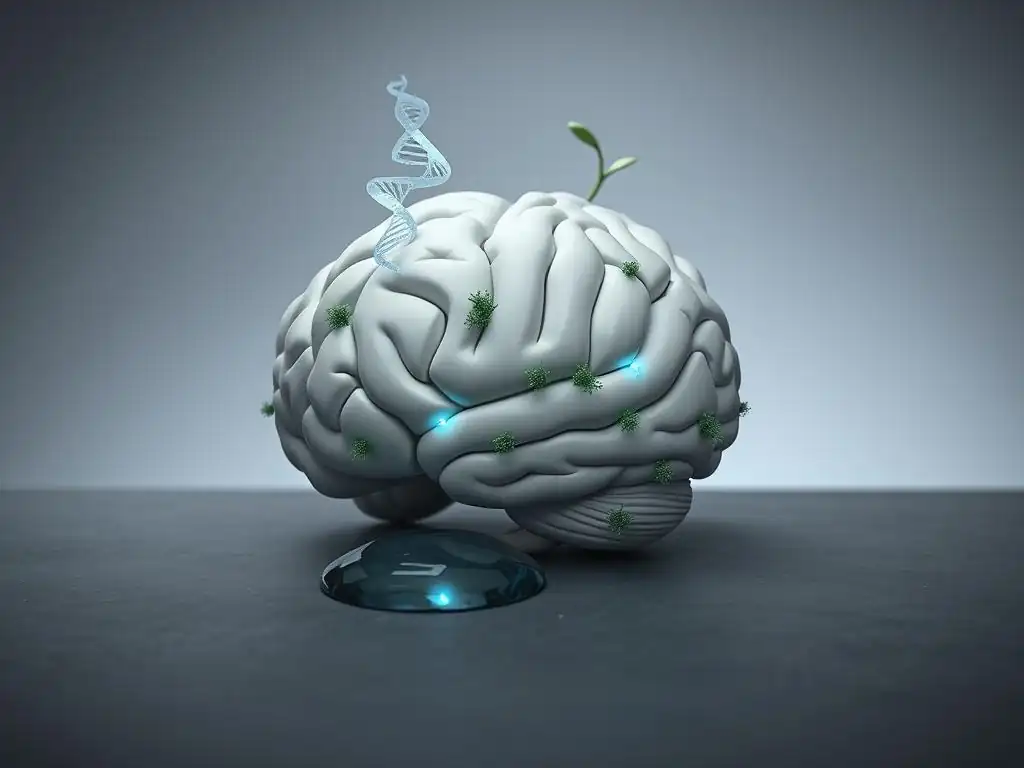
Personalized Medicine: Tailoring BDNF-Based Treatments for Depression
The understanding of BDNF's role, including the impact of the Val66Met polymorphism and epigenetic variations, opens the door for personalized approaches to BDNF gene depression treatment. Recognizing that individuals may have different baseline BDNF levels, genetic predispositions related to BDNF function, or unique epigenetic profiles influenced by their life history, could lead to more tailored interventions.
Future research may focus on identifying specific BDNF-related biomarkers that can predict treatment response. For example, individuals with the Met allele of the Val66Met polymorphism might respond differently to certain types of therapies compared to those with the Val/Val genotype. Measuring baseline BDNF levels or assessing the epigenetic state of the BDNF gene could potentially help clinicians select the most appropriate antidepressant, recommend specific lifestyle interventions, or determine suitability for novel therapies like ketamine or brain stimulation. This move towards personalized BDNF gene depression treatment could significantly improve outcomes and reduce the trial-and-error often involved in finding effective care.
Gene Therapy and the Potential to Correct BDNF Deficiencies
Given the central role of BDNF and the implication of reduced levels in depression, gene therapy approaches targeting the BDNF gene represent a potential, albeit still largely experimental, avenue for BDNF gene depression treatment. The idea is to introduce functional copies of the BDNF gene into specific brain regions or to use viral vectors to deliver BDNF directly, thereby increasing local BDNF concentrations.
Preclinical studies in animal models of depression have shown promising results, where delivery of the BDNF gene or BDNF protein to the hippocampus or prefrontal cortex can alleviate depressive-like behaviors. However, significant challenges remain before this could be a viable human therapy, including ensuring safe and targeted delivery, controlling the level and duration of BDNF expression, and understanding potential side effects of supraphysiological BDNF levels. While still in its early stages, gene therapy offers a long-term vision for directly addressing BDNF deficits.
BDNF as a Target for Preventing Depression and Enhancing Resilience
Beyond treating existing depression, BDNF research is exploring its potential role in preventing the onset of the disorder and enhancing resilience to stress. Since low BDNF is associated with increased vulnerability, strategies aimed at maintaining healthy BDNF levels could proactively protect against the development of depressive episodes, especially in individuals at high risk.
This could involve identifying individuals with genetic or epigenetic markers indicating lower BDNF potential and implementing preventive strategies early on. Promoting lifestyle interventions known to boost BDNF, such as regular exercise, a healthy diet, and stress management techniques, could be crucial components of a public health approach to mental wellness.
Furthermore, understanding how early life experiences shape BDNF expression via epigenetics could inform interventions aimed at mitigating the long-term impact of childhood adversity. Targeting BDNF pathways could shift the focus from simply treating illness to building brain health and resilience throughout the lifespan, offering a proactive dimension to BDNF gene depression treatment.
Optimizing Brain Health Through BDNF Modulation: A Summary
Key Takeaways: The Importance of BDNF for Mental Well-being
BDNF is a vital protein for brain health, essential for neuron growth, survival, and plasticity. Lower BDNF levels are consistently linked to depression, serving as a potential biomarker. Genetic variations in the BDNF gene, like Val66Met, and epigenetic modifications influenced by environment, can increase vulnerability to depression. Modulating BDNF levels through various strategies is a core aspect of understanding and implementing BDNF gene depression treatment.
Practical Steps to Increase BDNF Levels Naturally
Based on research, several lifestyle strategies can help boost BDNF:
- Regular Exercise: Aim for at least 150 minutes of moderate aerobic exercise per week.
- Nutrient-Rich Diet: Consume foods high in omega-3 fatty acids (fish, nuts), antioxidants, and polyphenols (berries, vegetables, tea). Limit processed foods and excessive sugar.
- Stress Management: Practice techniques like mindfulness, meditation, yoga, or deep breathing to reduce chronic stress.
- Sufficient Sleep: Prioritize getting 7-9 hours of quality sleep per night, as sleep is crucial for brain repair and function.
- Social Engagement: Maintain supportive social connections and engage in meaningful social activities.
- Cognitive Stimulation: Engage in activities that challenge your brain, such as learning a new skill, reading, or puzzles.
The Role of Early Life Experiences in Shaping BDNF Expression and Mental Health
Early life experiences, particularly exposure to stress or trauma, can have a lasting impact on BDNF gene expression through epigenetic mechanisms. These early epigenetic "marks" can influence BDNF levels and contribute to an individual's vulnerability or resilience to depression later in life. Supportive and nurturing environments during critical developmental periods can promote healthy BDNF expression and build a foundation for long-term mental well-being. Understanding this underscores the importance of early intervention and creating supportive environments as part of a comprehensive approach to mental health, complementing direct BDNF gene depression treatment strategies.
Frequently Asked Questions
What is the BDNF gene and why is it relevant to depression?
The BDNF gene provides instructions for making a protein called Brain-Derived Neurotrophic Factor (BDNF), which is crucial for brain growth, survival, and function. Lower levels of BDNF are often observed in individuals with depression.
How does the BDNF gene relate to depression treatment?
Research suggests that treatments like antidepressants and exercise can increase BDNF levels in the brain. This increase in BDNF may contribute to the alleviation of depressive symptoms.
Is depression directly caused by a "faulty" BDNF gene?
No, depression is not solely caused by a single gene. It's a complex condition influenced by multiple factors, including genetics, environment, and lifestyle. The BDNF gene is simply one piece of a larger puzzle.
Can genetic testing for the BDNF gene predict depression risk?
While genetic testing can identify variations in the BDNF gene, it cannot definitively predict depression risk. These variations may indicate a predisposition, but environmental and lifestyle factors also play a significant role.
What are some lifestyle interventions that can positively impact the BDNF gene and potentially help with depression?
Regular exercise, a healthy diet, and stress management techniques have all been shown to positively influence BDNF levels. These interventions can contribute to overall mental well-being and potentially alleviate depression symptoms.
Final Reflection: Unlocking the Potential of the BDNF Gene
The intricate dance between our genes and our environment, as exemplified by the BDNF gene, offers a powerful lens through which to understand not only depression but also the remarkable capacity of the human brain for resilience and growth. Understanding this interplay is not merely an academic exercise; it's a crucial step towards developing more effective and personalized treatments for mental health conditions affecting millions worldwide.
The exploration of the BDNF gene's role in depression has profoundly shifted our understanding of mental illness, moving beyond simplistic genetic determinism to embrace the dynamic interplay of nature and nurture. This epigenetic perspective underscores the importance of lifestyle choices – from diet and exercise to stress management and social connection – in influencing gene expression and ultimately, our mental well-being. The brain is the most plastic organ in the body; it can change and adapt throughout life.
This quote highlights the incredible potential we possess to shape our own brain health, even at the genetic level.
Consider the implications of this knowledge. You are not simply a product of your genes; you are an active participant in shaping your own brain's destiny. By making conscious choices to support a healthy lifestyle, you can actively influence the expression of the BDNF gene and, in turn, enhance your resilience and mental well-being. Embrace this power; prioritize your mental health through mindful living, and embark on a journey of self-discovery and empowerment. The potential for positive change, driven by a deeper understanding of your own biology, is within your reach.
Unlock Your Brain's Potential: Nurture Your BDNF
Thanks for exploring the fascinating world of the BDNF gene and its impact on brain health! We hope you gained valuable insights into how lifestyle choices can influence your cognitive well-being. Now it's time to put this knowledge into action.
- Prioritize BDNF-boosting activities: Begin incorporating regular exercise, a balanced diet rich in omega-3s and antioxidants, and stress-reducing practices like meditation or yoga into your daily routine. This is your key step towards nurturing your brain's natural growth potential.
- Share your newfound knowledge: Discuss this information with family and friends – could they benefit from understanding the power of BDNF too?
- Try a BDNF-focused journal entry: Reflect on one specific step you'll take this week to boost your BDNF levels and track your progress.
What small change will you make today to support your brain's health and happiness?