
Budgeting for Bliss: Achieving Affordable Solo Wellness Travel

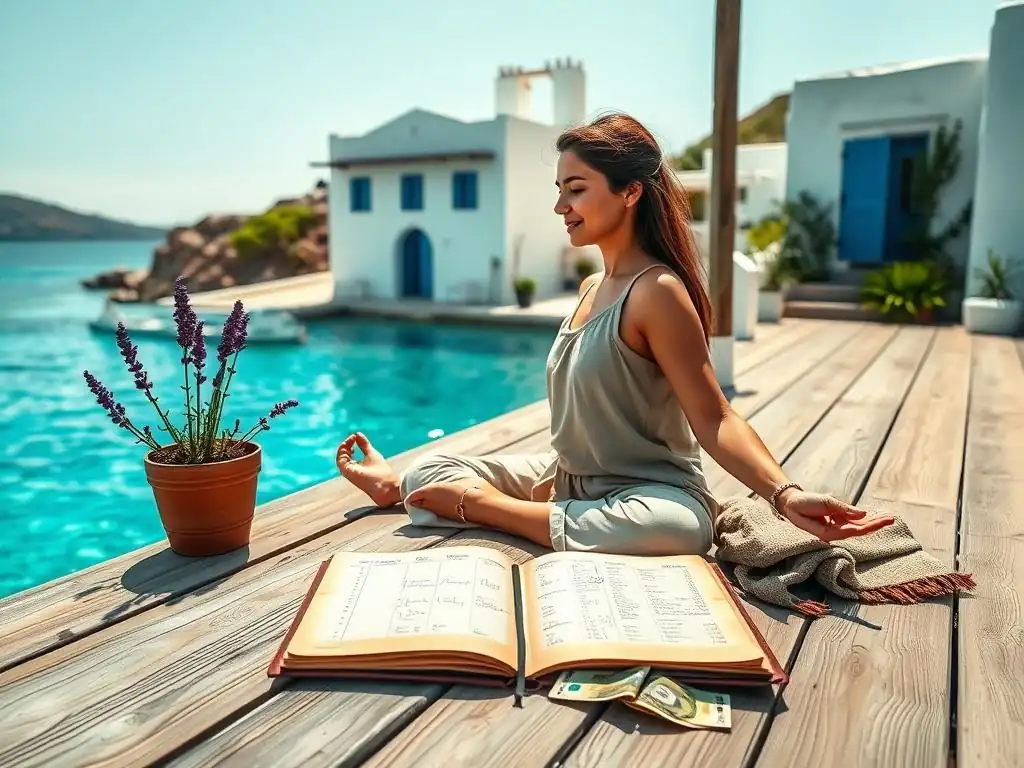
Welcome to Mind Care Guide, where your journey to mental well-being begins. Here, we believe that nurturing your mind is just as important as caring for your body. In our latest article, “Budgeting for Bliss: Achieving Affordable Solo Wellness Travel,” we delve into the art of planning rejuvenating getaways that align with your budget.
Are you curious about how to find balance between self-care and financial responsibility? Join us as we explore insightful tips and resources that will empower you to embark on transformative solo wellness travels without breaking the bank. Your path to serenity starts now—let's dive deeper together!
Budgeting for Bliss: Achieving Affordable Solo Wellness Travel
- Introduction: Why Solo Wellness Travel is Worth It (Even on a Budget)
- Step 1: Defining Your Wellness Goals and Travel Style
- Step 2: Crafting Your Solo Wellness Travel Budget
- Step 3: Finding Affordable Wellness Travel Destinations
- Step 4: Saving Money on Wellness Travel Expenses
- Step 5: Maximizing Your Wellness Experience While Minimizing Costs
- Conclusion: Your Affordable Solo Wellness Journey Awaits
-
Frequently Asked Questions
- How can I create a realistic budget specifically for solo wellness travel?
- What are some affordable accommodation options for solo wellness travelers?
- How can I save money on transportation while still prioritizing my wellness during solo travel?
- What free or low-cost wellness activities can I incorporate into my solo travel itinerary?
- What are some unexpected expenses I should budget for during solo wellness travel?
- Final Reflection: Unlocking Bliss: The Transformative Power of Affordable Solo Wellness Travel
- Unlock Your Solo Wellness Journey: Start Planning Today!
Introduction: Why Solo Wellness Travel is Worth It (Even on a Budget)
Embarking on a solo wellness journey can be a transformative experience for mental health, offering a unique opportunity to disconnect, reflect, and recharge away from daily pressures. While the idea might conjure images of expensive retreats or exotic destinations, achieving affordable solo wellness travel is absolutely possible. It's about intentional planning and making conscious choices that prioritize your well-being without breaking the bank. The mental clarity and personal growth gained from dedicating time solely to yourself in a new environment are invaluable, making the effort to budget wisely a worthwhile investment in your mental well-being.
For many, the perceived cost is a significant barrier to pursuing solo wellness travel. However, by focusing on smart planning and exploring various options, you can tailor a trip that meets your wellness goals within a realistic budget. Whether it's finding affordable accommodation, seeking out free or low-cost activities, or simply being mindful of spending, mastering solo wellness travel budgeting opens up a world of possibilities for self-care and exploration. This guide aims to demystify the process, providing practical steps and insights to help you plan your own rejuvenating escape without financial stress.
Step 1: Defining Your Wellness Goals and Travel Style
Identifying Your Wellness Needs: What Are You Seeking?
Before you can start budgeting, it's crucial to understand why you want to travel solo for wellness. Are you seeking stress reduction, a digital detox, physical activity, spiritual connection, or creative inspiration? Pinpointing your primary goals will directly influence the type of trip and destination you choose, which in turn impacts the cost. For instance, someone seeking deep meditation and introspection might look for quiet, rural retreats, while someone needing physical rejuvenation might prioritize hiking or yoga destinations. Understanding your needs is the foundational step in effective solo wellness travel budgeting.
Consider what specific activities or environments would best support your mental and physical health goals. Perhaps you need to escape noise and pollution, suggesting a nature-focused trip. Or maybe you want to learn new coping mechanisms through workshops, indicating a retreat or specific course.
Reflecting on past experiences – what helped you feel calm, energized, or inspired? – can provide valuable clues. A trip focused on simple activities like long walks in nature and reading will inherently be less expensive than one centered around daily spa treatments or specialized therapy sessions, making this self-assessment vital for accurate solo wellness travel budgeting.
Matching Your Travel Style to Your Budget: Luxury vs. Minimalist
Your preferred travel style plays a huge role in solo wellness travel budgeting. Do you envision staying in boutique hotels with daily spa visits (luxury), or are you comfortable in hostels, cooking your own meals, and finding free activities (minimalist)? There's a vast spectrum in between, and being honest about your comfort level and preferences is key to creating a sustainable budget. A minimalist approach often aligns better with affordability, but even within a more comfortable budget, conscious choices can lead to significant savings.
For example, a minimalist traveler might aim for a total daily budget of $50-$70 in a budget-friendly country like Thailand or Mexico, covering simple accommodation, local food, and free activities like beach walks or temple visits. A traveler seeking mid-range comfort might budget $100-$150 per day in a moderately priced destination like Portugal or Costa Rica, allowing for private rooms in guesthouses, restaurant meals, and perhaps a few paid yoga classes or cultural experiences. Defining your style helps set realistic expectations and guides your financial planning for solo wellness travel budgeting.
Step 2: Crafting Your Solo Wellness Travel Budget

Estimating Core Travel Expenses: Flights, Accommodation, and Food
The major components of any travel budget are flights, accommodation, and food. For solo wellness travel budgeting, these need careful estimation. Flights can vary drastically based on destination, time of year, and how far in advance you book. Using flight comparison websites and being flexible with dates can yield significant savings. For accommodation, research average costs for your chosen style (hostel dorm bed, private room, guesthouse, Airbnb, budget hotel) in your target destination. A hostel bed might cost $15-$30 per night, while a budget private room could be $40-$70.
Food costs are also highly variable. Eating out for every meal, especially in tourist areas, adds up quickly. Budgeting for some self-catering, buying groceries at local markets, or eating at local eateries (often called 'comedores' or 'warungs') can drastically reduce expenses. In many parts of Southeast Asia, a simple, delicious local meal might cost $3-$5, whereas a meal in a Western-style restaurant could be $15-$25. For solo wellness travel budgeting, plan a realistic daily food allowance based on your intended eating habits – perhaps a mix of cooking some meals and eating out affordably for others.
Factoring in Wellness Activities: Yoga Classes, Spa Treatments, and Tours
Beyond the basics, you need to budget for the specific wellness activities that align with your goals. This could include daily yoga classes (which might be part of a package or paid individually), meditation retreats (often all-inclusive but require a lump sum), spa treatments, workshops, or guided nature tours. Research the typical costs for these activities in your destination. A single yoga class might cost $10-$20, while a massage could range from $30 in some regions to $100+ in others.
If your trip is centered around a specific wellness retreat, the cost is usually upfront and includes accommodation, food, and activities. A week-long budget-friendly yoga retreat might cost $500-$800, while a more upscale one could easily exceed $1500. If you're planning independent travel, list the specific activities you want to do and estimate their costs. For effective solo wellness travel budgeting, prioritize activities that are most important to your goals and look for package deals or local options that might be cheaper than tourist-focused services.
Creating a Buffer: Contingency Funds for Unexpected Expenses
No matter how meticulously you plan your solo wellness travel budgeting, unexpected expenses can arise. It's crucial to include a contingency fund, typically 10-15% of your total estimated budget, for unforeseen circumstances. This could be anything from needing an over-the-counter medication, paying for a minor repair, covering a transportation issue, or simply encountering a must-do activity you didn't initially budget for. Having this buffer prevents financial stress from derailing your wellness goals.
Imagine you budget $1500 for a two-week trip. A 10% buffer would be $150. This fund provides peace of mind, knowing you have resources for minor emergencies or spontaneous opportunities that enhance your trip. Without a buffer, an unexpected $50 expense could cause significant anxiety, counteracting the stress-reducing purpose of your wellness journey. Prioritizing this buffer is a smart move in robust solo wellness travel budgeting.
Step 3: Finding Affordable Wellness Travel Destinations
Exploring Budget-Friendly Wellness Hotspots
Certain destinations are inherently more budget-friendly for wellness travel than others. Countries in Southeast Asia like Thailand, Vietnam, and Indonesia (especially Bali outside the most touristy areas) offer affordable accommodation, food, and wellness activities like yoga and massage. Parts of Central and South America, such as Mexico (outside resort towns), Colombia, or Ecuador, can also be very cost-effective for experiences like hiking, Spanish language immersion, and exploring local culture. Eastern Europe, with countries like Portugal, Hungary, or parts of Croatia, can offer charming environments and wellness activities at lower prices than Western Europe.
Consider destinations known for their natural beauty and opportunities for free activities like hiking, swimming in natural bodies of water, or simply relaxing in scenic spots. Nepal, for example, offers incredible trekking opportunities that primarily require budgeting for guides/porters (if used), permits, accommodation, and food along the route, which can be quite reasonable. Researching destinations specifically known for affordable living costs and a prevalence of wellness-oriented offerings is a key step in successful solo wellness travel budgeting.
Utilizing Travel Reward Programs and Loyalty Points
Leveraging travel reward programs and loyalty points is a smart strategy for reducing the cost of flights and accommodation, significantly impacting your solo wellness travel budgeting. Many airlines and hotel chains offer loyalty programs where you earn points or miles for travel. Accumulating these points through credit card spending, flying, or booking stays can allow you to cover a significant portion, if not all, of your flight or accommodation costs.
Look for travel credit cards that offer generous sign-up bonuses and rewards on travel-related spending. Be mindful of annual fees and ensure your spending habits align with the card's benefits. Redeeming points for flights during off-peak seasons or booking hotel stays using loyalty points can turn otherwise expensive travel components into free or low-cost items, making your solo wellness journey much more accessible from a financial perspective. This requires planning ahead and understanding how to maximize point redemption values.
Step 4: Saving Money on Wellness Travel Expenses
Tips for Affordable Accommodation: Hostels, Guesthouses, and Airbnb
Choosing the right accommodation is paramount for solo wellness travel budgeting. Hostels aren't just for young backpackers; many offer private rooms, are clean and social, and sometimes even have wellness-focused amenities like yoga spaces. A dorm bed might cost $15-$30, while a private room could be $40-$60. Guesthouses, particularly in Asia or Latin America, offer a more local feel and often include simple breakfast for $30-$70 per night.
Airbnb can be a great option, especially for longer stays or if you prefer having access to a kitchen to cook meals. Look for rooms in shared apartments or small guesthouses listed on the platform, which can be more affordable than entire homes. Prices vary wildly but can often be found in the $30-$70 range for a private room. Staying slightly outside the main tourist center can also reduce costs, provided there is easy and safe transportation. Prioritizing value and location over luxury is key to effective solo wellness travel budgeting for accommodation.
Eating Well on a Budget: Local Markets and Self-Catering
Food can quickly consume a significant portion of your budget if you're not careful. For solo wellness travel budgeting, embracing local markets and self-catering is a game-changer. Visiting local markets allows you to buy fresh fruits, vegetables, bread, and other staples at a fraction of supermarket prices. Cooking some of your own meals, especially breakfast and simple lunches, drastically reduces daily expenses.
Explore local street food or small, non-touristy restaurants where locals eat. These spots often offer the most authentic and delicious food at the lowest prices. For example, in Southeast Asia, a full meal can be $3-$5. In parts of Europe, finding a local bakery for breakfast pastries and coffee ($5-$8) or a simple sandwich shop for lunch ($6-$10) is much cheaper than sit-down restaurants. Carrying a reusable water bottle and refilling it whenever possible also saves money and reduces plastic waste.
Free or Low-Cost Wellness Activities: Nature Walks, Meditation, and Community Events
You don't need to pay for expensive retreats or classes to engage in wellness activities. Nature is a powerful healer, and activities like hiking, swimming in the ocean or lakes, and simply spending time in parks or natural landscapes are often free. Many cities and towns offer free walking tours, which can be a great way to explore and stay active.
Look for community events, free meditation groups (check online forums or local notice boards), or donation-based yoga classes. Many spiritual sites, like temples or churches, are free to enter and offer quiet spaces for reflection. Utilizing public libraries for quiet reading time or attending free talks or workshops can also contribute to your wellness journey without adding significant cost. Integrating these free or low-cost options is fundamental to successful solo wellness travel budgeting.
Step 5: Maximizing Your Wellness Experience While Minimizing Costs
Prioritizing Experiences Over Material Possessions
The true value of solo wellness travel lies in the experiences and the time dedicated to yourself, not in souvenirs or expensive purchases. When budgeting, allocate funds towards experiences that genuinely contribute to your well-being – maybe that one special yoga workshop or a guided hike in a place of natural beauty – rather than material goods. Focus on creating lasting memories and fostering personal growth.
This mindset shift is crucial for effective solo wellness travel budgeting. Instead of buying trinkets, invest in a cooking class to learn local healthy recipes, or spend money on transportation to a remote, peaceful spot. Remind yourself that the goal is mental and physical rejuvenation, and often, the most profound experiences (like watching a sunset or having a meaningful conversation with a local) are free or low-cost.
Disconnecting from Technology: A Digital Detox for Mental Clarity
Solo wellness travel offers a perfect opportunity for a digital detox, which not only enhances mental clarity but can also save money. By limiting screen time, you reduce the temptation to spend money on online shopping or be influenced by social media posts promoting expensive activities. More importantly, disconnecting allows you to be fully present in your surroundings, deepen your self-reflection, and truly unwind.
Consider setting specific times for checking emails or social media, or even leaving your devices turned off for entire days. This deliberate act supports your wellness goals by reducing digital noise and stress. It costs nothing to put your phone away, but the mental benefits of being fully present during your solo journey are immense, making it a valuable, free component of your solo wellness travel budgeting plan focused on mental well-being.
Journaling and Reflection: Processing Your Experiences
Journaling is a powerful, free tool for processing your thoughts and experiences during solo wellness travel. Dedicate time each day to write down your feelings, observations, and insights. This practice enhances self-awareness, helps integrate new experiences, and provides a record of your journey. It's a form of active reflection that supports mental health and costs nothing but your time and a notebook/pen.
Reflection goes hand-in-hand with journaling. Take moments throughout the day to simply sit quietly and observe your surroundings, your feelings, and your thoughts without judgment. This can be done while walking, sitting in a park, or enjoying a simple meal. These moments of quiet contemplation are essential for gaining perspective and maximizing the therapeutic benefits of your solo trip, reinforcing that significant wellness gains don't require significant spending, a core principle of solo wellness travel budgeting.
Conclusion: Your Affordable Solo Wellness Journey Awaits
Achieving affordable solo wellness travel is not just a dream; it's an attainable goal with thoughtful planning and conscious choices. By clearly defining your wellness needs, choosing a travel style that fits your budget, meticulously crafting your solo wellness travel budgeting plan, and actively seeking out affordable destinations and activities, you can create a deeply enriching and rejuvenating experience without financial strain.
Embrace the opportunities for saving money on accommodation, food, and activities, and prioritize experiences that nourish your mind and body over material expenses. Your journey towards greater mental well-being through solo travel is within reach, proving that bliss doesn't have to come with a high price tag.
Frequently Asked Questions
How can I create a realistic budget specifically for solo wellness travel?
Start by identifying your priorities – what wellness activities are essential to you? Then, research and compare costs for accommodation, transportation, and activities, and allocate funds accordingly.
What are some affordable accommodation options for solo wellness travelers?
Consider options like hostels with private rooms, guesthouses, or Airbnb rentals outside of peak tourist areas. Prioritize safety and comfort within your budget. Look for deals and discounts online.
How can I save money on transportation while still prioritizing my wellness during solo travel?
Utilize public transportation where available and safe. Walk or bike short distances to explore your surroundings and incorporate physical activity into your trip. Consider off-season travel for cheaper flights.
What free or low-cost wellness activities can I incorporate into my solo travel itinerary?
Explore local parks, practice meditation or yoga outdoors, and take advantage of free guided tours. Focus on mindfulness and self-reflection, which are often free and readily available.
What are some unexpected expenses I should budget for during solo wellness travel?
Factor in costs for travel insurance, emergency funds, local SIM cards for communication, and potential visa fees. Contingency funds are crucial for unexpected situations that might arise during your trip.
Final Reflection: Unlocking Bliss: The Transformative Power of Affordable Solo Wellness Travel
The pursuit of self-care is no longer a luxury, but a necessity, and solo wellness travel, even on a budget, is proving to be a powerful catalyst for personal growth and rejuvenation. This accessibility, once a distant dream for many, is now a tangible reality, thanks to innovative budgeting strategies and a growing awareness of the profound benefits of prioritizing mental and physical well-being.
The impact of prioritizing self-care, particularly through experiences like solo travel, is reshaping our cultural understanding of wellness. It's moving beyond the confines of expensive spas and retreats, becoming increasingly inclusive and accessible. We are witnessing a shift towards a more holistic approach, one that values mindful exploration and personal connection as much as physical pampering. The journey of a thousand miles begins with a single step,
and that first step towards prioritizing your well-being can be as simple as planning an affordable solo wellness trip. This journey, however challenging at times, is ultimately one of self-discovery and empowerment.
Now, consider your own life. What small step can you take today to invest in your well-being? Perhaps it's researching budget-friendly wellness destinations, saving a small amount each week for a future trip, or simply scheduling some time for self-reflection. Remember, the journey to bliss begins with a single, intentional choice. Embrace the power of affordable solo wellness travel and unlock the transformative potential within yourself. Your future self will thank you.
Unlock Your Solo Wellness Journey: Start Planning Today!
Thank you for taking the time to explore the world of affordable solo wellness travel! We hope this guide has empowered you to prioritize your well-being while staying within budget. Now, it's time to turn those dreams into reality.
- Book that transformative trip! Research destinations and dates that align with your budget and wellness goals. Don't hesitate – the perfect getaway is waiting for you.
- Share your wellness travel aspirations with us! Let's inspire each other in the comments below. Tell us about your dream solo wellness destination!
- Explore MindCareGuide.org for more resources to help you plan your perfect trip.
Ready to embark on your next adventure? What's the first step you'll take to make your solo wellness trip a reality?