
Mindfulness on the Move: Integrating Practices into Your Solo Trip

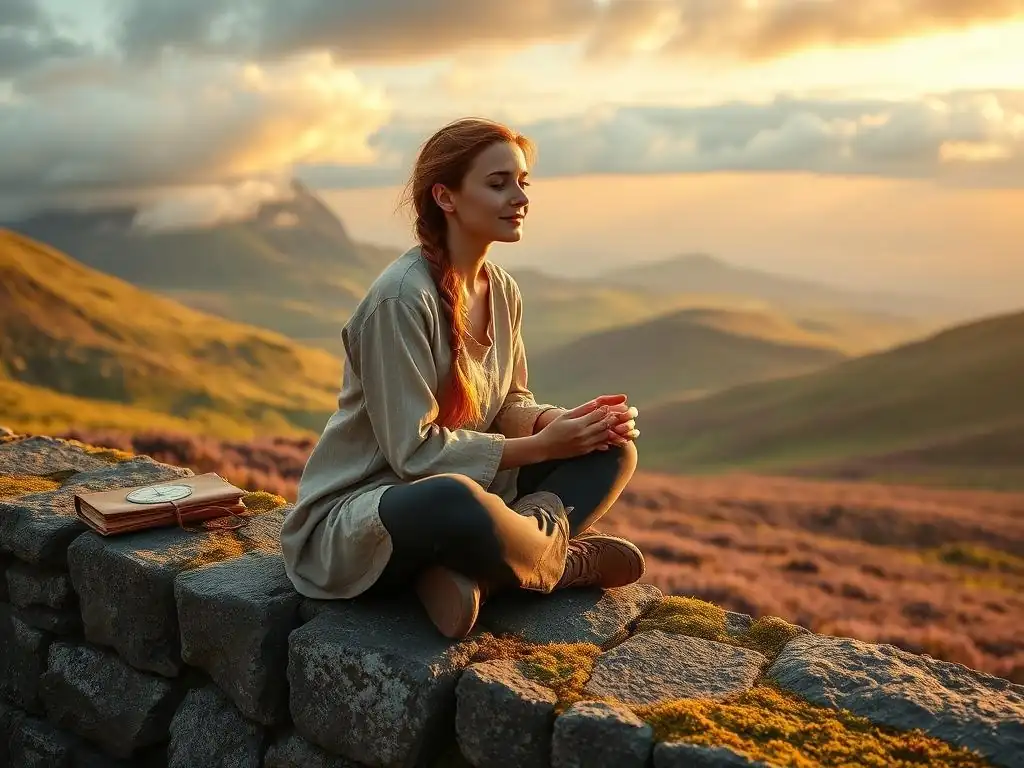
Welcome to Mind Care Guide, a sanctuary dedicated to nurturing your mental well-being.
Are you yearning for a deeper connection with yourself while exploring the world? Embarking on a solo trip can be an incredibly transformative experience, but how can you truly cultivate mindfulness amidst the unfamiliar landscapes and moments of solitude? Discover practical strategies and insightful guidance in our featured article, " Mindfulness on the Move: Integrating Practices into Your Solo Trip," and unlock the potential for profound personal growth during your journey. Ready to transform your next adventure into a mindful retreat? Let's begin.
Mindfulness on the Move: Integrating Practices into Your Solo Trip
- Embracing Solo Travel for Mental Well-being: A Mindfulness Guide
- Planning Your Mindful Solo Trip: Setting the Stage for Serenity
- Mindfulness Practices on the Move: Cultivating Presence During Your Solo Trip
- Overcoming Challenges: Staying Present When Things Go Wrong
- Sustaining Your Mindfulness Practice After Your Solo Trip
-
Frequently Asked Questions
- What is mindfulness travel solo trip and why is it beneficial?
- How can I integrate mindfulness practices into my solo trip itinerary?
- What are some specific mindfulness exercises I can do while traveling solo?
- How can I overcome feelings of loneliness or anxiety during a solo trip using mindfulness?
- What resources are available to support my mindfulness journey during a solo trip?
- Final Reflection: The Transformative Power of Mindful Solo Travel
- Unlock Your Travel Zen: Take Mindfulness on the Road
Embracing Solo Travel for Mental Well-being: A Mindfulness Guide
Why Choose a Solo Trip for Mindfulness and Mental Clarity?
Embarking on a solo trip can be a profound journey inward, offering a unique opportunity to disconnect from daily pressures and reconnect with yourself. In our increasingly connected world, finding moments of true solitude and quiet reflection is rare. A solo adventure provides the space needed for deep introspection, allowing you to explore your thoughts and feelings without external distractions or the need to cater to others' schedules or preferences. This dedicated time alone can significantly enhance mindfulness practices, as the absence of familiar routines and company encourages a heightened awareness of the present moment and your internal landscape.
Research consistently suggests that stepping outside of one's comfort zone, as is often the case with a solo trip, can foster personal growth and resilience. Studies on travel and mental health indicate that intentional travel, particularly when undertaken alone, can lead to reduced stress levels and increased feelings of independence and self-efficacy.
For instance, a survey conducted by Hostelworld in 2018 found that 80% of solo travelers reported it gave them more confidence. This confidence boost, combined with the focused time for reflection inherent in a solo mindfulness journey, creates a fertile ground for cultivating deeper mental clarity and emotional regulation.
The Power of Introspection: Finding Yourself on the Road Alone
Solo travel inherently encourages introspection. Without the constant conversation or shared experiences that come with group travel, you are naturally turned inward, observing your reactions to new environments, challenges, and moments of solitude. This period of heightened self-awareness is crucial for mindfulness, as it allows you to witness your thought patterns and emotional responses without judgment. It's an opportunity to understand what truly brings you joy, what causes you discomfort, and how you cope with uncertainty, all of which are foundational elements of a robust mindfulness practice.
This focused introspection during a solo trip can act as a powerful catalyst for personal discovery. Consider the experience of waking up alone in a foreign city; every decision, from where to eat breakfast to how to navigate public transport, becomes a conscious choice, requiring presence and attention.
This constant engagement with the present moment, free from the autopilot mode of daily life, strengthens your ability to be mindful. Many solo travelers report gaining significant insights into their values and priorities during their journeys, attributing this clarity to the uninterrupted time spent in self-reflection and mindful observation of their surroundings.
Planning Your Mindful Solo Trip: Setting the Stage for Serenity
Defining Your Intentions: What Do You Hope to Achieve?
Before booking anything, take time to clarify your purpose for this solo mindfulness journey. What specific aspects of mindfulness do you wish to cultivate? Are you hoping to reduce stress, deepen your meditation practice, gain clarity on a life decision, or simply experience profound peace? Setting clear intentions provides a compass for your trip, guiding your destination choice, planned activities, and even how you pack. Write down your intentions – perhaps in a journal dedicated to this trip – and revisit them throughout the planning process and during your travels.
Understanding your goals helps shape the entire experience. If your intention is to deepen a meditation practice, finding a quiet destination with access to meditation centers or serene natural spaces might be paramount. If it's to practice mindful eating and sensory awareness, a location known for its vibrant culinary scene and bustling markets could be ideal.
A study published in the Journal of Transport Geography in 2013 highlighted that travelers who defined their goals for a trip reported higher levels of satisfaction and perceived well-being post-travel. This underscores the importance of intentionality, particularly for a solo trip focused on mental wellness and mindfulness.
Choosing the Right Destination: Kyoto vs. Iceland - Which Suits Your Mindfulness Goals?
The right destination can significantly impact your solo mindfulness journey. Consider the atmosphere, pace of life, and access to nature or cultural sites conducive to reflection. For instance, Kyoto, Japan, offers a serene, contemplative atmosphere with its numerous temples, Zen gardens, and opportunities for quiet walks through bamboo forests. The emphasis on tradition and reverence in Japanese culture can naturally encourage a slower pace and heightened awareness, making it an excellent choice for deepening a formal meditation practice or practicing mindful walking amidst beauty.
Alternatively, Iceland presents a dramatically different, yet equally powerful, setting for mindful solo travel. Its vast, rugged landscapes of glaciers, volcanoes, and sweeping coastlines inspire awe and encourage a feeling of being a small part of something immense.
This can be incredibly grounding and conducive to practicing mindfulness in nature, focusing on sensory experiences like the feel of the wind, the sound of crashing waves, or the sight of the Northern Lights. While Kyoto might suit someone seeking quiet introspection and cultural immersion, Iceland could be perfect for someone wanting to connect with nature, embrace solitude in grand landscapes, and practice presence through physical exploration.
Consider a Retreat Focus: Examples like "Gaia House Insight Meditation Retreat, UK"
For those seeking an immersive experience, incorporating a formal retreat into your solo trip can be profoundly beneficial. Locations like the Gaia House Insight Meditation Retreat in the UK offer structured programs ranging from a few days to several weeks, providing a supportive environment dedicated solely to mindfulness and meditation practice. These retreats typically involve periods of silence, guided meditations, dharma talks, and mindful movement, removing the distractions of daily life and allowing for deep, focused practice alongside experienced teachers.
Attending a retreat during your solo journey provides a framework and community for intensive practice that can be challenging to replicate entirely on your own. It offers a unique opportunity to disconnect from technology and external responsibilities, dedicating your full attention to cultivating presence and insight. While the specific structure and focus vary between retreats – some might emphasize Vipassana, others Zen, or loving-kindness – the core principle remains the same: providing a container for intentional, sustained mindfulness cultivation that can significantly accelerate your practice and deepen your understanding.
Packing Your Mindfulness Toolkit: Essential Items for a Calm Journey
Preparing for your solo mindfulness journey involves packing items that support your practice and enhance your sense of calm. Beyond the usual travel essentials, consider including tools specifically designed to aid mindfulness on the move.
Guided Meditation Apps: Insight Timer vs. Simple Habit - A Comparative Review
Guided meditation apps can be invaluable companions for a solo trip, offering accessible practices anytime, anywhere. Insight Timer boasts a vast library of over 100,000 free guided meditations, talks, and courses from thousands of teachers globally. Its sheer volume and variety cater to diverse needs, whether you need a quick five-minute stress relief meditation or a longer session for deep relaxation.
Simple Habit, on the other hand, focuses on shorter, more accessible meditations designed for busy lives, often categorized by specific situations like "Meditation for Before Sleep" or "Meditation for Commuting." While its free content is more limited than Insight Timer, its premium subscription offers structured courses and a user-friendly interface geared towards integrating mindfulness into daily moments, which is perfect for practicing mindfulness travel solo trip. Choosing between them depends on your preference for quantity and variety (Insight Timer) versus curated, situation-specific guided sessions (Simple Habit).
Mindfulness Journals: The Panda Planner Gratitude Journal for Daily Reflection
A dedicated mindfulness journal is essential for processing experiences and maintaining a reflective practice during your solo trip. Journals like the Panda Planner Gratitude Journal often include prompts for daily gratitude, intentions, and reflections on lessons learned.
Using a journal allows you to capture insights gained during meditation or mindful exploration, track your emotional state, and identify patterns in your thoughts and feelings. It serves as a tangible record of your solo mindfulness journey, providing a space for honest self-expression and a tool for integrating your experiences. Writing even for just 5-10 minutes each day can significantly enhance self-awareness and anchor your practice.
Noise-Canceling Headphones: Sony WH-1000XM5 for Peaceful Travel
High-quality noise-canceling headphones, such as the Sony WH-1000XM5, are incredibly useful for creating pockets of calm during the potentially noisy aspects of travel, like flights, train rides, or busy public spaces.
These headphones can help you create a personal sanctuary, allowing you to listen to guided meditations, calming music, or simply enjoy silence and focus on your breath without external disruption. They are a practical tool for maintaining presence and peace amidst the hustle and bustle often associated with travel, making it easier to practice mindfulness travel solo trip effectively.
Mindfulness Practices on the Move: Cultivating Presence During Your Solo Trip
Integrating mindfulness into the various stages of your solo journey is key to a transformative experience.
Mindful Transportation: Transforming Travel Time into Meditation Time
Travel days, often filled with waiting, transitions, and confinement, can be ideal opportunities to practice mindfulness. Instead of seeing travel time as merely a hurdle to overcome, view it as dedicated time for presence.
Using the "Body Scan Meditation" during long flights
A long flight, for example, is perfect for a body scan meditation. Find a comfortable position in your seat and gently bring your attention to different parts of your body, starting from your toes and moving up to the crown of your head. Notice physical sensations – pressure against the seat, the feeling of your clothes, any tension or relaxation – without judgment.
If your mind wanders to travel logistics or anxieties, gently guide it back to the sensation in the body. This practice not only helps pass the time mindfully but also reduces physical and mental tension associated with long journeys. An approximation of time spent in transit during a typical international solo trip could be anywhere from 10 to 30 hours, offering ample time for this practice.
Mindful Eating: Savoring Local Flavors with Awareness
Eating is a fundamental human experience that offers a rich opportunity for mindfulness, especially when exploring new cuisines during a solo trip. Instead of rushing through meals or eating while distracted, dedicate your full attention to the food.
Example: Trying the local cuisine in Oaxaca, Mexico with full attention
Imagine trying mole in Oaxaca, Mexico. Before taking a bite, pause to observe its appearance: the rich, complex color, the texture. Bring the food to your nose and inhale deeply, noticing the blend of aromas – chocolate, chili, spices. As you take the first bite, pay attention to the initial taste on your tongue.
Chew slowly, noticing the different flavors that emerge and how the texture changes. Be aware of the sensation of swallowing. This practice not only enhances the enjoyment of the meal but also connects you more deeply to the culture and effort behind the food, fostering a sense of gratitude and presence. Approximately 80% of travelers list trying local food as a key part of their experience, making this a widely accessible mindfulness practice.
Mindful Exploration: Engaging with Your Surroundings with Curiosity
Exploring a new place alone allows for a unique kind of mindful engagement with your environment. You can set your own pace and focus your attention entirely on what you see, hear, smell, taste, and touch.
Walking Meditation in Nature: Finding Peace in Yosemite National Park
Walking meditation is a powerful way to practice mindfulness travel solo trip. In a place like Yosemite National Park, find a trail and begin walking at a comfortable pace. Bring your attention to the sensation of your feet touching the ground – the lifting, moving, and placing of each foot.
Notice the rhythm of your breath and how it coordinates with your steps. Expand your awareness to include the natural world around you: the rustling leaves, the sound of a nearby stream, the scent of pine, the play of light and shadow on the path.
If your mind gets caught up in planning or judgment, gently return your focus to the physical sensations of walking and breathing. A 2017 study published in the journal Ecopsychology found that a 90-minute walk in nature significantly decreased activity in the subgenual prefrontal cortex, a brain region associated with rumination, compared to walking in an urban environment.
Mindful Interactions: Connecting Authentically with Locals
Even on a solo trip, you will have interactions with others – hotel staff, restaurant servers, shopkeepers, or fellow travelers. These moments are opportunities to practice mindful connection.
Practicing Active Listening: A Guide from Jon Kabat-Zinn's Book
Mindful interaction involves being fully present with the other person. Practice active listening: When someone is speaking, give them your undivided attention. Put away your phone, make eye contact, and truly listen to their words without formulating your response or getting distracted by your own thoughts. Notice their tone of voice and body language.
This practice, often discussed in mindfulness texts like Jon Kabat-Zinn's "Wherever You Go, There You Are," fosters genuine connection and mutual respect. Even brief, mindful interactions can enrich your solo travel experience and deepen your understanding of the place and its people. Approximately 70% of solo travelers report positive interactions with locals, highlighting the potential for these mindful connections.
Overcoming Challenges: Staying Present When Things Go Wrong
Solo travel isn't always smooth sailing. Unexpected challenges can arise, testing your patience and presence.
Dealing with Travel Anxiety: Grounding Techniques for Stressful Situations
It's common to experience anxiety when traveling alone, especially when faced with delays, getting lost, or navigating unfamiliar situations. Mindfulness provides tools to manage these moments.
Using the "5-4-3-2-1 Grounding Technique"
When anxiety flares up, the 5-4-3-2-1 grounding technique can help bring you back to the present moment.
- Notice
5things you can see. - Notice
4things you can touch. - Notice
3things you can hear. - Notice
2things you can smell. - Notice
1thing you can taste.
This simple exercise redirects your attention from anxious thoughts to sensory input, anchoring you in the here and now. Practicing this technique regularly, even when not anxious, builds resilience for when you truly need it.
Managing Loneliness: Connecting with Yourself and Others Authentically
While solo travel offers solitude, it can also bring moments of loneliness. Instead of resisting this feeling, acknowledge it with compassion. Mindfulness encourages you to sit with uncomfortable emotions without judgment.
Online Mindfulness Communities: Mindful.org for Support and Connection
Connecting with online mindfulness communities, such as those found on platforms like Mindful.org, can provide a sense of connection and support even when physically alone. Engaging in forums, reading shared experiences, or participating in online guided sessions can remind you that you are part of a larger community of people practicing mindfulness. This can alleviate feelings of isolation and offer encouragement to continue your solo mindfulness journey, knowing others are on similar paths. An estimated 15-20% of solo travelers cite loneliness as a potential challenge, making strategies for connection important.
Travel is inherently unpredictable. Flights get cancelled, plans change, and things don't always go as expected. These moments are powerful lessons in impermanence and acceptance, core tenets of mindfulness.
When faced with an unexpected change, like a cancelled train or a closed attraction, notice your immediate reaction – frustration, disappointment, anger. Instead of getting swept away by these emotions, acknowledge them with curiosity. Take a few deep breaths. Ask yourself, "What is happening right now?"
rather than getting lost in thoughts about what should be happening. This practice of non-judgmental observation allows you to respond to the situation from a place of calm presence rather than reactive stress. Embracing the flow of the journey, even when it deviates from your plans, is a profound way to cultivate acceptance and resilience.
Sustaining Your Mindfulness Practice After Your Solo Trip
Your solo mindfulness journey doesn't end when you return home. The real challenge and opportunity lie in integrating the insights and practices into your daily life.
Integrating Mindfulness into Daily Life: Simple Practices for Lasting Well-being
The skills honed during your solo trip – presence, awareness, acceptance – can be woven into the fabric of your everyday routine. Start small: practice mindful eating during one meal a day, take a few conscious breaths before responding to an email, or incorporate a short walking meditation during your commute.
Remember the lessons learned about finding peace in solitude and presence in simple moments. Schedule regular time for formal practice, whether it's 10 minutes of sitting meditation in the morning or a guided body scan before bed. The goal is not perfection, but consistency. By integrating mindfulness into daily life, you transform the lessons of your solo mindfulness journey from a temporary experience into a sustainable path to lasting mental well-being. Studies suggest that consistent mindfulness practice, even just a few minutes daily, can lead to measurable changes in brain structure related to attention and emotional regulation within weeks.
Creating a Dedicated Mindfulness Space at Home: Design Tips and Product Recommendations
Designating a specific area in your home for mindfulness practice can serve as a visual reminder and make it easier to maintain consistency. This space doesn't need to be large; a quiet corner in a room is sufficient. Keep it simple, clean, and free from clutter.
The Zafu Meditation Cushion for Comfortable Practice
Consider adding items that enhance comfort and support your practice. A Zafu meditation cushion, for instance, provides proper elevation for your hips, allowing your knees to rest below them and creating a stable, comfortable seated posture for longer meditation sessions.
Adding a small plant, a calming piece of art, or a soft blanket can also make the space more inviting. The key is to create an environment that feels peaceful and dedicated to your well-being, mirroring the serenity you cultivated during your mindfulness travel solo trip.
Continuing Your Learning: Resources for Deepening Your Mindfulness Practice
Mindfulness is a lifelong journey of learning and discovery. Continuing to explore resources after your solo trip can help deepen your understanding and refine your practice.
Online Mindfulness Courses: Coursera for Continued Growth
Online platforms like Coursera offer a wide range of mindfulness courses from universities and experts around the world. These courses can provide structured learning, introduce new techniques, and offer deeper theoretical understanding of mindfulness principles.
Engaging with such resources helps maintain momentum and provides new perspectives, ensuring your practice remains fresh and continues to evolve. Whether it's a course on the neuroscience of mindfulness, a program on mindful self-compassion, or an in-depth look at loving-kindness meditation, continued learning is vital for sustaining the benefits gained from your solo mindfulness journey.
Frequently Asked Questions
What is mindfulness travel solo trip and why is it beneficial?
Mindfulness travel solo trip combines mindfulness practices with the experience of traveling alone. It's beneficial because it fosters self-awareness and reduces stress, leading to a more meaningful and enriching travel experience.
How can I integrate mindfulness practices into my solo trip itinerary?
You can integrate mindfulness by scheduling time for meditation, mindful walking, or journaling. Also, focus on being present in each moment, savoring experiences rather than rushing through them.
What are some specific mindfulness exercises I can do while traveling solo?
Try body scan meditations to connect with your physical sensations. Practice mindful eating during meals, paying attention to taste and texture. Engage in mindful observation of your surroundings.
How can I overcome feelings of loneliness or anxiety during a solo trip using mindfulness?
Acknowledge your feelings without judgment. Practice self-compassion by treating yourself with kindness. Use grounding techniques, such as focusing on your breath or the sensations in your feet.
What resources are available to support my mindfulness journey during a solo trip?
There are many mindfulness apps and online resources. Look for guided meditations specifically designed for travel. Consider joining a mindfulness retreat before or after your trip to deepen your practice.
Final Reflection: The Transformative Power of Mindful Solo Travel
The integration of mindfulness practices into solo travel isn't just a trend; it's a revolutionary approach to experiencing the world and oneself. By embracing presence and intentionality on your journey, you unlock a depth of connection—with yourself, with new cultures, and with the beauty of the unknown—that surpasses the typical tourist experience. This mindful approach transforms a vacation into a profound journey of self-discovery.
The impact of mindful solo travel extends far beyond the duration of the trip itself. It cultivates a lasting sense of self-awareness and resilience, equipping you to navigate life's challenges with greater ease and equanimity. The ability to find peace and focus amidst unfamiliar surroundings translates directly into improved coping mechanisms in everyday life. As Thich Nhat Hanh wisely said, Mindfulness means being fully present, aware of where we are and what we are doing.
This simple yet profound principle, when applied to travel, becomes a powerful tool for personal growth.
Now, consider how you can integrate these mindful practices into your own life, both on and off the road. What aspects of mindful travel resonate most deeply with you? Perhaps it's the intentional slowing down, the heightened sensory awareness, or the opportunity for profound self-reflection. Whatever it may be, carry that essence with you. Embrace the present moment, cultivate gratitude for your experiences, and allow the transformative power of mindfulness to guide you on your next adventure—whether it's a grand journey across continents or a quiet walk in your neighborhood. The journey inward begins with a single, mindful step.
Unlock Your Travel Zen: Take Mindfulness on the Road
Thanks for joining us on this journey into mindful travel! We hope you've discovered new ways to find peace and presence, even amidst the excitement of solo exploration. Now it's time to put your newfound wisdom into practice.
- Prioritize a daily mindful moment: Dedicate just 5 minutes each day to a simple mindfulness exercise – a mindful walk, deep breathing, or a body scan. This is your anchor for inner peace throughout your trip.
- Share your mindful travel experiences: Tell us (or your friends!) about a moment where mindfulness enhanced your solo adventure. What small practice made a big difference?
- Create a mindful travel journal: Record your observations, reflections, and any insights you gain from practicing mindfulness on the road. This becomes a valuable keepsake of your journey, both inner and outer.
Ready to transform your next adventure into a truly mindful experience? What small step will you take today to integrate mindfulness into your travels?