
Top Mindfulness Retreats in Asia: Comparing Reviews and Costs for Serenity

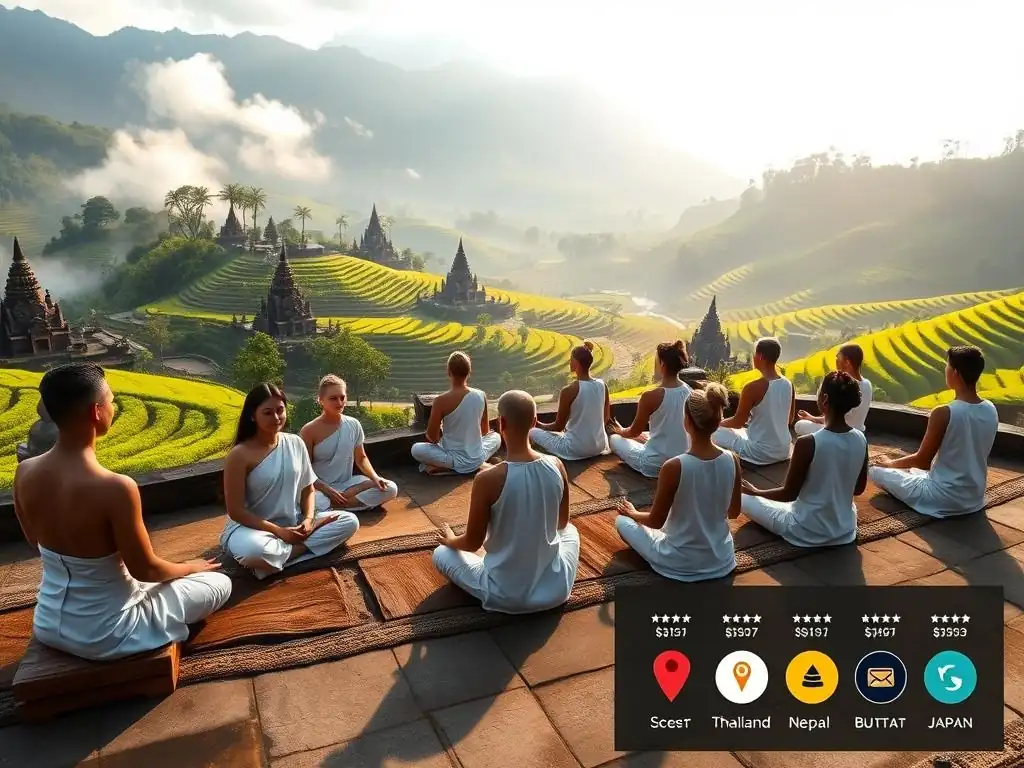
Welcome to Mind Care Guide, a sanctuary for your mental well-being.
Are you seeking a path to inner peace amidst the vibrant landscapes of Asia? Perhaps you're considering a mindfulness retreat, but overwhelmed by the options and costs? In this guide, we delve into the world of "Mindfulness Retreats Asia cost", offering a comprehensive comparison of reviews and prices to help you find the perfect escape for your journey to serenity. Discover which retreat aligns with your needs and budget, and begin your transformative experience today. Let's explore the possibilities together.
Top Mindfulness Retreats in Asia: Comparing Reviews and Costs for Serenity
- Finding Serenity: An Overview of Asian Mindfulness Retreats
-
Comparing Top Mindfulness Retreats in Asia: Reviews and Pricing
- 1. Kamalaya Koh Samui, Thailand: A Holistic Wellness Experience
- 2. Ananda in the Himalayas, India: Ancient Wisdom and Modern Luxury
- 3. Bali Silent Retreat, Bali, Indonesia: Deepening Your Meditation Practice
- 4. Bhutan Spirit Sanctuary, Bhutan: Connecting with Nature and Spirituality
- 5. Phanganist Hostel, Koh Phangan, Thailand: Budget-Friendly Mindfulness and Community
- Choosing the Right Mindfulness Retreat: Factors to Consider
- Maximizing Your Mindfulness Retreat Experience
- Conclusion: Your Journey to Serenity Begins Here.
-
Frequently Asked Questions
- What factors influence the cost of mindfulness retreats in Asia?
- Are mindfulness retreats in Asia worth the investment for mental well-being?
- How do I compare the reviews and costs of different mindfulness retreats in Asia?
- What are some of the most popular destinations in Asia for mindfulness retreats?
- Besides cost, what other aspects should I consider when choosing a mindfulness retreat in Asia?
- Final Reflection: Finding Serenity: The Cost and Value of Mindfulness in Asia
- Unveil Your Inner Peace: Next Steps to Your Asian Retreat
Finding Serenity: An Overview of Asian Mindfulness Retreats
Why Choose a Mindfulness Retreat in Asia? Benefits and Considerations
Asia has long been recognized as a cradle of mindfulness and meditation traditions, offering a unique and authentic setting for a retreat experience. The deep-rooted spiritual practices, combined with breathtaking natural landscapes ranging from the serene beaches of Thailand to the majestic peaks of the Himalayas, create an environment highly conducive to introspection and healing.
Many retreats in Asia are situated in tranquil, remote locations, intentionally designed to minimize external distractions and foster a sense of peace. Participants often report a profound sense of calm and clarity after spending time in these dedicated spaces, benefiting from the cumulative effect of sustained practice away from the demands of daily life.
Furthermore, Asian mindfulness retreats frequently integrate ancient wisdom with contemporary therapeutic approaches. You might find programs that combine traditional Vipassana or Zen meditation techniques with modern psychology principles or holistic wellness practices like yoga and Ayurvedic treatments. This fusion can offer a comprehensive path to mental well-being. Studies, such as research published in the Journal of Consulting and Clinical Psychology, have indicated that intensive meditation retreats can lead to significant and lasting reductions in symptoms of anxiety and depression, with participants reporting improvements in emotional regulation and self-compassion weeks and months after the retreat concludes.
Understanding the Cost of Mindfulness Retreats in Asia: A Budgeting Guide
The cost of mindfulness retreats in Asia varies significantly, influenced by factors such as location, duration, level of luxury, and the comprehensiveness of the program. On the more affordable end, simple meditation centers or guesthouses offering basic accommodation and group sessions might cost as little as $30 to $100 per night. These retreats often focus purely on practice with minimal amenities. Mid-range options, perhaps incorporating yoga, basic workshops, and more comfortable private rooms, typically range from $100 to $300 per night. These provide a balance of structure and comfort for those seeking a dedicated but not overly luxurious experience.
At the higher end, luxury mindfulness retreats in Asia can command prices upwards of $300 to over $1000 per night. These often include gourmet healthy cuisine, spa treatments, personalized wellness consultations, private accommodation, and extensive facilities like swimming pools and fitness centers.
The price often reflects not just the accommodation standard but also the expertise of the facilitators, the exclusivity of the location, and the breadth of integrated wellness programs offered. When considering the mindfulness retreats Asia cost, it's crucial to understand what is included in the package – some are all-inclusive covering meals, accommodation, and all activities, while others may charge extra for workshops or therapies.
Comparing Top Mindfulness Retreats in Asia: Reviews and Pricing
1. Kamalaya Koh Samui, Thailand: A Holistic Wellness Experience
Kamalaya Koh Samui: Key Features and Mindfulness Programs
Kamalaya Koh Samui is renowned for its holistic approach, blending ancient Eastern healing traditions with Western medical expertise. Situated on a serene hillside overlooking the Gulf of Thailand, the sanctuary offers a tranquil environment designed for deep rest and rejuvenation. Their programs are highly personalized, focusing on areas like stress and burnout, emotional balance, and optimal fitness. The mindfulness aspect is woven throughout their offerings, including guided meditation sessions, yoga classes, and therapies designed to calm the nervous system and promote mental clarity. They emphasize the connection between mind, body, and spirit, providing a comprehensive wellness journey.
Beyond structured programs, Kamalaya integrates mindfulness into the daily rhythm of the retreat. Guests are encouraged to eat mindfully, walk the grounds with intention, and participate in evening talks on various wellness topics. The approach is gentle yet profound, aiming to equip guests with practical tools to integrate mindfulness into their lives post-retreat. The focus isn't just on temporary relaxation but on sustainable well-being, supported by expert practitioners in fields ranging from naturopathy and Traditional Chinese Medicine to psychotherapy and life coaching.
Kamalaya Koh Samui Reviews: What Guests Are Saying
Reviews for Kamalaya consistently highlight the transformative nature of the experience and the exceptional quality of care. Many guests praise the personalized programs, noting how the staff carefully tailored therapies and activities to their specific needs. One guest review commonly reflects sentiments like, "The emotional balance program was exactly what I needed. The therapists were incredibly supportive, and I left feeling lighter and more centered than I have in years." The serene environment, healthy and delicious food, and the expertise of the practitioners are frequently mentioned as standout features.
- "Absolutely life-changing. The attention to detail in every aspect, from the tailored treatments to the peaceful surroundings, made it a truly healing experience."
- "The food was incredible – healthy, flavorful, and served with such care. I didn't expect to enjoy the wellness cuisine so much!"
- "While it's an investment, the results are undeniable. I gained practical tools for managing stress and felt completely rejuvenated."
Some reviews mention the luxury aspect, acknowledging the higher cost but framing it as justified by the comprehensive services and profound impact. The overall sentiment leans heavily towards a highly positive, often deeply personal and therapeutic experience.
Kamalaya Koh Samui Cost Analysis: Packages and Inclusions
Kamalaya's pricing reflects its position as a luxury wellness sanctuary. While they offer various programs, a typical stay focused on emotional balance or stress relief might range significantly based on duration and accommodation.
For instance, a 7-night "Stress & Burnout" or "Emotional Balance" package in a basic Hillside Room could start from approximately $5,000 to $7,000 USD, potentially increasing to $10,000 or more for longer stays or premium villa accommodation. This cost generally includes accommodation, three healthy meals daily, all scheduled group wellness activities (like yoga and meditation), and a specific package of treatments and consultations tailored to the chosen program.
The mindfulness retreats Asia cost at Kamalaya is comprehensive, covering initial health consultations, specific therapeutic sessions (e.g., massage, acupuncture, energy healing), and exit consultations with recommendations for continuing practices at home. It's important to note that while the packages are extensive, extra à la carte treatments or private sessions would add to the overall expense. The value is perceived in the integrated, expert-led approach and the luxurious, healing environment.
2. Ananda in the Himalayas, India: Ancient Wisdom and Modern Luxury
Ananda in the Himalayas: Yoga, Meditation, and Ayurvedic Practices
Ananda in the Himalayas, nestled in the foothills of the Himalayas near Rishikesh, the birthplace of yoga, offers an immersive experience rooted in traditional Indian wellness philosophies, primarily Yoga, Vedanta, and Ayurveda. The retreat is set within a Maharaja's palace estate, providing a backdrop of historical grandeur and natural beauty. Their programs are designed to restore balance and harmony through personalized wellness plans that include daily yoga and meditation sessions, Ayurvedic treatments, and Vedanta talks. The emphasis is on integrating these ancient practices into a contemporary lifestyle for lasting well-being.
Mindfulness is cultivated through various practices offered, from guided meditation in the tranquil meditation pavilion to mindful walks in the surrounding sal forests. The daily schedule encourages introspection and a deeper connection with oneself and nature. Ayurvedic consultations help tailor diets and treatments to individual doshas (body types), further personalizing the wellness journey. The blend of structured practices and the pervasive atmosphere of peace supports guests in cultivating present moment awareness.
Ananda in the Himalayas Reviews: The Ultimate Detox and Rejuvenation
Ananda is consistently lauded for its breathtaking location, impeccable service, and the profound impact of its wellness programs. Reviews frequently describe it as a truly transformative escape. Guests often highlight the quality of the yoga and meditation instructors and the effectiveness of the Ayurvedic treatments. One common theme in reviews is the sense of deep detoxification and rejuvenation achieved during their stay. For example, a guest might write, "The Ayurvedic detox program was intense but incredibly effective. I felt years younger and full of energy afterwards."
- "The setting is simply magical, overlooking the Ganges valley. It's impossible not to feel peaceful here."
- "The combination of yoga, meditation, and personalized Ayurvedic care was exactly what I needed to reset."
- "Service is discreet yet attentive. Every detail is taken care of, allowing you to fully focus on your well-being."
While acknowledging the significant investment, reviewers generally feel the experience justifies the cost, citing the high level of expertise, the luxurious environment, and the lasting benefits gained. The food, tailored to individual Ayurvedic recommendations, also receives frequent positive mentions for its healthiness and flavor.
Ananda in the Himalayas Cost: Luxury Pricing and Value
Ananda is positioned at the pinnacle of luxury wellness, and its pricing reflects this. A typical 7-night "Rejuvenation" or "Detox" program in a Palace View Room could start from approximately $6,000 to $8,000 USD, with suites and villas commanding significantly higher prices, potentially exceeding $15,000 for a week. This cost typically covers accommodation, all meals (often personalized based on Ayurvedic consultation), daily scheduled yoga and meditation sessions, and a set number of spa and Ayurvedic treatments specific to the chosen program.
The mindfulness retreats Asia cost at Ananda includes comprehensive wellness consultations with Ayurvedic doctors and wellness experts who design the personalized itinerary. It also includes access to facilities like the hydrotherapy area and fitness center. While the initial outlay is substantial, the value is seen in the integration of ancient Indian wellness traditions with modern luxury, expert guidance, and an environment specifically curated for deep healing and transformation.
3. Bali Silent Retreat, Bali, Indonesia: Deepening Your Meditation Practice
Bali Silent Retreat: The Power of Silence and Self-Reflection
The Bali Silent Retreat offers a unique and accessible environment specifically dedicated to silence, meditation, and self-reflection. Located amidst rice fields and jungle near Gunung Batukaru, it provides a truly peaceful escape from the noise and distractions of the outside world. The core offering is the opportunity to engage in noble silence for the duration of your stay, supported by daily guided meditation sessions, yoga classes, and opportunities for mindful walking in nature. The philosophy emphasizes simplicity and stillness as pathways to inner peace and clarity.
The retreat provides a structured daily schedule that encourages deep practice, typically including morning and evening meditation, yoga, mindful meals, and free time for personal reflection or walking the labyrinth and meditation gardens. While silence is central, there are optional dharma talks or Q&A sessions where silence can be broken for learning. The focus is less on luxury amenities and more on creating a supportive container for individuals to turn inwards and deepen their connection with their inner landscape through the practice of silence and mindfulness.
Bali Silent Retreat Reviews: Embracing Simplicity and Mindfulness
Reviews for Bali Silent Retreat often highlight the profound impact of the silence and the supportive, non-judgmental atmosphere. Guests appreciate the simplicity of the accommodations and the focus on the practice itself. Many describe it as an ideal place to disconnect and reconnect with themselves. A common sentiment is, "The silence was challenging at first, but it allowed me to hear my own thoughts clearly and find a deep sense of peace I hadn't experienced before." The natural setting and healthy vegetarian food also receive positive mentions.
- "Perfect place to unplug and dive deep into meditation. The simplicity is refreshing, and the silence is truly healing."
- "Loved the combination of silence, yoga, and delicious food. It's a no-frills retreat focused purely on inner work."
- "The staff are warm and supportive without being intrusive. They truly understand the purpose of a silent retreat."
Some reviews note the basic nature of the facilities compared to more luxurious options, but frame this as part of the retreat's charm and intentional focus on the essentials of practice. The affordability is also frequently praised, making deep mindfulness accessible to a wider audience.
Bali Silent Retreat Cost: Affordable Options for Mindful Travel
Compared to the luxury retreats, Bali Silent Retreat offers significantly more accessible pricing, making the mindfulness retreats Asia cost attainable for budget-conscious travelers. Prices typically range from approximately $70 to $150 USD per night, depending on the type of accommodation chosen (dormitory beds, private rooms with shared baths, or private rooms with en-suite baths). This cost is generally inclusive of accommodation, three healthy vegetarian meals per day, and participation in all scheduled daily activities such as guided meditation and yoga classes.
The value proposition here is the focus on the core practices of silence and mindfulness in a dedicated, supportive environment without the added expense of luxury amenities. It provides a genuine opportunity for deep practice at a fraction of the cost of higher-end retreats. While extra services are minimal, the inclusive nature of the core offering makes budgeting straightforward for those seeking an affordable yet impactful mindfulness experience.
4. Bhutan Spirit Sanctuary, Bhutan: Connecting with Nature and Spirituality
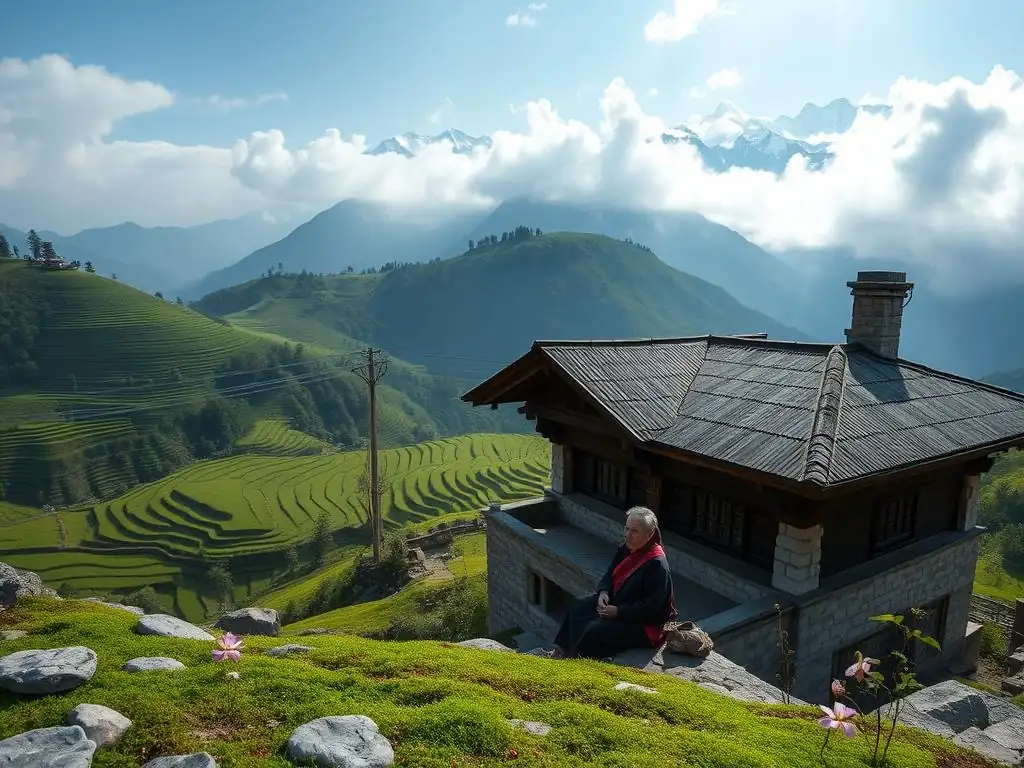
Bhutan Spirit Sanctuary: Unique Location and Cultural Immersion
Bhutan Spirit Sanctuary offers a unique mindfulness retreat experience deeply intertwined with the rich culture and pristine natural beauty of Bhutan, often referred to as the "Land of Gross National Happiness." Located in the Neyphu valley, surrounded by pine forests and overlooking a monastery, the sanctuary provides a setting that is both spiritually uplifting and physically stunning. The programs are designed to immerse guests in the Bhutanese way of life, incorporating elements of Buddhist philosophy, mindfulness practices, and connection with nature. Daily activities often include meditation, yoga, and guided hikes through the serene landscape.
What sets this sanctuary apart is its commitment to providing an authentic Bhutanese experience. Guests can learn about local traditions, visit nearby monasteries, and interact with the local community. The mindfulness practices are often integrated with the spiritual heritage of the country, offering a deeper understanding of the roots of these traditions. The serene and relatively untouched environment of Bhutan itself acts as a powerful aid to cultivating presence and peace.
Bhutan Spirit Sanctuary Reviews: Authentic Bhutanese Hospitality and Mindfulness
Reviews for Bhutan Spirit Sanctuary consistently praise the unique location, the warm and authentic Bhutanese hospitality, and the spiritual atmosphere. Guests often feel a deep connection to the place and its culture. The integrated approach to wellness, combining mindfulness with cultural immersion, is frequently highlighted. One guest review might note, "Staying here felt like stepping into a different world. The peace of the valley and the genuine kindness of the staff made the mindfulness practices even more profound." The guided hikes and cultural excursions are also popular features.
- "An unforgettable blend of spiritual practice, stunning nature, and incredible hospitality. Felt truly welcomed and cared for."
- "The meditation sessions combined with learning about Bhutanese Buddhism offered a unique perspective on mindfulness."
- "While Bhutan's travel policy adds to the cost, the all-inclusive nature and the depth of the experience at the sanctuary make it worthwhile."
Reviewers often mention the high level of service and the quality of the food, which incorporates local flavors and fresh ingredients. The sense of peace and the opportunity to disconnect in such a special location are recurring themes.
Bhutan Spirit Sanctuary Cost: Inclusive Packages for a Transformative Journey
Understanding the mindfulness retreats Asia cost in Bhutan requires acknowledging the country's unique tourism policy, which includes a Minimum Daily Package (MDP) fee aimed at promoting high-value, low-impact tourism. This fee, which was approximately $200 USD per person per day for most tourists prior to recent changes (it's now a Sustainable Development Fee of $100 per day plus package costs, but the principle of a bundled cost remains), covers accommodation, meals, guide services, and transportation within the country. Bhutan Spirit Sanctuary's pricing is layered on top of this, offering premium all-inclusive wellness packages.
A stay at Bhutan Spirit Sanctuary is typically booked as a package that includes accommodation, all meals, scheduled wellness activities (yoga, meditation), and often airport transfers and cultural excursions. While specific package costs vary, a 5-night stay could range from approximately $2,500 to $4,000 USD or more, in addition to the daily government fee. The cost is high, reflecting the exclusivity, the all-inclusive nature of the high-quality services, and the unique opportunity to experience mindfulness in the culturally rich environment of Bhutan under its specific tourism framework.
5. Phanganist Hostel, Koh Phangan, Thailand: Budget-Friendly Mindfulness and Community
Phanganist Hostel: Yoga, Meditation, and Social Connection
Phanganist Hostel on the island of Koh Phangan, Thailand, offers a different model for accessing mindfulness – one that blends practice with a vibrant community atmosphere and budget-friendly accommodation. While primarily a social hostel, they regularly host yoga classes, meditation sessions, and workshops focused on well-being, often led by visiting practitioners. It provides an opportunity for travelers on a tighter budget to engage with mindfulness practices without the expense of a dedicated retreat center. The environment encourages connection with like-minded individuals interested in personal growth.
The mindfulness offerings here are typically drop-in classes or short workshops rather than immersive, multi-day silent retreats. This flexibility allows guests to participate as much or as little as they like while enjoying the social aspects of hostel life and exploring the island. It's an entry point for those curious about mindfulness or wanting to maintain a practice while traveling, providing access to teachers and group energy in a casual setting.
Phanganist Hostel Reviews: A Welcoming Space for Mindful Travelers
Reviews for Phanganist Hostel often highlight its friendly and welcoming atmosphere, making it easy for solo travelers to connect with others. Guests appreciate the balance between social opportunities and the availability of wellness activities. Many reviews mention the quality of the yoga classes and meditation sessions offered, often noting that these practices are accessible and well-taught despite the hostel setting. A typical review might say, "Great vibe, met amazing people, and was able to do yoga and meditation every day without breaking the bank. Perfect for backpackers interested in wellness."
- "Loved the community feel. It's a hostel, but with a focus on positive vibes and well-being activities."
- "The yoga classes were surprisingly good, and it was easy to join meditation sessions. A great way to stay mindful while traveling."
- "Affordable accommodation with the bonus of wellness activities right there. Saved money on retreats while still practicing."
Some reviews mention the noise level typical of a hostel environment, which might not suit those seeking deep silence, but overall, the positive reviews focus on the value, community, and accessibility of the wellness offerings.
Phanganist Hostel Cost: Affordable Dorms and Private Rooms
Phanganist Hostel is firmly in the budget category when considering the mindfulness retreats Asia cost. Accommodation options include dormitory beds and private rooms, with prices significantly lower than dedicated retreat centers. A bed in a dormitory might cost approximately $10 to $25 USD per night, while a private room could range from $30 to $60 USD per night. These prices typically cover accommodation only.
Yoga classes, meditation sessions, and workshops are often offered at an additional, but usually very affordable, drop-in fee, perhaps ranging from $5 to $15 USD per session. This structure allows guests to control their spending and choose which activities they wish to participate in. The overall cost of a stay, even including daily classes, remains very low compared to traditional retreat packages, making mindfulness accessible to backpackers and budget travelers.
Choosing the Right Mindfulness Retreat: Factors to Consider
Identifying Your Needs and Goals for a Mindfulness Retreat
Before committing to a mindfulness retreat in Asia, taking time to clarify your personal needs and goals is crucial. Are you seeking deep silence and intensive meditation practice to quiet a busy mind? Or perhaps you need a gentle introduction to mindfulness combined with other wellness activities like yoga, spa treatments, or nature excursions to address burnout?
Understanding your primary motivation will help you narrow down the vast array of options. For instance, someone dealing with significant stress might prioritize a retreat with therapeutic support and stress-reduction programs, while someone aiming to deepen an existing meditation practice might look for a silent retreat with experienced teachers.
Consider the environment that would best support your intention. Do you thrive in a simple, rustic setting close to nature, or do you require a certain level of comfort and luxury to feel relaxed? Reflect on the duration of the retreat that feels right – are you looking for a short weekend reset, a week-long immersion, or an extended stay of two weeks or more for profound transformation? Some retreats specialize in specific areas like emotional healing, digital detox, or spiritual development, so aligning the retreat's focus with your personal goals is key to a meaningful experience.
When evaluating the mindfulness retreats Asia cost, it's essential to look beyond the base package price and consider potential hidden costs. These can include flights to and from the destination, visa fees, travel insurance (highly recommended), airport transfers (sometimes included, sometimes extra), and any additional treatments, workshops, or excursions not covered in the package. For example, while a retreat might advertise a weekly rate, it's important to confirm if all meals are included, if there are extra charges for specific meditation or yoga classes, or if use of facilities like saunas or pools incurs an additional fee.
To save money, consider traveling during the shoulder or low season, when prices for both flights and retreats might be lower. Look for retreats that offer all-inclusive packages to avoid unexpected expenses. Some retreats offer discounts for longer stays or early bookings. For destinations like Bhutan, understand the specific tourism fees involved. Comparing the total estimated cost, including travel and potential extras, is vital for accurate budgeting. Researching typical local costs for transport or snacks can also help manage expectations for spending outside the retreat grounds.
Reading Reviews and Testimonials: Making an Informed Decision
Reading reviews and testimonials from past guests is an invaluable step in choosing the right mindfulness retreat in Asia. Look for detailed feedback that goes beyond simple star ratings. Pay attention to comments about the quality of the instruction, the atmosphere of the retreat, the comfort and cleanliness of the accommodation, and the quality of the food.
Are there recurring themes in positive or negative reviews? For example, if multiple reviews mention the same instructor positively, it's a good sign. Conversely, if several guests complain about noise levels or poor organization, it might be a red flag, especially if you are seeking deep peace and structure.
Consider the source of the reviews – are they on reputable booking platforms, the retreat's own website, or independent travel blogs? Look for reviews from people who seem to have similar goals or expectations to yours. Did they find the retreat transformative? Was the environment conducive to practice?
Was the staff supportive? Pay particular attention to comments regarding the practical aspects, such as the ease of travel to the location or any unexpected costs encountered. Gathering insights from others who have experienced the retreat firsthand can provide a realistic picture and help you make an informed decision that aligns with your needs and budget for your mindfulness retreats Asia cost.
Travel Considerations: Visa Requirements, Health Precautions, and Cultural Sensitivity
Planning your travel to a mindfulness retreat in Asia involves practical considerations beyond the retreat itself. Research the visa requirements for your nationality for the specific country you plan to visit. Visa regulations vary significantly between countries like Thailand, India, Indonesia, and Bhutan. Check the latest information well in advance of your travel dates. Additionally, consult with your doctor about any recommended vaccinations or health precautions for the region, especially regarding food and water safety or mosquito-borne illnesses. Travel insurance that covers medical emergencies and trip cancellations is highly advisable.
Furthermore, be mindful of the local culture and customs. Asia is incredibly diverse, and showing respect for local traditions, dress codes (especially when visiting temples or spiritual sites), and social norms is essential. Many retreats are located in areas where conservative dress is appreciated. Understanding basic phrases in the local language can also enhance your experience and interactions. Being prepared for cultural differences and potential logistical challenges will help ensure a smooth and stress-free journey, allowing you to fully immerse yourself in the mindfulness retreat experience upon arrival.
Maximizing Your Mindfulness Retreat Experience
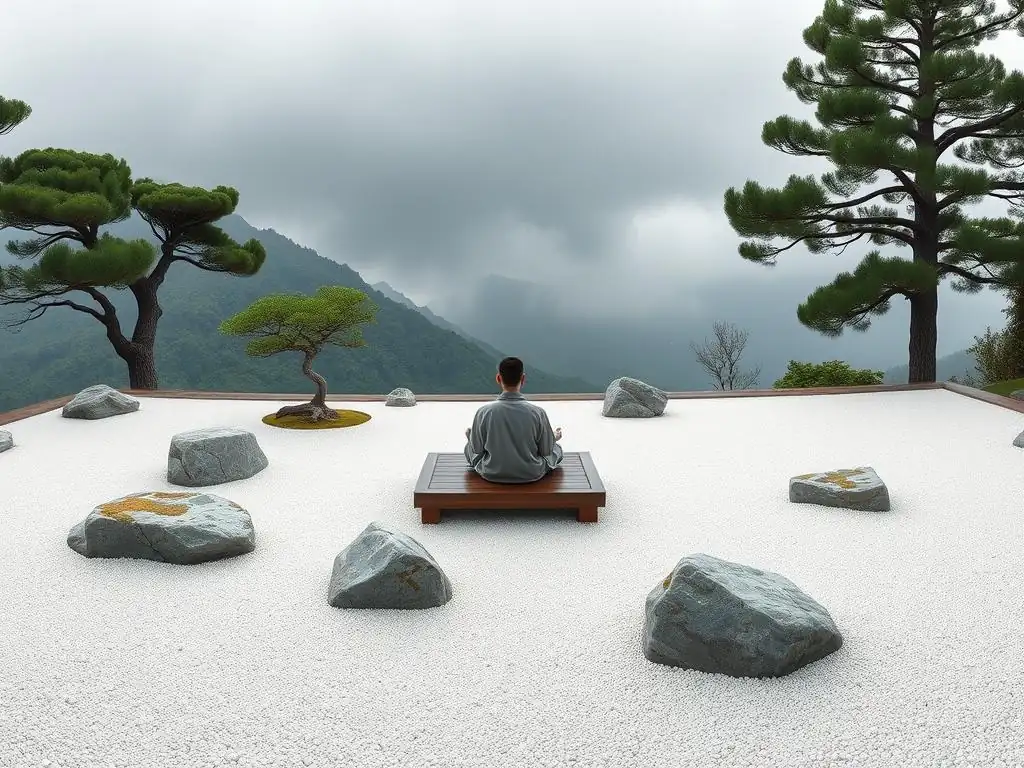
Preparing for Your Retreat: Pre-Retreat Practices and Mindset
To fully benefit from your mindfulness retreat in Asia, preparation is key. Mentally and physically preparing can help you transition more smoothly into the retreat environment and deepen your practice from day one. Consider gradually reducing your use of electronic devices in the days or weeks leading up to the retreat – a 'digital detox' can make the transition to a screen-free environment less jarring. Begin incorporating short periods of mindful breathing or gentle stretching into your daily routine to start attuning your body and mind to a slower pace.
Setting a clear intention for your retreat can also be incredibly helpful. What do you hope to gain or explore during this time? Whether it's reducing stress, gaining clarity, or simply resting, having an intention provides focus.
Pack comfortable, modest clothing suitable for meditation and yoga, and check if the retreat provides meditation cushions or if you should bring your own. Inform the retreat center of any dietary restrictions or health conditions in advance. Approaching the retreat with an open mind, a willingness to be present, and a gentle attitude towards yourself will set the stage for a truly enriching experience.
Integrating Mindfulness into Your Daily Life After the Retreat
The true value of a mindfulness retreat lies not just in the experience itself, but in how you integrate the lessons and practices into your everyday life back home. The retreat provides an intensive period of practice and learning, but maintaining the benefits requires ongoing effort. Start small – commit to a daily meditation practice, even if it's just 10-15 minutes. Find a quiet space and time that works for you. Use guided meditations or silent practice, whatever resonates most. Consistency is more important than duration in the beginning.
Look for opportunities to practice mindfulness informally throughout your day. This could involve mindful eating, paying full attention to the taste, texture, and smell of your food; mindful walking, noticing the sensation of your feet on the ground; or simply taking a few mindful breaths when transitioning between tasks or feeling stressed. Stay connected with any techniques or insights gained during the retreat.
Consider joining a local meditation group or connecting with fellow retreat participants for support. Remember that integrating mindfulness is a gradual process, and self-compassion is essential as you navigate the challenges of maintaining practice amidst daily life.
Recommended Products to Enhance Your Mindfulness Journey
Mindfulness Meditation Cushion: Zafu vs. Zabuton - Choosing the Right Combination
A comfortable meditation cushion can significantly enhance your practice by allowing you to sit for longer periods without discomfort, promoting good posture. A Zafu is a round, pleated cushion that elevates the hips, tilting the pelvis forward to help maintain a natural curve in the spine. It's ideal for cross-legged sitting postures. A Zabuton is a large, flat mat that goes under the Zafu, providing cushioning for the knees and ankles, which can otherwise become strained during extended sitting.
Choosing between using a Zafu alone or combining it with a Zabuton depends on your flexibility and preferred sitting position. For many, the combination of a Zafu on top of a Zabuton offers the most comfortable and supportive setup, distributing pressure and providing insulation from the floor. If you have tight hips or knees, the elevation from the Zafu is particularly beneficial. When selecting, consider the filling (buckwheat hulls offer moldability and support, while kapok is softer) and the height that allows your knees to rest below your hips.
Guided Meditation App: Insight Timer vs. Simple Habit - Finding the Perfect Fit
Guided meditation apps can be excellent tools for beginners or those seeking variety and structure in their practice, especially after a mindfulness retreat in Asia. Insight Timer is a popular free app offering access to over 100,000 guided meditations, talks, and music tracks from thousands of teachers worldwide. It includes a robust timer for silent practice, community features, and courses (some paid). Its vast library means you can find meditations on almost any topic or length, catering to diverse needs and preferences.
Simple Habit focuses on short, guided meditations designed for busy people, often just 5 minutes long. It organizes meditations by situation (e.g., "Before Sleep," "Commute," "Stress") and offers both free content and a premium subscription for full access to its library and courses. If you are looking for quick, targeted meditations to fit into a hectic schedule, Simple Habit might be a better fit. If you prefer a wider range of teachers, longer practices, and community features, Insight Timer is likely more suitable. Both offer convenient ways to maintain a consistent practice post-retreat.
Essential Oils for Relaxation: Ylang-Ylang, Frankincense, and Bergamot
Essential oils can be used aromatically to create a calming atmosphere conducive to mindfulness and relaxation, complementing practices learned at a mindfulness retreat in Asia. Ylang-Ylang oil, derived from the flowers of the Cananga odorata tree, is known for its sweet, floral scent that can help reduce stress and anxiety and promote relaxation. Its calming properties make it a popular choice for diffusion during meditation or before sleep.
Frankincense oil, extracted from the resin of Boswellia trees, has been used for centuries in spiritual and meditative practices. Its rich, woody aroma is often described as grounding and centering, helping to deepen breath and focus the mind. Bergamot oil, a citrus essential oil, is known for its uplifting yet calming effect.
It can help reduce feelings of stress and improve mood, making it useful for both energizing mindful movement and settling the mind for seated practice. These oils can be diffused, added to a warm bath, or diluted with a carrier oil for topical application (always check safety guidelines for each oil).
Conclusion: Your Journey to Serenity Begins Here.
Frequently Asked Questions
What factors influence the cost of mindfulness retreats in Asia?
The cost is heavily influenced by factors like location, duration, and inclusions (e.g., accommodation, meals, instruction). More luxurious accommodations and longer stays naturally increase the overall price.
Are mindfulness retreats in Asia worth the investment for mental well-being?
Many find them worthwhile, citing benefits like reduced stress, improved focus, and increased self-awareness. The value depends on individual needs and budget.
How do I compare the reviews and costs of different mindfulness retreats in Asia?
Look for verified reviews on independent platforms and directly compare the total cost alongside the program's features. Consider your personal preferences and goals.
What are some of the most popular destinations in Asia for mindfulness retreats?
Popular destinations include Thailand, Bali (Indonesia), and Nepal, known for their serene environments and established retreat centers. These regions often offer diverse options.
Besides cost, what other aspects should I consider when choosing a mindfulness retreat in Asia?
Consider the teaching style, retreat leader's experience, and the overall program structure to ensure it aligns with your personal needs and preferences for mental well-being.
Final Reflection: Finding Serenity: The Cost and Value of Mindfulness in Asia
The pursuit of inner peace is a timeless human endeavor, and in today's relentlessly fast-paced world, the need for mindfulness retreats has never been greater. The rising popularity of these retreats, particularly in Asia, reflects a growing global recognition of the importance of mental well-being and the restorative power of disconnecting from the digital age. This search for serenity, however, often comes with a price tag, prompting us to consider the true value of investing in ourselves.
The journey through the diverse mindfulness retreats across Asia highlighted in this article reveals a fascinating tapestry of practices, environments, and costs. The sheer variety underscores the personal nature of this pursuit; what resonates with one individual might not appeal to another. This underscores the importance of careful research and self-reflection before embarking on such a transformative journey. The mind is everything. What you think you become.
– Buddha. This ancient wisdom rings truer than ever as we navigate the complexities of modern life and seek solace in practices that reconnect us with our inner selves.
Consider the insights gained from this exploration of mindfulness retreats in Asia. You now possess the knowledge to make informed decisions about your own path to serenity. Don't just passively consume information; actively engage with your own needs and desires. Research the options that resonate most deeply with you, consider your budget, and take the leap. The investment in your mental and emotional well-being is an investment in your entire life – a journey towards a more peaceful, present, and fulfilling existence. Embrace the opportunity to find your own sanctuary, your own path to inner peace.
Unveil Your Inner Peace: Next Steps to Your Asian Retreat
Thanks for exploring the world of mindfulness retreats with us! We hope you found the perfect fit for your journey to serenity amongst our top picks. Now it's time to turn that inspiration into action.
- Book Your Tranquil Escape: Take the next step and secure your spot at the retreat that resonated most with you. Don't miss out on this opportunity for self-discovery!
- Share Your Aspirations: Tell us which retreat captured your heart – and why! Share your thoughts and experiences in the comments below. Let's build a community of mindful travelers together.
- Explore Further: Dive deeper into the world of mindfulness by researching other practices or resources. Perhaps explore yoga styles compatible with your chosen retreat to maximize your benefits.
Ready to embark on your transformative journey? What aspects of a mindfulness retreat are most important to you when choosing your perfect escape?