
Your First Solo Wellness Trip: Essential Planning for Peace of Mind

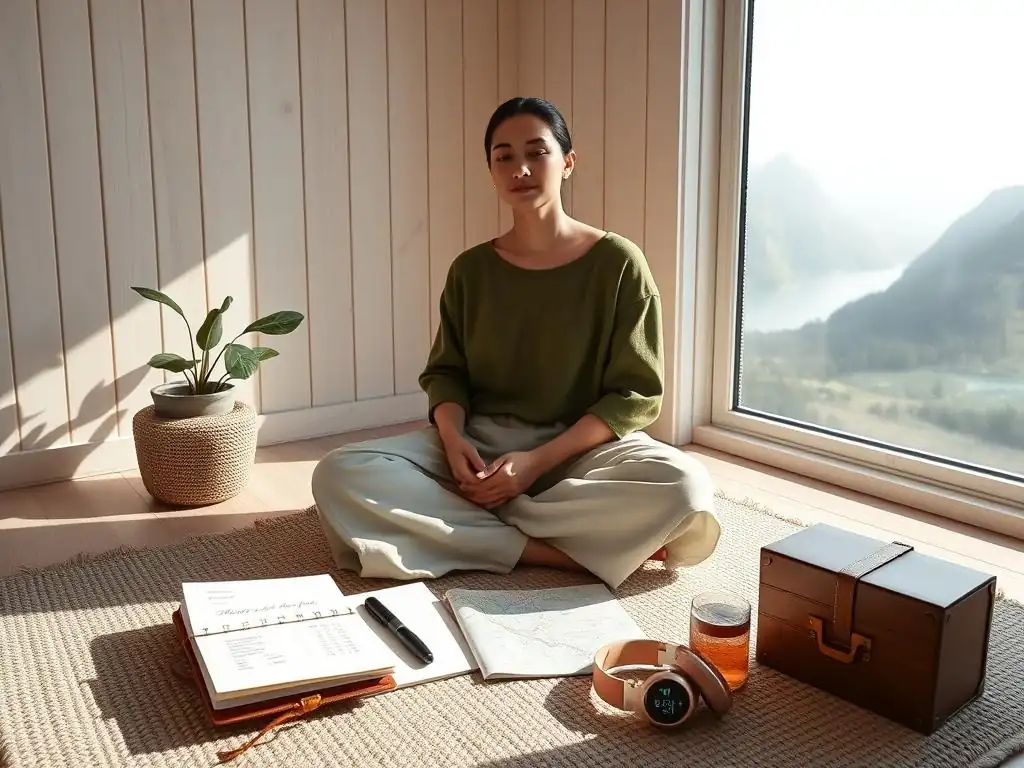
Welcome to Mind Care Guide.
Feeling overwhelmed? Longing for a break, but unsure where to begin? We understand. Embarking on a solo wellness trip can seem daunting, but it's often the most rewarding journey you can take for your mental well-being. In " Your First Solo Wellness Trip: Essential Planning for Peace of Mind," we'll break down the planning process, offering practical tips and heartfelt guidance to help you create a truly transformative experience. Ready to rediscover yourself and prioritize your mental health? Let's get started...
Your First Solo Wellness Trip: Essential Planning for Peace of Mind
- Introduction: Embracing Solitude for Mental Well-being Through Solo Travel
- Step 1: Defining Your Wellness Goals for Your Solo Trip
- Step 2: Budgeting & Saving for a Stress-Free Solo Wellness Getaway
- Step 3: Essential Solo Wellness Trip Packing Checklist
- Step 4: Planning Meaningful Activities for Your Mental Health
- Step 5: Ensuring Safety and Well-being on Your Solo Journey
- Conclusion: Embracing the Transformative Power of Solo Wellness Travel
-
Frequently Asked Questions
- How do I choose the right destination for my solo wellness trip?
- What are some essential safety tips for traveling alone on a wellness trip?
- How can I budget effectively for a solo wellness trip?
- What are some activities I can include in my solo wellness trip itinerary?
- How do I overcome feelings of loneliness or anxiety while traveling solo?
- Final Reflection: Finding Yourself on the Path to Wellness
- Unveil Your Solo Wellness Journey: Plan Your Perfect Escape
Introduction: Embracing Solitude for Mental Well-being Through Solo Travel
Embarking on a solo wellness trip is a powerful step towards prioritizing your mental health and finding inner peace. In a world that often encourages constant connection, intentionally choosing solitude can be incredibly restorative. This form of travel allows you to disconnect from daily pressures, listen to your own needs without distraction, and engage in activities purely for self-care and growth. It's an opportunity to recalibrate, gain perspective, and build resilience, all while exploring a new environment at your own pace.
Planning a solo wellness trip involves more than just booking flights and accommodation; it's about creating an experience tailored to your specific mental and emotional needs. Effective solo wellness trip planning considers everything from your budget and destination choice to safety precautions and how you'll manage moments of solitude. By carefully preparing, you can minimize stress and maximize the therapeutic benefits of traveling alone, transforming a simple getaway into a profound journey of self-discovery and healing.
Step 1: Defining Your Wellness Goals for Your Solo Trip
Identifying Your Mental Health Needs: What Are You Seeking?
Before you even look at destinations, the crucial first step in solo wellness trip planning is understanding why you want to travel alone for wellness. Are you seeking stress reduction from a demanding job? Do you need to process grief or a major life change?
Perhaps you're looking to build self-confidence, overcome social anxiety, or simply find space for reflection away from daily responsibilities. Pinpointing these specific needs will guide every subsequent decision, from the type of activities you plan to the environment you choose. For instance, someone needing stress reduction might prioritize a quiet, nature-focused location, while someone seeking self-confidence might opt for a place with opportunities for trying new, challenging activities.
Think about what aspects of your mental well-being feel most neglected or challenged currently. Do you struggle with setting boundaries, managing anxiety, or feeling disconnected from yourself? A solo wellness trip can be designed to address these directly. For example, if burnout is the issue, your goal might be complete rest and disconnection. If you feel stuck creatively, you might seek inspiration in a vibrant, new culture or a serene natural setting. Writing down your core intentions can provide clarity and keep you focused throughout the solo wellness trip planning process, ensuring your journey truly serves its purpose.
Choosing a Destination Aligned with Your Goals
Once you've defined your wellness goals, selecting the right destination becomes clearer. The ideal location for your solo wellness getaway should naturally support your intentions. If your goal is deep relaxation and stress relief, a secluded cabin in the mountains, a quiet beach town, or a dedicated wellness retreat center might be perfect.
These locations often offer built-in opportunities for quiet reflection and connection with nature. Conversely, if you aim to build confidence or overcome social fears, a destination with a friendly hostel scene or opportunities for group activities (like yoga classes or guided hikes) could be more suitable, allowing for controlled social interaction when desired.
Consider the atmosphere, climate, and accessibility of potential destinations during your solo wellness trip planning. A cold, rainy climate might hinder plans for outdoor activities if that's your focus, just as a bustling city might not be conducive to quiet meditation if that's your primary goal. Research destinations known for wellness offerings, such as Bali for yoga retreats, Costa Rica for eco-therapy, or even specific quiet towns known for their walking trails or hot springs.
Safety is also paramount; research destinations known for being safe for solo travelers, especially women. For example, countries like Iceland, New Zealand, and Finland consistently rank high on global safety indices.
Step 2: Budgeting & Saving for a Stress-Free Solo Wellness Getaway
Determining Your Travel Budget: How Much Can You Afford?
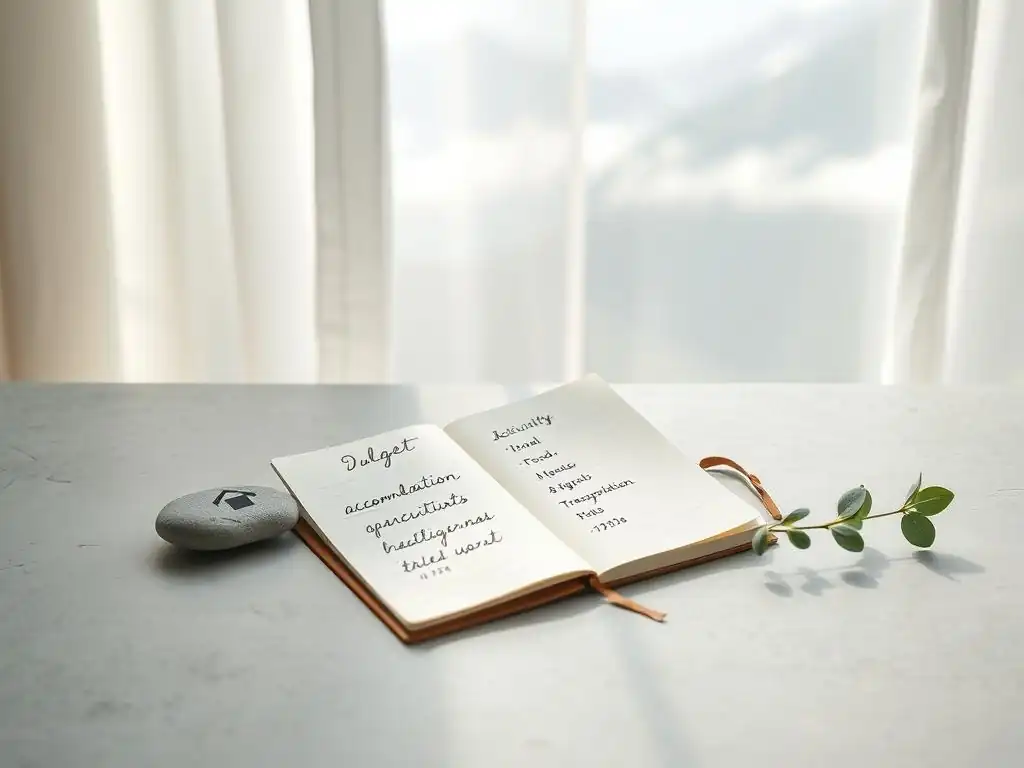
Creating a realistic budget is a foundational element of successful solo wellness trip planning. Stress about money can quickly undermine the wellness goals of your trip. Start by assessing your current financial situation: how much can you realistically save between now and your planned departure date? Calculate your fixed expenses (rent, bills) and variable expenses (groceries, entertainment) to see where you can cut back temporarily. Even small savings, like reducing daily coffee purchases or eating out less, can add up significantly over a few months.
Once you have a savings target, estimate the costs for your trip. Break down potential expenses into categories: Accommodation, Transportation (flights, trains, local transport), Food, Activities (retreats, classes, excursions), Insurance, Miscellaneous (souvenirs, emergencies). Research typical costs for your chosen destination. For example, accommodation in a major European city might average $100-$200+ per night, while a guesthouse in Southeast Asia could be $30-$60. Use these estimates to build a detailed budget plan. Having a clear financial roadmap reduces anxiety and helps you make informed choices that align with your resources during your solo wellness trip planning phase.
Finding Affordable Accommodation Options: From Hostels to Wellness Resorts
Accommodation is often one of the largest expenses in solo travel, but there are options for every budget when planning a solo wellness trip. Hostels are excellent for budget travelers, often offering private rooms alongside dorms, communal kitchens (saving on food costs), and opportunities to meet others if you desire occasional company. Prices can range widely, from $20-$50 per night in many parts of the world. Guesthouses or homestays offer a more local experience and can be moderately priced, perhaps $50-$100 per night depending on the location.
For those prioritizing wellness facilities, dedicated wellness resorts or retreat centers can be ideal, though typically more expensive, potentially starting at $150-$300+ per night, sometimes including meals and activities. Alternatively, look for hotels that offer specific wellness amenities like a spa, pool, or yoga classes without being exclusively a retreat. Consider booking slightly outside the peak season for lower prices.
Websites like Airbnb can also offer unique stays like small cabins or rooms in quiet residential areas, providing a sense of home away from home. Researching and comparing different types of lodging based on your budget and desired level of solitude is key to effective solo wellness trip planning.
Step 3: Essential Solo Wellness Trip Packing Checklist
Prioritizing Comfort and Self-Care Essentials
Packing for a solo wellness trip focuses on comfort, practicality, and items that support your mental and emotional well-being. Comfortable clothing is paramount – think layers, breathable fabrics, and walking shoes. Since it's a wellness trip, pack items that facilitate relaxation and self-care: a journal and pen, a favorite book, noise-canceling headphones, and perhaps a small, comforting item from home like a soft scarf or a special tea. Don't forget any personal wellness tools you use, such as a meditation cushion app on your phone, or resistance bands for gentle exercise.
Here is a basic task list for packing essentials:
- [ ] Comfortable clothing layers
- [ ] Sturdy walking shoes
- [ ] Swimsuit (if applicable)
- [ ] Sleepwear
- [ ] Toiletries and personal hygiene items
- [ ] Medications and first-aid kit
- [ ] Journal and pen
- [ ] Favorite book
- [ ] Noise-canceling headphones
- [ ] Reusable water bottle
- [ ] Small backpack for day trips
- [ ] Adapters/chargers for electronics
- [ ] Copies of important documents
Packing intentionally ensures you have what you need to feel secure and comfortable, allowing you to focus on your wellness goals rather than logistical hassles during your solo wellness trip.
Safety and Security Considerations for Solo Travelers
Safety is a non-negotiable aspect of solo wellness trip planning, especially when traveling alone. Your packing list should include items that enhance your personal security. This starts with practical items like a sturdy lock for your luggage or locker (if staying in a hostel), a personal safety alarm, and a doorstop alarm for added security in your room. Carry a small crossbody bag or money belt to keep valuables secure and close to your body, particularly in crowded areas.
Beyond physical items, digital safety is crucial. Ensure your phone is fully charged before heading out and consider carrying a portable power bank. Have digital copies of your passport, visa, and insurance information stored securely online (e.g., in a cloud service you can access from multiple devices). Share your itinerary with a trusted friend or family member back home and establish a check-in routine.
For example, a quick text every evening saying "Checked in safely" can provide peace of mind for both you and them. Being prepared and aware of your surroundings is the best defense; trust your intuition – if a situation feels uncomfortable, remove yourself from it. This proactive approach is a vital part of responsible solo wellness trip planning.
Step 4: Planning Meaningful Activities for Your Mental Health

Incorporating Mindfulness and Meditation Practices
A solo wellness trip provides an ideal opportunity to deepen or begin a mindfulness and meditation practice. Without the distractions of daily life, you have the space and time to focus inward. Plan to incorporate dedicated time for these practices into your daily schedule. This could be starting your day with a 15-minute meditation session, practicing mindful walking in nature, or simply taking a few minutes throughout the day to focus on your breath. Many destinations, particularly those known for wellness, offer drop-in meditation centers or guided sessions you can join.
Consider downloading meditation apps like Calm or Headspace before you leave, as they offer guided sessions suitable for various moods and time constraints. Even simple activities can become mindful practices; eating a meal slowly and savoring each bite, truly observing the details of a landscape, or mindfully listening to the sounds around you. The goal is not to clear your mind entirely, but to gently bring your attention to the present moment. Integrating these practices is a core component of effective solo wellness trip planning aimed at reducing stress and increasing self-awareness.
Exploring Nature and Engaging in Physical Activity
Connecting with nature is a powerful antidote to stress and a cornerstone of many wellness journeys. Plan activities that allow you to immerse yourself in the natural environment of your chosen destination. This could involve hiking in national parks, walking along beaches, swimming in natural bodies of water, or simply sitting quietly in a park and observing the flora and fauna. Studies have shown that spending time in nature can lower cortisol levels, reduce blood pressure, and improve mood. Aim for at least 30-60 minutes of nature exposure most days.
Physical activity is also essential for mental well-being, releasing endorphins that boost mood. Tailor your activities to your fitness level and interests. This could be anything from gentle yoga sessions, swimming, cycling, or simply going for long walks to explore your surroundings. Many solo wellness trip planning guides recommend incorporating movement that feels enjoyable rather than like a chore. Perhaps try a local dance class, rent a kayak, or find a scenic route for a daily run. The combination of physical activity and nature can be incredibly grounding and rejuvenating.
Step 5: Ensuring Safety and Well-being on Your Solo Journey
Communication and Staying Connected (But Disconnecting)
While the goal of a solo wellness trip is often to disconnect from the usual digital noise, maintaining a level of connection for safety and peace of mind is important. Inform a few trusted people back home about your itinerary and check in regularly, perhaps daily or every couple of days via text or a quick call. This ensures someone knows your whereabouts. However, be mindful of how much time you spend online. Resist the urge to constantly scroll through social media or check work emails.
Set clear boundaries around screen time. You might decide to only use your phone for communication and navigation, or limit social media use to a specific time each day. The true benefit of solo wellness travel comes from being present in your experience, not constantly documenting it or being pulled back into the digital world you sought to escape. Finding this balance between necessary connection for safety and intentional disconnection for well-being is a key part of successful solo wellness trip planning.
Dealing with Loneliness and Homesickness
Even when intentionally seeking solitude, moments of loneliness or homesickness can arise on a solo trip. This is a normal part of the experience and doesn't mean your solo wellness trip planning failed. Acknowledge these feelings without judgment. Understand that solitude is different from loneliness; solitude is chosen and can be enriching, while loneliness is an unwelcome feeling of isolation.
Have strategies in place for when these feelings surface. This could include:
- Calling a trusted friend or family member for a brief chat.
- Engaging in a planned activity you enjoy, like reading or listening to music.
- Trying a low-pressure social activity, like joining a group tour for an afternoon or eating dinner in a communal area if staying in a hostel.
- Writing about your feelings in your journal.
- Reminding yourself why you embarked on this solo wellness trip and focusing on the positive aspects of the experience.
Remember that these feelings are temporary. By anticipating them and having coping mechanisms ready, you can navigate them effectively and continue to benefit from your solo journey. This preparation is a compassionate aspect of solo wellness trip planning.
Conclusion: Embracing the Transformative Power of Solo Wellness Travel
Completing the planning for your first solo wellness trip is a significant achievement in itself. You've taken proactive steps to prioritize your mental health, from defining your personal needs and choosing a supportive destination to budgeting wisely, packing mindfully, and planning activities that nourish your soul. While the process of solo wellness trip planning requires careful consideration, the rewards can be profound.
Stepping outside your comfort zone to travel alone for wellness can lead to increased self-reliance, deeper self-awareness, and a renewed sense of peace. It's an opportunity to learn about yourself without external influences, to build confidence in your own company, and to return home feeling refreshed and more connected to your inner self. Embrace the journey, trust your preparations, and allow the solitude and experiences of your solo wellness trip to guide you towards enhanced mental well-being.
Frequently Asked Questions
How do I choose the right destination for my solo wellness trip?
Consider your personal interests and desired activities. Research destinations known for relaxation, such as spas, nature retreats, or meditation centers.
What are some essential safety tips for traveling alone on a wellness trip?
Always inform someone of your itinerary and check in regularly. Share your location, avoid walking alone at night, and trust your instincts. Ensure you have travel insurance.
How can I budget effectively for a solo wellness trip?
Set a realistic budget encompassing transportation, accommodation, activities, and food. Look for deals and discounts on wellness packages or accommodations. Utilize budget-friendly options where possible.
What are some activities I can include in my solo wellness trip itinerary?
Incorporate activities like yoga, meditation, hiking, spa treatments, and healthy cooking classes. Focus on activities that promote relaxation and rejuvenation. Prioritize self-reflection and mindfulness.
How do I overcome feelings of loneliness or anxiety while traveling solo?
Engage in social activities like group classes or guided tours. Practice self-compassion and remember the purpose of your trip. Bring comfort items or books to ease anxiety.
Final Reflection: Finding Yourself on the Path to Wellness
The pursuit of self-care is no longer a luxury; it's a necessity. In a world demanding constant connection and relentless productivity, prioritizing your mental and physical well-being is not selfish, but essential for navigating the complexities of modern life. This article explored the practical steps involved in planning your first solo wellness trip, a journey designed to rejuvenate and reconnect with your inner self. But the true value lies far beyond the meticulously crafted itinerary.
The impact of prioritizing personal wellness extends far beyond the individual. It ripples outwards, influencing our relationships, our productivity, and ultimately, the collective well-being of our communities. Taking time for yourself, even in the seemingly small act of planning a solo wellness retreat, is a powerful statement about self-worth and the importance of self-compassion. Self-care is not selfish. You cannot serve from an empty vessel.
This quote perfectly encapsulates the transformative power of prioritizing your own well-being, allowing you to return to your life refreshed and ready to contribute meaningfully.
Now, consider your own journey. What aspects of your life are currently demanding your attention? Where do you feel depleted? This article provided a roadmap for planning a solo wellness trip, but the true destination is within you. Take the time to reflect on your needs, research destinations that resonate with your soul, and begin crafting your own personalized path to peace and rejuvenation. Don't just dream of a solo wellness trip – make it a reality. Your future self will thank you.
Unveil Your Solo Wellness Journey: Plan Your Perfect Escape
Thanks for taking the time to explore the world of solo wellness travel! We hope you’ve gained the confidence and inspiration to embark on your own rejuvenating adventure. Now, let's turn those ideas into reality.
- Prioritize your well-being: Identify one wellness activity from the article that resonates most with you (yoga retreat? Hiking in nature? A quiet spa day?) and start researching options near you or further afield.
- Share your vision: Tell us (and your friends!) about your planned wellness escape! Use #MindCareSoloTrip on social media to connect with other travelers and find inspiration.
- Book that first step: Even a small booking—a yoga class, a massage, or a weekend stay at a cozy cabin—counts as progress. Don't let perfect be the enemy of good!
What's the one small step you can take today to bring your dream solo wellness trip to life?