
Creative Healing: The Proven Benefits of Art Therapy for Trauma Survivors


Welcome to Mind Care Guide.
Are you a trauma survivor seeking a path towards healing and recovery? You're not alone. Discover the transformative power of creative expression in our in-depth exploration of art therapy for trauma survivors. Curious about how colors, shapes, and textures can unlock inner peace and resilience? Let's begin this journey together...
Creative Healing: The Proven Benefits of Art Therapy for Trauma Survivors
- Understanding Trauma and Its Impact on Survivors
- Art Therapy for Trauma Survivors: An Introduction to Creative Healing
-
The Proven Benefits of Art Therapy for Trauma Recovery
- Reducing Anxiety and Stress Through Art Therapy Techniques: Grounding and Regulation
- Improving Emotional Regulation and Self-Expression: Fostering Resilience and Coping Skills
- Processing Traumatic Memories and Experiences: Symbolism, Metaphor, and Narrative Construction
- Enhancing Self-Esteem and Confidence: Empowerment and Identity Reintegration
-
Art Therapy Techniques for Trauma: A Practical Guide
- Drawing and Painting: Utilizing Visual Arts for Trauma Processing and Emotional Release
- Sculpture and Clay Modeling: Exploring Three-Dimensional Expression for Embodied Awareness
- Collage and Mixed Media: Combining Different Art Forms for Narrative Building and Integration
- Journaling and Creative Writing: Complementing Art with Words for Meaning-Making and Reflection
- Who Can Benefit from Art Therapy for Trauma?
- Finding a Qualified Art Therapist for Trauma Treatment
-
What to Expect in Art Therapy Sessions for Trauma
- The Initial Assessment: Understanding Your History, Needs, and Creative Goals
- The Art-Making Process: Exploring Your Emotions, Sensations, and Imagery Through Art
- Processing and Reflection: Discussing Your Artwork, Insights, and Emotional Responses
- Sample Art Therapy Exercises: Scribble Drawing, Mandala Creation, and Body Image Exploration
-
Integrating Art Therapy with Other Trauma Treatment Modalities
- Combining Art Therapy with Cognitive Behavioral Therapy (CBT): Integrating Thoughts, Feelings, and Behaviors
- Using Art Therapy Alongside Eye Movement Desensitization and Reprocessing (EMDR): Enhancing Processing and Integration
- The Role of Medication in Conjunction with Art Therapy: A Holistic Approach to Healing
- The Power of Art: Real-Life Success Stories of Trauma Survivors
- Resources for Trauma Survivors and Art Therapy Information
- Conclusion: Embracing Creative Healing for Trauma Recovery.
-
Frequently Asked Questions
- How does art therapy specifically help trauma survivors?
- What are some common art therapy techniques used with trauma survivors?
- Is art therapy a substitute for traditional talk therapy for trauma?
- How can I find a qualified art therapist specializing in trauma?
- What are some of the potential benefits of art therapy for trauma survivors?
- Final Reflection: Unleashing the Healing Power Within
- Unleash Your Inner Artist: Start Healing Today
Understanding Trauma and Its Impact on Survivors
Defining Trauma: A Neurobiological and Psychological Perspective
Trauma is not simply a difficult event; it is a psychological, emotional, and physiological response to events or circumstances that are deeply disturbing and overwhelming. From a neurobiological standpoint, trauma can dysregulate the body's stress response system, particularly the hypothalamic-pituitary-adrenal (HPA) axis. This can lead to chronic states of hyperarousal or hypoarousal.
The brain's architecture is also impacted, with changes often observed in the amygdala (involved in fear processing), the hippocampus (involved in memory and context), and the prefrontal cortex (involved in executive functions and emotional regulation). These changes can make it difficult for a trauma survivor to process information, manage emotions, and feel safe in the world.
Psychologically, trauma disrupts a person's sense of self, safety, trust, and control. It can shatter core beliefs about the world being a predictable or benevolent place. The traumatic experience is often stored in fragmented ways, not as a coherent narrative but as sensory fragments, emotions, and physical sensations that can be easily triggered. This fragmentation contributes to symptoms like flashbacks, nightmares, and dissociation. For an art therapy trauma survivor, traditional verbal processing can sometimes be challenging because the traumatic material is stored in non-verbal parts of the brain. Creative approaches offer alternative pathways to access and process these experiences.
The Psychological Effects of Trauma: How It Impacts the Brain, Body, and Attachment
Trauma profoundly impacts the intricate connection between the brain, body, and our capacity for attachment. The autonomic nervous system, responsible for fight, flight, and freeze responses, can become chronically activated or dysregulated, leading to physical symptoms like chronic pain, digestive issues, and fatigue. The body holds the imprint of trauma, often manifesting as tension, numbing, or hypervigilance.
Psychologically, this bodily experience contributes to feelings of being unsafe in one's own skin, a common struggle for a trauma survivor. Dissociation, a disconnection from one's body, thoughts, feelings, or surroundings, is a common coping mechanism that, while protective during the trauma, can impede recovery later.
Furthermore, trauma significantly affects attachment patterns and relationships. Early trauma, such as childhood abuse or neglect, can disrupt the development of secure attachment, leading to difficulties forming and maintaining healthy relationships later in life. Survivors may struggle with trust, boundaries, intimacy, and communication. Interpersonal trauma, such as domestic violence or sexual assault, directly impacts a person's ability to feel safe with others. These attachment wounds often manifest as fear of abandonment, difficulty with vulnerability, or patterns of engaging in unhealthy relationship dynamics. Addressing these relational impacts is a critical aspect of comprehensive treatment for a trauma survivor.
Long-Term Consequences of Untreated Trauma on Mental and Physical Health
Leaving trauma untreated can have devastating long-term consequences, significantly increasing the risk of developing a range of mental and physical health conditions. Mentally, untreated trauma is a major risk factor for Post-Traumatic Stress Disorder (PTSD), but also for depression, anxiety disorders, substance use disorders, eating disorders, and personality disorders. The constant state of stress or numbing takes a heavy toll on psychological well-being and can severely impair daily functioning, work, and social life. Many trauma survivors experience persistent feelings of shame, guilt, worthlessness, and isolation, which can perpetuate a cycle of suffering.
Physically, untreated trauma is linked to a higher incidence of chronic illnesses. Research indicates a correlation between adverse childhood experiences (ACEs) and an increased risk of heart disease, stroke, diabetes, autoimmune diseases, and certain types of cancer in adulthood. Chronic stress and inflammation caused by a dysregulated nervous system contribute to these physical health problems. The cumulative effect of untreated trauma can lead to a significantly reduced quality of life and lifespan. This highlights the critical importance of accessible and effective interventions, such as art therapy for trauma survivors, to mitigate these long-term risks and promote healing.
Art Therapy for Trauma Survivors: An Introduction to Creative Healing
What is Art Therapy? Definition, Principles, and Ethical Considerations
Art therapy is a distinct mental health profession that uses creative processes involved in artistic expression to improve a person's physical, mental, and emotional well-being. It is based on the belief that creative expression can help people resolve conflicts, develop interpersonal skills, manage behavior, reduce stress, increase self-esteem and self-awareness, and achieve insight.
Unlike a casual art class, art therapy is conducted by a trained and credentialed art therapist who understands human development, psychological theories, clinical practice, and the healing potential of art. For a trauma survivor, the art therapist provides a safe, non-judgmental space to explore difficult emotions and experiences that may be too painful or complex to articulate verbally.
The core principles of art therapy for trauma include providing a sense of safety and containment, facilitating emotional expression through non-verbal means, promoting integration of fragmented traumatic memories, and empowering the survivor through creative mastery. Ethical considerations are paramount, especially when working with a trauma survivor. This includes maintaining strict confidentiality, practicing within one's scope of competence, ensuring the client's physical and emotional safety during sessions, and being mindful of potential triggers.
Art therapists are trained to use trauma-informed approaches, understanding the impact of trauma on the brain and body and tailoring interventions to avoid re-traumatization. The focus is always on client-led exploration within a supportive therapeutic relationship.
The History of Art Therapy: From Early Pioneers to Contemporary Practice
The roots of art therapy can be traced back to the early 20th century, with pioneers in both art and psychology recognizing the therapeutic potential of creative expression. Artists like Adrian Hill, who coined the term "art therapy" in 1942 while working with tuberculosis patients, observed how creative work aided recovery.
Simultaneously, psychiatrists and psychologists like Margaret Naumburg and Edith Kramer in the United States began integrating art into psychotherapeutic treatment, particularly with children and psychiatric patients. Naumburg viewed art as a form of symbolic free association, while Kramer emphasized the therapeutic value of the creative process itself, focusing on ego integration and defense mechanisms.
From these foundational approaches, art therapy evolved into a recognized mental health profession with established training programs, ethical guidelines, and research. Contemporary art therapy practice is diverse, incorporating various theoretical orientations such as psychodynamic, humanistic, cognitive-behavioral, and trauma-informed approaches. Research has increasingly demonstrated the efficacy of art therapy for various populations and conditions, including significant evidence supporting its use with a trauma survivor. Today, art therapists work in a wide range of settings, including hospitals, schools, community centers, and private practices, utilizing a broad spectrum of art materials and techniques tailored to individual client needs and therapeutic goals.
How Art Therapy Differs from Traditional Talk Therapy: Somatic and Nonverbal Approaches
While traditional talk therapy, such as Cognitive Behavioral Therapy (CBT) or psychodynamic therapy, primarily relies on verbal communication and cognitive processing, art therapy offers a distinct pathway by engaging somatic and nonverbal aspects of experience. Trauma is often stored in the body and in implicit, non-verbal memory systems, making it difficult for a trauma survivor to articulate their experiences or feelings using words alone. Art provides a bridge to these non-verbal realms, allowing feelings, sensations, and fragmented memories to be expressed visually or symbolically. This can bypass the limitations of language and cognitive defenses that might block verbal processing.
The very act of creating art is a somatic experience, engaging the body through movement, touch, and sensory input. This can help trauma survivors connect with their bodies in a safe, controlled way, which is crucial for healing dissociation and grounding. Art therapy can facilitate the processing of emotions and memories that are too overwhelming or complex to be put into words.
The artwork becomes a tangible representation of internal states, allowing for distance and reflection. For many trauma survivors, creating art feels less threatening than direct verbal confrontation with traumatic memories, offering a gentler and often more effective way to begin the healing process.
The Proven Benefits of Art Therapy for Trauma Recovery
Reducing Anxiety and Stress Through Art Therapy Techniques: Grounding and Regulation
Art therapy is highly effective in helping trauma survivors manage debilitating anxiety and stress. The creative process itself can be inherently calming and grounding. Engaging in rhythmic, repetitive art-making activities, such as drawing patterns, molding clay, or painting strokes, can activate the parasympathetic nervous system, promoting relaxation and reducing physiological arousal.
Techniques like bilateral drawing, where both hands are used simultaneously, can help integrate brain hemispheres and promote a sense of calm. For a trauma survivor experiencing hypervigilance or panic, focusing on the sensory aspects of art materials – the feel of clay, the smell of paint, the sound of a pencil on paper – can anchor them in the present moment, a key aspect of grounding.
Moreover, art therapy provides a safe outlet for expressing overwhelming emotions that contribute to anxiety and stress. Instead of being consumed by internal chaos, a survivor can externalize these feelings onto the page or into a sculpture. This act of externalization can create distance from the emotion, making it feel less overwhelming and more manageable.
An art therapist guides the survivor in exploring the artwork, helping them to understand the emotions represented and develop strategies for self-regulation. This process builds the survivor's capacity to tolerate difficult feelings and reduces reliance on less healthy coping mechanisms, significantly improving their ability to manage daily stress.
Improving Emotional Regulation and Self-Expression: Fostering Resilience and Coping Skills
A core challenge for many trauma survivors is difficulty with emotional regulation, leading to intense mood swings, emotional outbursts, or emotional numbing. Art therapy provides a non-verbal language for expressing the complex and often contradictory emotions associated with trauma, such as fear, anger, shame, guilt, and sadness. Creating art allows survivors to explore these feelings symbolically, giving them form and shape. This externalization makes emotions less abstract and more accessible for processing. For example, a survivor might use color and form to depict overwhelming anger, allowing them to examine it from a distance rather than being consumed by it.
Through the art-making process and subsequent reflection with the therapist, trauma survivors learn to identify, tolerate, and modulate their emotional responses. They develop a wider window of tolerance for difficult feelings. The process of choosing materials, making decisions, and completing an artwork also builds a sense of agency and control, which is often lost in trauma. Learning to express oneself authentically through art fosters self-awareness and validates internal experiences. These skills – improved emotional identification, tolerance, and expression – are fundamental coping mechanisms that enhance resilience and empower the art therapy trauma survivor on their healing journey.
Processing Traumatic Memories and Experiences: Symbolism, Metaphor, and Narrative Construction
Traumatic memories are often fragmented and disorganized, stored as sensory snapshots, physical sensations, and intense emotions rather than a coherent story. This fragmentation contributes to intrusive symptoms like flashbacks and nightmares. Art therapy offers a powerful way to access and process these non-verbal, implicit memories through symbolism and metaphor. Survivors can use images, colors, and forms to represent aspects of their traumatic experience that they cannot verbalize. The artwork becomes a container for these difficult fragments, allowing the survivor to approach them safely and indirectly.
Through creating a series of artworks or a single piece, a trauma survivor can begin to piece together the fragments of their experience, constructing a more cohesive narrative. The art therapist helps the survivor explore the meanings behind their symbols and metaphors, gently guiding them to connect the images to their internal experience. This process is not about creating a literal depiction of the trauma, but about giving form to the emotional and sensory impact.
Building a visual or symbolic narrative can help integrate the fragmented memories into a more organized whole, making them less intrusive and easier to manage. This narrative construction is a vital step in moving from being defined by the trauma to integrating it into one's life story.
Enhancing Self-Esteem and Confidence: Empowerment and Identity Reintegration
Trauma often shatters a person's sense of self-worth and identity. Survivors may internalize blame, feel damaged, or lose touch with who they were before the trauma. Art therapy provides a unique path to rebuild self-esteem and reintegrate a fragmented identity. The act of creating something tangible, completing a project, and expressing oneself authentically through art can be incredibly empowering. It demonstrates competence and creativity, challenging feelings of helplessness and inadequacy. For a trauma survivor, successfully navigating the creative process, even when exploring difficult themes, reinforces their strength and resilience.
Furthermore, art therapy allows survivors to explore and express different facets of their identity beyond the label of "trauma survivor." They can connect with their innate creativity, explore personal interests, and express their hopes and dreams. The artwork becomes a testament to their inner world and their capacity for growth and healing.
As survivors gain confidence in their ability to express themselves and process difficult emotions through art, this confidence often generalizes to other areas of their lives. By externalizing their internal world and receiving validation from a supportive therapist, the art therapy trauma survivor can begin to reclaim their sense of self, rebuild their identity, and foster a more positive self-image.
Art Therapy Techniques for Trauma: A Practical Guide

Drawing and Painting: Utilizing Visual Arts for Trauma Processing and Emotional Release
Drawing and painting are foundational techniques in art therapy, offering a versatile medium for trauma processing and emotional release. Simple mark-making can be incredibly cathartic, allowing survivors to discharge pent-up energy or express overwhelming feelings non-verbally. For instance, using bold colors and vigorous strokes might represent anger or fear, while softer colors and gentle lines could explore sadness or vulnerability. Drawing can be used for grounding exercises, such as creating repetitive patterns or focusing on the texture and movement of the pencil or crayon.
Beyond simple expression, drawing and painting techniques can facilitate memory processing. Survivors might be invited to create abstract representations of their feelings or experiences, using metaphor rather than direct depiction. A common technique is to draw the "feeling in the body," allowing survivors to externalize somatic sensations associated with trauma, like tension or pain.
Painting with watercolors can encourage fluidity and emotional release, while working with thicker paints like acrylics or oils might facilitate exploring heavier or more complex emotions. The visual nature of drawing and painting allows the art therapy trauma survivor to externalize their inner world, making it available for reflection and processing with the therapist.
Sculpture and Clay Modeling: Exploring Three-Dimensional Expression for Embodied Awareness
Working with three-dimensional materials like clay or other sculpting media offers a deeply embodied experience, which is particularly beneficial for trauma survivors who may feel disconnected from their bodies. The tactile nature of clay, its resistance and malleability, allows for direct physical engagement and manipulation. This can be very grounding and help survivors connect with physical sensations in a safe, controlled environment. For those who experience dissociation, working with clay can help bring them back into their bodies and the present moment.
Sculpting can facilitate the expression of emotions that feel solid, heavy, or complex. Shaping clay can represent giving form to internal states that are difficult to articulate verbally. A survivor might mold clay to represent feelings of being trapped, fragmented, or burdened. The process of building or dismantling a sculpture can also mirror the therapeutic process of constructing a new sense of self or processing fragmented memories. For an art therapy trauma survivor, working in three dimensions can provide a sense of control and mastery over something tangible, counteracting feelings of helplessness often associated with trauma.
Collage and Mixed Media: Combining Different Art Forms for Narrative Building and Integration
Collage and mixed media techniques involve combining various materials – paper, fabric, photographs, found objects, paint, drawing – onto a single surface. This approach is excellent for survivors whose traumatic experiences feel fragmented or disjointed. The act of selecting and assembling disparate elements can mirror the process of trying to make sense of confusing or overwhelming memories. Collaging allows survivors to create visual narratives or symbolic representations of their experiences by combining pre-existing images and textures with their own marks.
This technique is particularly useful for exploring themes of identity, fragmentation, and integration. A survivor might create a collage representing different parts of themselves, or use images to depict their journey through trauma and recovery. The layering of different materials can also represent the complexity and multifaceted nature of traumatic experiences and their impact. Working with mixed media encourages experimentation and non-linear thinking, allowing for a more flexible and intuitive approach to processing difficult material. For a trauma survivor, collage provides a safe way to explore difficult themes indirectly, using existing images as a buffer or starting point.
Journaling and Creative Writing: Complementing Art with Words for Meaning-Making and Reflection
While art therapy emphasizes non-verbal expression, integrating journaling and creative writing can significantly deepen the therapeutic process, particularly for a trauma survivor. Words can complement visual expression by adding context, narrative, and explicit meaning to the artwork. After creating a piece, a survivor might be invited to write about their artwork – describing the process, the feelings that arose, the symbols they used, or a story that emerges from the image. This combines the intuitive, non-verbal processing of art with the cognitive and narrative processing of language.
Journaling can also be used independently or alongside art-making to track emotional states, explore thoughts and beliefs related to the trauma, or practice mindfulness and self-compassion. Creative writing techniques, such as poetry or narrative writing, can help survivors structure their experiences and find voice for aspects of the trauma that art alone might not fully capture.
For some survivors, writing provides a sense of clarity and organization that complements the sometimes chaotic nature of artistic expression. The combination of art and writing allows for a more comprehensive approach to meaning-making and reflection, facilitating both emotional release and cognitive integration for the art therapy trauma survivor.
Who Can Benefit from Art Therapy for Trauma?
Art Therapy for Adults Who Have Experienced Complex Trauma
Adults who have experienced complex trauma, often involving repeated or prolonged traumatic events, particularly in childhood, frequently struggle with difficulties in emotional regulation, identity, relationships, and dissociation. Traditional talk therapy can sometimes feel overwhelming or re-traumatizing when dealing with the depth and breadth of complex trauma. Art therapy offers a gentler, more indirect approach. The non-verbal nature of art allows survivors to explore overwhelming emotions and fragmented memories at their own pace, without the pressure to articulate experiences that may not be consciously accessible or too painful to name.
For an adult trauma survivor with complex trauma, art therapy can help build a sense of safety and stability in the therapeutic relationship and within themselves. Creating art can be a grounding experience, helping to manage dissociation and increase body awareness. The process of giving form to internal states through art facilitates emotional processing and helps survivors understand the impact of trauma on their sense of self and their relationships. Art therapy can also be effective in exploring attachment patterns and relational dynamics in a symbolic way, providing insight into current relationship difficulties stemming from past trauma.
Art Therapy for Children and Adolescents Recovering from Abuse and Neglect
Children and adolescents are particularly well-suited for art therapy, as art is often their most natural form of communication. For a child or adolescent trauma survivor who has experienced abuse or neglect, verbalizing their experiences can be incredibly difficult due to fear, shame, or lack of cognitive development to process complex events. Art provides a safe, playful, and indirect way for them to express their feelings, fears, and experiences. A child might draw a monster to represent their abuser, or use color to depict confusing or frightening emotions.
Art therapy helps young survivors externalize their trauma, making it less overwhelming. The art therapist is trained to understand the symbolic language of children's art and can help the child process their experiences through the artwork. Art can also help children and adolescents develop coping skills, improve emotional regulation, and rebuild a sense of safety and trust. Creating art can be empowering, giving young survivors a sense of control and agency that was taken away by the trauma. It allows them to process difficult memories in a way that is developmentally appropriate and less threatening than direct verbal recounting.
Art Therapy for Veterans Coping with Post-Traumatic Stress Disorder (PTSD) and Moral Injury
Veterans often experience significant trauma during service, leading to PTSD, anxiety, depression, and sometimes moral injury – the psychological distress that results from actions, or the lack of them, which violate one's own moral code. Many veterans struggle to talk about their experiences due to military culture, emotional numbing, or the sheer horror of what they witnessed or participated in. Art therapy provides a powerful non-verbal avenue for veterans to process combat trauma and moral injury. Creating art can help externalize intrusive memories, nightmares, and hypervigilance in a symbolic form.
For a veteran trauma survivor, art therapy can facilitate the expression of complex emotions like guilt, shame, anger, and grief that may be difficult to articulate verbally. Working with materials can be grounding and help regulate the nervous system, which is often dysregulated in PTSD. Veterans might use art to depict their experiences metaphorically, process feelings about loss and mortality, or explore the impact of moral dilemmas. Art therapy can also help veterans reconnect with their pre-service identity and find ways to reintegrate into civilian life, fostering a sense of purpose and belonging.
Art Therapy for Survivors of Domestic Violence
Survivors of domestic violence often experience complex trauma, including physical, emotional, and psychological abuse, as well as isolation and control. They may struggle with fear, shame, guilt, low self-esteem, and difficulty trusting others. Art therapy offers a safe and empowering space for survivors of domestic violence to process their experiences and begin to heal. The non-verbal nature of art is particularly valuable for survivors who may have been silenced or whose experiences are difficult to put into words.
Creating art can help survivors externalize the impact of the abuse, giving form to feelings of being trapped, hurt, or fragmented. It provides an outlet for expressing anger and sadness in a safe way. The process of making choices about materials and images can help survivors reclaim a sense of control and agency that was taken from them.
Art therapy can also help survivors explore themes of safety, boundaries, and healthy relationships in a symbolic way. As a trauma survivor of domestic violence engages in art therapy, they can begin to rebuild their self-esteem, process the emotional wounds, and envision a future free from abuse.
Finding a Qualified Art Therapist for Trauma Treatment
What to Look for in an Art Therapist: Credentials, Experience, and Trauma-Informed Training
Finding the right art therapist is crucial for effective trauma treatment. The first thing to look for is proper credentials. In many countries, this means a Master's degree in Art Therapy from an accredited program, registration or board certification (e.g., ATR or ATR-BC in the US), and state licensure where applicable. These credentials ensure the therapist has received comprehensive training in both art and psychology and adheres to professional ethical standards.
Beyond basic credentials, it is essential to find an art therapist with specific experience and training in working with trauma. This means they should have received training in trauma-informed care principles, understanding the neurobiological impact of trauma and how to avoid re-traumatization in the therapeutic process. Look for therapists who mention specific trauma treatment approaches in their profiles, such as Trauma-Focused CBT (TF-CBT) adapted for art therapy, Sensorimotor Art Therapy, or training in modalities like EMDR that they might integrate with art therapy.
Experience working with individuals with similar trauma histories (e.g., complex trauma, combat trauma, childhood abuse) is also a significant asset. A qualified art therapy trauma survivor specialist will understand the unique challenges and needs of this population.
Questions to Ask When Choosing an Art Therapist: Therapeutic Approach and Specializations
When seeking an art therapist for trauma treatment, it's helpful to prepare some questions to ensure they are a good fit for your needs. Ask about their therapeutic approach – do they primarily use a psychodynamic, humanistic, or another model? How do they integrate art-making with verbal processing? Understanding their theoretical orientation can give you insight into how sessions might unfold.
Inquire specifically about their experience and specialization in working with trauma. Ask how they approach trauma processing through art and what techniques they commonly use. For example, do they use specific protocols for trauma processing or focus more on general emotional expression?
You might also ask about their understanding of the impact of trauma on the body and how they incorporate somatic awareness into their work. Don't hesitate to ask about their ethical practices regarding confidentiality and safety protocols, especially concerning potentially triggering material. Finding an art therapy trauma survivor specialist who is transparent and aligns with your comfort level is key.
The Importance of a Safe and Supportive Therapeutic Environment: Establishing Trust and Rapport
The foundation of effective trauma therapy, including art therapy, is a safe and supportive therapeutic environment built on trust and rapport between the survivor and the therapist. For a trauma survivor, feeling safe is paramount, as their sense of safety has been profoundly violated.
The art therapy studio or space should feel like a sanctuary – a place where they can explore difficult emotions and memories without fear of judgment, criticism, or re-traumatization. This includes physical safety, ensuring the space is private and comfortable, and emotional safety, where the therapist is consistently empathetic, validating, and attuned to the survivor's needs.
Establishing a strong therapeutic alliance is more critical than the specific art techniques used. The therapist's ability to build trust, demonstrate genuine care, and maintain clear boundaries creates the necessary container for healing. A good art therapist will move at the survivor's pace, respecting their readiness to engage with difficult material and empowering them to make choices about their art-making and sharing. When a trauma survivor feels truly seen, heard, and accepted within the therapeutic relationship, they are more likely to engage deeply in the creative process and experience the full benefits of art therapy for trauma recovery.
What to Expect in Art Therapy Sessions for Trauma
The Initial Assessment: Understanding Your History, Needs, and Creative Goals
The first few sessions with an art therapist typically involve an initial assessment period. This is a time for the therapist to get to know you, understand your history of trauma, your current challenges, your strengths, and your goals for therapy. While there will be verbal discussion, the therapist might also invite you to engage in some initial art-making. This isn't about evaluating your artistic skill, but rather observing how you interact with materials and what themes or feelings emerge in your art.
During the assessment, the therapist will explain the process of art therapy, discuss confidentiality, and answer any questions you have. They will work collaboratively with you to identify therapeutic goals tailored to your specific needs as a trauma survivor. These goals might include reducing anxiety, improving emotional regulation, processing specific memories, or rebuilding self-esteem. This phase is about establishing a foundation of trust and ensuring that art therapy feels like a comfortable and potentially helpful approach for you.
The Art-Making Process: Exploring Your Emotions, Sensations, and Imagery Through Art
The core of art therapy sessions involves the art-making process itself. You will be provided with a variety of art materials – paints, pastels, clay, collage materials, etc. – and invited to create in response to a prompt from the therapist, or simply to express whatever is on your mind or in your body. The focus is on the process of creation and the feelings that arise, not on creating a "good" piece of art. There is no right or wrong way to make art in therapy.
As you create, you are encouraged to pay attention to your internal experience – the emotions, physical sensations, thoughts, and images that emerge. This might involve working spontaneously or engaging in structured exercises. The art therapist is present to provide support, witness your process, and ensure you feel safe. For a trauma survivor, this process can be a powerful way to externalize internal chaos, give form to unspeakable experiences, and connect with emotions or memories that are difficult to access verbally.
Processing and Reflection: Discussing Your Artwork, Insights, and Emotional Responses
After the art-making phase, a significant part of the session is dedicated to processing and reflecting on the artwork with the therapist. This is where meaning is explored. The therapist will invite you to talk about your artwork, asking open-ended questions like "Tell me about this piece," "What was it like to create this? ", "What do you notice about the colors or shapes? ", or "What feelings come up when you look at this?" You are always in control of how much you share.
The reflection phase helps you gain insight into your internal world. The therapist acts as a guide, helping you connect the images and symbols in your art to your experiences, emotions, and therapeutic goals. They might help you identify patterns, understand recurring themes, or recognize connections between different pieces of art. This verbal processing alongside the non-verbal art creation helps integrate different parts of the brain and facilitates a deeper understanding of the trauma's impact and the healing process. This reflective dialogue is key to unlocking the proven benefits of art therapy for a trauma survivor.
Sample Art Therapy Exercises: Scribble Drawing, Mandala Creation, and Body Image Exploration
Art therapy for trauma utilizes a wide range of exercises tailored to specific therapeutic goals. A simple yet effective technique is scribble drawing, where you make random scribbles on a page and then look for images within the lines, bringing unconscious material to the surface. This can be a low-pressure way to begin expressing oneself.
Creating mandalas (circular designs) is another common exercise. Mandalas can be used for grounding, centering, and exploring feelings of wholeness or fragmentation. The contained circular form can feel safe for trauma survivors, providing a sense of order amidst internal chaos.
Body image exploration through art can be particularly helpful for survivors who have experienced physical or sexual trauma, or who feel disconnected from their bodies. This might involve drawing an outline of one's body and filling it in with colors or images representing feelings or sensations, or creating a sculpture representing how the body feels. These exercises are designed not for artistic outcome, but to facilitate expression, insight, and healing for the art therapy trauma survivor.
Integrating Art Therapy with Other Trauma Treatment Modalities
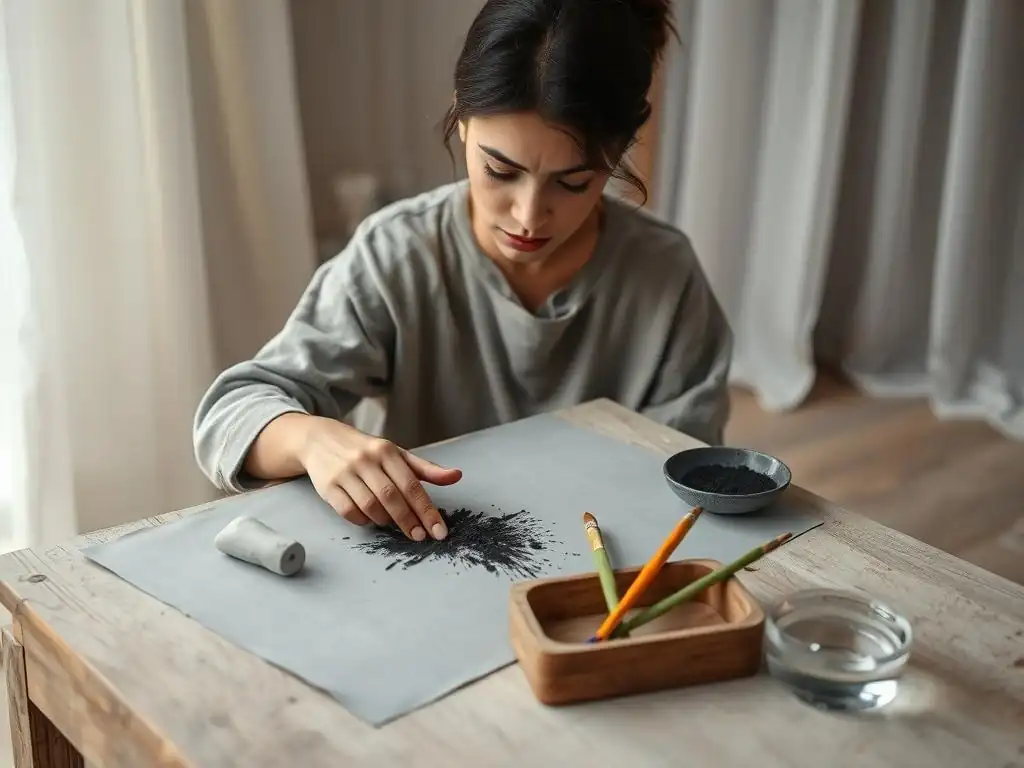
Combining Art Therapy with Cognitive Behavioral Therapy (CBT): Integrating Thoughts, Feelings, and Behaviors
Integrating art therapy with Cognitive Behavioral Therapy (CBT) can create a powerful synergy for trauma recovery. While CBT focuses on identifying and changing negative thought patterns and behaviors related to trauma, art therapy provides a non-verbal pathway to access the underlying emotions and body sensations that often drive these thoughts and behaviors. For example, a trauma survivor might use art to depict the overwhelming feelings associated with a traumatic memory that trigger negative self-talk (a CBT focus).
The art can serve as a springboard for CBT techniques. After creating a piece representing a triggering situation, the survivor and therapist can use the artwork to identify the automatic negative thoughts that arise, challenge cognitive distortions (e.g., self-blame), and develop more adaptive coping strategies.
Art can also be used to visualize positive coping skills or future goals, reinforcing the behavioral change aspects of CBT. This combined approach allows for a more holistic processing of trauma, integrating the emotional and somatic experiences accessed through art with the cognitive restructuring provided by CBT, offering comprehensive support for the art therapy trauma survivor.
Using Art Therapy Alongside Eye Movement Desensitization and Reprocessing (EMDR): Enhancing Processing and Integration
Eye Movement Desensitization and Reprocessing (EMDR) is a widely recognized and effective treatment for trauma that involves processing distressing memories through bilateral stimulation (like eye movements). Art therapy can be a valuable adjunct to EMDR, particularly in preparing clients for memory processing or helping to integrate insights gained during EMDR. Before engaging in intense memory work with EMDR, art therapy can help survivors build resources, such as creating images representing safety, strength, or calm places. These resource images can be used for grounding during or after EMDR sessions.
During or after EMDR processing, art can be used to capture the emotions, sensations, or insights that emerged. This can be particularly helpful for processing material that remains fragmented or difficult to articulate verbally even after EMDR. For example, a survivor might draw or sculpt the residual feeling in their body after processing a memory target.
Art can also help integrate the newly processed memory into a more adaptive narrative. The combination allows EMDR to facilitate the desensitization and reprocessing of traumatic memories, while art therapy provides additional avenues for expression, containment, and integration, offering enhanced healing opportunities for the art therapy trauma survivor.
The Role of Medication in Conjunction with Art Therapy: A Holistic Approach to Healing
For many trauma survivors, medication, particularly for managing symptoms like severe anxiety, depression, or sleep disturbances, can be a necessary component of a comprehensive treatment plan. Medication can help stabilize mood and reduce the intensity of symptoms, making it possible for the survivor to engage more effectively in therapy, including art therapy. It is not uncommon for a trauma survivor to require pharmacological support, especially in the initial stages of recovery.
Art therapy works synergistically with medication by addressing the underlying psychological and emotional impact of trauma that medication alone cannot resolve. While medication can alleviate symptoms, art therapy helps survivors process the root causes of their distress, develop coping skills, and rebuild their sense of self.
Art therapy provides a space to explore the feelings and experiences related to trauma that may be causing symptoms, while medication helps manage the intensity of those symptoms to make the therapeutic work more accessible. A holistic approach that combines medication management with therapeutic interventions like art therapy offers the most comprehensive support for the complex needs of a trauma survivor.
The Power of Art: Real-Life Success Stories of Trauma Survivors
Case Study: A Survivor of Childhood Abuse Finds Healing Through Expressive Arts Therapy
"Sarah" (a composite case based on common outcomes) came to therapy struggling with chronic anxiety, depression, and difficulty forming healthy relationships, stemming from years of childhood emotional and physical abuse. Verbal therapy felt overwhelming, often leaving her feeling exposed and re-traumatized. Her therapist introduced expressive arts therapy, including art therapy, alongside other modalities. Initially resistant due to feeling "not artistic," Sarah began tentatively using pastels to explore feelings she couldn't name.
Over several months of art therapy, Sarah used color and abstract forms to depict the "chaos" and "darkness" she felt inside. She created a series of small sculptures representing fragmented parts of herself. This non-verbal expression allowed her to externalize overwhelming emotions safely. Through discussing her artwork with her therapist, Sarah began to connect the images to specific memories and feelings related to the abuse.
She used collage to create a visual narrative of her journey, starting with images of entrapment and moving towards images of light and freedom. The process of creating and completing these pieces gave her a growing sense of agency and competence. Gradually, her anxiety lessened, she felt more connected to her emotions, and she began to set healthier boundaries in relationships. Art therapy provided a vital pathway for this trauma survivor to process the impact of abuse and reclaim her sense of self.
Case Study: A Veteran Overcomes PTSD Through Art Therapy and Community Engagement
"Mark" (a composite case reflecting typical outcomes) was a veteran experiencing severe PTSD symptoms after deployment, including intrusive flashbacks, hypervigilance, and emotional numbing. He struggled to talk about his combat experiences and felt isolated. Traditional therapy felt too confrontational. He was referred to an art therapy program specifically for veterans. Initially skeptical, he agreed to try it.
Mark started by drawing repetitive patterns, which he found surprisingly calming. He then began using charcoal to create dark, abstract images that represented the intensity and confusion of combat. He sculpted figures from clay, giving form to feelings of loss and moral conflict.
The art-making process provided a way for Mark to externalize the internal pressure he felt. The therapist facilitated discussions about his artwork, helping him connect the images to his experiences and emotions in a way that felt less threatening than direct verbal recounting. Participating in a group art therapy setting with other veterans also reduced his sense of isolation and fostered a sense of camaraderie.
Through art, Mark was able to process aspects of his trauma and moral injury, leading to a significant reduction in flashbacks and hypervigilance. He also began to engage more with his community, finding purpose in creating art and sharing his experiences with others. For this art therapy trauma survivor, creative expression was key to unlocking healing and reintegration.
Resources for Trauma Survivors and Art Therapy Information
Organizations Providing Support and Information on Trauma: National Center for PTSD, RAINN
There are numerous organizations dedicated to supporting trauma survivors and providing valuable information. The National Center for PTSD (NCPTSD), part of the U.S. Department of Veterans Affairs, offers extensive resources on understanding and treating PTSD, including information relevant to all types of trauma survivors, not just veterans. Their website provides educational materials, tools for managing symptoms, and guidance on finding help.
RAINN (Rape, Abuse & Incest National Network) is the largest anti-sexual violence organization in the United States. RAINN operates the National Sexual Assault Hotline and provides support and resources for survivors of sexual violence. Their website offers information on trauma, healing, and finding local support services. These organizations are crucial starting points for a trauma survivor seeking information, support, and pathways to healing, including exploring options like art therapy.
Books and Articles on Art Therapy for Trauma Recovery: The Body Keeps the Score, Trauma and Recovery
For those interested in learning more about trauma and the potential of creative healing, several influential books and articles are highly recommended. "The Body Keeps the Score: Brain, Mind, and Body in the Healing of Trauma" by Bessel van der Kolk is a seminal work that explains the profound impact of trauma on the brain and body and explores various healing modalities, including body-centered therapies and creative approaches, though not exclusively focused on art therapy.
"Trauma and Recovery: The Aftermath of Violence--From Domestic Abuse to Political Terror" by Judith Herman is another foundational text that describes the process of healing from trauma in stages: safety, remembrance and mourning, and reconnection. While not specifically about art therapy, its framework is highly relevant to understanding the therapeutic journey of a trauma survivor. Many academic articles and books specifically address art therapy for trauma, often found through professional art therapy association websites or academic databases, detailing specific techniques and research findings on the proven benefits of art therapy for trauma survivors.
Online Communities and Forums for Trauma Survivors: Psychology Today, GoodTherapy.org
Connecting with others who have similar experiences can be a powerful part of the healing journey for a trauma survivor. Online communities and forums can provide a sense of belonging, validation, and shared understanding. Websites like Psychology Today and GoodTherapy.org host directories of therapists and articles on various mental health topics, including trauma. While they may not host direct support forums, they often link to reputable resources and communities.
Many online forums, often moderated by mental health professionals or peer support specialists, exist specifically for trauma survivors. These platforms allow individuals to share their stories, offer support to others, and exchange information about coping strategies and treatment options, including experiences with art therapy for trauma. It is important to seek out communities that are moderated and prioritize safety and respect, ensuring a supportive environment for discussing sensitive topics related to trauma and healing.
Conclusion: Embracing Creative Healing for Trauma Recovery.
Frequently Asked Questions
How does art therapy specifically help trauma survivors?
Art therapy provides a safe and non-verbal outlet for trauma survivors to process difficult emotions and memories. It can help individuals regain a sense of control and empowerment after experiencing trauma.
What are some common art therapy techniques used with trauma survivors?
Common techniques include painting, drawing, sculpting, and collage. These methods allow for creative expression and emotional exploration without the need for direct verbal recall of the trauma.
Is art therapy a substitute for traditional talk therapy for trauma?
No, art therapy is often used as a complementary therapy to traditional talk therapy. It can help prepare individuals for more direct processing of the trauma within a supportive therapeutic relationship.
How can I find a qualified art therapist specializing in trauma?
Look for a therapist who is a registered and board-certified art therapist (ATR-BC) with experience working with trauma survivors. Mind Care Guide offers resources and directories to help you find qualified professionals.
What are some of the potential benefits of art therapy for trauma survivors?
Potential benefits include reduced anxiety and depression, improved self-esteem and self-awareness, enhanced coping skills, and a greater sense of emotional regulation and overall well-being.
Final Reflection: Unleashing the Healing Power Within
The transformative potential of art therapy for trauma survivors is not merely a theoretical concept; it's a vital lifeline in a world grappling with unprecedented levels of trauma. Art, in its myriad forms, offers a powerful pathway to healing, providing a non-verbal language that bypasses the often-damaged pathways of verbal expression and allows for a safe exploration of deeply buried emotions. This accessibility makes it a crucial tool for those who have experienced the devastating impact of trauma.
The ongoing influence of art therapy on the cultural landscape is undeniable. We are increasingly recognizing the limitations of purely verbal approaches to trauma recovery, and embracing holistic methods that address the mind, body, and spirit. Art enables us to find ourselves and lose ourselves at the same time.
– Thomas Merton. This quote perfectly encapsulates the paradoxical yet essential nature of the artistic process in healing. It allows for both self-discovery and a release from the constraints of trauma, offering a space for self-expression and emotional regulation that traditional therapies may not fully achieve.
You, the reader, now hold the key to unlocking your own healing journey, or perhaps the journey of someone you care about. Consider the power of creative expression. Explore different art forms – painting, sculpting, music, writing – and discover which resonates most deeply with you. Don't be afraid to delve into the depths of your emotions; the canvas, the clay, the instrument, the page, are waiting to receive your story, to help you transform pain into power, and trauma into triumph. Embrace the healing potential within you, and let art be your guide.
Unleash Your Inner Artist: Start Healing Today
Thanks for taking the time to explore the powerful healing potential of art therapy! We hope you gained valuable insights into how creative expression can help process trauma and foster emotional well-being.
Ready to take the next step on your healing journey? Here's how:
- Begin your own art journaling practice: Even 15 minutes a day can make a difference. Start with simple shapes and colors, letting your emotions guide your hand. Don't worry about creating a masterpiece – the process is the key!
- Explore local art therapy resources: Search online for therapists or studios offering art therapy sessions near you. Many offer introductory sessions or consultations.
- Share your experience: Tell us about your initial thoughts and feelings on trying art therapy in the comments below. Let's create a supportive community!
What small creative act will you undertake today to nurture your emotional wellbeing?