
From Wanting to Liking: The Two Sides of Dopamine's Coin


Welcome to Mind Care Guide, a space dedicated to nurturing your mental well-being.
Ever wondered why you crave certain things, even when they don't truly bring you joy? It all boils down to a fascinating dance within your brain, specifically involving a powerful neurotransmitter: dopamine. This article delves into the science behind dopamine motivation seeking habits, exploring how this complex chemical influences our desires and behaviors. Discover the crucial difference between "wanting" and "liking" and unlock insights into harnessing dopamine for a healthier, more fulfilling life. Ready to unravel the mysteries of your brain and reclaim control over your motivations? Let's begin!
From Wanting to Liking: The Two Sides of Dopamine's Coin
- Introduction: Unpacking the Complex Role of Dopamine in Motivation and Pleasure
- Dopamine and "Wanting": The Motivational Drive
- Dopamine and "Liking": Experiencing Pleasure and Satisfaction
- The Interplay Between "Wanting" and "Liking": A Delicate Balance
- Dopamine Dysfunction and Mental Health: Implications for Treatment
- Boosting Dopamine Naturally for Enhanced Motivation and Well-being
- Conclusion: Harnessing Dopamine for a Balanced and Fulfilling Life
-
Frequently Asked Questions
- ### What is the main difference between dopamine's role in "wanting" versus "liking"?
- ### How does dopamine influence our habits related to seeking rewards?
- ### Can a dopamine imbalance contribute to mental health challenges?
- ### What strategies can be used to regulate dopamine levels for better mental well-being?
- ### Why is understanding the "wanting" and "liking" distinction important for managing dopamine motivation seeking habits?
- Final Reflection: Reframing Desire: From Wanting to Liking, and the Path to Healthy Habits
- Unlock Your Dopamine's Power: Take Control of Your Cravings
Introduction: Unpacking the Complex Role of Dopamine in Motivation and Pleasure
Dopamine: More Than Just a "Pleasure Chemical"
Dopamine is a neurotransmitter, a chemical messenger in the brain, that plays a crucial role in many functions, including movement, learning, attention, and emotional responses. For a long time, it was primarily associated with pleasure and reward. Early research, particularly studies involving rodents, observed that stimulating dopamine pathways seemed to induce pleasurable sensations, leading to the widespread belief that dopamine is the pleasure chemical.
However, this view is overly simplistic and doesn't capture the full complexity of dopamine's functions. While dopamine is certainly involved in the brain's reward system, its primary role is more nuanced, relating strongly to motivation and the drive to seek out rewards rather than the experience of pleasure itself.
The reality is that dopamine is central to the anticipation of reward and the motivation to pursue goals. It signals potential rewards in the environment and helps us learn which actions lead to desired outcomes. This anticipation creates a powerful drive, influencing our dopamine motivation seeking habits.
When we encounter a cue associated with a potential reward, dopamine levels often spike, prompting us to act. This mechanism is fundamental to learning and survival, guiding us towards resources like food, water, and social connection. Understanding this distinction is key to appreciating how dopamine impacts our daily behavior and mental well-being beyond just feeling good.
The Misconception of Dopamine as Solely a Reward Signal
The idea that dopamine is simply a "reward signal" that registers pleasure is a common misconception. While dopamine activity is often observed when a reward is received, particularly unexpected rewards, its role is more about predicting and driving behavior towards rewards.
Consider the classic experiments by neuroscientist Wolfram Schultz, which showed dopamine neurons firing not just when monkeys received juice (the reward), but after they learned to associate a cue (a light) with the juice, the dopamine spike shifted to the cue itself. This demonstrated that dopamine is more involved in the prediction of reward and the motivation to get it than the pleasure derived from consuming it.
This distinction is critical when examining dopamine motivation seeking habits. Dopamine drives the seeking behavior – the effort and actions taken to obtain a reward. It reinforces the link between actions and outcomes, making us more likely to repeat behaviors that previously led to a dopamine release. However, the actual liking or pleasure experienced from the reward involves different neurochemical systems, primarily the opioid system. Attributing pleasure solely to dopamine overlooks this crucial separation and can lead to misunderstandings about addiction, motivation, and various mental health conditions.
Understanding the Nuances: Dopamine, Motivation, and Reward
To truly understand dopamine's impact, we must grasp its dual nature: its role in "wanting" (motivation and pursuit) and its indirect influence on "liking" (pleasure and satisfaction). The reward system is intricate, involving multiple brain regions and neurotransmitters. Dopamine's primary contribution is to the motivational or appetitive phase of reward processing. It assigns value to potential rewards and energizes the effort required to obtain them. This is the engine behind setting goals, working towards them, and forming dopamine motivation seeking habits.
The "liking" or consummatory phase, the experience of pleasure upon receiving the reward, is mediated by different neural circuits and chemicals, although these systems interact closely. Dopamine helps learn which stimuli and actions are associated with pleasure, thereby reinforcing the desire to seek them again. For example, tasting a delicious food (liking) might release opioids, but the dopamine system is activated by the anticipation of tasting it again (wanting) and reinforces the behavior of seeking that food out. This interplay between wanting and liking, fueled significantly by dopamine's motivational push, shapes our desires, habits, and overall drive in life.
Dopamine and "Wanting": The Motivational Drive
Dopamine's Role in Incentive Salience: Fueling the Pursuit
A key function of dopamine in the "wanting" system is assigning "incentive salience" to cues and stimuli associated with rewards. Incentive salience is essentially how attractive or desirable a reward is perceived to be, and how much it "grabs" our attention and motivates us to act.
When a neutral stimulus, like the sound of a notification on your phone, is repeatedly paired with a rewarding outcome, such as receiving a positive message or a 'like' on social media, dopamine neurons release dopamine in response to that sound. This makes the sound itself salient and desirable, turning it into a cue that triggers a wanting state.
This process explains why certain triggers can powerfully drive behavior, even when the reward isn't guaranteed or is even detrimental. The dopamine system highlights these cues, making them stand out and automatically prompting a seeking response. This mechanism is fundamental to forming dopamine motivation seeking habits, as the brain learns to prioritize cues associated with potential rewards, directing attention and energy towards obtaining them. This can be beneficial, like being motivated by the sight of a finish line during a race, or detrimental, like being triggered by the sight of a cigarette pack when trying to quit.
The "Wanting" Pathway: How Dopamine Drives Goal-Directed Behavior
The "wanting" pathway primarily involves dopamine projections from the ventral tegmental area (VTA) in the midbrain to areas like the nucleus accumbens and the prefrontal cortex, collectively known as the mesolimbic and mesocortical pathways. When a potential reward is detected or predicted, dopamine is released in these areas, particularly the nucleus accumbens. This release signals that something important and potentially rewarding is available or achievable, generating a motivational "push."
This dopamine surge doesn't just feel like a vague desire; it influences executive functions in the prefrontal cortex, enhancing focus on the goal, planning the steps needed to achieve it, and inhibiting competing behaviors. It strengthens the neural connections between the cue, the action, and the predicted outcome, solidifying the learning process. This system is crucial for initiating and sustaining effort towards long-term goals, from studying for an exam to working on a complex project. It underpins our capacity for persistent, goal-directed behavior, forming the basis of many productive dopamine motivation seeking habits.
Dopamine, Cravings, and Addictive Behaviors: The Dark Side of "Wanting"
While crucial for motivation, the dopamine "wanting" system is heavily implicated in the development and maintenance of addiction. Addictive substances and behaviors (like gambling or excessive internet use) hijack this system, causing massive and rapid dopamine release in the nucleus accumbens, far exceeding natural rewards like food or social interaction. This creates an intensely powerful association between the substance/behavior and the feeling of anticipated reward.
Crucially, chronic exposure to addictive stimuli can lead to neuroadaptations. The brain may reduce the number of dopamine receptors (downregulation) to compensate for the constant overstimulation. This means that over time, the individual requires more of the substance or behavior just to feel "normal," and natural rewards become less motivating.
The "wanting" for the addictive substance or behavior remains incredibly strong, often becoming compulsive, even while the actual pleasure ("liking") from it diminishes significantly. This creates a vicious cycle where the powerful drive to seek (fueled by hijacked dopamine motivation seeking habits) overrides the ability to experience pleasure or consider negative consequences. Studies show, for instance, a significant reduction in dopamine D2 receptors in the striatum of individuals with substance use disorders compared to healthy controls, highlighting the neurobiological basis of this persistent wanting despite reduced pleasure.
Dopamine Deficiency and Lack of Motivation: The Link Between Low Dopamine and Avolition
Conversely, disruptions leading to low dopamine activity can result in severely impaired motivation, a symptom known as avolition. Avolition is characterized by a significant reduction in goal-directed behavior, difficulty initiating and sustaining activities, and a general lack of interest or drive. This is a common and debilitating symptom in conditions like Parkinson's disease and schizophrenia (specifically negative symptoms), as well as severe depression.
In Parkinson's disease, the degeneration of dopaminergic neurons in the substantia nigra leads to motor symptoms, but also often results in avolition and apathy due to reduced dopamine signaling in motivational circuits. Similarly, the negative symptoms of schizophrenia, which include avolition, anhedonia (inability to experience pleasure), and alogia (poverty of speech), are thought to be linked to hypodopaminergic states in the mesocortical pathway.
Research indicates that individuals with avolition show reduced neural activation in reward-related brain areas, consistent with a diminished capacity for the dopamine system to energize goal-directed behavior. This underscores the critical role of adequate dopamine signaling for healthy motivation and the development of functional dopamine motivation seeking habits.
Dopamine and "Liking": Experiencing Pleasure and Satisfaction
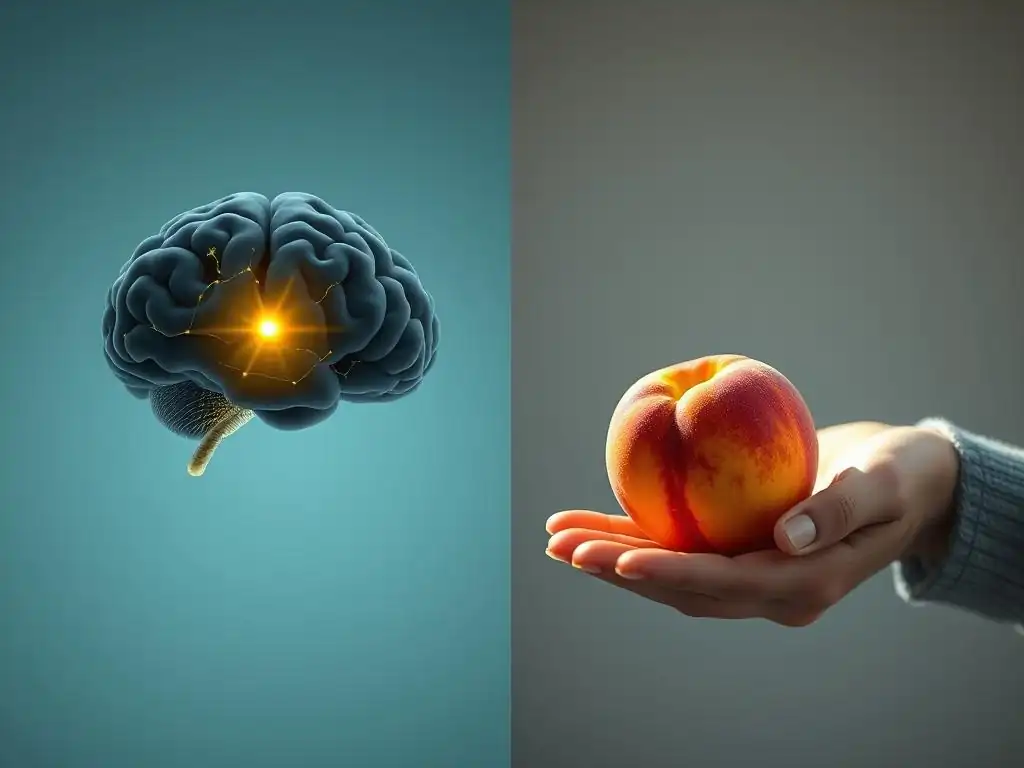
"Liking" as a Separate System: Opioids vs. Dopamine
While dopamine drives the pursuit of rewards ("wanting"), the actual subjective experience of pleasure or satisfaction ("liking") is mediated by distinct neurochemical systems. The primary players in the "liking" system are the endogenous opioids, such as endorphins and enkephalins. These neurochemicals bind to opioid receptors in specific brain regions, including parts of the nucleus accumbens (different from where dopamine has its main "wanting" effect), the ventral pallidum, and the brainstem.
Activation of these opioid receptors in these "hedonic hotspots" produces feelings of pleasure, contentment, and satiety upon consumption of a reward, like eating delicious food, engaging in positive social interaction, or experiencing physical comfort. This separation is crucial: you can strongly want something (high dopamine) but not necessarily like it much when you get it (low opioid activity), or vice-versa, though often they are linked. Understanding this distinction helps explain phenomena like compulsive seeking in addiction despite diminished pleasure, or the ability to enjoy simple pleasures even with reduced motivation in certain conditions.
The Role of Opioids in Experiencing Actual Pleasure
Opioid neurotransmitters and receptors are concentrated in specific brain areas that, when stimulated, generate states of pleasure or hedonic impact. These "hedonic hotspots" are relatively small regions within the broader reward circuit. For example, studies involving microinjections of opioid agonists into specific subregions of the nucleus accumbens or ventral pallidum in rodents have reliably produced increases in "liking" reactions, such as positive facial expressions in response to sweet tastes.
This system is activated when a reward is actually consumed or experienced. The feeling of satisfaction after a good meal, the warmth from social connection, or the relief after achieving a difficult goal are all strongly linked to the activity of the opioid system. Unlike dopamine's role in anticipation and seeking, the opioid system is central to the consummation and enjoyment of the reward. While dopamine might get you to the dinner table, the opioid system helps you savor the meal.
Dopamine's Indirect Influence on "Liking": Dopamine's Role in Associative Learning of Pleasurable Experiences
Although dopamine isn't the primary chemical for experiencing pleasure itself, it plays a critical indirect role in the "liking" system through its involvement in learning and memory. Dopamine release strengthens the association between cues, actions, and the subsequent pleasurable outcome mediated by the opioid system. When you perform an action (like eating a specific food) that leads to pleasure (opioid release), the dopamine system helps encode this experience, linking the food cue and the eating action with the positive feeling.
This associative learning is vital. Dopamine helps the brain remember what was rewarding and how to get it again. This allows the "wanting" system to become activated by cues associated with past pleasurable experiences, driving the seeking behavior. So, while opioids provide the "liking" signal, dopamine ensures you learn from that signal and are motivated to repeat the experience. This interaction reinforces the entire reward loop, from anticipation and seeking (dopamine) to consumption and satisfaction (opioids), contributing to the formation and maintenance of dopamine motivation seeking habits directed towards enjoyable outcomes.
The Interplay Between "Wanting" and "Liking": A Delicate Balance
How "Wanting" Can Override "Liking": The Case of Addiction
The delicate balance between the dopamine-driven "wanting" system and the opioid-driven "liking" system is vividly illustrated in the context of addiction. As discussed, addictive substances trigger massive dopamine surges, particularly in the nucleus accumbens, which powerfully amplifies the "wanting" signal associated with the substance and its related cues. This leads to intense cravings and a compulsive drive to seek and consume the substance.
Simultaneously, chronic substance use can impair the opioid system or disrupt its interaction with the dopamine system, leading to tolerance and reduced capacity to experience pleasure, not just from the drug itself but also from natural rewards (anhedonia). The result is a state where the individual experiences overwhelming "wanting" (driven by a hypersensitive or dysregulated dopamine system and reinforced dopamine motivation seeking habits) but little to no "liking" from the drug or other life activities.
This dissociation explains why addicts often report using not for pleasure, but to alleviate withdrawal or satisfy an intense craving, trapped by a powerful "wanting" that has become disconnected from the capacity for enjoyment.
Dopamine's Impact on Habit Formation: From Goal-Directed to Automatic Behavior
Dopamine plays a crucial role in the transition from goal-directed actions to automatic habits. When a behavior is consistently performed in response to a specific cue and is followed by a reward, the neural pathways involved become stronger. Initially, this process is conscious and goal-directed, heavily reliant on the prefrontal cortex and the mesolimbic dopamine pathway signaling the value of the outcome.
However, with repetition, the control of the behavior shifts to the striatum, particularly the dorsolateral striatum, and becomes more automatic and stimulus-driven. While the initial learning relies on dopamine signaling the reward prediction error (the difference between expected and actual reward), dopamine continues to be involved in reinforcing the habit loop itself.
It helps consolidate the association between the cue and the routine, making the behavior more likely to occur automatically when the cue is present, often bypassing conscious decision-making. This is how complex dopamine motivation seeking habits, like automatically reaching for your phone when you hear a notification, become ingrained.
The Neuroscience of Habit Loops: Cue, Routine, Reward, and Dopamine's Involvement
Habits are formed through a neurological loop involving a cue, a routine, and a reward. The cue is a trigger that signals the opportunity for a reward. The routine is the behavior performed in response to the cue. The reward is the positive outcome that follows the routine, reinforcing the loop. Dopamine is involved in multiple stages of this loop, solidifying the connections between them.
- Cue: When a cue associated with a past reward is detected, dopamine neurons can become active, generating a feeling of anticipation and prompting the seeking behavior (the routine). This assigns incentive salience to the cue.
- Routine: Performing the routine leads towards the predicted reward. The dopamine system reinforces the motor patterns and cognitive steps involved in the routine, making them smoother and more automatic with repetition.
- Reward: Receiving the reward (or the prediction of it) triggers dopamine release, which strengthens the entire circuit – the link between the cue, the routine, and the outcome. This positive reinforcement makes it more likely that the same routine will be triggered by the same cue in the future, solidifying the dopamine motivation seeking habit. Over time, the habit becomes ingrained in the striatum, allowing the behavior to run on autopilot.
Dopamine Dysfunction and Mental Health: Implications for Treatment
Dopamine Imbalance in Depression: Motivation and Anhedonia
Dopamine dysfunction is strongly implicated in certain symptoms of depression, particularly those related to motivation and pleasure. While serotonin and norepinephrine are traditionally targeted by antidepressants, research increasingly points to altered dopamine signaling in the mesolimbic pathway as contributing to anhedonia (the inability to experience pleasure) and avolition (lack of motivation). Individuals with depression often report a profound lack of energy, difficulty initiating tasks, and a loss of interest in activities they once enjoyed – symptoms consistent with impaired dopamine function.
Studies using neuroimaging techniques like PET scans have shown reduced dopamine receptor availability or altered dopamine transporter function in key reward areas of the brain in depressed individuals. For example, some studies have found lower D2/D3 receptor binding in the striatum of individuals with major depressive disorder, which could contribute to diminished sensitivity to reward and thus reduced motivation and pleasure. Treatments that modulate dopamine, such as bupropion (a dopamine and norepinephrine reuptake inhibitor), can be effective for some individuals, particularly those experiencing significant anhedonia and low energy, highlighting dopamine's role in the motivational deficits seen in depression.
Dopamine and ADHD: Focus, Attention, and Reward Processing
Attention-Deficit/Hyperactivity Disorder (ADHD) is another condition where dopamine system dysfunction is a central hypothesis. It is believed that differences in dopamine signaling contribute to the core symptoms of inattention, impulsivity, and hyperactivity. Specifically, research suggests there may be issues with dopamine transporter density or dopamine receptor sensitivity, particularly in the prefrontal cortex and striatum, areas critical for executive function, motivation, and impulse control.
These dopamine differences may lead to difficulty maintaining focus on tasks that aren't immediately rewarding, impaired working memory, and challenges with regulating behavior. The brain might struggle to assign sufficient incentive salience to future or less stimulating rewards, making it harder to stay motivated on long-term goals.
Stimulant medications commonly used to treat ADHD, such as methylphenidate and amphetamines, work by increasing dopamine (and norepinephrine) levels in the synapse, particularly in the prefrontal cortex and striatum. This enhanced signaling is thought to improve attention, focus, and the ability to regulate activity, facilitating the initiation and completion of tasks that require sustained effort, thereby supporting more functional dopamine motivation seeking habits.
Schizophrenia and Dopamine: Understanding the Dopamine Hypothesis
The "dopamine hypothesis" of schizophrenia is one of the oldest neurobiological theories for the disorder. It proposes that an imbalance in dopamine activity contributes to the symptoms. The hypothesis has evolved over time, now suggesting a more nuanced picture: hyperactive dopamine signaling in the mesolimbic pathway may contribute to positive symptoms like hallucinations and delusions, while hypoactive dopamine signaling in the mesocortical pathway may be linked to negative symptoms like avolition, anhedonia, and alogia.
Antipsychotic medications, the primary treatment for the positive symptoms of schizophrenia, primarily work by blocking dopamine D2 receptors, particularly in the mesolimbic pathway. This reduction in dopamine signaling helps to alleviate hallucinations and delusions. However, these medications can sometimes worsen negative symptoms or cause motor side effects (like Parkinsonism) by affecting dopamine signaling in other pathways. The link between reduced dopamine in the mesocortical pathway and negative symptoms like avolition aligns with the broader understanding of dopamine's role in motivation and goal-directed behavior, impacting the ability to form and act on dopamine motivation seeking habits.
Potential Therapeutic Interventions: Dopamine Agonists and Antagonists in Treatment
Understanding dopamine's role in various disorders has led to the development of pharmacological interventions that modulate dopamine signaling. These fall broadly into two categories: dopamine agonists, which mimic or enhance dopamine's effects, and dopamine antagonists, which block or reduce dopamine's effects.
- Dopamine Agonists: These are used to increase dopamine signaling. Levodopa and dopamine agonists are primary treatments for Parkinson's disease to compensate for the loss of dopamine neurons, improving motor function and sometimes motivation. Stimulants for ADHD also effectively increase synaptic dopamine. However, agonists can potentially induce side effects related to excessive dopamine stimulation, including compulsive behaviors or psychosis, highlighting the need for careful monitoring.
- Dopamine Antagonists: These are used to decrease dopamine signaling, primarily by blocking dopamine receptors. Antipsychotic medications are the most common example, targeting D2 receptors to reduce psychotic symptoms in schizophrenia and bipolar disorder. While effective for positive symptoms, their impact on dopamine can sometimes exacerbate negative symptoms (like avolition) or cause movement disorders. Developing more targeted treatments that can selectively modulate dopamine in specific pathways remains a key area of research to better treat conditions involving dopamine dysfunction and improve dopamine motivation seeking habits.
Boosting Dopamine Naturally for Enhanced Motivation and Well-being
Lifestyle Changes to Optimize Dopamine Function: Diet, Exercise, and Sleep
While pharmacological interventions target severe imbalances, several lifestyle changes can support healthy dopamine function and potentially enhance motivation and well-being. These strategies focus on providing the building blocks for dopamine, promoting its healthy release, and maintaining overall brain health.
- Exercise: Regular physical activity is consistently shown to benefit brain health, including neurotransmitter systems. Aerobic exercise, in particular, has been linked to increased dopamine synthesis and release, especially in the striatum. Engaging in activities you enjoy can create a positive feedback loop, reinforcing dopamine motivation seeking habits related to fitness. Aim for at least 150 minutes of moderate-intensity exercise per week, as recommended by health guidelines.
- Sleep: Sufficient, quality sleep is crucial for neurotransmitter regulation. Sleep deprivation can impair dopamine receptor function and affect mood, focus, and motivation. Targeting 7-9 hours of uninterrupted sleep per night can help restore optimal dopamine sensitivity and function.
- Diet: Nutrition provides the precursors for dopamine synthesis. Consuming a balanced diet rich in protein, healthy fats, and antioxidants supports brain health. Foods high in the amino acids tyrosine and phenylalanine, such as lean meats, poultry, fish, eggs, dairy, nuts, and seeds, are particularly important as they are direct precursors to dopamine.
The Role of Mindfulness and Meditation in Regulating Dopamine
Mindfulness and meditation practices have gained significant attention for their positive effects on mental health, and some research suggests they may influence dopamine activity. While direct evidence is still emerging, studies using neuroimaging have shown that long-term meditators may have differences in brain structure and function, including areas related to dopamine pathways.
Meditation may help regulate the stress response, which is known to negatively impact dopamine signaling. By fostering present moment awareness and reducing rumination on future rewards or past failures, mindfulness can potentially help balance the "wanting" system, reducing compulsive seeking behavior and enhancing appreciation for present experiences ("liking"). Some studies propose that mindfulness could modulate dopamine release in the striatum, potentially influencing motivation and reward sensitivity in a healthy way. While more research is needed, incorporating mindfulness into a daily routine may support overall brain health and contribute to healthier dopamine motivation seeking habits.
Nutritional Strategies for Dopamine Synthesis: Tyrosine, Phenylalanine, and Dopamine-Boosting Foods
Dopamine is synthesized in the brain from the amino acids tyrosine and phenylalanine. Phenylalanine is converted to tyrosine, and then tyrosine is converted to L-DOPA, which is the immediate precursor to dopamine. Ensuring adequate intake of these amino acids is essential for dopamine production.
Foods rich in these precursors include:
- Proteins: Lean meats (beef, chicken), fish, eggs, dairy products (milk, yogurt, cheese).
- Legumes: Beans, lentils.
- Nuts and Seeds: Almonds, walnuts, pumpkin seeds, sesame seeds.
- Certain Fruits and Vegetables: Avocados, bananas, spinach, kale.
While consuming these foods provides the necessary building blocks, the brain's ability to synthesize and utilize dopamine is complex and influenced by many factors, including genetics, overall health, and other nutrients like B vitamins and omega-3 fatty acids. Focusing on a balanced, nutrient-dense diet is the most effective nutritional strategy for supporting overall neurotransmitter health, including dopamine function, rather than relying on single "dopamine-boosting" foods in isolation.
Conclusion: Harnessing Dopamine for a Balanced and Fulfilling Life
Understanding the Two Sides of Dopamine for Improved Mental Well-being
Recognizing that dopamine is primarily a neurotransmitter of "wanting" and motivation, rather than purely pleasure, is fundamental to understanding its impact on our lives and mental health. This distinction clarifies why we might feel driven to pursue things even when they don't bring lasting happiness, or why a lack of motivation can be a debilitating symptom in conditions linked to dopamine dysfunction. Dopamine fuels our goals, helps us learn, and establishes dopamine motivation seeking habits, which can be incredibly adaptive or lead us down harmful paths depending on the targets of our seeking.
By appreciating dopamine's role in assigning incentive salience and driving goal-directed behavior, we gain insight into the power of cues and the formation of habits. This knowledge empowers us to be more mindful of the triggers in our environment and the behaviors they prompt. It also highlights the biological basis of challenges like addiction, depression, and ADHD, fostering empathy and informing more effective strategies for managing these conditions.
The Importance of Balancing "Wanting" and "Liking" for a Healthy Reward System
A healthy, fulfilling life isn't just about relentlessly pursuing goals ("wanting"); it also requires the capacity to experience satisfaction and pleasure from achieving them and from simple, everyday moments ("liking"). The most resilient reward systems involve a harmonious interplay between these two sides of dopamine's coin (and the opioid system). When the "wanting" system becomes hypersensitive or decoupled from the "liking" system, as seen in addiction, it can lead to compulsive, unsatisfying cycles.
Conversely, when the "wanting" system is underactive, as in avolition, initiating and sustaining beneficial behaviors becomes a significant struggle. Cultivating balance involves setting meaningful goals and pursuing them with healthy dopamine motivation seeking habits, while also nurturing the capacity to appreciate and savor rewards and positive experiences, engaging the opioid system. This balance is crucial for long-term well-being and resilience.
Key Takeaways: Dopamine, Motivation, Seeking Habits, and Mental Health
- Dopamine's primary role is in motivation and seeking rewards ("wanting"), not in experiencing pleasure itself ("liking," which is more linked to the opioid system).
- Dopamine assigns incentive salience to cues associated with potential rewards, driving our pursuit.
- Dopamine is critical for goal-directed behavior and the formation of dopamine motivation seeking habits, reinforcing the link between cues, actions, and outcomes.
- Dysregulation of the dopamine system is implicated in various mental health conditions, including addiction (excessive "wanting" overriding "liking"), depression (avolition and anhedonia linked to low dopamine function), and ADHD (issues with attention, focus, and reward sensitivity).
- Therapeutic interventions for these conditions often target dopamine signaling.
- Lifestyle factors like exercise, sleep, and nutrition play a role in supporting healthy dopamine function.
- Balancing the drive to "want" with the capacity to "like" is essential for a healthy reward system and overall mental well-being.
Understanding the intricate role of dopamine empowers us to better navigate our own motivations, build healthier habits, and approach challenges related to mental health with greater knowledge and compassion.
Frequently Asked Questions
### What is the main difference between dopamine's role in "wanting" versus "liking"?
Dopamine is primarily involved in the motivation or "wanting" aspect of reward, driving us to seek out pleasurable experiences. "Liking," the actual experience of pleasure, is more related to other neurotransmitters.
Dopamine reinforces behavioral patterns associated with obtaining rewards. This creates a cycle of anticipation, action, and reward, solidifying dopamine-driven habits.
### Can a dopamine imbalance contribute to mental health challenges?
Yes, dysregulation in the dopamine system is linked to various mental health issues, including addiction, depression, and schizophrenia. These conditions often involve altered motivation and reward processing.
### What strategies can be used to regulate dopamine levels for better mental well-being?
Engaging in healthy activities like exercise, spending time in nature, and practicing mindfulness can positively influence dopamine levels. Also, behavioral therapies can help manage dopamine-related motivation.
### Why is understanding the "wanting" and "liking" distinction important for managing dopamine motivation seeking habits?
Recognizing that dopamine is more about anticipation than pleasure allows us to address the root of compulsive behaviors. It helps us shift focus from chasing the fleeting "high" to building more sustainable sources of satisfaction.
Final Reflection: Reframing Desire: From Wanting to Liking, and the Path to Healthy Habits
The relentless pursuit of dopamine, often mistaken as the sole driver of motivation, is a double-edged sword. Understanding the nuanced interplay between "wanting" and "liking" dopamine pathways is crucial in navigating our modern, reward-driven world, and ultimately, in building healthier habits. This isn't just about understanding brain chemistry; it's about reclaiming control over our desires and shaping a more fulfilling life.
The pervasive influence of instant gratification, fueled by readily available rewards in our digital age, has significantly skewed our perception of motivation. We've become accustomed to the immediate "wanting" dopamine rush, often neglecting the deeper, more sustainable satisfaction of the "liking" response. This imbalance has profound consequences, leading to addictive behaviors and a chronic dissatisfaction despite achieving external goals. The greatest discovery of all time is that a person can change his future by merely changing his attitude.
– Oprah Winfrey. This quote resonates deeply because shifting our perspective from solely chasing the fleeting "want" to cultivating a genuine appreciation for the "like" is the key to lasting change.
Now, consider your own relationship with dopamine. Are you primarily driven by the immediate thrill of the chase, or do you find genuine satisfaction in the process and the outcome? I invite you to reflect on your daily habits and identify areas where you might be prioritizing the "wanting" over the "liking."
By consciously cultivating activities that genuinely bring you joy and fulfillment, you can begin to rewire your brain, fostering healthier habits and a more balanced relationship with pleasure and reward. This journey of self-discovery, of understanding and harnessing the power of dopamine, is a continuous process, but one that promises a richer, more meaningful life.
Unlock Your Dopamine's Power: Take Control of Your Cravings
Thanks for diving deep into the fascinating world of dopamine! You've now gained a powerful understanding of how this neurotransmitter shapes your desires and actions. Ready to put this knowledge into practice?
Here's how you can start harnessing dopamine for a more fulfilling life:
- Rewire Your Reward System: Identify one area where you struggle with cravings (e.g., social media, unhealthy food). Then, experiment with replacing the trigger with a healthier alternative that still activates dopamine in a positive way (e.g., a mindful walk, a creative project). This is your key step to lasting change.
- Share Your Insights: Discuss what you've learned with a friend or family member. Talking about it reinforces your understanding and may inspire others to explore their own dopamine pathways.
- Explore Mindfulness Techniques: Consider trying a guided meditation focused on craving management or emotional regulation. This will help you become more aware of your dopamine responses and gain better control over them.
So, what’s one small step you can take today to rebalance your dopamine and create healthier habits?