
Surviving Chaos: Trauma from Unpredictable Disasters

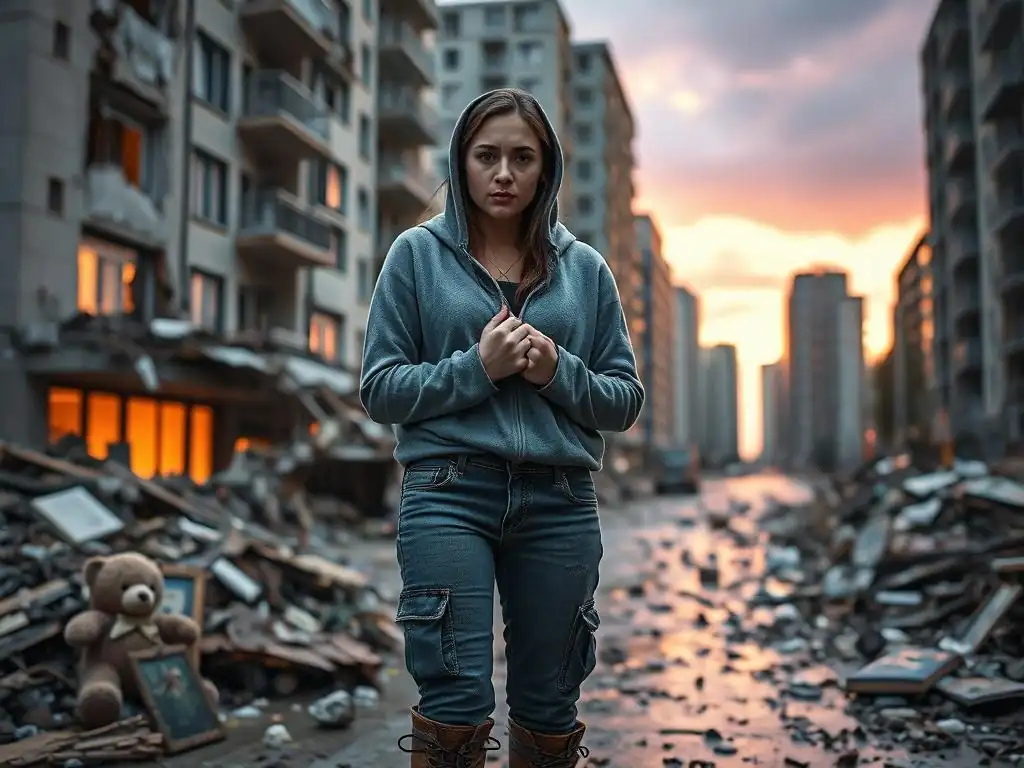
Welcome to Mind Care Guide.
Feeling lost and overwhelmed after an unpredictable disaster? It's okay to not be okay. We understand the unique challenges and deep wounds that trauma after unpredictable disasters can inflict. This guide offers a safe space to explore the complexities of this experience, providing insights and resources to help you navigate your healing journey. Let's begin to understand the path forward, together.
- Surviving Wildfires: Understanding Trauma and Mental Health After Devastation
- Defining Trauma After Wildfires: A Mental Health Perspective
- Common Psychological Reactions to Trauma from Wildfires
- Factors Influencing Trauma Response After Wildfires
- Strategies for Healing and Recovery from Wildfire-Related Trauma
- Building Resilience in the Face of Future Wildfires
- Conclusion: Finding Hope and Healing After Wildfire Trauma
-
Frequently Asked Questions
- What is considered trauma after unpredictable disasters?
- How does the unpredictability of a disaster impact trauma recovery?
- What are some common symptoms of trauma after unpredictable disasters?
- Where can I find support and resources for dealing with trauma after unpredictable disasters?
- What steps can I take to begin healing from trauma after unpredictable disasters?
- Final Reflection: Finding Resilience in the Wake of Chaos
- Unleash Your Inner Resilience: Steps to Healing After Chaos
Surviving Wildfires: Understanding Trauma and Mental Health After Devastation
Introduction: The Psychological Impact of Sudden Wildfires
Wildfires represent one of the most potent examples of unpredictable disasters, capable of inflicting not only physical devastation but profound psychological trauma. Understanding the mental health impact of these rapidly spreading blazes is crucial for effective recovery and support. These fires, often fueled by drought conditions, high winds, and sometimes human activity, can erupt and expand with terrifying speed, leaving little time for preparation or escape. The suddenness and intensity are key factors contributing to the traumatic experience.
The concept of trauma following such events is complex. It's not merely about witnessing destruction; it's about the overwhelming threat to life, the loss of safety, and the disruption of one's world. The long-term effects of this trauma can manifest in various ways, impacting individuals, families, and entire communities. Recognizing the signs and understanding the pathways to healing are vital steps in navigating the aftermath of wildfire-induced trauma.
Defining Trauma After Wildfires: A Mental Health Perspective
What Constitutes a Traumatic Event in Wildfires?
According to mental health criteria, a traumatic event typically involves exposure to actual or threatened death, serious injury, or sexual violence. In the context of wildfires, this often includes direct exposure, such as being caught in the path of the fire, witnessing homes or communities burn, or fearing for one's life or the lives of loved ones during an evacuation. The perceived threat is a powerful component; even if physically unharmed, the intense fear and sense of helplessness can be deeply traumatizing.
Specific examples of events within a wildfire scenario that can constitute trauma include: witnessing the rapid engulfment of familiar landscapes or buildings by flames, being forced to evacuate under extreme time pressure, experiencing near-misses with the fire, or being separated from family members during the chaos. For first responders and volunteers, repeated exposure to devastation and human suffering also falls under the definition of a traumatic event, leading to potential trauma after unpredictable disasters.
The Unique Challenges of Trauma Following Wildfires
Wildfires present unique challenges that can intensify trauma responses. Their rapid, often unpredictable spread, driven by changing winds and fuel sources, creates a prolonged period of uncertainty and fear. This unpredictability makes it difficult to feel safe even after the immediate threat has passed.
Furthermore, the widespread destruction left in the wake of a large wildfire is immense. The loss of homes, cherished possessions, community landmarks, and sometimes even lives creates a collective trauma that can be overwhelming. Displacement from one's home and community support systems exacerbates feelings of instability and loss, compounding the psychological burden. The long-term environmental impact, such as persistent poor air quality from smoke and the altered landscape, can serve as constant reminders of the event, hindering the healing process and contributing to ongoing anxiety and health concerns.
Common Psychological Reactions to Trauma from Wildfires
Immediate Reactions: Acute Stress Response
In the immediate aftermath of a wildfire, individuals commonly experience an acute stress response. This is the body's natural reaction to a perceived threat and involves the activation of the "fight, flight, or freeze" mechanism. Physically, this can manifest as a rapid heartbeat, sweating, trembling, nausea, or headaches.
Emotionally, people may feel shock, disbelief, numbness, or intense fear and anxiety. Mentally, difficulty concentrating, making decisions, or remembering details of the event are common. These immediate reactions are normal responses to an abnormal situation. While many symptoms of acute stress subside within days or weeks, for some, they can persist or evolve into more chronic conditions, highlighting the potential for significant trauma after unpredictable disasters.
Long-Term Effects: Post-Traumatic Stress Disorder (PTSD) and Other Mental Health Issues
For a significant number of individuals exposed to the trauma of wildfires, the effects can linger, sometimes developing into Post-Traumatic Stress Disorder (PTSD). PTSD symptoms can include re-experiencing the trauma through intrusive thoughts, nightmares about the fire, or flashbacks where one feels like the event is happening again. Avoidance is another core symptom, leading individuals to steer clear of places, people, or activities that remind them of the fire.
Beyond PTSD, the experience of wildfire trauma increases the risk of other mental health challenges. Anxiety disorders, such as generalized anxiety or separation anxiety (especially in children), can emerge. Depression is also common, often accompanied by feelings of hopelessness, loss of interest in activities, and difficulty sleeping or eating. Some individuals may turn to substance abuse as a maladaptive way to cope with overwhelming emotions and memories. The sheer scale of loss – of homes, possessions, and community – also leads to complex grief reactions, which can intertwine with trauma symptoms.
Factors Influencing Trauma Response After Wildfires
Pre-Existing Mental Health Conditions
An individual's mental health status prior to a wildfire significantly influences how they might respond to the trauma. Those with pre-existing conditions such as anxiety disorders, depression, or previous trauma exposure may be more vulnerable to developing severe or prolonged trauma symptoms after a disaster. The stress of the wildfire can exacerbate existing symptoms and make it harder to cope with the new traumatic experience.
For individuals with pre-existing vulnerabilities, seeking professional help early is particularly important. Mental health professionals can provide tailored support, integrating treatment for both the pre-existing condition and the new trauma. Ignoring these factors can lead to more complex and enduring psychological challenges, underscoring the need for integrated care when addressing trauma after unpredictable disasters.
Strong social support networks act as a powerful protective factor against the long-term psychological impacts of trauma. Having supportive family, friends, and neighbors can provide emotional comfort, practical assistance, and a sense of belonging during a time of immense upheaval. Sharing experiences and feelings with others who understand can validate emotions and reduce feelings of isolation.
Community resilience, built on strong social connections and collective coping strategies, also plays a vital role. Neighborhood support groups, volunteer efforts, and community-led recovery initiatives can foster a sense of shared purpose and hope. It's also important to acknowledge the secondary trauma experienced by firefighters, volunteers, and aid workers who are repeatedly exposed to the distressing aftermath of the fire; their mental health needs are also critical components of community resilience.
Individual Coping Mechanisms and Resilience
Individuals employ various coping mechanisms to navigate traumatic experiences. Healthy strategies include seeking support, engaging in self-care activities like exercise or spending time in nature (if safe), practicing mindfulness, and maintaining routines where possible. These approaches help regulate emotions and build a sense of control.
Conversely, unhealthy coping strategies, such as excessive alcohol or drug use, isolation, or avoiding all reminders of the event to an extreme degree, can worsen trauma symptoms and hinder recovery. Building resilience involves developing a capacity to bounce back from adversity. This can be cultivated through conscious effort, including practicing self-compassion, setting realistic expectations for recovery, and actively seeking out positive experiences and connections. Developing effective coping mechanisms is a key step in mitigating the impact of trauma after unpredictable disasters.
Seeking Professional Help: Therapy and Counseling
Professional mental health support is often crucial for healing from the deep wounds of wildfire trauma. Therapies specifically designed for trauma, such as Cognitive Processing Therapy (CPT), Trauma-Focused Cognitive Behavioral Therapy (TF-CBT), and Narrative Exposure Therapy (NET), have demonstrated effectiveness in helping individuals process traumatic memories and reduce symptoms of PTSD and anxiety. These therapies provide tools to challenge negative thoughts, manage distressing emotions, and develop healthy coping skills.
Finding a qualified mental health professional who specializes in trauma and disaster response is highly recommended. Organizations like the American Psychological Association or local mental health associations often have directories of therapists with specific expertise. In some cases, medication, such as antidepressants or anti-anxiety medications, may be prescribed by a psychiatrist or other medical doctor to help manage severe symptoms like chronic anxiety, depression, or sleep disturbances, in conjunction with therapy.
Self-Care and Coping Strategies for Managing Wildfire Trauma
Alongside professional support, engaging in consistent self-care is fundamental to managing the symptoms of trauma. Simple practices like mindfulness and grounding techniques can help anchor you in the present moment when overwhelmed by intrusive thoughts or anxiety. Focusing on sensory details – what you see, hear, feel, smell, taste – can help pull you out of a flashback or intense emotional state.
Re-establishing a sense of safety and security is paramount. This might involve creating a predictable routine, securing temporary or new housing, and taking small steps to rebuild a sense of normalcy. Engaging in creative expression, such as journaling about your experiences, drawing, or painting, can provide an outlet for processing difficult emotions without needing to verbalize them. Connecting with others who have gone through similar traumas, through support groups or informal gatherings, can foster a sense of shared understanding and reduce feelings of isolation, offering a unique form of support for navigating trauma after unpredictable disasters.
Community-Based Support and Resources After the Wildfire
Community-based support is a cornerstone of post-disaster recovery. Local support groups specifically for wildfire survivors provide a space to share experiences, challenges, and coping strategies with others who truly understand. These groups can reduce feelings of isolation and build collective resilience.
Disaster relief organizations like the Red Cross, FEMA (in the US), or similar national and international bodies offer a range of services, including temporary shelter, financial assistance, and mental health support teams dispatched to affected areas. Utilizing these resources is not a sign of weakness but a practical step towards recovery. Advocacy for improved wildfire prevention measures and increased funding for mental health resources in disaster-prone areas is also a critical long-term strategy for supporting communities impacted by trauma after unpredictable disasters.
Building Resilience in the Face of Future Wildfires
Practical Steps for Wildfire Preparedness and Planning
While trauma is a response to an event, building resilience includes preparing for potential future challenges. For those in wildfire-prone regions, practical preparedness is key. This involves creating defensible space around homes by clearing vegetation and removing flammable materials, which can significantly increase a property's chances of surviving a fire.
Developing a clear family evacuation plan is also crucial. This includes identifying multiple escape routes, establishing a meeting point outside the danger zone, and having a communication plan in case family members are separated. Staying informed about community alert systems and signing up for emergency notifications ensures timely warnings, allowing for earlier and safer evacuation and potentially reducing the traumatic impact of a sudden, chaotic flight.
Cultivating Mental and Emotional Resilience for Future Challenges
Beyond physical preparedness, cultivating mental and emotional resilience is vital for coping with the ongoing threat or the reality of future wildfires. Developing self-compassion, treating yourself with kindness and understanding during difficult times, is fundamental. Accepting that some level of anxiety about future events is normal, while focusing on what you can control, is a key aspect of building resilience.
Practicing stress management techniques regularly, such as deep breathing exercises, meditation, or yoga, can help regulate the nervous system and improve your ability to cope with stress when it arises. Building and nurturing a strong social support network provides a buffer against stress and isolation. By combining practical preparedness with emotional resilience strategies, individuals and communities can face future challenges with greater strength and a reduced risk of severe trauma after unpredictable disasters.
Conclusion: Finding Hope and Healing After Wildfire Trauma
Experiencing a wildfire is a deeply traumatic event, and the psychological impact can be long-lasting. However, it is crucial to remember that healing and recovery are possible. Recognizing the signs of trauma, understanding the factors that influence response, and actively seeking support are vital steps on the path to healing.
Whether through professional therapy, self-care practices, or connecting with community resources, help is available. The journey may be challenging, involving processing difficult memories and emotions, but with time, support, and resilience-building strategies, individuals can move forward. While the scars of wildfire trauma may remain, hope and the capacity for healing are powerful forces, enabling survivors to rebuild their lives and find strength even after facing the chaos of such unpredictable disasters.
Frequently Asked Questions
What is considered trauma after unpredictable disasters?
It refers to the psychological and emotional distress experienced after events like earthquakes, floods, or pandemics. This can manifest as anxiety, depression, or PTSD.
How does the unpredictability of a disaster impact trauma recovery?
The sudden and unexpected nature often leads to heightened feelings of helplessness and loss of control. This can make the trauma more intense and prolonged, hindering the recovery process.
What are some common symptoms of trauma after unpredictable disasters?
Common symptoms include flashbacks, nightmares, hypervigilance, and difficulty concentrating. Individuals may also experience emotional numbness or detachment from others.
Where can I find support and resources for dealing with trauma after unpredictable disasters?
Mind Care Guide offers information, support groups, and links to mental health professionals specializing in trauma. You can also find resources through local and national disaster relief organizations.
What steps can I take to begin healing from trauma after unpredictable disasters?
Prioritize self-care, such as healthy eating and exercise. Seek professional therapy or counseling to process your experiences and develop coping mechanisms. Connecting with a support network can also be beneficial.
Final Reflection: Finding Resilience in the Wake of Chaos
The unpredictable nature of disasters leaves an indelible mark, shaping not only the physical landscape but also the emotional well-being of survivors. The trauma experienced after such events is far-reaching and demands our collective attention and understanding. This article has explored the multifaceted nature of this trauma, from the immediate shock and loss to the long-term psychological and social consequences. The sheer unpredictability of these events exacerbates the emotional toll, leaving individuals struggling to process the overwhelming sense of vulnerability and loss of control.
The impact of unpredictable disasters extends far beyond the immediate aftermath. The ripple effects on communities, families, and individuals are profound and long-lasting. The emotional scars often remain hidden, manifesting in unexpected ways years after the initial event. Trauma is not something you get over, it's something you learn to live with.
This quote encapsulates the reality for many survivors, highlighting the need for ongoing support and understanding. The societal response, or lack thereof, plays a crucial role in shaping the recovery process, emphasizing the importance of proactive mental health resources and community-based support systems.
Now, consider your own life. Have you witnessed the impact of unpredictable events, either personally or through the experiences of others? What can you do to foster resilience within your own community? Take a moment to reflect on the importance of empathy, understanding, and proactive support for those who have experienced the trauma of unpredictable disasters. By fostering a culture of preparedness and compassion, we can create a more resilient and supportive world for everyone, ensuring that no one faces the aftermath of chaos alone.
Unleash Your Inner Resilience: Steps to Healing After Chaos
We hope this article provided you with valuable insights and tools for understanding and processing trauma stemming from unpredictable disasters. You've taken a crucial first step towards healing, and we're here to support you further. Now, let's move forward with actionable steps:
- Prioritize self-care: Engage in activities that soothe and nourish you. This could be anything from a relaxing bath to spending time in nature, even just 15 minutes a day. Make it a daily ritual.
- Connect with others: Share your experiences with a trusted friend, family member, or therapist. Consider joining a support group – a safe space can make all the difference in navigating your healing journey.
- Explore additional resources: We encourage you to delve deeper into trauma-informed practices and resources. Look for local mental health organizations or online communities offering support tailored to disaster recovery.
What small act of self-care will you prioritize today to build your resilience?