
Peer Support Power: Why Veterans Connect Best with Each Other

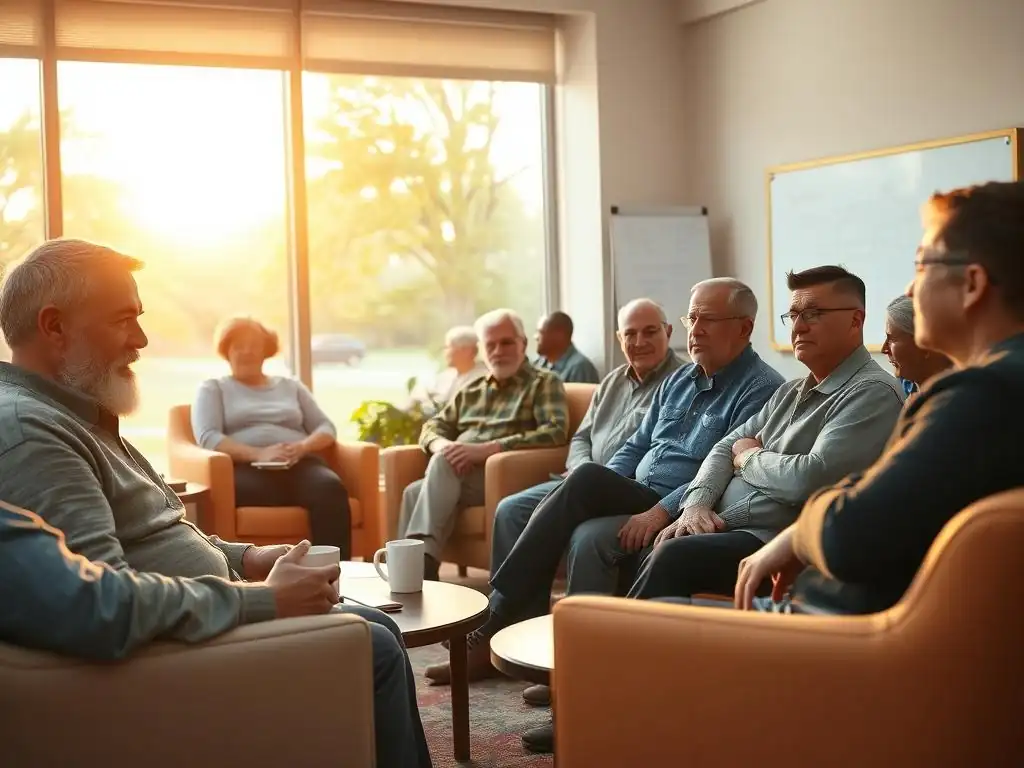
Welcome to Mind Care Guide, a supportive space dedicated to your mental well-being. Are you seeking a deeper connection and understanding in the face of life's challenges? This journey can be tough, but you're not alone. In this article, we delve into the profound benefits of veteran peer support groups, exploring why this unique connection often provides the most effective path to healing and resilience. Discover how shared experiences can unlock a powerful sense of belonging and pave the way towards a brighter future.
Peer Support Power: Why Veterans Connect Best with Each Other
- Understanding the Unique Mental Health Challenges Faced by Veterans
- The Power of Veteran Peer Support Groups: A Unique Approach to Healing
-
Veteran Peer Support Groups Benefits: Addressing Specific Needs
- Building Trust and Rapport: Shared Experiences and Understanding
- Reducing Stigma and Isolation: Finding Community and Acceptance
- Enhancing Coping Skills and Resilience: Learning From Others
- Using Mindfulness Techniques to Manage Anxiety
- Improved Mental Well-being: Quantifiable Benefits of Peer Support for Veterans
- Finding the Right Veteran Peer Support Group: Options and Resources
- Maximizing the Benefits of Veteran Peer Support
- The Future of Veteran Mental Health: The Growing Role of Peer Support
- Conclusion: Veteran Peer Support as a Vital Resource for Mental Health
-
Frequently Asked Questions
- What are veteran peer support groups and how do they work?
- What are the primary benefits of joining a veteran peer support group?
- Why do veterans often connect best with each other in these groups?
- How can peer support groups help veterans struggling with mental health challenges?
- Where can veterans find information and resources about joining a local peer support group?
- Final Reflection: The Enduring Power of Shared Experience
- Unlock Your Support Network: Connect with Fellow Veterans Today!
Understanding the Unique Mental Health Challenges Faced by Veterans
The Invisible Wounds of War: PTSD, Anxiety, and Depression in Veterans
Military service, while profoundly transformative and often rewarding, can expose individuals to traumatic experiences that lead to significant mental health challenges. Among the most prevalent are Post-Traumatic Stress Disorder (PTSD), anxiety disorders, and depression. These conditions are often referred to as "invisible wounds" because they are not physically apparent, yet they can severely impact a veteran's ability to function in daily life, maintain relationships, and find employment after returning to civilian life.
Estimates suggest that a significant percentage of veterans who served in recent conflicts, such as in Iraq and Afghanistan, experience PTSD, with figures often cited around 11-20% depending on the study and service era. Depression and anxiety rates are also elevated compared to the general population.
The symptoms of these conditions can manifest in various ways, including flashbacks, nightmares, severe anxiety, uncontrollable thoughts about the event, avoidance of situations that trigger memories, difficulty sleeping, irritability, and a persistent feeling of sadness or hopelessness. For veterans, these symptoms are often intertwined with the unique experiences of military culture, including the transition back to civilian life, loss of camaraderie, and difficulty translating military skills and experiences to the civilian world. Addressing these complex issues requires understanding the specific context of military service and post-service life, which is where veteran peer support groups benefits become particularly relevant.
Barriers to Traditional Mental Healthcare for Veterans
Despite the clear need, many veterans face significant barriers when trying to access traditional mental healthcare services. One major obstacle is the pervasive stigma associated with seeking help for mental health issues within military culture, which often emphasizes strength, resilience, and self-reliance. This can make veterans hesitant to admit vulnerability or seek professional help, fearing judgment or negative career repercussions during service, and carrying that hesitation into their civilian lives. A survey might indicate that a substantial percentage of veterans who screen positive for a mental health condition do not seek treatment.
Beyond stigma, practical barriers also exist. These can include long wait times for appointments at VA facilities, geographical distance from clinics, difficulty navigating complex healthcare systems, and a lack of providers who have specific experience or training in understanding military culture and trauma. Some veterans may also feel misunderstood by civilian therapists who lack direct experience with military life, deployment, or combat, leading to a sense of isolation even within a therapeutic setting. These combined factors highlight the critical need for alternative or complementary support systems, such as veteran peer support groups.
The Power of Veteran Peer Support Groups: A Unique Approach to Healing
What is Veteran Peer Support and How Does It Work?
Veteran peer support is a form of mutual assistance where individuals who share the common experience of military service provide emotional, social, and practical support to one another. It is based on the principle that people who have lived through similar challenges possess a unique understanding and empathy that can be profoundly healing. In a peer support setting, veterans connect with other veterans, often led or facilitated by a veteran who has received training in peer support principles. This shared identity forms the foundation of trust and understanding.
These groups can take various forms, from structured weekly meetings focused on specific topics like PTSD or transition, to informal gatherings, or online forums. The core mechanism involves veterans sharing their stories, listening to others without judgment, offering insights gained from their own journeys, and providing encouragement. Unlike clinical therapy, peer support is not about diagnosis or treatment from a professional standpoint, but rather about shared experience, validation, and the power of connection. The focus is on strengths, recovery, and empowerment, leveraging the inherent resilience within the veteran community.
Why Veteran Peer Support Groups Are Effective
The effectiveness of veteran peer support groups stems from several key factors rooted in military culture and the veteran experience. Firstly, the shared background immediately breaks down barriers that might exist with civilian providers. Veterans often feel more comfortable opening up to someone who has "walked in their boots" and understands the nuances of military life, including the language, values, and experiences of deployment or combat. This shared understanding reduces the need to constantly explain their context, allowing deeper emotional processing to occur more quickly.
Secondly, peer support fosters a sense of belonging and community, directly combating the isolation many veterans feel upon leaving the service. The military provides a strong unit cohesion; peer groups can help recreate a similar, albeit different, form of connection. This sense of not being alone in their struggles is powerful. Furthermore, seeing peers who are successfully navigating similar challenges offers hope and serves as a tangible example of recovery. This mutual empowerment is a cornerstone of the veteran peer support groups benefits, providing practical coping strategies and fostering resilience.
Veteran Peer Support Groups Benefits: Addressing Specific Needs
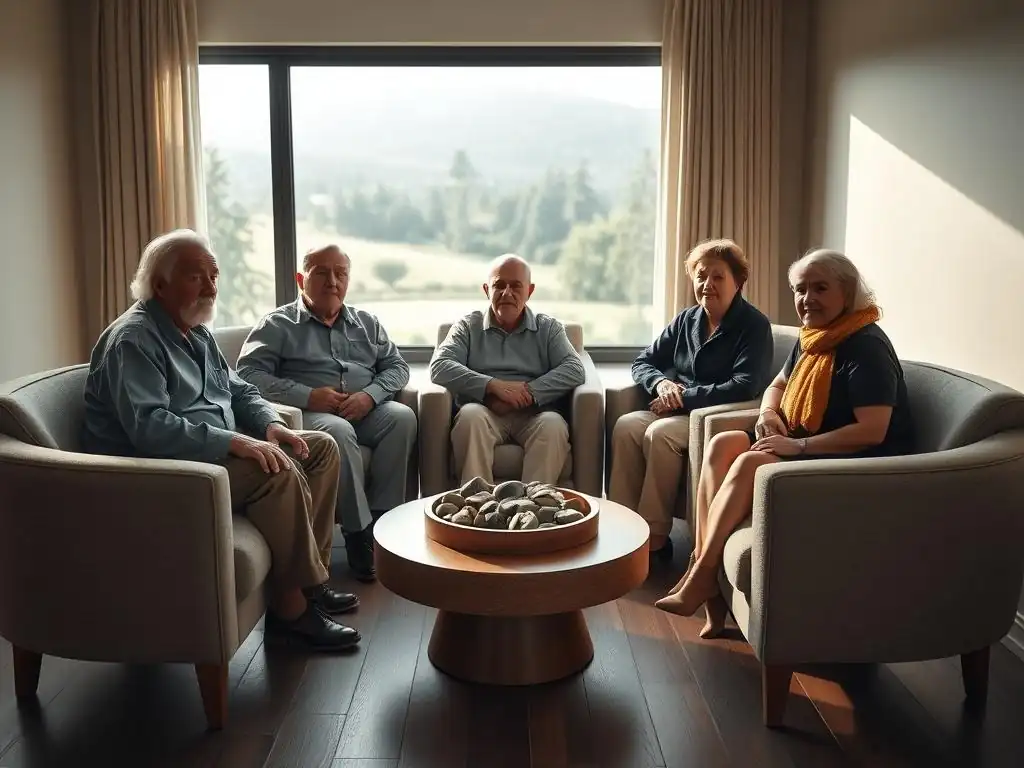
One of the most significant veteran peer support groups benefits is the unparalleled ability to build trust and rapport quickly. Veterans share a common language, understanding of military customs, and often, similar traumatic exposures or transitional challenges. This shared context creates an immediate foundation of credibility that can take much longer to establish in traditional therapy with a civilian provider. When one veteran shares an experience, like the hypervigilance common after deployment, others in the group instantly grasp the feeling without lengthy explanation.
This inherent understanding reduces the burden on the veteran to translate their experiences into terms digestible by someone without military background. It allows for deeper, more authentic sharing from the outset. The empathy derived from shared experience validates feelings and normalizes reactions that might feel isolating otherwise. This rapid establishment of trust is crucial for veterans who may be hesitant to open up about their mental health struggles, paving the way for the many other veteran peer support groups benefits they can access.
Reducing Stigma and Isolation: Finding Community and Acceptance
The military emphasis on strength can unfortunately contribute to a culture where seeking help for mental health is perceived as a weakness. This stigma is a major barrier to care. Veteran peer support groups directly counter this by creating safe spaces where vulnerability is not only accepted but encouraged. When a veteran sees others who have served, perhaps even those with distinguished careers, openly discussing their struggles with PTSD, anxiety, or depression, it significantly reduces the feeling that they are alone or somehow failing.
This shared vulnerability fosters a powerful sense of community and belonging. Many veterans feel isolated after leaving the structured environment of the military, losing daily contact with their comrades. Peer groups help fill this void, providing a supportive network of individuals who truly understand the unique challenges of transitioning to civilian life and managing the invisible wounds of service. This reduction in isolation and stigma is a core component of the veteran peer support groups benefits, making it easier for veterans to seek and receive ongoing support.
Enhancing Coping Skills and Resilience: Learning From Others
Veteran peer support groups serve as practical learning environments where veterans can exchange coping strategies that have worked for them. While therapists provide evidence-based techniques, peers offer real-world application and insights into what is effective specifically within the context of the veteran experience. For instance, a veteran might share how a specific routine helped manage anxiety triggers related to crowds, or how connecting with nature eased symptoms of depression.
This exchange of practical tips, combined with the emotional support received, helps veterans build resilience. They learn that recovery is possible and that they possess the inner strength to overcome challenges, often drawing on the very resilience honed during their military service. The group setting allows for brainstorming solutions to common problems, practicing communication skills, and developing healthy ways to navigate stress and emotional difficulties. These enhanced coping skills are among the tangible veteran peer support groups benefits.
Using Mindfulness Techniques to Manage Anxiety
Mindfulness is a valuable tool for managing symptoms of anxiety and PTSD, and veteran peer support groups can be a great place to learn about and practice these techniques in a supportive environment. Veterans in the group might share their experiences with using mindfulness exercises, such as focused breathing, body scans, or mindful walking, to help ground themselves during moments of heightened anxiety or to cope with intrusive thoughts. They can discuss what methods resonate most with them and how they integrate these practices into their daily routines.
Sharing personal experiences with mindfulness makes the techniques feel more accessible and less intimidating than learning them solely in a clinical setting. A peer might explain how practicing mindful breathing for just a few minutes each day helped reduce their overall stress levels, or how focusing on their senses during a walk outside helped them manage hypervigilance. This peer-to-peer sharing of practical application reinforces the value of these techniques and provides encouragement for others in the group to try them, contributing directly to the veteran peer support groups benefits related to symptom management.
Improved Mental Well-being: Quantifiable Benefits of Peer Support for Veterans
Research and anecdotal evidence consistently point to improved mental well-being as one of the key veteran peer support groups benefits. Studies, such as those tracking participants in VA peer support programs or initiatives like Wounded Warrior Project, often report positive outcomes including reduced symptoms of PTSD, anxiety, and depression. For example, a study might show that veterans participating in regular peer support reported a measurable decrease in the frequency and intensity of PTSD symptoms over a six-month period compared to a control group.
Beyond symptom reduction, participants often report increased social connectedness, improved overall mood, a greater sense of hope for the future, and enhanced coping abilities. These improvements are not just subjective; they can be observed in veterans' ability to maintain employment, improve relationships with family and friends, and engage more fully in their communities. The collective impact of trust, reduced stigma, shared coping strategies, and a sense of belonging contributes significantly to the overall mental health and quality of life for veterans engaged in peer support.
Finding the Right Veteran Peer Support Group: Options and Resources
Online Veteran Peer Support Communities: Connecting Virtually
In today's connected world, accessing veteran peer support groups benefits isn't limited to physical locations. Online communities provide a vital avenue for veterans to connect virtually, offering flexibility and accessibility, especially for those in rural areas, with mobility issues, or who prefer anonymity initially. These platforms can range from moderated forums and social media groups specifically for veterans to structured online peer support meetings facilitated via video conferencing.
The advantage of online communities is the ability to connect with a diverse group of veterans from different eras, service branches, and geographical locations, offering a wider range of perspectives. While they may lack the face-to-face interaction of in-person groups, they provide a convenient way to share experiences, seek advice, and offer support anytime, anywhere. Many reputable veteran service organizations host secure online platforms dedicated to peer connection, ensuring a safe and supportive environment for veterans exploring veteran peer support groups benefits from home.
Local Veteran Peer Support Programs: Finding In-Person Support
For many veterans, the direct, personal interaction offered by local, in-person veteran peer support groups is invaluable. These groups typically meet regularly at community centers, VA facilities, veteran service organizations, or churches. The physical presence allows for immediate non-verbal cues, stronger relationship building, and often, the opportunity for informal connection before or after meetings.
Finding local groups can involve reaching out to the nearest VA Medical Center, local veteran service organizations like the VFW or American Legion, or community mental health centers that may have veteran-specific programs. These groups often have a consistent membership, which can foster deep bonds and a strong sense of community over time. Participating in a local group can offer a tangible sense of shared space and experience that complements the benefits of peer interaction.
Wounded Warrior Project and its Peer Support Initiatives
Wounded Warrior Project (WWP) is a prominent example of an organization that places a strong emphasis on veteran peer support as a core component of its services. WWP offers various programs designed to connect injured veterans with one another, recognizing the powerful healing potential of shared experiences. Their initiatives include:
- Peer Support Groups: Facilitated group meetings where veterans discuss challenges and triumphs.
- Peer-to-Peer Mentoring: Matching veterans with similar backgrounds or challenges for one-on-one support.
- Connection Events: Social and recreational activities designed to build camaraderie and reduce isolation.
These programs are specifically structured to cultivate the veteran peer support groups benefits, helping warriors build relationships, gain confidence, and navigate the complexities of post-service life. WWP's focus on creating opportunities for veterans to connect with those who understand their unique experiences underscores the recognized power of peer support in the recovery journey.
How to Choose a Peer Support Group That Fits Your Needs
Selecting the right veteran peer support group is a personal process. It's important to consider several factors to find a good fit. First, think about your comfort level with sharing – some groups are highly structured with a specific focus (e.g., PTSD, substance use), while others are more open-ended. Consider the format: do you prefer in-person interaction or the flexibility of online participation? Think about the demographics – some veterans may prefer groups with peers from their specific service era or branch, while others benefit from a mix of experiences.
It's often helpful to visit a few different groups if possible before committing to one. Pay attention to the group's atmosphere, the facilitator's style (if applicable), and how comfortable you feel sharing and listening. Ask about the group's guidelines regarding confidentiality and participation. Finding a group where you feel safe, understood, and accepted is key to unlocking the full veteran peer support groups benefits. Remember, it's okay if the first group isn't the right fit; the goal is to find a supportive community where you can thrive.
Maximizing the Benefits of Veteran Peer Support
Actively Participating and Sharing Your Experiences
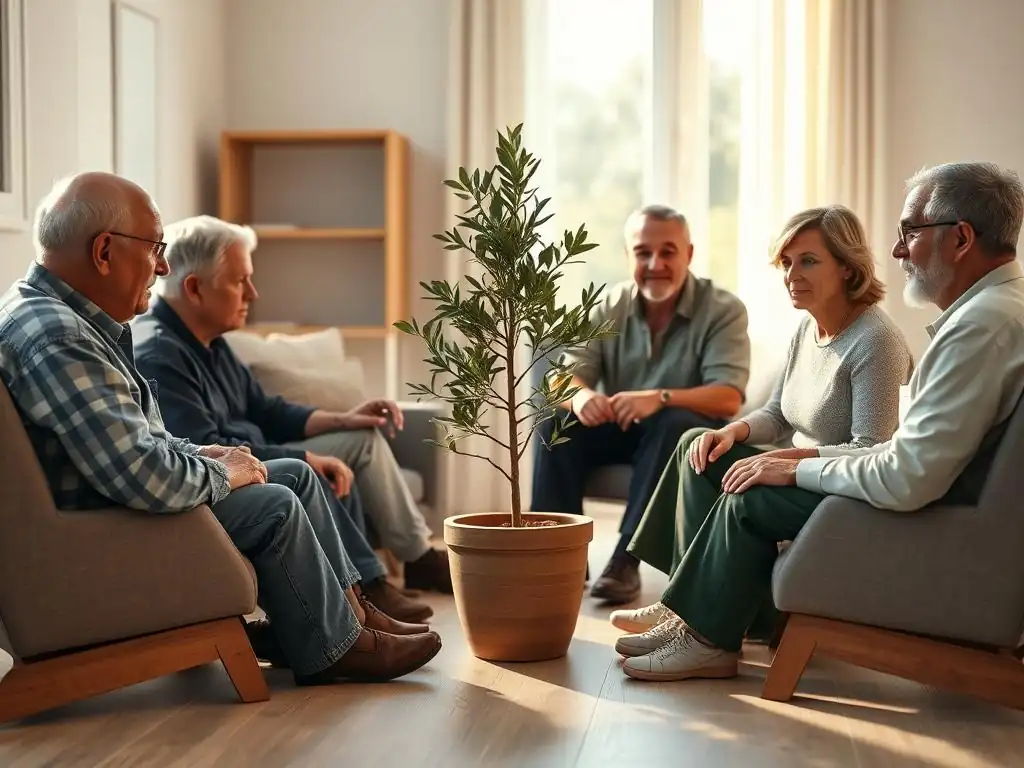
To truly gain the full veteran peer support groups benefits, active participation is crucial. While simply listening can be helpful initially, sharing your own experiences, challenges, and successes allows for deeper connection and mutual support. When you open up, you not only receive support but also provide others with the opportunity to relate, learn, and feel less alone in their own struggles. Sharing can feel daunting at first, but group facilitators and other members are typically understanding and supportive.
Think of the group as a safe space to practice being vulnerable and connecting with others. Your unique perspective and journey, whether it involves navigating the VA system, managing anxiety, or finding a new purpose after service, can offer valuable insights to someone else. Contributing to the conversation makes the experience richer for everyone and strengthens the bonds within the group, maximizing the collective veteran peer support groups benefits.
Setting Realistic Expectations and Being Patient
Peer support is a powerful tool, but it's important to approach it with realistic expectations. It is a journey, not a quick fix. Building trust within a group and feeling comfortable enough to share takes time. Don't expect to feel completely better after just one meeting. Healing is a process, and the benefits of peer support accumulate over consistent participation. Be patient with yourself and with the group process.
Some meetings might feel more impactful than others. There might be days when you feel you gain a lot from listening, and other days when sharing your own story is most beneficial. Understand that everyone in the group is also on their own path. Focusing on consistent attendance and engagement, even when it feels difficult, will yield the most significant and lasting veteran peer support groups benefits.
Integrating Peer Support with Other Mental Health Treatments
Veteran peer support is a valuable resource on its own, but its benefits are often maximized when integrated with other forms of mental healthcare. Peer support can complement traditional therapy, medication management, or other clinical treatments by providing a layer of social support and understanding that clinical settings may not fully address. A therapist can provide clinical strategies, while a peer can offer relatable experience on how to apply those strategies in daily veteran life.
Using peer support alongside therapy can provide a holistic approach to mental well-being. It offers a space to discuss challenges faced in therapy or with medication side effects with people who might have similar experiences, while also providing a supportive community outside of the clinical hour. Discussing how you plan to utilize veteran peer support groups with your therapist can also be beneficial, ensuring your support network works together towards your recovery goals.
The Future of Veteran Mental Health: The Growing Role of Peer Support
Advocacy for Increased Access to Veteran Peer Support Programs
The recognition of veteran peer support groups benefits is growing, leading to increased advocacy for greater access to these programs. Veteran service organizations, mental health advocates, and policymakers are highlighting the need to expand peer support services, ensuring they are readily available to veterans across the country, in both urban and rural areas. This includes advocating for funding, training programs for peer specialists, and integrating peer support more formally within healthcare systems like the VA.
Increased advocacy also focuses on educating veterans and their families about the existence and effectiveness of peer support. Many veterans may not be aware of peer support as an option or may not understand how it differs from clinical care. Efforts are underway to reduce the stigma associated with seeking any form of mental health support, including peer-based approaches, to encourage more veterans to connect with these valuable resources and experience the veteran peer support groups benefits firsthand.
Research on Long-Term Outcomes of Veteran Peer Support
While the anecdotal evidence and short-term study results are compelling, there is ongoing interest in conducting more extensive research on the long-term outcomes of veteran peer support. Researchers are looking to quantify the sustained impact of peer support on metrics such as hospitalization rates, employment stability, relationship quality, and overall life satisfaction over periods of several years. This research aims to provide robust data supporting the continued investment in and expansion of peer support programs.
Studies might track cohorts of veterans participating in peer support compared to those receiving only traditional care, assessing differences in relapse rates for conditions like PTSD or substance use disorder. The goal is to build an even stronger evidence base demonstrating that the veteran peer support groups benefits are not only significant in the short term but contribute to sustained recovery and improved quality of life throughout a veteran's civilian journey.
Ultimately, the growing role of veteran peer support in mental healthcare is about empowering veterans. By connecting with peers, veterans move from being passive recipients of care to active participants in their own and others' recovery journeys. They become resources for each other, drawing on their shared strengths and experiences to build a supportive community. This process inherently fosters a sense of purpose, agency, and hope.
Peer support leverages the inherent resilience and camaraderie that are hallmarks of military service, repurposing these strengths for the challenges of post-service life and mental health recovery. As peer support programs continue to grow and evolve, they will play an increasingly vital role in ensuring that veterans have access to the understanding, community, and support they need to heal and thrive. The expansion of veteran peer support groups benefits represents a promising direction for the future of veteran mental wellness.
Conclusion: Veteran Peer Support as a Vital Resource for Mental Health
Frequently Asked Questions
What are veteran peer support groups and how do they work?
These groups are composed of fellow veterans who share similar experiences. They offer a safe space for open communication and mutual support, fostering a sense of community.
What are the primary benefits of joining a veteran peer support group?
Benefits include reduced feelings of isolation, improved coping mechanisms, and increased emotional resilience. It's about connecting with others who truly understand.
Why do veterans often connect best with each other in these groups?
Shared military experiences create a unique bond of understanding and trust. This shared foundation makes it easier to relate and empathize, which is vital for healing.
How can peer support groups help veterans struggling with mental health challenges?
These groups provide a platform to share challenges, learn coping strategies, and access resources. They offer a non-judgmental environment to process trauma and build resilience.
Where can veterans find information and resources about joining a local peer support group?
Resources can be found through the Mind Care Guide website, the VA, and other veteran-focused organizations. Search for groups that are specifically tailored to your needs and experiences.
The invisible wounds of war often demand invisible solutions, and for veterans, that solution frequently lies within the strength and understanding found in peer support. The profound impact of shared trauma and the unique camaraderie forged in service create a bond that transcends traditional therapeutic models. This connection, built on mutual respect and lived experience, offers a level of comfort and validation unavailable elsewhere.
The ripple effect of effective veteran peer support groups is undeniable. It's not just about alleviating individual suffering; it's about fostering a culture of resilience and community within the veteran population. These groups provide a safe space for processing complex emotions, sharing coping strategies, and combating the pervasive sense of isolation that many veterans face upon returning home. The best way to find yourself is to lose yourself in the service of others,
– Mahatma Gandhi. This quote, while not specifically about veterans, perfectly encapsulates the transformative power of peer support – finding healing and purpose through connection and mutual aid.
Now, consider your own role in this vital network. Are you a veteran who could benefit from the support of a peer group? Or perhaps you're a family member, friend, or community member who wants to learn more about how to support veterans in your life. Take a moment to research local veteran organizations and peer support groups. Reach out, connect, and become part of a community that understands the unique challenges and triumphs of military service. Your involvement could make all the difference in the life of a fellow veteran.
Unlock Your Support Network: Connect with Fellow Veterans Today!
Thank you for taking the time to explore the power of peer support within the veteran community. We hope this article shed light on the unique benefits of connecting with those who understand your experiences. Now, it's time to take action and build your own supportive network.
- Join a local veteran's group or online forum: This is your primary step to finding camaraderie and shared understanding. Research groups near you or explore online communities dedicated to veteran support.
- Share this article with a fellow veteran: Help spread the word about the importance of peer connection and inspire others to seek support.
- Consider mentoring a newer veteran: Giving back can be incredibly rewarding and strengthens your own sense of community.
Ready to build stronger connections and find the support you deserve? What's one step you can take right now to engage with your fellow veterans?