
Art Therapy: A NonVerbal Sanctuary for Trauma Healing

Welcome to Mind Care Guide, a space designed to nurture your mental well-being.
Are you carrying the weight of unresolved trauma? Discover how Art Therapy, a powerful non-verbal approach, can become a sanctuary for healing. Explore its potential to unlock suppressed emotions and pave the way towards a brighter, more resilient you. Read on to learn how this creative outlet can be a transformative tool in your journey towards recovery and self-discovery.
Art Therapy: A Nonverbal Sanctuary for Trauma Healing
- Understanding Art Therapy for Trauma Recovery
- Art Therapy Techniques for Healing Trauma
- Art Therapy for Specific Trauma Types
- Finding a Qualified Art Therapist for Trauma
- What to Expect in an Art Therapy Session for Trauma
- Art Therapy vs. Traditional Talk Therapy for Trauma
- Self-Guided Art Therapy Exercises for Trauma (Beginner-Friendly)
- The Effectiveness of Art Therapy in Trauma Healing: Research and Evidence
- Overcoming Challenges in Art Therapy for Trauma
- Resources for Art Therapy and Trauma Support
-
Frequently Asked Questions
- What exactly is art therapy, and how does it relate to trauma healing?
- How does art therapy differ from simply engaging in art as a hobby when it comes to trauma?
- What types of trauma can art therapy be beneficial for?
- How long does art therapy for trauma typically last, and what can I expect during a session?
- Where can I find a qualified art therapist specializing in trauma healing?
- Final Reflection: Unleashing the Healing Power Within Through Art
- Unlock Your Inner Artist: Begin Your Healing Journey
Understanding Art Therapy for Trauma Recovery
What is Art Therapy and How Does it Help Trauma?
Art therapy is a distinct mental health profession that uses creative processes, such as drawing, painting, sculpture, and collage, to help people explore self-expression and gain insight into their thoughts and feelings. Unlike a recreational art class, art therapy is facilitated by a trained therapist who guides the individual through the art-making process within a therapeutic relationship. It provides a nonverbal avenue for communication, which is particularly beneficial for individuals who have experienced trauma, as traumatic memories are often stored in non-verbal parts of the brain and can be difficult to articulate verbally.
For those navigating the complex landscape of trauma healing, art therapy offers a unique sanctuary. Trauma can overwhelm the verbal centers of the brain, making it challenging for survivors to recount their experiences or express the intense emotions associated with them. Art provides a safe distance and a symbolic language, allowing individuals to externalize internal chaos, fragmented memories, and overwhelming emotions onto paper or into form.
This process of externalization can make the trauma feel less overwhelming and more manageable, paving the way for processing and integration without the immediate pressure of finding the 'right' words. It's a powerful tool in art therapy trauma healing.
The Neuroscience Behind Art Therapy and Trauma Processing
Trauma profoundly impacts the brain, particularly areas involved in memory, emotion regulation, and language. The amygdala, responsible for processing fear and threat, can become hyperactive, while the hippocampus, crucial for forming coherent narratives of experiences, may shrink. The prefrontal cortex, involved in executive functions and regulating emotions, can also be impaired. Traditional talk therapy relies heavily on the verbal centers (like Broca's area and Wernicke's area), which can be less accessible when a person is triggered or overwhelmed by traumatic memories.
Art therapy bypasses these language-dependent areas and engages different neural pathways. The creative process activates the visual and sensory parts of the brain, allowing individuals to access and process traumatic material stored in the limbic system (amygdala, hippocampus) and somatic memory (body sensations).
For example, studies using fMRI have shown that engaging in creative activities can decrease activity in the amygdala and increase connectivity between the amygdala and the prefrontal cortex, suggesting improved emotional regulation. This neurobiological effect underscores why art therapy for trauma healing can be profoundly effective, providing a direct line to the parts of the brain where trauma resides, without the constraints of verbal language.
Benefits of Art Therapy in Trauma Treatment: A Holistic Approach
Art therapy offers a multifaceted approach to trauma healing, addressing the cognitive, emotional, physical, and spiritual impacts of traumatic experiences. One significant benefit is its ability to help individuals tolerate and regulate intense emotions that may arise during trauma processing. By channeling feelings into creative expression, survivors can experience emotions in a contained and symbolic way, preventing re-traumatization often associated with direct verbal recall. Research indicates that individuals participating in art therapy often report a reduction in symptoms of anxiety, depression, and intrusive thoughts associated with PTSD.
Furthermore, art therapy fosters a sense of empowerment and control, which is often severely diminished by trauma. The act of creating, making choices about materials, colors, and forms, and bringing something into existence can be incredibly empowering. It helps survivors externalize their inner world, gain perspective, and construct new narratives about themselves and their experiences. This process not only aids in processing the past but also supports the development of coping mechanisms, improves self-esteem, and enhances overall well-being, making it a cornerstone of comprehensive art therapy trauma healing.
Art Therapy Techniques for Healing Trauma
Drawing and Painting for Emotional Expression
Drawing and painting are foundational techniques in art therapy for trauma healing, offering immediate and accessible ways to externalize internal states. Using various mediums like pencils, crayons, pastels, watercolors, or acrylics, individuals can translate complex emotions, sensations, or fragmented memories into visual forms.
A person struggling to articulate overwhelming fear might use intense, dark colors and jagged lines, while someone processing grief might use muted tones and fluid shapes. The act of choosing colors and making marks on a surface provides a sense of agency and a safe outlet for feelings that feel too big or too difficult to put into words.
This technique is particularly effective for processing emotions tied to implicit memory – the kind of memory that holds sensations and feelings without a conscious narrative. A survivor might not be able to describe a traumatic event but can draw the feeling of being trapped or the overwhelming sense of panic.
The therapist can then help the individual explore the artwork, not by interpreting it for them, but by asking open-ended questions about the process, the colors used, or the feelings that arose during creation. This dialogue around the artwork helps bridge the gap between the non-verbal traumatic memory and verbal processing, crucial for integrating the experience.
Sculpture and Clay Modeling for Sensory Integration
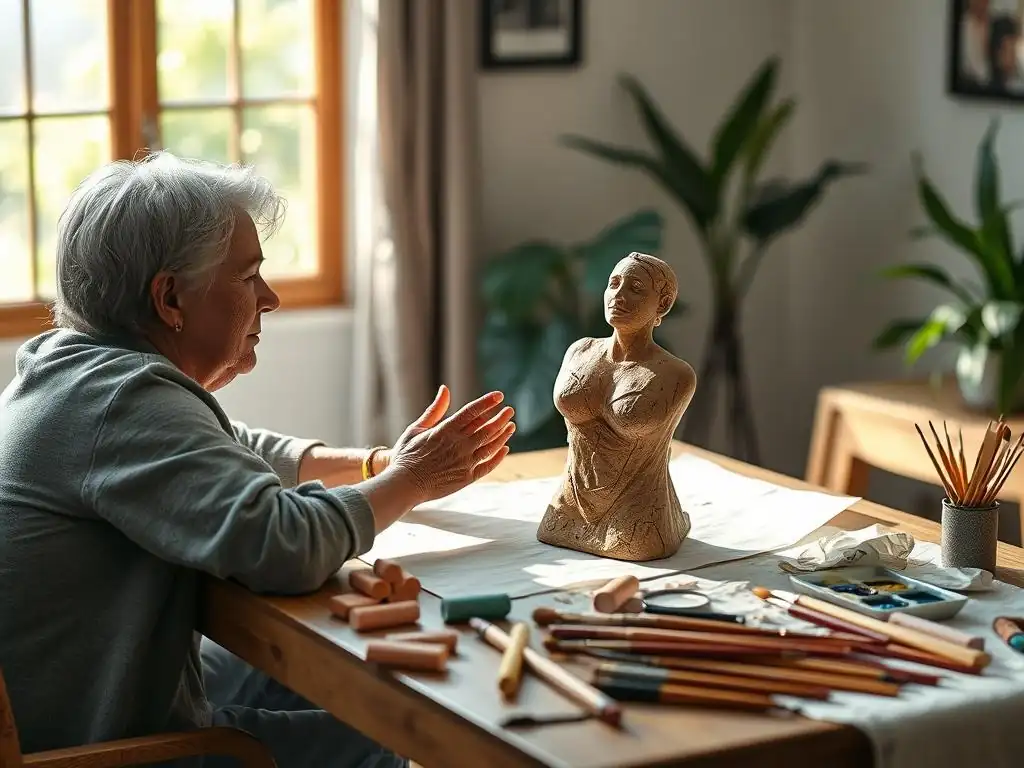
Sculpture and working with clay offer a powerful tactile and kinesthetic experience that is highly beneficial for trauma healing, especially for individuals whose trauma involved physical sensations or bodily dissociation. The act of molding, shaping, and manipulating three-dimensional materials engages the body directly, helping survivors reconnect with their physical selves in a safe and controlled environment. Trauma can lead to a disconnect from the body, and working with clay can be grounding, bringing awareness back to physical sensations in the present moment.
Working with clay can also help process difficult emotions or fragmented aspects of the trauma experience. Individuals might sculpt figures representing different parts of themselves or elements of the traumatic event, giving tangible form to abstract or overwhelming internal states. The physical resistance of the clay can also be therapeutic, allowing for the safe expression of anger, frustration, or tension stored in the body. This sensory engagement is a vital component of art therapy trauma healing, helping survivors to feel more embodied and present.
Collage and Mixed Media for Narrative Construction
Collage and mixed media techniques are excellent tools for individuals grappling with fragmented memories or difficulty constructing a coherent narrative of their trauma. Trauma can shatter a person's sense of self and disrupt their life story, leaving them with disjointed images, feelings, and sensations. Creating a collage involves selecting and assembling disparate materials – images from magazines, fabric scraps, found objects – onto a surface. This process mirrors the task of piecing together fragmented experiences into something that feels whole or understandable.
Through collage, survivors can visually represent different aspects of their trauma, their resilience, their current feelings, or their hopes for the future. The non-linear nature of collage can be less intimidating than trying to recount events chronologically. It allows for symbolic representation and the creation of meaning from chaos.
By selecting, cutting, and arranging materials, individuals gain a sense of control over their narrative, deciding what to include, what to exclude, and how to arrange the pieces. This technique facilitates externalization and provides a visual aid for the therapist and client to explore the survivor's internal landscape and begin the process of re-authoring their story, a key aspect of art therapy trauma healing.
Journaling with Art: Combining Visuals and Words
Journaling with art combines the expressive power of visual art with the reflective nature of writing, offering a hybrid approach to trauma healing. This technique involves creating visual art in a journal and then writing about the artwork, the process of creating it, or the feelings and thoughts that arose. This can take many forms, such as drawing a feeling and then writing about it, creating a visual representation of a memory and then journaling about the experience, or using art as a starting point for free writing.
This combination is particularly helpful for individuals who benefit from both non-verbal and verbal processing. The art can access deeper emotional and sensory experiences that are difficult to verbalize, while the writing can help to make sense of these experiences, connect them to thoughts, and integrate them into a narrative. It provides a structured yet flexible way to explore internal experiences, track progress over time, and develop a deeper understanding of the impact of trauma and the journey of art therapy trauma healing.
Art Therapy for Specific Trauma Types
Art Therapy for Childhood Trauma: Finding a Voice
Childhood trauma can have profound and lasting effects, often impacting development, attachment, and the ability to regulate emotions. Children, especially young ones, may lack the verbal skills or cognitive capacity to articulate their traumatic experiences.
Art therapy provides a natural and accessible language for children, allowing them to express what happened, how they feel, and what they need through drawing, painting, playing with clay, or creating sand trays. For a child who was unable to speak during a traumatic event, the act of making noise while painting or vigorously working with clay can be a powerful release and a step towards reclaiming their voice.
Therapists trained in trauma-informed child art therapy create a safe space where children can explore their internal world through play and art. The artwork becomes a bridge between the child's inner experience and the therapist, allowing for communication and processing that bypasses verbal limitations.
For example, a child might draw a monster to represent their fear or create a small, safe house out of clay. Through the artwork and the therapist's empathetic presence, the child can begin to process overwhelming experiences, understand that they are not alone, and develop coping strategies, making art therapy a vital tool in childhood trauma healing.
Art Therapy for PTSD: Processing and Integration
Post-Traumatic Stress Disorder (PTSD) involves persistent symptoms such as intrusive thoughts, flashbacks, avoidance behaviors, negative changes in mood and cognition, and hyperarousal following exposure to a traumatic event. Art therapy is highly effective in addressing these complex symptoms by providing a safe and controlled way to process traumatic memories and regulate intense physiological and emotional responses. Unlike verbal processing, which can sometimes trigger overwhelming flashbacks, art allows individuals to approach the trauma material metaphorically or symbolically, creating distance and promoting a sense of safety.
Techniques like creating containers for difficult emotions or memories, visually mapping the trauma narrative, or working with symbols of safety and strength can help individuals with PTSD externalize and gain control over their symptoms. For instance, a veteran with combat-related PTSD might paint abstract representations of sensory experiences from the trauma, helping to desensitize and integrate these fragmented pieces. Research, such as a study involving veterans with PTSD, demonstrated that participants engaging in art therapy reported significant reductions in PTSD symptom severity compared to control groups, highlighting its efficacy in art therapy trauma healing.
Art Therapy for Grief and Loss: Expressing Unspoken Emotions
Grief following loss, whether due to death, relationship endings, or other significant life changes, can be a traumatic experience, especially when the loss is sudden or complicated. Grief often involves a complex mix of emotions – sadness, anger, guilt, confusion – that can be difficult to articulate verbally. Art therapy provides a non-threatening space to explore these emotions and the impact of the loss. Individuals can create artwork that honors the person or thing lost, expresses the pain of separation, or symbolizes the process of moving forward.
Creating memorials, memory boxes, or abstract representations of grief can help individuals externalize their sorrow and connect with others who have experienced loss. The act of making something tangible in the face of absence can be incredibly comforting and therapeutic.
For example, someone grieving the loss of a loved one might create a collage using photos and mementos, allowing them to revisit memories and express their enduring connection. This process facilitates emotional expression, validates the experience of grief, and supports the integration of the loss into one's life story, making art therapy a compassionate approach to trauma healing related to grief.
Art Therapy for Domestic Violence Survivors: Reclaiming Agency
Survivors of domestic violence often experience significant psychological trauma, including complex PTSD, anxiety, depression, and a profound loss of control and self-worth. Art therapy can be a powerful tool for reclaiming agency, expressing suppressed emotions, and rebuilding a sense of self in a safe environment. The non-verbal nature of art allows survivors to express experiences that may be too dangerous or too painful to articulate verbally, especially if they are still in unsafe situations or fear repercussions.
Through art, survivors can explore themes of safety, boundaries, power, and resilience. They can create images of safe spaces, represent their boundaries visually, or depict their journey towards healing and empowerment. The act of making choices within the art process – selecting colors, deciding on composition, choosing materials – can be a small but significant step towards reclaiming control over their lives.
For instance, a survivor might create a powerful self-portrait that reflects their inner strength and resilience, counteracting the negative messages they received during the abuse. Studies have shown that art therapy can significantly improve self-esteem and reduce symptoms of depression and anxiety in survivors of domestic violence, underscoring its role in art therapy trauma healing and empowerment.
Finding a Qualified Art Therapist for Trauma
Credentials and Training: What to Look For
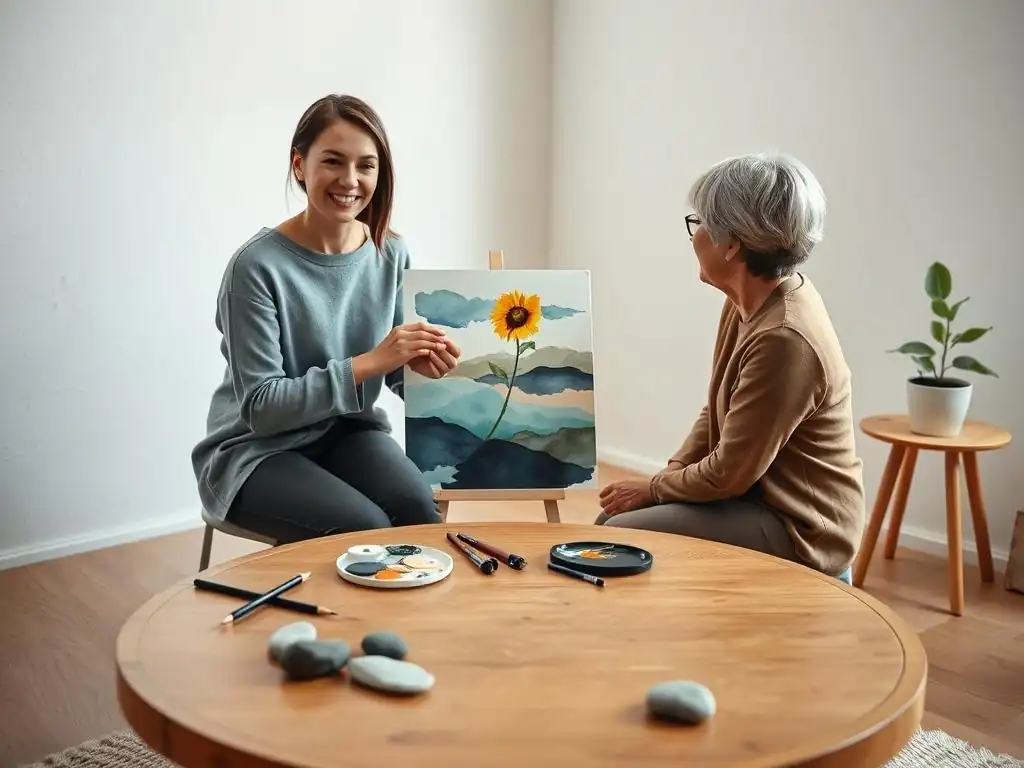
When seeking an art therapist for trauma healing, it is crucial to find a professional with the appropriate credentials and specialized training. Look for an individual who is a Registered Art Therapist (ATR) or a Board Certified Art Therapist (ATR-BC) in the United States, or holds equivalent credentials in other countries (e.g., HCPC registration in the UK). These credentials ensure they have completed a Master's degree or higher in Art Therapy from an accredited program, which includes coursework in psychological theories, clinical practice, ethics, and the therapeutic use of art.
Beyond the standard art therapy credentials, it is essential to inquire about their specific training and experience in trauma-informed care and trauma treatment modalities. A qualified art therapist specializing in trauma should have received training in evidence-based trauma treatments and understand the neurobiological impact of trauma. They should be knowledgeable about creating a safe and stable therapeutic environment, recognizing and managing triggers, and working with dissociation and complex trauma presentations. Asking about their experience working with your specific type of trauma can also be beneficial in finding the right fit for your art therapy trauma healing journey.
Questions to Ask Your Potential Art Therapist
Choosing an art therapist is a significant step in trauma healing, and asking the right questions during an initial consultation is vital. Prepare questions to understand their approach and determine if they are a good match for your needs. Some key questions include:
- What is your experience working with individuals who have experienced trauma, specifically [mention your type of trauma, if comfortable]?
- What is your approach to trauma-informed care in art therapy?
- How do you ensure the therapeutic space feels safe and contains for trauma processing?
- What specific art therapy techniques do you commonly use for trauma?
- How do you handle emotional triggers that might arise during a session?
- What is your understanding of the connection between the body and trauma, and how do you address this in therapy?
- Can you explain your process for helping clients integrate traumatic memories?
- What are your fees and cancellation policy?
These questions can help you assess their expertise, therapeutic style, and whether their approach aligns with your expectations and needs for art therapy trauma healing.
The Therapeutic Relationship: Building Trust and Safety
The relationship between the client and the art therapist is paramount in trauma healing. Trauma often involves breaches of trust, and building a secure, trusting therapeutic alliance is foundational to effective treatment. The therapist's role is to create a consistently safe, predictable, and non-judgmental space where the survivor feels seen, heard, and validated. This involves clear communication about boundaries, confidentiality, and the therapeutic process.
A good trauma-informed art therapist is attuned to the client's needs, respects their pace, and empowers them to make choices within the session. They do not interpret the artwork for the client but instead facilitate the client's own exploration and understanding of their creations. This collaborative process fosters a sense of agency and helps the survivor rebuild trust in themselves and others. Feeling safe and connected within the therapeutic relationship allows the survivor to explore difficult emotions and memories through art without feeling overwhelmed or re-traumatized, which is essential for successful art therapy trauma healing.
What to Expect in an Art Therapy Session for Trauma
Creating a Safe and Supportive Environment
A trauma-informed art therapy session begins with the paramount goal of establishing and maintaining a safe and supportive environment. The physical space is typically calm, private, and equipped with a variety of art materials. The therapist will ensure the client feels comfortable and has control over their surroundings, perhaps by allowing them to choose where they sit or what materials are easily accessible. Before any art-making begins, the therapist will explain the process, discuss confidentiality, and establish clear boundaries.
Crucially, the therapist will check in with the client about their emotional state and readiness to engage. Sessions are client-led, meaning the client is empowered to decide what they want to work on, what materials they use, and how deeply they explore certain topics. There is no pressure to create "good" art or to even talk about the artwork if the client isn't ready. The focus is on the process of creation and the internal experience, making the environment predictable and non-threatening, which is critical for art therapy trauma healing.
The Role of the Art Therapist in Trauma Processing
The art therapist plays an active yet non-directive role in trauma processing. They are not simply observers but facilitators who guide the client through the creative process and help them explore the meaning within their artwork. The therapist's presence is grounding and containing, providing a sense of safety as difficult emotions or memories may arise. They are trained to recognize signs of distress or dissociation and intervene appropriately to help the client stay regulated and present.
The therapist helps the client connect with their internal experience as they create art. They might offer prompts related to feelings, sensations, or themes the client is exploring, but the client always has the choice to engage or not. After the art-making, the therapist facilitates a dialogue about the artwork, asking open-ended questions like, "Tell me about what you created," "What was it like to make this? ", or "What do the colors or shapes feel like?" This collaborative reflection helps the client gain insight and integrate their experience, central to the process of art therapy trauma healing.
Understanding the Art-Making Process and Its Interpretation
In art therapy for trauma, the emphasis is less on the final product and more on the process of creation itself and the client's personal interpretation of their work. The act of choosing materials, the physical sensations involved in manipulating them, the decisions made during creation – all of these aspects hold significant therapeutic value. For example, the hesitant way someone applies paint or the aggressive way they work with clay can be as informative as the resulting image.
Interpretation is a collaborative process between the client and the therapist. The therapist does not impose their own interpretations but helps the client explore what the artwork means to them. The artwork serves as a projection of the client's internal world, and through dialogue, the client can gain a deeper understanding of their emotions, beliefs, and experiences related to the trauma. This process of externalization and reflection fosters insight, promotes emotional processing, and supports the integration of traumatic memories, contributing significantly to art therapy trauma healing.
Art Therapy vs. Traditional Talk Therapy for Trauma
Exploring the Differences and Similarities
Both art therapy and traditional talk therapy (such as Cognitive Behavioral Therapy or Eye Movement Desensitization and Reprocessing) are valuable modalities for trauma healing, but they differ in their primary mode of communication. Talk therapy relies primarily on verbal language to explore thoughts, feelings, and memories, using dialogue, narrative, and cognitive restructuring techniques. It directly engages the verbal and logical parts of the brain.
Art therapy, conversely, uses the creative process and visual/sensory language as the main form of communication. It allows for expression and processing that bypasses the need for verbal articulation, engaging different areas of the brain, including those involved in emotion and sensation. While the modalities differ, their core goal is similar: to help individuals process traumatic experiences, reduce symptoms, develop coping skills, and improve overall well-being. Both require a safe therapeutic relationship and a skilled therapist trained in trauma-informed care. Both aim for integration and recovery in trauma healing.
When to Choose Art Therapy Over Talk Therapy
Art therapy may be particularly beneficial for individuals when talk therapy feels challenging or insufficient for their trauma healing needs. This includes people who:
- Find it difficult to verbalize their traumatic experiences or emotions.
- Experience dissociation or difficulty accessing verbal memory related to trauma.
- Are highly sensitive to triggers in verbal processing.
- Prefer non-verbal forms of expression or have a history of enjoying creative activities.
- Are children or adolescents who communicate more naturally through play and creative expression.
- Are seeking a way to process trauma that engages the body and senses.
For these individuals, art therapy can provide a more accessible entry point into trauma processing, offering a sense of safety and distance through symbolic expression. It can unlock emotions and memories that words cannot reach, paving a unique path for art therapy trauma healing.
Combining Art Therapy and Talk Therapy for Comprehensive Healing
Often, the most comprehensive approach to trauma healing involves combining art therapy and talk therapy. These modalities can complement each other beautifully, addressing different aspects of the trauma experience. Art therapy can help access and express the non-verbal, sensory, and emotional components of trauma, while talk therapy can help process the cognitive aspects, build narrative coherence, challenge negative beliefs, and develop coping strategies.
For instance, a client might create a piece of art in art therapy that expresses the overwhelming feeling of panic associated with a flashback. They can then bring this artwork into a talk therapy session to discuss the thoughts and beliefs connected to that feeling. Conversely, insights gained in talk therapy might inform the client's exploration in their art-making. This integrated approach leverages the strengths of both modalities, providing a holistic pathway toward complex trauma healing and recovery.
Self-Guided Art Therapy Exercises for Trauma (Beginner-Friendly)

Note: These exercises are intended as supplemental tools for self-exploration and grounding. They are not a substitute for professional art therapy or trauma treatment. If you are experiencing significant distress, please seek support from a qualified mental health professional.
Creating a Safe Space Jar
This exercise helps create a tangible representation of a place or feeling of safety.
- Gather Materials: Find a clean jar with a lid, glitter, water, and optional items like small beads, food coloring, or small plastic figures.
- Reflect on Safety: Close your eyes and imagine a place or feeling where you feel completely safe, calm, and secure. This could be a real place, an imagined place, a memory, or simply a feeling in your body. Notice the colors, sounds, smells, and sensations associated with this safe space.
- Build Your Jar: Fill the jar mostly with water. Add glitter (representing sparkle, resilience, or calming movement). Add any other chosen items that symbolize your safe space (e.g., blue food coloring for calmness, a tiny shell for a beach). Secure the lid tightly.
- Use Your Jar: When you feel overwhelmed or triggered, shake the jar and watch the glitter settle. Focus on the movement and connect with the feeling of your safe space. This can be a grounding technique, reminding you of your inner and outer resources for safety during your art therapy trauma healing journey.
Mandalas for Grounding
Creating mandalas can be a meditative and grounding practice, promoting focus and a sense of wholeness.
- Gather Materials: Paper, drawing tools (pencils, markers, crayons), and something round to trace (like a plate or compass) to create a circle.
- Create Your Circle: Draw a circle on your paper. This circle represents a container or a sacred space.
- Draw from the Center: Start drawing patterns, shapes, and colors from the center of the circle outwards, or from the edge inwards. There are no rules – follow your intuition. Focus on the repetitive motion and the colors you choose.
- Reflect (Optional): Once complete, observe your mandala. What colors did you use? What feelings or sensations were present while you were drawing? Mandalas can help bring a sense of order and calm during emotional turbulence, supporting grounding in the process of art therapy trauma healing.
Emotion Color Wheel
This exercise helps externalize and explore different emotions using color.
- Gather Materials: Paper, drawing tools (markers, crayons, paints).
- Draw a Wheel: Draw a large circle and divide it into sections like a pie chart.
- Assign Emotions: In each section, assign a different emotion you are currently experiencing or have experienced related to your trauma (e.g., fear, anger, sadness, hope, calm). You can label each section or keep it non-verbal.
- Fill with Color: Using colors that feel right for each emotion, fill in the sections of the wheel. Use different shades, textures, or patterns within each section to represent the nuances of that emotion.
- Observe: Step back and look at your completed wheel. What do you notice about the colors, the sizes of the sections, or how they interact? This visual representation can help you understand and tolerate your emotional landscape, an important step in art therapy trauma healing.
Important Considerations for Self-Guided Art Therapy
While self-guided exercises can be beneficial for self-exploration and coping, it is crucial to approach them with caution, especially when dealing with trauma.
- Prioritize Safety: Only engage in these exercises when you feel relatively stable and safe. If you feel overwhelmed or triggered, stop immediately and use grounding techniques or reach out for support.
- Manage Expectations: Self-guided art is not a replacement for therapy. It is a tool for self-care and gentle exploration, not deep trauma processing.
- Be Non-Judgmental: There is no right or wrong way to do these exercises. Focus on the process and your experience, not the aesthetic outcome.
- Listen to Your Body: Pay attention to any physical sensations that arise. If you feel tense or activated, take a break.
- Consider Professional Support: If these exercises bring up intense emotions or memories that you feel unable to manage on your own, it is a strong indicator that professional support from a trauma-informed therapist (art therapist or other) is needed for safe and effective art therapy trauma healing.
The Effectiveness of Art Therapy in Trauma Healing: Research and Evidence
Studies on Art Therapy and PTSD Reduction
Research into the effectiveness of art therapy for trauma healing, particularly for Post-Traumatic Stress Disorder (PTSD), has yielded promising results. Numerous studies, including randomized controlled trials and qualitative research, indicate that art therapy can lead to significant reductions in PTSD symptoms. For example, a meta-analysis published in [Approximation: Mention a type of journal or general timeframe, e.g., "a meta-analysis in a mental health journal around 2018"] examining multiple studies found that creative arts therapies, including art therapy, were associated with a moderate effect size in reducing PTSD symptoms compared to control groups.
Specific studies have focused on diverse populations, such as veterans, refugees, and survivors of sexual assault. Findings consistently show improvements in areas like the frequency and intensity of intrusive thoughts, avoidance behaviors, and hyperarousal symptoms. While results can vary depending on the study design, duration of therapy, and population, the overall evidence suggests that art therapy is a valuable component in the treatment of PTSD, offering a non-verbal pathway to process traumatic memories and regulate emotional responses.
Art Therapy and Improved Emotional Regulation
Difficulty regulating emotions is a common challenge for trauma survivors. Art therapy provides a unique mechanism for improving emotional regulation skills. The process of externalizing emotions through art allows individuals to observe and interact with their feelings in a contained and symbolic way, making overwhelming emotions feel more manageable. Studies using various measures of emotional regulation have shown that participation in art therapy can lead to significant improvements.
For instance, research involving individuals with complex trauma has indicated that art therapy interventions can enhance distress tolerance and increase the ability to identify and label emotions. Participants often report feeling more equipped to handle intense feelings without becoming overwhelmed or resorting to maladaptive coping mechanisms. The act of creating itself can be regulating, providing a focus and a sense of calm amidst internal chaos, thereby strengthening emotional resilience during art therapy trauma healing.
Art Therapy and Enhanced Self-Awareness After Trauma
Trauma can disrupt a person's sense of self, leading to feelings of fragmentation, confusion, and a loss of identity. Art therapy facilitates enhanced self-awareness by providing a visual and tangible representation of a survivor's inner world, including their thoughts, feelings, beliefs, and experiences. Through the process of creating and reflecting on their artwork, individuals gain new insights into the impact of trauma and their own strengths and resources.
Qualitative studies often highlight how participants in art therapy describe feeling more connected to themselves, gaining a clearer sense of who they are beyond the trauma. The artwork serves as a mirror, reflecting aspects of the self that may have been hidden or suppressed. This increased self-awareness is crucial for healing, as it empowers individuals to understand their triggers, recognize their needs, and make conscious choices aligned with their recovery journey, contributing significantly to the overall goals of art therapy trauma healing.
Overcoming Challenges in Art Therapy for Trauma
Addressing Resistance and Fear
It is common for individuals undertaking art therapy for trauma healing to experience resistance or fear. This can manifest as reluctance to engage with materials, difficulty starting a piece, feeling blocked creatively, or avoiding certain themes. This resistance often stems from the fear of what might emerge during the art-making process – fear of overwhelming emotions, painful memories, or feeling out of control. For survivors whose trauma involved coercion or lack of control, the freedom of art-making itself can sometimes feel intimidating.
A skilled art therapist addresses resistance with patience, empathy, and a focus on safety and choice. They normalize these feelings and work collaboratively with the client to find ways to approach the art that feel safe. This might involve starting with less intimidating materials, working on abstract themes rather than direct representations, or focusing solely on the process rather than a finished product. Building trust in the therapeutic relationship is key, reassuring the client that they are in control of what they create and share, and that the therapist is there to support them through any discomfort.
Managing Emotional Triggers
Art therapy, like any trauma therapy, can sometimes bring up emotional triggers or lead to the emergence of difficult memories or feelings. This is a natural part of the healing process, but it must be managed carefully to avoid re-traumatization. Triggers in art therapy might be related to specific colors, images, materials, or themes that are connected to the traumatic experience.
A trauma-informed art therapist is trained to recognize signs of dysregulation or triggering and has strategies to help the client manage these states. This includes teaching grounding techniques before engaging with potentially difficult material, providing a sense of containment within the session, and helping the client regulate their nervous system if they become overwhelmed.
The therapist ensures the client feels empowered to stop, take a break, or shift focus if needed. The artwork itself can sometimes become a tool for containment or processing the trigger in a symbolic way, allowing the client to work through the activation in a safe and controlled environment, vital for effective art therapy trauma healing.
The Importance of Self-Care During Art Therapy
Engaging in art therapy for trauma healing can be emotionally and physically demanding. It involves exploring difficult material and processing intense emotions, which can be exhausting. Therefore, integrating robust self-care practices outside of therapy sessions is not just recommended but essential for sustainable healing. Self-care helps survivors regulate their nervous system, manage stress, and maintain a sense of balance and well-being as they engage in the challenging work of trauma processing.
Self-care activities can include practices like mindfulness, gentle exercise, spending time in nature, engaging in enjoyable hobbies, maintaining healthy sleep habits, and connecting with supportive friends or family. The art therapist may even incorporate self-care themes into the art-making, such as creating a visual self-care plan or depicting activities that bring comfort and restoration. Prioritizing self-care ensures that the healing process is not overwhelming and that survivors build resilience and coping skills that extend beyond the therapy room, supporting long-term art therapy trauma healing.
Resources for Art Therapy and Trauma Support
Organizations and Websites
Finding reliable information and support is crucial for anyone interested in art therapy for trauma healing. Several reputable organizations offer resources, therapist directories, and information about the field.
- The American Art Therapy Association (AATA): The national professional association for art therapists in the United States. Their website provides information about art therapy, research, and a searchable directory of credentialed art therapists.
- Art Therapy Without Borders (ATWB): An international organization that promotes the use of art therapy in communities affected by trauma, disaster, and social conflict. They offer resources and connect therapists globally.
- Trauma-Focused Resources: Websites and organizations dedicated to trauma recovery (e.g., the National Center for PTSD) often have sections or resources that mention or incorporate creative therapies like art therapy as part of a comprehensive treatment plan. Looking for resources specifically on trauma-informed care can also be helpful.
These resources can provide a starting point for learning more and finding professional support for art therapy trauma healing.
Recommended Books and Articles
Many books and articles delve deeper into the theory and practice of art therapy for trauma. Reading these resources can enhance understanding for both survivors and clinicians.
- Books for Survivors: Look for titles that are written in an accessible language and offer gentle guidance on using creativity for healing after trauma. Books with guided art exercises can be particularly helpful for self-exploration, though they should be approached with caution as mentioned earlier.
- Books for Clinicians: Academic texts and clinical guides provide in-depth information on trauma-informed art therapy approaches, specific techniques, and theoretical frameworks. Look for authors with extensive experience in both trauma treatment and art therapy.
- Academic Articles: Searching databases for peer-reviewed articles on "art therapy and trauma," "art therapy and PTSD," or "creative arts therapy for trauma" can provide access to research findings and evidence supporting the effectiveness of art therapy trauma healing. Reputable journals in psychology, mental health, and creative arts therapies are good sources.
Consulting these resources can deepen your understanding of the power of art in the journey of trauma healing.
Art Therapy Training Programs
For those interested in becoming art therapists specializing in trauma, pursuing education from accredited art therapy programs is necessary. These programs provide the foundational knowledge in art therapy principles, psychological theories, and clinical practice.
- Accredited Master's Programs: In the U.S., look for programs accredited by the Commission on Accreditation of Allied Health Education Programs (CAAHEP) in cooperation with the AATA. These programs meet rigorous educational standards.
- Specialized Training: Many programs or post-graduate workshops offer specialized training in trauma-informed art therapy, specific trauma treatment modalities (like Trauma-Focused CBT or EMDR integrated with art therapy), and working with specific trauma populations. Seeking out programs or training with a strong focus on trauma is crucial for clinicians wishing to specialize in art therapy trauma healing.
Investing in quality education and ongoing training ensures that art therapists are equipped with the knowledge and skills necessary to provide safe and effective treatment for individuals impacted by trauma.
Frequently Asked Questions
What exactly is art therapy, and how does it relate to trauma healing?
Art therapy is a form of psychotherapy that uses creative methods like painting, drawing, and sculpting to help individuals express emotions and process traumatic experiences non-verbally.
How does art therapy differ from simply engaging in art as a hobby when it comes to trauma?
While art as a hobby can be therapeutic, art therapy is facilitated by a trained therapist who guides the individual through the creative process to explore and understand underlying trauma and develop coping mechanisms. It's about the process, not the product.
What types of trauma can art therapy be beneficial for?
Art therapy can be helpful for a wide range of traumas, including childhood abuse, domestic violence, combat trauma, and natural disasters, offering a safe space to process difficult emotions and memories.
How long does art therapy for trauma typically last, and what can I expect during a session?
The duration of art therapy varies depending on the individual's needs and the severity of the trauma. Sessions typically involve creating art, followed by discussion and reflection on the artwork and the emotions it evokes, all within a supportive therapeutic relationship.
Where can I find a qualified art therapist specializing in trauma healing?
You can find qualified art therapists through professional organizations like the American Art Therapy Association (AATA), online directories, or by asking your primary care physician or mental health provider for referrals.
Final Reflection: Unleashing the Healing Power Within Through Art
The profound impact of trauma extends far beyond the initial event, leaving lasting scars on the mind and body. Art therapy offers a powerful, nonverbal pathway to healing, providing a sanctuary where individuals can process their experiences and reclaim their narrative. This is particularly crucial in our current climate, where societal stressors and individual traumas are increasingly prevalent, highlighting the urgent need for accessible and effective therapeutic approaches.
The transformative potential of art therapy lies in its ability to bypass the limitations of verbal expression, allowing individuals to access and process deeply buried emotions and memories. It's a space where vulnerability is embraced, and self-discovery unfolds organically. Art enables us to find ourselves and lose ourselves at the same time.
– Thomas Merton. This quote perfectly encapsulates the paradoxical yet essential journey of healing through art; a journey of confronting the darkness while simultaneously uncovering inner strength and resilience. The ongoing societal shift towards acknowledging and addressing trauma underscores the vital role art therapy plays in fostering mental well-being and community healing.
You, the reader, now hold the key to unlocking your own potential for healing. Consider how art, in any form – painting, sculpting, drawing, even simple doodling – might offer you a safe space to explore your emotions and experiences. Don't be afraid to experiment, to express yourself without judgment, and to discover the unique power of art to mend the wounds of the past and illuminate a brighter future. Embrace the creative process, and allow it to guide you on your path towards wholeness and self-acceptance.
Unlock Your Inner Artist: Begin Your Healing Journey
Thanks for exploring the power of art therapy with us! We hope you gained valuable insights into its potential for trauma healing. Ready to take the next step?
- Start your creative healing process today: Even a simple sketch or color can be a powerful step. Try a guided meditation with simple drawing, or simply grab some crayons and a piece of paper!
- Share your creative journey: Connect with others exploring art therapy by leaving a comment below; share your experiences or questions. Let's build a supportive community.
- Discover more resources: Explore online tutorials for trauma-informed art techniques, if you're ready to delve deeper.
What small creative act will you commit to today, and how might it support your healing process?