
Resources for Alzheimer's Caregivers: Specific Support & Information

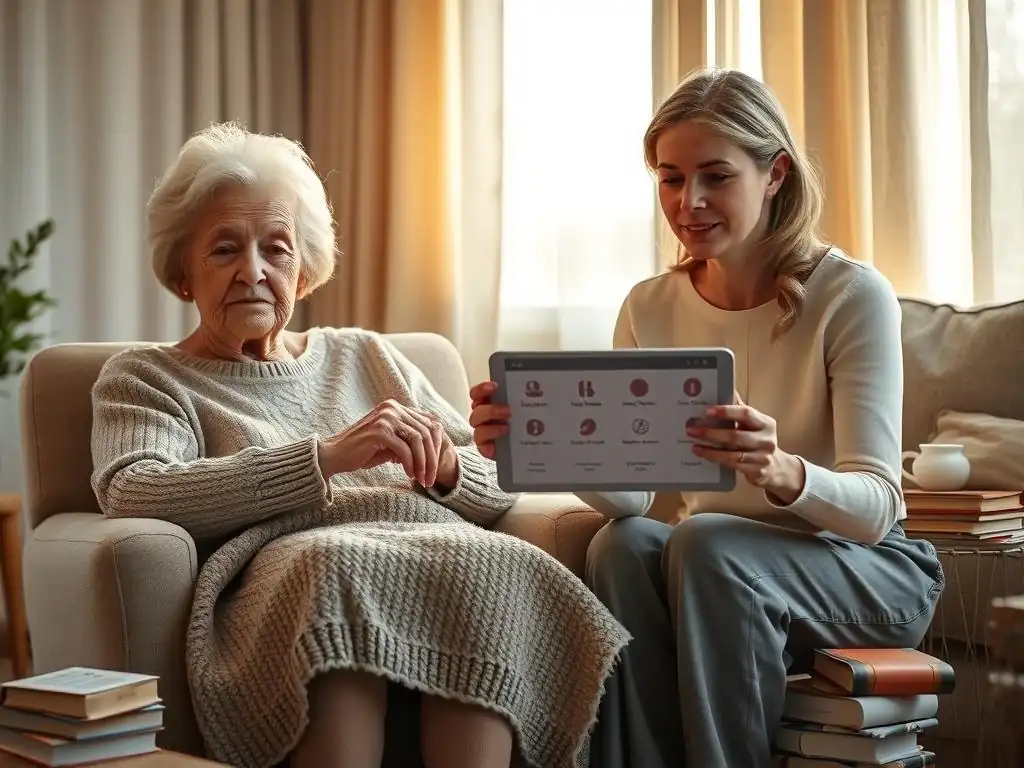
Welcome to Mind Care Guide.
We understand the profound challenges and unwavering dedication required when caring for someone living with Alzheimer's. It's a journey that demands immense strength, and often, leaves caregivers feeling overwhelmed and alone. Are you seeking practical solutions and compassionate guidance to navigate this complex path? This article delves into Alzheimer's caregiver support resources, offering a vital lifeline of information, practical assistance, and a supportive community. Discover the resources that can help you provide the best possible care while prioritizing your own well-being. Let's explore how to find the support you deserve.
- Alzheimer's Caregiver Support Resources
- Understanding the Unique Challenges of Alzheimer's Caregiving
- Essential Resources for Alzheimer's Caregiver Support
- Local Support Networks and Services
- Financial Planning and Legal Considerations
- Practical Caregiving Strategies
- Specialized Training and Education
- Technology Solutions for Caregiving
- Building a Strong Support System
- Conclusion: The Importance of Ongoing Support.
-
Frequently Asked Questions
- What are some specific types of Alzheimer's caregiver support resources available?
- How can I find Alzheimer's caregiver support resources near me?
- What kind of information can Alzheimer’s caregiver support resources provide about managing the disease?
- Are there any Alzheimer’s caregiver support resources that focus on my own mental well-being?
- What are the financial assistance options available through Alzheimer’s caregiver support resources?
- Final Reflection: Navigating the Labyrinth of Alzheimer's Caregiving
- Unlock a Brighter Future: Support for Your Caregiving Journey
Alzheimer's Caregiver Support Resources
Caring for a loved one with Alzheimer's disease is a profoundly challenging and often isolating experience. It requires immense emotional strength, patience, and practical skills, frequently while balancing other life responsibilities. The journey is marked by constant change, requiring caregivers to adapt to evolving needs and behaviors, which can lead to significant stress, burnout, and health issues if adequate support is not accessed. Recognizing the vital role of caregivers, finding reliable Alzheimer's caregiver support resources is not a luxury, but a necessity for sustaining their own well-being and providing the best possible care.
This article serves as a comprehensive guide to the essential resources available to those providing care for individuals living with Alzheimer's. We will explore various avenues for support, from governmental programs and non-profit organizations to online communities and local services. Understanding the landscape of available support systems is the first step in building a resilient caregiving strategy. Accessing these resources can significantly alleviate the burden, offer crucial information, and provide a sense of community and understanding among those who share this unique experience.
Understanding the Unique Challenges of Alzheimer's Caregiving
Emotional Well-being of Caregivers
The emotional toll on Alzheimer's caregivers is substantial and multifaceted. Caregivers often experience a complex mix of grief, sadness, anger, guilt, and helplessness as they witness the progressive decline of their loved one's cognitive and functional abilities. Studies consistently show higher rates of depression and anxiety among Alzheimer's caregivers compared to non-caregivers or those caring for individuals with other chronic conditions. For instance, research indicates that approximately 40-70% of Alzheimer's caregivers experience clinically significant symptoms of depression.
Managing these intense emotions is critical for preventing burnout and maintaining the capacity to provide care. The constant stress can also manifest physically, contributing to weakened immune systems, sleep disturbances, and increased risk of chronic diseases. Finding avenues to process these feelings, whether through support groups, counseling, or personal coping strategies, is a key component of effective Alzheimer's caregiver support resources. Acknowledging and addressing emotional needs is the foundation upon which sustainable caregiving is built.
Physical Health Considerations for Caregivers
Providing care for someone with Alzheimer's often involves physically demanding tasks, such as assisting with bathing, dressing, and mobility. As the disease progresses, these demands increase, requiring more strength and endurance from the caregiver. The lack of adequate rest, poor nutrition resulting from time constraints, and the physical strain of lifting or assisting can lead to musculoskeletal problems, chronic fatigue, and exacerbation of pre-existing health conditions. Caregivers may also neglect their own preventative healthcare appointments due to lack of time or perceived necessity.
The cumulative effect of physical and emotional stress creates a heightened risk of serious health issues for caregivers. Statistics highlight this stark reality: Alzheimer's caregivers have been shown to have a 63% higher mortality rate than non-caregivers in the same age bracket. Prioritizing physical health through regular exercise, balanced nutrition, sufficient sleep, and routine medical check-ups is paramount. Accessing resources that offer respite care or assistance with daily tasks can help mitigate the physical demands and allow caregivers time to attend to their own health needs.
Financial Implications of Alzheimer's Care
The financial burden associated with Alzheimer's disease is significant and can devastate a family's savings and future security. Costs include direct medical expenses, medications, home care services, assisted living or nursing home care, and indirect costs such as lost wages if a caregiver reduces work hours or leaves their job entirely. The average lifetime cost of care for a person with dementia is estimated to be over $350,000, a figure that can vary significantly based on the stage of the disease and the type of care received.
Many families underestimate the long-term financial impact, especially concerning the costs of residential care, which can range from $4,000 to over $10,000 per month depending on location and level of care. Navigating insurance coverage, understanding eligibility for public benefits, and planning for long-term financial stability become critical tasks for caregivers. Exploring financial planning resources specifically tailored for Alzheimer's care can provide strategies for managing costs and identifying potential sources of aid, helping families access necessary Alzheimer's caregiver support resources without facing insurmountable debt.
Essential Resources for Alzheimer's Caregiver Support
Federal Government Programs for Alzheimer's Caregivers
The U.S. federal government offers various programs that can provide financial and practical assistance to individuals with Alzheimer's and their caregivers. While complex and subject to eligibility requirements, understanding these programs is crucial for accessing potential benefits. Agencies like the Administration for Community Living (ACL) fund state and local programs that offer services such as respite care, adult day services, and caregiver support groups, often through Area Agencies on Aging. The National Institute on Aging (NIA) provides extensive information on Alzheimer's research, diagnosis, and caregiving tips.
Navigating these federal resources requires careful investigation into specific program criteria, as eligibility often depends on factors like the care recipient's income, assets, and level of need. The availability and scope of services can also vary significantly by state and locality. Caregivers are encouraged to contact their local Area Agency on Aging or state health department for detailed information on programs available in their specific region, ensuring they explore all potential avenues for government-funded Alzheimer's caregiver support resources.
Medicare and Medicaid Coverage
Medicare, the federal health insurance program for individuals aged 65 or older and certain younger people with disabilities, offers limited coverage for long-term care services typically needed for Alzheimer's. It primarily covers skilled nursing care, short-term rehabilitation, and hospice care under specific conditions, but generally does not cover extended non-skilled personal care or long-term stays in assisted living facilities or nursing homes. However, Medicare Part A may cover up to 100 days of skilled nursing facility care per benefit period after a qualifying hospital stay, though coverage is often limited after 20 days.
Medicaid, a joint federal and state program providing health coverage to eligible low-income individuals, is the primary payer for long-term care services in the U.S., including nursing home care and, in many states, home and community-based services (HCBS). HCBS waivers allow states to offer services like adult day care, respite care, and personal assistance to individuals in their homes or communities, potentially delaying or preventing the need for institutionalization.
Eligibility for Medicaid and the scope of HCBS waivers vary significantly by state, requiring caregivers to investigate their specific state's program details to understand available Alzheimer's caregiver support resources through this avenue.
Veteran's Benefits for Alzheimer's Care
The U.S. Department of Veterans Affairs (VA) provides a range of services and benefits for eligible veterans diagnosed with Alzheimer's disease and their caregivers. These benefits can include medical care, adult day health care, respite care, skilled home health care, and assistance with daily living activities. The VA Aid and Attendance or Housebound benefits, often referred to as the "Pension with Aid and Attendance," can provide additional monthly income to eligible veterans or their surviving spouses to help pay for the costs of care at home, in an assisted living facility, or a nursing home.
Accessing VA benefits requires establishing the veteran's eligibility and connecting with the local VA healthcare system. Caregivers of veterans may also be eligible for support programs, such as the Program of Comprehensive Assistance for Family Caregivers (PCAFC), which provides services like stipends, health insurance, training, and support to primary family caregivers of eligible veterans who incurred a serious injury in the line of duty. These specialized veteran-focused Alzheimer's caregiver support resources can be invaluable for military families navigating the challenges of the disease.
Non-Profit Organizations Dedicated to Alzheimer's Support
Several national non-profit organizations are dedicated to providing education, support, and resources for individuals with Alzheimer's and their caregivers. These organizations play a crucial role in raising awareness, funding research, and offering direct services to affected families. They often serve as central hubs for information, connecting caregivers with local support networks and providing guidance on navigating the complexities of the disease and caregiving journey.
These non-profits develop and disseminate a wide array of resources, including educational materials, helplines, online tools, and in-person support groups. Their programs are designed to empower caregivers with knowledge, skills, and emotional support. Engaging with these organizations is a fundamental step for caregivers seeking reliable information and a sense of community among others facing similar challenges, providing essential Alzheimer's caregiver support resources from trusted sources.
Alzheimer's Association Resources
The Alzheimer's Association is one of the leading voluntary health organizations dedicated to Alzheimer's care, support, and research. They offer a vast network of resources accessible nationwide. Their 24/7 Helpline (often cited as 800-272-3900) provides around-the-clock information and support to caregivers and others affected by the disease, staffed by master's level clinicians. They also host thousands of support groups, both in-person and virtual, facilitating peer-to-peer emotional support and shared experiences.
The organization's website is a comprehensive repository of information on Alzheimer's stages, caregiving techniques, legal and financial planning, and research updates. They also offer educational programs and workshops designed to equip caregivers with practical skills for managing behavioral symptoms, improving communication, and planning for future needs. The Alzheimer's Association is a cornerstone of Alzheimer's caregiver support resources, offering a wide range of services to meet diverse needs.
Alzheimer's Foundation of America Support
The Alzheimer's Foundation of America (AFA) is another prominent non-profit organization providing support, services, and education to individuals, families, and caregivers affected by Alzheimer's and related dementias. AFA operates a National Toll-Free Helpline (often cited as 866-232-8484) staffed by licensed social workers, offering counseling, support, and referrals to local resources. They also provide free weekly virtual support groups, allowing caregivers to connect remotely.
AFA offers a range of educational materials, including publications, webinars, and online resources covering topics such as brain health, diagnosis, stages of Alzheimer's, and caregiving strategies. They also have programs focused on respite care and social engagement for individuals with dementia. The AFA's commitment to providing accessible support and information makes them a valuable component of the available Alzheimer's caregiver support resources.
Online Communities and Resources for Alzheimer's Caregivers
The internet offers a wealth of information and connection opportunities for Alzheimer's caregivers, providing flexibility and accessibility that traditional resources may not always offer. Online platforms can serve as vital links for caregivers who may be geographically isolated or have limited availability to attend in-person meetings due to caregiving demands. These digital resources range from informational websites and articles to interactive forums and virtual support groups.
While the sheer volume of online information can be overwhelming, identifying reputable sources is key. Websites affiliated with established non-profits, government agencies, and research institutions are generally reliable. Online communities provide a unique space for peer support, allowing caregivers to share experiences, ask questions, and offer encouragement to others navigating similar challenges, forming a crucial part of modern Alzheimer's caregiver support resources.
Online Forums and Support Groups
Online forums and virtual support groups provide a convenient way for caregivers to connect with peers from anywhere at any time. Platforms hosted by organizations like the Alzheimer's Association (e.g., ALZConnected®) offer moderated spaces where caregivers can post questions, share tips, and find emotional support from others who understand the daily realities of caring for someone with dementia. These forums can be particularly helpful for discussing sensitive topics or seeking advice on specific behavioral challenges.
Joining an online support group can combat feelings of isolation and provide a sense of belonging. Participants often share practical strategies they've discovered, recommend local services, and offer empathetic listening. While they don't replace professional advice, these communities are powerful sources of peer-to-peer Alzheimer's caregiver support resources, offering comfort and practical wisdom drawn from lived experience.
Telehealth Options for Caregivers
Telehealth, or the use of telecommunications technology to provide healthcare services remotely, is increasingly relevant for caregivers. It allows caregivers to consult with healthcare professionals, therapists, or counselors via video calls or phone, overcoming barriers like transportation difficulties or the need to arrange care for the person with Alzheimer's during appointments. This is particularly beneficial for caregivers seeking mental health support or guidance on managing their own stress.
Some medical centers and private practices offer telemedicine appointments for follow-up visits, medication management, or consultations regarding the care recipient's condition. Therapists specializing in caregiver burnout or grief counseling may also offer virtual sessions. Accessing professional advice and support through telehealth expands the accessibility of crucial Alzheimer's caregiver support resources, making it easier for caregivers to prioritize their own health and well-being without disrupting their caregiving routine.
Local Support Networks and Services

Finding support within one's own community is often essential for practical assistance and emotional connection. Local resources can provide direct services, offer opportunities for in-person interaction, and connect caregivers with programs specific to their geographic area. These networks are often facilitated by non-profit organizations, government agencies, or community centers and form the backbone of accessible Alzheimer's caregiver support resources.
Exploring local options allows caregivers to find services like adult day programs, respite care providers, and localized support groups that are conveniently located and tailored to the needs of their specific community. Connecting with local area agencies on aging or chapters of national Alzheimer's organizations can provide guidance on what is available nearby and how to access these valuable services.
Finding Local Alzheimer's Support Groups
Local support groups offer a face-to-face environment for caregivers to share experiences, challenges, and coping strategies with others in their community who are facing similar situations. These groups, often facilitated by trained professionals or experienced peer caregivers, provide a safe and understanding space to express emotions and gain practical advice. The regular interaction helps reduce feelings of isolation and provides a sense of shared purpose.
Meetings may focus on different topics, from managing specific behaviors to navigating family dynamics or understanding legal issues. Many groups are sponsored by local chapters of the Alzheimer's Association, the Alzheimer's Foundation of America, or local hospitals and community centers. Attending a local support group is a highly recommended way to access emotional and practical Alzheimer's caregiver support resources directly within one's community.
Adult Day Programs
Adult day programs provide supervised care and engaging activities for individuals with Alzheimer's during the day, typically on weekdays. These programs offer a structured environment with social interaction, cognitive stimulation, and often include meals and some health services. They provide a safe place for the person with dementia while offering caregivers scheduled time off to work, run errands, attend appointments, or simply rest.
Utilizing adult day programs can significantly reduce caregiver stress and provide much-needed respite. The cost and availability of these programs vary, with some potentially covered by Medicaid waivers, VA benefits, or long-term care insurance, while others are private pay. Finding a reputable local adult day program is a practical way to access vital Alzheimer's caregiver support resources that benefit both the care recipient and the caregiver.
Respite Care Services
Respite care provides temporary relief for primary caregivers, allowing them to take a break from their caregiving responsibilities. This can range from a few hours of in-home care to a short stay in a residential facility. Respite care is crucial for preventing caregiver burnout and maintaining the caregiver's physical and mental health. It allows caregivers time to attend to their own needs, spend time with other family members, or simply relax and recharge.
Options for respite care include in-home care provided by a professional caregiver, short-term stays in assisted living or nursing homes, adult day centers offering extended hours, or programs offered by non-profit organizations or government agencies. Some hospitals or hospice programs may also offer respite services. Identifying and utilizing available respite care is a fundamental component of effective Alzheimer's caregiver support resources, ensuring the sustainability of the caregiving role.
Financial Planning and Legal Considerations
Addressing the financial and legal aspects of Alzheimer's care is a critical, albeit often daunting, task for caregivers. Planning ahead can help ensure that the individual with Alzheimer's receives necessary care while protecting family assets and ensuring their wishes are honored. These considerations involve understanding potential costs, exploring funding options, and establishing legal documents.
Seeking professional advice from elder law attorneys or financial planners specializing in long-term care can provide invaluable guidance. Early planning is generally recommended, ideally shortly after a diagnosis, to ensure documents are executed while the individual still has the capacity to understand and consent. Accessing resources related to financial planning and legal considerations is a vital part of comprehensive Alzheimer's caregiver support resources.
Long-Term Care Insurance
Long-term care insurance is a private insurance policy designed to cover services not typically covered by regular health insurance or Medicare, such as assistance with activities of daily living (bathing, dressing, eating) provided in the home, assisted living facilities, or nursing homes. If the individual with Alzheimer's purchased a policy before their diagnosis, it could be a significant resource for funding their care.
Policies vary widely in terms of premiums, waiting periods before benefits begin, the daily or monthly benefit amount, and the total benefit period. Understanding the specifics of an existing policy and navigating the claims process can be complex. For those considering future planning (e.g., spouses of individuals with Alzheimer's), researching long-term care insurance options early is advisable, though coverage may be difficult or impossible to obtain after a diagnosis. Resources explaining long-term care insurance are essential Alzheimer's caregiver support resources for financial preparedness.
Estate Planning for Individuals with Alzheimer's
Estate planning is crucial for individuals with Alzheimer's to ensure their financial and healthcare wishes are documented and legally binding. Key legal documents typically include a Durable Power of Attorney for finances, which designates someone to manage financial affairs; a Healthcare Power of Attorney or Healthcare Proxy, which appoints someone to make medical decisions; and an Advance Directive or Living Will, which outlines healthcare preferences.
These documents should ideally be established early in the disease progression while the individual still has the cognitive capacity to make informed decisions. Without these documents, families may need to pursue guardianship or conservatorship through the court system, a potentially lengthy, costly, and emotionally difficult process. Consulting with an elder law attorney specializing in Alzheimer's and dementia care is highly recommended to ensure proper legal planning is in place, providing critical Alzheimer's caregiver support resources in navigating legal complexities.
Financial Assistance Programs
Beyond Medicare, Medicaid, and VA benefits, other financial assistance programs may be available depending on the individual's circumstances. These can include state-specific programs offering grants or subsidies for home care services, property tax relief programs, or programs through non-profit organizations that provide limited financial aid for specific needs like respite care or medical supplies.
Exploring eligibility for programs like Supplemental Security Income (SSI) if the individual has limited income and resources, or specific state-funded programs for seniors or individuals with disabilities, can uncover additional financial resources. Caregivers should also investigate potential tax deductions or credits related to medical expenses and caregiving costs. Information on these varied financial assistance programs constitutes important Alzheimer's caregiver support resources for managing the economic impact of the disease.
Practical Caregiving Strategies
Beyond accessing external resources, developing effective practical caregiving strategies is fundamental to managing the daily challenges of caring for someone with Alzheimer's. The disease affects individuals differently, and symptoms can change over time, requiring caregivers to be adaptable and informed. Learning techniques to manage behavioral changes, improve communication, and prioritize self-care directly impacts the quality of care provided and the caregiver's own well-being.
Educational resources from organizations like the Alzheimer's Association or through workshops and online courses can provide caregivers with the necessary skills and knowledge. Implementing these strategies can help create a more predictable and less stressful environment for both the person with Alzheimer's and the caregiver. Practical strategies are core components of effective Alzheimer's caregiver support resources.
Managing Behavioral Changes
Behavioral changes are common in Alzheimer's disease and can be among the most challenging aspects of caregiving. These can include agitation, aggression, confusion, wandering, repetitive questioning, hallucinations, and sleep disturbances. Understanding that these behaviors are symptoms of the disease, rather than intentional actions, is the first step in managing them effectively.
Strategies often involve identifying triggers for behaviors, creating a calm and predictable environment, using redirection and distraction techniques, and ensuring basic needs like hunger, thirst, and comfort are met. For example, if a person is restless in the evening, establishing a consistent bedtime routine and limiting daytime naps might help. Learning de-escalation techniques and knowing when to seek professional medical advice for behavioral management are crucial skills, often taught through specialized Alzheimer's caregiver support resources.
Effective Communication Techniques
Communication becomes increasingly difficult as Alzheimer's progresses, leading to frustration for both the person with dementia and the caregiver. Individuals may struggle to find words, understand complex sentences, or follow conversations. Caregivers need to adapt their communication style to maintain connection and minimize confusion and anxiety.
Effective techniques include speaking clearly and slowly, using simple sentences, asking one question at a time, maintaining eye contact, and using non-verbal cues like gentle touch. Validating the person's feelings, even if their reality is distorted, can help reduce distress. For instance, if they are looking for a deceased relative, acknowledging their feeling of missing that person rather than correcting them can be more helpful. Learning and practicing these communication strategies is a key element of practical Alzheimer's caregiver support resources.
Prioritizing Self-Care to Prevent Burnout
Caregiver burnout is a state of physical, emotional, and mental exhaustion that can occur when caregivers don't get the help they need. It can lead to feelings of resentment, hopelessness, and withdrawal, ultimately compromising the ability to provide care. Prioritizing self-care is not selfish; it is essential for sustaining the demanding role of an Alzheimer's caregiver.
Self-care involves setting realistic expectations, accepting help from others, maintaining personal interests and social connections outside of caregiving, practicing stress-reduction techniques like mindfulness or exercise, and ensuring adequate rest and nutrition. Creating a "self-care checklist" can help make it a tangible goal:
- [ ] Schedule regular short breaks daily.
- [ ] Engage in a hobby for at least 30 minutes weekly.
- [ ] Connect with a friend or family member not involved in caregiving weekly.
- [ ] Attend a support group meeting (virtual or in-person) regularly.
- [ ] Ensure 7-8 hours of sleep per night.
- [ ] Eat balanced meals.
- [ ] Engage in physical activity most days of the week.
- [ ] Schedule personal medical appointments.
Making self-care a priority is a vital strategy within the realm of Alzheimer's caregiver support resources.
Specialized Training and Education

Gaining a deeper understanding of Alzheimer's disease, its progression, and specific care techniques can significantly empower caregivers and improve the quality of care provided. Specialized training and educational programs offer structured learning opportunities tailored to the unique challenges of dementia care. These resources go beyond basic information, providing in-depth knowledge and practical skills.
These programs are available through various formats, including online courses, in-person workshops offered by healthcare providers or non-profits, and even certification programs for those seeking a more formal level of expertise. Investing time in specialized education is an investment in better caregiving and a stronger sense of confidence for the caregiver. Accessing these educational resources is a key part of comprehensive Alzheimer's caregiver support resources.
Online Courses and Workshops
Numerous online platforms offer courses and workshops specifically designed for Alzheimer's caregivers. These resources provide flexible learning opportunities that can be accessed from home, fitting around caregiving schedules. Topics range from understanding the stages of Alzheimer's and managing specific symptoms to legal planning and communication strategies.
Organizations like the Alzheimer's Association offer free online workshops and webinars covering essential caregiving skills. Other educational institutions or private providers may offer more in-depth courses, sometimes for a fee. These online resources are excellent for gaining foundational knowledge or specific skills without needing to travel, expanding the accessibility of Alzheimer's caregiver support resources focused on education.
Certification Programs for Professionals
For professional caregivers or family caregivers who wish to deepen their knowledge and potentially pursue caregiving as a career, certification programs in dementia care are available. These programs offer comprehensive training on the complexities of Alzheimer's and other dementias, covering topics like person-centered care, safety protocols, behavioral interventions, and communication techniques for different stages of the disease.
Certification programs are offered by various organizations, including professional associations and educational institutions. While more intensive than basic workshops, they provide a recognized level of expertise in dementia care. For families employing professional caregivers, seeking certified individuals can offer reassurance regarding the quality of care their loved one will receive. These programs contribute to the overall landscape of Alzheimer's caregiver support resources by enhancing the skills of those providing direct care.
Understanding Disease Progression
Understanding the typical progression of Alzheimer's disease is crucial for caregivers to anticipate challenges and plan for future needs. While the disease progresses differently in each individual, it generally moves through distinct stages (early, middle, and late), each characterized by specific cognitive and functional changes. Knowing what to expect can help caregivers feel more prepared and less overwhelmed by new symptoms.
Educational resources often provide detailed information on the cognitive, behavioral, and physical changes associated with each stage. This knowledge allows caregivers to adapt the care environment, communication strategies, and daily routines accordingly. For instance, understanding that wandering is common in the middle stage prompts caregivers to implement safety measures like door alarms. Accessing information about disease progression is a fundamental aspect of utilizing Alzheimer's caregiver support resources effectively.
Technology Solutions for Caregiving
Technology offers innovative tools and solutions that can assist Alzheimer's caregivers in managing daily tasks, enhancing safety, and maintaining communication. While technology is not a substitute for human interaction and care, it can provide valuable support, improve efficiency, and offer peace of mind.
These technological aids range from simple smartphone apps to more complex home monitoring systems. Exploring the available technology solutions can help caregivers find practical ways to streamline their responsibilities and enhance the safety and well-being of the person with Alzheimer's. Identifying and implementing appropriate technology is an increasingly important part of modern Alzheimer's caregiver support resources.
Medication Management Apps
Managing multiple medications with varying dosages and schedules can be complex and prone to errors, especially when caring for someone with cognitive impairment. Medication management apps for smartphones or tablets can help caregivers track medications, set reminders for doses, record when medications were given, and even alert caregivers to potential drug interactions.
Some apps offer features like scanning prescription labels, integrating with pharmacy information, and generating reports that can be shared with healthcare providers. Using a reliable medication management tool can significantly reduce the risk of missed or incorrect doses, which is vital for the health and stability of the person with Alzheimer's. These apps are practical examples of technology-based Alzheimer's caregiver support resources.
Home Safety Technologies
Ensuring a safe home environment is paramount for individuals with Alzheimer's, who may be prone to wandering, falls, or accidents. Various home safety technologies can help mitigate these risks. Simple solutions include automatic shut-off devices for stoves or irons. More advanced technologies include door and window sensors that alert caregivers if someone leaves the house, motion sensors to detect falls, and smart home systems that can control lighting and temperature.
GPS tracking devices, worn as pendants or placed in shoes, can help locate a person who has wandered. Medical alert systems, which allow the individual to call for help in an emergency, are also important. Implementing appropriate home safety technologies is a proactive measure that provides peace of mind and enhances the safety aspect of Alzheimer's caregiver support resources.
Communication and Monitoring Devices
Technology can also facilitate communication and remote monitoring. Video doorbells allow caregivers to see and speak with visitors remotely. Smart speakers can be used for reminders (e.g., "It's time to take your pills") or to play calming music. Simple communication devices with pre-recorded messages can help individuals express basic needs.
Remote monitoring systems, such as cameras or sensors placed discreetly in the home, can allow caregivers to check on the well-being of the person with Alzheimer's from another room or even when away from home, provided privacy and ethical considerations are addressed. These tools, when used appropriately, can offer reassurance and assist in care management, contributing to the range of available Alzheimer's caregiver support resources.
Building a Strong Support System
No caregiver can or should navigate the challenges of Alzheimer's alone. Building a strong support system is fundamental for emotional resilience, practical assistance, and preventing isolation. This network can include family members, friends, professional helpers, and peer support groups. Actively seeking and accepting help is a sign of strength, not weakness.
A robust support system provides not only emotional comfort but also tangible aid, such as help with errands, meal preparation, or providing short periods of respite. Cultivating and utilizing this network is a vital strategy for accessing and maximizing the benefits of Alzheimer's caregiver support resources.
Engaging Family and Friends
Involving family members and friends in the caregiving process can distribute the responsibilities and reduce the burden on the primary caregiver. Even small contributions, like an hour of companionship, help with grocery shopping, or managing finances, can make a significant difference. Open and honest communication about the needs of the person with Alzheimer's and the caregiver's challenges is crucial.
Assigning specific tasks based on individual strengths and availability can make it easier for others to contribute effectively. For instance, one family member might handle doctor's appointments, while another manages finances, and a friend stops by weekly for a visit. Engaging this personal network expands the immediate pool of Alzheimer's caregiver support resources.
Seeking Professional Counseling
The emotional strain of caring for someone with Alzheimer's can be immense, leading to stress, depression, anxiety, and grief. Seeking professional counseling or therapy can provide caregivers with a safe space to process their emotions, develop coping strategies, and address feelings of guilt or resentment. Therapists specializing in caregiver stress or grief can offer personalized support.
Counseling can be accessed through individual therapy sessions, either in-person or via telehealth. Some employee assistance programs may offer short-term counseling services. Engaging with a mental health professional is a proactive step towards maintaining emotional well-being and is an important component of comprehensive Alzheimer's caregiver support resources.
Participating in Advocacy Efforts
Becoming involved in advocacy efforts related to Alzheimer's disease can be a powerful way for caregivers to channel their experiences into positive change and connect with a wider community. Advocacy can range from sharing your story to raising awareness, participating in fundraising events, or contacting legislators to support policies that benefit individuals with Alzheimer's and their caregivers.
Organizations like the Alzheimer's Association have robust advocacy networks that caregivers can join, providing opportunities to influence public policy and increase funding for research and support services. Engaging in advocacy not only contributes to the broader fight against Alzheimer's but can also provide caregivers with a sense of purpose and empowerment, connecting them with others who are passionate about the cause and expanding their network of Alzheimer's caregiver support resources.
Conclusion: The Importance of Ongoing Support.
Caring for a loved one with Alzheimer's is a marathon, not a sprint, requiring sustained effort, adaptability, and, most importantly, ongoing support. The resources outlined in this guide—ranging from federal programs and non-profit organizations to local services, online communities, financial planning tools, practical strategies, specialized education, technology solutions, and personal support networks—are not isolated options but interconnected components of a comprehensive support system. Accessing and utilizing these Alzheimer's caregiver support resources is essential for maintaining the caregiver's well-being and ensuring the best possible quality of life for the person living with the disease.
The journey of Alzheimer's caregiving is constantly evolving, meaning that the need for support changes over time. Caregivers should regularly reassess their needs and explore different resources as the disease progresses and their own circumstances change. Reaching out for help, accepting assistance, and prioritizing self-care are not signs of weakness but indicators of strength and resilience in the face of immense challenge. By leveraging the wealth of available Alzheimer's caregiver support resources, caregivers can enhance their capacity to provide compassionate care while also safeguarding their own health and well-being.
Frequently Asked Questions
What are some specific types of Alzheimer's caregiver support resources available?
There are many resources, including support groups, respite care services, and educational programs specifically designed to help caregivers navigate the challenges of Alzheimer's disease.
How can I find Alzheimer's caregiver support resources near me?
You can search online directories like the Alzheimer's Association or the National Institute on Aging websites. These sites often have tools to help you locate resources and support groups in your local area.
What kind of information can Alzheimer’s caregiver support resources provide about managing the disease?
These resources can offer guidance on managing difficult behaviors, understanding the progression of the disease, and implementing effective communication strategies with someone living with Alzheimer's.
Are there any Alzheimer’s caregiver support resources that focus on my own mental well-being?
Yes, many resources recognize the importance of caregiver self-care. They provide information on stress management techniques, coping strategies, and access to mental health professionals specializing in caregiver support.
What are the financial assistance options available through Alzheimer’s caregiver support resources?
Some resources can connect you with programs that offer financial assistance for caregiving expenses. This might include assistance with respite care costs or long-term care planning, helping to alleviate financial strain.
The emotional and logistical challenges faced by Alzheimer's caregivers are immense, and the need for comprehensive support is more critical than ever. The sheer weight of this responsibility, coupled with the progressive nature of the disease, creates a constant state of flux demanding unwavering resilience and access to the right resources. This reality underscores the urgency of readily available, easily accessible information and support systems.
The journey of caring for someone with Alzheimer's disease profoundly shapes not only the caregiver's life but also the fabric of the family unit and wider society. The emotional toll is often underestimated, leading to burnout and a sense of isolation. Yet, within this challenging landscape, there exists a powerful resilience, a testament to the enduring strength of human connection and love. The best and most beautiful things in the world cannot be seen or even touched - they must be felt with the heart.
– Helen Keller. This quote, while not directly about Alzheimer's, speaks to the profound emotional core of caregiving, highlighting the unseen sacrifices and the deep love that fuels the journey.
Now, consider your own role in this landscape. Are you equipped with the knowledge and resources to navigate the complexities of Alzheimer's caregiving? Take a moment to reflect on the information presented in this article. Identify the resources that resonate most strongly with your needs and begin to build your support network. Remember, seeking help is not a sign of weakness, but a testament to your strength and commitment to providing the best possible care. Your well-being is paramount, and by prioritizing your own needs, you are better positioned to provide compassionate and effective care for your loved one.
Unlock a Brighter Future: Support for Your Caregiving Journey
Thanks for taking the time to learn more about the challenges and rewards of Alzheimer's caregiving. We hope this article provided valuable insights and practical strategies. Now, let's turn those insights into action!
- Prioritize self-care: Schedule a relaxing activity just for you this week. Even 30 minutes can make a world of difference in managing stress and burnout.
- Connect with a support group: Find a local Alzheimer's support group to share experiences and learn from others facing similar challenges. This could be an incredibly powerful step in reducing feelings of isolation.
- Explore additional resources: Dive deeper into the wealth of information available on MindCareGuide.org— discover personalized tips and strategies tailored to your specific needs.
What small step will you take today to prioritize your well-being and enhance your caregiving journey?