
Sacred Healing: Religious Rites for Mental Distress in Ancient Times

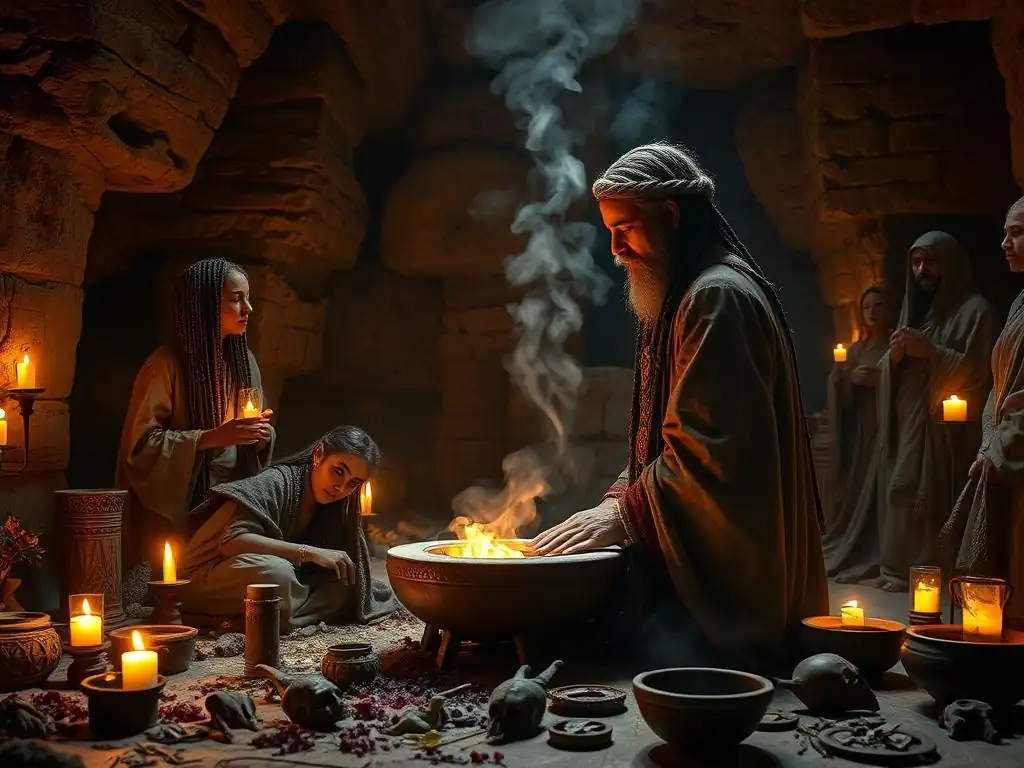
Welcome to Mind Care Guide, a sanctuary for understanding and nurturing your mental well-being.
Have you ever wondered how our ancestors navigated the complexities of mental distress? In this article, we delve into the fascinating world of " Sacred Healing: Religious Rites for Mental Distress in Ancient Times," exploring how ancient societies utilized religious practices to alleviate suffering. Discover the profound connection between faith, ritual, and mental wellness, and perhaps find echoes of wisdom that resonate even today. Prepare to embark on a journey through history, uncovering the roots of mental health care and sparking new perspectives on our own well-being. Let's begin!
Sacred Healing: Religious Rites for Mental Distress in Ancient Times
- Introduction: Religious Healing and Mental Well-being in Antiquity
- Religious Rites for Psychological Distress: A Historical Overview
- Cross-Cultural Analysis of Religious Healing Practices
- The Efficacy of Religious Rites in Ancient Mental Healthcare
- From Ancient Practices to Modern Perspectives: Lessons Learned
- Conclusion: The Legacy of Religious Healing in Mental Distress
-
Frequently Asked Questions
- What role did religious rituals play in addressing mental distress in ancient societies?
- How did ancient cultures perceive the cause of mental distress in relation to religious beliefs?
- What types of religious practices were commonly employed for mental healing in ancient times?
- Was there a distinction between mental illness and spiritual affliction in ancient healing practices?
- How can understanding ancient religious healing practices inform modern approaches to mental well-being?
- Final Reflection: Echoes of Ancient Wisdom in Modern Mental Health
- Unveil Your Inner Strength: Ancient Wisdom for Modern Wellbeing
Introduction: Religious Healing and Mental Well-being in Antiquity
In ancient civilizations, the boundary between physical ailments and mental or emotional distress was often blurred. Illness, whether of the body or mind, was frequently attributed to supernatural forces, divine displeasure, or malevolent spirits. This worldview naturally led to the integration of religious practices into healing processes, including those aimed at alleviating what we now recognize as mental suffering. Understanding these ancient approaches provides valuable context for the historical intersection of spirituality and mental health.
The concept of religious healing mental distress ancient societies embraced was deeply intertwined with their cosmology. Rituals, prayers, sacrifices, and interactions with religious figures were primary methods for addressing various forms of suffering. These practices were not merely symbolic; they were considered essential, practical tools for restoring harmony within the individual and between the individual and the divine or cosmic order. This historical perspective highlights the long-standing human tendency to seek solace and solutions for psychological pain within spiritual frameworks.
The Prevalence of Mental Distress in Ancient Societies
While ancient texts may not use modern clinical terminology, descriptions of conditions akin to depression, anxiety, psychosis, and trauma are present across various cultures. Accounts from Mesopotamia, Egypt, Greece, and Rome describe individuals experiencing profound sadness, irrational fears, hallucinations, and behavioral disturbances. These manifestations of mental distress were a recognized, albeit often feared and misunderstood, part of the human experience in antiquity.
For instance, Mesopotamian cuneiform tablets sometimes describe individuals afflicted by specific demons believed to cause various ailments, including what might be interpreted as mental health symptoms like erratic behavior or despair. Similarly, Greek tragedies often depict characters driven to madness by fate, the gods, or overwhelming grief, illustrating societal awareness of intense psychological states. The prevalence of these descriptions, even within non-medical texts, suggests that mental suffering was a common, visible element of ancient life, prompting the need for accessible, culturally relevant remedies.
Understanding Ancient Perspectives on Mental Illness
Ancient cultures held diverse views on the causes and nature of mental illness, ranging from purely supernatural explanations to early attempts at naturalistic understanding. In many early societies, mental distress was primarily viewed as a spiritual problem – a sign of demonic possession, divine punishment for sin, or the result of curses. Healing, therefore, required religious or magical intervention to appease offended deities or expel malevolent entities.
Over time, particularly in civilizations like ancient Greece and Rome, more nuanced perspectives began to emerge. While supernatural explanations persisted, figures like Hippocrates proposed theories linking mental states to imbalances in bodily humors. However, even within these more "medical" frameworks, religious practices often remained integral, seen as complementing rather than contradicting physical treatments. Temples dedicated to healing deities were not just places for prayer; they sometimes incorporated elements of therapy, rest, and ritual cleansing.
The Role of Religion in Addressing Mental Suffering
Religion served as a primary framework for understanding and responding to mental distress in ancient times. It provided explanatory models for why suffering occurred and offered prescribed methods for seeking relief. Religious leaders, priests, and temple staff often acted as healers, counselors, and mediators between the afflicted individual and the spiritual realm.
The rituals and beliefs associated with religious healing mental distress ancient societies employed offered psychological comfort, social support, and a sense of agency. Participating in a communal healing ritual could reduce feelings of isolation, while the belief in divine intervention provided hope for recovery. Furthermore, religious narratives and cosmologies often helped individuals make sense of their suffering, integrating it into a larger, meaningful framework, which could reduce anxiety and despair.
Religious Rites for Psychological Distress: A Historical Overview
Across the ancient world, religious rites formed the bedrock of interventions aimed at alleviating psychological distress. These practices varied widely depending on the specific culture, its pantheon of gods, and its understanding of illness, but they shared common threads in their reliance on divine power and ritual action to restore mental equilibrium. From incantations and prayers to elaborate ceremonies and pilgrimages, these rites were the primary therapeutic tools available for many experiencing mental anguish.
The effectiveness of these ancient religious rites was likely multifaceted. While they may not have addressed underlying biological or psychological causes in a modern sense, they provided a structured response to suffering, mobilized social support, and leveraged the powerful influence of belief and suggestion. Studying these historical approaches offers insights into the enduring human need for meaning, connection, and hope when facing mental health challenges, and how ancient religious healing mental distress practices attempted to meet these needs.
Ancient Mesopotamian Healing Rituals for Mental Ailments
Mesopotamian civilization, with its complex pantheon and sophisticated understanding of omens and spirits, developed elaborate rituals to address various forms of illness, including those affecting the mind. Cuneiform texts describe ailments attributed to specific demons, ghosts, or divine anger, necessitating interventions by trained priests known as ashipu (exorcists) or baru (diviners). These rituals often involved incantations, prayers, purifications, and symbolic actions aimed at identifying the cause and placating the responsible entity or deity.
One common approach involved diagnostic rituals to determine which god or demon was responsible for the affliction. Based on this diagnosis, specific rites would be performed. For example, rituals might involve offering sacrifices to appease an angry deity or using specific incantations to drive out a malevolent spirit. These practices were deeply integrated into daily life and provided a framework for understanding and responding to suffering that offered a sense of control in a world perceived as governed by powerful, often unpredictable forces.
Exorcism and Demonology in Mesopotamian Mental Healthcare
A significant portion of ancient Mesopotamian healing practices, particularly for conditions involving altered states of consciousness, strange behaviors, or intense suffering, revolved around the concept of demon possession. Illnesses were often attributed to specific demons like Lamashtu (associated with illness, particularly affecting children and pregnant women, but also causing nightmares and fear) or the utukku (general class of demons or spirits). Consequently, exorcism rituals were central to their approach to mental health.
Priests known as ashipu were specialists in these exorcistic rites. They employed a variety of techniques, including lengthy incantations, the use of amulets, symbolic actions like washing or binding, and sometimes even physical remedies alongside the ritual. The goal was to identify the specific demon afflicting the individual and compel it to leave the body. These rituals were often public or semi-public affairs, involving the family and community, underscoring the social dimension of religious healing mental distress ancient cultures practiced.
Appeasing the Gods: Rituals for Restoring Mental Balance
Beyond demon expulsion, Mesopotamian healing also involved rituals aimed at appeasing deities whose anger was believed to cause affliction. If divination indicated that a god was displeased, perhaps due to a sin committed by the individual or their family, rituals of confession, prayer, and sacrifice were performed to restore divine favor and thus, health.
These appeasement rituals could be elaborate, involving specific offerings of food, drink, or precious objects at temples or household shrines. The supplicant would confess their sins or ignorance and plead for mercy and restoration of well-being. Such rites provided a psychological release through confession and the hope that divine intervention could alleviate their suffering, including mental anguish. This aspect of religious healing mental distress ancient Mesopotamians practiced highlights the moral and theological dimensions intertwined with their understanding of health and illness.
Egyptian Religious Practices and Mental Health
Ancient Egypt also integrated religious beliefs and practices deeply into its healing traditions, including those addressing conditions that might be considered mental distress. The Egyptians believed that illness could be caused by supernatural forces, including the anger of gods, the influence of demons, or the magic of enemies, but also recognized natural causes. Healing approaches often combined practical remedies with magical and religious interventions.
Egyptian medicine is known for its detailed papyri describing various ailments and treatments. While many focus on physical conditions, references to spells, incantations, and divine appeals for protection against nightmares, fear, or erratic behavior suggest an awareness of psychological suffering. The line between 'medical' and 'magical/religious' was fluid, with healers often employing both approaches simultaneously, reflecting a holistic view where spiritual harmony was essential for overall health.
Temples as Centers for Healing and Mental Restoration
Egyptian temples served as significant centers for healing, offering not just spiritual guidance but also practical care. Temples dedicated to deities like Sekhmet (goddess associated with plague and healing) or Imhotep (deified physician) attracted those seeking recovery from various ailments, including possibly mental afflictions. Within these temple complexes, priests and healers would perform rituals, administer remedies, and provide a sanctuary for the sick.
One notable practice associated with Egyptian temples was a form of 'incubation' or temple sleep, similar to later Greek practices. Sufferers would spend the night within the temple precincts, hoping to receive divine visions or dreams that would reveal the cause of their illness or guide them towards a cure. This experience, combined with the calming atmosphere of the temple and the rituals performed by priests, could offer significant psychological comfort and potentially alleviate some forms of mental distress.
Incantations and Prayers for Emotional Well-being
Incantations, spells, and prayers were fundamental tools in the Egyptian religious approach to healing. These were used to invoke the power of deities, ward off malevolent spirits, or purify the afflicted individual. Papyri contain numerous examples of such texts intended for various purposes, including protection against fear, nightmares, and 'madness'.
For example, specific spells might be recited to calm an agitated mind, banish fearful visions, or restore a sense of peace. These texts often invoked powerful gods like Ra, Isis, or Thoth, appealing to their divine authority to overcome the forces causing suffering. The act of reciting or having these incantations recited, often combined with the use of protective amulets bearing religious symbols, provided a structured, religiously sanctioned method for individuals to confront their internal turmoil and seek divine assistance, a key element of religious healing mental distress ancient Egyptians relied upon.
Ancient Greek Approaches to Mental Health and Religious Intervention
Ancient Greece presented a complex landscape regarding mental health, blending emerging naturalistic medical theories with deeply ingrained religious beliefs. While figures like Hippocrates sought natural explanations for conditions like epilepsy or melancholy, attributing them to physiological imbalances, popular belief and practice continued to incorporate divine influence and religious rituals as crucial components of healing.
Mental afflictions could be seen as divine punishment (e.g., madness sent by Dionysus or Hera) or as illnesses requiring intervention from healing deities. This dual perspective meant that individuals suffering from mental distress might consult physicians, philosophers, or religious figures, often seeking help from multiple sources simultaneously. Temples and oracles played significant roles in providing solace, diagnosis (often interpreted through a divine lens), and prescribed healing rituals.
Asclepius and the Healing Temples: Mental and Physical Restoration
The cult of Asclepius, the god of medicine, became immensely popular throughout the Greek world. Sanctuaries dedicated to Asclepius, known as Asclepieia (the most famous perhaps being at Epidaurus), functioned as healing centers that catered to both physical and mental ailments. Pilgrims suffering from various conditions, including those exhibiting symptoms of mental distress, would travel to these sites seeking divine intervention.
The central ritual at an Asclepieion was incubation (enkoimesis), where the supplicant would sleep in a sacred building (the abaton), hoping to be visited by Asclepius or his sacred animals (snakes) in a dream. These dreams were interpreted by temple priests, who would then prescribe a course of treatment, which could include baths, exercise, diets, herbal remedies, and participation in religious ceremonies. The combination of a therapeutic environment, rest, ritual, and the power of suggestion under the aegis of a healing god made Asclepieia important sites for the religious healing mental distress ancient Greeks sought.
The Role of Oracles in Understanding Mental Afflictions
Greek oracles, such as the famous Oracle of Apollo at Delphi, also played a role in addressing mental and emotional distress. Individuals or their families might consult an oracle to understand the cause of an affliction, whether it was physical or mental, or to seek guidance on how to find a cure. The oracle's pronouncements, often cryptic and interpreted by priests, could attribute the suffering to divine displeasure, fate, or other supernatural factors.
While not primarily healing centers, oracles offered a framework for understanding inexplicable suffering within a religious context. The process of seeking an oracle's wisdom, undergoing purification rituals before consultation, and receiving a divine interpretation could provide psychological relief by offering an explanation and a path forward, even if the 'cure' involved complex religious observances or penance. This highlights another way religious healing mental distress ancient Greeks experienced was mediated through divine communication.
Roman Religious Beliefs and Mental Wellness
Roman religion, heavily influenced by Greek traditions but with its own distinct deities and practices, also incorporated divine intervention into approaches to health and illness, including mental well-being. The Romans had a practical, contractual relationship with their gods (do ut des - "I give so that you may give"), and rituals were seen as crucial for maintaining the pax deorum, the peace with the gods, which was essential for the welfare of the individual and the state.
While Roman medicine, influenced by Greek physicians, developed naturalistic theories, religious practices remained vital for those seeking healing. Temples dedicated to healing deities received prayers, vows (vota), and offerings (donaria) from individuals suffering from various ailments, including those that might be considered mental or emotional. The social and communal nature of Roman religious life provided a layer of support for those experiencing distress.
Deities Associated with Healing and Mental Stability
The Roman pantheon included several deities associated with health, healing, and well-being. Aesculapius, the Roman equivalent of the Greek Asclepius, was widely venerated, with temples (like the one on Tiber Island in Rome) functioning similarly to Greek Asclepieia. Other deities like Salus (goddess of health and welfare), Hygieia (health and hygiene), and Apollo (associated with healing, light, and reason) were also invoked for physical and mental recovery.
Specific rituals might involve appealing to these gods for protection against illness, relief from suffering, or restoration of mental clarity. Vows were frequently made – promising an offering or act of piety if the god granted recovery. The belief in these deities' ability to intervene in human health provided a source of hope and a structured way to seek help when faced with illness or mental distress, forming a core component of religious healing mental distress ancient Romans practiced.
Rituals and Offerings for Mental Clarity and Peace of Mind
Roman religious practices included various rituals aimed at achieving peace of mind, warding off ill fortune, and promoting mental stability. These could range from personal prayers and offerings at household shrines to participation in larger public ceremonies. Individuals might make specific offerings (donaria) depicting the affected body part (though less common for purely mental issues, general well-being offerings were made) or dedicating thank-offerings upon recovery.
Rituals of purification (lustratio) were also significant, intended to cleanse individuals or communities from spiritual pollution that could cause illness or misfortune, including mental disturbance. The performance of these precise rituals, the act of making vows, and the communal aspect of religious festivals provided psychological comfort and a sense of order in the face of suffering. These practices underscore how religious healing mental distress ancient Romans experienced was deeply embedded within their civic and personal piety.
Cross-Cultural Analysis of Religious Healing Practices
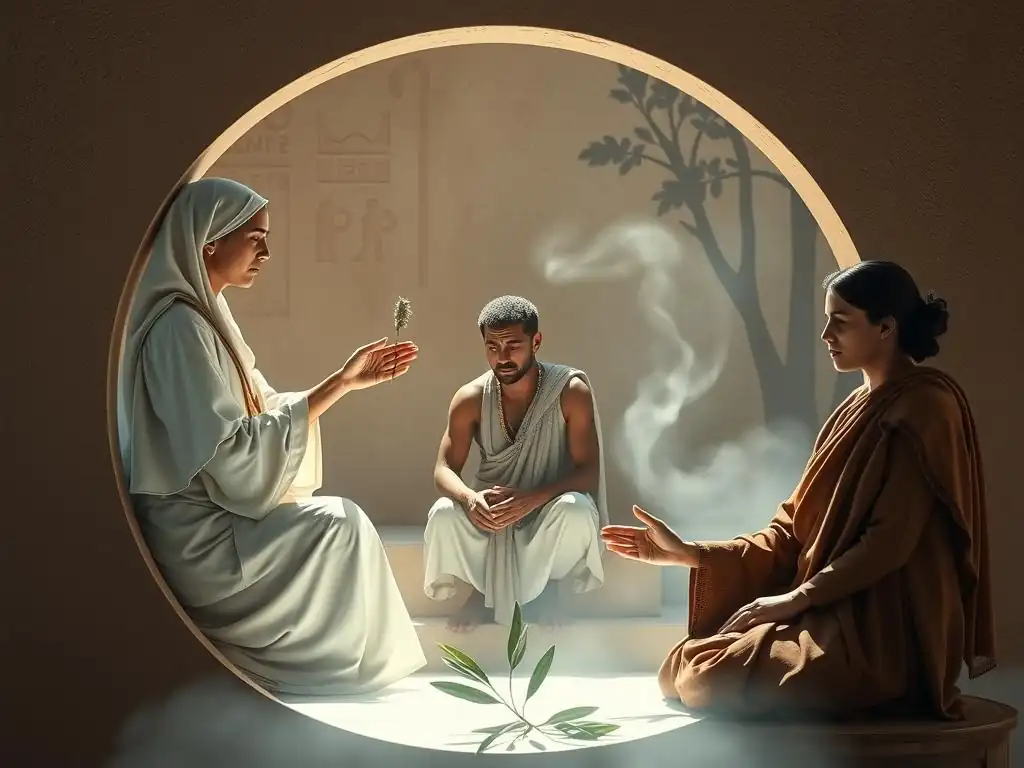
Examining the religious healing practices across ancient Mesopotamia, Egypt, Greece, and Rome reveals both striking similarities and notable differences. While each culture developed its unique pantheon and specific rituals, the underlying premise that spiritual factors influenced health, including mental health, was a shared belief. This cross-cultural perspective helps illuminate the fundamental ways ancient societies attempted to cope with psychological suffering through religious means.
The widespread reliance on religious rites for mental distress in antiquity highlights the universal human need to find meaning and control when faced with inexplicable suffering. Despite geographical and cultural separation, these societies independently developed systems where priests, temples, rituals, and divine appeals were central to the healing process. This suggests that certain core human responses to mental distress, such as seeking external powerful forces for help and finding solace in structured communal activities, transcend specific cultural boundaries.
Similarities in Ritualistic Approaches to Mental Distress
Across these ancient civilizations, several common themes emerge in their religious approaches to mental distress. A primary similarity was the attribution of certain forms of mental illness to supernatural causes, such as demonic possession, divine anger, or curses. This led to a widespread use of exorcistic rituals or appeasement ceremonies aimed at addressing these perceived spiritual roots of the problem.
Another shared element was the use of incantations, prayers, and spells as therapeutic tools. Whether recited in Akkadian, Egyptian, Greek, or Latin, these verbal formulas were intended to invoke divine power, ward off evil influences, or restore internal harmony. Furthermore, temples served as crucial healing centers in all these cultures, providing a sacred space for rest, ritual, and interaction with religious authorities, demonstrating a shared understanding of the therapeutic potential of sacred environments in religious healing mental distress ancient times.
Differences in Divine Interpretations of Mental Illness
While supernatural explanations were common, the specific divine interpretations of mental illness varied. In Mesopotamia, a strong emphasis was placed on specific demons causing particular ailments, leading to a focus on diagnostic and exorcistic rituals targeting these entities. Egyptian beliefs also involved demons but often intertwined them with magic and the power of specific spells and amulets invoking protective deities.
Greek and Roman perspectives, while still acknowledging divine influence (e.g., madness sent by gods), also saw the emergence of more nuanced views that sometimes linked mental states to internal imbalances or even philosophical concepts. The role of oracles in Greece provided a unique method for interpreting suffering through divine prophecy. These differences reflect the diverse theological frameworks and evolving understandings of the human condition within each culture, shaping the specific forms of religious healing mental distress ancient peoples practiced.
The Impact of Cultural Context on Religious Healing Methods
The specific cultural context heavily influenced the manifestation and application of religious healing methods. In Mesopotamia, the intricate system of divination and omens shaped the diagnostic approach, leading to highly specific rituals tied to perceived divine signs. Egyptian healing was deeply integrated with their complex funerary beliefs and magical practices, reflected in the use of amulets and spells invoking deities associated with the afterlife and cosmic order.
Greek and Roman practices were influenced by their civic religions and philosophical traditions. The communal nature of Roman piety meant that public rituals and vows for health were significant. In Greece, the rise of philosophical schools and early medical science coexisted with traditional religious healing, creating a more diverse landscape of options. These examples show how the broader cultural, social, and intellectual environment profoundly shaped the specific forms of religious healing mental distress ancient societies developed and practiced.
The Efficacy of Religious Rites in Ancient Mental Healthcare
Assessing the 'efficacy' of ancient religious rites from a modern medical perspective is challenging, as their goals and underlying principles differed significantly from contemporary healthcare. However, from the perspective of the ancient individuals who practiced them, these rites were often considered effective. Their perceived success likely stemmed from a combination of psychological, social, and psychosomatic factors rather than solely addressing the biological or neurological underpinnings of mental illness as understood today.
These practices provided a structured response to chaotic internal states, mobilized community support, and leveraged the powerful effect of belief. While they may not have cured conditions like schizophrenia or severe depression in a modern sense, they offered comfort, reduced anxiety, provided a sense of control, and facilitated social reintegration, which could significantly alleviate suffering and improve functioning for some individuals experiencing mental distress.
Psychological Benefits of Ritual and Ceremony
Participation in religious rituals and ceremonies could offer significant psychological benefits to individuals experiencing mental distress. The structured nature of ritual provides a sense of order and predictability in the face of internal chaos. Performing specific actions, reciting prayers, or making offerings can give the individual a feeling of agency and control over their condition, countering feelings of helplessness often associated with mental suffering.
Furthermore, the symbolic nature of rituals can be deeply therapeutic. Rites of purification, for example, could symbolize the cleansing of negative thoughts or influences. Confession rituals offered psychological release. The sensory experience of ceremonies – involving music, incense, chanting, and visual elements – could induce altered states of consciousness or simply provide distraction and comfort. These psychological aspects were crucial to the perceived success of religious healing mental distress ancient peoples sought.
Ancient religious healing was often a communal rather than purely individual endeavor. Temples were social hubs, and rituals were frequently performed in the presence of priests, family, and community members. This social context provided crucial support for the afflicted individual. Being part of a community that shared beliefs about the cause and potential cure of their suffering could reduce isolation and stigma.
The community's participation in prayers, offerings, or processions demonstrated solidarity and reinforced the individual's connection to the social fabric. Priests and temple staff often offered counsel and reassurance. This integrated approach, where healing was a community concern facilitated through religious structures, provided a powerful form of social support that is recognized today as vital for mental well-being and recovery. The communal dimension was a key strength of religious healing mental distress ancient societies offered.
Limitations of Religious Healing in Addressing Severe Mental Illness
While religious rites offered comfort and support for many forms of mental distress, they had significant limitations, particularly in addressing severe mental illnesses like acute psychosis or debilitating depression. Without an understanding of neurobiological factors or the availability of modern psychopharmacology, ancient religious practices could not fundamentally alter the course of such conditions.
Furthermore, interpretations of mental illness solely as divine punishment or demonic possession could sometimes lead to harmful or ineffective treatments, or even ostracization. While many religious approaches were empathetic, some interpretations could exacerbate guilt or fear. The lack of evidence-based understanding of severe mental disorders meant that even the most well-intentioned religious interventions were often insufficient to provide sustained recovery for those most profoundly affected, highlighting a key limitation of religious healing mental distress ancient approaches faced.
From Ancient Practices to Modern Perspectives: Lessons Learned
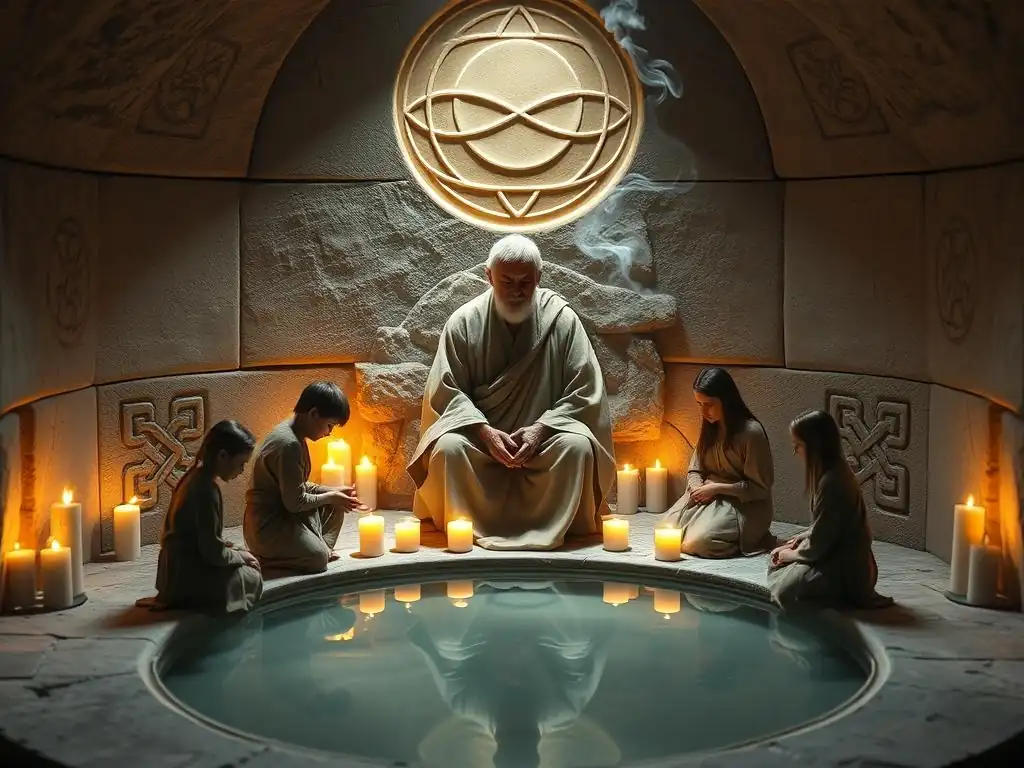
Examining the history of religious healing mental distress ancient societies practiced offers valuable lessons for contemporary mental healthcare. While we no longer attribute mental illness to demons or divine wrath, certain principles embedded in ancient religious healing remain relevant. The historical perspective reminds us that mental health is not solely a biological issue but is deeply intertwined with an individual's sense of meaning, their social connections, and their spiritual beliefs.
Understanding these historical approaches can foster greater empathy and a more holistic perspective on mental well-being. It encourages us to look beyond purely biomedical models and consider the psychological, social, and spiritual dimensions that ancient cultures intuitively addressed through their religious practices. This historical context is crucial for appreciating the evolution of mental healthcare and the enduring human search for healing and meaning in the face of suffering.
The Enduring Power of Belief in Mental Health
One significant lesson from ancient religious healing is the enduring power of belief and expectation in the healing process. The placebo effect, well-documented in modern medicine, demonstrates that a person's belief in the effectiveness of a treatment can influence their outcome. In ancient contexts, faith in the power of deities, the efficacy of rituals, and the authority of religious healers likely played a substantial role in the perceived benefits of religious interventions for mental distress.
This highlights the importance of hope, positive expectation, and a strong therapeutic alliance (whether with a priest or a modern therapist) in recovery from mental health challenges. While modern healthcare relies on scientific evidence, acknowledging and respecting a patient's belief system, including spiritual or religious beliefs, can be a powerful adjunct to treatment, echoing the fundamental role of belief in religious healing mental distress ancient peoples experienced.
Integrating Spirituality and Modern Mental Healthcare
The historical integration of religion and healing in ancient times suggests that overlooking the spiritual dimension in modern mental healthcare may be neglecting a vital aspect of human experience. For many individuals, spiritual or religious beliefs provide a framework for understanding life's challenges, a source of resilience, and a network of social support.
Contemporary approaches are increasingly recognizing the value of incorporating spirituality into mental health treatment for those who desire it. This can involve spiritual counseling, utilizing a patient's faith community as a support system, or helping patients find meaning and purpose, aspects that were central to ancient religious healing practices. While maintaining professional boundaries and respecting diverse beliefs, acknowledging the historical role of spirituality in religious healing mental distress ancient cultures underscores its potential relevance today.
Acknowledging the Historical Context of Mental Health Treatment
Finally, studying ancient religious approaches to mental distress provides essential historical context for understanding the evolution of mental health treatment. It shows that before the development of modern psychiatry and psychology, societies relied on the frameworks available to them – primarily religion and magic – to explain and address complex human suffering.
Acknowledging this history helps temper presentism and fosters a deeper appreciation for the long, often difficult journey towards understanding mental illness. It reminds us that current scientific models are the latest stage in humanity's continuous effort to grapple with the mysteries of the mind and its afflictions. This historical perspective on religious healing mental distress ancient societies practiced is crucial for a comprehensive view of mental health history.
Conclusion: The Legacy of Religious Healing in Mental Distress
The exploration of religious healing mental distress ancient cultures practiced reveals a fascinating and complex history of human efforts to alleviate psychological suffering. From the exorcism rituals of Mesopotamia to the temple sleep of Greece and the prayers offered in Roman shrines, religious beliefs and practices were fundamental components of ancient approaches to mental well-being. These methods, while based on worldviews vastly different from our own, provided comfort, meaning, and social support to individuals struggling with mental anguish.
While we have moved towards scientific and medical models for understanding and treating mental illness, the legacy of ancient religious healing endures in subtle ways. It highlights the profound connection between mind, body, and spirit, the power of belief and community, and the universal human need to find meaning in suffering. Studying these historical practices not only enriches our understanding of the past but also offers insights into the multifaceted nature of healing and the potential role of spirituality in contemporary mental health journeys.
Re-evaluating Ancient Wisdom in Contemporary Mental Wellness
Contemporary mental wellness paradigms can benefit from a re-evaluation of certain aspects of ancient wisdom embedded in religious healing practices. While discarding the supernatural explanations, the emphasis on community support, the creation of sacred or safe spaces (like temples), and the use of structured rituals (which can be therapeutic even outside a religious context) offer valuable insights.
Modern group therapy, mindfulness practices, and the recognition of social determinants of health resonate, in part, with the communal and holistic aspects of ancient religious healing. Understanding how religious healing mental distress ancient peoples utilized these elements can inform more integrated, patient-centered approaches in modern care that acknowledge the importance of social, emotional, and spiritual dimensions alongside biological ones.
Further Research: Exploring the Intersection of Religion and Mental Health History
The intersection of religion and mental health history is a rich area for further research. Detailed studies of ancient texts, archaeological findings related to healing sanctuaries, and comparative analyses across different cultures can provide deeper insights into specific practices, beliefs, and the experiences of individuals seeking religious healing mental distress ancient societies offered.
Future research could also explore the long-term impact of specific ancient healing rituals, analyze the transition from religious to more naturalistic explanations of mental illness, and examine how ancient concepts of 'spiritual affliction' might correlate with modern diagnostic categories. Such exploration is vital for a complete understanding of the history of mental health and the enduring human quest for healing.
Frequently Asked Questions
What role did religious rituals play in addressing mental distress in ancient societies?
Ancient societies often viewed mental distress through a spiritual lens. Religious rituals were used to appease deities, cleanse perceived spiritual impurities, and restore balance, believed to be crucial for mental well-being.
How did ancient cultures perceive the cause of mental distress in relation to religious beliefs?
Many ancient cultures attributed mental distress to divine punishment, demonic possession, or a disruption in the individual's relationship with the spiritual realm. Religious healing aimed to address these perceived root causes.
What types of religious practices were commonly employed for mental healing in ancient times?
Common practices included prayer, sacrifices, exorcism rites, pilgrimages to sacred sites, and the use of amulets or talismans believed to possess protective and healing powers. These practices were centered around restoring spiritual harmony.
Was there a distinction between mental illness and spiritual affliction in ancient healing practices?
The distinction was often blurred, with mental distress frequently interpreted as a form of spiritual affliction. Religious healers served as intermediaries between the afflicted individual and the divine, addressing both the perceived spiritual and mental aspects.
How can understanding ancient religious healing practices inform modern approaches to mental well-being?
Studying these practices offers insights into the historical and cultural perspectives on mental health. It highlights the enduring human need for meaning, connection, and spiritual support in navigating mental distress, which can complement modern therapeutic approaches.
Final Reflection: Echoes of Ancient Wisdom in Modern Mental Health
The ancient world's struggles with mental distress, far from being relics of the past, offer a powerful mirror to our own contemporary challenges. Understanding the religious and ritualistic approaches to healing employed millennia ago provides not only historical insight but also a crucial perspective on the enduring human need for solace and meaning in the face of mental suffering. The enduring power of ritual and community in addressing distress remains a potent force, even in our increasingly secular world.
The exploration of ancient religious healing practices reveals a profound interconnectedness between spirituality, community, and mental well-being – a connection often overlooked in modern, individualistic approaches to mental health. These practices, while vastly different in their specifics, shared a common thread: the belief in the power of shared experience, ritualistic action, and spiritual connection to alleviate suffering. The gods do not heal; they help us to heal ourselves.
– This ancient sentiment, though its exact origin is lost to time, speaks volumes about the role of faith and ritual in empowering individuals to navigate their mental health journeys.
Consider the enduring power of ritual and community in your own life. How can you draw upon the echoes of these ancient practices to foster a stronger sense of connection, purpose, and resilience in the face of personal challenges? Perhaps it's through mindful practices, connecting with nature, engaging in creative expression, or strengthening bonds with loved ones. Let the wisdom of the ancients inspire you to find your own path towards healing and wholeness. The journey toward mental well-being is a deeply personal one, but the lessons of the past offer a rich tapestry of inspiration and guidance.
Unveil Your Inner Strength: Ancient Wisdom for Modern Wellbeing
Thank you for exploring the fascinating world of ancient healing practices! We hope you found insights into how religious rites addressed mental distress in the past. Now it's time to apply this wisdom to your own life.
- Embrace a mindful ritual: Develop a daily practice—even just 5 minutes—of meditation, prayer, or journaling to cultivate inner peace. This could be anything that brings you a sense of calm and connection.
- Share your journey: Discuss your experience with a trusted friend or family member, or share your thoughts in the comments below. Connecting with others can amplify the benefits of mindful practice.
- Explore further: Research other ancient healing traditions that resonate with you. Discover how these practices can integrate into your modern life for lasting well-being.
Ready to integrate these ancient techniques into your daily routine and discover a renewed sense of calm? What simple ritual will you begin today to nurture your mental wellness?