
The Perfect Sleep Environment: Setup Secrets for Anxious Sleepers

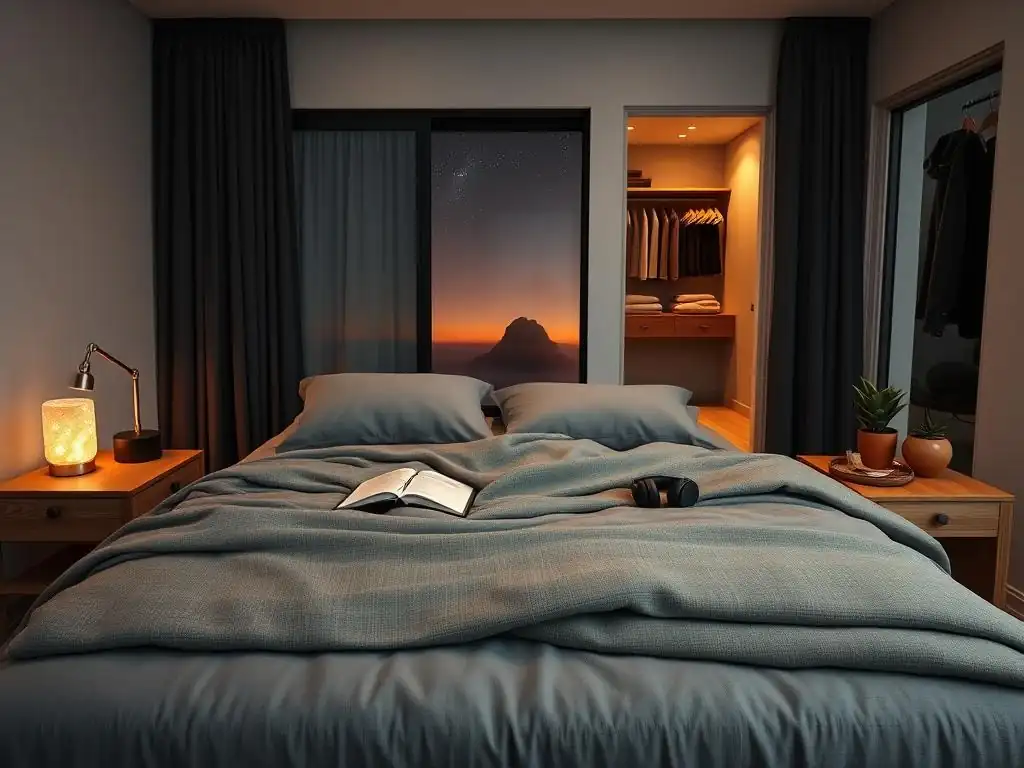
Welcome to Mind Care Guide, your sanctuary for navigating the complexities of mental well-being. Are you tossing and turning, your mind racing just as you're trying to drift off? You're not alone. Many experience anxiety that disrupts their sleep. Ever wonder if your sleep environment itself might be contributing to the problem? Dive into our latest article on anxious sleep environment setup tips and discover practical, actionable strategies to transform your bedroom into a haven of tranquility and finally unlock the restful sleep you deserve. Let's begin your journey to a calmer night, starting now...
The Perfect Sleep Environment: Setup Secrets for Anxious Sleepers
- Understanding Anxiety and Its Impact on Sleep
- Creating a Calming Sleep Sanctuary: Anxious Sleep Environment Setup Tips
- The Power of Sensory Details: Tailoring Your Sleep Environment
- Technology and Sleep: Minimizing Screen Time and Blue Light Exposure
- Relaxation Techniques for Anxious Sleepers: Integrating Calming Practices
- Maintaining a Consistent Sleep Schedule: The Cornerstone of Good Sleep Hygiene
- Beyond the Bedroom: Holistic Strategies for Anxiety and Sleep
- Conclusion: Achieving Peaceful Sleep Through a Thoughtfully Designed Environment
-
Frequently Asked Questions
- What is an "Anxious Sleep Environment Setup" and why is it important?
- What are some key elements of a sleep environment conducive to reducing anxiety?
- How can I use light to improve my sleep environment if I struggle with anxiety?
- Are there specific sounds or noises that are beneficial for anxious sleepers?
- What role does the physical comfort of my bed play in creating a better sleep environment?
- Final Reflection: Finding Peace in the Perfect Sleep Sanctuary
- Unlock Your Best Sleep Yet: Actionable Steps to Peaceful Nights
Understanding Anxiety and Its Impact on Sleep
Anxiety is a natural human response to stress, but for many, it becomes a persistent state that significantly interferes with daily life, including the ability to get restorative sleep. The constant worry, racing thoughts, and physical tension associated with anxiety can turn bedtime into a source of dread rather than relaxation. Understanding this complex relationship is the first step toward building an effective anxious sleep environment setup. When the mind is overactive, it signals danger, keeping the body in a state of alert, which is fundamentally incompatible with the process of falling and staying asleep.
The impact of anxiety on sleep is profound and multifaceted. It can make it difficult to initiate sleep, lead to frequent awakenings during the night, and result in non-restorative sleep, leaving individuals feeling exhausted even after spending hours in bed. Addressing the root causes of anxiety is crucial, but simultaneously optimizing the sleep environment provides a powerful tool to mitigate its disruptive effects on sleep quality. By creating a space that actively promotes calm and minimizes triggers, individuals can significantly improve their chances of achieving peaceful rest.
The Anxiety-Sleep Connection: Why Anxious Sleepers Struggle
The connection between anxiety and sleep is a vicious cycle. Anxiety activates the body's stress response system, releasing hormones like cortisol and adrenaline. These hormones increase heart rate, blood pressure, and alertness, making it incredibly challenging to wind down and prepare for sleep. The mind races with worries about the day past, the day ahead, or even the inability to sleep itself, further fueling the anxious state. This heightened physiological and psychological arousal directly opposes the relaxation needed for sleep onset.
Moreover, poor sleep can exacerbate anxiety levels the following day. Sleep deprivation impairs the brain's ability to regulate emotions and cope with stress, making individuals more susceptible to anxious thoughts and feelings. This creates a feedback loop where anxiety disrupts sleep, and poor sleep increases anxiety, making it difficult to break free without targeted strategies. Understanding this cycle highlights the importance of addressing both the anxiety itself and the environmental factors that influence sleep quality for anxious individuals.
Anxiety manifests in various sleep disturbances, affecting both the ability to fall asleep and stay asleep. Insomnia is perhaps the most common issue, characterized by difficulty initiating sleep (taking more than 30 minutes to fall asleep), difficulty maintaining sleep (waking up frequently or for extended periods during the night), or early morning awakenings with inability to return to sleep. Studies suggest a significant overlap, with a large percentage of individuals with anxiety disorders reporting symptoms of insomnia.
Beyond insomnia, anxious sleepers may experience restless sleep, vivid or disturbing dreams (sometimes related to anxious thoughts), or even physical symptoms like restless legs syndrome or teeth grinding, which can be worsened by stress and anxiety. The quality of sleep is often poor, meaning even if they get some hours of sleep, it isn't deep or restorative, leaving them feeling unrefreshed. These varied sleep problems underscore the need for a comprehensive approach, including effective anxious sleep environment setup tips.
Identifying that sleep problems are linked to anxiety is crucial for seeking appropriate help and implementing effective strategies. One key sign is persistent difficulty sleeping that coincides with periods of increased worry, stress, or feelings of being overwhelmed. The anxious thoughts often become more prominent at night when distractions are minimal, making it hard to quiet the mind. Individuals might find themselves replaying conversations, worrying about future events, or fixating on problems as soon as their head hits the pillow.
Physical symptoms accompanying sleep difficulties can also point to an anxiety link. These include a racing heart, shortness of breath, muscle tension, or a general feeling of restlessness or unease when trying to sleep. Furthermore, if sleep problems significantly impact daytime functioning, leading to fatigue, irritability, difficulty concentrating, or increased worry about sleep itself, it strongly suggests anxiety is playing a role. Recognizing these signs is the first step towards implementing practical solutions like optimizing your anxious sleep environment setup.
Creating a Calming Sleep Sanctuary: Anxious Sleep Environment Setup Tips
Transforming your bedroom into a peaceful retreat is fundamental for improving sleep quality, especially for those struggling with anxiety. The environment where you sleep plays a significant role in signaling to your brain and body that it's time to rest and feel safe. A chaotic, stimulating, or uncomfortable bedroom can exacerbate anxiety and make sleep nearly impossible. Conversely, a well-designed space can promote relaxation and reduce physiological arousal.
Implementing thoughtful anxious sleep environment setup tips involves considering multiple factors, from physical comfort and sensory input to the psychological feeling the room evokes. It's about creating a sanctuary – a place specifically dedicated to rest and calm, free from the stressors and distractions of daily life. This dedicated space helps build a strong association between the bedroom and sleep, rather than associating it with worry or wakefulness.
Optimizing Your Bedroom for Relaxation: The Foundation of a Sleep-Friendly Space
The layout and overall feel of your bedroom significantly impact your ability to relax. Start by ensuring the room is primarily used for sleep and intimacy, avoiding using it as a workspace, a place for intense discussions, or where you consume stimulating media. Decluttering is also essential; visual clutter can create a sense of chaos and overwhelm, which is counterproductive to calming an anxious mind. Aim for simplicity and order.
Color choices can also influence mood. Soft, muted colors like blues, greens, and grays are often recommended for bedrooms as they are perceived as calming and peaceful. Harsh, bright colors can be stimulating. Personal touches that evoke comfort and peace, such as a favorite soft blanket or a calming piece of art, can also contribute positively to the overall atmosphere, reinforcing the feeling of safety and tranquility needed for an effective anxious sleep environment setup.
Soundproofing and Noise Reduction for Anxious Sleepers
Noise is a major sleep disruptor, and for anxious individuals, sudden or unpredictable sounds can be particularly jarring, triggering the body's alert response. Even if noise doesn't fully wake you, it can cause micro-arousals that fragment sleep quality, leaving you feeling tired. Implementing strategies to minimize external noise is a critical anxious sleep environment setup tip.
Consider using heavy curtains or blackout blinds, which can absorb some sound. Sealing gaps around doors and windows can also help reduce noise infiltration. For persistent noise, using earplugs or a white noise machine can be highly effective. White noise or gentle ambient sounds (like rain or nature sounds) can mask disruptive noises by providing a consistent, non-threatening auditory backdrop, helping to quiet the mind and prevent sudden sounds from causing an anxious jolt. Studies have shown that consistent ambient sound can improve sleep quality by reducing awakenings.
Light Management: Blocking Out Distractions and Promoting Melatonin Production
Light exposure, particularly artificial light at night, interferes with the body's natural circadian rhythm and suppresses melatonin production, the hormone that signals sleep. For anxious sleepers, sensitivity to light can be heightened, making it harder to relax and fall asleep in a brightly lit room. Creating a dark sleep environment is a fundamental anxious sleep environment setup tip.
Use blackout curtains or blinds that completely block out external light, such as streetlights or early morning sun. Ensure there are no bright electronic displays or indicator lights in the room; cover them or remove the devices if possible. Dimming lights in the hours leading up to bedtime signals to your brain that it's time to wind down. A dark room promotes the natural rise of melatonin, facilitating sleep onset and maintenance, which is especially beneficial for an anxious mind struggling to transition into a restful state.
The Power of Sensory Details: Tailoring Your Sleep Environment
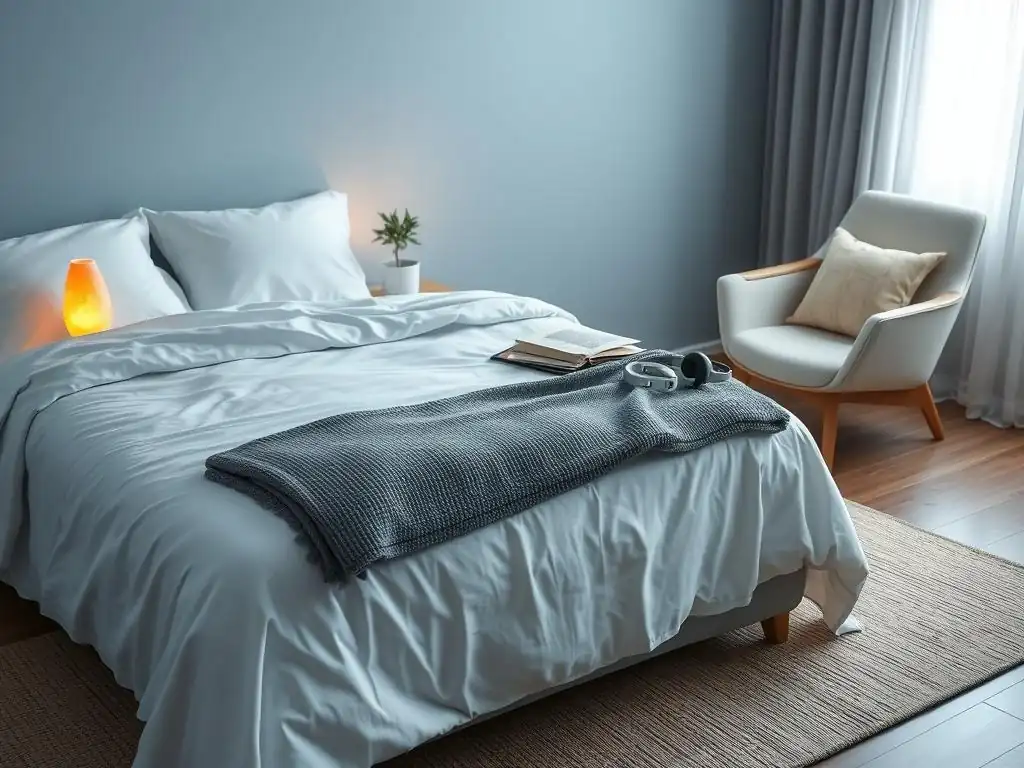
Beyond the basics of light and sound, the sensory details of your bedroom – what you feel, smell, and the overall tactile experience – can significantly impact your ability to relax and fall asleep, especially when managing anxiety. These elements contribute to the overall comfort and safety of your sleep space, directly influencing your physiological and psychological state at bedtime. Paying attention to these details is a crucial part of creating a truly effective anxious sleep environment setup.
Tailoring these sensory aspects allows you to create a personalized haven that specifically addresses your sensitivities and preferences. What feels calming to one person might be irritating to another. Experimenting with different textures, temperatures, and scents can help you discover the combination that best promotes your sense of peace and security, easing the transition from wakefulness to sleep even when anxiety is present.
Choosing the Right Bedding for Maximum Comfort and Reduced Anxiety
The feel of your bedding against your skin can be a subtle yet powerful factor in promoting relaxation. Scratchy sheets or an uncomfortable pillow can be a constant, irritating distraction that fuels restlessness and anxiety at bedtime. Opt for bedding made from soft, breathable materials like cotton, bamboo, or linen. The thread count of sheets can also influence softness, with counts between 200 and 400 often considered a good balance of softness and durability.
Consider the weight of your blankets. Some individuals with anxiety find comfort in the feeling of gentle pressure, similar to a hug. Weighted blankets, typically weighing between 5 and 25 pounds, distribute pressure evenly across the body, which can have a calming effect by stimulating the parasympathetic nervous system. While research is still evolving, many users report reduced anxiety and improved sleep with weighted blankets, making them a worthwhile consideration as part of your anxious sleep environment setup.
Temperature Control: Finding the Ideal Sleeping Temperature for Anxiety Relief
Body temperature naturally dips during sleep, and a room that is too hot or too cold can disrupt this process and lead to awakenings. Most sleep experts recommend keeping the bedroom temperature cool, typically between 60 and 67 degrees Fahrenheit (approximately 15 to 19 degrees Celsius). This cooler temperature range helps facilitate the body's natural temperature drop needed for sleep onset and maintenance.
For anxious sleepers, feeling too hot can exacerbate feelings of restlessness and discomfort, while being too cold might cause tension. Finding the perfect temperature for you might require some experimentation. Using breathable bedding, having a fan for air circulation, or setting a thermostat to a specific temperature can help maintain a consistent, comfortable climate throughout the night, reducing a potential source of physical stress in your anxious sleep environment setup.
Aromatherapy for Sleep: Using Scents to Calm the Mind and Body
Certain scents have been shown to have calming properties that can help reduce anxiety and promote relaxation, making aromatherapy a valuable addition to your anxious sleep environment setup. Introducing soothing aromas into your bedroom can help signal to your brain and body that it's time to unwind and prepare for sleep. This can be particularly helpful in breaking the cycle of anxious thoughts that often emerge at bedtime.
Using an essential oil diffuser, a few drops of oil on a tissue near your pillow, or a linen spray can introduce calming scents into the air. Consistency is key; using the same scent each night can help create a powerful olfactory cue associated with sleep and relaxation. Ensure you use high-quality, pure essential oils and follow safety guidelines, especially if you have pets or respiratory sensitivities.
Essential Oils for Anxiety and Sleep: A Detailed Guide
Several essential oils are commonly used for their calming and sleep-promoting effects, offering natural support within your anxious sleep environment setup. Lavender is perhaps the most well-known and widely studied, consistently shown to reduce anxiety and improve sleep quality. Studies have indicated that inhaling lavender oil can decrease cortisol levels and improve sleep scores.
Other beneficial oils include Chamomile (Roman), known for its gentle calming and sedative properties; Bergamot, a citrus scent that can help reduce stress; Frankincense, often used for grounding and promoting peace; and Vetiver, with its earthy, grounding aroma that can help calm an overactive mind. Combining a few drops of one or a blend of these oils in a diffuser about 30-60 minutes before bedtime can help create a relaxing atmosphere conducive to sleep for anxious individuals.
The Importance of a Clutter-Free Sleep Space: Reducing Visual Stimulation
Visual clutter is more than just untidiness; it can be a source of unconscious stress and anxiety, particularly for sensitive individuals. Piles of clothes, stacks of books, or miscellaneous items scattered around the bedroom create a sense of unfinished tasks and disorganization, which can make it difficult for an anxious mind to fully relax. A cluttered space can feel overwhelming and distracting, preventing you from fully disengaging from daily worries.
Maintaining a clean and organized bedroom promotes a sense of calm and order. Dedicate time each day or week to tidying up your sleep space. Have designated places for items like books, clothes, and personal belongings. A minimalist approach can be particularly beneficial, reducing the number of items competing for your attention. A visually calm environment supports a mentally calm state, reinforcing the positive effects of your anxious sleep environment setup efforts.
Technology and Sleep: Minimizing Screen Time and Blue Light Exposure
Technology, while integral to modern life, is a significant obstacle to quality sleep, especially for anxious sleepers. The stimulating content consumed on screens and the specific type of light emitted by electronic devices actively work against the body's natural sleep processes. Integrating technology management into your anxious sleep environment setup is non-negotiable for improving sleep.
The blue light emitted by smartphones, tablets, computers, and even some LED lights suppresses melatonin production, making it harder to fall asleep. Engaging with stimulating content like social media, news, or stressful emails right before bed can also activate the brain and increase anxiety, the opposite of what is needed for sleep. Setting clear boundaries around technology use in the hours leading up to sleep is crucial for allowing your mind and body to wind down effectively.
Creating a Tech-Free Zone: Separating Technology From Your Sleep Environment
The most effective strategy for minimizing technology's impact on sleep is to remove it from the bedroom entirely. This means charging your phone outside the bedroom, using an old-fashioned alarm clock instead of your smartphone, and keeping laptops and TVs out of the sleep space. This physical separation creates a clear boundary, signaling that the bedroom is for sleep and relaxation, not for digital engagement.
Aim for a "digital curfew" – setting a specific time, ideally one to two hours before bedtime, after which you cease all non-essential screen use. Use this time for calming activities like reading a physical book, taking a warm bath, or practicing relaxation techniques. Establishing a tech-free zone is a powerful step in creating a dedicated anxious sleep environment setup that promotes rest rather than stimulation.
Blue Light Filters and Their Impact on Sleep Quality
If completely avoiding screens before bed is challenging, utilizing blue light filters can help mitigate some of the negative effects. Many smartphones and computers now have built-in features (like Night Shift on Apple devices or Night Light on Windows) that shift the screen colors towards the warmer end of the spectrum, reducing blue light emission, especially in the evening. There are also apps and browser extensions that offer similar functionality.
Wearing blue light blocking glasses in the evening can also be effective, particularly if you work on a computer late or watch TV. While filters and glasses can help reduce the suppression of melatonin compared to unfiltered blue light, they are not a perfect solution. The stimulating content viewed on screens can still interfere with relaxation and increase anxiety. Therefore, while helpful, blue light filters should complement, not replace, efforts to reduce overall screen time before sleep as part of your anxious sleep environment setup tips.
Utilizing Sleep Apps and Sounds Mindfully: White Noise and Sleep Cycle Trackers
Not all technology is detrimental to sleep. Some apps and devices are designed to aid sleep, but they must be used mindfully within your anxious sleep environment setup. White noise machines or apps that play consistent, non-stimulating sounds (like fan noise, rain, or static) can be very helpful for masking disruptive noises and creating a calming auditory environment, as discussed earlier. Many people find these sounds soothing and effective for quieting a busy mind.
Sleep tracking apps or wearables, which claim to monitor sleep cycles, heart rate, and movement, can be a double-edged sword for anxious individuals. While they might provide interesting data, obsessing over sleep metrics can actually increase sleep-related anxiety, a condition known as orthosomnia. If using a tracker adds to your worry about getting "perfect" sleep, it's best to discontinue its use. Focus instead on creating a positive sleep environment and practicing good sleep hygiene based on your body's signals, rather than relying solely on data from technology.
Relaxation Techniques for Anxious Sleepers: Integrating Calming Practices
While creating the perfect physical anxious sleep environment setup is crucial, addressing the mental and physical tension associated with anxiety is equally important for achieving restful sleep. Integrating relaxation techniques into your pre-sleep routine helps to actively calm the nervous system, reduce racing thoughts, and prepare your body for rest. These practices serve as a bridge between the activities of the day and the state of sleep.
Consistency is key when practicing relaxation techniques. Like any skill, they become more effective with regular practice, even during the day when you're not trying to sleep. Developing a repertoire of techniques allows you to choose what works best for you on any given night. These practices empower you to take an active role in managing your anxiety and improving your sleep quality.
Guided Meditation for Sleep: Insight Timer and Calm
Guided meditation involves listening to an instructor who guides you through the process of relaxing your body and calming your mind. Many apps and online resources offer specific guided meditations designed for sleep, often incorporating body scans, gentle breathing exercises, or visualizations. Popular apps like Insight Timer and Calm host thousands of free and subscription-based guided meditations, including many tailored for sleep and anxiety.
Using a guided meditation allows you to focus on the instructor's voice rather than getting lost in anxious thoughts. It provides a structured way to unwind and can help detach from the worries of the day. Anecdotal evidence and some studies suggest that regular meditation practice can reduce anxiety and improve sleep quality by promoting a state of relaxation and mindfulness. Incorporating a 10-20 minute guided meditation before bed can be a powerful addition to your anxious sleep environment setup routine.
Progressive Muscle Relaxation: A Step-by-Step Guide
Progressive Muscle Relaxation (PMR) is a technique that involves tensing and then releasing different muscle groups in the body. This practice helps you become more aware of physical tension and teaches you how to release it, which is particularly beneficial for anxious individuals who often carry tension in their muscles. It provides a physical method for reducing the physiological arousal associated with anxiety.
To practice PMR, lie comfortably in bed. Start with your toes, tensing the muscles tightly for about 5-10 seconds, then completely releasing the tension and noticing the difference. Move up your body, muscle group by muscle group – feet, calves, thighs, glutes, abdomen, chest, back, hands, arms, shoulders, neck, and face. By systematically tensing and releasing, you actively promote physical relaxation, making it easier for your body to enter a state conducive to sleep within your carefully designed anxious sleep environment setup.
Deep Breathing Exercises for Anxiety and Sleep
Simple deep breathing exercises can have a profound calming effect on the nervous system. When anxious, breathing often becomes shallow and rapid. Deep, slow breathing signals to the body that it is safe to relax, counteracting the fight-or-flight response. Integrating a few minutes of focused breathing into your bedtime routine is a simple yet effective anxious sleep environment setup tip.
A common technique is diaphragmatic or belly breathing. Lie down and place one hand on your chest and the other on your abdomen. Inhale slowly through your nose, feeling your abdomen rise while your chest remains relatively still. Exhale slowly through your mouth, feeling your abdomen fall. Focus on the sensation of your breath. Techniques like the 4-7-8 method (inhale for 4 counts, hold for 7, exhale for 8) can also be particularly effective for inducing relaxation and preparing the body for sleep. Practicing this for 5-10 minutes can significantly reduce pre-sleep anxiety.
Maintaining a Consistent Sleep Schedule: The Cornerstone of Good Sleep Hygiene
While environmental factors and relaxation techniques are crucial, their effectiveness is significantly amplified when paired with consistent sleep hygiene practices. A regular sleep schedule helps regulate your body's internal clock, the circadian rhythm, which dictates when you feel sleepy and when you feel alert. This consistency is particularly vital for anxious individuals whose natural rhythms may be disrupted by stress and worry.
Sticking to a consistent bedtime and wake-up time, even on weekends, helps to reinforce this rhythm. This predictable pattern signals to your body when it's time to wind down and when it's time to be awake, making it easier to fall asleep and wake up naturally. Integrating this consistency with your anxious sleep environment setup creates a powerful routine that promotes stable, healthy sleep patterns.
The Importance of a Regular Sleep-Wake Cycle for Anxious Individuals
Anxiety can often lead to erratic sleep patterns – staying up late worrying, sleeping in on weekends to catch up, or taking long naps. These inconsistencies further disrupt the circadian rhythm, making it harder to fall asleep the next night and potentially increasing anxiety about sleep itself. A regular sleep-wake cycle helps stabilize this rhythm, promoting more consistent sleep onset and duration.
Aiming for the same bedtime and wake-up time daily helps anchor your circadian clock. For example, going to bed around 11 PM and waking up around 7 AM consistently, even on Saturdays and Sundays. While it might be tempting to sleep in after a poor night, sticking to your schedule helps reset your body's natural sleep drive. This predictable rhythm reduces uncertainty around sleep, which can alleviate some sleep-related anxiety, complementing your anxious sleep environment setup tips.
Creating a Bedtime Routine to Signal Sleep
A consistent bedtime routine serves as a powerful signal to your brain and body that the day is ending and it's time to prepare for sleep. This routine should be a sequence of calming activities performed in the hour or so leading up to your target bedtime. It helps create a mental and physical transition from the day's activities to rest, which is especially beneficial for an anxious mind that struggles to switch off.
Your routine could include activities like taking a warm bath or shower, reading a physical book under dim light, listening to calming music, practicing gentle stretching or yoga, journaling about your worries (and then putting the journal away), or practicing the relaxation techniques mentioned earlier. The key is consistency and choosing activities that you find genuinely relaxing. This routine, performed within your carefully crafted anxious sleep environment setup, helps build a strong association between these actions and falling asleep.
What to Do When You Can't Sleep: Strategies for Managing Sleeplessness
It's common for anxious individuals to experience nights when, despite their best efforts and optimal anxious sleep environment setup, they simply cannot fall asleep or return to sleep after waking. Lying in bed feeling frustrated and anxious about sleeplessness only makes the problem worse. A crucial strategy is to avoid staying in bed awake for extended periods.
If you haven't fallen asleep after about 20-30 minutes, or if you wake up during the night and can't get back to sleep within that timeframe, get out of bed. Go to another dimly lit room and engage in a quiet, non-stimulating activity until you feel genuinely sleepy. This could be reading under a low light, listening to quiet music, or practicing gentle breathing exercises.
Avoid screens, bright lights, and anything stimulating. Return to bed only when you feel drowsy. This strategy helps break the negative association between your bed and wakefulness/frustration, reinforcing your bed as a place for sleep within your anxious sleep environment setup.
Beyond the Bedroom: Holistic Strategies for Anxiety and Sleep
Improving sleep for anxious individuals requires a holistic approach that extends beyond the immediate sleep environment and bedtime routine. Lifestyle factors, physical health, and emotional well-being all play significant roles in managing anxiety and improving sleep quality. Addressing these broader areas can provide additional support and enhance the effectiveness of your anxious sleep environment setup tips.
Considering your daily habits, diet, exercise, and when to seek professional help are all vital components of a comprehensive strategy. Poor nutrition, lack of physical activity, and untreated anxiety disorders can undermine even the best environmental and behavioral interventions. Integrating these holistic strategies creates a more resilient foundation for managing anxiety and achieving restorative sleep.
Diet and Exercise for Anxiety and Sleep: Limiting Caffeine and Regular Cardio
What you consume and how physically active you are during the day significantly impact your anxiety levels and sleep quality. Stimulants like caffeine, especially consumed in the afternoon or evening, can make it very difficult for anxious individuals to wind down and fall asleep. While estimates vary, caffeine can have a half-life of up to 5 hours, meaning half of the caffeine is still in your system hours after consumption. Limiting caffeine intake, particularly after noon, is a simple yet effective step. Alcohol, while initially seeming relaxing, disrupts sleep later in the night.
Regular physical activity is a powerful stress reliever and can significantly reduce anxiety symptoms, which in turn improves sleep. Aim for moderate-intensity exercise most days of the week. Cardiovascular exercise, like brisk walking, jogging, or swimming, is particularly effective at reducing stress hormones and promoting feelings of well-being. However, avoid vigorous exercise close to bedtime, as it can be stimulating; finish your workout at least 2-3 hours before you plan to sleep. A balanced diet rich in whole foods also supports overall mental and physical health, contributing to better sleep quality alongside your anxious sleep environment setup.
Seeking Professional Help: When to Consult a Therapist or Sleep Specialist
If anxiety and sleep problems are persistent and significantly impacting your quality of life despite implementing environmental and behavioral strategies, it's important to seek professional help. A mental health professional, such as a therapist or counselor, can help you address the underlying causes of your anxiety through therapies like Cognitive Behavioral Therapy (CBT) or Acceptance and Commitment Therapy (ACT). CBT, particularly CBT-I (CBT for Insomnia), is highly effective for treating chronic insomnia, including that related to anxiety. Studies show CBT-I can improve sleep onset latency by an average of 10-20 minutes and wakefulness after sleep onset by 20-30 minutes.
A sleep specialist or physician can evaluate potential medical causes for sleep disturbances and recommend appropriate treatments, which might include addressing conditions like sleep apnea or restless legs syndrome, or discussing medication options if necessary. They can also provide tailored advice on sleep hygiene and environment optimization. Don't hesitate to reach out; professional support is a vital component in managing complex sleep and anxiety issues, complementing all your efforts with anxious sleep environment setup tips.
Conclusion: Achieving Peaceful Sleep Through a Thoughtfully Designed Environment
For anxious sleepers, the journey to restorative sleep is often multifaceted, requiring attention to both the inner landscape of anxiety and the external environment where sleep occurs. While anxiety itself can be a formidable challenge, creating a peaceful, calming, and functional sleep sanctuary provides a powerful tool to mitigate its disruptive effects on sleep quality. Implementing mindful anxious sleep environment setup tips is not just about decorating a room; it's about strategically designing a space that promotes relaxation, minimizes triggers, and supports the body's natural sleep processes.
By optimizing light, sound, temperature, and comfort, minimizing technological interference, and integrating soothing sensory details, individuals can transform their bedroom into a haven conducive to rest. Coupled with consistent routines, relaxation techniques, healthy lifestyle choices, and professional support when needed, a thoughtfully designed anxious sleep environment becomes a cornerstone for managing anxiety and reclaiming the peaceful sleep necessary for overall well-being.
Key Takeaways: Implementing Anxious Sleep Environment Setup Tips
Implementing effective anxious sleep environment setup tips involves a combination of practical adjustments and consistent habits.
- Prioritize Darkness and Quiet: Use blackout curtains and soundproofing or white noise to create a dark, quiet space that minimizes external disturbances.
- Control Temperature: Maintain a cool bedroom temperature, ideally between 60-67°F (15-19°C), for optimal sleep comfort.
- Enhance Comfort: Invest in comfortable, breathable bedding and consider a weighted blanket if gentle pressure is soothing.
- Engage the Senses: Use calming scents like lavender through aromatherapy to promote relaxation.
- Declutter Your Space: Keep the bedroom clean and organized to reduce visual stress and promote a sense of calm.
- Minimize Technology: Remove screens from the bedroom and establish a digital curfew one to two hours before bedtime.
- Establish a Routine: Create and stick to a consistent bedtime and wake-up time, even on weekends, supported by a calming pre-sleep routine.
- Practice Relaxation: Incorporate techniques like deep breathing, progressive muscle relaxation, or guided meditation to calm your mind before sleep.
- Live Healthily: Pay attention to diet (limiting caffeine/alcohol) and regular exercise to support overall anxiety management and sleep quality.
- Seek Help: Consult a therapist or sleep specialist if anxiety and sleep problems persist despite your efforts.
By diligently applying these anxious sleep environment setup tips and holistic strategies, individuals can significantly improve their ability to fall asleep faster, stay asleep longer, and experience more restorative rest, ultimately leading to reduced anxiety and enhanced quality of life.
Frequently Asked Questions
What is an "Anxious Sleep Environment Setup" and why is it important?
It refers to creating a bedroom space specifically designed to reduce anxiety and promote restful sleep. This is crucial because anxiety can significantly disrupt sleep patterns and overall well-being.
What are some key elements of a sleep environment conducive to reducing anxiety?
Focus on elements like darkness, temperature, and sound. These factors directly impact the body's ability to relax and transition into sleep, especially for anxious individuals.
How can I use light to improve my sleep environment if I struggle with anxiety?
Prioritize complete darkness using blackout curtains or an eye mask. Avoid screen time before bed as blue light can interfere with melatonin production and exacerbate anxiety.
Are there specific sounds or noises that are beneficial for anxious sleepers?
White noise or nature sounds can help mask distracting noises and create a calming atmosphere. Some find ambient music or guided meditations helpful for relaxation.
What role does the physical comfort of my bed play in creating a better sleep environment?
A comfortable mattress, pillows, and bedding are essential. Ensure they provide adequate support and regulate temperature to prevent discomfort that can trigger or worsen anxiety during sleep.
Final Reflection: Finding Peace in the Perfect Sleep Sanctuary
The pursuit of a restful night's sleep is no longer a luxury; it's a necessity in our increasingly stressful world. For anxious sleepers, the bedroom isn't just a place to rest; it's a battleground against racing thoughts and restless bodies. This article has explored practical strategies to transform that battleground into a sanctuary of calm, proving that even small changes can significantly impact sleep quality.
Creating a truly peaceful sleep environment is an ongoing journey, not a destination. It's a process of self-discovery, learning what truly soothes your mind and body. This journey has been deeply personal for me, as I've wrestled with my own sleep anxieties and experimented with many of the techniques discussed. The impact on my well-being has been profound, reinforcing the importance of this work. Sleep is the golden chain that ties health and our bodies together.
- Thomas Dekker. This quote highlights the fundamental connection between sleep and overall well-being, a connection often overlooked in our busy lives.
Now, I invite you to reflect on your own sleep environment. Consider the small adjustments you can make to create a more calming space. Perhaps it's dimming the lights, investing in a comfortable mattress, or incorporating a relaxing bedtime routine. Don't underestimate the power of these seemingly small changes. By actively cultivating a sleep sanctuary, you're not just improving your sleep; you're investing in your mental and physical health, setting yourself up for a more peaceful and productive tomorrow. Begin your journey to a better night's sleep today.
Unlock Your Best Sleep Yet: Actionable Steps to Peaceful Nights
Thanks for taking the time to explore the secrets to better sleep! We hope you gained valuable insights into creating a truly restful environment. Ready to transform your bedroom into your personal sanctuary?
- Prioritize your sleep ritual: Start small – try incorporating just one new tip from the article tonight. Even a minor change can make a big difference.
- Share your sleep success: Tell us – what's one small adjustment you’ll be making to your sleep environment tonight? Let’s build a supportive community of better sleepers!
- Dive deeper: Explore our other resources on anxiety and well-being to discover even more ways to improve your sleep and overall mental health.
What's the one thing you're most excited to try to improve your sleep tonight? Let's discuss in the comments!