
Master Your Stress: Essential Breathing Exercises from Online Courses


Welcome to Mind Care Guide, a sanctuary for your mental well-being. Feeling overwhelmed? You're not alone. Discover how to reclaim your calm with our guide to stress management breathing exercises online. Are you ready to breathe easier and unlock inner peace? Let's begin.
Master Your Stress: Essential Breathing Exercises from Online Courses
- Introduction: Finding Calm with Online Stress Management Breathing Techniques
- Understanding Stress and the Power of Breath
- Choosing the Right Online Breathing Exercise Course for Stress Management
- Essential Breathing Exercises to Learn Online
- Maximizing the Benefits of Your Online Breathing Exercise Course
- Conclusion: Embrace the Power of Breath for Stress-Free Living.
-
Frequently Asked Questions
- What are stress management breathing exercises and how can they help me?
- Where can I find reliable online courses to learn stress management breathing exercises?
- How often should I practice stress management breathing exercises to see results?
- Are there any specific breathing exercises particularly effective for stress management?
- Can stress management breathing exercises completely eliminate stress?
- Final Reflection: Breathing Your Way to a Calmer You
- Breathe Easy: Unlock Your Inner Calm Today!
Introduction: Finding Calm with Online Stress Management Breathing Techniques
In today's fast-paced world, stress has become an almost constant companion for many. The demands of work, personal life, and global events can easily overwhelm our nervous systems, leading to physical and mental health challenges. While managing stress might seem daunting, one of the most accessible and powerful tools available is something we do automatically: breathing. Learning to control and optimize our breath can profoundly impact our stress levels, offering a pathway to calmness and resilience.
This article explores how targeted breathing exercises, often taught through comprehensive online stress management breathing exercises online courses, can serve as a vital component of a holistic wellness strategy. We will delve into the science behind breathwork, highlight essential techniques you can learn remotely, and guide you on choosing the best online resources to help you master your stress through conscious breathing. Embracing these practices can empower you to navigate daily pressures with greater ease and maintain a balanced state of mind.
Understanding Stress and the Power of Breath
The Science Behind Stress: How Breathing Can Help
When we experience stress, our body activates the sympathetic nervous system, often referred to as the "fight or flight" response. This triggers a cascade of physiological changes: heart rate increases, breathing becomes shallow and rapid, muscles tense up, and stress hormones like cortisol and adrenaline are released. While this response is crucial for survival in genuinely dangerous situations, chronic activation due to everyday stressors can be detrimental to health, contributing to issues like high blood pressure, anxiety disorders, and digestive problems.
Conscious, slow breathing exercises, particularly those focusing on longer exhalations, activate the parasympathetic nervous system, the body's "rest and digest" mode. This counteracts the stress response. For instance, studies have shown that slow, deep breathing can significantly lower cortisol levels within minutes.
One meta-analysis of multiple studies indicated that regular breathwork practice could lead to a measurable reduction in perceived stress scores, sometimes by as much as 20-30% over several weeks, by signaling to the brain that the threat has passed, allowing the body to return to a state of equilibrium. This physiological shift is the core reason why stress management breathing exercises online are so effective.
Benefits of Regular Breathing Exercises for Stress Relief
Integrating regular breathing exercises into your routine offers a multitude of benefits beyond immediate stress reduction. Consistent practice helps build resilience to future stressors. By regularly activating the parasympathetic nervous system, you train your body to respond to stress more calmly over time, preventing the intense physiological spikes associated with the fight-or-flight response. This can lead to a more stable mood and reduced feelings of overwhelm in challenging situations.
Furthermore, regular breathwork improves oxygenation throughout the body and brain. Better oxygen flow supports cognitive function, enhances focus, and can even boost energy levels, combating the fatigue often associated with chronic stress. Many individuals report improved sleep quality after incorporating breathing techniques, as a calm nervous system is conducive to restful sleep. Over time, dedicating just 5-10 minutes daily to stress management breathing exercises online can contribute to lower blood pressure, reduced muscle tension, and a greater sense of overall well-being, making it a powerful, non-pharmacological tool for managing stress.
Choosing the Right Online Breathing Exercise Course for Stress Management
Key Factors to Consider When Selecting a Course
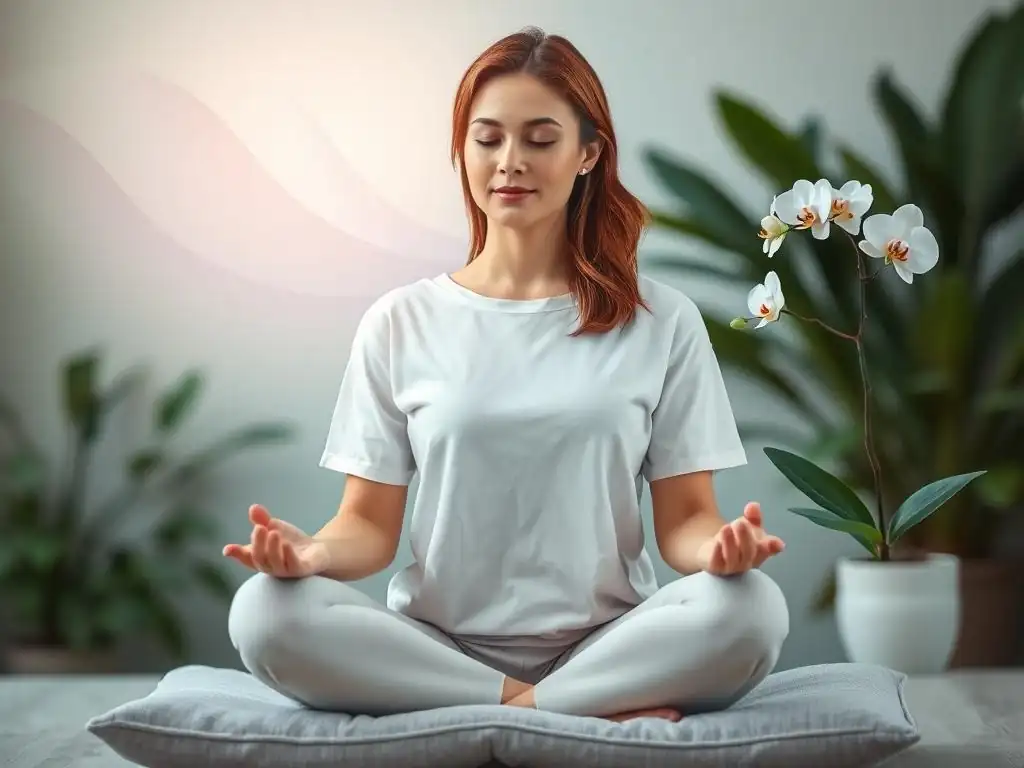
When looking for online stress management breathing exercises online, several factors should guide your decision to ensure the best fit for your needs. First, consider the instructor's qualifications and the course's overall approach. Is it led by a certified breathwork facilitator, a therapist, or a recognized expert in stress management?
Look for courses that explain why certain techniques work, not just how to do them, as understanding the mechanism can increase motivation and adherence. The structure of the course is also important; decide if you prefer live interactive sessions, pre-recorded videos you can access anytime, or a mobile app format.
Another critical factor is the variety and depth of the techniques taught. A good course should cover more than just one or two basic exercises. It should introduce different methods and explain their specific applications – for example, which techniques are best for immediate anxiety relief versus those for promoting sleep. Consider the course's accessibility and platform; is it easy to use on your preferred devices? Finally, look for reviews or testimonials from other users. Their experiences can provide valuable insights into the course's effectiveness and whether it delivered on its promises for stress management breathing exercises online.
Top Recommended Online Breathing Exercise Courses for Stress Relief
Here are a few highly-regarded options for learning stress management breathing exercises online:
- Course Name 1: Breathwrk: Personalized Breathing Exercises
- Features: Personalized programs, guided sessions, progress tracking, available on iOS and Android.
- Benefits: Reduce stress, improve sleep, increase energy, and manage anxiety with customized breathwork routines.
- Pricing: Free trial available, then subscription-based.
- Unique Selling Proposition (USP): Offers personalized breathing exercises based on individual needs and goals.
- Call to Action: Download Breathwrk and start your personalized breathwork journey!
- Course Name 2: Wim Hof Method: Fundamentals Online Course
- Features: Video lessons, practical exercises, community forum, guided breathing sessions with Wim Hof.
- Benefits: Boost your immune system, increase energy levels, reduce stress, and improve cold tolerance through the Wim Hof Method.
- Pricing: Specific pricing details are typically found on their website.
- Unique Selling Proposition (USP): Taught by Wim Hof himself, this course offers a unique and scientifically-backed approach to breathwork.
- Call to Action: Join Wim Hof and unlock your inner potential!
- Course Name 3: Othership: Guided Breathwork App
- Features: Diverse range of breathwork exercises, live sessions, community support, focus on different mental and emotional states.
- Benefits: Manage anxiety, improve focus, enhance creativity, and deepen self-awareness through guided breathwork journeys.
- Pricing: Free trial available, then subscription-based.
- Unique Selling Proposition (USP): Offers a wide variety of breathwork exercises designed to address specific emotional and mental states.
- Call to Action: Explore the power of breathwork with Othership!
Essential Breathing Exercises to Learn Online
Diaphragmatic Breathing (Belly Breathing)
Diaphragmatic breathing, often called belly breathing, is a foundational technique in stress management breathing exercises online. Instead of shallowly breathing into the chest, this method focuses on engaging the diaphragm, a large muscle located below the lungs. When you inhale deeply using the diaphragm, your abdomen should expand outwards, and when you exhale, it should contract inwards. This allows for a fuller exchange of oxygen and carbon dioxide, which is crucial for calming the nervous system.
Practicing diaphragmatic breathing regularly helps to lower heart rate and blood pressure. A simple way to start is by lying on your back with one hand on your chest and the other on your abdomen. As you inhale, feel your abdomen rise while your chest remains relatively still.
Exhale slowly, allowing your abdomen to fall. Aim for slow, smooth breaths, perhaps inhaling for a count of four and exhaling for a count of six or eight. Many online stress management breathing exercises online courses begin with mastering this basic yet powerful technique, as it forms the basis for more advanced breathwork.
Box Breathing (Square Breathing)
Box breathing is a simple, rhythmic technique that helps to regulate breathing and calm the mind, making it a popular inclusion in stress management breathing exercises online programs. It involves inhaling, holding the breath, exhaling, and holding the breath again, all for the same count, creating a "box" or "square" shape in terms of duration. A common count is four, but you can adjust it as you become more comfortable.
To practice box breathing, inhale slowly through your nose for a count of four. Hold your breath for a count of four. Exhale slowly through your mouth for a count of four. Hold your breath again for a count of four before the next inhale.
Repeat this cycle for several rounds. This method helps to interrupt patterns of shallow, rapid breathing often associated with stress and anxiety. The focus on counting provides a gentle mental anchor, helping to distract from stressful thoughts and promote a state of focused calm, which is a key benefit of learning stress management breathing exercises online.
Alternate Nostril Breathing (Nadi Shodhana)
Alternate nostril breathing, known as Nadi Shodhana in yogic traditions, is a balancing breathwork technique often featured in more comprehensive stress management breathing exercises online courses. It involves closing off one nostril at a time while inhaling through the other, then switching nostrils for the exhale and subsequent inhale. This practice is believed to balance the left and right hemispheres of the brain and regulate the flow of energy (prana) in the body, promoting mental clarity and emotional calm.
To perform Nadi Shodhana, sit comfortably with a straight spine. Close your right nostril with your right thumb and inhale slowly through your left nostril. Close your left nostril with your right ring finger, release your thumb from the right nostril, and exhale slowly through the right nostril. Inhale through the right nostril, then close it with your thumb, release your ring finger from the left nostril, and exhale through the left nostril.
This completes one round. Continue alternating nostrils for several minutes. This technique is particularly effective for reducing anxiety and promoting a sense of balance, making it a valuable addition to your repertoire of stress management breathing exercises online.
4-7-8 Breathing Technique
The 4-7-8 breathing technique, developed by Dr. Andrew Weil, is a simple yet powerful exercise often recommended for relaxation and falling asleep. It follows a specific rhythm: inhale for a count of 4, hold the breath for a count of 7, and exhale for a count of 8. The longer exhale is key to activating the parasympathetic nervous system and promoting relaxation, making it a staple in many stress management breathing exercises online guides.
To practice 4-7-8 breathing, exhale completely through your mouth, making a whooshing sound. Close your mouth and inhale quietly through your nose to a count of four. Hold your breath for a count of seven. Exhale completely through your mouth, making a whooshing sound, to a count of eight. This is one breath. Repeat for at least four breaths. This technique is incredibly effective for calming the mind and body quickly. Its simplicity makes it easy to practice anywhere, anytime you feel stressed, making it one of the most accessible stress management breathing exercises online you can learn.
Maximizing the Benefits of Your Online Breathing Exercise Course
Creating a Consistent Practice
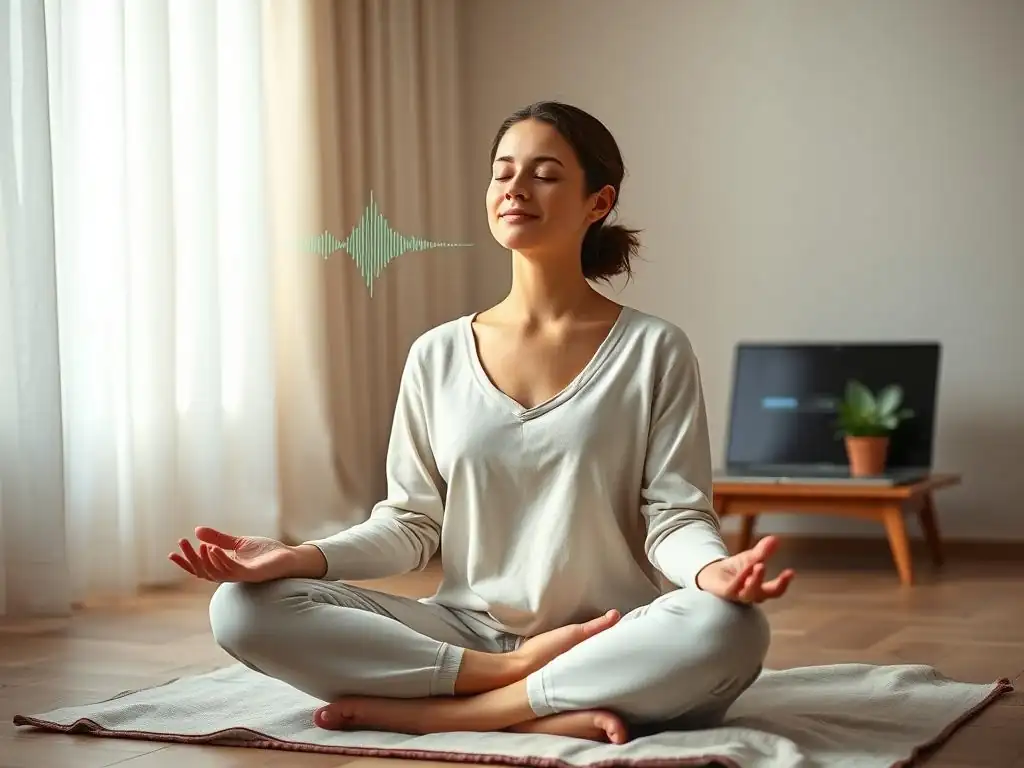
The true power of stress management breathing exercises online lies in consistency. Practicing sporadically when stress hits might offer temporary relief, but incorporating breathwork into your daily routine builds resilience and long-term calm. Aim to set aside a specific time each day, even if it's just 5-10 minutes, for your practice. This could be first thing in the morning, during a lunch break, or before bed. Treating it as a non-negotiable part of your day, like brushing your teeth, helps solidify the habit.
Many online courses provide guided sessions or progress trackers that can help you stay motivated and accountable. Try linking your breathing practice to an existing habit, such as immediately after waking up or before your morning coffee. If you miss a day, don't get discouraged; simply pick up where you left off the next day. Building this consistent practice, even for short durations, will compound the benefits over time, significantly improving your ability to manage stress and enhancing your overall well-being through dedicated stress management breathing exercises online.
Combining Breathing Exercises with Other Stress Management Techniques
While stress management breathing exercises online are incredibly effective on their own, their benefits can be amplified when combined with other stress-reducing practices. Consider integrating breathwork into a broader wellness routine. For example, starting your day with 10 minutes of diaphragmatic or alternate nostril breathing before engaging in light exercise like walking or yoga can create a powerful calming synergy. Similarly, using box breathing or the 4-7-8 technique as part of a wind-down routine before meditation or stretching in the evening can prepare your mind and body for restful sleep.
Mindfulness and meditation pair particularly well with breathwork. Focusing on your breath is a core component of many mindfulness practices. By using breathing exercises to calm your nervous system first, you may find it easier to settle into a meditative state. Additionally, incorporating healthy lifestyle choices such as balanced nutrition, adequate sleep (aim for 7-9 hours for most adults), and maintaining social connections further supports your body's ability to handle stress. Using stress management breathing exercises online as a tool within this larger framework creates a comprehensive and robust defense against the pressures of modern life.
Conclusion: Embrace the Power of Breath for Stress-Free Living.
Mastering stress is an ongoing journey, and incorporating essential breathing exercises learned from online courses is a powerful step in the right direction. Understanding the physiological impact of stress and how conscious breathing can reverse it empowers you to take control. Whether you choose a personalized app like Breathwrk, a method-specific course like Wim Hof's, or a diverse platform like Othership, dedicating time to learning and practicing techniques like diaphragmatic, box, alternate nostril, and 4-7-8 breathing provides tangible tools for calming your mind and body.
By committing to a consistent practice and integrating breathwork with other healthy habits, you can build resilience, reduce the physical toll of stress, and cultivate a greater sense of peace and control in your life. Explore the wealth of stress management breathing exercises online available, find the resources that resonate with you, and unlock the profound potential of your own breath to navigate challenges with greater ease and live a more balanced, stress-free life.
Frequently Asked Questions
What are stress management breathing exercises and how can they help me?
Stress management breathing exercises are techniques that use controlled breathing to reduce feelings of stress and anxiety. They work by activating the parasympathetic nervous system, promoting relaxation and a sense of calm.
Where can I find reliable online courses to learn stress management breathing exercises?
Reputable platforms like Coursera, Udemy, and even Mind Care Guide offer online courses. Look for courses taught by certified professionals and those with positive student reviews.
How often should I practice stress management breathing exercises to see results?
Regular practice is key. Aim for at least 10-15 minutes daily to start experiencing the benefits, such as reduced anxiety and improved focus. Consistency is crucial for long-term stress reduction.
Are there any specific breathing exercises particularly effective for stress management?
Yes, techniques like diaphragmatic breathing (belly breathing), box breathing, and alternate nostril breathing are commonly recommended for managing stress and promoting relaxation. They all focus on slowing down the breath.
Can stress management breathing exercises completely eliminate stress?
While incredibly helpful, breathing exercises are not a cure-all. They are a powerful tool for managing stress. Combined with other strategies like healthy lifestyle choices and professional support, they can significantly improve your well-being.
Final Reflection: Breathing Your Way to a Calmer You
The pervasive nature of stress in our modern lives demands effective coping mechanisms, and the accessibility of online resources makes mastering stress management techniques easier than ever before. The breathing exercises detailed in this article offer a powerful, readily available tool to combat the anxieties and pressures of daily life, proving that even small changes can yield significant improvements in mental and physical well-being.
The impact of accessible stress management tools, like the breathing exercises explored here, is profound and far-reaching. They empower individuals to take control of their mental health, fostering a sense of agency and self-efficacy that ripples outwards into their relationships and communities. The breath is the bridge between the body and the mind.
This simple truth underscores the power of these techniques to create a harmonious balance within ourselves, allowing us to navigate challenges with greater resilience and clarity.
Now, consider how you can integrate these simple yet effective breathing exercises into your daily routine. Perhaps dedicate five minutes each morning to mindful breathing, or utilize a quick exercise during moments of stress throughout your day. You hold the power to cultivate inner peace and resilience; these exercises are your key. Embrace the opportunity to breathe your way to a calmer, more fulfilling life.
Breathe Easy: Unlock Your Inner Calm Today!
Thanks for taking the time to explore the power of breathwork with us! We hope you've discovered some valuable techniques to manage stress and improve your well-being. Now it's time to put your newfound knowledge into practice.
- Prioritize your breathing: Dedicate just 5 minutes each day to practicing one of the exercises outlined in the article. Even small changes can make a big difference!
- Share the calm: Tell a friend or family member about the breathing exercises you found most helpful. Spread the word about stress management techniques!
- Explore further: Search online for guided meditation videos incorporating these breathing exercises; it's amazing how much deeper relaxation can become.
Ready to embark on a journey toward a more peaceful, centered you? What's one breathing exercise you're most excited to try today?