Online Courses for Mental Wellness
Explore our curated collection of online courses for mental wellness at Mind Care Guide, designed to help you build resilience, manage stress, and deepen self-awareness from the comfort of your home. Whether you’re a beginner seeking mindfulness foundations or someone looking for specialized therapy tools, these digital programs offer flexible, evidence-based learning. Each course is reviewed for quality, accessibility, and practical impact, ensuring you invest in resources that genuinely support your mental health journey. Discover self-paced therapy, trauma recovery, stress reduction, relationship growth, and meditation mastery—all in one place.
🌟 Top CBT Online Programs - Self-Paced Therapy
Unlock the power of Cognitive Behavioral Therapy through self-paced programs that teach you to identify and reframe negative thought patterns. These structured courses include interactive worksheets, real-life scenarios, and weekly exercises, making clinical techniques accessible without a therapist. Expect modules on cognitive distortions, behavioral activation, and relapse prevention, ideal for managing anxiety, depression, or everyday low moods. Learn at your own rhythm with lifetime access and downloadable resources, empowering you to become your own coach while tracking measurable progress over time.
🕊️ Trauma Informed Online Courses - Understanding Trauma
Delve into the neuroscience of trauma with courses that prioritize safety, compassion, and empowerment. You’ll explore the fight-flight-freeze response, attachment styles, and somatic symptoms, gaining tools to recognize triggers in yourself or others. These trauma-informed programs emphasize psychoeducation and grounding techniques, not re-traumatizing exposure. Perfect for survivors, caregivers, or professionals, each course provides clear frameworks for healing, such as the window of tolerance and polyvagal theory. Expect reflective journaling prompts, guided visualizations, and community support forums to foster a sense of shared understanding and resilience.
🌿 Stress Management Online Courses - Practical Techniques
Master actionable stress relief with courses focused on science-backed techniques like progressive muscle relaxation, diaphragmatic breathing, and time-management strategies. These programs are highly practical, featuring 5-10 minute daily exercises that fit into busy schedules. You’ll learn to map your stress triggers, create personalized coping plans, and use biofeedback tools to monitor physiological changes. Interactive check-ins and habit trackers help you build long-term calm, while modules on sleep hygiene and nutrition offer a holistic approach. Ideal for workplace burnout or overwhelming life transitions, these courses turn theory into everyday self-care rituals.
💬 Relationship Skills Online Courses - Communication and Connection
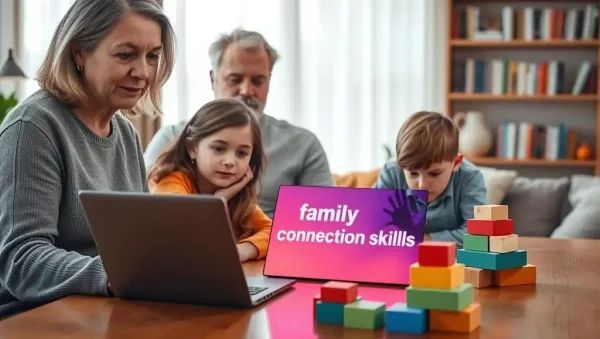
Strengthen your personal and professional bonds through courses that teach active listening, assertive expression, and conflict resolution. Explore attachment theory, empathy mapping, and non-violent communication frameworks to reduce misunderstandings and deepen intimacy. Each program includes role-play simulations, video demonstrations, and couple or friend practice scripts, making learning interactive. Real-world applications cover difficult conversations, boundary setting, and repairing ruptures, so you can navigate disagreements with grace. Whether you’re single, partnered, or navigating family dynamics, these skills boost emotional intelligence and create lasting, trusting connections.
🧘 Best Online Mindfulness Courses - Beginner to Advanced
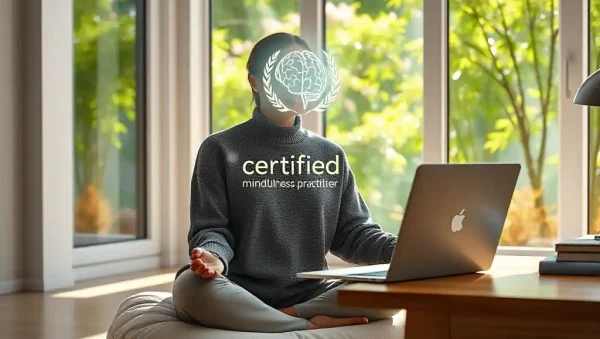
Begin with foundational breathwork and body scans, then progress to advanced practices like loving-kindness meditation and open-awareness. These courses offer guided audio libraries, progress milestones, and weekly live Q&A sessions with experienced instructors. You’ll learn to cultivate non-judgmental presence, reduce rumination, and enhance focus through gradual, structured lessons. Advanced modules delve into mindful eating, movement, and digital detox, while beginner tracks emphasize consistency over intensity. With self-assessment tools and mindfulness certificates, these programs cater to all levels, helping you build a sustainable practice that adapts to your evolving needs.
Frequently Asked Questions
Are these online courses suitable for beginners with no prior mental health knowledge?
Yes, absolutely. Most courses in this category are designed with beginner-friendly language, step-by-step instructions, and foundational concepts. For trauma and CBT programs, no clinical background is required—they explain terms clearly. Mindfulness courses often include a “start here” module. However, always check the course description for prerequisites, and consult a professional if you have severe symptoms.
How much time do I need to dedicate per week?
Most self-paced courses recommend 1-3 hours per week, with lessons broken into 15-30 minute segments. Stress management and mindfulness courses often offer micro-exercises of 5-10 minutes. You can pause, rewind, and revisit content anytime, making them flexible for full-time workers, students, or parents. Lifetime access means you set the pace.
Will these courses replace therapy or medical treatment?
No, these online courses are educational tools, not substitutes for professional care. They complement therapy by providing structured skills and psychoeducation. If you’re in crisis, have a diagnosed condition, or feel overwhelmed, please consult a licensed therapist or doctor. Many courses also disclaim that they are not a diagnostic service.
Are there any interactive elements or certifications included?
Yes, many courses feature quizzes, journaling prompts, downloadable workbooks, and discussion forums for peer support. Advanced mindfulness and trauma programs often provide completion certificates that you can add to your resume or LinkedIn. Check each course’s syllabus for specific interactive features, such as live webinars or personalized feedback from instructors.
How do I choose the right course for my specific need?
Start by identifying your primary goal—e.g., managing panic attacks, improving communication, or reducing daily stress. Read the course descriptions, preview sample lessons, and look for reviews from learners with similar backgrounds. If unsure, choose a broad mindfulness or stress management course first, as they build transferable skills. You can also contact the course provider for guidance.