Transform Anxiety into Calm: Practical Steps from Online Stress Courses
🌟 Discover effective strategies for managing anxiety through online courses, turning stress into calm. This guide offers practical steps and resources to…
Read article

Discover practical, science-backed stress management techniques designed for real life with Mind Care Guide’s online courses. Learn to calm your mind in minutes, build resilience, and regain control—no matter how busy your schedule. Our expert-led modules focus on actionable tools like breathing exercises, cognitive reframing, and mindfulness micro-practices that you can apply immediately at work or home. Whether you’re battling chronic overwhelm or daily pressure, these self-paced courses turn theory into lasting habits. Start today and transform stress from a roadblock into a stepping stone for better focus, sleep, and emotional balance.

🌟 Discover effective strategies for managing anxiety through online courses, turning stress into calm. This guide offers practical steps and resources to…
Read article
🌟 Discover how stress management online courses help you cultivate calm and resilience. This comprehensive guide offers practical techniques to reduce anxiety,…
Read article
🌟 Discover effective stress management techniques for professionals to prevent burnout, enhance resilience, and maintain mental well-being. This comprehensive guide offers practical…
Read article
🌟 Discover effective stress management online learning techniques that enhance your mental well-being through interactive practice. This guide offers valuable strategies to…
Read article
🌟 Discover effective, science-backed stress management online courses help you reduce anxiety and enhance well-being. These practical methods empower you to manage…
Read article
🌟 Discover the truth behind online stress course effectiveness reviews—are these digital programs truly beneficial? Our evidence-based guide explores practical approaches to…
Read article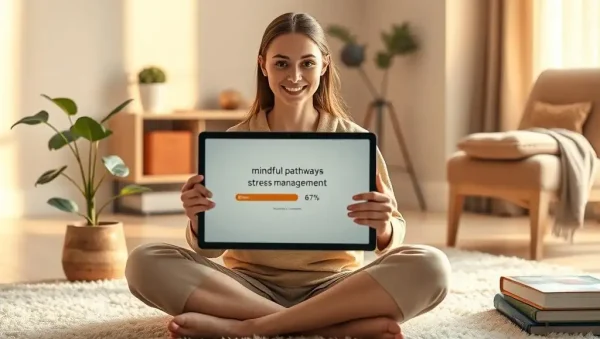
🌟 Discover the power of stress management online courses flexible options, allowing you to learn at your own pace. This comprehensive guide…
Read article
🌟 Discover essential stress management course techniques that truly make a difference. Learn practical strategies to reduce anxiety, enhance resilience, and improve…
Read article
🌟 Discover how stress management online courses benefits can transform your mental well-being by providing practical strategies, support, and resources to effectively…
Read article
🌟 Discover how body scan meditation anxiety relief can transform your mental well-being. Learn practical techniques through online courses that guide you…
Read article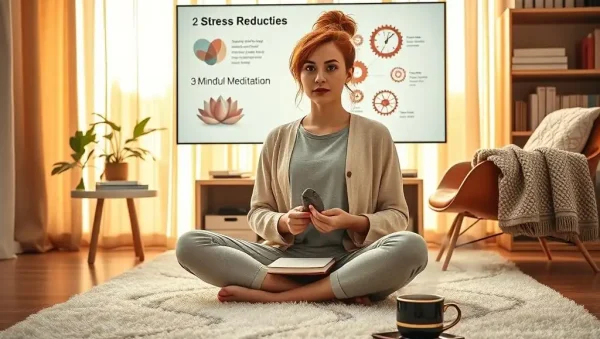
🌟 Unlock advanced stress management with our online stress course techniques, empowering you with practical skills beyond basics. Discover effective strategies to…
Read article
🌟 Discover effective long-term stress management techniques through online programs, empowering you with practical skills to reduce chronic stress and enhance mental…
Read articleFeeling overwhelmed by daily pressures? Our Stress Management Online Courses – Practical Techniques subcategory is designed to give you actionable, science-backed tools that you can apply immediately—not just theory. Within this section of Mind Care Guide, you’ll discover structured programs focusing on breathing exercises, cognitive reframing, time management, and sensory grounding. Whether you’re a busy professional, a student, or a caregiver, these courses bridge the gap between knowing you’re stressed and actually feeling calmer. Each course is curated to fit into your schedule, with short video lessons, downloadable worksheets, and guided audio practices. Let’s explore the core pillars you’ll master here.
In this segment, you’ll learn how to identify automatic negative thoughts that fuel chronic stress. Courses here teach the Cognitive Behavioral Therapy (CBT) technique of cognitive restructuring—replacing catastrophic thinking with balanced, realistic perspectives. Expect step-by-step modules that walk you through thought records, challenging irrational beliefs, and building a resilient inner dialogue. You’ll also practice “decentering,” which helps you observe thoughts without being hijacked by them. These skills are vital for reducing anxiety about future events and past regrets, making your daily experience lighter and more manageable.
Practical techniques include the “ABCDE model” (Adversity, Belief, Consequence, Disputation, Energization) and daily journaling prompts. By the end of a typical course, you’ll have a personalized “thought reframing toolkit” that you can use in high-pressure meetings, family conflicts, or even while scrolling social media. The emphasis is on repetition and real-life application, not just passive learning. Many courses offer live Q&A sessions or peer forums where you can practice reframing with others. Expect a measurable decrease in rumination within two weeks of consistent practice.
Your body’s stress response is hardwired, but you can override it with specific breathing patterns like diaphragmatic breathing, box breathing, and 4-7-8 technique. These courses provide guided audio sessions (5–20 minutes) that you can follow even during a hectic workday. You’ll also learn progressive muscle relaxation (PMR) and body scanning to release physical tension stored in shoulders, jaw, and neck. The connection between slow exhales and parasympathetic nervous system activation is emphasized, giving you a biological control switch for panic and overwhelm.
What makes this subcategory unique is its focus on micro-practices—short 3-minute resets that fit between tasks. Expect video demonstrations on posture, pacing, and breathing-to-movement integration. Some advanced courses introduce polyvagal theory, helping you understand why certain environments trigger you and how to use “ventral vagal exercises” to feel safe. You’ll leave with a daily habit tracker built around your own routines, making stress relief as automatic as brushing your teeth. These practical techniques are ideal for people with high-demand jobs or those recovering from burnout.
Stress often stems from poor time boundaries, not lack of hours. Here, courses teach you to prioritize using the Eisenhower Matrix, time blocking, and the Pomodoro technique, but with a mental-health twist. You’ll learn how to say “no” without guilt, delegate effectively, and batch similar tasks to reduce cognitive load. More importantly, these courses address “time anxiety”—the feeling that you’re always behind—through mindful scheduling and buffer time creation. Expect modules on digital minimalism, unplugging from email after work, and creating a “shutdown ritual” for your brain.
Practical tools include weekly planning templates, energy audits (tracking your peak focus hours), and scripts for boundary-setting conversations with managers or family members. You’ll also explore seasonal or cyclical planning to avoid burnout from constant high productivity. Many courses incorporate journaling prompts to reflect on your “perfect day” and then reverse-engineer your schedule. By implementing even a few strategies, you’ll reduce last-minute scrambling and the stress of unfinished tasks. This subcategory is perfect for chronic overcommitters and perfectionists.
Mindfulness here isn’t just meditation—it’s about anchoring yourself in the present moment using your five senses. Courses cover the “5-4-3-2-1” grounding technique, mindful walking, and eating with full attention. You’ll also learn to create “sensory kits” with objects that calm you (e.g., textured fabrics, essential oils, soothing sounds). The practical focus means you won’t need a meditation cushion; you can ground yourself at your desk, in a queue, or during a difficult conversation. Expect daily audio guides that range from 2-minute emergency resets to 20-minute deep relaxation sessions.
These courses also integrate mindful listening—how to be fully present with others without planning your response—which reduces relational stress. You’ll practice non-judgmental awareness of your emotions, labeling them (“this is frustration”) to reduce their intensity. The outcome is enhanced emotional regulation and a softer reaction to triggers. Some programs include nature-based grounding or visual imagery exercises tailored for urban dwellers. By the end, you’ll have a personalized “grounding menu” of five-minute rituals that restore clarity during chaotic days.
This section focuses on making stress management a sustainable habit rather than a temporary fix. Courses here teach you to conduct a personal stress audit—tracking your triggers, physical symptoms, and coping behaviors for a week. You’ll then design a “stress prevention plan” that includes sleep hygiene, nutritional choices (e.g., magnesium-rich foods), and exercise routines. Practical techniques include nightly reflection questions, weekly planning sessions, and building small “buffer zones” in your calendar. The emphasis is on consistency over intensity, so expect habit-stacking strategies that embed calm into existing routines.
You’ll also explore environmental tweaks—decluttering your workspace, adjusting lighting, or using noise-canceling headphones—to reduce ambient stress. Real-life case studies show how users cut their stress scores by 40% in six weeks by combining these lifestyle changes with the previous techniques. Courses provide printable checklists, habit trackers, and periodic self-assessment quizzes to measure progress. This holistic approach ensures you’re not just managing stress in the moment but also preventing its recurrence. Ideal for long-term well-being seekers who want a personalized blueprint.
Most learners notice a reduction in acute stress symptoms (like shallow breathing or irritability) within the first 3–5 days of practicing breathwork and grounding techniques. However, deeper shifts in cognitive reframing and time management usually take 2–4 weeks of consistent practice. Every course includes weekly progress assessments so you can track your improvement. Remember, stress reduction is a skill—the more you practice, the faster your brain rewires. We recommend committing to at least 15 minutes daily for optimal results.
Absolutely. Each course in this subcategory is designed with step-by-step instructions and starts from foundational principles. You won’t be thrown into advanced meditation or complicated psychological jargon. The video lessons are short, and every technique is broken down into simple actions. For example, breathwork courses begin with counting your exhales, and cognitive reframing starts with identifying one automatic thought per day. You can learn at your own pace, and many courses offer downloadable transcripts for offline review.
Yes, especially the sensory grounding and breathwork modules. Techniques like the “5-4-3-2-1” method and slow exhales can help you ride out a panic attack by shifting your nervous system from fight-or-flight to rest-and-digest. However, we always advise pairing these courses with professional mental health support if you have diagnosed anxiety disorders. The practical techniques are complementary tools, not replacements for therapy or medication. For such cases, please consult your healthcare provider before starting any new self-help program.
Not at all. Courses are modular, so you can break them into 5-minute lessons or binge a full section over the weekend. Most learners do about 30 minutes per day, but even 10 minutes daily is effective. Many programs include “micro-practices” designed to fit into coffee breaks or commutes. There are no deadlines, and you can rewatch videos as often as you like. Your progress is auto-saved, allowing you to pause and resume whenever life gets busy.
Definitely. In fact, we encourage it. A suggested pathway is starting with breathwork for immediate relief, then moving to cognitive reframing for long-term thought patterns, and finally adding time management for structural change. Some users follow our “Stress-Free in 8 Weeks” combo, which integrates lessons from all five subcategory pillars. Each course includes cross-references, so you’ll build a layered toolkit. Alternatively, you can cherry-pick specific modules that address your top stressors—the choice is yours.