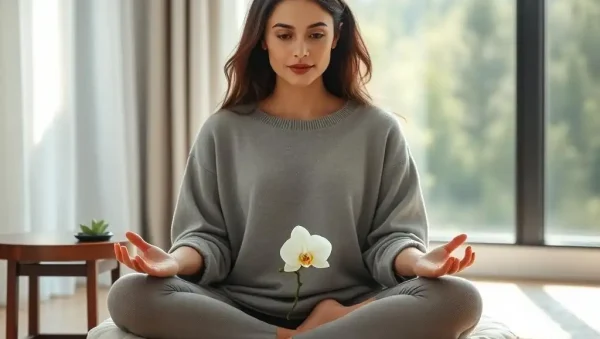
Explore the Best Online Mindfulness Courses for Every Level
Welcome to Mind Care Guide’s curated hub for mindfulness education. Whether you’re just starting your practice or deepening an existing one, our selection of online mindfulness courses bridges the gap between beginner-friendly foundations and advanced contemplative techniques. We’ve analyzed top platforms for instructor credibility, scientific backing, and practical daily application. Below, you’ll find structured insights to help you choose a course that fits your schedule, budget, and mental wellness goals—without the overwhelm of endless web searches.
🧘 Beginner Foundations: Building Your First Mindfulness Habit
Starting a mindfulness practice can feel abstract, but the best beginner courses provide step-by-step audio guidance, short daily sessions (5–15 minutes), and simple breath-awareness techniques. Expect to learn how to anchor attention, observe thoughts without judgment, and integrate mini-meditations into busy routines. Platforms like Headspace, Calm, and Coursera’s “Science of Well-Being” are ideal, offering structured modules with progress tracking and community support.
You’ll also receive downloadable cheat sheets and habit-tracking templates that turn theory into routine. These courses emphasize consistency over intensity, helping you establish a sustainable practice in as little as two weeks. By the end, you’ll possess a personalized toolkit for stress reduction, better sleep, and improved emotional regulation—perfect for those new to mindfulness or returning after a break.
🌳 Intermediate Pathways: Deepening Awareness and Emotional Resilience
Once you grasp the basics, intermediate courses like Mindfulness-Based Stress Reduction (MBSR) or Jack Kornfield’s “Meditation for Beginners” extended series introduce body scans, loving-kindness practices, and cognitive defusion techniques. These programs typically span 4–8 weeks, requiring 20–30 minutes daily practice, and include live group sessions or discussion forums to foster accountability. You’ll explore how mindfulness intersects with anxiety, chronic pain, and relationship patterns.
Expect to develop a nuanced understanding of non-reactivity and self-compassion, moving beyond simple relaxation into transformative emotional agility. Courses also teach you how to tailor mindfulness for specific triggers—like social anxiety or workplace stress—so you’re not just meditating, but applying insights in real-world scenarios. Completion often yields a certificate that enhances personal or professional development.
🔥 Advanced Techniques: Neuroplasticity, Insight, and Teacher Training
For seasoned practitioners, advanced courses from UCLA’s Mindful Awareness Research Center, Sounds True, or Insight Timer’s teacher-led programs dive into Vipassana, Zen, and compassion-based meditations. These go beyond stress relief to investigate consciousness, impermanence, and interconnectedness. Many include neuroscience modules explaining how mindfulness reshapes brain structure, plus week-long silent retreats (virtual) to intensively deepen your practice.
You’ll gain mastery in guiding others through mindfulness—a valuable skill for therapists, coaches, or educators. Courses often include peer-review teaching practicums and syllabus design, preparing you for certification (e.g., 100-hour teacher training). While demanding, these offerings provide lifelong credentialing and a profound shift in how you perceive reality, making them worth the investment for dedicated learners.
📱 Specialized Courses: Mindfulness for Sleep, Anxiety, and ADHD
Not every mindfulness path is generic. Specialized courses target specific conditions: “Mindfulness for Sleep” (by Calm), “Anxiety Relief” (by Ten Percent Happier), and “Mindful Productivity” (for ADHD) offer tailored techniques. These use psychoeducation to explain why certain practices work, then pair them with real-time biofeedback or interactive journaling. You’ll learn bedtime body scans, worry-labeling exercises, and focus-span training that directly address your biggest pain points.
Such courses are typically shorter (4–6 weeks) but highly structured, with pre/post assessments to measure improvement. Many include optional “booster” sessions for relapse prevention. If you feel traditional mindfulness feels too passive or vague, these applied approaches deliver rapid, measurable change—making them a favorite among busy professionals and students.
🌐 Selecting the Right Platform: Accreditation, Cost, and Community
When choosing, prioritize platforms with accredited instructors (e.g., certified MBSR trainers), money-back guarantees, and lifetime access. Compare prices: Coursera and edX offer free audits, while premium sites like Mindful Leader range $200–$800 for comprehensive programs. Check for community features—live Q&As, private Facebook groups, or weekly zoom circles—since accountability boosts completion rates by over 70%.
Read recent reviews for factors like course pacing, video quality, and mobile app functionality. A good rule: if a course offers a free trial or sample lesson, take it. Also, verify if continuing education credits (CEUs) are available for healthcare professionals. Balancing cost with depth ensures you’re not overspending on superficial content or underspending on vital support.
Frequently Asked Questions
What is the best online mindfulness course for absolute beginners?
For most beginners, we recommend Headspace’s “Basics” course or Coursera’s “De-Mystifying Mindfulness” (free to audit). Both offer ultra-short 10-minute daily sessions, friendly narration, and clear progression. Beginner courses typically cost $12–$30/month but often have annual discounts—plus, completion of a 30-day foundation is statistically linked to lasting habit formation.
How long does it take to see benefits from an online mindfulness course?
Most research suggests you can notice decreased stress and improved focus within 2–3 weeks of consistent practice (20 minutes daily). For sleep or anxiety-specific improvements, plan for 6–8 weeks. Advanced courses may take 3–6 months for measurable shifts in emotional resilience, but you’ll likely feel “calmer” even after the first session.
Are online mindfulness courses as effective as in-person retreats?
Yes, for most people—especially when courses include live interactive components and peer accountability. Clinical trials show online MBSR yields comparable outcomes to face-to-face programs for mild to moderate anxiety. However, advanced deep-retreat experiences (40+ hours) are better simulated by residential options, but virtual retreats are a cost-effective alternative.
Can I get a certification or CEUs from these courses?
Absolutely. Courses from UCLA MARC, Brown University, and Mindful Schools offer certificates—many eligible for 5–30 CEUs for psychologists, nurses, and social workers. Always check the course description for “accreditation.” For teacher training, expect to complete 100+ hours and a final teaching assessment to receive a recognized credential.
What if I don’t have time to practice daily? Are there flexible options?
Many courses now offer self-paced modules with no fixed deadlines (e.g., Insight Timer, Udemy). Even a 5-minute daily meditation can reduce cortisol spikes. Look for “micro-learning” badges or apps like 10% Happier, which offers “singles” (1–3 minute practices) for busy days. Consistency beats duration—so choose a course that lets you miss a day without losing progress.