
Online Mindfulness Courses with Certification: Boost Your Skills

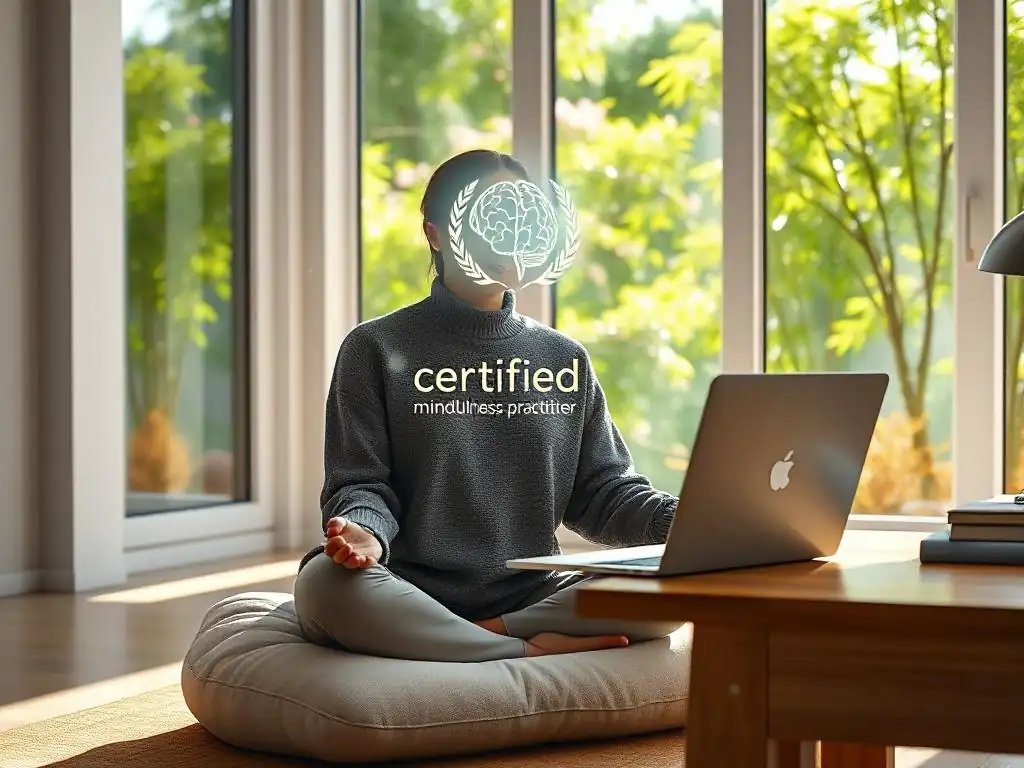
Welcome to Mind Care Guide, your sanctuary for nurturing inner peace and navigating the complexities of mental well-being.
Are you feeling drawn to the transformative power of mindfulness, and wondering how to deepen your practice and share it with others? Explore how Mindfulness courses certification online boost your skills and open doors to a fulfilling path. Let's uncover the opportunities awaiting you as we delve into the world of online mindfulness training. Ready to discover if certification is the right next step for you?
Online Mindfulness Courses with Certification: Boost Your Skills
- The Best Online Mindfulness Courses with Certification to Elevate Your Skills
- Why Pursue Online Mindfulness Courses with Certification?
-
Top Mindfulness Certification Programs Online: A Comparative Overview
- Option 1: Mindfulness-Based Stress Reduction (MBSR) Professional Training with Palouse Mindfulness
- Option 2: Mindful Self-Compassion (MSC) Teacher Training with Center for Mindful Self-Compassion (CMSC)
- Option 3: Mindfulness-Based Cognitive Therapy (MBCT) Certification via Oxford Mindfulness Centre
- Option 4: "Mindfulness Meditation Teacher Training" at Insight Timer
- Choosing the Right Mindfulness Certification Program for You: Key Considerations
- Beyond the Certification: Integrating Mindfulness into Your Daily Life
- Conclusion: Invest in Your Well-being with an Online Mindfulness Certification
-
Frequently Asked Questions
- What are the benefits of taking online mindfulness courses with certification?
- How can an online mindfulness course with certification help boost my skills?
- What types of certifications are available for online mindfulness courses?
- Are online mindfulness courses with certification recognized by employers or professional organizations?
- How do I choose the right online mindfulness course with certification to boost my career?
- Final Reflection: Cultivating Inner Peace in a Digital Age
- Unleash Your Inner Calm: Start Your Mindfulness Journey Today!
The Best Online Mindfulness Courses with Certification to Elevate Your Skills
Embarking on a journey through online mindfulness courses with certification is a significant step towards enhancing both personal well-being and professional capabilities. The digital landscape now offers a wealth of opportunities to gain accredited training in mindfulness practices, making it more accessible than ever to deepen your understanding and application of this transformative discipline. Whether you're seeking to reduce stress, improve focus, or teach others, finding the right program is crucial.
Choosing among the myriad of online mindfulness courses with certification requires careful consideration of your goals, the program's structure, and the credibility of the certifying body. A well-designed course not only imparts theoretical knowledge but also guides you through experiential learning, helping you integrate mindfulness into your daily life and potentially qualify you to share these practices with others. This article explores why pursuing such certification is beneficial, highlights some leading programs, and offers guidance on selecting the best fit for your aspirations.
Why Pursue Online Mindfulness Courses with Certification?
Investing in mindfulness courses certification online can truly boost your skills and open new doors. It's more than just learning to meditate; it's about gaining a comprehensive understanding of mindfulness principles, their psychological underpinnings, and how to effectively apply them in various contexts. The formal structure and assessment process inherent in certification programs ensure a level of mastery and accountability that self-guided learning often lacks.
Furthermore, holding a recognized certification demonstrates a commitment to rigorous training and ethical practice. For individuals looking to incorporate mindfulness into their professional lives, whether as therapists, coaches, educators, or corporate trainers, certification provides essential validation. It signals to potential employers or clients that you possess the knowledge and skills required to guide others responsibly and effectively in their mindfulness journey.
Gaining Credibility and Enhancing Your Resume with Mindfulness Certification
In today's competitive professional landscape, specialized skills are highly valued. Obtaining mindfulness courses certification online can significantly enhance your resume and professional profile, setting you apart in fields like mental health, education, human resources, and wellness coaching. Employers increasingly recognize the benefits of mindfulness for employee well-being and productivity, creating a growing demand for individuals with certified training.
For instance, a therapist certified in Mindfulness-Based Stress Reduction (MBSR) or Mindfulness-Based Cognitive Therapy (MBCT) can offer evidence-based interventions that are recognized by many healthcare providers and organizations. Similarly, a coach with a certification from a reputable mindfulness program can attract clients seeking support for stress management, emotional regulation, or improved focus. Studies and surveys indicate that organizations are becoming more receptive to candidates who can demonstrate expertise in mindfulness, viewing it as a valuable asset for fostering a healthier and more resilient workforce.
Deepening Your Mindfulness Practice Through Structured Learning
While personal practice is the foundation of mindfulness, structured learning through a certification program provides a depth of understanding that can be difficult to achieve alone. These courses often include detailed explorations of mindfulness theory, neuroscience research related to mindfulness, and the psychological models that explain its effects. This academic grounding complements and enriches your personal practice.
Moreover, certification programs typically involve guided practice sessions, peer interaction, and often mentorship, which are invaluable for developing a robust and sustainable personal practice. For example, an 8-week MBSR program, a common structure for foundational training, involves daily homework assignments and a full-day retreat, pushing participants to integrate mindfulness deeply into their lives. This intensive, structured approach helps solidify habits and provides insights into the nuances of practice that might be missed in less formal settings.
Benefits of Mindfulness Certification Online: Improved Well-being and Career Advancement
Pursuing mindfulness courses certification online offers dual benefits: it significantly improves your personal well-being while simultaneously paving the way for career advancement. On a personal level, the immersive nature of these programs helps cultivate greater self-awareness, emotional regulation, and resilience, leading to reduced stress and anxiety. Many participants report experiencing a profound shift in their relationship with difficult thoughts and emotions.
Professionally, a mindfulness certification can open doors to new roles or enhance existing ones. For example, a teacher might use their certification to implement mindfulness programs in schools, benefiting students' focus and emotional health. A corporate professional could lead wellness initiatives, improving employee morale and reducing burnout. Data suggests that companies investing in mindfulness programs see improvements in employee engagement and a reduction in stress-related absenteeism, highlighting the value of certified mindfulness facilitators in the workplace.
Top Mindfulness Certification Programs Online: A Comparative Overview

Choosing from the leading mindfulness courses certification online requires understanding their focus, structure, and requirements. Several well-established programs offer robust training pathways culminating in certification. These programs often represent different approaches within the broader field of mindfulness, catering to various interests and professional goals.
The programs highlighted below are recognized internationally and have a strong foundation in research and clinical application. While specific pricing and schedules vary, they generally represent significant investments in both time and resources, reflecting the depth and quality of the training provided. It's essential to research the current offerings and requirements directly on their respective websites as details can change.
Option 1: Mindfulness-Based Stress Reduction (MBSR) Professional Training with Palouse Mindfulness
Palouse Mindfulness, founded by Bob Stahl and Florence Meleo-Meyer, offers a widely accessible online version of the classic 8-week MBSR program developed by Jon Kabat-Zinn. Their professional training pathway provides a route to potentially teaching the MBSR curriculum. It emphasizes experiential learning and adherence to the integrity of the original program structure.
The training typically involves participating in an 8-week MBSR course as a foundation, followed by teacher training retreats, supervision, and co-teaching opportunities. It's a comprehensive path designed for those serious about teaching MBSR authentically. The program is often considered a gold standard in mindfulness training due to its extensive research backing and widespread recognition.
Palouse Mindfulness MBSR Features: A Detailed Look at the Curriculum
The core curriculum of the Palouse Mindfulness MBSR program follows the traditional 8-week structure, covering key mindfulness practices such as the body scan, mindful movement (gentle yoga), sitting meditation, and walking meditation. Each week focuses on specific themes, building progressively from recognizing automatic pilot to exploring how mindfulness can help with difficult emotions and integrate into daily life.
The professional training builds upon this foundation, delving into the pedagogy of teaching MBSR. This includes learning how to guide meditations, facilitate group discussions, respond to participant questions, and embody the principles of mindfulness as a teacher. The curriculum includes modules on the history and scientific basis of MBSR, ethical considerations for teachers, and techniques for adapting the program to different populations while maintaining fidelity to the core curriculum.
Palouse Mindfulness MBSR Pricing and Certification Process: What to Expect
The cost of undertaking the full MBSR professional training pathway can vary but typically involves fees for the initial 8-week course (often several hundred dollars), multiple training retreats (which can range from a few hundred to over a thousand dollars each), supervision fees, and potentially other associated costs. The total investment for full certification can range from several thousand dollars depending on the specific pathway and number of training components required.
The certification process is rigorous and often takes several years to complete. It involves demonstrating competence in teaching the MBSR curriculum, receiving supervision from experienced MBSR teachers, and accumulating teaching experience. Candidates are typically assessed on their understanding of the curriculum, their ability to embody mindfulness in their teaching, and their adherence to ethical guidelines.
Why Choose Palouse Mindfulness MBSR? Focus on Comprehensive Training and Community
Choosing Palouse Mindfulness MBSR is ideal for individuals seeking a deeply authentic and comprehensive training experience rooted in the original MBSR tradition. The program places a strong emphasis on the teacher's personal practice and embodiment of mindfulness, recognizing that this is fundamental to effective teaching. The structure ensures a thorough understanding of the curriculum and its underlying principles.
Furthermore, Palouse Mindfulness often fosters a strong sense of community among trainees and certified teachers. This network provides ongoing support, peer learning, and opportunities for continued development. The global recognition of the MBSR program makes this certification highly valuable for those wishing to teach mindfulness in clinical, educational, or workplace settings worldwide.
Option 2: Mindful Self-Compassion (MSC) Teacher Training with Center for Mindful Self-Compassion (CMSC)
The Center for Mindful Self-Compassion (CMSC), co-founded by Kristin Neff and Christopher Germer, offers the official teacher training for the Mindful Self-Compassion (MSC) program. This program focuses specifically on cultivating self-compassion through mindfulness, providing a powerful complement or alternative to stress-reduction-focused programs.
The MSC teacher training is designed for professionals and individuals who want to teach the evidence-based 8-week MSC program. It is a comprehensive pathway that includes intensive training, practice teaching, and supervision. The program is highly regarded for its focus on emotional well-being and resilience through self-kindness.
CMSC MSC Core Modules: Cultivating Self-Kindness and Resilience
The core curriculum of the MSC program, which trainees learn to teach, covers practices and concepts designed to cultivate self-compassion. Key modules include understanding the three components of self-compassion (self-kindness, common humanity, and mindfulness), practicing mindful breathing, using soothing touch, exploring difficult emotions with kindness, and developing compassion for others.
The teacher training delves into the pedagogy of teaching these modules, focusing on creating a safe and supportive environment for participants to explore vulnerability and practice self-kindness. It includes sessions on group facilitation skills, responding to challenging situations in a group setting, and deepening the teacher's own self-compassion practice as a foundation for teaching. Trainees learn how to guide meditations and experiential exercises specific to self-compassion.
CMSC MSC Instructor Expertise: Learning from Experienced Practitioners
A significant strength of the CMSC MSC teacher training lies in the expertise of its instructors. Training is typically led by highly experienced and certified MSC teachers, many of whom have worked closely with the program's developers, Kristin Neff and Christopher Germer. Learning from these seasoned practitioners provides invaluable insights into the nuances of teaching self-compassion effectively.
These instructors bring years of personal practice and teaching experience to the training, offering guidance on facilitating challenging group dynamics, embodying self-compassion in their teaching presence, and supporting participants in their individual journeys. Their expertise ensures that trainees receive high-quality instruction grounded in both the theoretical framework and the practical application of MSC.
Who is CMSC MSC For? Ideal for Individuals Seeking Personal Growth and Professionals
The CMSC MSC teacher training is ideal for individuals who are deeply drawn to the principles of self-compassion and wish to cultivate it more fully in their own lives, as well as professionals who want to integrate self-compassion practices into their work. It is particularly relevant for therapists, counselors, coaches, educators, and healthcare professionals who work with individuals experiencing emotional distress, burnout, or low self-esteem.
The program's focus on emotional resilience makes it highly valuable for those supporting others through difficult times. Completing this mindfulness courses certification online can boost the effectiveness of practitioners in helping clients develop healthier relationships with themselves and navigate life's challenges with greater kindness and understanding. It's also suitable for individuals seeking profound personal transformation through the cultivation of self-compassion.
Option 3: Mindfulness-Based Cognitive Therapy (MBCT) Certification via Oxford Mindfulness Centre
The Oxford Mindfulness Centre (OMC), part of the University of Oxford, is a leading institution for MBCT research and training. They offer professional training pathways towards becoming a certified MBCT teacher. MBCT integrates elements of cognitive behavioral therapy with mindfulness practices, making it particularly effective for preventing relapse in individuals who have experienced recurrent depression.
The OMC's training pathway is academically rigorous and grounded in the latest research. It is designed for mental health professionals and others working in healthcare or therapeutic settings who wish to use MBCT in their practice. The certification process ensures a high standard of competency and fidelity to the MBCT model.
Oxford Mindfulness Centre MBCT Curriculum Highlights: Integrating Mindfulness and Cognitive Therapy
The MBCT curriculum, which trainees learn to teach, incorporates key mindfulness practices like the body scan, sitting meditation, and mindful movement, similar to MBSR. However, it uniquely integrates cognitive techniques to help participants become aware of negative thought patterns and learn to relate to them with mindfulness rather than getting caught up in them. Specific sessions focus on recognizing signs of relapse and developing action plans.
The teacher training at OMC delves deeply into both the mindfulness component and the cognitive aspects of the program. Trainees learn how to guide mindfulness practices effectively and how to facilitate group discussions that explore the relationship between thoughts, feelings, and bodily sensations from a cognitive perspective. The curriculum includes modules on the theoretical underpinnings of MBCT, its evidence base, and ethical considerations when working with vulnerable populations.
Oxford Mindfulness Centre MBCT Certification Requirements: Ensuring Quality and Competency
Becoming a certified MBCT teacher through the OMC involves a staged process that emphasizes competence and ethical practice. Requirements typically include attending foundational training retreats, participating in an 8-week MBCT course as a participant, undertaking supervised teaching practice, and completing reflective assignments. There are also requirements for sustained personal mindfulness practice and attendance at silent retreats.
The certification process is thorough and designed to ensure that certified teachers can deliver the MBCT program safely and effectively, maintaining fidelity to the model. It can take several years to complete, depending on the individual's pace and availability. The high standards set by the OMC contribute to the credibility and recognition of their certified teachers.
The Benefits of MBCT Certification: Applying Mindfulness in Clinical Settings
Obtaining MBCT certification, particularly from a reputable institution like the Oxford Mindfulness Centre, offers significant benefits for professionals working in clinical and therapeutic settings. It provides an evidence-based intervention for working with individuals with a history of depression, supported by extensive research demonstrating its effectiveness in reducing relapse rates by approximately half compared to usual care for certain populations.
This certification enhances a clinician's toolkit, allowing them to offer a group-based therapy that empowers patients to develop skills for managing their mental health proactively. For organizations, having certified MBCT practitioners means they can offer a proven program for supporting patient recovery and well-being. This mindfulness courses certification online can boost a professional's ability to work with complex mental health challenges using a compassionate and evidence-informed approach.
Option 4: "Mindfulness Meditation Teacher Training" at Insight Timer
Insight Timer, widely known for its popular meditation app, offers a comprehensive "Mindfulness Meditation Teacher Training" program. This program provides a flexible and accessible pathway for individuals looking to teach mindfulness meditation, often drawing on a diverse range of teachers and traditions available through their platform.
This online course is designed to equip participants with the knowledge, skills, and confidence to guide others in mindfulness practices. It often appeals to individuals seeking a broad introduction to teaching mindfulness meditation rather than specializing in a specific clinical program like MBSR or MBCT.
Deep Dive into the Curriculum of Insight Timer's Mindfulness Teacher Training
The curriculum for Insight Timer's teacher training typically covers a wide array of topics essential for teaching mindfulness meditation. This includes the history and philosophy of mindfulness, various meditation techniques (e.g., breath awareness, body scan, loving-kindness), understanding the science behind mindfulness, and principles of trauma-informed teaching.
The program often features modules taught by a variety of experienced meditation teachers from different traditions, offering diverse perspectives. It usually includes guided practices, lectures, readings, and exercises designed to help trainees develop their teaching skills and deepen their personal practice. The course aims to provide a solid foundation for teaching mindfulness meditation in various settings, such as community centers, workplaces, or online platforms.
The Cost and Payment Options for this Certification
The cost of the Insight Timer Mindfulness Meditation Teacher Training program can vary but is generally positioned as a more accessible option compared to the multi-year, clinically focused certifications like MBSR or MBCT. Pricing is often presented as a one-time fee or potentially with payment plan options, making it feasible for a wider range of budgets. Current pricing should be checked directly on the Insight Timer website.
Compared to programs that might cost several thousand dollars, Insight Timer's offering is typically in the range of hundreds to a couple of thousand dollars, depending on the specifics of the program and any included features or support. This lower investment makes it an attractive entry point for many aspiring mindfulness teachers.
Why Choose Insight Timer for Mindfulness?
Choosing Insight Timer for mindfulness teacher training offers several advantages, particularly its accessibility and integration with a widely used platform. The program's online format provides flexibility, allowing individuals to learn at their own pace from anywhere in the world. Learning within the Insight Timer ecosystem means trainees are already familiar with a popular platform and can potentially leverage it for their future teaching.
The program's diverse faculty, drawing from the rich pool of teachers on the app, exposes trainees to various styles and approaches to mindfulness meditation. This can broaden a teacher's perspective and help them find their own authentic teaching voice. For those seeking a solid foundational training in teaching general mindfulness meditation without the specific clinical focus of MBSR or MBCT, Insight Timer presents a compelling and cost-effective option.
Choosing the Right Mindfulness Certification Program for You: Key Considerations
Selecting the ideal mindfulness courses certification online requires careful introspection about your motivations, current experience, and future aspirations. Not all programs are created equal, and the "best" one is highly subjective, depending entirely on your individual needs and goals. Taking the time to evaluate different options against key criteria will help you make an informed decision that aligns with your path.
Consider what you hope to achieve with the certification. Is it primarily for personal healing and deepening your practice, or do you intend to teach others? If teaching is the goal, who do you envision teaching? Understanding your target audience (e.g., clinical patients, corporate employees, general public) will significantly influence the type of program that is most appropriate and recognized in that domain.
Your Experience Level: Beginner, Intermediate, or Advanced?
Your current level of experience with mindfulness practice is a crucial factor in choosing a certification program. Some programs require a significant personal practice history (e.g., years of daily meditation, silent retreats) as a prerequisite for entry into teacher training. These are typically geared towards individuals with an intermediate to advanced level of personal practice.
Other programs are more accessible to beginners or those with less extensive formal practice, focusing on foundational knowledge and skills. Assess your own practice honestly. Have you maintained a consistent daily practice for an extended period? Have you attended silent retreats? Choosing a program that matches your experience level ensures you are adequately prepared for the training's demands and can fully benefit from the curriculum.
Your Goals: Personal Growth, Professional Development, or Teaching?
Clarifying your primary goals is perhaps the most important step in selecting a mindfulness certification. If your main objective is personal growth and deepening your own practice, a comprehensive course that focuses on experiential learning might be sufficient, even if it doesn't lead to a formal teaching certification. However, many find that the structure and depth of certification programs greatly enhance their personal journey.
If your goal is professional development within an existing career (e.g., integrating mindfulness into therapy, coaching, or education), look for programs with a strong reputation and recognition in your specific field. If you aspire to become a professional mindfulness teacher or facilitator, research the requirements and accreditation of programs that are widely accepted by organizations or potential clients you wish to work with. A mindfulness courses certification online can boost your career prospects significantly if aligned with your professional path.
Certification Body Accreditation: Ensuring Reputable Training
The credibility of the certification body is paramount, especially if you intend to teach professionally. Look for programs affiliated with recognized universities, established mindfulness centers (like the Oxford Mindfulness Centre or the Center for Mindful Self-Compassion), or organizations with a long history and strong ethical standards in mindfulness training. Accreditation or recognition by professional bodies can also be an indicator of quality.
While there isn't one single global accreditation standard for all mindfulness certifications, research the lineage and reputation of the program developers and lead trainers. A reputable program will be transparent about its curriculum, training standards, and the qualifications of its instructors. Choosing a certification from a respected source ensures that your training is based on sound principles and is likely to be valued by potential employers or clients.
Budget and Time Commitment: Finding a Course That Fits Your Needs
Mindfulness certification programs represent a significant investment of both time and money. Costs can range from a few hundred dollars for shorter, introductory courses to several thousand dollars for comprehensive, multi-year teacher training pathways. Assess your financial resources and explore payment options or potential scholarships if available.
Equally important is the time commitment. Teacher training programs often require not only attendance at live online sessions or retreats but also substantial time for personal practice, reading, assignments, and supervised teaching. Some programs may require several years to complete full certification. Honestly evaluate your current schedule and ability to dedicate the necessary time consistently over the duration of the program. Finding a mindfulness courses certification online that fits your budget and time availability is key to successful completion.
Beyond the Certification: Integrating Mindfulness into Your Daily Life

Obtaining a mindfulness certification is a significant achievement, but it is also just one step on a lifelong journey of practice and learning. The true value of the certification lies in your ability to integrate mindfulness deeply into your own daily life and, if you choose to teach, to embody it authentically for others. Continued personal practice is the bedrock upon which effective teaching is built.
Think of the certification as providing a robust framework and toolkit. Your ongoing work is to use these tools consistently, refining your understanding through direct experience and reflection. This involves maintaining a regular meditation practice, bringing mindfulness to everyday activities, and cultivating the attitudes of mindfulness, such as curiosity, kindness, and non-judgment, in all aspects of your life.
Practical Exercises to Reinforce Your Mindfulness Skills
Reinforcing your mindfulness skills after certification involves consistently engaging in both formal and informal practices. Formal practices include dedicated time for sitting meditation, body scan, or mindful movement, perhaps using guided recordings initially and gradually moving towards unguided practice. Aim for a consistent daily practice, even if it's just 10-20 minutes.
Informal practices are equally important and involve bringing mindfulness to everyday activities. This could be mindful eating, mindful walking during your commute, mindful listening during conversations, or simply taking a few mindful breaths between tasks. Setting intentions at the start of the day to be mindful during specific activities can help make this a habit. Utilizing resources like meditation apps or joining local practice groups can provide support and variety.
Using Mindfulness to Manage Stress, Anxiety, and Depression
One of the most powerful applications of mindfulness, honed through certification training, is its use in managing stress, anxiety, and depression. By cultivating present moment awareness without judgment, individuals can learn to recognize the early signs of stress or difficult emotional states and respond with greater wisdom and compassion rather than reactivity.
For example, when feeling anxious, a certified individual can apply skills learned in the course to notice the physical sensations of anxiety without being overwhelmed by them, or observe anxious thoughts as temporary mental events rather than absolute truths. This ability to step back and observe allows for a more skillful response. Research consistently supports the efficacy of mindfulness-based interventions in reducing symptoms of these conditions, and your training provides the foundation to apply these techniques effectively both personally and potentially with others.
Resources for Continued Learning and Support
The journey of mindfulness is ongoing, and certified practitioners benefit greatly from continued learning and support. This can include attending silent retreats, participating in advanced training modules or workshops, engaging in peer supervision or consultation groups, and staying updated on the latest research in the field.
Many certification programs offer alumni networks or ongoing professional development opportunities. Connecting with other certified teachers provides a valuable source of support, shared learning, and inspiration. Reading books by experienced teachers, listening to dharma talks, and exploring different mindfulness traditions can also enrich your understanding and practice. Investing in ongoing support ensures that your practice remains fresh and your teaching (if applicable) continues to evolve ethically and effectively.
Conclusion: Invest in Your Well-being with an Online Mindfulness Certification
Frequently Asked Questions
What are the benefits of taking online mindfulness courses with certification?
Online mindfulness courses with certification offer several advantages, including flexibility, the ability to learn at your own pace, and the potential to boost your skills in mindfulness practices. Certification can also enhance your credibility.
How can an online mindfulness course with certification help boost my skills?
These courses provide structured learning, guided meditations, and expert instruction, allowing you to deepen your understanding of mindfulness. The certification process often requires demonstrating practical application of learned techniques. This allows you to sharpen your skills.
What types of certifications are available for online mindfulness courses?
Certifications vary, ranging from introductory levels to advanced practitioner certifications. Some focus on specific areas like Mindfulness-Based Stress Reduction (MBSR), while others offer a broader overview. Researching the course curriculum is vital.
Are online mindfulness courses with certification recognized by employers or professional organizations?
Recognition varies; it's crucial to check the accreditation and reputation of the course provider. Some certifications are well-regarded within specific industries like wellness coaching or mental health support.
How do I choose the right online mindfulness course with certification to boost my career?
Consider your goals, the course curriculum, the instructor's qualifications, and the course's accreditation. Look for courses that align with your professional field and offer practical skills that you can apply directly to boost your career.
Final Reflection: Cultivating Inner Peace in a Digital Age
The accessibility of online mindfulness courses with certification is revolutionizing self-care, offering a powerful antidote to the pervasive stress of modern life. No longer a niche practice, mindfulness is becoming increasingly recognized as a vital skill for navigating the complexities of our digital world and fostering genuine well-being. The demand for certified practitioners reflects a growing societal need for evidence-based techniques to manage anxiety, improve focus, and cultivate emotional resilience.
The impact of readily available mindfulness training is profound. It democratizes access to practices once limited to specific settings, empowering individuals to take control of their mental health on their own terms. This shift towards self-directed learning is not merely a trend; it's a reflection of a broader cultural awakening to the importance of mental wellness. The mind is everything. What you think you become.
– Buddha. This ancient wisdom resonates deeply in our current context, highlighting the power of conscious thought and the transformative potential of mindfulness practices.
Now, consider your own journey. What steps will you take to integrate mindfulness into your daily life? Perhaps you'll explore one of the many certified online courses discussed in this article, or maybe you'll start with a simple meditation app. The path to inner peace is unique to each individual, but the first step—the commitment to self-care and personal growth—is within your reach. Embrace the opportunity to cultivate a more mindful, balanced, and fulfilling life.
Unleash Your Inner Calm: Start Your Mindfulness Journey Today!
Thanks for taking the time to explore the world of online mindfulness with Mind Care Guide! We hope you gained valuable insights into how to boost your skills and wellbeing. Ready to put your newfound knowledge into practice?
- Enroll in our certified online mindfulness course: Take the next step towards a calmer, more focused you. This is your chance to dive deeper into the techniques and develop a personalized practice.
- Share this article with someone who could benefit: Spread the word about the power of mindfulness and help others find their inner peace. It's amazing how impactful even a small act of sharing can be.
- Join our supportive online community: Connect with like-minded individuals and share your experiences on our forum. Let's build a mindful space together!
What simple mindfulness practice will you try first, and how do you plan to integrate it into your daily life?