
Online Mindfulness Courses for Stress Reduction & Anxiety Relief

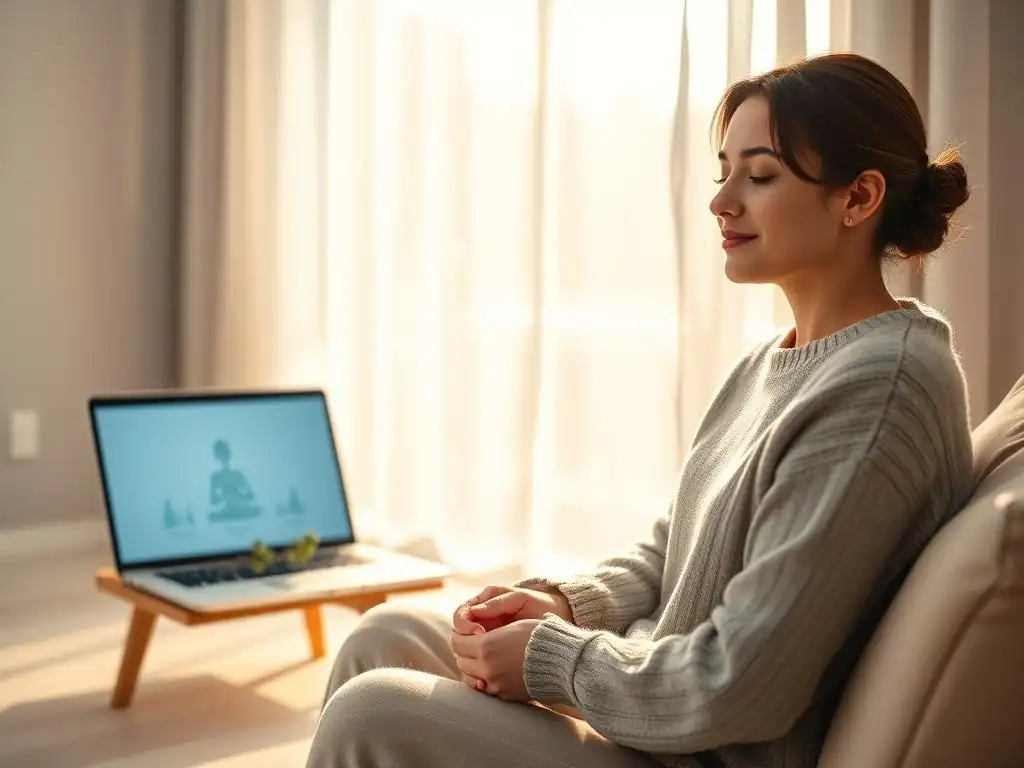
Welcome to Mind Care Guide, your sanctuary for nurturing mental well-being. Feeling overwhelmed by stress and anxiety? You're not alone. Discover how our article, " Online Mindfulness Courses for Stress Reduction & Anxiety Relief," explores the transformative power of mindfulness. Curious to learn how these techniques can help you reclaim your inner peace? Let's begin your journey towards a calmer, more centered you.
Online Mindfulness Courses for Stress Reduction & Anxiety Relief: A Mind Care Guide
- Finding Calm: How Mindfulness Courses Reduce Anxiety and Stress
-
Top Mindfulness Courses to Reduce Anxiety Stress: Our Expert Picks
- Best Overall: Headspace - Your Daily Dose of Mindfulness and Stress Relief
- Best for Beginners: Calm - Easing into Mindfulness for Anxiety Relief
- Best for Deeper Exploration: Mindful.org's Mindfulness-Based Stress Reduction (MBSR) Course
- Best for Targeted Anxiety: Unwinding Anxiety - Mindfulness for Breaking Anxiety Habits
- Best Budget Option: Insight Timer - Free Mindfulness Meditations for Stress Relief
- Choosing the Right Mindfulness Course for Your Anxiety and Stress Levels
- Maximizing the Benefits: Integrating Mindfulness into Your Daily Routine for Sustained Anxiety Relief
- Beyond the Course: Additional Resources for Managing Anxiety and Stress
-
Frequently Asked Questions
- What are online mindfulness courses and how can they help with anxiety and stress?
- How do I choose the right online mindfulness course for stress reduction and anxiety relief?
- Are online mindfulness courses effective for everyone dealing with anxiety and stress?
- How much time commitment is typically required for an online mindfulness course for stress reduction?
- What kind of results can I expect from taking an online mindfulness course for anxiety and stress?
- Final Reflection: Cultivating Inner Peace in a Digital Age
- Unlock Your Inner Calm: Start Your Mindfulness Journey Today!
Finding Calm: How Mindfulness Courses Reduce Anxiety and Stress
Understanding Anxiety and Stress: The Role of Mindfulness
Anxiety and stress are pervasive challenges in modern life, often manifesting as persistent worry, physical tension, difficulty concentrating, and disrupted sleep. The World Health Organization reports that globally, an estimated 1 in 8 people live with a mental disorder, with anxiety disorders being among the most common. Stress, while a natural response, becomes detrimental when chronic, contributing to numerous health issues from headaches to cardiovascular problems. Both states can significantly impair daily functioning and quality of life, creating a cycle that feels difficult to break.
Mindfulness offers a powerful antidote to these states by cultivating present-moment awareness without judgment. Instead of getting swept away by anxious thoughts about the future or stressful rumination about the past, mindfulness trains the mind to observe thoughts, feelings, and sensations as they arise, fostering a sense of detachment and perspective.
Regular mindfulness practice has been shown to alter brain structure and function, specifically in areas related to emotional regulation and stress response, such as the amygdala (which processes fear) and the prefrontal cortex (involved in executive functions). This neurological shift helps individuals respond to stressors more skillfully rather than reacting impulsively, making mindfulness courses reduce anxiety stress effectively over time.
Why Choose an Online Mindfulness Course for Anxiety & Stress Relief?
Choosing an online mindfulness course provides unparalleled accessibility and flexibility for individuals seeking to manage anxiety and stress. Unlike in-person classes, which require adherence to a fixed schedule and location, online courses can be accessed anytime, anywhere, fitting seamlessly into busy lives. This removes significant barriers for people with demanding jobs, caregiving responsibilities, or limited mobility, making mindfulness practice attainable for a wider population. The convenience allows for consistent practice, which is crucial for developing mindfulness skills and experiencing their benefits.
Furthermore, online platforms often offer a diverse range of courses catering to different needs, experience levels, and budgets. From short, guided meditations perfect for a quick break to comprehensive, multi-week programs like Mindfulness-Based Stress Reduction (MBSR), there is an option for everyone. Many platforms provide structured curricula, guided audio/video sessions, and supplementary materials that walk users through the principles and techniques of mindfulness step-by-step.
Some even offer community forums or live sessions, providing support and connection. This structured approach, combined with the ability to learn at one's own pace, makes online mindfulness courses a practical and effective tool for those seeking to reduce anxiety stress from the comfort of their home.
Top Mindfulness Courses to Reduce Anxiety Stress: Our Expert Picks
Best Overall: Headspace - Your Daily Dose of Mindfulness and Stress Relief
Headspace is a widely recognized platform dedicated to making mindfulness and meditation accessible to everyone. It stands out for its user-friendly interface, engaging content, and comprehensive library of guided meditations, courses, and tools specifically designed to address common challenges like stress and anxiety.
Founded by a former Buddhist monk, Headspace combines ancient mindfulness techniques with modern digital design, offering a secular approach that resonates with a broad audience. The platform aims to help users build a consistent meditation habit, believing that even a few minutes a day can significantly impact mental well-being and help mindfulness courses reduce anxiety stress effectively.
Headspace offers a variety of courses tailored to different needs, including specific packs focused on managing anxiety, coping with stress, and improving sleep. Their signature "Basics" course provides a solid foundation for beginners, while more advanced sessions explore deeper aspects of mindfulness. The app also features "Mindful Moments" for quick resets, sleepcasts (bedtime stories for adults), and movement exercises integrating mindfulness. A key strength is its ability to track progress and offer personalized recommendations, encouraging users to stay engaged and consistent with their practice, which is vital for long-term anxiety and stress reduction.
Headspace Features for Anxiety Management
Headspace offers several features specifically designed to help users manage anxiety. The "Anxiety" topic within the app includes guided meditations, exercises, and articles focused on understanding and coping with anxious feelings. These sessions teach techniques like body scans, mindful breathing, and cognitive diffusion (learning to observe thoughts without getting caught up in them). For example, the "Navigating Anxiety" course provides steps to identify triggers and respond to anxious thoughts with greater awareness and less reactivity.
Beyond structured courses, Headspace provides SOS meditations for moments of panic or intense stress, offering immediate support when it's needed most. They also have specialized content for specific situations that trigger anxiety, such as public speaking or flying. The app's calming interface and soothing narration contribute to a relaxing user experience, making it easier for individuals experiencing heightened stress or anxiety to engage with the practice. These targeted features make Headspace a robust tool for individuals specifically looking for mindfulness courses reduce anxiety stress related to various aspects of life.
Headspace Pricing and Subscription Options
Headspace operates on a subscription model, offering access to its full library of content. Pricing typically includes monthly and annual options, with the annual subscription offering significant savings compared to monthly billing. As of a recent check, a monthly subscription might be around $12.99-$14.99 USD, while an annual subscription could be approximately $69.99-$99.99 USD, breaking down to a much lower monthly cost.
Headspace often provides a free trial period, allowing prospective users to explore a selection of their content before committing to a paid subscription. They also sometimes offer discounted plans for students, educators, and families. While not the cheapest option available, the breadth and quality of Headspace's content, combined with its user-friendly design and specific features for anxiety and stress, are often seen as justifying the cost for those serious about integrating mindfulness into their daily routine to reduce anxiety stress.
Headspace: Pros & Cons for Stress Reduction
Pros:
- Extensive library of guided meditations and courses.
- Specific content tailored for anxiety, stress, and sleep.
- User-friendly interface and engaging design.
- SOS meditations for immediate support during acute stress.
- Progress tracking and personalized recommendations.
Cons:
- Subscription required for full access.
- Can be more expensive than some alternative apps or resources.
- Focus is primarily on guided meditation rather than deeper theoretical exploration (though theory is included).
Best for Beginners: Calm - Easing into Mindfulness for Anxiety Relief
Calm is another leading mindfulness and meditation app designed to help users sleep better, meditate more, and live a calmer life. It is particularly well-suited for beginners due to its gentle introduction to mindfulness concepts and its focus on relaxation and sleep, areas where beginners often seek immediate relief from anxiety and stress. The app's serene interface, calming background sounds, and easy-to-follow guided sessions create a welcoming environment for those new to the practice. Calm positions itself as a holistic tool for mental wellness, addressing not just meditation but also sleep, movement, and emotional regulation.
Calm offers a clear entry point for newcomers with its "7 Days of Calm" or "21 Days of Calm" programs, which gradually introduce fundamental mindfulness techniques like mindful breathing and body awareness. The structure is simple and progression is intuitive, preventing new users from feeling overwhelmed. The emphasis on creating a sense of peace and tranquility through its design and content makes it an inviting platform for individuals whose primary goal is to find immediate relief from the discomfort associated with anxiety and stress.
Calm's Guided Meditations for Anxiety and Stress
Calm features a rich collection of guided meditations specifically categorized to address anxiety and stress. These sessions vary in length, from short 3-minute breath exercises to longer 30-minute explorations, allowing users to fit practice into any part of their day. Topics covered include "Managing Stress," "Calming Anxiety," "Forgiveness," and "Mindful Walking." The meditations are led by experienced instructors with soothing voices, guiding users through techniques such as mindful breathing, body scans, and visualization.
The app also includes a "Daily Calm," a new 10-minute meditation released each day focusing on a different theme, providing a consistent practice opportunity. Many users find the routine of the Daily Calm helpful in establishing a regular habit, which is essential for seeing long-term benefits in reducing anxiety and stress. The variety of instructors and meditation styles ensures that users can find voices and approaches that resonate with them, making the practice feel more personal and effective.
Calm's Sleep Stories and Music for Relaxation
A unique and highly popular feature of Calm is its extensive library of Sleep Stories, narrated tales designed to help listeners relax and drift off to sleep. These stories range from classic tales to nature documentaries and fictional journeys, narrated by a variety of soothing voices, including some celebrities. For many individuals, anxiety and stress manifest as difficulty falling or staying asleep. The Sleep Stories provide a pleasant distraction from racing thoughts and promote relaxation, directly addressing a key symptom of these conditions.
In addition to Sleep Stories, Calm offers a vast collection of calming music, soundscapes (like rain or ocean waves), and nature sounds. These audio elements can be used during meditation, for relaxation, or as background noise to promote a peaceful environment. The combination of guided meditations, Sleep Stories, and relaxing audio makes Calm a comprehensive tool for managing anxiety and stress by addressing both the mental and physical aspects of these states, including sleep disturbances.
Calm: Pros & Cons for Beginners Seeking Anxiety Relief
Pros:
- Excellent for beginners with clear introductory programs.
- Wide variety of guided meditations for anxiety and stress.
- Popular Sleep Stories and calming music aiding relaxation and sleep.
- Visually appealing and user-friendly interface.
- Daily Calm provides a consistent practice opportunity.
Cons:
- Subscription required for full access.
- Some users may find the focus heavily skewed towards sleep and relaxation rather than deeper mindfulness theory.
- Less emphasis on community interaction compared to some other platforms.
Best for Deeper Exploration: Mindful.org's Mindfulness-Based Stress Reduction (MBSR) Course
Mindful.org, a leading resource for mindfulness information and practice, offers online versions of the renowned Mindfulness-Based Stress Reduction (MBSR) program. Developed by Jon Kabat-Zinn at the University of Massachusetts Medical School in the late 1970s, MBSR is an evidence-based, intensive 8-week course designed to teach participants how to use mindfulness meditation, yoga, and body awareness to cope with stress, anxiety, pain, and illness. Choosing an online MBSR course through a reputable source like Mindful.org allows for a deeper, more structured dive into the principles and practices of mindfulness than shorter app-based programs typically offer.
The MBSR course structure is rigorous, typically involving weekly group sessions (online via video conferencing), daily home practice assignments (around 45-60 minutes), and often a silent retreat day. This intensive format is designed to help participants cultivate a robust and sustainable mindfulness practice. Research consistently shows that completing an MBSR course can lead to significant reductions in symptoms of anxiety, depression, and stress, as well as improvements in well-being and coping skills. For individuals seeking a comprehensive and scientifically supported approach to using mindfulness courses reduce anxiety stress, the MBSR program is a gold standard.
MBSR Curriculum and Its Impact on Anxiety Reduction
The MBSR curriculum is highly structured and progressive. Over the 8 weeks, participants are guided through various mindfulness practices, starting with foundational techniques like the body scan and mindful breathing, and gradually moving to seated meditation, walking meditation, and mindful movement (gentle yoga). Each week builds upon the previous one, introducing new concepts and deepening the practice. Key themes explored include:
- Week 1: Introduction to mindfulness and the body scan.
- Week 2: Dealing with barriers and exploring perception.
- Week 3: The power of presence and mindful movement.
- Week 4: Stress reactivity and response.
- Week 5: Working with difficulty.
- Week 6: Emotions and mindful communication.
- Week 7: Integrating mindfulness into daily life.
- Week 8: Maintaining and extending practice.
The impact of MBSR on anxiety reduction is well-documented. Studies have shown participants experience measurable changes in brain activity and structure related to emotional regulation. For example, research published in Psychiatry Research: Neuroimaging found that participation in an 8-week MBSR program was associated with decreases in gray matter density in the amygdala (the brain region associated with fear and anxiety) and increases in areas related to learning and memory.
Participants often report feeling less overwhelmed by anxious thoughts, developing a greater capacity to tolerate uncomfortable emotions, and responding to stressful situations with more calm and clarity. This deep dive into practice and theory makes MBSR a powerful tool for sustainable anxiety relief.
Mindful.org's Instructor Expertise and Community Support
A critical component of the MBSR program, whether online or in-person, is the guidance of a qualified and experienced instructor. Mindful.org partners with certified MBSR teachers who have undergone rigorous training and supervision. These instructors provide expert guidance, lead practice sessions, facilitate group discussions, and offer support as participants navigate the challenges and insights that arise during the course. Their expertise is crucial for creating a safe and effective learning environment.
Online MBSR courses typically maintain the group format using video conferencing tools. This allows for valuable interaction among participants, creating a sense of community and shared experience. Sharing challenges and successes with others undergoing the same journey can be incredibly supportive and motivating, particularly when dealing with something as isolating as anxiety. The combination of expert instruction and peer support fosters a sense of accountability and encouragement, enhancing the overall effectiveness of the program in helping individuals use mindfulness courses reduce anxiety stress.
MBSR: Pros & Cons for In-Depth Mindfulness Training
Pros:
- Evidence-based, scientifically supported program (MBSR).
- Comprehensive and structured 8-week curriculum.
- Led by certified and experienced instructors.
- Includes a significant amount of practice time (daily homework).
- Often includes a silent retreat day for deeper immersion.
- Group format provides valuable community support.
Cons:
- Requires a significant time commitment (daily practice, weekly sessions).
- Can be more expensive than app-based options (often several hundred dollars).
- Intensive nature might not be suitable for everyone, especially those with severe current symptoms requiring immediate crisis support.
- Less flexible than self-paced app programs.
Best for Targeted Anxiety: Unwinding Anxiety - Mindfulness for Breaking Anxiety Habits

Unwinding Anxiety is an app and program developed by Dr. Jud Brewer, a psychiatrist and neuroscientist known for his work on habit change and mindfulness. This program is specifically designed to target the underlying habit loops that drive anxiety and worry. Instead of just teaching general mindfulness techniques, Unwinding Anxiety focuses on helping users identify their specific anxiety triggers, understand the reward mechanisms that keep the habit loop going, and use mindfulness to break free from these patterns. This targeted approach makes it particularly effective for individuals struggling with persistent worry or specific anxiety habits.
The program is based on Dr. Brewer's research into the brain's reward system and how habits, including mental ones like worry, are formed and maintained. It teaches users to become more aware of the thoughts, feelings, and behaviors associated with their anxiety habit loops.
By using mindfulness to bring awareness to the often-subtle "rewards" of worrying (e.g., feeling like you're doing something, or avoiding uncertainty), the program helps diminish the power of the habit. This unique focus on the mechanics of anxiety habits sets Unwinding Anxiety apart as a specialized tool for using mindfulness courses reduce anxiety stress rooted in specific behavioral patterns.
Unwinding Anxiety's Specialized Courses for Habit Loops and Anxiety
Unwinding Anxiety offers structured courses that guide users through the process of identifying and unwinding their anxiety habit loops. The core program typically involves daily lessons, exercises, and guided meditations. Users learn about the neuroscience of habits, how anxiety gets wired into the brain, and practical mindfulness techniques to interrupt the cycle. For example, the concept of "craving" is explored, showing how the feeling of anxiety or the urge to worry can be a craving that can be mindfully observed and let go of.
The courses provide specific tools and exercises, such as mapping out personal anxiety habit loops (trigger -> behavior -> reward) and practicing "turning toward" difficult emotions with curiosity rather than aversion. The guided meditations are often shorter and more focused on bringing awareness to specific sensations or thought patterns associated with anxiety, making them highly practical for real-time application. This specialized curriculum is less about general relaxation and more about actively dissecting and dismantling the specific mental habits that fuel anxiety.
Unwinding Anxiety's Tools and Resources for Identifying Anxiety Triggers
A key strength of Unwinding Anxiety is its emphasis on helping users become detectives of their own minds to identify specific anxiety triggers and the components of their habit loops. The app provides interactive tools and journaling prompts to help users track when, where, and how their anxiety manifests. By recording triggers (e.g., a specific situation, thought, or feeling), the associated behaviors (e.g., worrying, avoiding, seeking reassurance), and the perceived rewards, users gain valuable insight into their patterns.
The program also uses short animated videos and explanations to make complex neuroscience concepts accessible and relatable. Understanding why anxiety feels like a habit and how the brain is reinforcing it can be incredibly empowering. This self-awareness is the first step in applying mindfulness effectively to interrupt the loop. By providing concrete tools for identification and analysis, Unwinding Anxiety empowers users to apply mindfulness not just as a general calming technique, but as a precise tool for targeting and unwinding their unique anxiety habits.
Unwinding Anxiety: Pros & Cons for Targeted Anxiety Relief
Pros:
- Specifically targets anxiety and worry as habit loops.
- Based on neuroscience research by Dr. Jud Brewer.
- Provides tools for identifying personal anxiety triggers and patterns.
- Practical, actionable approach to breaking anxiety habits.
- Effective for individuals with persistent worry.
Cons:
- May be less suitable for individuals seeking a very gentle, general introduction to mindfulness.
- Focus is highly specific to the habit loop model, which might not resonate with everyone.
- Subscription is required.
- Less breadth in terms of general meditation topics compared to apps like Headspace or Calm.
Best Budget Option: Insight Timer - Free Mindfulness Meditations for Stress Relief
Insight Timer stands out as a truly free platform offering an enormous library of guided meditations, talks, and courses from thousands of teachers worldwide. While it offers optional paid features, the vast majority of its content is available at no cost, making it an incredibly accessible resource for anyone looking to use mindfulness courses reduce anxiety stress without a financial barrier. This platform democratizes access to mindfulness, providing a wealth of resources for beginners and experienced practitioners alike.
The sheer volume of content on Insight Timer is staggering, with tens of thousands of guided meditations available. Users can filter content by duration, specific topic (like anxiety, stress, sleep, self-compassion), teacher, or style. This allows for a high degree of personalization in finding practices that meet individual needs. While the quality and style can vary greatly given the number of contributors, the breadth ensures that users are likely to find many meditations and teachers that resonate with them.
Insight Timer's Extensive Library of Free Mindfulness Content
Insight Timer's main draw is its unparalleled free library. This includes:
- Thousands of guided meditations covering a vast range of topics, from managing difficult emotions and building resilience to specific practices for stress relief and anxiety.
- Talks and lectures from mindfulness experts, therapists, and spiritual teachers.
- Music tracks and soundscapes for meditation, relaxation, or sleep.
- Basic meditation timers with customizable sounds and intervals.
- Some free multi-day courses (though premium courses are also available).
The depth and variety mean that someone specifically looking for mindfulness courses reduce anxiety stress can explore numerous approaches and find practices that feel helpful without paying anything. While the platform relies on user ratings and reviews to help navigate the content, the sheer volume can sometimes feel overwhelming for newcomers.
Insight Timer's Community Features and Live Sessions
Insight Timer fosters a strong sense of community through various features. Users can join groups centered around specific interests (like anxiety, MBSR, or specific types of meditation), connect with friends, and see who else is meditating concurrently around the world via a real-time map. This feature, showing thousands of people meditating at the same time, can be a source of inspiration and connection.
The platform also offers live meditation sessions and talks hosted by teachers. These live events provide an opportunity for real-time practice and interaction, sometimes including Q&A sessions with teachers. While these community features are available for free, some premium features, like direct messaging with teachers or access to all paid courses, require a subscription. Nevertheless, the core community interaction and access to live free sessions significantly enhance the user experience and provide valuable support for those integrating mindfulness into their lives to reduce anxiety stress.
Insight Timer: Pros & Cons for Free Mindfulness Practice
Pros:
- Vast majority of content is free.
- Huge library of guided meditations and talks on various topics, including anxiety and stress.
- Strong community features and live sessions.
- Offers content from a wide range of teachers and styles.
- Great for exploring different approaches without commitment.
Cons:
- Quality of content can vary significantly due to the large number of contributors.
- Navigating the extensive library can be overwhelming for new users.
- Some advanced courses and features require a paid subscription (though much is free).
- Finding a structured, progressive course can be harder than on dedicated program apps.
Choosing the Right Mindfulness Course for Your Anxiety and Stress Levels
Selecting the ideal online mindfulness course to help you reduce anxiety stress depends heavily on your individual needs, current stress and anxiety levels, learning preferences, and budget. There isn't a one-size-fits-all solution, as different platforms and programs offer varying approaches and levels of intensity. Taking the time to assess what you're looking for and comparing options based on key criteria will significantly increase your chances of finding a course that is effective and sustainable for you.
Consider whether you need a gentle introduction or a more rigorous, in-depth program. Think about how much time you can realistically commit to daily practice and structured sessions. Also, reflect on whether you prefer a highly guided experience with a consistent teacher or the flexibility to explore content from many different voices. Many platforms offer free trials or a selection of free content, which can be a great way to sample different styles and interfaces before making a decision.
Assessing Your Needs: What Are You Looking to Achieve with Mindfulness?
Before diving into course options, take a moment to clarify your primary goals for practicing mindfulness. Are you seeking general stress reduction? Do you want targeted techniques for managing specific anxiety symptoms like panic attacks or persistent worry? Are you hoping to improve sleep, focus, or emotional regulation? Identifying your main objectives will help narrow down the choices. For instance, someone looking for targeted anxiety habit relief might benefit most from a program like Unwinding Anxiety, while someone seeking a comprehensive life-skill might prefer an MBSR course.
Consider your current experience level with mindfulness. If you're an absolute beginner, an app like Calm or Headspace with clear introductory programs might be less intimidating than an intensive 8-week MBSR course. If you have some experience and want to deepen your practice, MBSR or exploring more advanced content on platforms like Insight Timer could be suitable. Reflecting on your specific challenges with anxiety and stress will guide you toward courses that offer the most relevant content and techniques.
Considering Your Learning Style: Guided Meditations vs. Independent Practice
Online mindfulness courses and apps offer different levels of guidance and structure, catering to various learning styles. Some individuals thrive with highly structured, progressive courses that provide daily assignments and build skills week by week. Others prefer the flexibility of a vast library of guided meditations where they can choose practices based on their mood or needs on any given day. Think about whether you benefit from a teacher's voice guiding you through every step or if you prefer more space for silent practice or self-guided exploration.
Consider how you best absorb information and maintain motivation. Do you like interactive elements, journaling prompts, or community support? Or do you prefer a simple, straightforward audio guide? Apps like Headspace and Calm excel at providing a wide variety of guided sessions and user-friendly interfaces. Programs like MBSR offer a more traditional, curriculum-based approach with significant emphasis on independent daily practice alongside group sessions. Understanding your preferred way of learning and practicing mindfulness will help you find a course format that you are likely to stick with, maximizing the benefits for reducing anxiety stress.
Evaluating Instructor Credentials and Course Reviews
While many online platforms host content from numerous contributors, for more structured courses, especially those based on established programs like MBSR, it's important to consider the credentials of the instructors. Look for instructors who are certified in the specific mindfulness program they are teaching and have relevant experience. Reputable platforms often provide biographies and qualifications for their teachers. For app-based content, while credentials might vary, listening to sample meditations from different teachers can help you find voices and styles you connect with.
Reading reviews from other users can provide valuable insights into the effectiveness and quality of a course or platform. Look for reviews that specifically mention experiences with anxiety and stress reduction. Do users report feeling calmer, more capable of handling stress, or experiencing a decrease in anxious thoughts? Websites, app stores, and independent review sites often feature user feedback that can help you gauge the potential impact of a course. While individual results vary, consistent positive feedback regarding the core benefits of using mindfulness courses reduce anxiety stress is a good indicator.
Maximizing the Benefits: Integrating Mindfulness into Your Daily Routine for Sustained Anxiety Relief
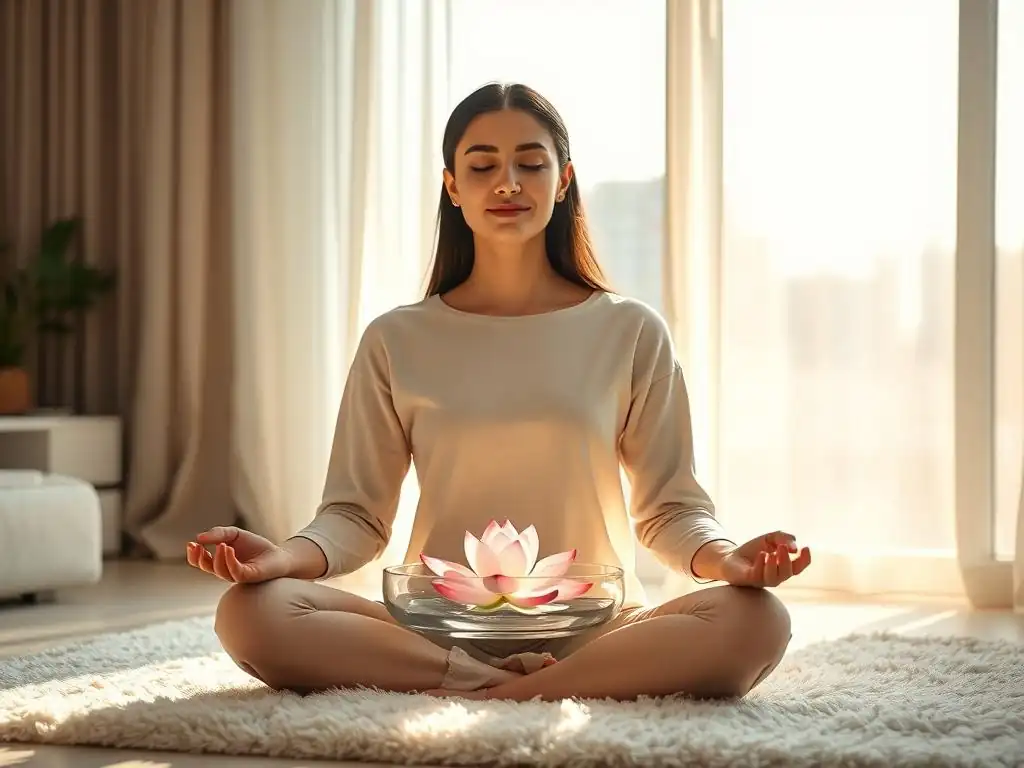
Completing an online mindfulness course is a significant step, but the real power of mindfulness for reducing anxiety and stress comes from integrating the practice into your daily life. Mindfulness is not just something you do during a formal meditation session; it's a way of being that can be cultivated throughout the day. Making it a consistent habit is crucial for rewiring the brain and building resilience against stressors. Without regular practice, the skills learned in a course may fade, and the long-term benefits for anxiety and stress relief will be limited.
Think of mindfulness as a muscle: it needs to be exercised regularly to grow stronger. Committing to a daily practice, even if it's just for a few minutes, is far more effective than infrequent long sessions. Finding ways to weave mindfulness into everyday activities, like eating, walking, or listening, also reinforces the practice and helps bring present-moment awareness to challenging situations as they arise. The goal is to make mindfulness a natural part of how you navigate the world, providing sustained support in managing anxiety and stress.
Creating a Dedicated Mindfulness Practice Space
Establishing a dedicated space, however small, for your mindfulness practice can significantly help in making it a consistent habit. This doesn't require a lavish meditation room; it could be a comfortable cushion in a quiet corner, a specific chair, or even just a designated spot on the floor. The key is that it is a place associated with calm and focus, free from distractions like screens or clutter.
Having a consistent physical location helps signal to your brain that it's time to shift into a mindful state. It reduces the mental friction of having to find a place each time you want to practice. Even if your practice is just 5 or 10 minutes, returning to this space regularly reinforces the habit and makes it easier to show up for yourself, fostering the consistency needed for mindfulness courses reduce anxiety stress effectively over time.
Setting Realistic Goals and Tracking Your Progress
Setting realistic goals is vital for maintaining motivation and avoiding discouragement. If you're new to mindfulness, aiming for 5-10 minutes of practice daily is much more achievable than trying to meditate for 30-60 minutes right away. As your practice deepens and you experience the benefits, you can gradually increase the duration. Consistency is more important than length, especially in the beginning.
Tracking your progress can also be motivating. Many mindfulness apps include built-in tracking features, showing your meditation streak or total practice time. Alternatively, you can keep a simple journal to note down when you practiced, for how long, and any observations about your experience or how you felt before and after. Noticing even small shifts in your ability to handle stress or anxiety can reinforce the value of your practice and encourage you to continue. Celebrating small wins helps build momentum and solidify the habit of using mindfulness to reduce anxiety stress.
Combining Mindfulness with Other Anxiety-Reducing Techniques (e.g., Exercise, Therapy)
Mindfulness is a powerful tool, but it is often most effective when used as part of a broader approach to managing anxiety and stress. Integrating mindfulness practice with other healthy habits can create a synergistic effect, enhancing overall well-being. Regular physical exercise, for example, is well-known for its stress-reducing benefits, releasing endorphins and helping to regulate the nervous system. Combining a mindful walk or yoga session with seated meditation can amplify the positive impact.
For many individuals, particularly those with moderate to severe anxiety or trauma histories, combining mindfulness practice with professional support like therapy (e.g., Cognitive Behavioral Therapy or Acceptance and Commitment Therapy, which often incorporate mindfulness principles) is highly beneficial. A therapist can help address underlying issues, provide coping strategies, and guide you in applying mindfulness specifically to your challenges.
Eating a balanced diet, ensuring adequate sleep, and maintaining social connections are also crucial components of a holistic approach to mental wellness. By integrating mindfulness learned in online courses with these other techniques, you create a robust toolkit for sustained anxiety and stress relief.
Beyond the Course: Additional Resources for Managing Anxiety and Stress
Completing an online mindfulness course is a fantastic starting point, but the journey of managing anxiety and stress through mindfulness is ongoing. Fortunately, there are many additional resources available to support your continued practice and exploration. Engaging with these resources can help you deepen your understanding, stay motivated, and connect with others who share similar goals, reinforcing the skills learned in your initial course and ensuring you continue to use mindfulness courses reduce anxiety stress effectively in the long term.
Exploring different teachers, types of practice, and supplemental materials can keep your practice fresh and help you discover what resonates most with you. Building a support network, whether through online communities or local groups, provides encouragement and shared wisdom. Knowing when and how to seek professional help is also a critical part of comprehensive mental wellness, ensuring you have appropriate support for any challenges that arise.
Mindfulness Apps and Books for Continued Learning
Mindfulness apps, even if you primarily used one specific course platform, offer a wealth of additional guided meditations, talks, and resources for continued practice. Exploring different apps can expose you to new teachers and styles, keeping your practice dynamic. Many apps offer free content, allowing for exploration without further financial commitment.
Mindfulness books provide a deeper dive into the philosophy, science, and practical application of mindfulness. Classic texts like Jon Kabat-Zinn's Full Catastrophe Living (the basis for MBSR) or Thich Nhat Hanh's The Miracle of Mindfulness offer profound insights. More recent books explore specific applications, such as mindfulness for anxiety, self-compassion, or mindful communication. Reading can complement your meditation practice, providing context and inspiration for applying mindfulness principles beyond formal sessions.
Support Groups and Communities for Connection and Encouragement
Connecting with others who are practicing mindfulness or managing anxiety and stress can be incredibly supportive. Online forums, social media groups, or community features within mindfulness apps (like Insight Timer's community section) allow you to share experiences, ask questions, and receive encouragement. Knowing that you're not alone in your struggles and successes can reduce feelings of isolation often associated with anxiety.
Locally, many cities have meditation centers or groups that offer drop-in sessions or community gatherings. Participating in these can provide a sense of belonging and connection, as well as opportunities to practice with others. Sharing insights and challenges with peers who understand the effort required to use mindfulness courses reduce anxiety stress can provide valuable perspective and motivation to maintain your practice.
When to Seek Professional Help for Anxiety and Stress
While online mindfulness courses and self-help resources are highly effective for many people, it's crucial to recognize when professional help is needed. If your anxiety or stress is severe, significantly impacting your daily life, causing panic attacks, or accompanied by symptoms of depression or suicidal thoughts, seeking help from a mental health professional is essential. Mindfulness can be a valuable adjunct to therapy, but it is not a substitute for professional diagnosis and treatment, especially for clinical conditions.
A therapist or counselor can provide personalized strategies, address underlying trauma or complex issues, and offer a level of support that online resources cannot replicate. Psychiatrists can assess whether medication might be helpful in managing severe symptoms. Don't view seeking professional help as a failure; it is a sign of strength and self-care. Integrating mindfulness practice with the guidance of a qualified professional can provide the most comprehensive and effective path towards managing anxiety and stress and achieving lasting mental well-being.
Frequently Asked Questions
What are online mindfulness courses and how can they help with anxiety and stress?
Online mindfulness courses teach techniques for present moment awareness. These techniques can reduce anxiety and stress by helping individuals focus on the now rather than worrying about the future or dwelling on the past.
How do I choose the right online mindfulness course for stress reduction and anxiety relief?
Consider factors like the instructor's experience, the course format and length, and the reviews and testimonials from other participants. Look for courses specifically designed to address anxiety and stress.
Are online mindfulness courses effective for everyone dealing with anxiety and stress?
While mindfulness is beneficial for many, its effectiveness can vary. It's often most effective when combined with other therapeutic approaches or lifestyle changes. Consulting with a mental health professional is advisable.
How much time commitment is typically required for an online mindfulness course for stress reduction?
Time commitment varies, but most courses require 30-60 minutes per day for practice and learning. Consistency is key to experiencing the benefits of mindfulness.
What kind of results can I expect from taking an online mindfulness course for anxiety and stress?
With consistent practice, you may experience reduced anxiety symptoms, improved stress management, and an increased sense of well-being. Results can be noticeable within weeks or months.
Final Reflection: Cultivating Inner Peace in a Digital Age
The pervasive nature of stress and anxiety in our hyper-connected world demands innovative solutions, and online mindfulness courses offer a powerful, accessible pathway to relief. These courses are no longer a niche trend; they represent a vital tool for navigating the challenges of modern life, empowering individuals to take control of their mental well-being. The increasing accessibility and affordability of these resources are democratizing mental health support, making it available to a wider audience than ever before.
The impact of mindfulness practices on the cultural landscape is undeniable. We are witnessing a growing shift towards prioritizing mental wellness, a shift fueled in part by the increased availability of resources like online mindfulness courses. This reflects a broader societal understanding of the interconnectedness of mind and body, and the importance of proactive self-care. The mind is everything. What you think you become.
– Buddha. This ancient wisdom finds new relevance in the digital age, as we grapple with the constant influx of information and the pressures of modern life. The integration of mindfulness into daily routines is no longer a luxury, but a necessity for navigating the complexities of our time.
Consider the ways in which you can incorporate mindfulness into your own life. Perhaps you'll explore one of the many online courses discussed in this article, or maybe you'll simply dedicate a few minutes each day to mindful breathing or meditation. The journey towards inner peace begins with a single step, a single breath, a single moment of mindful awareness. Embrace the opportunity to cultivate calm amidst the chaos, and discover the transformative power of mindfulness in your own life. Your well-being is worth the investment.
Unlock Your Inner Calm: Start Your Mindfulness Journey Today!
Thank you for taking the time to explore the world of mindfulness and its incredible power to reduce stress and anxiety. We hope this article provided you with valuable insights and tools. Now it's time to put them into practice!
- Begin your mindfulness journey with a free guided meditation: We've created a short, introductory meditation just for you to experience the benefits firsthand. It's the perfect first step towards a calmer, more focused you.
- Share this article with a friend: Help spread the word about the transformative power of mindfulness and support others on their wellness journeys.
- Explore our curated list of online mindfulness courses: Discover resources tailored to your needs and learning style, deepening your practice and unlocking even greater peace of mind.
Ready to prioritize your mental well-being and cultivate a more mindful life? What's the first step you'll take to incorporate mindfulness into your daily routine?