
The Ultimate Guide to Online Mindfulness Education


Welcome to Mind Care Guide, a safe space dedicated to nurturing your mental well-being. Feeling overwhelmed by anxiety? You're not alone. We understand the challenges, and we're here to help you explore effective solutions. In this guide, we delve into the transformative power of online mindfulness courses for anxiety, revealing how accessible and engaging learning can pave the way for a calmer, more centered you. Curious to discover the perfect course to begin your journey to inner peace? Let's explore the possibilities...
The Ultimate Guide to Online Mindfulness Education: Finding the Best Courses for Anxiety Relief
- Finding the Right Online Mindfulness Course for Anxiety: A Comprehensive Guide
- Why Choose Online Mindfulness Training for Anxiety?
- Key Features to Look for in Online Mindfulness Courses for Anxiety
-
Top Online Mindfulness Courses for Anxiety: A Detailed Comparison
- Headspace: Your Everyday Mindfulness Companion
- Calm: Find Your Inner Peace with Guided Meditations
- Insight Timer: Free Mindfulness Meditations and Courses
- UCLA Mindful Awareness Research Center (MARC): Science-Backed Mindfulness Practices
- Palouse Mindfulness: Mindfulness-Based Stress Reduction (MBSR) Online
- Choosing the Best Course for Your Specific Needs: A Personalized Approach
- Maximizing the Benefits of Your Online Mindfulness Training
- Beyond the Basics: Advanced Mindfulness Techniques for Anxiety
- Success Stories: Real People Finding Relief from Anxiety Through Online Mindfulness
- Conclusion: Embrace Mindfulness for a Calmer, More Balanced Life.
-
Frequently Asked Questions
- What are the benefits of taking online mindfulness courses for anxiety?
- How do I choose the right online mindfulness course for anxiety?
- Are online mindfulness courses for anxiety effective for everyone?
- What kind of commitment is required for an online mindfulness course for anxiety?
- Where can I find reputable online mindfulness courses for anxiety?
- Final Reflection: Cultivating Inner Peace in a Digital Age
- Ignite Your Inner Peace: Take the Next Step
Finding the Right Online Mindfulness Course for Anxiety: A Comprehensive Guide
Embarking on a journey to manage anxiety can feel overwhelming, but finding effective tools is a crucial step. Mindfulness, the practice of being present in the moment without judgment, has emerged as a powerful technique supported by research. For many, accessing in-person mindfulness training can be challenging due to location, schedule, or cost.
This is where online mindfulness courses for anxiety offer a flexible and accessible solution. This guide will walk you through the benefits of learning mindfulness online, key features to look for in courses specifically designed for anxiety, and a comparison of some popular platforms, helping you find the best fit for your needs.
Choosing the right online mindfulness course for anxiety is a personal process. It requires understanding what mindfulness entails, identifying your specific needs and learning style, and knowing what makes an online program effective. Whether you are completely new to mindfulness or looking to deepen an existing practice, the digital landscape offers a wealth of options. By carefully considering factors like course structure, instructor qualifications, and interactive elements, you can select an online resource that provides the necessary tools and support to cultivate calm and resilience in the face of anxiety.
Why Choose Online Mindfulness Training for Anxiety?
The rise of digital learning platforms has revolutionized access to mental wellness tools. Online mindfulness training provides a convenient pathway for individuals seeking to incorporate this beneficial practice into their lives, particularly for managing anxiety. It removes many of the traditional barriers associated with in-person classes, making it easier than ever to start or maintain a mindfulness practice.
Beyond mere convenience, online environments can offer unique advantages, such as self-paced learning, diverse content formats, and connection with a global community. For someone grappling with anxiety, the ability to learn and practice from the comfort and safety of their own home can itself reduce initial apprehension. Exploring online mindfulness courses for anxiety opens up possibilities for consistent, personalized growth.
The Benefits of Mindfulness for Anxiety Management
Research has consistently demonstrated the positive impact of mindfulness on anxiety symptoms. By training the mind to observe thoughts and feelings without getting swept away by them, individuals can develop a greater capacity to respond to anxiety-provoking situations with more calm and clarity. Studies, such as those published in the Journal of Consulting and Clinical Psychology, have shown that participation in mindfulness-based programs can lead to significant reductions in worry, rumination, and the physical symptoms associated with anxiety disorders. For example, meta-analyses indicate that mindfulness interventions can reduce anxiety severity scores by an average of 20-30% in clinical populations.
Furthermore, mindfulness cultivates self-compassion, a crucial element often lacking in those who experience anxiety. Instead of criticizing oneself for feeling anxious, mindfulness encourages acknowledging the feeling with kindness. This shift in perspective can lessen the intensity of the anxiety response over time. Regular practice helps build a stronger 'observer' self, allowing individuals to notice anxious thoughts without identifying with them completely, thereby creating distance from distress. This skill is fundamental and is a core component taught in effective online mindfulness courses for anxiety.
Accessibility and Convenience: Learning Mindfulness at Your Own Pace
One of the most compelling reasons to choose online mindfulness training is its unparalleled accessibility. Individuals living in remote areas, those with mobility issues, or people with demanding schedules can easily access high-quality instruction from anywhere with an internet connection. There are no geographical limitations, and classes can be accessed at any time of day or night, fitting seamlessly into busy lives. This flexibility is particularly beneficial for individuals whose anxiety might make attending scheduled in-person group sessions difficult or intimidating.
Moreover, online platforms allow for self-paced learning. If a particular concept or meditation technique requires more time to grasp, learners can pause, replay, and revisit materials as often as needed. This stands in contrast to the fixed pace of many in-person classes. This flexibility empowers individuals to integrate mindfulness practice into their daily routine in a way that feels sustainable, whether it's practicing for 10 minutes during a lunch break or dedicating an hour in the evening. The convenience offered by online mindfulness courses for anxiety removes significant barriers to entry and consistent practice.
Cost-Effectiveness: Comparing Online and In-Person Mindfulness Programs
Cost is often a significant factor when considering mental wellness resources. While the price of online mindfulness courses for anxiety varies widely, they are typically more affordable than their in-person counterparts. An 8-week in-person Mindfulness-Based Stress Reduction (MBSR) program, for example, can cost anywhere from $300 to over $600, depending on the location and instructor. These costs often cover facility rental, instructor fees, and materials.
In contrast, many online mindfulness platforms operate on a subscription model, offering access to a vast library of content for a monthly fee, often ranging from $10 to $20. Annual subscriptions can bring the average monthly cost down even further. Alternatively, some online courses offer one-time purchase options, which might range from $50 to $200 for a structured program. While premium online courses may cost more, they generally remain significantly less expensive than comparable in-person workshops or retreats, making online mindfulness courses for anxiety a more budget-friendly option for many.
Key Features to Look for in Online Mindfulness Courses for Anxiety
Selecting the best online mindfulness course for anxiety requires careful consideration of several factors beyond just the price tag. The effectiveness of the training hinges on the quality of the content, the expertise of the instructors, and the overall learning experience provided by the platform. Not all courses are created equal, and paying attention to specific features can help you find a program that is both beneficial and engaging for your personal journey.
Identifying a course that aligns with your needs and learning style is paramount. Look for programs that are transparent about their methodology and what you can expect to gain. Considering the features discussed below will help you navigate the options and invest your time and resources wisely in an online mindfulness course for anxiety that genuinely supports your well-being goals.
Course Structure and Content: Is it Beginner-Friendly?
For individuals new to mindfulness or struggling with anxiety, a course with a clear, structured progression is essential. Beginner-friendly courses often start with foundational concepts, explaining what mindfulness is and isn't, and introduce simple, short meditation practices (e.g., 5-10 minutes). They build gradually, introducing different techniques like body scans, walking meditation, and mindful eating over several weeks. A well-structured course will typically be divided into modules or lessons, allowing learners to progress systematically and build skills incrementally.
The content should be specifically tailored to address anxiety. Look for modules that discuss how anxiety manifests in the mind and body, and how mindfulness techniques can help interrupt anxious thought loops and reduce physical tension. Effective online mindfulness courses for anxiety will often include sessions on managing difficult emotions, cultivating self-compassion, and developing resilience. The language used should be accessible and encouraging, avoiding overly academic jargon. A good course outline should clearly state the topics covered and the learning objectives for each section.
Instructor Expertise and Credentials: Look for Certified Professionals
The quality of instruction is paramount in mindfulness training. Learning from experienced and qualified instructors ensures that you are receiving accurate guidance and practicing techniques safely and effectively. Look for instructors with backgrounds in psychology, counseling, or specific mindfulness certifications. Credentials such as being a certified MBSR (Mindfulness-Based Stress Reduction) or MBCT (Mindfulness-Based Cognitive Therapy) teacher are strong indicators of rigorous training and experience.
Check the instructor's bio and experience. Have they been practicing mindfulness for a significant period? Do they have experience teaching individuals with anxiety? While some excellent teachers may not have formal certifications in every case, a strong background in related fields or extensive experience teaching mindfulness, particularly in therapeutic contexts, is highly valuable. Reputable online mindfulness courses for anxiety will prominently feature information about their instructors' qualifications and experience.
Interactive Elements: Guided Meditations, Q&A Sessions, and Community Forums
Passive consumption of content is less effective than active engagement. Look for online mindfulness courses for anxiety that include interactive elements to enhance the learning experience and support practice. Guided meditations are a fundamental interactive component, providing verbal instruction to help you stay focused and present during practice sessions. The variety and quality of guided meditations are key indicators of a good course.
Live or recorded Q&A sessions with instructors offer valuable opportunities to clarify doubts, discuss challenges in practice, and gain deeper insights. Community forums or groups provide a space to connect with fellow learners, share experiences, offer support, and feel less alone in the journey of managing anxiety. This peer support can be incredibly validating and motivating. Access to the instructor or teaching assistants for questions, even if not in real-time, adds significant value to online mindfulness courses for anxiety.
Certification and Accreditation: Does the Course Offer a Credible Certificate?
While not always necessary for personal practice, some individuals may seek a certificate upon completion of an online mindfulness course for anxiety, particularly if they intend to use the knowledge professionally or simply want a formal acknowledgment of their commitment. The credibility of the certificate depends on the institution or platform offering it. Courses from well-known universities (like UCLA's MARC) or established mindfulness organizations often carry more weight.
Accreditation in the context of mindfulness training typically refers to the accreditation of the training program that qualifies instructors, not necessarily the certificate given to participants for completing a course. However, some platforms partner with accredited institutions or adhere to specific standards. If a certificate is important to you, research the issuing body and understand what completing the course signifies. For personal anxiety management, the practical skills gained are far more important than a certificate, but for those seeking formal recognition, checking for accreditation or institutional affiliation is advisable when selecting online mindfulness courses for anxiety.
Top Online Mindfulness Courses for Anxiety: A Detailed Comparison

The digital landscape offers a variety of platforms and courses designed to help individuals manage anxiety through mindfulness. Each platform has its unique strengths, pricing models, and approach. Comparing some of the most popular and well-regarded options can help you narrow down your choices and find an online mindfulness course for anxiety that aligns with your preferences and goals.
This section provides an overview of several prominent online mindfulness resources, highlighting their key features and pricing structures. Remember that the "best" course is subjective and depends on individual needs, budget, and learning style. Exploring free trials or introductory content is a great way to sample a platform before committing.
Headspace: Your Everyday Mindfulness Companion
Headspace is one of the most widely recognized mindfulness apps globally, known for its friendly approach and engaging content. It positions itself as an accessible tool for integrating mindfulness into daily life. While not exclusively focused on anxiety, it offers a wealth of resources specifically designed to address anxious feelings and thoughts.
Features and Benefits: Personalized Meditation, Sleepcasts, and Anxiety-Specific Content
Headspace offers a vast library of guided meditations, ranging from short, single-session meditations to multi-session courses on specific topics. Key features include personalized recommendations based on your stated goals (like reducing anxiety), "Sleepcasts" (bedtime stories and soundscapes designed to help you fall asleep), and "Mindful Moments" for quick grounding exercises.
For anxiety, Headspace provides dedicated course packs such as "Navigating Anxiety," "Fear of Flying," and "Dealing with Sadness," offering targeted techniques and insights. The app uses simple, relatable language and animations to make mindfulness concepts easy to understand, making it a great starting point for beginners exploring online mindfulness courses for anxiety.
Pricing and Subscription Options: Is Headspace Worth It?
Headspace operates primarily on a subscription model. After a free trial period (typically 7-14 days), access to the full library requires a paid subscription. As of late 2023/early 2024, monthly subscriptions were approximately $12.99 USD, while an annual subscription offered significant savings, costing around $69.99 USD (equivalent to about $5.83 per month). Headspace also occasionally offers discounted student or family plans. Given the breadth and depth of its content, particularly the targeted anxiety resources and constant updates, many users find the subscription cost worthwhile for consistent access to guided practice and support.
Calm: Find Your Inner Peace with Guided Meditations
Calm is another immensely popular app focusing on meditation, sleep, and relaxation. It has garnered attention for its soothing design and celebrity-narrated content. Like Headspace, Calm offers a broad spectrum of content but includes specific programs aimed at reducing stress and anxiety.
Features and Benefits: Sleep Stories, Music for Relaxation, and Anxiety Relief Programs
Calm's offerings include guided meditations of varying lengths, "Sleep Stories" narrated by well-known voices to help users relax before sleep, and a wide selection of ambient music and nature sounds. For anxiety, Calm provides dedicated meditation series like "7 Days of Managing Anxiety," "21 Days of Calm," and various single sessions focused on topics such as panic relief, calming fears, and building resilience.
The app's user interface is designed to be visually calming, contributing to a peaceful user experience. Its combination of meditation, sleep aids, and relaxation tools makes it a comprehensive option among online mindfulness courses for anxiety and overall well-being.
Pricing and Subscription Options: Calm Premium Review
Calm also operates on a premium subscription model after a limited free trial. Monthly subscriptions were typically around $14.99 USD, with an annual subscription priced at approximately $69.99 USD (around $5.83 per month). Calm occasionally offers lifetime subscriptions, though these are significantly more expensive (often several hundred dollars) but provide permanent access. The value of Calm Premium lies in its extensive library, including exclusive celebrity content and in-depth programs. For individuals prioritizing sleep support alongside mindfulness for anxiety, Calm's features make the premium subscription a strong contender.
Insight Timer: Free Mindfulness Meditations and Courses
Insight Timer stands out from Headspace and Calm by offering a vast majority of its content for free. It hosts a global community of meditation teachers and offers an enormous library of guided meditations, music tracks, and talks. This makes it an incredibly accessible resource for anyone exploring online mindfulness courses for anxiety without a budget.
Features and Benefits: A Vast Library of Free Meditations, Live Events, and Teacher-Led Courses
Insight Timer boasts over 100,000 free guided meditations and talks contributed by over 15,000 teachers worldwide. This includes numerous meditations specifically tagged for anxiety, stress, and panic. Users can filter content by duration, specific topic (like "anxiety relief"), or teacher. The platform also features live meditation sessions and community discussion groups. While the sheer volume can be overwhelming, the search and filter functions help users find relevant content. Many teachers offer multi-day courses, some of which are available for free. This open platform approach makes it a unique option among online mindfulness courses for anxiety.
Premium Features and Pricing: Is Insight Timer Plus Right for You?
Insight Timer offers an optional paid subscription called Insight Timer Plus. This subscription unlocks additional features, including offline listening, advanced player options (like repeat or loop), high-quality audio, and access to exclusive premium courses. While a vast amount of content remains free, the premium courses often offer more structured, in-depth learning experiences compared to the free single sessions.
Insight Timer Plus was priced around $9.99 USD per month or approximately $59.99 USD annually ($4.99 per month). For users who benefit from structured courses or want offline access, Insight Timer Plus provides significant value while still maintaining a large free library.
UCLA Mindful Awareness Research Center (MARC): Science-Backed Mindfulness Practices
UCLA MARC is a leading institution in mindfulness research and education. They offer resources grounded in scientific understanding, making their programs particularly appealing to those who value evidence-based approaches. While they offer in-person programs, they also provide valuable online resources.
Features and Benefits: Courses developed by leading mindfulness researchers, focusing on practical application.
UCLA MARC provides a range of online resources, including free guided meditations led by their expert teachers. They also offer structured online courses, such as the "Mindful Awareness Practices (MAPs)" course. MAPs is a foundational six-week course designed to teach basic mindfulness skills.
These courses are developed by researchers and clinicians, emphasizing the practical application of mindfulness to reduce stress and improve well-being, including managing anxiety. The approach is often more academic and research-focused than consumer apps, providing a deeper dive into the 'why' behind the practice. Their commitment to science-backed methods sets their online mindfulness courses for anxiety apart.
Pricing and Subscription Options: Exploring MARC's offerings.
UCLA MARC offers many free resources, including a library of guided meditations available on their website and through podcast platforms. Their structured online MAPs courses are typically offered on a session-by-session basis throughout the year and require registration and payment. As of recent information, the cost for a full online MAPs course could range from approximately $150 to $250, though pricing can vary depending on the specific offering and any available discounts. While not a subscription service like the apps, their structured courses offer a more traditional, in-depth learning experience akin to a university extension program.
Palouse Mindfulness: Mindfulness-Based Stress Reduction (MBSR) Online
Palouse Mindfulness offers a free, online version of the classic 8-week Mindfulness-Based Stress Reduction (MBSR) program developed by Jon Kabat-Zinn. This program is widely recognized and has extensive research supporting its effectiveness for stress, anxiety, and chronic pain.
Features and Benefits: A structured MBSR course for stress and anxiety reduction.
The Palouse Mindfulness website provides all the materials needed to complete the full 8-week MBSR course independently, including video lectures, guided meditations, and readings. The course is highly structured, guiding participants through the same weekly themes and practices as a traditional in-person MBSR program. It covers topics like mindful eating, body scan meditation, gentle yoga, and integrating mindfulness into daily life, all within the context of reducing stress and reactivity, which is highly beneficial for anxiety management. The comprehensive nature of this free resource makes it a remarkable option among online mindfulness courses for anxiety.
Pricing and Subscription Options: Exploring Palouse Mindfulness' MBSR program.
The core 8-week MBSR program offered by Palouse Mindfulness is entirely free. All course materials are available on their website. They operate on a donation basis, encouraging participants to contribute if they find value in the program, but there is no obligation to pay to access the content. This makes it an incredibly accessible option for anyone, regardless of financial situation, seeking a structured, evidence-based online mindfulness course for anxiety. While there's no direct instructor interaction in the free version, the structured format and comprehensive materials provide a solid foundation.
Choosing the Best Course for Your Specific Needs: A Personalized Approach
With numerous online mindfulness courses for anxiety available, selecting the right one can feel daunting. The "best" course isn't universally the same for everyone; it depends heavily on your individual circumstances, goals, and preferences. Taking a personalized approach to your selection process will increase the likelihood of finding a program that you will stick with and benefit from.
Consider this a process of self-discovery as much as course selection. Reflecting on your current situation and what you hope to achieve will guide you towards a program that offers the appropriate level of challenge, support, and content. Investing this time upfront will pay dividends in your journey to manage anxiety through online mindfulness training.
Assessing Your Current Anxiety Level and Mindfulness Experience
Your starting point is a critical factor in choosing an online mindfulness course for anxiety. Are you experiencing mild, situational anxiety, or more pervasive, chronic anxiety? Are you completely new to meditation and mindfulness, or do you have some prior experience?
- For beginners with significant anxiety: Look for courses explicitly labeled as "beginner-friendly" or "introductory." These courses typically move at a slower pace, focus on foundational techniques, and may offer more guidance on navigating challenging emotions that arise during practice. Programs with a strong emphasis on gentle self-compassion can be particularly helpful.
- For those with some experience or milder anxiety: You might explore courses that delve into specific techniques or offer more advanced practices. Some platforms offer assessments to help you determine your level and recommend suitable content. Being honest about your current experience ensures you don't start with a course that's too advanced, which could be discouraging, or one that's too basic, which might not hold your interest.
Setting Realistic Goals for Mindfulness Practice
Before enrolling in an online mindfulness course for anxiety, take some time to define what you hope to achieve. Are you aiming to reduce the frequency of panic attacks, lessen daily worry, improve sleep quality, or simply feel more present and less reactive? Setting clear, realistic goals will help you choose a course that focuses on the areas most important to you.
Consider the time commitment you can realistically make. Most effective mindfulness training requires consistent daily practice, even if only for 10-15 minutes. Choose a course that aligns with the amount of time you are willing and able to dedicate. Some courses are structured over several weeks with specific daily practices, while others offer more flexible libraries of content. Setting achievable goals, such as "practice guided meditation for 10 minutes every morning" rather than "eliminate all anxiety," makes the process feel manageable and fosters a sense of accomplishment.
Considering Your Learning Style and Preferences
People learn in different ways. Some prefer highly structured, week-by-week programs, while others thrive with the flexibility to choose topics and meditations from a large library. Think about how you learn best and what kind of content you find most engaging.
- Structured Learning: If you prefer a clear curriculum and step-by-step progression, consider courses like the MBSR program (offered by Palouse Mindfulness online) or structured programs from institutions like UCLA MARC.
- Flexible Exploration: If you prefer to explore different techniques and topics at your own pace, apps like Headspace, Calm, or Insight Timer with their extensive libraries might be a better fit.
- Instructional Style: Do you prefer a warm, gentle teaching style or a more direct, science-focused approach? Sample free meditations or introductory videos from different platforms to get a feel for the instructors' styles.
- Format: Do you prefer video lessons, audio-only meditations, or written materials? Ensure the course format aligns with your preference and how you plan to access the content (e.g., on your commute, before bed).
Maximizing the Benefits of Your Online Mindfulness Training
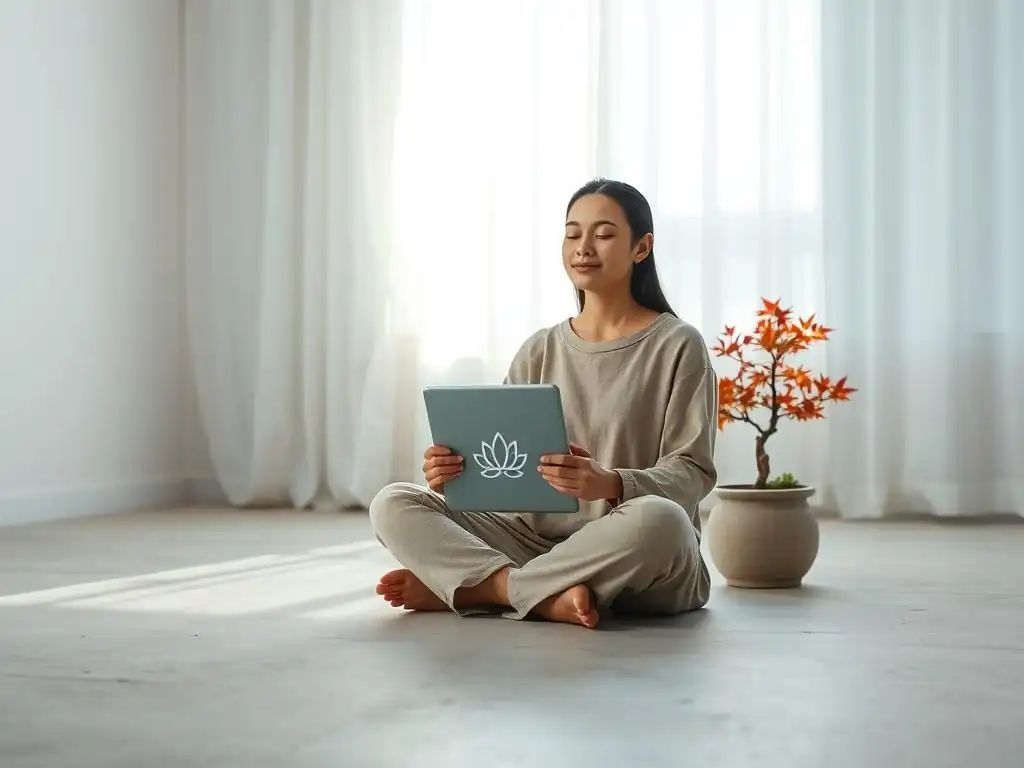
Enrolling in an online mindfulness course for anxiety is a significant first step, but the true benefits come from consistent practice and active engagement with the material. Simply signing up is not enough; you need to integrate mindfulness into your daily life and utilize the resources provided by the course to their fullest potential.
Think of your online course as a toolkit and a guide. The more you use the tools and follow the guidance, the more proficient you will become in managing your anxiety. Maximizing the benefits involves creating supportive habits and leveraging the full potential of the online learning environment.
Creating a Dedicated Mindfulness Practice Space
Designating a specific area for your mindfulness practice can help create a sense of ritual and make it easier to transition into a meditative state. This space doesn't need to be large or elaborate; a quiet corner of a room where you feel comfortable and are unlikely to be interrupted is sufficient.
Ensure the space is tidy and free from distractions like phones (unless using the app for guided meditation) or clutter. Having a comfortable cushion, chair, or mat available can also enhance your practice. Consistently returning to this dedicated space signals to your mind that it's time to practice mindfulness, reinforcing the habit and making your sessions more effective in reducing anxiety. Even a small, quiet spot can become your personal sanctuary for cultivating calm.
Setting Aside Time for Daily Meditation
Consistency is arguably the most crucial factor in developing a strong mindfulness practice and experiencing its benefits for anxiety. Just like physical exercise, the effects accumulate over time with regular effort. Aim to set aside a specific time each day for meditation, even if it's only for 5-10 minutes initially.
Treat this time as a non-negotiable appointment with yourself. Whether it's first thing in the morning, during a lunch break, or before bed, find a slot that works realistically with your schedule. Using reminders on your phone or integrating practice into an existing routine (like after brushing your teeth) can help establish the habit. Daily practice, even brief sessions, is far more effective than infrequent, long sessions when managing anxiety.
Combining Mindfulness with Other Anxiety Management Techniques
Mindfulness is a powerful tool, but it is often most effective when used as part of a broader strategy for managing anxiety. Consider how your online mindfulness course for anxiety can complement other techniques you might be using or exploring.
Mindfulness pairs well with therapeutic approaches like Cognitive Behavioral Therapy (CBT) or Acceptance and Commitment Therapy (ACT), which are often discussed in online resources for mental wellness. It can also enhance the benefits of physical activity, deep breathing exercises, journaling, and ensuring adequate sleep and nutrition. View mindfulness not as a standalone cure, but as a foundational practice that supports and enhances the effectiveness of other healthy habits and therapeutic interventions.
Utilizing Course Resources and Community Support
Don't just consume the core lessons; explore all the resources your online mindfulness course for anxiety offers. This might include supplementary readings, worksheets, reflection prompts, bonus meditations, or Q&A archives. These materials can provide deeper insights and support your understanding and practice.
If the course includes a community forum or group, actively participate. Sharing your experiences, asking questions, and reading about others' journeys can provide encouragement, validation, and practical tips. Knowing you're not alone in your struggles with anxiety and mindfulness practice can be incredibly motivating. Engaging with the community turns a solitary activity into a shared experience, enhancing the overall value of the online training.
Beyond the Basics: Advanced Mindfulness Techniques for Anxiety
Once you have established a consistent foundational mindfulness practice through an online course, you might be interested in exploring more advanced techniques. These practices build upon basic present-moment awareness and can offer deeper ways to understand and work with anxiety. While introductory online mindfulness courses for anxiety lay the groundwork, these techniques can further enhance your capacity for calm and insight.
Exploring these advanced practices can provide new perspectives and tools for navigating the complexities of the mind and emotions. They are not necessarily "harder," but often involve a subtler focus or a shift in intention compared to basic breath awareness.
Vipassana Meditation: Cultivating Insight and Awareness
Vipassana, meaning "to see things as they really are," is an ancient Indian meditation technique. It involves developing insight into the nature of reality, particularly the impermanence of all phenomena, including thoughts and feelings like anxiety. While often taught in intensive retreat formats, the principles can be integrated into daily practice.
Vipassana involves observing bodily sensations, thoughts, and emotions as they arise and pass away, without judgment or reaction. For anxiety, this means observing the physical sensations of nervousness or the mental chatter of worry without getting entangled in them. By seeing these experiences as transient events rather than solid, permanent problems, individuals can lessen their reactivity to them. Many advanced online mindfulness courses for anxiety or dedicated Vipassana resources guide practitioners in this deeper observational practice.
Mindfulness-Based Cognitive Therapy (MBCT): Combining Mindfulness and Cognitive Behavioral Therapy
MBCT is an evidence-based program specifically designed to prevent relapse in individuals with recurrent depression, but it has also shown significant promise in treating anxiety disorders. It integrates the principles of Mindfulness-Based Stress Reduction (MBSR) with techniques from Cognitive Behavioral Therapy (CBT).
The core idea of MBCT is to teach individuals to become more aware of their negative thought patterns and learn to relate to them in a different way, rather than getting caught in them. For anxiety, this involves recognizing anxious thoughts not as truths, but as mental events, and using mindfulness to create space between the thought and the reaction. MBCT online courses for anxiety guide participants through meditations and cognitive exercises to break the link between negative mood states and automatic anxious thinking patterns.
Loving-Kindness Meditation: Developing Compassion and Self-Acceptance
Loving-Kindness Meditation, also known as Metta, is a practice focused on cultivating feelings of warmth, compassion, and friendliness towards oneself and others. This practice is particularly beneficial for anxiety, which often involves harsh self-criticism and a sense of isolation.
Metta meditation typically involves silently repeating phrases expressing goodwill, first towards oneself ("May I be happy, may I be peaceful, may I be free from suffering"), then towards loved ones, neutral persons, difficult persons, and finally towards all beings. Practicing loving-kindness towards oneself directly counteracts the self-judgment that fuels much anxiety. By intentionally cultivating self-compassion, individuals can build inner resources to meet anxious feelings with kindness rather than fear or self-criticism. Many online mindfulness courses for anxiety incorporate Metta practice as a vital component.
Success Stories: Real People Finding Relief from Anxiety Through Online Mindfulness
The true measure of any mindfulness training lies in its impact on people's lives. Countless individuals have found significant relief from anxiety by incorporating mindfulness practices learned through online platforms. These stories, while varied in their specifics, share a common thread of discovering a greater capacity for peace and resilience.
Consider the case of a working parent who used an online mindfulness course for anxiety to manage stress related to work-life balance. By practicing short guided meditations during her commute and using mindful breathing techniques before important meetings, she reported a noticeable decrease in feelings of overwhelm and improved focus. Similarly, a student struggling with social anxiety found that daily mindfulness practice helped her become more aware of her anxious thoughts without being consumed by them, enabling her to engage more comfortably in social situations.
These examples highlight how accessible, consistent online training can translate into tangible improvements in daily life for those dealing with anxiety. The convenience of accessing online mindfulness courses for anxiety allowed these individuals to integrate practice into their busy lives effectively.
Conclusion: Embrace Mindfulness for a Calmer, More Balanced Life.
Navigating the challenges of anxiety is a journey, and online mindfulness courses offer a valuable and accessible path towards finding greater calm and balance. By providing flexible access to guided practices, expert instruction, and supportive communities, these platforms empower individuals to cultivate present-moment awareness and develop healthier responses to anxious thoughts and feelings.
Whether you choose a popular app like Headspace or Calm, explore the vast free resources of Insight Timer, opt for a science-backed program from UCLA MARC, or commit to a structured MBSR course like Palouse Mindfulness, consistent practice is key. By selecting an online mindfulness course for anxiety that aligns with your needs and committing to daily practice, you are investing in your mental well-being and building a foundation for a more peaceful and resilient life. Embrace the journey, be patient with yourself, and discover the transformative power of mindfulness.
Frequently Asked Questions
What are the benefits of taking online mindfulness courses for anxiety?
Online mindfulness courses can significantly reduce anxiety by teaching you mindfulness techniques to manage stress and improve emotional regulation. They are also often more accessible and affordable than in-person options.
How do I choose the right online mindfulness course for anxiety?
Consider your experience level, the course structure (live vs. pre-recorded), the instructor's qualifications, and read reviews to ensure the course aligns with your needs and goals.
Are online mindfulness courses for anxiety effective for everyone?
While many find them helpful, the effectiveness of online mindfulness courses for anxiety can vary. Personal commitment, consistent practice, and individual differences in response to mindfulness techniques all play a role.
What kind of commitment is required for an online mindfulness course for anxiety?
The commitment varies, but most courses require dedicated time each day for practice and reflection. Expect to invest at least 15-30 minutes daily to see noticeable benefits.
Where can I find reputable online mindfulness courses for anxiety?
Mind Care Guide offers resources and recommendations for various mental health challenges, including anxiety. Look for courses from accredited institutions or experienced mindfulness practitioners.
Final Reflection: Cultivating Inner Peace in a Digital Age
The accessibility of online mindfulness education has revolutionized mental health support, offering a vital lifeline to countless individuals struggling with anxiety. This readily available resource empowers people to take control of their well-being, regardless of geographical location or financial constraints. The increasing prevalence of anxiety in our fast-paced, hyper-connected world makes this accessibility more crucial than ever.
The shift towards online mindfulness courses represents a significant cultural change, acknowledging the importance of mental wellness and embracing technology as a tool for positive transformation. This accessibility has democratized access to practices once limited to in-person sessions, making self-care more inclusive and attainable. The mind is everything. What you think you become.
– Buddha. This ancient wisdom, now readily available through online platforms, offers a powerful pathway to managing anxiety and fostering inner peace. The impact of this shift is profound, moving beyond individual benefit to create a more compassionate and understanding society.
Consider the power you now hold. You have access to a wealth of resources designed to help you navigate the challenges of anxiety. This guide has provided you with a starting point, a roadmap to finding the perfect online mindfulness course to suit your needs. Don't wait for a crisis to prioritize your mental well-being. Take the first step today. Explore the options presented, find a course that resonates with you, and begin your journey towards a calmer, more centered life. The path to inner peace begins with a single mindful breath.
Ignite Your Inner Peace: Take the Next Step
Thanks for exploring the world of online mindfulness with us! We hope you gained valuable insights into how to cultivate inner peace and well-being through digital learning. Now it's time to put these insights into action.
- Begin your mindfulness journey today: Select a guided meditation from our recommended resources (mentioned in the article) and dedicate just 5 minutes to mindful breathing. This small step can make a big difference!
- Share your experience: Tell us about your first meditation session in the comments below! Let's build a supportive community focused on online mindfulness.
- Explore deeper: Dive into one of the online courses highlighted in this guide – remember to choose one that aligns with your current needs and learning style.
Ready to unlock a more mindful and peaceful you? What's the first step you'll take to integrate mindfulness into your daily life?