
ScienceBacked Stress Solutions: Practical Methods in Online Courses

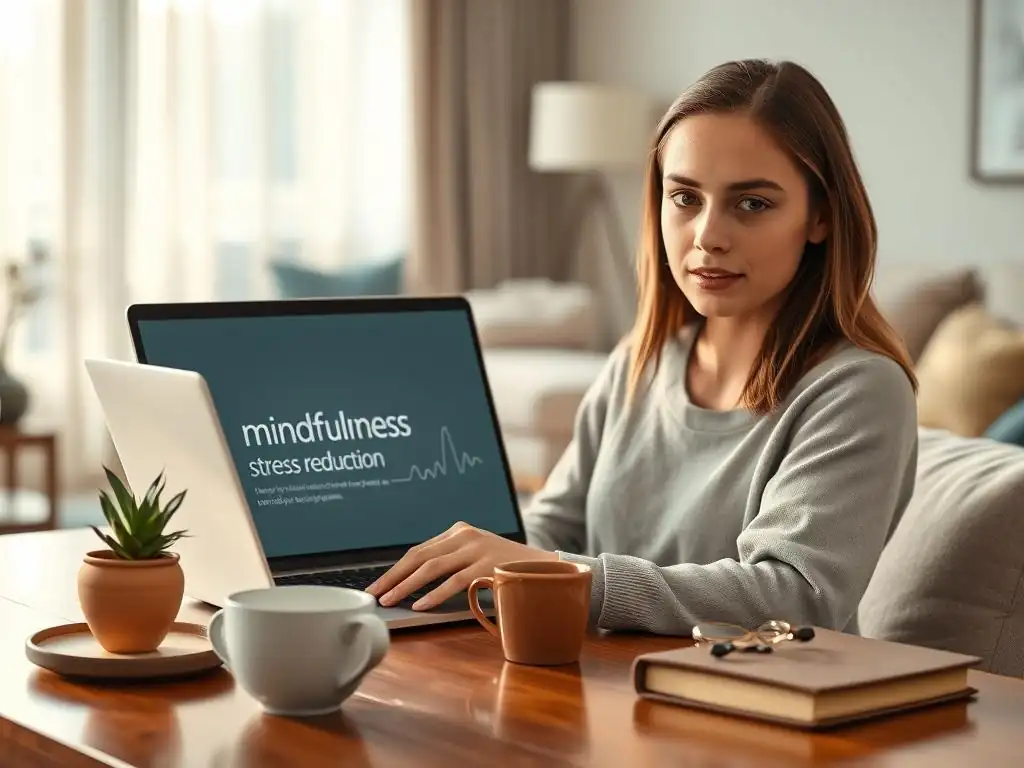
Welcome to Mind Care Guide, a space dedicated to nurturing your mental well-being. Feeling overwhelmed by the relentless pressures of modern life? You're not alone. Many struggle with stress, but sustainable solutions exist. Discover how stress management online courses help you regain control, build resilience, and cultivate inner peace. Explore our resources and embark on a journey towards a calmer, more balanced you. What if a more peaceful life was just a click away?
Science-Backed Stress Solutions: Practical Methods in Online Courses
- Are You Overwhelmed? Discover Effective Stress Management Online Courses
- Why Choose Science-Based Stress Management Online Courses?
- Common Stress-Related Problems and How Online Courses Can Help
- Top Science-Backed Stress Management Online Courses: A Comparison
- Tools and Resources to Enhance Your Stress Management Journey (Affiliate Opportunities)
- Implementing What You Learn: Real-Life Applications
- Investing in Your Mental Well-being: The Long-Term Benefits of Stress Management Online Courses
-
Frequently Asked Questions
- What are the benefits of taking stress management online courses?
- How do stress management online courses help address different types of stress?
- What are some science-backed methods taught in these stress management online courses?
- Are stress management online courses suitable for everyone, regardless of their current stress levels?
- How can I find the right stress management online course that helps me specifically?
- Final Reflection: Cultivating Calm in the Digital Age
- Unlock Your Calm: Take Charge of Stress Today!
Are You Overwhelmed? Discover Effective Stress Management Online Courses
The Rising Tide of Stress: Understanding the Problem
In today's fast-paced world, stress has become an almost constant companion for many. Recent surveys indicate that a significant portion of the global population reports high levels of stress. For instance, a 2023 report found that approximately 77% of adults in one major country experienced physical symptoms caused by stress, while 73% reported psychological symptoms.
This isn't just a fleeting feeling; it's a pervasive issue affecting millions daily, leading to widespread health concerns and decreased quality of life. The sources are varied, ranging from work pressure and financial worries to relationship challenges and the constant influx of information from digital sources.
This escalating prevalence means that finding effective ways to cope is no longer a luxury but a necessity. Traditional methods like occasional relaxation or time off are often insufficient to combat chronic stress. Many individuals are now seeking structured, accessible ways to learn and apply stress reduction techniques. This growing need highlights the potential of science-backed stress management online courses help individuals gain control over their stress responses and build resilience for the long term.
The Impact of Unmanaged Stress on Mental Well-being
Unmanaged stress takes a heavy toll on mental health. Chronic exposure to stress hormones like cortisol can disrupt brain function, contributing to conditions such as anxiety disorders, depression, and even cognitive impairment. Studies have shown that prolonged stress can reduce gray matter in areas of the brain responsible for emotional regulation and self-control. The constant state of alert can lead to persistent feelings of worry, irritability, and difficulty concentrating, making daily tasks feel overwhelming.
Beyond individual symptoms, unmanaged stress also affects relationships and productivity. It can lead to strained interactions with loved ones, decreased job performance, and a general sense of dissatisfaction with life. The cycle of stress and its negative effects can be difficult to break without intervention. This is where structured learning, such as that offered by stress management online courses help by providing tools and strategies rooted in psychological science to break these negative patterns and foster healthier coping mechanisms.
Why Choose Science-Based Stress Management Online Courses?
Evidence-Based Techniques for Lasting Relief
The mental health landscape is vast, and not all approaches to stress reduction are created equal. Science-based stress management online courses distinguish themselves by focusing on techniques that have been rigorously tested and validated through scientific research. Methods like Cognitive Behavioral Therapy (CBT), Mindfulness-Based Stress Reduction (MBSR), and Acceptance and Commitment Therapy (ACT) have decades of evidence supporting their effectiveness in reducing stress, anxiety, and depression. For example, numerous meta-analyses of MBSR programs have demonstrated significant reductions in perceived stress and improvements in emotional regulation across diverse populations.
Choosing courses grounded in evidence means you are learning strategies that are proven to work, offering a higher probability of achieving lasting relief. These techniques don't just offer temporary fixes; they teach you fundamental skills to understand the roots of your stress, challenge unhelpful thought patterns, and develop healthier behavioral responses. The structured format of stress management online courses helps deliver these complex techniques in an accessible, step-by-step manner, making them practical for everyday application.
Avoiding Unproven Methods: The Importance of Scientific Backing
In the digital age, a wealth of information is available, but not all of it is accurate or helpful, especially concerning mental health. Relying on unproven or fad-based stress reduction methods can be ineffective at best and potentially harmful at worst. Techniques lacking scientific validation may offer false hope, waste valuable time and resources, and delay access to genuinely helpful interventions. For instance, while certain anecdotal remedies might be popular, they often lack the controlled studies needed to demonstrate efficacy comparable to established therapies like CBT or mindfulness.
Science-backed approaches provide a foundation of trust and reliability. They are built upon an understanding of the psychological and physiological mechanisms of stress. By choosing stress management online courses help you identify and implement strategies with a strong evidence base, you invest in methods that are more likely to yield positive, sustainable results. This focus on scientific validation ensures that the time and effort you dedicate to managing stress are spent on techniques known to be beneficial for mental well-being.

Problem 1: Chronic Anxiety - Finding Calm with CBT-Based Online Programs
Chronic anxiety is a persistent and often debilitating form of stress that can manifest as excessive worry, restlessness, difficulty concentrating, and physical symptoms like increased heart rate or muscle tension. It's estimated that anxiety disorders affect millions globally, significantly impacting daily life. CBT-based online programs are particularly effective for anxiety because they target the core components: identifying and challenging negative thought patterns and gradually confronting feared situations through exposure.
These courses break down the principles of CBT into manageable modules, guiding users through exercises designed to shift perspective and build coping skills. For example, a common CBT technique involves keeping a thought record to identify automatic negative thoughts (ANTs) and evaluate their accuracy. By systematically working through these steps, individuals learn to recognize distorted thinking that fuels anxiety and replace it with more balanced and realistic interpretations. Stress management online courses help make these powerful therapeutic techniques accessible outside of traditional therapy settings.
Course Features That Address Anxiety: Cognitive Restructuring, Exposure Therapy
CBT-based online courses for anxiety typically include features like interactive journals or worksheets for practicing cognitive restructuring. These tools guide users in identifying triggering situations, the thoughts and feelings associated with them, and then actively challenging the evidence for and against those thoughts. A user might learn to question a thought like "I'm going to fail this presentation" by looking for past successes or recognizing that one mistake doesn't define overall capability.
Exposure therapy is another key component, often implemented through guided exercises or structured homework assignments within the course. For someone with social anxiety, this might involve a step-by-step plan to engage in increasingly challenging social situations, starting with something manageable like making eye contact and building up to participating in group discussions. The online format often provides resources like guided audio or video scenarios to support these practice steps, helping individuals gradually confront fears in a controlled environment. These features in stress management online courses help individuals systematically dismantle anxiety triggers.
Problem 2: Burnout at Work - Reclaiming Your Energy with Mindfulness and Time Management Courses
Burnout, characterized by emotional exhaustion, cynicism, and a reduced sense of accomplishment, is a significant issue in the modern workplace. It's often a direct result of chronic work-related stress, fueled by heavy workloads, lack of control, and poor work-life balance. Surveys suggest that a large percentage of employees report experiencing burnout symptoms regularly. Addressing burnout requires a multifaceted approach that includes managing workload, setting boundaries, and changing how one relates to work stressors.
Mindfulness and time management online courses offer practical strategies to combat burnout. Mindfulness teaches individuals to become more aware of their present experience without judgment, helping them recognize signs of stress early and respond more skillfully rather than react automatically. Time management techniques provide tools to organize tasks, prioritize effectively, and establish healthier boundaries between work and personal life. Together, these approaches delivered via stress management online courses help individuals regain control and restore energy levels.
Course Features That Address Burnout: Mindfulness Meditation, Time Audit Techniques
Mindfulness courses often include daily guided meditation practices, ranging from a few minutes to longer sessions. These exercises train attention and awareness, helping individuals notice stress triggers and negative thought spirals without getting swept away by them. They might also include body scan meditations to increase awareness of physical tension associated with stress or walking meditations to integrate mindfulness into movement. Access to a library of guided sessions allows users to practice consistently, a key factor in developing mindfulness skills.
Time management features in online courses might include downloadable templates for time audits – tracking how time is actually spent over a week. This exercise often reveals time sinks or unrealistic expectations about workload. Courses then offer techniques like the Eisenhower Matrix for prioritizing tasks (Urgent/Important) or strategies for batching similar tasks. Learning to set clear boundaries, such as designating specific "email checking" times or declining non-essential meetings, is also a common module. These practical tools available through stress management online courses help individuals restructure their work habits and reduce feelings of being overwhelmed.
Problem 3: Difficulty Sleeping - Achieving Restful Nights with Sleep Psychology Courses
Stress is a major contributor to sleep problems, including insomnia, difficulty falling asleep, staying asleep, or experiencing non-restorative sleep. The constant mental chatter and physical tension associated with stress make it hard to relax and wind down. Millions of people suffer from chronic insomnia, significantly impacting their health, mood, and cognitive function. Addressing the underlying stress is crucial for improving sleep quality.
Sleep psychology courses, often based on principles of Cognitive Behavioral Therapy for Insomnia (CBT-I), are highly effective for stress-related sleep issues. These courses don't just offer tips; they provide a structured program to change behaviors and thoughts that interfere with sleep. They teach users how to create an optimal sleep environment, establish a consistent sleep schedule, and manage the anxiety often associated with not being able to sleep. Stress management online courses help address the mental component of sleep problems.
Course Features That Address Sleep Issues: Sleep Restriction Therapy, Stimulus Control
CBT-I based online courses frequently incorporate Sleep Restriction Therapy, which, counterintuitively, involves temporarily reducing the time spent in bed to consolidate sleep and improve sleep efficiency. A course might guide a user to calculate their average actual sleep time (e.g., 5 hours) and initially limit their time in bed to just slightly more (e.g., 5.5 hours), gradually increasing it as sleep improves. This technique helps retrain the body's sleep drive.
Stimulus Control is another core technique taught. This involves re-associating the bed with sleep and sex only, and removing activities like watching TV, working, or worrying from the bedroom. The course would instruct users to only go to bed when sleepy, get out of bed if unable to sleep after about 20 minutes, and return only when sleepy again. These structured behavioral changes, explained and guided within stress management online courses help individuals break negative associations with the bedroom and establish healthier sleep patterns.
Top Science-Backed Stress Management Online Courses: A Comparison
Navigating the options for stress management online courses can be challenging. Here's a brief look at examples of course types you might find, highlighting their potential features and benefits. Note: These are illustrative examples based on common course structures and pricing models in the online learning space.
Course Name: "Managing Anxiety: CBT Techniques"
This type of course focuses specifically on applying Cognitive Behavioral Therapy principles to anxiety reduction. It's designed for individuals struggling with various forms of anxiety, from generalized worry to social anxiety.
Key Features: Weekly modules, downloadable worksheets, personalized feedback.
A typical structure involves releasing new content weekly, allowing users to absorb and practice techniques gradually. Downloadable worksheets provide practical exercises for applying CBT principles, such as thought challenging or planning exposure steps. Some premium versions or platforms may even offer limited personalized feedback from instructors or coaches, enhancing the learning experience and tailoring the techniques to individual needs.
Pricing and Access: $99, Lifetime Access.
Many self-paced online courses offer a one-time purchase model for lifetime access. This allows users to revisit the material whenever needed and learn at their own speed. A price point around $99 is common for comprehensive courses focusing on specific therapeutic modalities like CBT. This model makes stress management online courses help accessible long-term.
Benefits: Reduce anxiety symptoms and improve overall well-being.
By learning and applying CBT techniques consistently, users can expect a significant reduction in the frequency and intensity of anxiety symptoms. This leads to improved mood, better sleep, enhanced concentration, and an overall increase in life satisfaction and well-being.
Course Name: "Mindfulness for Stress Reduction"
This course type is often based on programs like MBSR, teaching core mindfulness practices to cultivate present-moment awareness and reduce reactivity to stress. It's suitable for anyone looking for a non-clinical approach to managing everyday stress.
Key Features: Daily guided meditations, interactive exercises, community forum.
Central to these courses are guided meditation sessions, often available in various lengths (e.g., 5, 10, 20 minutes) to fit different schedules. Interactive exercises might include mindful eating practices, body scans, or journaling prompts to reflect on experiences. Many platforms include a community forum where participants can share experiences, ask questions, and support each other, fostering a sense of connection.
Pricing and Access: $29/month, Monthly Subscription.
Subscription models are popular for mindfulness platforms, providing ongoing access to new content, live sessions, and community features. A monthly fee like $29 is typical, offering flexibility for users who prefer a recurring engagement or want to try it out for a limited time. This model makes stress management online courses help individuals build a consistent practice.
Benefits: Cultivate present moment awareness and reduce stress reactivity.
Regular mindfulness practice helps individuals become less reactive to stressors, observing difficult thoughts and feelings without getting overwhelmed. This leads to increased calm, improved focus, and a greater appreciation for daily life, effectively reducing the impact of stress.
Course Name: "ACT for a Meaningful Life"
Based on Acceptance and Commitment Therapy, this type of course helps individuals accept difficult emotions and thoughts while committing to actions aligned with their core values. It's effective for stress related to challenging life circumstances, chronic pain, or existential issues.
Key Features: Values assessment, acceptance exercises, goal-setting strategies.
A core feature is guiding users through identifying their personal values (e.g., connection, growth, health). Acceptance exercises teach techniques for observing difficult internal experiences (thoughts, feelings, sensations) without trying to change or eliminate them. Goal-setting strategies focus on setting realistic, value-driven goals and taking committed action steps towards them, even in the presence of discomfort.
Pricing and Access: $149, One-Time Purchase.
ACT courses can be more in-depth, sometimes reflecting a higher price point for a one-time purchase with lifetime access. $149 is a plausible cost for a comprehensive program covering the six core processes of ACT. This allows users to work through the material thoroughly and revisit it as needed. This pricing for stress management online courses help position them as a significant investment in personal growth.
Benefits: Live in accordance with your values despite difficult emotions.
The primary benefit is learning to live a rich, full, and meaningful life while effectively handling the pain and stress that inevitably come with it. This leads to greater psychological flexibility, reduced struggle with internal experiences, and increased vitality and purpose.
Tools and Resources to Enhance Your Stress Management Journey (Affiliate Opportunities)

While stress management online courses provide the foundational knowledge and techniques, certain tools and resources can complement and enhance your practice.
Guided Meditation Apps: Calm and Headspace – Deepen Your Practice
Apps like Calm and Headspace offer extensive libraries of guided meditations, sleep stories, and mindfulness exercises. They provide accessible ways to integrate daily practice into your routine, reinforcing the skills learned in online courses. Calm, for example, is reported to have millions of active users engaging with its content daily, demonstrating the widespread adoption of digital tools for mindfulness. Headspace similarly offers themed courses on topics like stress, focus, and sleep, providing ongoing support beyond a specific course. These apps make consistent practice convenient, which is crucial for solidifying stress reduction techniques.
Using these apps alongside stress management online courses help reinforce lessons and build habit. They offer variety in meditation styles and lengths, allowing users to find what works best for them on any given day. Many users find that the gentle guidance from these apps makes starting and maintaining a meditation practice much easier than doing it unguided.
Stress-Relieving Supplements: Ashwagandha and L-Theanine – Natural Support
Certain natural supplements are explored by individuals seeking additional support for stress reduction. Ashwagandha, an adaptogenic herb used in Ayurvedic medicine, has some studies suggesting it may help reduce cortisol levels and perceived stress. For instance, a review of studies indicated potential benefits in stress and anxiety reduction with Ashwagandha supplementation. L-Theanine, an amino acid found in green tea, is thought to promote relaxation without causing drowsiness. Research suggests it may increase alpha brain waves, associated with a relaxed but alert state.
It is important to note that the effectiveness of supplements can vary greatly from person to person, and they should never replace evidence-based therapeutic techniques learned in stress management online courses. They are best considered as potential complementary aids, and consulting a healthcare professional before starting any new supplement regimen is always recommended, especially if taking other medications.
Ergonomic Workstation Setup: Adjustable Standing Desk and Ergonomic Chair - Optimize Your Workspace
Physical discomfort and poor posture from a non-ergonomic workspace can be significant, often overlooked, contributors to stress and physical tension. Sitting for long periods in an uncomfortable chair or hunching over a standard desk can lead to back pain, neck strain, and headaches, adding to overall stress levels. Investing in an ergonomic setup can alleviate these physical stressors.
An adjustable standing desk allows you to alternate between sitting and standing throughout the day, which can improve circulation and reduce sedentary time. An ergonomic chair provides proper lumbar support and encourages good posture, reducing strain on the spine and muscles. While seemingly unrelated to psychological techniques, addressing physical discomfort is a vital part of holistic stress management. Creating a comfortable and supportive work environment complements the mental strategies learned in stress management online courses help reduce the physical manifestations of stress.
Implementing What You Learn: Real-Life Applications
The true value of stress management online courses lies in applying the learned techniques to real-life situations. Understanding the concepts is the first step; integrating them into daily habits and responses is where lasting change occurs.
Consider "Sarah," a 30-year-old who experienced significant social anxiety, making networking events and even casual conversations at work incredibly stressful. This limited her career growth and social life. She enrolled in a CBT-based online course focused on anxiety. Initially, the idea of exposure therapy felt daunting. However, the course's structured modules guided her through creating a fear hierarchy, starting with less intimidating steps like making eye contact with strangers or initiating brief conversations with colleagues she knew well.
Over 8 weeks, Sarah systematically worked through the exercises. She used the provided thought record worksheets to challenge her automatic negative thoughts like "Everyone thinks I'm awkward" or "I'll run out of things to say." By week 5, she felt confident enough to participate actively in a team meeting, something she had avoided for years.
By the end of the course, she reported a significant reduction in anxiety symptoms, rating her social anxiety severity as moderate compared to severe before the course. This demonstrates how stress management online courses help individuals confront and modify their anxiety-provoking behaviors and thought patterns in a controlled, progressive manner.
Case Study 2: Managing Exam Stress with Mindfulness for Stress Reduction
Take the example of "Omar," a university student who suffered from intense stress and anxiety before and during exams, often leading to panic attacks and difficulty concentrating during tests. He decided to try a Mindfulness for Stress Reduction online course recommended by a peer. The course emphasized daily short meditation practices (10-15 minutes) and mindful breathing techniques to use during moments of stress.
Omar committed to practicing daily. He learned to observe his anxious thoughts about failing without getting consumed by them, acknowledging them as just thoughts rather than absolute truths. During a particularly stressful exam, instead of letting panic take over, he used the mindful breathing technique learned in the course for a few moments before starting.
He found it helped calm his nervous system and regain focus. After completing the course and applying the techniques throughout his exam period, Omar reported feeling significantly calmer and more centered during exams, experiencing fewer panic symptoms and improved concentration compared to previous semesters. This illustrates how stress management online courses help build resilience and equip individuals with tools to navigate high-pressure situations effectively.
Investing in Your Mental Well-being: The Long-Term Benefits of Stress Management Online Courses
Choosing to enroll in stress management online courses is an investment in your most valuable asset: your mental and physical health. The benefits extend far beyond simply feeling less stressed in the moment.
Improved Relationships, Better Health, and Increased Productivity
Effectively managing stress has ripple effects across all areas of life. Reduced stress often leads to improved mood and increased patience, fostering healthier and more fulfilling relationships with family, friends, and colleagues. Physically, lowering chronic stress levels can lead to better sleep, reduced muscle tension, a stronger immune system, and even a lower risk of stress-related health issues over time.
Furthermore, with a clearer mind and reduced anxiety, individuals often experience enhanced focus, creativity, and energy, leading to increased productivity and performance in both work and personal projects. These cumulative benefits underscore the profound and lasting positive impact that learning effective stress management online courses help facilitate.
Frequently Asked Questions
What are the benefits of taking stress management online courses?
Online courses offer convenient access to evidence-based techniques, helping individuals develop skills to reduce stress and improve well-being from the comfort of their homes.
How do stress management online courses help address different types of stress?
These courses often cover a range of stress triggers, providing tailored strategies for managing work-related stress, relationship stress, and general anxiety, leading to a more holistic approach to mental health.
What are some science-backed methods taught in these stress management online courses?
Many courses incorporate techniques like mindfulness meditation, cognitive behavioral therapy (CBT), and relaxation exercises, all supported by scientific research to be effective in reducing stress levels.
Are stress management online courses suitable for everyone, regardless of their current stress levels?
Yes, these courses are designed for a wide audience, offering introductory content for beginners and advanced techniques for those already familiar with stress management strategies. The goal is personalized learning and improvement.
How can I find the right stress management online course that helps me specifically?
Look for courses that clearly outline the content, offer qualified instructors, and align with your specific needs and interests. Reading reviews and considering course length can also help you make an informed decision.
Final Reflection: Cultivating Calm in the Digital Age
The overwhelming pressure of modern life, amplified by our constant digital connection, demands effective stress management strategies. This article explored how online courses offer accessible and science-backed solutions to navigate the complexities of stress, providing practical tools and techniques to build resilience and well-being. The increasing prevalence of anxiety and burnout underscores the urgent need for these readily available resources.
The impact of accessible stress management tools is profound, reshaping how we approach mental health in our increasingly interconnected world. The ease of access to online courses democratizes mental wellness, making crucial support available to those who might otherwise lack it. This shift towards proactive self-care is vital. The greatest wealth is health.
– Ralph Waldo Emerson. This quote resonates deeply, highlighting the importance of prioritizing mental and emotional well-being alongside physical health, a message amplified by the convenience and reach of online learning platforms.
You now possess the knowledge and resources to embark on a journey towards a calmer, more balanced life. Consider which stress management techniques resonated most with you from this article. Identify one small, actionable step you can take today to incorporate these strategies into your daily routine. Remember, even small changes can accumulate into significant improvements in your overall well-being. Start your journey towards a less stressful life – your mental health deserves it.
Unlock Your Calm: Take Charge of Stress Today!
Thanks for taking the time to explore science-backed stress solutions with us! We hope you found practical strategies to help you manage stress effectively. Now, it's time to put your newfound knowledge into action.
- Enroll in our introductory stress management course: Dive deeper into the techniques discussed and learn more effective coping mechanisms in a structured learning environment. This is your chance to build a strong foundation for lasting stress reduction.
- Share your key takeaway: What resonated most with you from today's article? Inspire others by sharing your insights on social media using #MindCareGuide and #StressLess.
- Explore our community forum: Connect with others who are on a similar journey, share your experiences, and ask questions within our supportive community.
Ready to make stress management a priority in your life? What small step will you take today to improve your well-being?