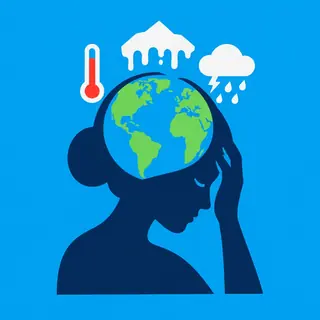


Why Climate Change Uncertainty Fuels EcoAnxiety and How to Cope
🌍 Navigating climate change uncertainty can heighten ecoanxiety, impacting mental well-being. Our Ecoanxiety Coping Strategies Guide offers practical tools and support to…
Read article

Mental health is evolving, and so are the challenges we face in a rapidly changing world. From the relentless pull of screens and the pressures of constant connectivity to the emotional weight of climate change and global crises, modern life introduces new stressors that demand fresh understanding and proactive support. Our Emerging Mental Health Issues section explores these timely topics—including digital addiction, eco-anxiety, and digital burnout—while addressing the quieter crises of social isolation and the psychological toll of pandemics. With practical insights, coping strategies, and expert-backed resources, we help you navigate the unseen struggles of today’s world, empowering you to protect your well-being in the face of tomorrow’s uncertainties.

🌍 Navigating climate change uncertainty can heighten ecoanxiety, impacting mental well-being. Our Ecoanxiety Coping Strategies Guide offers practical tools and support to…
Read article
🌱 Explore how the pandemic's aftermath continues to impact mental health, emphasizing the urgent need for effective postpandemic mental health support. Discover…
Read article
🌟 Discover how your digital habit coping mechanism might be masking deeper emotional struggles, and learn strategies to build healthier habits for…
Read article
🌐 As digital addiction rises, exploring effective digital addiction recovery strategies is crucial. This comprehensive guide highlights innovative approaches and resources to…
Read article
🌿 Discover transformative ecoanxiety coping strategies guide to turn feelings of overwhelm into empowerment. This comprehensive resource offers practical tools and support…
Read article
🌟 Navigating the emotional landscape of major life changes can intensify feelings of loneliness. Our comprehensive guide offers practical strategies and compassionate…
Read article
🌟 Discover how constant connectivity fuels social media anxiety and overwhelm, leading to hidden mental health costs. Learn effective strategies for relief,…
Read article
🧠 Tech design plays a crucial role in mental well-being by either fostering or combating addiction. Understanding how thoughtful design can prevent…
Read article
🌱 Discover how ecoanxiety manifests physically with our Ecoanxiety Physical Symptoms Guide. Learn to recognize stress symptoms like headaches, fatigue, and muscle…
Read article
🌱 Discover the hidden challenge of young adult loneliness and explore essential support resources to foster connection, resilience, and mental well-being. Learn…
Read article
🌿 Discover how environmental degradation's mental health impact extends beyond anxiety, affecting our well-being in profound ways. This article explores the often-overlooked…
Read article
🌟 During widespread crises, community support becomes essential, offering emotional resilience and practical help. Community support mental health crisis initiatives foster connection,…
Read articleAs society evolves, so do the psychological challenges we face. At Mind Care Guide, we explore the modern stressors shaping mental well-being, from digital overload to global crises. This category provides evidence-based insights, coping strategies, and support for those navigating unprecedented emotional terrain, helping you build resilience in a rapidly shifting landscape.
Constant screen time rewires our brains, leading to compulsive checking, reduced attention span, and disrupted sleep. Here, you’ll learn to recognize the signs of digital dependency—such as anxiety when offline or neglecting real-world relationships. We offer practical detox plans, mindfulness techniques, and boundary-setting tools to reclaim your cognitive focus and emotional balance.
Worry about environmental collapse is a legitimate, growing concern. This section addresses the chronic stress, grief, and helplessness tied to climate change. Discover how to transform paralyzing fear into constructive action, find community support, and practice eco-resilience—all while protecting your mental health without turning away from reality.
The expectation to be always-on blurs work-life boundaries, fueling emotional exhaustion and cynicism. Here, we dissect the unique drivers of modern burnout—from notification overload to “productivity guilt.” You’ll find recovery protocols, energy-management strategies, and organizational tips to rebuild sustainable rhythms, setting firm boundaries with technology and others.
Global disruptions trigger collective trauma, uncertainty, and heightened anxiety. This subcategory examines how pandemics, wars, and economic shocks affect psychological resilience. We provide crisis-coping frameworks, normalization of emotional responses, and guidance on maintaining routine and connection during chaos, helping you and your family stay grounded when the world feels unstable.
Despite hyper-connectivity, millions feel profoundly alone. Chronic isolation raises risks of depression, heart disease, and cognitive decline. Here, we explore the roots of this epidemic—from remote work to fragmented communities—and offer actionable reconnection strategies, including building micro-communities, practicing vulnerability, and using digital tools for meaningful, not superficial, interactions.
Signs include losing track of time online, feeling restless or irritable when offline, neglecting duties or relationships, and failed attempts to cut back. If your usage interferes with sleep, work, or social life for over six months, consider professional support. Start with one tech-free hour daily and monitor your emotional responses.
Yes. Treatment focuses on tolerating uncertainty rather than avoidance. Cognitive-behavioral techniques help reframe catastrophic thoughts, while behavioral activation channels anxiety into positive action, like volunteering or advocacy. Mindfulness-based stress reduction teaches you to stay present, separating what you can control from what you cannot. Therapy can also address underlying perfectionism.
Begin with an honest audit of your energy drains—identify which tasks and notifications deplete you most. Set hard boundaries, like no email after 7 PM, and schedule deliberate “do nothing” time. Prioritize sleep and movement, as physical recovery boosts mental resilience. If symptoms persist, consider taking a prolonged break or consulting a therapist specializing in occupational health.
Maintain open, age-appropriate conversations without exposing them to graphic media. Validate their feelings, provide secure routines, and limit your own anxiety in front of them. Encourage play, creative expression, and peer connection. Reassure them of their safety while being honest about challenges. Model self-care, as children mirror your coping strategies.
Loneliness itself is not a disorder, but chronic loneliness is a major risk factor for depression, anxiety, and substance abuse. It triggers biological stress responses, weakening immunity and increasing inflammation. Treat it seriously—not as weakness—by actively seeking social rhythms, joining hobby groups, and using video calls for deeper conversation rather than scrolling. If hopelessness persists, seek professional help.