The Long Shadow: Understanding PostPandemic Mental Health Challenges
🌱 Explore how the pandemic's aftermath continues to impact mental health, emphasizing the urgent need for effective postpandemic mental health support. Discover…
Read article

Global crises and pandemics don’t just reshape economies and daily routines—they profoundly impact mental health, often in ways that linger long after the headlines fade. From heightened anxiety, grief, and isolation to collective trauma and burnout, these events trigger unique psychological responses that demand awareness and targeted support. At Mind Care Guide, we explore how pandemics, natural disasters, and societal upheavals influence emotional resilience, coping mechanisms, and long-term well-being. Learn to recognize the signs of distress, build adaptive strategies, and find practical resources to navigate uncertainty with strength, whether you’re facing personal upheaval or supporting loved ones through shared crisis.

🌱 Explore how the pandemic's aftermath continues to impact mental health, emphasizing the urgent need for effective postpandemic mental health support. Discover…
Read article
🌟 During widespread crises, community support becomes essential, offering emotional resilience and practical help. Community support mental health crisis initiatives foster connection,…
Read article
🌟 Discover essential resilience strategies for mental health to strengthen your mind amid uncertainty. This guide offers practical tips and resources to…
Read article
🌟 Vulnerable populations face distinct mental health challenges during crises, exacerbating their struggles and requiring tailored support. Understanding these unique vulnerabilities is…
Read article
🌟 Discover effective strategies for managing mental health during global shocks. This guide offers essential insights, practical tips, and supportive resources to…
Read article
🌍 Discover how compassion fatigue impacts mental well-being and explore effective compassion fatigue burnout recovery strategies to manage emotional exhaustion from witnessing…
Read article
🌟 Strengthening your mind for future crisis mental preparedness is essential. This guide offers practical strategies and resources to build resilience, ensuring…
Read article
🌟 Parental mental health during crises is crucial; it impacts not only parents’ well-being but also their children’s development. This article offers…
Read article
🌍 Discover how unexpected global event trauma responses can surface suddenly, impacting mental well-being in unforeseen ways. This guide explores the psychological…
Read article
🌟 Discover the hidden toll of the frontline worker mental health crisis during emergencies, highlighting the urgent need for support, awareness, and…
Read article
🌍 During global crises, elderly isolation significantly increases mental health risks among seniors, highlighting the urgent need for targeted support and interventions…
Read article
🌟 In times of global uncertainty, assembling a mental health first aid kit is essential for resilience. This personalized toolkit provides practical…
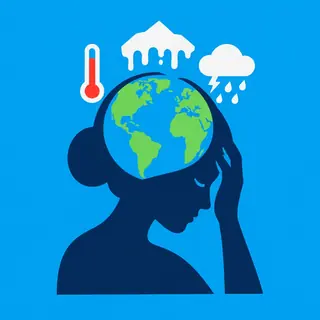
Read articleWhen pandemics, natural disasters, or socio-political upheavals strike, the visible damage often overshadows the silent epidemic of mental health struggles. At Mind Care Guide, we delve deep into how collective trauma reshapes individual psyches, community resilience, and long-term emotional well-being. This subcategory explores evidence-based strategies, survivor narratives, and actionable coping mechanisms tailored to crises like COVID-19, climate disasters, and geopolitical conflicts. Whether you’re a healthcare professional, a caregiver, or someone personally affected, you’ll find practical tools to navigate anxiety, grief, and uncertainty during turbulent times.
Global health emergencies trigger unique psychological responses—from health-related obsessive-compulsive behaviors to acute stress disorder. Here, we unpack how prolonged uncertainty rewires threat perception, leading to hypervigilance, insomnia, and somatic complaints. Learn to differentiate between normal worry and pathological anxiety, and discover early warning signs for post-traumatic stress disorder (PTSD) emerging months after the initial outbreak.
We also explore protective factors that buffer against pandemic distress, such as perceived social support, emotional regulation skills, and cognitive flexibility. Expect practical screening tools, breathing exercises, and digital detox strategies designed to reduce pandemic-related rumination. For caregivers, we highlight how to manage “compassion fatigue” while maintaining empathy without sacrificing your own mental equilibrium.
Global events often cause unprecedented losses—of loved ones, livelihoods, routines, and future certainty. Unlike traditional grief, crisis-related mourning is frequently disenfranchised, meaning society doesn’t fully validate the pain. This section addresses the stages of complicated grief, including survivor’s guilt, delayed mourning, and collective bereavement. We provide narrative therapy techniques and journaling prompts to help process fragmented loss.
Additionally, you’ll learn how to create “continuing bonds” with what you’ve lost, whether a person, a job, or a pre-crisis identity. We discuss the role of memorial rituals in digital spaces, culturally sensitive grieving practices, and how to support children navigating ambiguous loss. Our guidance emphasizes that healing isn’t linear—expect setbacks, and we’ll show you how to build a personalized grief recovery timeline without pressure.
Prolonged exposure to global threats alters brain structure and function, particularly in the amygdala, hippocampus, and prefrontal cortex. This H3 explores the science behind “toxic stress”—how repeated activation of the stress response system leads to memory impairment, emotional dysregulation, and reduced executive function. We simplify complex neuroimaging studies to explain why you might feel “foggy” or reactive during crises.
More importantly, we translate this research into daily habits that promote neuroplasticity. Expect evidence-based recommendations on sleep hygiene, aerobic exercise, omega-3 supplementation, and mindfulness-based stress reduction (MBSR). We also debunk myths about “stress inoculation” and clarify why some individuals develop resilience while others face chronic health consequences, helping you identify your risk profile and proactive interventions.
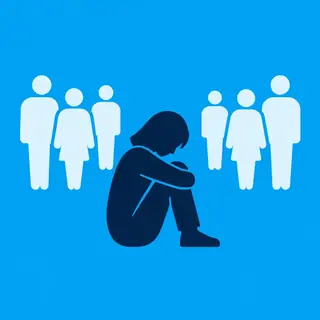
Crises don’t occur in isolation—they ripple through families, workplaces, and neighborhoods. This section focuses on community-level interventions that mitigate mass psychological distress, from mutual aid networks to workplace mental health policies. We share successful models from around the world, such as psychological first aid (PFA) trained volunteer groups and community grief circles that normalize vulnerability.
You’ll also learn how to advocate for systemic changes that reduce crisis-related mental health disparities, especially among marginalized populations. We discuss the importance of “psychosocial safety” in organizational settings, including remote work burnout prevention and leadership communication during uncertainty. Practical checklists for building local support groups and crisis response plans will empower you to transform collective pain into shared strength.
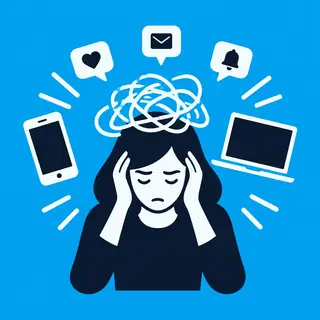
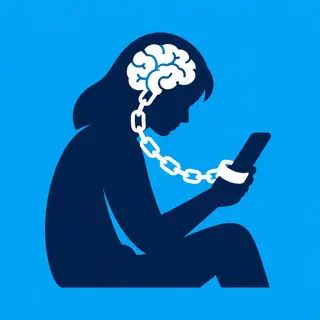
During global crises, information overload becomes a secondary stressor, fueling anxiety and depression. This H3 tackles “doomscrolling,” misinformation fatigue, and the comparative suffering trap perpetuated by social media. We provide a science-backed framework for digital detoxification, including app-blocking tools, news consumption schedules, and content curating to limit exposure to trauma-inducing imagery.
Beyond minimization, we explore how to use digital platforms intentionally for collective coping—joining moderated support groups, participating in virtual therapy, and sharing constructive narratives. We also address digital inequities that affect access to online mental health resources, offering low-tech alternatives like journaling apps, radio-based counseling, and community bulletin boards. Your screen time can become a source of healing rather than harm—learn how.
If anxiety symptoms persist for more than two weeks and interfere with daily functioning—such as work, relationships, or sleep—seek professional guidance. Early intervention is key, but it’s never too late. Mind Care Guide offers a crisis symptom checklist and directories to find affordable telehealth options near you.
Yes, vicarious trauma from media exposure or concern for others can trigger depressive symptoms. This is called “secondary traumatic stress” or “collective sadness.” Limit news consumption to 30 minutes daily, engage in community volunteering, and practice self-compassion to counteract this effect.
Look for national hotlines like the Disaster Distress Helpline (1-800-985-5990), open-access cognitive behavioral therapy (CBT) apps provided by WHO, and local community health centers offering sliding-scale fees. We also recommend peer-led online forums moderated by licensed therapists for safe, anonymous connection.
Use non-confrontational language like “I’ve noticed you seem heavier lately” rather than “You need help.” Normalize their experience by sharing your own vulnerabilities. Offer options like walks together, creativity outlets, or simply sitting in silence—never force disclosure. Follow their lead on pacing.
Absolutely—emotional numbness is a common protective response to overwhelming stress. It allows your system to process grief gradually. However, if numbness persists beyond six months or progresses to emotional detachment from loved ones, consider trauma-informed therapy such as EMDR or somatic experiencing.