
Building a Mental Health FirstAid Kit for Times of Global Uncertainty


Welcome to Mind Care Guide, a sanctuary for your mental well-being.
Feeling overwhelmed by the constant stream of uncertainty in today's world? You're not alone. Many are struggling to navigate these challenging times. That's why we've created this space to offer support and guidance. In this article, we'll delve into building your very own mental health first aid kit, equipping you with practical tools and strategies to weather any storm. Curious about what essential items you should include? Let's explore how you can proactively nurture your mental health, starting right now...
Building a Mental Health First Aid Kit for Times of Global Uncertainty
- Understanding the Need for a Mental Health First Aid Kit During Global Crises
- Assembling Your Essential Mental Health First Aid Kit
- Practical Strategies for Managing Anxiety and Stress
- Building Resilience: Strengthening Your Mental Defenses
- Creating a Self-Care Plan for Long-Term Mental Health
- Utilizing Resources and Seeking Professional Help
- Maintaining Your Mental Health First Aid Kit
-
Frequently Asked Questions
- What is a Mental Health First Aid Kit and why is it important, especially during times of global uncertainty?
- What are some essential components that should be included in my Mental Health First Aid Kit?
- How often should I review and update my Mental Health First Aid Kit?
- Can a Mental Health First Aid Kit replace professional mental health treatment?
- Where can I find resources to help me build my own personalized Mental Health First Aid Kit?
- Final Reflection: Cultivating Resilience in a Turbulent World
- Unlock Your Inner Resilience: Build Your Mental Wellness Toolkit Now!
Understanding the Need for a Mental Health First Aid Kit During Global Crises
Why Global Uncertainty Impacts Mental Wellbeing
Global uncertainty, whether stemming from pandemics, economic downturns, or geopolitical conflicts, profoundly affects our sense of safety and predictability. When the future feels unstable and threats are perceived as widespread or uncontrollable, the brain's stress response system is activated more frequently and intensely. This chronic activation can lead to sustained levels of cortisol and adrenaline, impacting mood, sleep, concentration, and overall physical health.
For example, during the initial stages of the COVID-19 pandemic, studies indicated a significant rise in reported anxiety and depression symptoms globally, with some reports suggesting a 25% increase in these conditions worldwide compared to pre-pandemic levels. This demonstrates the tangible impact of widespread uncertainty on collective mental health.
Moreover, global crises often disrupt daily routines, social connections, and economic stability, all of which are vital for mental well-being. The constant influx of concerning news can lead to 'doomscrolling,' a cycle of consuming negative information that exacerbates feelings of helplessness and fear. The loss of predictable structures and the presence of pervasive fear create a fertile ground for mental health challenges to emerge or intensify. Building a mental health first aid kit becomes a proactive strategy to manage these stressors, providing readily available tools and resources when the external world feels overwhelming.
Recognizing Signs of Mental Distress in Uncertain Times
Identifying signs of mental distress during periods of global uncertainty is crucial for timely intervention. These signs can manifest differently in individuals but often include persistent feelings of worry, fear, sadness, or irritability. Physical symptoms like difficulty sleeping (insomnia or sleeping too much), changes in appetite, fatigue, and muscle tension are also common indicators of stress and anxiety. Behavioural changes might include withdrawing from social activities, difficulty concentrating, increased use of substances, or a noticeable decrease in performance at work or school.
It's important to look for changes from a person's typical behaviour. Someone who was usually social might become isolated, or someone normally calm might become easily agitated.
For instance, during the 2008 financial crisis, many individuals experienced heightened stress leading to increased rates of substance abuse and related mental health issues. Recognizing these shifts – like a friend expressing constant, overwhelming worry about finances or a family member exhibiting unusual fatigue and withdrawal – allows one to acknowledge the distress and consider using or recommending the components of a mental health first aid kit to provide initial support and coping strategies.
The Importance of Proactive Mental Health Care
Taking a proactive approach to mental health, especially during turbulent times, is not a luxury but a necessity. Just as one might prepare for a physical emergency with bandages and antiseptic, preparing for emotional and psychological challenges with a mental health first aid kit equips you with ready-to-use tools. This preparedness helps individuals manage stress and anxiety before they escalate into more severe conditions. Proactive care involves implementing strategies and habits that build resilience and maintain emotional balance on a regular basis, not just reacting when a crisis hits.
Investing time in understanding and assembling your personal mental health first aid kit means you have immediate coping mechanisms at your fingertips when uncertainty spikes. This could involve practicing mindfulness daily for a few minutes, regardless of current stress levels, or having a list of supportive contacts readily available. Research consistently shows that preventative mental health strategies, such as regular exercise, adequate sleep, and stress management techniques, significantly reduce the risk of developing anxiety and depression. Being proactive empowers you to navigate challenges from a position of strength rather than vulnerability.
Assembling Your Essential Mental Health First Aid Kit
Core Components of a Personal Mental Health Toolkit
A personal mental health first aid kit isn't a physical box, but rather a collection of resources, techniques, and comforts you can turn to when feeling overwhelmed. The core components are highly individual but generally include items that offer immediate comfort, distraction, grounding, and connection. Think of it as your personal emotional safety net. Essential elements often involve sensory items, such as a soft blanket or a calming scent, which can provide immediate physical comfort and a sense of security.
Beyond sensory items, a robust mental health first aid kit should include resources that promote self-reflection and emotional processing. This could be a journal for writing down thoughts and feelings, or a list of prompts for guided introspection. It should also contain tools for distraction and positive engagement, like a list of uplifting movies, books, or hobbies. The goal is to have a diverse set of options available so you can choose the right tool for the specific feeling or situation you are facing in that moment of uncertainty.
Tools to Include: Gratitude Journal, Meditation App, Comforting Playlist
Specific, practical tools form the backbone of your mental health first aid kit. A gratitude journal, for example, is a powerful tool for shifting focus from worries to positive aspects of life, even small ones. Committing to writing down three things you are grateful for each day, perhaps before bed, can train your brain to notice positivity. Studies have shown that regular gratitude practice can increase feelings of well-being and reduce symptoms of depression over time.
Another valuable addition is a reliable meditation or mindfulness app. Apps like Calm or Headspace offer guided meditations ranging from a few minutes to longer sessions, designed to help you practice present-moment awareness and reduce rumination. Even a five-minute guided breathing exercise can significantly lower immediate stress levels. Lastly, a comforting playlist filled with music that evokes positive memories or feelings of calm can be an instant mood booster. Music has a direct impact on brain chemistry, and having a curated list ready means you don't have to search for soothing sounds when you're already feeling distressed.
Practical Strategies for Managing Anxiety and Stress
Grounding Techniques for Immediate Relief
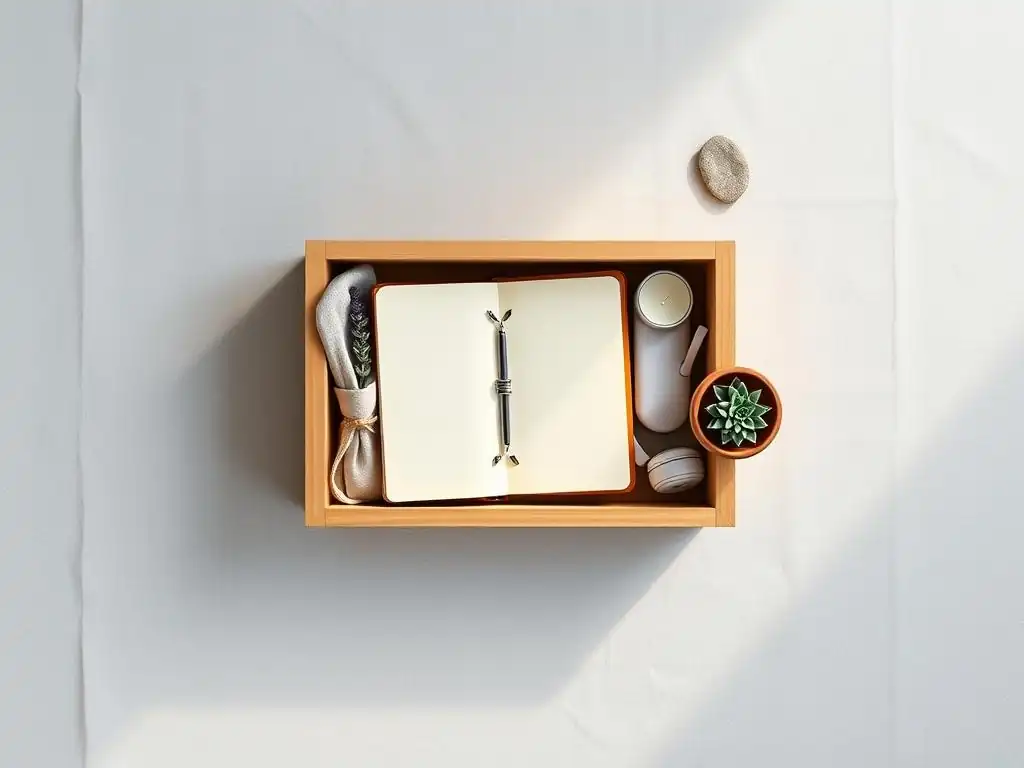
Grounding techniques are essential tools in your mental health first aid kit for managing acute anxiety or panic attacks by bringing your focus back to the present moment and your physical body. One widely used technique is the "5-4-3-2-1" method: acknowledge 5 things you can see, 4 things you can touch, 3 things you can hear, 2 things you can smell, and 1 thing you can taste. This simple exercise interrupts the cycle of anxious thoughts by engaging your senses.
Another effective grounding technique involves focusing on your physical sensations. You can firmly press your feet into the ground, noticing the feeling of the floor beneath you. Or hold a comforting object, like a smooth stone or a piece of fabric, and concentrate on its texture and temperature. These techniques are particularly useful when your mind is racing with worries about uncertain future events, pulling you back to the tangible reality of the here and now.
Mindfulness Exercises for Emotional Regulation
Mindfulness exercises, key components of any mental health first aid kit, help cultivate awareness of thoughts, feelings, and bodily sensations without judgment. This practice improves your ability to recognize and regulate emotions. A simple mindfulness exercise involves mindful breathing: sit comfortably and focus solely on the sensation of your breath entering and leaving your body. When your mind wanders, gently guide it back to your breath. Even five minutes of this practice daily can increase your emotional resilience.
Another exercise is the body scan, where you systematically bring your attention to different parts of your body, noticing any sensations without trying to change them. This helps you become more attuned to how stress manifests physically and allows you to release tension. Regular mindfulness practice has been shown in numerous studies to reduce the reactivity of the amygdala, the part of the brain associated with fear and stress, making it a powerful tool for long-term emotional regulation.
Breathing Exercises to Calm the Nervous System
Breathing exercises are perhaps the most immediate and accessible tools in a mental health first aid kit for calming the nervous system. When we are anxious, our breathing becomes shallow and rapid, reinforcing the body's stress response. Deep, controlled breathing signals to the brain that you are safe, activating the parasympathetic nervous system, which promotes relaxation. A simple technique is diaphragmatic breathing: inhale deeply through your nose, allowing your belly to rise, and exhale slowly through your mouth, feeling your belly fall.
Box breathing is another effective technique often used by first responders and military personnel in high-stress situations. It involves inhaling for a count of four, holding the breath for a count of four, exhaling for a count of four, and holding the breath out for a count of four, then repeating. Practicing these techniques even for just a few cycles can lower heart rate, reduce blood pressure, and alleviate feelings of panic. Having one or two preferred breathing exercises readily available in your mental health first aid kit can provide quick relief when anxiety strikes.
Building Resilience: Strengthening Your Mental Defenses
Cultivating a Positive Mindset Amidst Uncertainty
Cultivating a positive mindset doesn't mean ignoring difficulties, but rather fostering an outlook that helps you navigate challenges more effectively. During times of global uncertainty, it's easy to fall into negative thought patterns. Actively challenging these thoughts is a vital resilience-building strategy. When you notice catastrophic thinking, ask yourself: Is this thought based on fact or fear? What's a more realistic perspective? This cognitive restructuring is a core technique in cognitive behavioral therapy (CBT).
Focusing on what you can control, no matter how small, is also key. This could be maintaining your daily routine, choosing what information you consume, or deciding how you spend your time. Celebrating small wins and focusing on solutions rather than problems strengthens your belief in your ability to cope. For example, during a period of economic uncertainty, focusing on managing your budget or learning a new skill for career advancement is more empowering than dwelling on uncontrollable market fluctuations.
Developing Coping Mechanisms for Stressful Situations
Developing a repertoire of healthy coping mechanisms is fundamental to strengthening your mental defenses and enhancing your mental health first aid kit. Stressful situations are inevitable, but how we respond to them makes all the difference. Unhealthy coping might involve avoidance, excessive substance use, or emotional eating, which offer temporary relief but cause long-term harm. Healthy coping mechanisms, conversely, help you process emotions and solve problems constructively.
Examples of healthy coping include engaging in physical activity, which releases endorphins and reduces stress hormones; talking to a trusted friend or therapist about your feelings; engaging in creative outlets like writing, painting, or music; or spending time in nature. Identifying which activities genuinely help you process stress and adding them to your mental health first aid kit ensures you have go-to strategies when faced with difficult circumstances. For instance, knowing that a 30-minute walk outdoors consistently lowers your stress levels makes it a reliable tool.
Maintaining strong social connections is one of the most powerful buffers against the negative impacts of stress and uncertainty. Humans are social beings, and feeling connected to others provides a sense of belonging, validation, and support. During crises, isolation can exacerbate feelings of anxiety and depression. Actively fostering and utilizing your support network is a crucial part of building resilience.
Make an effort to regularly connect with friends, family, or colleagues, even if it's just a quick phone call, text message, or video chat. Sharing your feelings with someone you trust can lighten your emotional burden and provide new perspectives. Participating in community groups, online forums related to your interests, or volunteering can also create new connections. Research consistently shows that individuals with strong social support networks recover more quickly from stressful events and have better overall mental and physical health outcomes.
Creating a Self-Care Plan for Long-Term Mental Health

Prioritizing Self-Care Activities for Daily Wellbeing
Creating a structured self-care plan is vital for maintaining long-term mental health, acting as the foundation upon which your mental health first aid kit rests. It involves intentionally scheduling activities that nourish your mind, body, and spirit, rather than treating them as afterthoughts. Prioritizing self-care means recognizing that tending to your own needs is not selfish, but necessary for your capacity to function and support others. This could be as simple as scheduling 15 minutes each morning for quiet reflection or ensuring you take a full lunch break away from your workspace.
Identify the activities that genuinely recharge you and make them non-negotiable appointments in your day or week. For one person, this might be reading for pleasure for 20 minutes before bed; for another, it might be taking a bath with Epsom salts; for someone else, it could be gardening. By integrating these activities into your daily or weekly routine, you build consistent habits that contribute to sustained wellbeing, making you less susceptible to being completely derailed by external stressors.
Establishing Healthy Habits for Mental and Physical Health
Mental and physical health are deeply interconnected; healthy habits in one area positively impact the other. Establishing consistent routines around sleep, nutrition, and exercise is fundamental for long-term mental resilience. Aim for 7-9 hours of quality sleep per night, as sleep deprivation significantly impairs mood regulation and cognitive function. Fuel your body with balanced meals, focusing on whole foods, which provides the stable energy needed to manage stress effectively.
Regular physical activity is a potent antidepressant and anti-anxiety agent. Aiming for at least 150 minutes of moderate-intensity exercise per week, as recommended by many health organizations, can dramatically improve mood and reduce stress levels. This doesn't have to be strenuous; activities like brisk walking, dancing, or yoga are highly beneficial. These foundational healthy habits are the bedrock that supports the effectiveness of the tools in your mental health first aid kit.
Setting Realistic Expectations and Boundaries
Managing expectations and setting healthy boundaries are crucial, especially during uncertain times when demands and anxieties can feel overwhelming. It's unrealistic to expect yourself to be constantly productive or emotionally unaffected by global events. Acknowledging that it's okay to feel stressed, sad, or anxious is an act of self-compassion. Set achievable goals for yourself each day, rather than an overwhelming list that leads to feelings of failure.
Establishing boundaries involves protecting your time, energy, and emotional space. This might mean limiting your exposure to news updates, saying no to extra commitments when you're feeling stretched thin, or communicating your needs clearly to others. For example, if constant discussion of a crisis with certain friends is increasing your anxiety, it's okay to politely set a boundary by saying you need to talk about other things sometimes. Realistic expectations and firm boundaries prevent burnout and maintain your capacity to cope.
Utilizing Resources and Seeking Professional Help
Identifying Available Mental Health Support Systems
Knowing where to turn for support is a critical component of your mental health first aid kit. Support systems exist on multiple levels, from informal networks to formal services. Your personal support network includes trusted friends, family members, partners, or mentors who you feel comfortable talking to about your feelings. Simply having someone listen without judgment can be incredibly validating and reduce feelings of isolation.
Beyond personal connections, identify formal support systems available in your community or online. This could include support groups for specific conditions (like anxiety or depression), community centers offering counseling services, or university/employer assistance programs. Many non-profit organizations also offer resources, helplines, or online information tailored to various mental health challenges. Having a list of these potential resources readily available removes the barrier of searching for help when you are in distress.
Knowing When and How to Seek Professional Assistance
While a personal mental health first aid kit provides valuable coping tools, it's important to recognize when professional help is needed. If your symptoms of distress are persistent, significantly interfering with your daily life (work, relationships, self-care), becoming increasingly severe, or if you are having thoughts of harming yourself or others, it is time to seek professional help. Mental health professionals, such as therapists, counselors, psychologists, or psychiatrists, are trained to diagnose and treat mental health conditions using evidence-based approaches.
Seeking help can feel daunting, but it's a sign of strength. You can start by talking to your primary care physician, who can rule out any physical causes for your symptoms and provide a referral. Alternatively, you can contact local mental health services, use online directories to find therapists in your area, or reach out to national mental health organizations. Preparing how you will initiate contact (e.g., having a script for a phone call or drafting an email) can make the process less intimidating when you are struggling.
Helpful Resources: Crisis Text Line, The Trevor Project, NAMI Helpline
Having contact information for immediate support resources within your mental health first aid kit can be life-saving during a crisis. These resources offer confidential support 24/7. The Crisis Text Line, for instance, provides support for people in crisis via text message. You can text "HOME" to 741741 from anywhere in the US, anytime, about any type of crisis. This offers an accessible way to connect with a trained crisis counselor without needing to speak aloud.
The Trevor Project focuses specifically on crisis intervention and suicide prevention for LGBTQ young people. They offer support via phone, text, and online chat. The National Alliance on Mental Illness (NAMI) Helpline provides information, support, and resources for people affected by mental illness. While they cannot provide counseling, they offer valuable guidance on finding help and understanding conditions. Including these numbers or contact methods in your kit ensures immediate access to support during critical moments of distress.
Maintaining Your Mental Health First Aid Kit
Regularly Reviewing and Updating Your Toolkit
Just like a physical first aid kit needs checking for expired supplies, your mental health first aid kit requires regular review and updating. Your needs, preferences, and the external circumstances change over time, and your toolkit should evolve with you. Schedule time every few months, or after a significant life event, to look through the components of your kit. Are the grounding techniques you listed still effective for you? Is your comforting playlist still comforting? Have you found new tools that work better?
This review process allows you to discard strategies that are no longer helpful and add new ones you've discovered. For instance, you might find that a particular meditation app is no longer engaging and decide to try a different one, or you might add a new hobby like painting to your list of coping activities. Regularly assessing your kit ensures it remains relevant, effective, and truly supportive of your current mental health needs in times of uncertainty.
Adapting Your Kit to Changing Needs and Circumstances
Global uncertainty itself is not static; it shifts in nature and intensity. Your mental health first aid kit should be adaptable to these changing needs and circumstances. A crisis related to a pandemic might require different tools than one related to economic hardship or social unrest. During a period of high stress, you might need more immediate, calming techniques, while during a prolonged period of low-grade uncertainty, you might focus more on resilience-building and long-term self-care habits.
Consider how different types of stressors impact you personally and tailor your kit accordingly. If financial worries are high, include resources related to financial planning or budgeting alongside your stress-management tools. If social isolation is a major challenge, prioritize strategies for connecting with others. Being flexible and willing to adapt your mental health first aid kit ensures it remains a powerful and relevant resource no matter what challenges global uncertainty presents.
Part of maintaining the value of your mental health first aid kit is recognizing that you are not alone in facing uncertainty. Sharing your knowledge and experiences can not only help others build their own toolkits but also reinforce your own understanding and commitment to mental well-being. Talking openly about the strategies that work for you can normalize seeking support and using mental health tools within your social circles.
Supporting others might involve simply listening empathetically, sharing a helpful resource you've found (like a breathing exercise guide), or encouraging someone to assemble their own mental health first aid kit. By fostering a culture of openness and support around mental health, we collectively strengthen our capacity to navigate challenging times. Sharing your journey can empower others to take proactive steps for their own well-being, creating a ripple effect of resilience in the face of global uncertainty.
Frequently Asked Questions
What is a Mental Health First Aid Kit and why is it important, especially during times of global uncertainty?
A Mental Health First Aid Kit is a collection of coping mechanisms and resources designed to support your mental well-being. It's crucial during uncertain times because it provides proactive strategies for managing stress and anxiety.
What are some essential components that should be included in my Mental Health First Aid Kit?
Consider including relaxation techniques, such as deep breathing exercises, a list of supportive contacts like friends or therapists, and reminders of positive affirmations or past successes.
How often should I review and update my Mental Health First Aid Kit?
It's recommended to review your kit regularly, perhaps monthly, or whenever you experience a significant life change. This ensures the resources are still relevant and helpful for your current needs.
Can a Mental Health First Aid Kit replace professional mental health treatment?
No, a Mental Health First Aid Kit is not a replacement for professional help. It's a supplementary tool for self-care, designed to help you manage mild to moderate distress and identify when professional intervention is necessary.
Where can I find resources to help me build my own personalized Mental Health First Aid Kit?
Websites like Mind Care Guide offer information and resources on various mental health challenges. You can also consult with a mental health professional for personalized recommendations tailored to your specific needs.
Final Reflection: Cultivating Resilience in a Turbulent World
The anxieties and uncertainties of our globally interconnected world demand a proactive approach to mental wellbeing; building a robust mental health first-aid kit isn't just beneficial—it's essential. The strategies discussed throughout this article, from mindful breathing techniques to cultivating strong social support networks, are not merely coping mechanisms, but vital tools for navigating the complexities of modern life and fostering resilience in the face of adversity.
The impact of global uncertainty on mental health is undeniable, leaving an enduring mark on our collective psyche. The constant barrage of news, the ever-present threat of unforeseen events, and the pervasive sense of instability all contribute to a heightened state of anxiety. The best way to predict the future is to create it,
Abraham Lincoln once said. While we can't control external factors, we can control our response to them, building the inner strength to face whatever challenges lie ahead. This article has aimed to provide the building blocks for that inner strength, equipping you with practical tools to navigate your own mental landscape.
Now, consider the tools and techniques explored within this article. Which resonate most deeply with you? Which are you ready to integrate into your daily life? Take a moment to reflect on your own mental health first-aid kit—what are its strengths? Where are the gaps? Commit to adding at least one new strategy to your toolkit this week, and watch as your ability to navigate life's inevitable challenges grows stronger. Your mental wellbeing is an investment worth making, and the journey to building a resilient mind begins with a single, conscious step.
Unlock Your Inner Resilience: Build Your Mental Wellness Toolkit Now!
Thanks for taking the time to explore practical strategies for navigating uncertainty. We hope this article equipped you with valuable tools to prioritize your mental wellbeing. Ready to take the next step?
- Prioritize one small self-care action today: Choose one thing from the article – a mindful breathing exercise, a quick nature walk, or journaling – and commit to doing it. Even small steps make a difference!
- Share this article with someone who might benefit: Help spread the word about building resilience and supporting each other during challenging times.
- Explore additional Mind Care Guide resources: Discover more practical strategies and supportive communities on our site.
What small act of self-care will you prioritize today to nurture your mental wellness?