
How to Manage EcoAnxiety When Climate News Feels Overwhelming


Welcome to Mind Care Guide, a sanctuary for your mental well-being.
Feeling overwhelmed by the constant stream of climate news? You're not alone. The weight of environmental concerns can significantly impact our mental health, leading to what's often called "eco-anxiety." But there's hope. This guide delves into practical climate change anxiety coping strategies to help you navigate these challenging emotions and reclaim your peace of mind. Curious to learn how you can manage eco-anxiety and find a path forward? Let's explore together.
How to Manage Eco-Anxiety When Climate News Feels Overwhelming
- Understanding Eco-Anxiety and Its Impact
- Climate Change Anxiety Coping Strategies: Practical Techniques
- Taking Action: Channeling Eco-Anxiety into Positive Change
- Building Resilience: Strengthening Your Mental Well-being
- Communicating About Climate Change Effectively
- Long-Term Strategies for Managing Climate Change Anxiety
- Resources for Eco-Anxiety Support
-
Frequently Asked Questions
- How is eco-anxiety defined, and why is it becoming more prevalent?
- What are some common symptoms of eco-anxiety I should be aware of?
- What are some practical coping strategies for managing climate change anxiety?
- How can I find support if I'm struggling with significant eco-anxiety?
- Besides individual actions, what broader steps can I take to feel more empowered in addressing climate change?
- Final Reflection: Finding Hope in the Face of Climate Change
- Unleash Your Inner Climate Advocate: Take Control Now!
Understanding Eco-Anxiety and Its Impact
Defining Eco-Anxiety: The Psychological Impact of Climate Change
Eco-anxiety, sometimes referred to as climate anxiety or climate change anxiety, is a growing concern defined as the chronic fear of environmental doom. This distress stems from observing the seemingly irreversible impact of climate change and worrying about the future for oneself, future generations, and the planet.
It's not a clinical diagnosis in standard manuals like the DSM-5 (Diagnostic and Statistical Manual of Mental Disorders), but it is widely recognized by mental health professionals as a legitimate psychological response to the climate crisis. Unlike general anxiety, eco-anxiety is specifically tied to environmental concerns, manifesting as feelings of helplessness, grief, and fear regarding climate-related events and their long-term consequences.
The psychological toll of climate change extends beyond direct impacts like natural disasters; it includes the pervasive stress and worry about future environmental degradation. A 2021 study involving 10,000 young people across 10 countries found that 84% were at least moderately worried about climate change, and over 50% reported feeling sad, anxious, angry, powerless, helpless, and guilty. This highlights that eco-anxiety is a widespread phenomenon, particularly affecting those who feel they will bear the brunt of future environmental changes. It's a rational response to a significant global threat, but it can become debilitating if not managed effectively.
Recognizing the Symptoms of Climate Change Anxiety
Recognizing the symptoms of climate change anxiety is the first step toward developing effective climate change anxiety coping strategies. These symptoms can vary widely from person to person but often include persistent worrying about the environment, feelings of sadness or grief over ecological losses (like species extinction or habitat destruction), and a sense of powerlessness regarding the scale of the problem. Individuals might experience physical symptoms such as difficulty sleeping, panic attacks, or changes in appetite. Emotionally, they may feel overwhelmed, angry, or cynical about the future.
Behavioral symptoms can also manifest, including obsessive thoughts about climate change, avoidance of climate-related news or conversations, or conversely, excessive engagement that leads to burnout. Some people might withdraw from social activities, feeling misunderstood or isolated in their concerns. Others might struggle with existential dread or difficulty imagining a positive future. For example, some young adults express reluctance to have children due to fears about the world they would inherit. Identifying these signs is crucial for acknowledging the impact climate news is having and beginning to explore practical strategies for managing eco-anxiety.
Why Climate News Can Trigger Eco-Anxiety
Climate news serves as a constant, often overwhelming, reminder of the ongoing environmental crisis, making it a significant trigger for eco-anxiety. Headlines frequently report on alarming data points—record-breaking temperatures, escalating rates of deforestation (an estimated 10 million hectares lost annually between 2015 and 2020 globally), or the increasing frequency and intensity of extreme weather events like hurricanes, wildfires, and floods. This relentless stream of negative information can create a sense of impending doom and helplessness, as the problems appear vast and insurmountable.
Furthermore, climate news often highlights political inaction or slow progress on solutions, which can deepen feelings of frustration and despair. Witnessing debates and delays in implementing necessary policies can make individuals feel that their concerns are not being adequately addressed by those in power, reinforcing the sense of powerlessness. The sheer scale of the climate crisis, coupled with reports that emphasize the speed at which changes are occurring (e.g., glaciers melting at accelerated rates), can easily overwhelm the mind and contribute to chronic stress and anxiety about the future.
Climate Change Anxiety Coping Strategies: Practical Techniques
Acknowledge and Validate Your Feelings About Climate Change
A fundamental climate change anxiety coping strategy is to acknowledge and validate your feelings. It's important to understand that experiencing distress, fear, or grief in response to the climate crisis is a completely normal and rational human reaction. Suppressing these emotions or telling yourself you shouldn't feel this way can actually intensify the anxiety.
Instead, give yourself permission to feel whatever comes up—sadness for lost ecosystems, anger at injustice, or fear for the future. You might try journaling about your feelings, talking to a trusted friend, or simply sitting with your emotions for a few minutes each day without judgment.
Validating your feelings means recognizing that they stem from a legitimate concern about a significant global threat. It's not an overreaction; it's an empathetic response to suffering and potential loss. Many people feel isolated in their eco-anxiety, believing others don't understand the depth of their worry. Finding a community of like-minded individuals, whether online or in person, where you can share your feelings and have them validated can be incredibly healing. For instance, finding online forums dedicated to climate anxiety support can provide a space to connect with others who share similar fears and challenges.
Limiting Exposure to Overwhelming Climate News
While staying informed is important, constant exposure to alarming climate news can exacerbate eco-anxiety. A practical climate change anxiety coping strategy is to set boundaries around how much and what kind of climate information you consume. Consider designating specific times for checking news updates, perhaps once or twice a day for a limited period (e.g., 15-30 minutes). Avoid passive, continuous exposure through background news feeds or endless social media scrolling.
It's also beneficial to be discerning about your news sources. Prioritize reputable outlets that provide balanced reporting, including information on solutions and positive developments, rather than solely focusing on catastrophe. If a particular type of content (like graphic images of environmental destruction) is especially triggering, consciously choose to avoid it. Think of it like managing other forms of media consumption that can impact your mood; just as you might limit exposure to violent content, you can limit exposure to climate news that consistently leaves you feeling overwhelmed and hopeless.
Focusing on Controllable Actions: Individual and Collective Efforts
Shifting focus from the overwhelming scale of the problem to actions within your control is a powerful climate change anxiety coping strategy. Individual actions, while not a complete solution to the climate crisis, can provide a sense of agency and reduce feelings of helplessness. Simple steps like reducing your energy consumption at home (e.g., using LED bulbs, adjusting thermostats), minimizing waste through recycling and composting, choosing sustainable transportation options when possible (like biking or public transport), or modifying dietary habits (e.g., reducing meat consumption) can feel empowering.
Beyond individual choices, engaging in collective efforts can amplify your impact and connect you with others working towards solutions. This could involve participating in local community initiatives, supporting environmental organizations, or engaging in advocacy. For example, joining a local group that organizes park cleanups or advocates for greener city policies allows you to contribute to tangible improvements and feel part of a larger movement.
Collective action fosters a sense of solidarity and shared purpose, which can counteract the isolation often felt with eco-anxiety. Research suggests that active engagement, even on a small scale, can significantly reduce feelings of powerlessness associated with climate change.
Taking Action: Channeling Eco-Anxiety into Positive Change
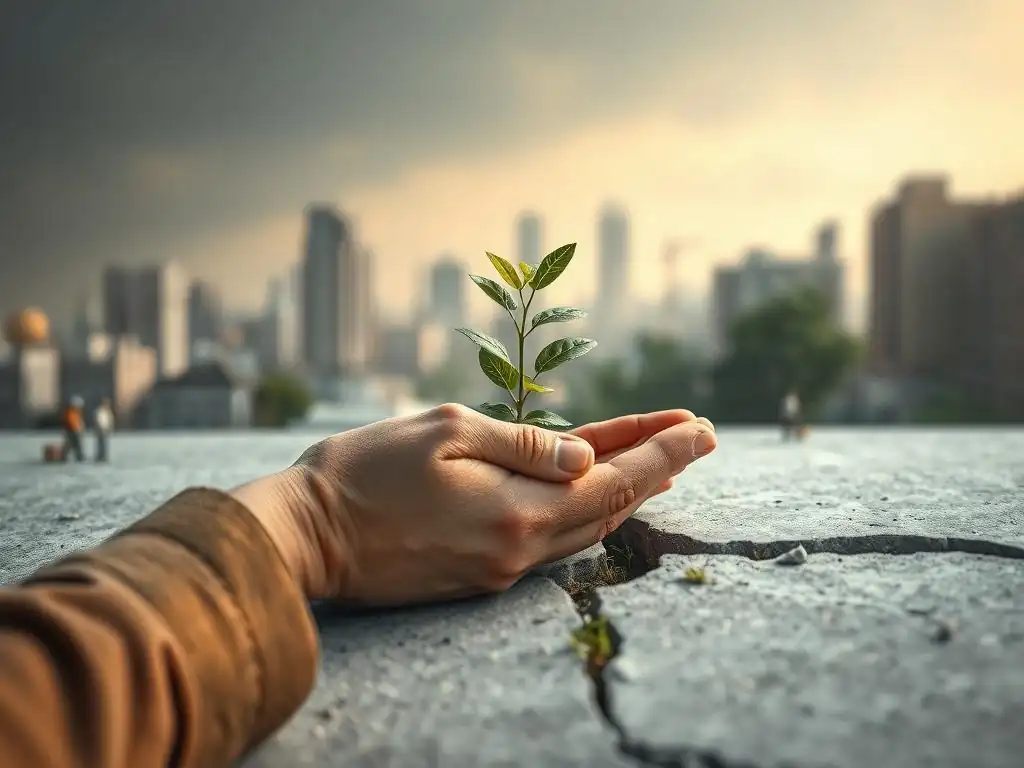
Engaging in Climate Activism and Advocacy
Channeling eco-anxiety into action is a key component of effective climate change anxiety coping strategies. Engaging in climate activism and advocacy provides a constructive outlet for feelings of frustration and concern. This can take many forms, from writing letters to elected officials urging policy changes to participating in peaceful demonstrations or rallies. Advocacy efforts can focus on specific issues, such as demanding cleaner energy policies, protecting local ecosystems, or promoting sustainable agricultural practices. For instance, contacting your representative to support legislation aimed at reducing carbon emissions contributes directly to systemic change.
Joining or supporting organizations that lobby for climate action is another impactful way to engage. Groups like the Sierra Club or Greenpeace, among countless others globally and locally, work to influence policy, raise public awareness, and protect the environment. Donating time, skills, or financial resources to such organizations means contributing to larger, coordinated efforts that can achieve significant results. Even small actions, like signing online petitions or sharing accurate climate information on social media, contribute to building momentum for change and can help alleviate the feeling of being a passive observer of the crisis.
Joining Environmental Organizations and Community Initiatives
Becoming involved with environmental organizations and community initiatives is a practical and effective way to manage eco-anxiety by taking concrete steps towards environmental protection. These groups offer opportunities to connect with like-minded individuals and work on local projects that yield visible results. Examples include participating in tree-planting events (which can absorb carbon dioxide and improve air quality), organizing community cleanups of parks or beaches, or volunteering at local conservation projects aimed at restoring habitats. Many communities have local environmental councils or non-profits focused on specific regional issues.
Joining a community garden, for instance, not only provides fresh produce but also connects you with the soil and the natural cycles of growth, offering a grounding experience. These initiatives often have tangible outcomes, such as planting hundreds of trees in a single day or removing tons of waste from a local waterway over a year.
Witnessing and contributing to these positive changes can significantly reduce feelings of hopelessness and replace them with a sense of accomplishment and positive impact. It shifts the focus from the overwhelming global problem to manageable, local solutions where you can make a direct difference.
Sustainable Living: Practical Steps for a Greener Lifestyle
Adopting practical steps for a greener lifestyle is a personal way to channel eco-anxiety into positive change and implement climate change anxiety coping strategies. Sustainable living choices, while individual, collectively contribute to reducing environmental impact. This includes actions like reducing your consumption of goods, choosing products with minimal packaging, and prioritizing repair over replacement. Opting for energy-efficient appliances, improving home insulation, and switching to renewable energy sources where available are significant steps that lower your carbon footprint.
Transportation choices also play a large role. Choosing to walk, bike, carpool, or use public transport instead of driving alone whenever possible significantly reduces emissions. For necessary car travel, considering electric or hybrid vehicles can be part of a long-term strategy.
Similarly, making conscious food choices, such as buying local and seasonal produce, reducing food waste (globally, about one-third of all food produced is lost or wasted), and incorporating more plant-based meals into your diet, contributes to a more sustainable food system. These daily choices, when viewed as part of a larger commitment to environmental stewardship, can provide a sense of purpose and control in the face of climate challenges.
Building Resilience: Strengthening Your Mental Well-being
Mindfulness and Meditation for Eco-Anxiety Relief
Mindfulness and meditation are valuable climate change anxiety coping strategies focused on strengthening mental resilience. Practicing mindfulness involves paying attention to the present moment without judgment. When feelings of eco-anxiety arise, mindfulness can help you observe these thoughts and emotions without getting swept away by them. Instead of spiraling into catastrophic thinking about future climate scenarios, you can gently bring your attention back to your breath, your body, or your immediate surroundings. This practice helps create distance from anxious thoughts, reducing their intensity and preventing them from overwhelming you.
Meditation, often involving focused attention or open awareness, can help calm the nervous system and reduce the physical symptoms of anxiety. Even just 5-10 minutes of daily meditation can make a difference. There are many guided meditations specifically designed for anxiety or connecting with nature, which can be particularly helpful for eco-anxiety. By regularly practicing mindfulness and meditation, you build your capacity to tolerate difficult emotions and thoughts related to climate change, fostering a sense of inner calm and stability amidst external uncertainty.
Connecting with Nature: Nature Therapy and Its Benefits
Connecting with nature, often referred to as nature therapy or ecotherapy, is a powerful antidote to the distress of eco-anxiety and a core element of climate change anxiety coping strategies. Spending time in natural environments—whether a local park, a forest trail, a beach, or even tending to houseplants—has been shown to reduce stress, improve mood, and enhance overall well-being. Direct interaction with nature reminds us of what we are working to protect and can foster feelings of awe, peace, and connection.
Engaging your senses in nature can be particularly grounding. Notice the sounds of birds, the feeling of the breeze, the scent of soil or flowers, the sight of sunlight filtering through leaves. Activities like hiking, gardening, bird watching, or simply sitting quietly in a park can lower cortisol levels (a stress hormone) and increase feelings of tranquility. This connection can also rekindle a sense of appreciation and love for the natural world, reinforcing your motivation to protect it while simultaneously providing a restorative escape from the constant barrage of climate news.
For some individuals, eco-anxiety can become debilitating, significantly impacting daily life and functioning. In such cases, seeking professional support through therapy or counseling is an important climate change anxiety coping strategy. Mental health professionals can provide tools and techniques to manage overwhelming emotions, challenge unhelpful thought patterns, and develop healthy coping mechanisms. Therapies like Cognitive Behavioral Therapy (CBT) can help identify and modify catastrophic thinking related to climate change, while Acceptance and Commitment Therapy (ACT) can help individuals accept difficult emotions and commit to values-driven actions despite anxiety.
Increasingly, therapists are specializing in climate-aware therapy, understanding the specific nature of eco-anxiety and its roots in a rational response to a real threat. They can offer a safe space to process grief, fear, and anger related to environmental issues and help you navigate feelings of helplessness or despair. Many therapists also help clients find ways to channel their anxiety into constructive action, balancing their mental well-being with their desire to contribute to solutions. Don't hesitate to reach out if your eco-anxiety feels unmanageable; support is available.
Communicating About Climate Change Effectively
Talking to Friends and Family About Climate Concerns
Discussing climate concerns with friends and family can be challenging but is a vital part of processing eco-anxiety and fostering collective climate change anxiety coping strategies. Start by choosing a good time and place where you can have a focused conversation without distractions. Approach the topic with empathy and openness, sharing your feelings and concerns without judgment or blame. You might say something like, "I've been feeling really worried about climate change lately, and I wanted to share some of what's on my mind."
Listen actively to their perspectives and concerns, even if they differ from yours. Understand that people process information and threats differently. Focus on finding common ground and shared values, such as concern for future generations, local environmental quality, or saving money through energy efficiency. Sharing personal stories or local impacts of climate change can often be more impactful than citing abstract global statistics. The goal is not necessarily to convince them overnight, but to open a dialogue, share your experience of eco-anxiety, and potentially inspire small, shared actions.
Avoiding Doom-Saying: Maintaining a Constructive Dialogue
While the climate situation is serious, focusing solely on catastrophic outcomes (doom-saying) can be counterproductive, increasing anxiety in yourself and alienating others. When discussing climate change as part of your climate change anxiety coping strategies, aim to maintain a constructive dialogue that balances acknowledging the challenges with highlighting potential solutions and positive actions.
Instead of just stating alarming facts, pair them with information about what is being done or what can be done. For example, after mentioning rising global temperatures, you could discuss the rapid growth in renewable energy capacity globally—solar power capacity, for instance, has increased dramatically over the past decade.
Frame the conversation around opportunities for innovation, community building, and creating a better future, rather than just focusing on loss and destruction. Discussing local initiatives, policy solutions, or technological advancements can make the issue feel less insurmountable. Encourage dialogue about potential actions, both individual and collective, that you and others can take. A constructive approach fosters hope and empowers people to engage with the issue rather than shutting down in fear.
Tailoring Your Message: Adapting Communication for Different Audiences
Effective communication about climate change requires tailoring your message to different audiences. What resonates with a climate scientist will differ from what resonates with a business owner, a grandparent, or a teenager. Consider the values, concerns, and knowledge level of the person or group you are talking to.
For someone focused on the economy, you might discuss the financial opportunities in green industries or the costs of inaction due to extreme weather events. For someone concerned about health, you could talk about the links between air pollution and respiratory issues, or the spread of vector-borne diseases due to climate change.
Use language that is accessible and avoid jargon. Focus on relatable impacts and local examples whenever possible. For instance, instead of discussing abstract sea-level rise predictions, talk about how coastal erosion is affecting a nearby beach or how changing weather patterns are impacting local agriculture. Adapting your message increases the likelihood that your audience will listen, understand, and potentially be moved to action, which in turn can strengthen your own resolve and reduce feelings of isolation in your climate change anxiety coping journey.
Long-Term Strategies for Managing Climate Change Anxiety
Developing a Personal Climate Action Plan
Developing a personal climate action plan is a crucial long-term climate change anxiety coping strategy that provides structure and purpose. This involves identifying specific, achievable steps you can take regularly to reduce your environmental impact and contribute to climate solutions. Start by assessing your current lifestyle and identifying areas where you can make changes—this could be related to energy consumption, transportation, diet, consumption habits, or community involvement. Set realistic goals, such as aiming to reduce household energy use by a certain percentage over the next year or committing to volunteering with an environmental group once a month.
Break down larger goals into smaller, manageable tasks. For example, if you want to reduce food waste, your plan might include tasks like meal planning, learning proper food storage techniques, and composting. Regularly review and update your plan as you achieve goals and identify new areas for improvement. Having a concrete plan provides a roadmap for action, transforming vague worries into specific steps and fostering a sense of control and agency over time.
Practicing Self-Compassion and Acceptance
Practicing self-compassion and acceptance is vital for long-term management of eco-anxiety. It's easy to feel guilty about your own environmental footprint or frustrated by the slow pace of change. Self-compassion involves treating yourself with the same kindness and understanding you would offer a friend facing a difficult situation. Acknowledge that you are doing your best in a complex system and that perfection is not achievable. Recognize that feeling anxious or overwhelmed is a valid response to a global crisis.
Acceptance, in this context, doesn't mean giving up; it means accepting the reality of the situation and the difficult emotions that come with it, without letting them paralyze you. Accept that you cannot solve climate change alone, but you can contribute meaningfully. Practice self-care activities that nourish your well-being and help you recharge, such as spending time in nature, pursuing hobbies, or connecting with loved ones. Balancing your commitment to climate action with care for your own mental health is essential for sustained engagement and resilience.
Cultivating Realistic Hope and Resilience
Cultivating realistic hope and resilience is a foundational element of long-term climate change anxiety coping strategies. Realistic hope is not blind optimism but a belief that positive change is possible, grounded in acknowledging the challenges while focusing on the potential for solutions and human capacity for innovation and cooperation. Seek out stories of successful climate initiatives, technological breakthroughs, and effective policy changes. For instance, the rapid decline in the cost of renewable energy technologies over the past decade is a significant source of realistic hope.
Build resilience by focusing on your strengths and developing coping skills. Connect with supportive communities, practice mindfulness, engage in fulfilling activities, and maintain healthy habits. Understand that resilience is not about being immune to difficult feelings but about having the capacity to bounce back from setbacks and continue moving forward. Frame your efforts not as a guaranteed victory, but as a meaningful contribution to a better future, regardless of the ultimate outcome. This perspective can sustain your engagement and mitigate despair over the long haul.
Resources for Eco-Anxiety Support
Online Communities and Support Groups for Climate Anxiety
Online communities and support groups offer accessible resources for those struggling with eco-anxiety and seeking climate change anxiety coping strategies. Platforms like dedicated forums, social media groups, and online support networks provide spaces where individuals can share their experiences, validate each other's feelings, and exchange coping tips. These communities can help combat feelings of isolation and provide a sense of belonging among people who understand the unique distress caused by climate concerns.
Many environmental organizations or mental health charities host or recommend such groups. While some groups might be informal peer support, others might be moderated or facilitated by professionals. Engaging in these online spaces allows you to connect with others regardless of geographical location, offering a flexible way to access support and feel less alone in your struggles with climate change anxiety.
Mental Health Professionals Specializing in Eco-Anxiety
As awareness of eco-anxiety grows, an increasing number of mental health professionals are specializing in this area. Seeking out therapists or counselors who have experience or training in climate-aware therapy can be particularly beneficial. These professionals understand the validity of climate-related distress and are equipped to help you process your emotions, develop coping mechanisms, and find healthy ways to engage with the issue.
You can look for therapists through directories that list specializations or inquire directly about their experience with climate change anxiety. Many professional mental health associations are also starting to provide resources and training on this topic. A therapist specializing in eco-anxiety can offer tailored strategies, such as helping you navigate feelings of guilt, manage intrusive thoughts about environmental collapse, or find a balance between staying informed and protecting your mental health.
Educational Resources: Books, Articles, and Documentaries
Educating yourself further through books, articles, and documentaries can be a double-edged sword—it can increase awareness but also potentially heighten anxiety if not balanced. However, focusing on resources that offer depth, context, and explore solutions can be a valuable climate change anxiety coping strategy. Look for books that delve into the psychological aspects of climate change, such as "Active Hope" by Joanna Macy and Chris Johnstone, which offers frameworks for facing the mess we're in without being overwhelmed.
Seek out articles and documentaries from reputable sources that provide comprehensive information, including the science, the impacts, and importantly, the solutions being developed globally. Resources that highlight successful community initiatives, policy victories, or technological advancements can provide a counterbalance to the often-negative news cycle. Engaging with educational materials can deepen your understanding, empower you with knowledge, and reinforce your motivation to act, transforming passive worry into informed engagement.
Frequently Asked Questions
How is eco-anxiety defined, and why is it becoming more prevalent?
Eco-anxiety is defined as the fear and distress related to the environmental crisis. It's becoming more prevalent due to increased awareness and constant exposure to climate change news.
What are some common symptoms of eco-anxiety I should be aware of?
Common symptoms include feelings of helplessness, persistent worry about the future, and difficulties concentrating. You might also experience physical symptoms like fatigue or sleep disturbances.
What are some practical coping strategies for managing climate change anxiety?
Practical strategies include taking meaningful action, limiting news consumption, and connecting with others who share your concerns. Remember to focus on what you can control.
How can I find support if I'm struggling with significant eco-anxiety?
You can find support through therapy, support groups, and online communities. Look for therapists specializing in climate psychology or eco-therapy.
Besides individual actions, what broader steps can I take to feel more empowered in addressing climate change?
You can become involved in community activism, advocate for policy changes, and support organizations working towards sustainable solutions. This helps foster a sense of agency and hope.
Final Reflection: Finding Hope in the Face of Climate Change
The urgency of addressing climate change is undeniable, and the weight of this reality on our mental health is equally significant. The sheer volume of alarming news can feel paralyzing, leading many to experience eco-anxiety – a deep-seated worry about the future of our planet. This article explored practical strategies to navigate these feelings, emphasizing the importance of self-care, community engagement, and proactive action.
The pervasive nature of climate change anxiety is shaping our cultural landscape, influencing everything from political discourse to artistic expression. We are witnessing a growing movement of individuals and organizations dedicated to fostering resilience and hope in the face of daunting challenges. This collective awakening is crucial, as it underscores the shared responsibility we have to protect our planet. The greatest danger is not that our aim is too high and we miss it, but that it is too low and we reach it.
- Michelangelo. This quote reminds us that aiming for ambitious, even seemingly impossible goals, is vital in combating climate change and mitigating its psychological impact.
You now possess a toolkit of coping mechanisms to manage eco-anxiety. Remember, acknowledging your feelings is the first step towards empowerment. Don't let the enormity of the climate crisis overwhelm you; instead, channel your concern into positive action. Engage in activities that bring you joy and connect you to nature, find your community, and advocate for change – however small it may seem. Your individual contribution, combined with the efforts of others, can create a ripple effect of positive change, fostering a more sustainable and resilient future for all.
Unleash Your Inner Climate Advocate: Take Control Now!
Thanks for taking the time to explore ways to manage eco-anxiety. You've learned valuable coping strategies—now let's put them into action! Feeling empowered is the first step.
- Prioritize one small, sustainable change this week: Start with something manageable, like reducing your meat consumption or switching to reusable bags. This small act creates a powerful ripple effect.
- Share this article with someone who might find it helpful. Let's build a community of support around eco-conscious living.
- Consider joining (or starting!) a local environmental group. Connecting with like-minded individuals is incredibly powerful.
What's one small step you can take today to nurture both your well-being and the planet?