
Healing Your Relationship with Nature to Ease EcoAnxiety Symptoms

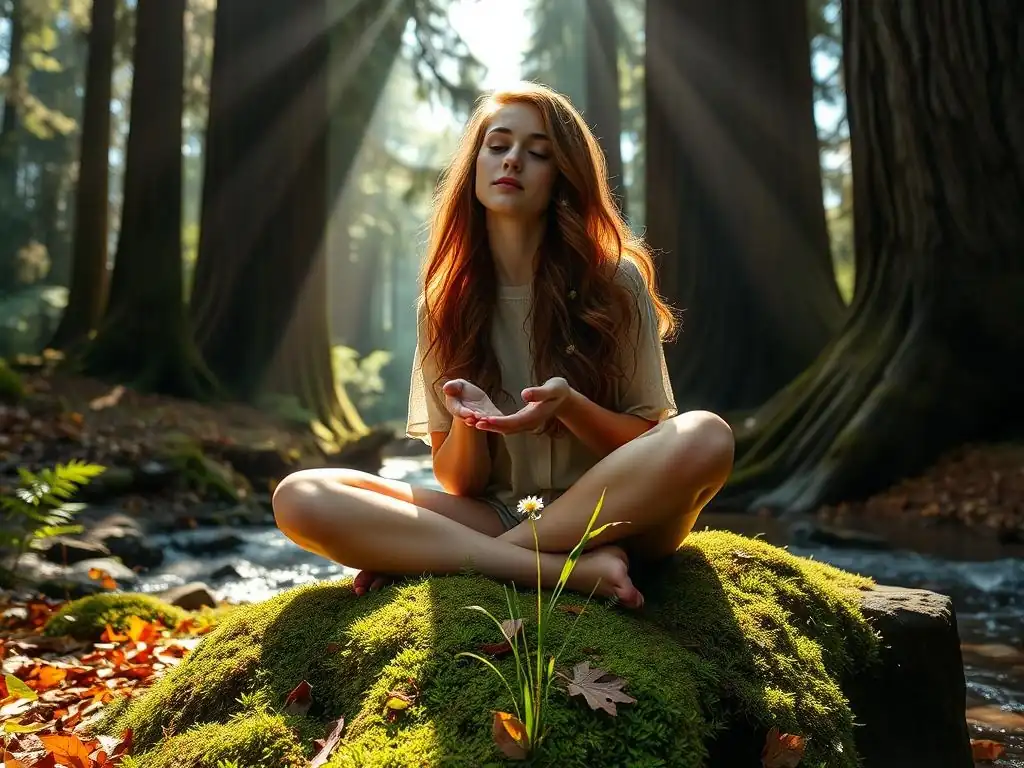
Welcome to Mind Care Guide, a space dedicated to nurturing your mental well-being.
Feeling overwhelmed by eco-anxiety? You're not alone. In today's world, the weight of environmental concerns can be heavy on our minds. But what if the answer lies in reconnecting with the very thing we're trying to protect? This guide explores nature-based anxiety relief strategies, revealing how mindful engagement with the natural world can offer solace and a pathway to healing. Intrigued? Let's delve deeper into how nature can become your powerful ally in managing eco-anxiety.
- Healing Your Relationship with Nature to Ease Eco-Anxiety: A Mind Care Guide
- Nature-Based Anxiety Relief Strategies: Reconnecting for Mental Wellness
-
Practical Strategies for Reconnecting with Nature and Reducing Climate Anxiety
- Mindful Nature Walks: Practicing Presence in Natural Environments
- Forest Bathing (Shinrin-Yoku): Immersing Yourself in the Forest Atmosphere
- Gardening and Horticulture Therapy: Nurturing Plants, Nurturing Yourself
- Nature-Based Meditation and Mindfulness: Finding Calm in the Outdoors
- Eco-Art Therapy: Expressing Emotions Through Nature-Inspired Creativity
- Volunteering for Environmental Causes: Taking Action and Finding Purpose
- Building a Sustainable Relationship with Nature for Long-Term Eco-Anxiety Management
- Overcoming Barriers to Nature Connection: Addressing Accessibility and Practical Concerns
- Seeking Professional Help for Eco-Anxiety: When to Consult a Therapist
- The Future of Mental Health: Prioritizing Nature-Based Solutions and Planetary Well-being
-
Frequently Asked Questions
- How can spending time in nature actually help with EcoAnxiety?
- What are some simple "Naturebased anxiety relief strategies" I can start practicing today?
- If I live in a city, how can I still benefit from "Naturebased anxiety relief strategies"?
- Is "Naturebased anxiety relief strategies" a replacement for professional mental health treatment?
- How long does it typically take to see results from using "Naturebased anxiety relief strategies" for EcoAnxiety?
- Final Reflection: Reconnecting with Nature, Reclaiming Our Wellbeing
- Reconnect with Nature: Start Your Healing Journey Today
Healing Your Relationship with Nature to Ease Eco-Anxiety: A Mind Care Guide
Defining Eco-Anxiety: Worrying About the Planet's Future
Eco-anxiety, sometimes referred to as climate anxiety, is a growing concern defined as chronic fear of environmental doom. It's not a clinical diagnosis in the traditional sense, but rather a psychological response to the perceived threats posed by climate change and ecological collapse. This anxiety can manifest as feelings of sadness, grief, anger, or even despair about the state of the planet and its future. It reflects a deep connection to and concern for the natural world, but when overwhelming, it can significantly impair daily functioning and overall mental well-being.
Individuals experiencing eco-anxiety often grapple with the scale of the problem, feeling helpless in the face of global environmental challenges like rising sea levels, extreme weather events, species extinction, and resource depletion. This persistent worry goes beyond simple concern; it's a pervasive sense of dread about the irreversible damage being done to Earth. For many, this anxiety is amplified by media coverage and scientific reports, creating a constant barrage of distressing information that can feel impossible to process or mitigate effectively on an individual level.
The Link Between Climate Change and Mental Health: Recognizing the Connection
The undeniable reality of climate change presents a significant threat not just to ecosystems and infrastructure, but also directly and indirectly to human mental health. Direct impacts include the trauma experienced during and after extreme weather events like hurricanes, wildfires, or floods, leading to increased rates of PTSD, depression, and anxiety in affected populations. For instance, studies following major natural disasters often show a significant spike in mental health service utilization in the years that follow.
Indirectly, the slow-burn effects of climate change contribute to mental health challenges through various pathways. Displacement due to environmental degradation, loss of livelihoods dependent on stable climates (like farming or fishing), and the constant worry about future environmental instability all contribute to chronic stress and anxiety. The erosion of community bonds and cultural identity linked to specific landscapes or environments also takes a psychological toll. Furthermore, the sheer uncertainty and perceived lack of control over the global climate crisis can foster feelings of helplessness and despair, key components of eco-anxiety.
Symptoms of Eco-Anxiety: Identifying the Signs in Yourself and Others
Recognizing the symptoms of eco-anxiety is the first step toward finding effective naturebased anxiety relief strategies. Symptoms can vary widely in intensity and presentation. Common emotional signs include persistent worry, sadness, anger, guilt, and grief related to environmental issues. Some individuals may experience feelings of powerlessness, hopelessness, or a sense of impending doom. These feelings can be triggered by news articles, documentaries, or even personal observations of environmental changes.
Physical and behavioral symptoms can also manifest. These might include difficulty sleeping, fatigue, changes in appetite, or somatic complaints like headaches or muscle tension. Behaviorally, some people might withdraw socially, avoid news related to the environment, or become obsessive about reducing their personal environmental footprint to an unhealthy degree. Others might become hyperactive in their activism, driven by anxiety rather than sustainable action. It's important to differentiate healthy concern and motivation from anxiety that is debilitating and requires attention and coping mechanisms.
Nature-Based Anxiety Relief Strategies: Reconnecting for Mental Wellness
Why Nature Heals: Exploring the Psychological Benefits of Green Spaces
Research consistently demonstrates the profound psychological benefits of interacting with nature. Spending time in green spaces – whether a park, forest, garden, or even a view of trees – has been shown to reduce levels of cortisol, the body's primary stress hormone. For example, a widely cited study indicated that spending just 20-30 minutes in nature can significantly lower cortisol levels compared to spending the same amount of time in an urban environment. This physiological response underscores nature's innate ability to calm the nervous system.
Beyond hormonal effects, exposure to nature improves mood, reduces feelings of anger and aggression, and increases feelings of happiness and well-being. The 'Attention Restoration Theory' suggests that natural environments allow our directed attention to rest, reducing mental fatigue and improving cognitive function, while 'Stress Reduction Theory' posits that viewing nature elicits positive feelings and reduces physiological arousal. These theories, supported by numerous studies, provide a scientific basis for why naturebased anxiety relief strategies are so effective.
The Power of Nature Immersion: Reducing Stress and Boosting Mood
Nature immersion involves actively engaging your senses in a natural environment, moving beyond passive observation to a more connected experience. This deeper connection amplifies the therapeutic effects of nature. Studies have shown that activities like walking in forests or spending time by water bodies can significantly lower blood pressure and heart rate, indicators of reduced stress. For instance, research in urban settings has shown that access to green spaces correlates with lower reported stress levels in residents.
Furthermore, nature immersion boosts positive emotions and can help regulate mood. The exposure to natural light helps regulate circadian rhythms, improving sleep patterns which are often disrupted by anxiety. The sensory stimulation – the sounds of birdsong, the scent of pine needles, the feel of bark – can anchor individuals in the present moment, drawing focus away from anxious thoughts about the past or future, including worries about the climate. This mindful engagement is a core component of effective naturebased anxiety relief strategies.
Practical Strategies for Reconnecting with Nature and Reducing Climate Anxiety
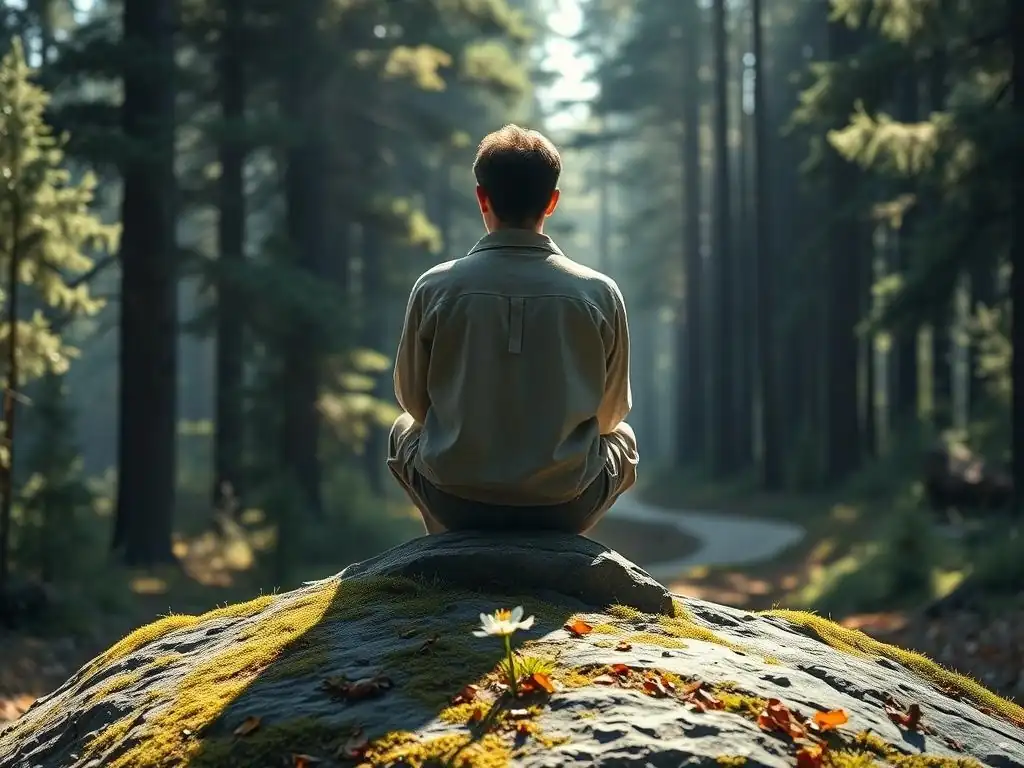
Here are several actionable naturebased anxiety relief strategies you can incorporate into your life:
- [ ] Schedule regular time outdoors (even 15-20 minutes).
- [ ] Identify nearby parks, trails, or green spaces.
- [ ] Engage multiple senses during nature experiences.
- [ ] Reflect on the positive feelings experienced in nature.
- [ ] Track your mood before and after spending time in nature.
Mindful Nature Walks: Practicing Presence in Natural Environments
Mindful nature walks combine the physical benefits of walking with the mental benefits of mindfulness practice, specifically within a natural setting. Instead of rushing through a walk, the focus is on slowing down and engaging all five senses. Pay attention to the sounds around you – the rustling leaves, birds chirping, distant water. Notice the visual details – the patterns on bark, the colors of flowers, the way light filters through leaves. Feel the texture of a leaf or stone, smell the damp earth or blooming flowers, and perhaps even taste a safe, edible berry (if knowledgeable).
This intentional focus on sensory input helps to ground you in the present moment, diverting attention from anxious rumination about environmental problems. It cultivates a sense of peace and presence that is often elusive when battling eco-anxiety. Regular mindful nature walks can train your brain to find calm and focus, making it a powerful naturebased anxiety relief strategy. Even a short, 15-minute walk in a local park can offer significant benefits if approached mindfully.
Forest Bathing (Shinrin-Yoku): Immersing Yourself in the Forest Atmosphere
Forest bathing, or Shinrin-Yoku, is a practice originating in Japan that involves spending time in a forest environment, not necessarily hiking or exercising vigorously, but simply being present and absorbing the atmosphere. The concept is based on the idea that the forest environment has therapeutic properties. This includes inhaling phytoncides, airborne chemicals emitted by plants, which some research suggests can boost the immune system and reduce stress hormones.
Shinrin-Yoku is a deliberate, slow-paced engagement with the forest. It encourages wandering aimlessly, pausing to sit and observe, and opening up your senses to the environment. This practice is less about the destination and more about the journey of sensory immersion. Studies have shown that forest bathing can lower heart rate, blood pressure, and stress levels, while improving mood and cognitive function. It's a potent form of naturebased anxiety relief that fosters a deep sense of connection and calm.
Gardening and Horticulture Therapy: Nurturing Plants, Nurturing Yourself
Engaging in gardening, whether it's tending a small indoor plant, cultivating a balcony garden, or working on an allotment, offers a tangible connection to nature and powerful therapeutic benefits. The act of nurturing living things provides a sense of purpose and responsibility. Observing plants grow, respond to care, and complete their life cycles can be incredibly grounding and rewarding. The physical activity involved also releases endorphins, which have mood-boosting effects.
Horticulture therapy is a recognized therapeutic modality that uses gardening activities to improve mental and physical health. It can help reduce symptoms of depression and anxiety, improve social skills, and increase feelings of self-esteem. For individuals struggling with eco-anxiety, gardening offers a direct way to engage positively with the natural world, fostering hope and agency rather than despair. It allows you to contribute to local biodiversity and witness the resilience of nature firsthand.
Nature-Based Meditation and Mindfulness: Finding Calm in the Outdoors
Combining meditation and mindfulness practices with a natural setting enhances their effectiveness in managing anxiety, including eco-anxiety. Instead of meditating indoors, find a quiet spot in a park, by a tree, or near water. Use the natural sounds, sights, and smells as anchors for your meditation. Focus on the sensation of the earth beneath you, the feeling of the breeze on your skin, or the distant sound of rustling leaves.
This practice helps to train your attention to reside in the present moment, reducing the tendency to get lost in catastrophic thinking about the future of the planet. It cultivates a sense of peace and perspective. Guided nature meditations, available through various apps and resources, can also help beginners learn how to effectively use the natural environment to deepen their practice and access potent naturebased anxiety relief strategies.
Eco-Art Therapy: Expressing Emotions Through Nature-Inspired Creativity
Eco-art therapy integrates creative expression with engagement in nature, providing a powerful outlet for processing the complex emotions associated with eco-anxiety. This can involve creating art in nature using natural materials (like making sculptures from stones or leaves), creating art about nature (painting landscapes, drawing plants and animals), or using nature as inspiration for other creative forms like writing or music.
This therapeutic approach allows individuals to externalize their feelings of grief, fear, or hope about the environment in a non-verbal way. For example, someone might create a piece of art depicting their fears about pollution or express their love for a threatened species. This process can facilitate emotional release, provide new perspectives, and foster a deeper connection to the natural world they are anxious about protecting. It transforms passive worry into active, creative engagement.
Volunteering for Environmental Causes: Taking Action and Finding Purpose
Taking action is a crucial component of managing eco-anxiety, as it counters feelings of helplessness. Volunteering for environmental causes provides a concrete way to contribute positively to the planet's well-being and connect with like-minded individuals. This could involve participating in local clean-up drives, planting trees, helping restore habitats, monitoring wildlife, or assisting environmental non-profits with administrative tasks or fundraising.
Volunteering offers a sense of purpose and agency, demonstrating that individual actions, especially when combined with others, can make a difference. It shifts the focus from overwhelming global problems to tangible local impacts you can influence. For instance, participating in a beach clean-up might remove hundreds of pounds of plastic debris in a single day. This sense of efficacy and community involvement is a powerful antidote to the isolation and despair that eco-anxiety can foster, serving as a practical naturebased anxiety relief strategy.
Building a Sustainable Relationship with Nature for Long-Term Eco-Anxiety Management
Incorporating Nature into Daily Life: Small Steps for Big Impact
Integrating nature into your daily routine doesn't always require a trip to a national park; small, consistent interactions can have a significant cumulative effect on managing eco-anxiety. This could be as simple as having your morning coffee by a window with a view of trees, taking a slightly longer route through a park on your commute, eating lunch outdoors, or spending a few minutes observing the birds in your garden or local park.
Even bringing nature indoors can help. Adding houseplants to your living or workspace has been shown to improve air quality and reduce stress. Creating a small indoor herb garden provides a sensory connection to growing things. These small, deliberate choices to connect with nature throughout the day build a foundation for long-term well-being and reinforce your commitment to naturebased anxiety relief strategies.
Creating a Nature-Rich Home Environment: Bringing the Outdoors In
Your home environment can be a sanctuary that supports your mental well-being by consciously incorporating elements of nature. This goes beyond just adding a few houseplants. Consider using natural materials in your decor like wood, stone, and cotton. Incorporate natural light as much as possible. Use colors inspired by nature, such as greens, blues, and earth tones.
Adding elements like a small indoor water feature, nature-inspired artwork, or even playing nature sounds can help create a calming atmosphere that mimics the benefits of being outdoors. Having a nature-rich home provides a constant, accessible source of connection and calm, making it easier to practice naturebased anxiety relief strategies even when you can't get outside. It serves as a daily reminder of the beauty and tranquility of the natural world.
Supporting Environmental Conservation Efforts: Advocacy and Activism for Mental Health
Active engagement in supporting environmental conservation can be a powerful way to transform eco-anxiety into positive action and find a sense of agency. This can range from making conscious consumer choices (like reducing waste or supporting sustainable businesses) to more direct involvement like donating to conservation organizations, participating in advocacy campaigns, or contacting elected officials about environmental policies.
Taking action, even small steps, combats the feeling of helplessness that often accompanies eco-anxiety. It allows you to channel your concern into meaningful contribution. For example, joining a local environmental group might involve volunteering a few hours a month for conservation projects, providing both a connection to nature and a supportive community. This form of activism, when done mindfully and sustainably, is a vital part of managing climate anxiety and promoting planetary well-being.
Eco-anxiety can feel isolating, but connecting with others who share your concerns and appreciate nature can be incredibly validating and supportive. Joining local environmental groups, hiking clubs, gardening communities, or nature photography groups provides opportunities to share experiences, learn from others, and work together towards common goals.
Spending time in nature with others can deepen bonds and create shared positive experiences. Group nature walks or conservation work parties combine the benefits of social connection with the therapeutic effects of the natural environment. This sense of community reduces feelings of isolation and reinforces the idea that you are not alone in your worries or your desire to protect the planet. It provides a supportive network for practicing naturebased anxiety relief strategies together.
Overcoming Barriers to Nature Connection: Addressing Accessibility and Practical Concerns
Addressing Common Obstacles: Time Constraints, Physical Limitations, and Safety Concerns
Accessing nature can be challenging for various reasons. Time constraints are often cited as a major barrier; busy schedules make it difficult to allocate significant time for nature outings. Physical limitations, whether due to age, disability, or health conditions, can make accessing certain natural environments difficult or impossible. Safety concerns, particularly in urban areas or during certain times of day, can also deter people from spending time outdoors.
It's important to acknowledge these barriers empathetically and explore adaptable naturebased anxiety relief strategies. For time constraints, focus on incorporating micro-doses of nature into your day – a few minutes by a window, tending an indoor plant, or a short walk around the block. For physical limitations, seek out accessible parks, botanical gardens, or paved nature trails. For safety, consider visiting parks during daylight hours, going with a friend, or choosing well-maintained and populated green spaces.
Adapting Nature-Based Strategies for Urban Environments: Parks, Green Roofs, and Community Gardens
Even in densely populated urban areas, opportunities for nature connection exist. Urban parks, often referred to as the "lungs of the city," provide vital green space for relaxation and recreation. Making a conscious effort to visit these parks regularly, even during a lunch break, can offer a significant dose of nature exposure.
Exploring less obvious urban green spaces can also be beneficial. Community gardens offer a chance to engage in horticulture and connect with neighbors. Green roofs and vertical gardens, increasingly common in new developments, provide small pockets of nature. Even walking down tree-lined streets or visiting a local botanical garden can offer a connection to the natural world. The key is to be creative and actively seek out the green spaces available in your immediate environment to implement naturebased anxiety relief strategies.
Seeking Professional Help for Eco-Anxiety: When to Consult a Therapist
While naturebased anxiety relief strategies can be incredibly helpful, it's important to recognize when eco-anxiety is severe enough to warrant professional support. If your anxiety about the environment is persistent, overwhelming, interfering significantly with your daily life (sleep, work, relationships), or leading to feelings of hopelessness or despair, consulting a mental health professional is advisable. A therapist can help you process your emotions, develop coping mechanisms, and distinguish between healthy concern and debilitating anxiety.
Signs that professional help might be needed include constant rumination on environmental disasters, panic attacks triggered by climate news, significant avoidance of activities or conversations related to the environment, or feeling paralyzed by worry to the point of inaction. A therapist can provide a safe space to explore these feelings and develop personalized strategies, potentially integrating nature-based approaches within a broader therapeutic framework.
Understanding Therapy Options: Cognitive Behavioral Therapy (CBT) and Acceptance and Commitment Therapy (ACT)
Several therapeutic approaches can be effective in addressing anxiety, including eco-anxiety. Cognitive Behavioral Therapy (CBT) helps individuals identify and challenge negative thought patterns and develop more realistic and helpful ways of thinking about environmental issues and their own capacity to cope or act. It focuses on changing both thoughts and behaviors contributing to anxiety. CBT has shown efficacy rates often ranging from 50% to 70% for anxiety disorders, providing a solid framework for managing distressing thoughts.
Acceptance and Commitment Therapy (ACT) is another valuable approach. ACT encourages individuals to accept difficult thoughts and feelings (like anxiety about climate change) rather than fighting them, while committing to actions aligned with their values (such as environmental stewardship or personal well-being). ACT can help people navigate feelings of helplessness by focusing on what they can control and value, fostering resilience and purposeful action. Both CBT and ACT can be adapted to specifically address eco-anxiety and integrate naturebased anxiety relief strategies.
Finding Mental Health Professionals: Utilizing Online Directories and Local Resources
Finding the right therapist is a crucial step. Online directories, such as those provided by professional psychological associations or mental health organizations, allow you to search for therapists based on location, specialization (e.g., anxiety, climate-aware therapy), and insurance coverage. Many directories also include profiles detailing a therapist's approach and background.
Local resources, such as community mental health centers, university counseling services, or referrals from a primary care physician, can also help you find support. When contacting potential therapists, it can be helpful to ask if they have experience working with anxiety or existential concerns, and whether they are open to incorporating discussions about eco-anxiety and naturebased anxiety relief strategies into their practice.
The Future of Mental Health: Prioritizing Nature-Based Solutions and Planetary Well-being
As the impacts of climate change become more pronounced, the mental health implications, including eco-anxiety, will likely continue to grow. Recognizing this, there is a growing movement within the mental health field to acknowledge the link between environmental health and human well-being. Prioritizing nature-based solutions is becoming increasingly important, not just as coping mechanisms for individuals, but as a broader public health approach.
Integrating nature exposure and connection into mental health treatment, public health initiatives, and urban planning offers a dual benefit: supporting individual resilience in the face of environmental challenges and fostering a deeper connection to the planet, which can motivate collective action towards sustainability. The future of mental health care will likely involve a greater emphasis on the interconnectedness of human and planetary well-being, making naturebased anxiety relief strategies a cornerstone of holistic care.
Frequently Asked Questions
How can spending time in nature actually help with EcoAnxiety?
Spending time in nature can provide a sense of connection and grounding, counteracting feelings of helplessness often associated with EcoAnxiety. It's a form of nature-based therapy, promoting relaxation and reducing stress hormones.
What are some simple "Naturebased anxiety relief strategies" I can start practicing today?
Begin with mindful walks in a park, focusing on your senses. Try forest bathing (Shinrin-yoku), which involves immersing yourself in the forest atmosphere. Even gardening can be a therapeutic activity.
If I live in a city, how can I still benefit from "Naturebased anxiety relief strategies"?
Even in urban environments, you can find pockets of nature. Explore city parks, create a balcony garden, or visit local botanical gardens. Bringing indoor plants into your home can also offer a sense of connection.
Is "Naturebased anxiety relief strategies" a replacement for professional mental health treatment?
No, nature-based approaches are complementary. They should be used alongside, not instead of, professional therapy or medication if needed. Always consult a mental health professional for personalized guidance.
How long does it typically take to see results from using "Naturebased anxiety relief strategies" for EcoAnxiety?
The timeframe varies depending on the individual and the severity of their EcoAnxiety. Some may experience immediate relief from stress, while others might need consistent practice over weeks or months to see significant improvements in their overall well-being.
Final Reflection: Reconnecting with Nature, Reclaiming Our Wellbeing
The urgent need to address climate change is undeniable, and its psychological impact, eco-anxiety, is increasingly prevalent. The pervasive feeling of helplessness and despair surrounding environmental issues is a very real and debilitating experience for many. However, this article has highlighted the powerful, readily available antidote: rekindling our relationship with the natural world. By actively engaging with nature, we can not only alleviate the symptoms of eco-anxiety but also cultivate a sense of agency and hope in the face of daunting challenges.
The profound impact of nature on our mental and emotional wellbeing is not a new discovery, but its relevance in the context of eco-anxiety is only now gaining widespread recognition. Our disconnection from nature, driven by urbanization and technological advancements, has inadvertently contributed to the very anxieties we now struggle with. As the renowned conservationist, Aldo Leopold, wisely stated: A thing is right when it tends to preserve the integrity, stability, and beauty of the biotic community. It is wrong when it tends otherwise.
This simple yet profound statement underscores the interconnectedness between our personal wellbeing and the health of the planet, urging us to actively participate in its preservation.
Now, consider your own relationship with nature. What small steps can you take today to foster a deeper connection? Perhaps it's a daily walk in a park, tending a small garden, or simply taking a moment to appreciate the beauty of a sunset. These seemingly insignificant actions accumulate into a powerful force, not only easing your personal anxieties but also contributing to a larger movement of healing and restoration. Embrace the transformative power of nature; it's a journey of self-discovery and environmental stewardship, waiting for you to begin.
Reconnect with Nature: Start Your Healing Journey Today
Thanks for taking the time to explore the powerful link between nature and easing eco-anxiety. We hope you gained valuable insights into how to nurture your wellbeing and find solace in the natural world. Now, it's time to put that knowledge into action!
- Begin your personal nature reconnect: Start small! Plan a 15-minute mindful walk in a park this week. Notice the sounds, smells, and sights around you.
- Share your experience: Tell us (or a friend!) about your nature connection experience in the comments below. Did you notice anything surprising?
- Explore local conservation efforts: Find a local organization dedicated to environmental protection and consider volunteering even for a few hours.
What small step can you take today to deepen your relationship with nature and reduce your eco-anxiety?