
From Overwhelm to Empowerment: Managing Your EcoAnxiety Journey


Welcome to Mind Care Guide.
Feeling overwhelmed by the state of our planet? You're not alone. Ecoanxiety is a growing concern, and it's perfectly valid to feel anxious about the future. This Ecoanxiety coping strategies guide offers a compassionate path forward, providing practical tools and insights to help you navigate these challenging emotions and reclaim a sense of hope and empowerment. Ready to transform your anxieties into positive action? Let's begin.
From Overwhelm to Empowerment: Managing Your Climate Anxiety Journey
- Understanding Climate Anxiety: Climate Change and Your Mental Health
- Climate Anxiety Coping Strategies Guide: Taking Control of Your Feelings
- Taking Action: Channeling Climate Anxiety into Positive Change
- Reframing Your Perspective: Cultivating Hope and Optimism
- Climate Anxiety Resources: Where to Find Support and Information
- Story of Action: How Community Gardens Can Combat Climate Anxiety
- Empowering Yourself: Embracing a Sustainable and Meaningful Life
-
Frequently Asked Questions
- What exactly is EcoAnxiety, and why is it becoming more prevalent?
- What are some common symptoms of EcoAnxiety that I should be aware of?
- What are some practical EcoAnxiety coping strategies this guide offers?
- How can I balance staying informed about environmental issues with managing my EcoAnxiety?
- Where can I find additional support and resources if I'm struggling with EcoAnxiety?
- Final Reflection: Finding Peace in a Changing World
- Unleash Your Eco-Warrior Within: Take Charge of Your Planet & Your Peace
Understanding Climate Anxiety: Climate Change and Your Mental Health
What is Climate Anxiety and its Impact?
Climate anxiety, sometimes referred to as eco-anxiety, is the chronic fear of environmental doom. It's not a formal clinical diagnosis in the way conditions like generalized anxiety disorder are, but it is a recognized psychological response to the escalating climate crisis. This form of anxiety stems from observing irreversible impacts of climate change, such as rising sea levels, extreme weather events, and the loss of biodiversity.
It can manifest as persistent worry, feelings of hopelessness, or even panic about the future state of the planet. The emotional weight of this awareness can be significant, impacting individuals across all age groups, though research suggests young people, who face the longest future under climate change, are particularly affected.
The impact of climate anxiety extends beyond just emotional distress. It can disrupt sleep patterns, affect concentration, and strain social relationships as individuals grapple with different levels of concern or perceived inaction from others.
For some, it can lead to avoidance behaviors, where they try to shut down their awareness of environmental issues to reduce their anxiety, while for others, it can fuel activism and a drive for change. Understanding what climate anxiety is and acknowledging its legitimacy is the first step in developing effective eco-anxiety coping strategies guide individuals toward managing these difficult emotions constructively rather than being paralyzed by them.
Recognizing the Symptoms of Climate Anxiety
Recognizing the symptoms of climate anxiety is crucial for addressing it effectively. These symptoms can vary from person to person but often include persistent worry or intrusive thoughts about climate change and its consequences. Individuals might experience feelings of sadness, grief, or anger regarding environmental destruction and political inaction. Physical symptoms akin to other forms of anxiety, such as difficulty sleeping, restlessness, fatigue, or even panic attacks, can also occur, particularly after exposure to alarming news or events related to climate change.
Beyond emotional and physical signs, climate anxiety can also manifest in behavioral changes. Some people might withdraw from social activities or conversations that trigger their fears, while others might become hyper-focused on environmental news, leading to constant exposure to distressing information. Difficulty concentrating on daily tasks, a sense of detachment from others who don't seem as concerned, and existential dread about the future are also common indicators. Identifying these signs is a key part of any eco-anxiety coping strategies guide, as it allows individuals to acknowledge their feelings and seek appropriate support or implement coping mechanisms.
Differentiating Between Climate Anxiety and Normal Environmental Concern
It's important to distinguish between climate anxiety and a healthy, normal level of concern about environmental issues. Normal environmental concern involves being aware of climate change, feeling motivated to take action, and experiencing transient worry in response to specific events or reports. This concern is often proportionate to the threat and typically doesn't significantly impair daily functioning or overall well-being. It's a rational response to a real problem and can be a powerful driver for positive change.
Climate anxiety, on the other hand, tends to be more pervasive and debilitating. While concern motivates action, anxiety can sometimes lead to paralysis, hopelessness, or excessive rumination. The worry might be disproportionate to the immediate personal threat or become constant and overwhelming, interfering with work, relationships, and quality of life.
For example, while a concerned person might feel sad about a report on ice melt and then focus on reducing their plastic use, someone with climate anxiety might feel intense dread, struggle to sleep, and find it hard to engage with anything other than climate news, feeling hopeless about any individual action making a difference. Recognizing this distinction is vital when seeking an effective eco-anxiety coping strategies guide, ensuring that the approach addresses debilitating anxiety rather than suppressing healthy concern.
Climate Anxiety Coping Strategies Guide: Taking Control of Your Feelings
Practical Strategies for Managing Climate Change Anxiety
Developing practical eco-anxiety coping strategies is essential for managing the distress associated with climate change. These strategies focus on immediate, actionable steps that can help reduce feelings of overwhelm and regain a sense of control. They are about finding ways to live with awareness without being consumed by fear. Implementing a range of these techniques can help build emotional resilience in the face of ongoing environmental challenges.
Limiting Exposure to Overwhelming Climate News
Constant exposure to alarming climate news can significantly exacerbate climate anxiety. While staying informed is important, repeatedly consuming distressing content, particularly from sensationalized sources or social media feeds filled with worst-case scenarios, can be detrimental to mental health. Setting boundaries around news consumption is a crucial eco-anxiety coping strategy. This might involve designating specific times of day to check updates, choosing reliable and balanced news sources, or even taking intentional breaks from news altogether.
Consider limiting your news intake to perhaps 15-30 minutes a day from trusted journalistic outlets rather than constantly scrolling through feeds. Avoid reading or watching climate news right before bed, as this can disrupt sleep. If a particular story or image is causing significant distress, allow yourself to step away from it. This isn't about ignorance; it's about managing your emotional capacity so you can engage with the issue constructively when you are in a better headspace.
Practicing Mindfulness and Grounding Techniques for Climate Anxiety
Mindfulness and grounding techniques are powerful tools in any eco-anxiety coping strategies guide. Mindfulness involves focusing on the present moment without judgment, which can help interrupt cycles of worry about an uncertain future. Simple practices like focusing on your breath for a few minutes each day can create a sense of calm and presence, reducing the grip of anxious thoughts about climate change.
Grounding techniques help anchor you to the present when anxiety feels overwhelming. This could be as simple as focusing on your five senses: what do you see, hear, smell, taste, and feel right now? Or it might involve feeling your feet on the ground, noticing the weight of your body in a chair, or holding a comforting object. These practices pull your attention away from catastrophic future scenarios and back to the here and now, providing immediate relief from intense climate distress.
Connecting with Nature: A Powerful Antidote to Climate Distress
Paradoxically, engaging with the very environment you are worried about can be a profound eco-anxiety coping strategy. Spending time in nature, whether it's a local park, a forest trail, or even just tending to houseplants, can reduce stress and anxiety. Direct experience of nature's beauty, resilience, and cycles can foster a sense of peace and connection that counteracts feelings of despair.
Research consistently shows that exposure to green spaces lowers cortisol levels, the body's stress hormone. A simple 20-minute walk in a park can significantly reduce stress. Furthermore, connecting with nature can reinforce why you care about the environment, transforming abstract fears into a tangible appreciation for the natural world. This connection can be grounding and restorative, reminding you of what you are working to protect and fostering a sense of hope.
Building Resilience: Long-Term Climate Anxiety Management Techniques
Beyond immediate coping, building long-term resilience is key to managing climate anxiety over time. This involves cultivating habits and perspectives that strengthen your emotional capacity to live with the reality of climate change without being overwhelmed. These techniques are about fostering inner strength and sustainable ways of engaging with the issue.
Developing a Support System: Sharing Your Concerns with Others
Climate anxiety can feel isolating, especially if those around you don't seem to share the same level of concern. Developing a strong support system is a vital long-term eco-anxiety coping strategy. This could involve talking to friends, family, or colleagues who understand your feelings. Sharing your worries can alleviate the burden and provide validation.
Joining or forming a support group specifically for climate anxiety can be incredibly helpful. Connecting with others who share similar concerns creates a space for mutual understanding, shared coping strategies, and collective strength. Hearing how others are navigating their feelings and finding purpose can provide valuable insights and reduce feelings of loneliness associated with this unique form of anxiety.
Seeking Professional Help for Severe Climate Anxiety
For some individuals, climate anxiety can become severe, significantly impacting their mental health and daily functioning. If feelings of hopelessness, panic, or despair are persistent and interfering with your life, seeking professional help is a crucial step. Mental health professionals, including therapists and counselors, can provide tailored eco-anxiety coping strategies and therapeutic support.
Therapies such as Cognitive Behavioral Therapy (CBT) or Acceptance and Commitment Therapy (ACT) can help individuals process their fears, challenge unhelpful thought patterns, and develop healthier ways of responding to climate information. Some therapists specialize in climate-aware therapy, specifically addressing the psychological impacts of the ecological crisis. Don't hesitate to reach out if you feel overwhelmed; professional support can provide the tools and guidance needed to navigate severe climate anxiety.
Taking Action: Channeling Climate Anxiety into Positive Change

One of the most effective ways to manage climate anxiety is to channel it into meaningful action. Taking steps, no matter how small, can transform feelings of helplessness into empowerment and contribute positively to addressing the climate crisis. Action can provide a sense of purpose and agency, which are powerful antidotes to anxiety and despair. An eco-anxiety coping strategies guide is incomplete without emphasizing the role of action.
Individual Actions: Making a Difference in Your Daily Life
While the scale of climate change can feel overwhelming, individual actions, when multiplied across communities, can have a significant collective impact. Focusing on what you can control in your own life is a powerful way to reduce feelings of helplessness and align your actions with your values. These personal choices are tangible steps in managing eco-anxiety.
Reducing Your Carbon Footprint: Practical Steps You Can Take
Reducing your personal carbon footprint is a direct way to contribute to climate mitigation and can be a very effective eco-anxiety coping strategy. This involves making conscious choices about energy consumption, transportation, and diet. For example, opting for public transport, cycling, or walking instead of driving can significantly lower emissions.
At home, simple steps like switching to LED light bulbs, improving insulation, and using energy-efficient appliances can reduce energy use. Adjusting your thermostat by just a few degrees can also make a difference. Consider your diet: shifting towards more plant-based meals can dramatically reduce your environmental impact compared to diets high in meat and dairy. These actions, while seemingly small in isolation, are concrete steps towards a more sustainable lifestyle and provide a sense of actively contributing to a solution.
Sustainable Living: Embracing Eco-Friendly Practices
Embracing sustainable living extends beyond just carbon emissions and involves minimizing your overall environmental impact. This includes reducing waste through practices like recycling, composting, and avoiding single-use plastics. Choosing products with minimal packaging and supporting companies with sustainable practices are also part of this approach.
Other sustainable practices include conserving water, choosing second-hand items, repairing instead of replacing, and supporting local businesses that prioritize environmental responsibility. Integrating these habits into your daily routine can create a powerful sense of living in alignment with your values, which can be incredibly grounding and empowering when grappling with climate anxiety. It transforms abstract worry into tangible, positive lifestyle changes.
Collective Action: Joining the Climate Movement
Individual actions are important, but addressing climate change requires systemic change. Engaging in collective action allows you to contribute to broader solutions and connect with others who are working towards the same goals. This shared purpose and collective effort can be a powerful antidote to the isolation and despair of climate anxiety.
Engaging in Advocacy and Activism for Climate Solutions
Directly engaging in advocacy and activism is a potent eco-anxiety coping strategy for many. This can take many forms, from contacting elected officials and participating in peaceful protests to writing letters to the editor or engaging in community organizing. Advocacy efforts aim to influence policy and push for larger-scale changes needed to address the climate crisis effectively.
Joining or supporting climate action groups provides a platform for collective voice and coordinated effort. Working alongside others towards a common goal can foster a sense of community, hope, and efficacy that individual actions alone might not provide. Seeing the collective impact of organized movements can counteract feelings of powerlessness and channel anxiety into constructive pressure for change.
Supporting Organizations Working on Climate Change Mitigation
Supporting organizations dedicated to climate change mitigation and adaptation is another way to engage in collective action. This support can be financial, through donations, or by volunteering your time and skills. These organizations often work on large-scale projects, conduct research, advocate for policy changes, or implement on-the-ground solutions that individuals cannot achieve alone.
Choosing to support reputable environmental non-profits, research institutions, or community-based initiatives ensures that your efforts contribute to impactful work. This form of action provides a sense of contributing to larger solutions and connects you to a broader movement working towards a sustainable future, which can significantly alleviate feelings of climate anxiety.
Reframing Your Perspective: Cultivating Hope and Optimism
Managing climate anxiety isn't just about coping with difficult feelings or taking action; it also involves actively cultivating a more balanced and hopeful perspective. While acknowledging the severity of the climate crisis is necessary, focusing solely on negative outcomes can be paralyzing. Reframing your perspective can build psychological resilience and foster a more sustainable emotional response.
Focusing on Progress: Celebrating Small Wins in the Fight Against Climate Change
News about climate change often focuses on negative trends and future risks, which can fuel anxiety. Actively seeking out and acknowledging positive developments and progress in the fight against climate change is a powerful eco-anxiety coping strategy. While challenges remain immense, there are significant advancements and successes occurring globally.
Highlighting progress, such as the rapid growth of renewable energy sources (solar and wind power capacity has increased dramatically in recent years), technological innovations in carbon capture, successful conservation efforts protecting specific ecosystems, or policy changes implemented by governments and corporations, can provide a sense of momentum and hope. Celebrating these "small wins" (which are often quite substantial in reality) helps counter the narrative of inevitable doom and reminds us that efforts are making a difference.
Finding Meaning and Purpose in Environmental Stewardship
Engaging in environmental stewardship can provide a deep sense of meaning and purpose, which acts as a buffer against climate anxiety. Whether through personal actions like gardening or conservation, professional work in sustainability, or volunteering with environmental groups, actively contributing to the well-being of the planet can be incredibly fulfilling.
Connecting your personal efforts to a larger purpose – protecting ecosystems, supporting biodiversity, or building a sustainable future for future generations – can transform feelings of anxiety into motivation and a sense of contributing to something vital. This sense of purpose provides an anchor and a positive framework for engaging with the climate crisis, moving beyond fear to a sense of responsibility and contribution.
Accepting Uncertainty: Embracing a Balanced View of the Future
A significant source of climate anxiety is the inherent uncertainty about the future impacts of climate change and the effectiveness of mitigation efforts. While it's natural to want certainty, learning to accept that the future is uncertain is a critical element of managing this anxiety. This doesn't mean ignoring risks but rather acknowledging that outcomes are not predetermined and are influenced by ongoing actions.
Embracing a balanced view involves recognizing the severity of the threats while also acknowledging human agency and the potential for positive change. It means living with the reality that while some negative impacts are unavoidable, the worst-case scenarios are not guaranteed outcomes. This perspective allows for continued action and hope without being consumed by the need for absolute certainty about the future, which is ultimately unattainable.
Climate Anxiety Resources: Where to Find Support and Information
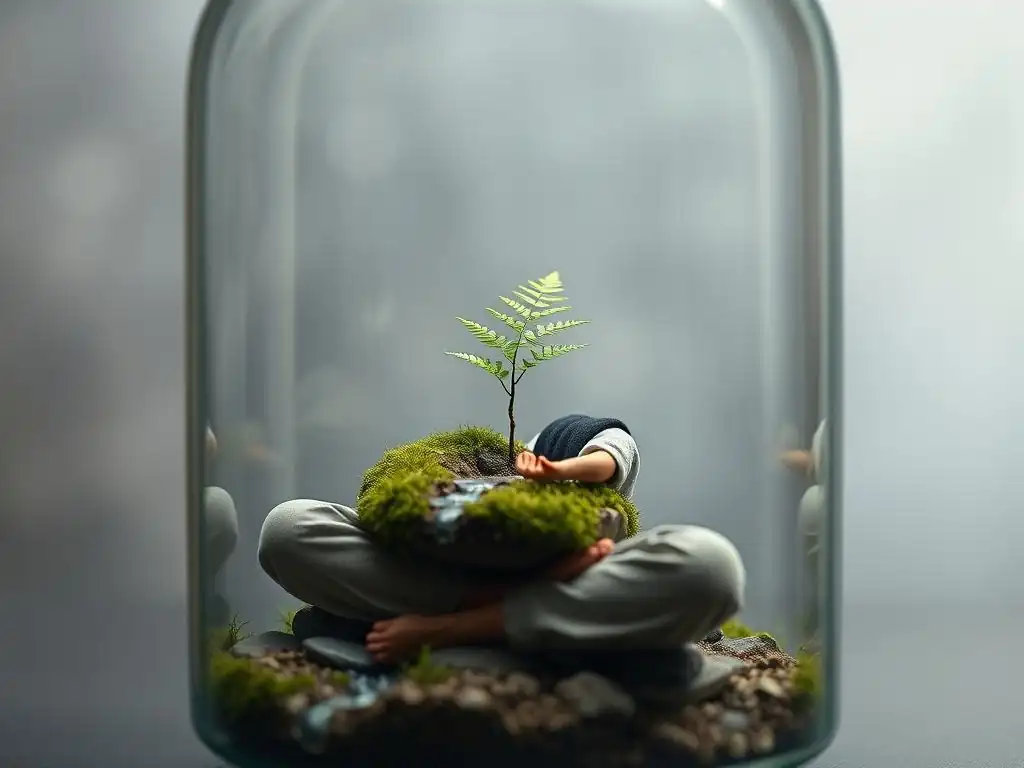
Navigating climate anxiety can be challenging, and accessing reliable information and support is crucial. Fortunately, a growing number of resources are available to help individuals understand their feelings, connect with others, and find guidance on effective eco-anxiety coping strategies.
Online Communities and Forums for Climate Anxiety Support
Connecting with others who share similar experiences can significantly reduce feelings of isolation associated with climate anxiety. Numerous online communities, forums, and social media groups have emerged where people can share their feelings, discuss coping mechanisms, and find mutual support. These platforms offer a space for validation and shared understanding, which can be incredibly comforting.
Many mental health organizations and environmental groups host online forums or curate lists of such communities. While engaging online, it's important to seek out supportive and moderated spaces that prioritize well-being and constructive engagement over doomscrolling or negativity.
Books and Articles on Coping with Climate Change and Mental Health
A wealth of literature is available addressing the intersection of climate change and mental health. Books and articles written by psychologists, environmentalists, and journalists offer insights into the nature of climate anxiety, its psychological roots, and various coping strategies.
These resources can provide valuable frameworks for understanding your feelings, offer practical techniques for managing distress, and share inspiring stories of action and resilience. Searching for titles on "eco-anxiety," "climate psychology," or "coping with climate change" can yield helpful reads that deepen your understanding and equip you with tools.
Mental Health Professionals Specializing in Climate Anxiety Treatment
For individuals experiencing significant or debilitating climate anxiety, seeking support from a mental health professional is highly recommended. A growing number of therapists, counselors, and psychologists are specializing in climate-aware therapy, which specifically addresses the psychological impacts of the climate crisis.
These professionals can help you process difficult emotions, develop personalized coping strategies, and address underlying vulnerabilities that might be exacerbated by climate concerns. Look for therapists who mention "climate anxiety," "eco-anxiety," or "environmental distress" in their specializations or profiles when seeking professional help.
Story of Action: How Community Gardens Can Combat Climate Anxiety
Growing Hope: One Woman's Journey from Climate Despair to Community Leadership
Sarah, a graphic designer in her late 30s, felt increasingly overwhelmed by climate anxiety. News reports left her sleepless, and she found herself withdrawing from friends, feeling hopeless about the future. Traditional eco-anxiety coping strategies like limiting news helped somewhat, but the underlying despair remained. She felt paralyzed by the scale of the problem, unsure how one person could possibly make a difference against such a global threat.
Seeking a more tangible way to engage with environmental issues and connect with her community, Sarah joined a fledgling community garden project in her neighborhood. Initially, she just helped with weeding on weekends. However, as she spent more time with her hands in the soil, connecting with the cycles of growth and decay, and working alongside neighbors of all ages, her perspective began to shift.
She learned about local ecosystems, the importance of pollinators, and how even a small plot of land could support biodiversity and produce food with a minimal carbon footprint. The shared effort and visible results – ripe tomatoes, buzzing bees, vibrant flowers – provided a powerful contrast to the abstract, overwhelming nature of global climate news.
She found that nurturing life in her small corner of the world was a potent antidote to the despair she felt about larger environmental destruction. This experience became a core part of her personal eco-anxiety coping strategies guide, demonstrating the power of local, tangible action.
Empowering Yourself: Embracing a Sustainable and Meaningful Life
Managing climate anxiety is not just about reducing negative feelings; it's also about building a life that feels meaningful and aligned with your values in the face of environmental challenges. This involves integrating environmental consciousness into your daily existence in a way that feels empowering rather than burdensome.
Integrating Environmental Values into Your Daily Routine
Embedding environmental values into your daily routine transforms them from abstract concerns into lived practices. This could involve making conscious choices about your commute, your purchases, your energy use, and your waste disposal. It means choosing to walk or bike when possible, opting for reusable containers, supporting local and sustainable businesses, and conserving resources at home.
These actions, when performed consistently, become habits that reinforce your commitment to the planet. This integration provides a sense of integrity and purpose, knowing that your daily life reflects your deep care for the environment. It's a continuous process of learning and adapting, finding ways to live more lightly on the Earth while still enjoying a full and meaningful life. This active integration is a powerful component of effective eco-anxiety coping strategies.
Building a Future Where Mental Well-being and Environmental Sustainability Go Hand-in-Hand
Ultimately, addressing climate anxiety involves recognizing that human well-being and environmental sustainability are intrinsically linked. A healthy planet is essential for human physical and mental health. Building a future where both can thrive requires a holistic approach that integrates psychological resilience with environmental action.
This vision involves creating communities that are not only environmentally sustainable but also supportive, resilient, and conducive to mental well-being. It means advocating for policies that protect both the planet and public health, fostering a culture of care for both people and nature, and developing eco-anxiety coping strategies that are accessible and effective for everyone. By working towards a future where ecological health and human mental health are prioritized together, we can transform anxiety into a powerful force for positive, lasting change.
Frequently Asked Questions
What exactly is EcoAnxiety, and why is it becoming more prevalent?
EcoAnxiety is defined as the worry or distress related to the state of the environment and the potential impacts of climate change. Its prevalence is increasing due to growing awareness of environmental issues and their potential consequences. This is fueled by constant media coverage and scientific reports.
What are some common symptoms of EcoAnxiety that I should be aware of?
Common symptoms include feelings of hopelessness, sadness, anxiety, and even anger related to environmental issues. Physical symptoms like sleep disturbances and appetite changes can also occur due to chronic stress. Recognizing these signs is the first step to managing EcoAnxiety.
What are some practical EcoAnxiety coping strategies this guide offers?
This guide offers strategies such as taking action in your community, engaging in mindfulness practices, and connecting with others who share your concerns. It also emphasizes the importance of limiting exposure to overwhelming news cycles.
How can I balance staying informed about environmental issues with managing my EcoAnxiety?
Finding a balance involves setting healthy boundaries around your news consumption and focusing on constructive action. Prioritize reputable sources and limit the time spent on doom-scrolling, focusing instead on solutions and positive change.
Where can I find additional support and resources if I'm struggling with EcoAnxiety?
Mind Care Guide offers a wealth of information and resources, including articles, support groups, and links to mental health professionals. You can also explore local environmental organizations to find community and opportunities for action.
Final Reflection: Finding Peace in a Changing World
The urgency of the climate crisis is undeniable, and the resulting eco-anxiety is a shared experience for many. It's no longer a niche concern; it's a pervasive feeling impacting mental health and well-being globally. Understanding and managing this anxiety is not about ignoring the problem, but about equipping ourselves to engage with it effectively and compassionately.
Eco-anxiety, while a painful reality, has also become a powerful catalyst for positive change. It's pushed individuals to become more conscious consumers, active advocates, and passionate protectors of our planet. This collective awakening is crucial. The greatest danger is not that our aim is too high and we miss it, but that it is too low and we reach it.
- Michelangelo. This quote resonates deeply because the scale of the challenge demands ambitious action, and managing our emotional response is key to sustaining that effort.
You now have tools to navigate your eco-anxiety journey. Remember, acknowledging your feelings is the first step towards empowerment. Take the time to explore the strategies discussed – from mindful practices to community engagement – and find what resonates most with you. This is not a race; it's a marathon requiring self-compassion and consistent effort. Embrace the journey, find your voice, and become a part of the solution. Your well-being and the planet's future depend on it.
Unleash Your Eco-Warrior Within: Take Charge of Your Planet & Your Peace
Thanks for joining us on this journey toward managing eco-anxiety! We hope you've gained valuable tools and insights to navigate this important emotional landscape. Now it’s time to put that knowledge into action.
Here’s how to take the next step:
- Prioritize one small, sustainable action this week. Whether it's reducing plastic use, supporting a local environmental project, or adopting eco-friendly habits, even small changes can make a meaningful difference.
- Share this article with someone who might find it helpful. Let’s build a community of support around eco-anxiety and inspire positive change together.
- Explore additional resources on managing eco-anxiety by searching relevant keywords online. This can help you discover more solutions and connect with others who share your concerns.
What small step will you take today to feel more empowered about your impact on the planet and your well-being?