
EcoAnxiety in Children: Recognizing the Signs and Offering Support

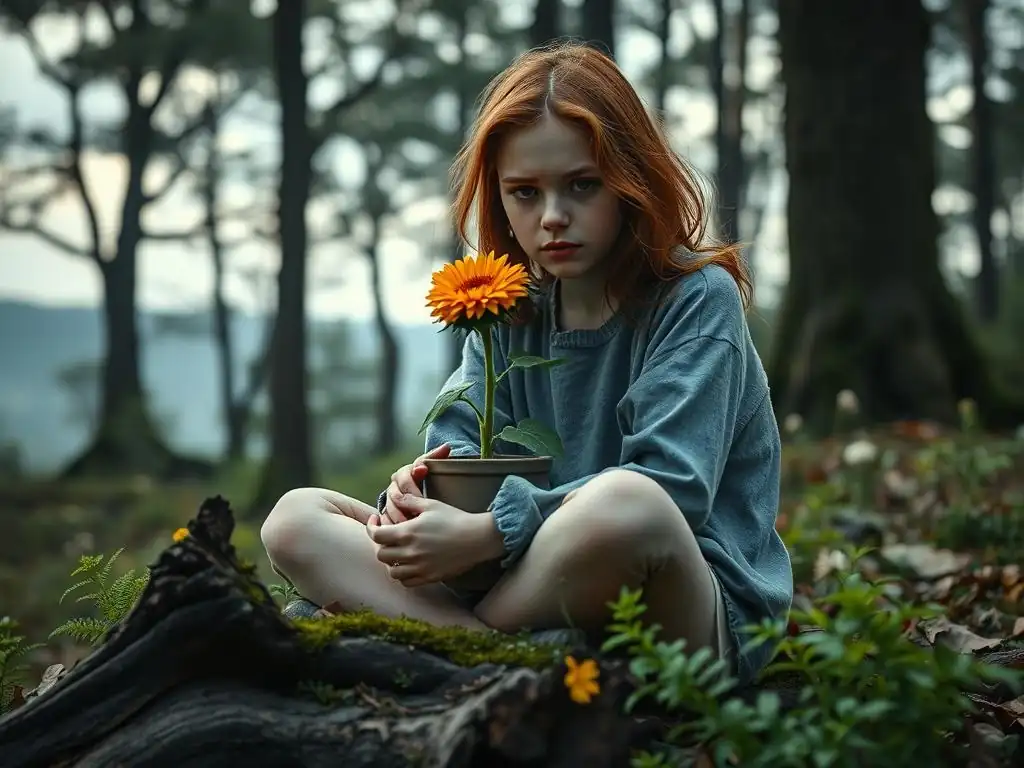
Welcome to Mind Care Guide, a safe space dedicated to nurturing mental well-being. Are you noticing signs of worry or distress in your child related to the climate crisis? You're not alone. Many parents are seeking answers about childhood ecoanxiety symptoms. Discover practical strategies and compassionate support to help your child navigate these anxieties and build resilience in the face of our changing world. Let's explore together how we can empower the next generation to cope with ecoanxiety and become agents of positive change.
EcoAnxiety in Children: Recognizing the Signs and Offering Support - Mind Care Guide
- Understanding EcoAnxiety in Children: A Growing Mental Health Concern
- Recognizing Childhood Ecoanxiety Symptoms: A Practical Guide for Parents and Educators
-
Providing Support for Children Experiencing EcoAnxiety: Practical Strategies and Resources
- Creating a Safe Space for Children to Express Their Feelings
- Empowering Children Through Age-Appropriate Climate Action
- Connecting Children with Nature to Foster Resilience and Hope
- Seeking Professional Help: When to Consult a Therapist or Counselor
- Resources for Parents and Educators on Addressing Childhood Ecoanxiety Symptoms Help
- Fostering Hope and Resilience in the Face of Climate Change: A Long-Term Approach
- Conclusion: Empowering Future Generations to Cope with EcoAnxiety
-
Frequently Asked Questions
- What is eco-anxiety in children, and how does it differ from general anxiety?
- What are some common symptoms of eco-anxiety in children?
- How can I tell if my child's worries about the environment are normal or indicative of eco-anxiety?
- What are some practical steps I can take to help my child cope with eco-anxiety?
- Where can I find additional resources and support for my child struggling with eco-anxiety?
- Final Reflection: Nurturing Hope in a Changing World
- Unleash Your Child's Eco-Hope: Practical Steps to Support Them
Understanding EcoAnxiety in Children: A Growing Mental Health Concern
Defining EcoAnxiety and Its Impact on Young Minds
EcoAnxiety, often described as chronic fear of environmental doom, is an increasingly recognized form of anxiety that stems from concerns about climate change and ecological collapse. For children, this can manifest as deep worry, sadness, or even despair regarding the state and future of the planet. Unlike general anxiety which might focus on personal immediate threats, ecoanxiety is often linked to large-scale, existential fears about environmental degradation, species extinction, and the long-term consequences for their own future and that of humanity. This pervasive sense of dread can significantly impact a child's emotional well-being and daily functioning.
Recent studies highlight the prevalence of these feelings among young people globally. A survey published in The Lancet Planetary Health in 2021 involving 10,000 young people across ten countries found that 59% were very or extremely worried about climate change. Furthermore, 84% were at least moderately worried. This suggests that ecoanxiety is not a niche concern but a widespread experience among the youth, potentially affecting their mental health and outlook on life from a young age. Understanding these deep-seated fears is the first step in providing effective childhood ecoanxiety symptoms help.
The Link Between Climate Change and Childhood Anxiety
The undeniable reality of climate change, with its increasing frequency of extreme weather events like heatwaves, floods, and wildfires, provides a tangible link to rising anxiety levels in children. Children are exposed to news and images of these events, sometimes directly experiencing their impact, which can be deeply unsettling. This constant exposure, combined with scientific reports and discussions about future environmental crises, creates a sense of impending threat that their young minds are still processing and struggling to cope with. The uncertainty and perceived lack of control over these global issues can be particularly anxiety-inducing.
Beyond direct exposure to climate events, the pervasive narrative surrounding climate change in media, schools, and family discussions contributes significantly to this anxiety. While awareness is crucial, the way information is presented can sometimes amplify fear without providing adequate frameworks for understanding, hope, or action.
For example, a child learning about melting ice caps and rising sea levels might develop fears about their future home being flooded, even if they live far from the coast. This indirect but constant exposure to alarming information fuels the development of symptoms of ecoanxiety in children, making it vital to address how these topics are discussed and presented.
Why Children are Particularly Vulnerable to EcoAnxiety
Children are uniquely vulnerable to ecoanxiety due to several developmental and societal factors. Their cognitive abilities are still maturing, making it difficult for them to fully process complex, abstract threats like climate change, which can feel overwhelming and incomprehensible. They often rely on adults for safety and security, and witnessing adult worry or inaction can amplify their own fears. Furthermore, children have a limited sense of agency; they understand the problem but may feel powerless to do anything about it, leading to feelings of helplessness and frustration that contribute to anxiety.
Their sense of time and future is also different. Climate change is often framed as a future problem, but for children, that future feels much closer and more directly impacts their lifespan. They are inheriting a world facing significant environmental challenges, and this awareness can lead to a profound sense of injustice or betrayal. This developmental stage, combined with their innate empathy and connection to the natural world, makes them highly susceptible to absorbing and internalizing the anxieties surrounding environmental issues. Recognizing this vulnerability is key to providing appropriate childhood ecoanxiety symptoms help.
Recognizing Childhood Ecoanxiety Symptoms: A Practical Guide for Parents and Educators
Identifying Emotional and Behavioral Signs of EcoAnxiety
Recognizing the signs of ecoanxiety in children requires careful observation, as symptoms can manifest in various ways, often overlapping with other forms of anxiety or stress. Emotional indicators might include persistent sadness, grief, or anger related to environmental issues. Children might express feelings of hopelessness about the future or guilt about their own or their family's environmental impact. They may become overly sensitive to environmental news or avoid it altogether due to distress.
Behaviorally, you might observe changes like withdrawal from activities they once enjoyed, increased clinginess, or avoidance of situations that trigger environmental thoughts, such as nature documentaries or discussions about current events. Some children might develop obsessive behaviors related to environmental actions, like excessive recycling or elaborate rituals to save water, driven by anxiety rather than balanced concern. These changes in disposition and behavior are important clues when seeking to identify symptoms of ecoanxiety in children.
Frequent Worrying and Fear About the Future of the Planet
One of the most prominent signs of ecoanxiety is frequent and intense worrying specifically tied to the environment and the planet's future. This isn't just a passing thought but a persistent preoccupation that can intrude on their daily activities and thoughts. Children might ask repetitive questions about natural disasters, species extinction, or what will happen when they grow up, expressing deep fear about ecological collapse or the habitability of the Earth.
This constant worry can manifest as catastrophic thinking, where they imagine worst-case scenarios related to climate change, such as widespread famine, mass migration, or the destruction of their home. This level of fear goes beyond typical childhood worries and is specifically fixated on environmental threats, indicating a need for support in managing these overwhelming anxieties and providing childhood ecoanxiety symptoms help.
Increased Irritability and Difficulty Concentrating
EcoAnxiety can significantly impact a child's emotional regulation and cognitive function. The constant underlying stress and worry can lead to increased irritability, frustration, and even anger, sometimes directed at those they perceive as not caring enough about the environment or contributing to the problem. They might have shorter tempers or react disproportionately to minor issues due to the background hum of anxiety.
Furthermore, the intrusive nature of eco-worries can make it difficult for children to focus on schoolwork, hobbies, or even playtime. Their minds may constantly drift to environmental fears, impairing their concentration and potentially leading to a decline in academic performance or difficulty engaging in activities that require sustained attention. Recognizing these shifts in mood and focus is crucial for parents and educators trying to understand symptoms of ecoanxiety in children.
Changes in Sleep Patterns and Appetite
Anxiety, regardless of its source, often disrupts basic physiological functions like sleep and appetite, and ecoanxiety is no exception. Children experiencing significant eco-distress might have trouble falling asleep, wake up frequently during the night, or experience nightmares related to environmental disasters. Sleep disturbances can exacerbate irritability and difficulty concentrating during the day, creating a negative feedback loop.
Similarly, changes in appetite are common. Some children might lose interest in food, leading to decreased intake and potential weight loss, while others might use food as a coping mechanism, resulting in overeating. These physical manifestations are often direct indicators of underlying stress and anxiety and should be noted when observing a child for potential childhood ecoanxiety symptoms help.
Physical Symptoms Related to EcoAnxiety (e.g., Headaches, Stomachaches)
Stress and anxiety often manifest physically in children who may not have the verbal skills to fully articulate their emotional distress. EcoAnxiety can lead to a range of somatic complaints that don't have a clear medical cause. Common physical symptoms include recurrent headaches, stomachaches, nausea, or muscle tension.
These physical symptoms might become more pronounced during or after discussions about climate change, exposure to environmental news, or even when thinking about their fears. A child complaining of persistent stomachaches before school, especially if there's no medical explanation, could be experiencing anxiety, including ecoanxiety, related to worries that surface during the day. Recognizing these physical signs is an important part of identifying symptoms of ecoanxiety in children.
Differentiating EcoAnxiety from Normal Environmental Concern
It's important to distinguish between healthy environmental concern and debilitating ecoanxiety. A child who is concerned about the environment might show interest in recycling, participate enthusiastically in school environmental projects, and express sadness about pollution or endangered animals. This concern is typically motivating; it drives positive action and is manageable without causing significant distress or impairing daily function.
EcoAnxiety, on the other hand, is characterized by pervasive, often irrational, and overwhelming fear that leads to significant distress, functional impairment, and feelings of hopelessness or despair. While a concerned child might feel sad about a news story, a child with ecoanxiety might become paralyzed by the information, unable to sleep or focus, and express a belief that there is no point in trying because everything is doomed.
The key difference lies in the intensity, pervasiveness, and impact on the child's overall well-being and ability to function. Understanding this distinction helps parents and educators provide appropriate childhood ecoanxiety symptoms help.
Providing Support for Children Experiencing EcoAnxiety: Practical Strategies and Resources
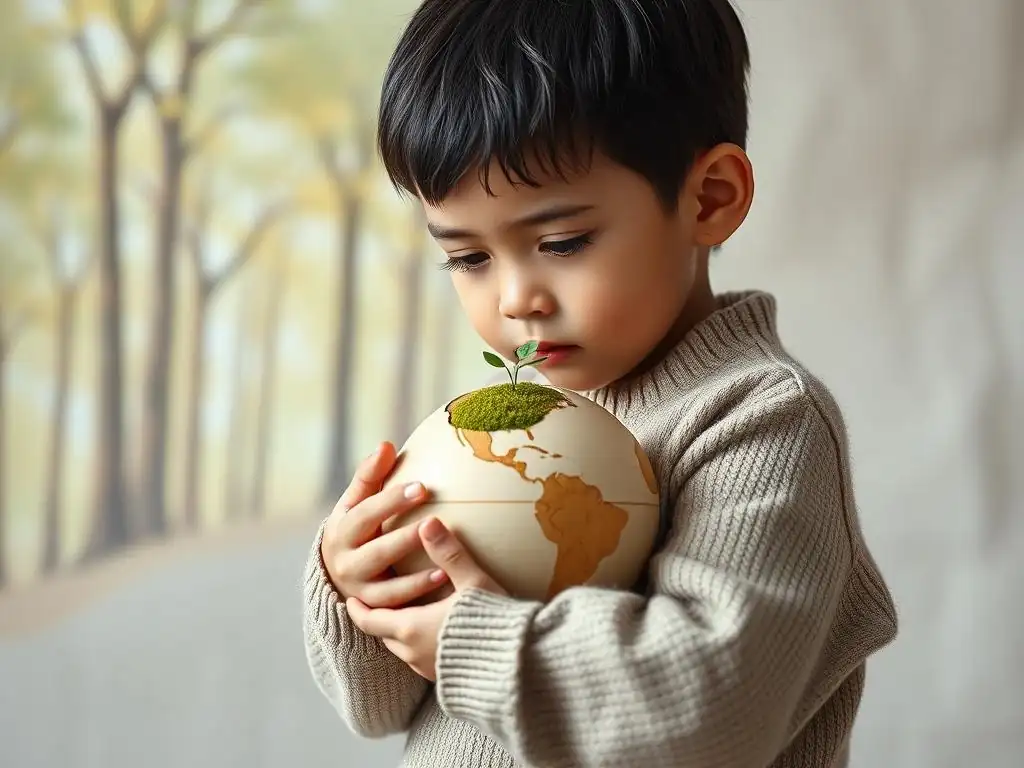
Creating a Safe Space for Children to Express Their Feelings
One of the most crucial steps in helping children with ecoanxiety is to create an environment where they feel safe and encouraged to express their feelings without judgment. This involves being available to listen when they want to talk and initiating conversations in a gentle, non-pressured way. Let them know it's okay to feel scared, sad, or angry about what's happening to the planet.
This safe space should be built on trust and empathy. It means actively listening to their fears, validating their emotions, and avoiding responses that might shut down communication. For example, a child might say, "I'm scared the world is going to end because of climate change." An empathetic response validates the feeling, like "It sounds really scary to think about that," rather than dismissing it with "Don't be silly, that won't happen." Providing this emotional safety net is fundamental to offering childhood ecoanxiety symptoms help.
Active Listening and Validation Techniques
Active listening involves fully concentrating on, understanding, responding to, and remembering what is being said. When a child talks about their eco-worries, put away distractions, make eye contact, and listen attentively. Reflect back what you hear to ensure you understand their perspective, for example, "So, you're feeling really worried about the animals losing their homes because of climate change?"
Validation isn't about agreeing with the specifics of their fear but acknowledging the legitimacy of their emotional response to that fear. Statements like "It makes sense that you feel sad when you hear about forests being cut down" or "It sounds really overwhelming to think about all those big problems" help the child feel heard and understood. This validation is a powerful tool in managing the intensity of symptoms of ecoanxiety in children.
Avoiding Dismissive or Minimizing Statements
It is vital to avoid responses that might dismiss or minimize a child's feelings, even if done with the intention of reassuring them. Phrases like "Don't worry about it," "You're too young to understand," or "It's not that bad" can make a child feel misunderstood, ashamed of their feelings, and less likely to open up in the future. While adults may struggle with their own eco-anxiety, projecting that discomfort onto the child is unhelpful.
Instead of dismissing, focus on validating the feeling and then gently guiding towards manageable actions or realistic hope. For example, instead of "Don't worry," try "I understand why you're worried. Let's think about what we can do." This approach validates their experience while offering pathways for coping and action, which is key for providing childhood ecoanxiety symptoms help.
Empowering Children Through Age-Appropriate Climate Action
Feeling a sense of agency is a powerful antidote to the helplessness that fuels ecoanxiety. Engaging children in age-appropriate actions related to climate change can transform passive worry into active hope. This isn't about burdening them with the responsibility of solving global problems but about helping them feel they can make a positive difference, however small.
Actions can range from simple household practices to participating in community projects. The goal is to foster a sense of empowerment and connection to solutions rather than just focusing on the problems. This shift in focus from passive fear to active participation is a critical component of supporting children and addressing symptoms of ecoanxiety in children.
Engaging in Sustainable Practices at Home and School
Simple, tangible actions within the child's immediate environment can be very empowering. Involve them in household recycling efforts, explain why you conserve water and energy, or create a family composting system. At school, encourage participation in environmental clubs, school garden projects, or waste reduction initiatives.
These activities provide concrete ways for children to contribute to positive environmental change. They learn that their actions have an impact and that collective small efforts can make a difference. This hands-on involvement reduces feelings of powerlessness and provides a constructive outlet for their environmental concerns, offering practical childhood ecoanxiety symptoms help.
Participating in Community-Based Environmental Initiatives
Beyond the home and school, participating in broader community environmental actions can further amplify a child's sense of agency and connection. This could involve joining a local park cleanup day, helping plant trees in a community space, or participating in a local awareness campaign about a specific environmental issue.
These activities provide opportunities for children to connect with others who share similar concerns and are working towards solutions. Being part of a collective effort reduces feelings of isolation and reinforces the idea that they are not alone in their worries or in working towards a better future. This community involvement is a powerful strategy for building resilience and addressing symptoms of ecoanxiety in children.
Connecting Children with Nature to Foster Resilience and Hope
Spending time in nature is not only calming but also fosters a deeper connection to the natural world that they are worried about protecting. Direct experiences with nature can shift the focus from abstract threats to the beauty and wonder of ecosystems, nurturing appreciation and a desire to protect from a place of love rather than fear.
Regular time outdoors, whether it's a walk in a park, exploring a local trail, or simply playing in a backyard, can reduce stress and anxiety levels. Nature provides a sense of perspective and peace, reminding children of the resilience and regenerative power of the Earth, which can be a powerful antidote to feelings of hopelessness associated with ecoanxiety. This connection is vital for long-term childhood ecoanxiety symptoms help.
Spending Time Outdoors and Appreciating the Natural World
Make spending time outdoors a regular part of your routine. Encourage unstructured play in natural settings, go for hikes, or simply sit together outside and observe the birds, insects, and plants. Encourage them to use their senses – to notice the smell of rain, the feel of bark, the sounds of nature.
This direct engagement helps children develop a personal relationship with the environment. It moves environmental issues from being purely abstract problems discussed on screens to a lived reality they cherish and want to protect. This personal connection can be a strong foundation for resilience against eco-anxiety.
Learning About Biodiversity and Ecosystems
Learning about the complexity and interconnectedness of ecosystems can foster a sense of wonder and respect for nature. Explore local flora and fauna, learn about migratory birds, or investigate the life cycle of insects. Understanding how different species and elements of nature rely on each other can provide a more nuanced and hopeful perspective than simply focusing on threats.
Educational resources like nature guides, documentaries (curated for age-appropriateness and balanced messaging), or visits to nature centers can make learning engaging. This knowledge builds appreciation and highlights the intricate beauty of the world, counterbalancing the negative focus of eco-anxiety and providing a pathway towards effective childhood ecoanxiety symptoms help.
Seeking Professional Help: When to Consult a Therapist or Counselor
While the strategies above can provide significant support, there are times when professional help is necessary. If a child's ecoanxiety is persistent, severe, and significantly interfering with their daily life – impacting sleep, appetite, school attendance or performance, social interactions, or overall mood for an extended period – it may be time to consult a mental health professional.
A therapist or counselor, particularly one experienced in working with children and anxiety, can provide tailored strategies and support. They can help the child understand and process their feelings, develop coping mechanisms, and challenge unhelpful thought patterns related to their environmental worries. Seeking this specialized support is a crucial step for comprehensive childhood ecoanxiety symptoms help.
Finding a Therapist Experienced in Working with Children and Anxiety
Look for therapists who specialize in child and adolescent mental health. Experience with anxiety disorders is important, and increasingly, therapists are becoming knowledgeable about ecoanxiety specifically. Don't hesitate to ask potential therapists about their experience with environmental concerns or anxiety related to global issues in young people.
Professional organizations or mental health directories can be good starting points for finding qualified practitioners. A therapist can provide a safe, confidential space for the child to explore their fears and develop healthy coping strategies, offering a level of support that parents and educators, while crucial, may not be equipped to provide alone.
Cognitive Behavioral Therapy (CBT) Techniques for EcoAnxiety
Cognitive Behavioral Therapy (CBT) is a therapeutic approach often used for anxiety that can be adapted to address ecoanxiety. CBT helps individuals identify and challenge negative thought patterns (cognitions) and change unhelpful behaviors. For ecoanxiety, this might involve identifying catastrophic thoughts ("The world is ending") and replacing them with more balanced perspectives ("Climate change is a serious challenge, but many people are working on solutions, and there are things I can do").
CBT techniques can also include exposure therapy (gradually confronting feared information in a controlled way), relaxation techniques (like deep breathing or mindfulness) to manage physical symptoms of anxiety, and behavioral activation (encouraging engagement in positive activities despite worry). These techniques provide children with practical tools to manage their eco-anxiety symptoms helpfully and constructively.
Resources for Parents and Educators on Addressing Childhood Ecoanxiety Symptoms Help
Parents and educators also need resources and support to effectively help children navigate ecoanxiety. Understanding the issue themselves and having access to reliable information and strategies is crucial for providing informed support.
Books, Websites, and Organizations Dedicated to Climate Change and Mental Health
Numerous resources are becoming available to help adults understand and address ecoanxiety in young people. Look for books written by child psychologists or climate psychology experts on the topic. Websites of reputable mental health organizations or environmental groups often provide guides, articles, and tips specifically for parents and educators.
Organizations focusing on the psychological impacts of climate change, such as the Climate Psychology Alliance or the American Psychological Association's resources on climate change, can offer valuable insights and strategies. These resources provide foundational knowledge and practical tools for offering childhood ecoanxiety symptoms help.
Support Groups for Children and Families
Connecting with others who are experiencing similar challenges can be incredibly helpful. While less common specifically for children's ecoanxiety, support groups for parents dealing with anxious children or groups focused on climate action and well-being can offer a sense of community and shared experience.
Some therapists or organizations may facilitate groups specifically for young people to discuss their environmental concerns in a supportive peer environment. These groups can help children feel less alone in their worries and provide a space for collective processing and empowerment, contributing to effective childhood ecoanxiety symptoms help.
Fostering Hope and Resilience in the Face of Climate Change: A Long-Term Approach
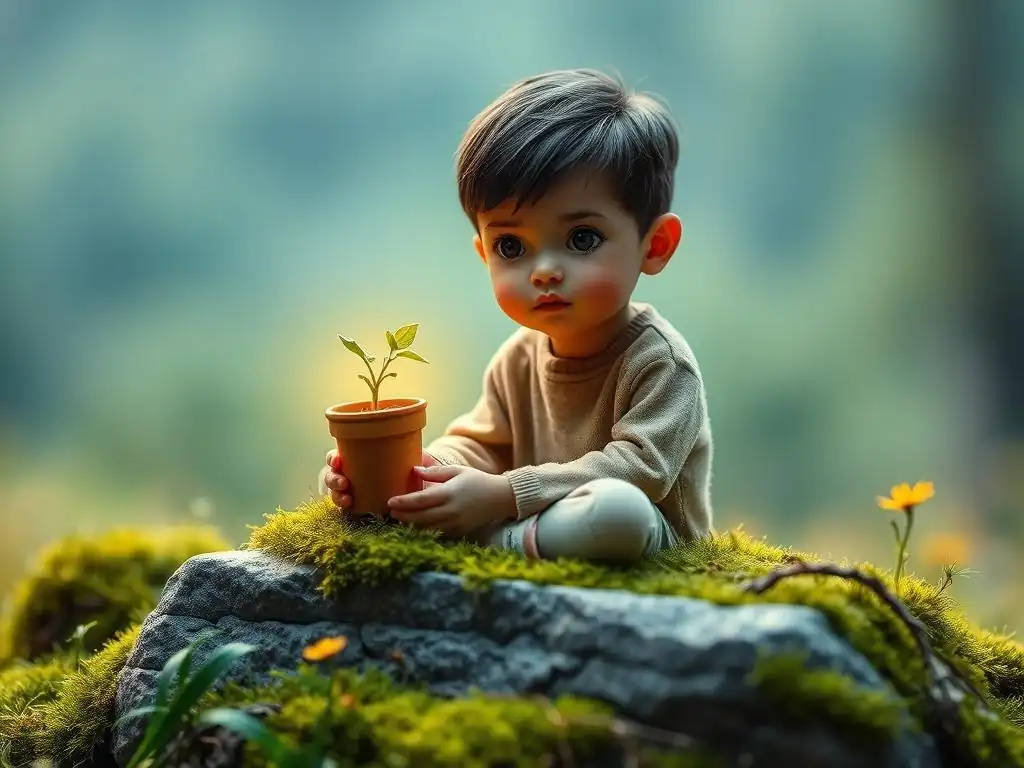
Addressing ecoanxiety in children is not a one-time fix but an ongoing process that involves fostering hope and building resilience. This long-term approach focuses on empowering children with knowledge, agency, and a sense of connection to others working towards a positive future.
Promoting Environmental Education and Awareness
Accurate, age-appropriate environmental education is foundational. This involves teaching children about the science of climate change, its impacts, but crucially, also about solutions and the potential for positive change. Education should be balanced, avoiding overly alarmist language while not shying away from the reality of the challenges.
Learning about renewable energy, sustainable technologies, conservation success stories, and the efforts of individuals and communities worldwide can provide a sense of possibility and hope. Knowledge, when presented constructively, reduces the fear of the unknown and empowers children to understand the complexities and potential pathways forward. This informed perspective is key to managing symptoms of ecoanxiety in children.
Encouraging Open Dialogue About Climate Change Solutions
Maintain open and ongoing conversations about climate change, focusing not just on the problems but on the many innovative solutions being developed and implemented globally. Discuss what scientists, engineers, policymakers, and communities are doing to address the challenges.
Encourage children to think critically and creatively about solutions themselves. What changes would they like to see? How can they contribute? This focus on solutions shifts the narrative from passive doom to active problem-solving and hope, significantly helping in managing childhood ecoanxiety symptoms help.
Building a Sense of Community and Collective Action
Emphasize that climate change is a global challenge that requires collective action. Highlight the power of community and collaboration in driving change. Participating in group activities, whether it's a school recycling program, a community garden, or even sharing environmental tips with friends, reinforces the idea that they are part of a larger movement.
Knowing that they are not alone in their concerns and that many people are working together towards a sustainable future can be incredibly comforting and empowering. This sense of collective efficacy combats feelings of isolation and helplessness, building resilience against eco-anxiety.
Conclusion: Empowering Future Generations to Cope with EcoAnxiety
EcoAnxiety is a valid and growing concern among children, reflecting their sensitivity and awareness of the environmental challenges facing our planet. Recognizing the diverse symptoms of ecoanxiety in children, from emotional distress to physical complaints, is the first critical step for parents and educators. Providing childhood ecoanxiety symptoms help involves creating safe spaces for expression, validating their feelings, and empowering them through age-appropriate action.
Connecting with nature and, when necessary, seeking professional support are also vital components of a comprehensive approach. By fostering informed hope, encouraging dialogue about solutions, and building a sense of community and collective action, we can equip future generations with the resilience and tools they need to navigate their environmental concerns and work towards a healthier planet and a healthier future for themselves.
Frequently Asked Questions
What is eco-anxiety in children, and how does it differ from general anxiety?
Eco-anxiety in children is anxiety specifically related to environmental concerns and the future of the planet. It differs from general anxiety as its root cause is the perceived threat of climate change and ecological damage.
What are some common symptoms of eco-anxiety in children?
Common symptoms include excessive worry about environmental issues, feelings of helplessness, and changes in behavior such as increased irritability or withdrawal. They may also experience physical symptoms like headaches or stomach aches.
How can I tell if my child's worries about the environment are normal or indicative of eco-anxiety?
It's normal for children to be aware of environmental issues. However, if their worries are persistent, overwhelming, and significantly impacting their daily life, it may indicate eco-anxiety. Look for signs of distress and changes in their usual behavior.
What are some practical steps I can take to help my child cope with eco-anxiety?
Encourage open communication about their feelings, provide age-appropriate information about environmental issues, and empower them to take positive actions like recycling or reducing waste.
Where can I find additional resources and support for my child struggling with eco-anxiety?
Websites like Mind Care Guide offer information and resources on mental well-being. You can also seek guidance from mental health professionals specializing in anxiety and environmental psychology, or support groups for children and families affected by eco-anxiety.
Final Reflection: Nurturing Hope in a Changing World
The escalating climate crisis isn't just an environmental issue; it's a profound mental health challenge, particularly for children. Their inherent vulnerability and long-term stake in the planet's future make them especially susceptible to eco-anxiety, a growing concern demanding immediate attention and understanding. We must move beyond simply recognizing the symptoms and actively create spaces for healing and hope.
Witnessing the anxieties of young people grappling with the future of our planet is both heartbreaking and deeply inspiring. Their passion for environmental protection underscores the urgency of the situation, but also highlights the resilience and capacity for change within the younger generation. The future belongs to those who believe in the beauty of their dreams.
- Eleanor Roosevelt. This quote resonates deeply, as we must empower children to dream of a sustainable future and provide them with the tools to make those dreams a reality. Their anxieties are a testament to their empathy and understanding of the interconnectedness of life, a powerful force for positive change.
The path forward requires collective action. It's not enough to simply acknowledge the problem; we must actively engage in creating solutions. You, the reader, hold a crucial role in this process. Consider how you can support the children in your life – whether it's your own children, students, or simply young people in your community. Educate yourself on eco-anxiety, create open dialogues about climate change, and actively participate in environmental initiatives. By fostering hope and empowering action, we can help nurture a generation equipped to tackle the challenges ahead and build a more sustainable and equitable future for all.
Unleash Your Child's Eco-Hope: Practical Steps to Support Them
Thanks for taking the time to learn about eco-anxiety in children. You've now equipped yourself with valuable knowledge to understand and address this growing concern. Let's turn that knowledge into action!
- Prioritize open conversations: Start a dialogue with your child about their environmental concerns. Create a safe space for them to share their feelings without judgment. This is the most crucial step towards fostering resilience.
- Explore nature together: Plan a family outing to a local park, nature reserve, or even your own backyard! Reconnect with the natural world and experience its beauty firsthand.
- Share this vital information: Help other parents and caregivers by sharing this article with your network. Let's build a community of support around this important issue.
What small action will you take today to nurture your child's connection with the environment and help them overcome eco-anxiety?