
Building Resilience to EcoAnxiety: Strengthening Your Mental Fortitude


Welcome to Mind Care Guide, a sanctuary dedicated to your mental well-being.
Feeling overwhelmed by the state of our planet? You're not alone. Many are experiencing ecoanxiety, a growing concern that impacts our mental health. In this Ecoanxiety Resilience Strategies Guide, we'll explore practical and empowering ways to navigate these feelings, cultivate inner peace, and find hope amidst the climate crisis. Ready to discover how to build your mental fortitude and protect your well-being? Let's begin.
- Ecoanxiety Resilience Strategies Guide: Building Mental Fortitude for Climate Change Concerns
- Developing Ecoanxiety Resilience: Practical Strategies for Mental Wellbeing
- Coping with Climate Change Distress: Practical Steps and Resources
- Maintaining Long-Term Ecoanxiety Resilience: Fostering Sustainable Mental Health
- Resources for Ecoanxiety Support: Finding Help and Connection
-
Frequently Asked Questions
- What exactly is EcoAnxiety, and why is it becoming more prevalent?
- How does this "Ecoanxiety resilience strategies guide" help me cope with EcoAnxiety?
- What are some immediate actions I can take to reduce my EcoAnxiety today?
- The guide mentions community engagement. How can getting involved help with EcoAnxiety?
- What if the strategies in the "Ecoanxiety resilience strategies guide" aren't enough? When should I seek professional help?
- Final Reflection: Cultivating Hope in the Face of Ecological Crisis
- Unleash Your Inner Resilience: Take Charge of Your Eco-Wellbeing
Ecoanxiety Resilience Strategies Guide: Building Mental Fortitude for Climate Change Concerns
Defining Ecoanxiety: Fear and Worry in the Face of Environmental Threats
Ecoanxiety is a term used to describe the chronic fear of environmental doom. It is a form of anxiety that stems from observing and being aware of the significant and often irreversible impacts of climate change, such as rising sea levels, extreme weather events, biodiversity loss, and the potential for societal collapse. This isn't merely concern; it's a deep-seated distress that can affect daily functioning and outlook on the future. While not yet formally recognized as a clinical disorder in major diagnostic manuals, mental health professionals increasingly acknowledge it as a legitimate psychological response to a real global crisis.
This specific form of anxiety is distinct from general anxiety because its roots are directly tied to ecological issues. Individuals experiencing ecoanxiety may feel overwhelmed by the scale of the problems, helpless to effect change, and deeply saddened by perceived environmental losses. Research, including surveys conducted by organizations like the American Psychological Association, indicates a growing number of people, particularly younger generations, report experiencing distress related to climate change, underscoring the need for effective ecoanxiety resilience strategies.
The symptoms of ecoanxiety can manifest in various ways, affecting emotional, cognitive, and behavioral states. Emotionally, individuals may experience persistent worry, sadness, grief (often termed "ecological grief" for loss of ecosystems or species), anger, and feelings of helplessness or despair. These emotions can fluctuate depending on exposure to news or personal experiences with environmental changes. For instance, witnessing the aftermath of a severe wildfire or flood can intensify these feelings significantly.
Cognitively, ecoanxiety can lead to intrusive thoughts about environmental collapse, difficulty concentrating on tasks unrelated to climate change, and a sense of dread about the future. Behaviorally, it might result in changes in sleep patterns, appetite, increased irritability, social withdrawal, or obsessive engagement with climate-related news. Some individuals might also experience physical symptoms akin to other forms of anxiety, such as increased heart rate, shortness of breath, or digestive issues, highlighting the profound impact of climate concerns on overall wellbeing and the importance of developing ecoanxiety resilience strategies guide oneself.
Who is Most Vulnerable to Ecoanxiety? Factors increasing susceptibility
While ecoanxiety can affect anyone aware of climate change, certain populations appear more susceptible. Young people, often referred to as "climate generation," are frequently cited as experiencing high levels of ecoanxiety. Studies, such as those conducted by the Lancet Planetary Health, have found that a significant percentage of young people across multiple countries report feeling "very" or "extremely" worried about climate change, with many believing humanity is doomed. Their heightened vulnerability is often linked to inheriting a future profoundly impacted by current environmental decisions and feeling a lack of agency in addressing the crisis.
Other groups at higher risk include individuals whose livelihoods or homes are directly threatened by climate impacts, such as those living in coastal communities prone to sea-level rise, farmers facing unpredictable weather patterns, or Indigenous communities whose cultural practices are tied to specific ecosystems. Additionally, individuals with pre-existing mental health conditions may find their symptoms exacerbated by climate concerns. Empathy and understanding are crucial when considering these varying levels of vulnerability and when discussing ecoanxiety resilience strategies guide approaches.
Developing Ecoanxiety Resilience: Practical Strategies for Mental Wellbeing
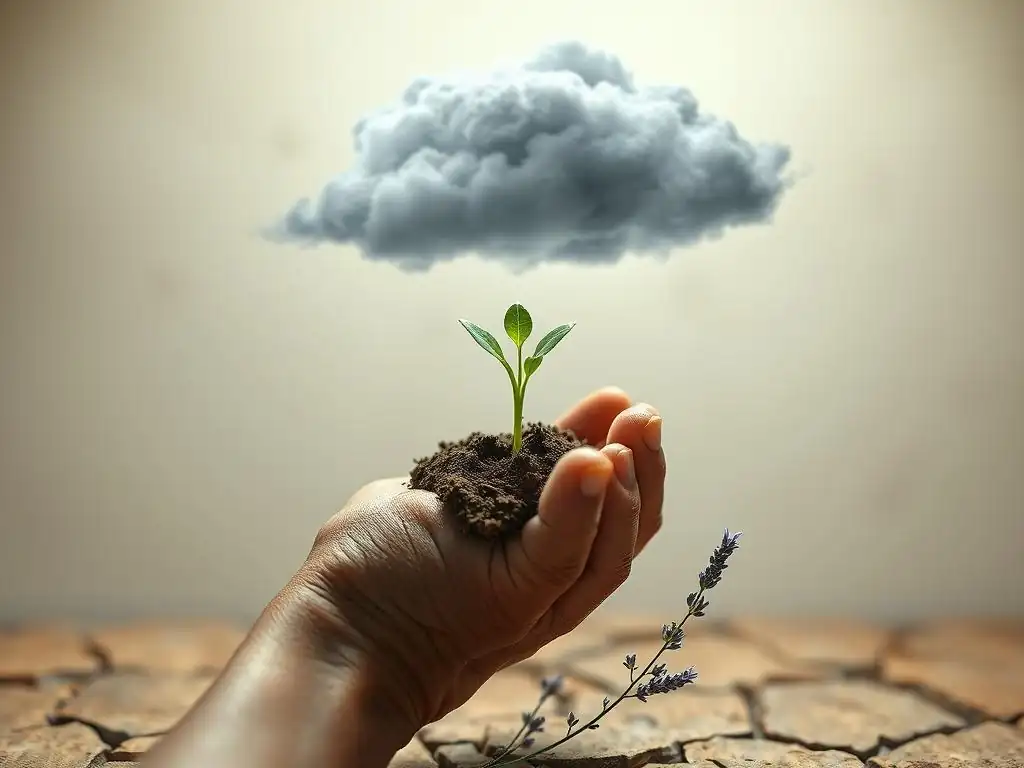
Cognitive Strategies for Ecoanxiety Resilience: Reframing Negative Thoughts
Building ecoanxiety resilience involves actively managing the thoughts that contribute to distress. Cognitive strategies focus on identifying unhelpful thinking patterns and developing more balanced perspectives. This doesn't mean ignoring the reality of climate change, but rather developing mental tools to process the information without becoming overwhelmed. A key aspect is recognizing that while the threat is real, our interpretation of the threat significantly impacts our emotional response.
One foundational cognitive strategy is challenging catastrophic thinking – the tendency to assume the worst possible outcome is inevitable. For example, hearing about a new climate report might trigger thoughts like "Everything is hopeless; we're all going to die." Learning to question these thoughts involves asking: Is this thought 100% true?, What is a more balanced perspective?, or What evidence contradicts this thought?. This process, often used in cognitive behavioral therapy (CBT), helps individuals gain distance from distressing thoughts and reduce their emotional intensity, forming a core component of developing ecoanxiety resilience strategies.
Challenging Catastrophic Thinking: Identifying and Modifying Unhelpful Thought Patterns
Catastrophic thinking in the context of ecoanxiety often manifests as believing that environmental collapse is imminent and irreversible, leaving no room for positive change or adaptation. This all-or-nothing perspective can paralyze individuals, making them feel hopeless and preventing them from taking action or finding solace. Recognizing phrases like "always," "never," "all is lost," or "there's no point" can be indicators of this thought pattern.
Modifying these thoughts involves replacing them with more realistic and nuanced perspectives. Instead of "Everything is hopeless," a modified thought might be: "The situation is serious, but there are ongoing efforts to address it, and my actions, however small, can contribute." This requires actively seeking out information about climate solutions and progress, not just the problems. It's about acknowledging the severity while also recognizing complexity and the possibility of change, which is vital for anyone using an ecoanxiety resilience strategies guide.
Focusing on Solutions: Shifting from Problem-Focused to Action-Oriented Thinking
A significant part of managing ecoanxiety through cognitive strategies is shifting focus from solely dwelling on the problems to exploring solutions and actions. While it's necessary to understand the challenges of climate change, becoming fixated on the scale of the issues without considering responses can fuel helplessness. Consciously directing attention towards what can be done provides a sense of agency and purpose.
This involves seeking out information about renewable energy advancements, conservation success stories, policy changes, and community-level initiatives. Learning about efforts like large-scale reforestation projects or innovations in sustainable agriculture can counteract feelings of despair. Furthermore, identifying personal actions, no matter how small – from reducing waste to supporting local environmental groups – and focusing on the positive impact of these actions helps cultivate a sense of efficacy and contributes directly to building ecoanxiety resilience.
Emotional Regulation Techniques for Climate Anxiety
Beyond managing thoughts, developing ecoanxiety resilience requires skills to regulate the intense emotions that arise from climate concerns. Emotional regulation techniques help individuals process feelings like fear, sadness, and anger in healthy ways, preventing them from becoming overwhelming or leading to burnout. These techniques are not about suppressing emotions, but about experiencing them mindfully and managing their intensity.
Learning to sit with discomfort, rather than avoiding or being consumed by it, is a core principle. This might involve practices that calm the nervous system or help put emotions into perspective. Techniques drawn from mindfulness and acceptance-based therapies are particularly useful for navigating the difficult emotional landscape of climate anxiety, offering practical tools for anyone seeking an ecoanxiety resilience strategies guide.
Mindfulness and Meditation for Ecoanxiety: Cultivating Present Moment Awareness
Mindfulness and meditation practices are powerful tools for managing anxiety, including ecoanxiety. Mindfulness involves paying attention to the present moment without judgment, observing thoughts, feelings, and bodily sensations as they arise. This practice can help individuals become aware of their anxious responses to climate news or thoughts without being immediately swept away by them. By creating space between the stimulus (e.g., a news headline) and the reaction (e.g., panic), mindfulness allows for a more considered response.
Regular meditation practice, even for a few minutes daily, can help calm the nervous system and reduce overall anxiety levels. Techniques like focusing on the breath or body scan meditation can ground individuals when feeling overwhelmed by climate concerns. Studies have shown that mindfulness can reduce rumination and emotional reactivity, making it easier to process difficult information about the environment without becoming paralyzed by fear, thereby enhancing ecoanxiety resilience.
Grounding Techniques for Managing Anxiety: Connecting with the Physical World
When feelings of ecoanxiety become intense, grounding techniques can help bring an individual back to the present moment and their physical body, away from overwhelming thoughts about the future or abstract global problems. These techniques use the senses to anchor the mind in the immediate environment. For example, the "5-4-3-2-1" technique involves identifying five things you can see, four things you can touch, three things you can hear, two things you can smell, and one thing you can taste.
Other grounding methods include focusing on the sensation of your feet on the ground, holding a comforting object, or taking a slow walk and paying attention to the movement of your body and the sights and sounds around you. These simple actions can interrupt the anxiety spiral and provide immediate relief, offering practical steps within any ecoanxiety resilience strategies guide for managing acute distress.
Acceptance and Commitment Therapy (ACT) for Ecoanxiety: Embracing Difficult Emotions
Acceptance and Commitment Therapy (ACT) offers a framework particularly relevant to ecoanxiety. ACT encourages individuals to accept difficult thoughts and feelings (like climate-related grief or fear) rather than fighting against them. It posits that trying to eliminate these emotions can often make them stronger. Instead, ACT focuses on clarifying one's values (e.g., protecting the environment, caring for community) and committing to taking action aligned with those values, even in the presence of distress.
For someone with ecoanxiety, this might mean accepting the reality of feeling fearful about the future while still committing to actions like volunteering for a conservation group or advocating for policy change because those actions align with their deep value for the planet. ACT skills, such as cognitive defusion (learning not to be ruled by one's thoughts) and committed action, help individuals build psychological flexibility to navigate the challenges of climate change without being consumed by anxiety, making it a powerful approach for building ecoanxiety resilience.
Behavioral Strategies for Building Ecoanxiety Resilience
Beyond internal cognitive and emotional work, taking action and connecting with the external world are vital behavioral strategies for building ecoanxiety resilience. Feeling helpless is a core component of climate anxiety, and engaging in meaningful activities directly counteracts this feeling by restoring a sense of agency and purpose. These actions can be directly related to environmental issues or focus on strengthening personal wellbeing and connections.
Behavioral strategies emphasize the link between what we do and how we feel. Engaging in positive, constructive behaviors can reduce rumination and despair while increasing feelings of efficacy and connection. Whether it's joining a local clean-up or simply spending time in nature, these actions provide tangible ways to respond to climate concerns and bolster mental fortitude, forming key components of an effective ecoanxiety resilience strategies guide.
Taking Meaningful Action: Engaging in Environmental Activism and Advocacy
One of the most effective ways to combat feelings of helplessness associated with ecoanxiety is to take meaningful action on climate change. This can range from individual lifestyle changes, like reducing personal carbon footprint through diet or transportation choices, to collective action, such as joining environmental organizations, participating in protests, contacting elected officials, or volunteering for conservation projects.
Research suggests that engaging in pro-environmental behaviors and advocacy can reduce anxiety and depression symptoms. For example, participating in a local community garden can provide both a connection to nature and a sense of contributing to local sustainability. Advocacy efforts, like writing letters to policymakers or organizing awareness campaigns, channel anxiety into productive outlets and foster a sense of collective power, demonstrating how action is integral to building ecoanxiety resilience.
Connecting with Nature: Reaping the Mental Health Benefits of the Outdoors
Spending time in nature has well-documented benefits for mental health, which are particularly relevant for managing ecoanxiety. Exposure to natural environments has been shown to reduce stress, improve mood, decrease symptoms of anxiety and depression, and enhance overall psychological wellbeing. Even short periods outdoors, such as a walk in a park or sitting by a tree, can have a calming effect.
This connection with nature can also deepen an individual's motivation to protect the environment, creating a positive feedback loop. Engaging the senses – listening to birdsong, feeling the wind, observing plant life – can be a powerful grounding technique and a reminder of the beauty and complexity of the natural world. Incorporating regular nature exposure into one's routine is a simple yet profound behavioral strategy within any ecoanxiety resilience strategies guide.
Building a Supportive Community: Sharing Concerns and Finding Solidarity
Feeling isolated in one's climate concerns can intensify ecoanxiety. Building a supportive community where individuals can share their feelings, fears, and hopes related to climate change is crucial for resilience. Connecting with others who understand and validate these experiences can reduce feelings of loneliness and provide a sense of shared purpose.
This community can take many forms: joining local environmental groups, participating in online forums dedicated to climate mental health, or simply talking openly with friends and family. Sharing experiences and strategies, working together on environmental projects, or even just offering mutual support can significantly reduce the burden of ecoanxiety and strengthen collective capacity to face climate challenges, underscoring the social dimension of building ecoanxiety resilience.
Coping with Climate Change Distress: Practical Steps and Resources
Creating a Personalized Ecoanxiety Resilience Plan: Tailoring Strategies to Your Needs
Developing an effective approach to ecoanxiety resilience requires recognizing that there is no one-size-fits-all solution. A personalized plan involves identifying which strategies resonate most with your personality, lifestyle, and specific symptoms. This might involve trying out different techniques – cognitive, emotional, and behavioral – and assessing their effectiveness over time.
A personalized plan could include specific actions like scheduling daily mindfulness practice, setting aside dedicated time for environmental volunteering each week, identifying trusted friends for support, and defining boundaries around news consumption. Reviewing and adjusting the plan periodically ensures it remains relevant as your needs and the climate situation evolve, making this a dynamic process central to any individual's ecoanxiety resilience strategies guide.
Limiting Exposure to Climate Change News: Balancing Awareness with Mental Wellbeing
While staying informed about climate change is important for understanding the issue and motivating action, constant exposure to alarming news can exacerbate ecoanxiety. The 24/7 news cycle and social media can create a sense of perpetual crisis, making it difficult to process information healthily. Therefore, a deliberate strategy for managing news consumption is a practical step in coping with climate distress.
This might involve setting specific times to check climate news, limiting consumption to reputable sources, or taking regular breaks from news altogether. It's about finding a balance between staying informed enough to be aware and engaged, and protecting one's mental health from becoming overwhelmed. This is a form of digital self-care essential for maintaining long-term ecoanxiety resilience.
Seeking Professional Help for Ecoanxiety: When to Consider Therapy or Counseling
For some individuals, ecoanxiety can be severe enough to significantly impact their daily functioning, relationships, or overall quality of life. In such cases, seeking professional help from a therapist or counselor is a crucial step. Mental health professionals can provide tailored support, teach coping skills, and help process difficult emotions related to climate change.
Therapies such as Cognitive Behavioral Therapy (CBT), Acceptance and Commitment Therapy (ACT), or even psychodynamic approaches can be adapted to address ecoanxiety. A therapist can help distinguish between healthy concern and debilitating anxiety, develop personalized ecoanxiety resilience strategies guide you, and address any co-occurring mental health conditions. Knowing when to seek this support is a sign of strength and an important part of a comprehensive resilience plan.
Maintaining Long-Term Ecoanxiety Resilience: Fostering Sustainable Mental Health
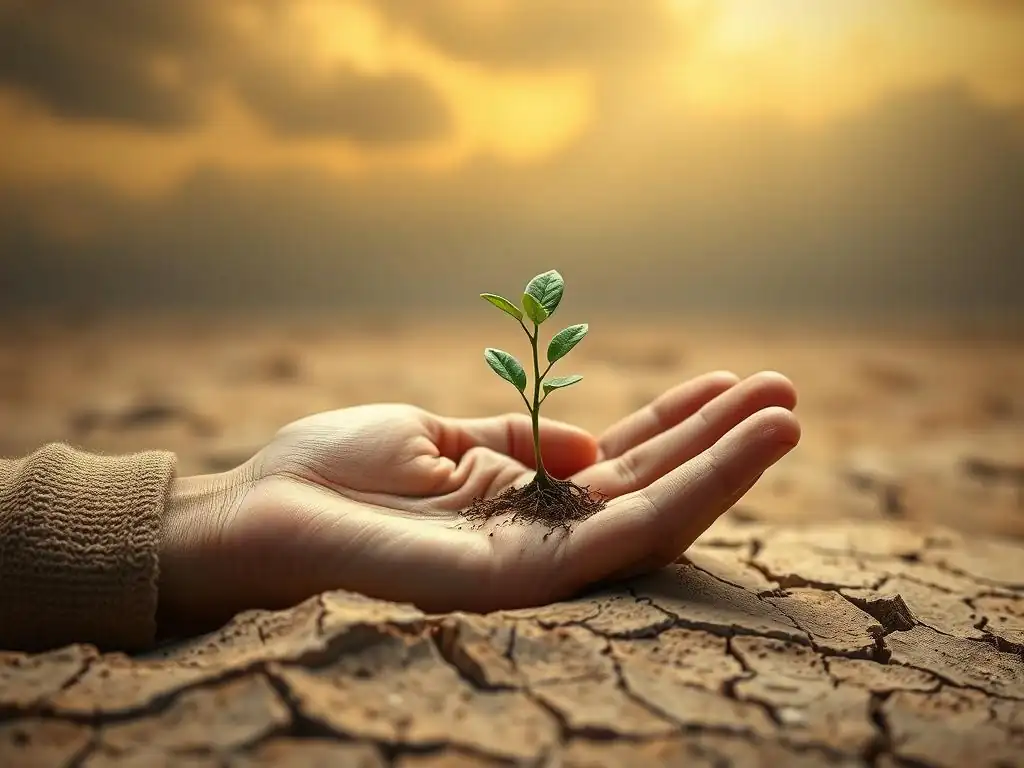
Building a Lifestyle of Sustainability and Wellbeing: Integrating Eco-Conscious Practices
Sustaining ecoanxiety resilience over time involves integrating both environmental consciousness and mental wellbeing practices into your daily life. This means recognizing that personal health and planetary health are interconnected. Adopting a lifestyle that reduces your environmental impact can provide a sense of living in alignment with your values, which is a powerful antidote to helplessness and a boost to mental health.
This could involve simple changes like reducing waste through recycling and composting, conserving energy and water at home, choosing sustainable transportation options, or supporting local and ethical businesses. These actions, while contributing to environmental protection, also foster a sense of purpose and efficacy. Combining these eco-conscious habits with regular self-care practices, like exercise, healthy eating, and sufficient sleep, creates a holistic approach to sustainable mental health and building ecoanxiety resilience.
Cultivating Hope and Optimism: Finding Meaning and Purpose in the Face of Environmental Challenges
While it's important to acknowledge the severity of climate change, maintaining a degree of hope and cultivating optimism are essential for long-term ecoanxiety resilience and avoiding burnout. This doesn't mean ignoring the problems, but actively seeking out reasons for hope and finding meaning in the effort to address climate challenges. Hope can be found in scientific advancements, policy progress, community initiatives, and the growing global awareness of the crisis.
Finding purpose often comes from engaging in action that aligns with one's values. Whether it's through advocacy, conservation work, education, or simply living a more sustainable life, contributing to solutions provides a sense of meaning that counteracts despair. Focusing on the positive impacts of these efforts, however small they may seem on a global scale, helps maintain motivation and fosters a resilient mindset.
Staying Informed and Engaged: Continuing to Learn and Advocate for Climate Action
Maintaining long-term ecoanxiety resilience also involves a commitment to staying informed and engaged in climate action, while carefully managing exposure as discussed earlier. Continuous learning about the complexities of climate change, potential solutions, and policy developments is empowering. It moves individuals from feeling like passive victims to informed participants in the global effort.
Furthermore, staying engaged in advocacy and action, even intermittently, reinforces the sense of agency and connection. This could mean continuing to support environmental organizations, participating in local climate initiatives, or using your skills and resources to contribute to climate solutions in your community or profession. Sustained engagement, managed mindfully, is key to transforming anxiety into purposeful action and maintaining mental fortitude.
Resources for Ecoanxiety Support: Finding Help and Connection
Online Communities and Support Groups for Climate Anxiety
A growing number of online platforms and social media groups are dedicated to providing support for individuals experiencing ecoanxiety. These communities offer a space to connect with others who share similar concerns, exchange coping strategies, and find validation for difficult emotions. Examples include online forums, Facebook groups focused on climate psychology or ecoanxiety, and virtual support meetings.
These online spaces can be particularly helpful for individuals who feel isolated in their concerns or do not have local support networks. They provide a sense of solidarity and shared experience, which can be incredibly comforting and empowering. While not a replacement for professional help, these communities can offer valuable peer support as part of an ecoanxiety resilience strategies guide.
Mental Health Professionals Specializing in Ecoanxiety
The field of climate-aware therapy is expanding, with a growing number of mental health professionals specializing in helping clients navigate climate change-related distress. These therapists are knowledgeable about the psychological impacts of the climate crisis and can provide targeted support and coping strategies. Seeking out a therapist with this specialization can be beneficial for processing complex feelings and developing personalized resilience plans.
Organizations focused on climate and mental health often provide directories or resources for finding climate-aware therapists. This specialized support can help individuals distinguish between rational concern and clinical anxiety, develop effective emotional regulation skills, and integrate their climate concerns into a broader framework of psychological wellbeing.
Organizations Dedicated to Climate Action and Mental Wellbeing
Numerous organizations work at the intersection of climate action and mental health, offering resources, support, and opportunities for engagement. These groups may provide educational materials on ecoanxiety, host workshops on coping strategies, or connect individuals with opportunities to get involved in climate action in a way that supports their mental health.
Examples include organizations focused on climate psychology, environmental justice groups that address the disproportionate impact of climate change on vulnerable populations, and broader environmental non-profits that offer volunteer opportunities. Engaging with these organizations can provide both practical ways to contribute to solutions and access to resources for building ecoanxiety resilience.
Frequently Asked Questions
What exactly is EcoAnxiety, and why is it becoming more prevalent?
EcoAnxiety is the distress and worry related to the environmental crisis. It's becoming more prevalent due to increased awareness of climate change and its devastating effects, amplified by media coverage and personal experiences.
How does this "Ecoanxiety resilience strategies guide" help me cope with EcoAnxiety?
This guide offers practical techniques and coping mechanisms to manage your feelings of EcoAnxiety. It focuses on building resilience through mindfulness, action, and community engagement.
What are some immediate actions I can take to reduce my EcoAnxiety today?
Start with small, manageable changes in your daily life, like reducing waste or conserving energy. Practice mindfulness techniques to center yourself and limit exposure to overwhelming news.
The guide mentions community engagement. How can getting involved help with EcoAnxiety?
Connecting with others allows you to share your concerns and feel less isolated. Working together on environmental initiatives fosters a sense of purpose and empowerment, counteracting feelings of helplessness.
What if the strategies in the "Ecoanxiety resilience strategies guide" aren't enough? When should I seek professional help?
If your EcoAnxiety is significantly impacting your daily life or causing severe distress, consider seeking professional help. A therapist can provide personalized support and coping strategies tailored to your specific needs.
Final Reflection: Cultivating Hope in the Face of Ecological Crisis
The escalating climate crisis isn't just an environmental issue; it's a profound mental health challenge. The weight of impending ecological collapse is real, and understanding how to build resilience against eco-anxiety is no longer a luxury, but a necessity for navigating the 21st century. We've explored practical strategies, from mindful engagement with nature to community building and proactive action, all designed to empower you to face the future with strength and hope.
The pervasive nature of eco-anxiety underscores the urgent need for collective action and individual coping mechanisms. It's a testament to the interconnectedness of our well-being and the planet's health. The feeling of helplessness is a powerful adversary, but by fostering a sense of agency and purpose, we can transform despair into meaningful action. As the renowned environmentalist Wangari Maathai once said, Planting a tree is more than just planting a tree; it is a symbol of hope, a symbol of faith in the future.
This sentiment perfectly encapsulates the spirit of resilience we've discussed – finding hope in action, even amidst daunting challenges.
Now, consider your own relationship with the environment. What steps can you take today to cultivate your own resilience? Perhaps it's joining a local environmental group, engaging in mindful nature practices, or simply committing to making more sustainable choices in your daily life. Remember, the journey towards building resilience is a personal one, but the collective impact of our individual actions is immense. Let's choose hope, let's choose action, and let's build a more resilient future, together.
Unleash Your Inner Resilience: Take Charge of Your Eco-Wellbeing
Thanks for taking the time to explore the power of resilience in the face of eco-anxiety. We hope this article equipped you with valuable tools to navigate these challenging emotions. Now, let's turn that knowledge into action!
- Prioritize one small, sustainable action this week. It could be anything from reducing your plastic consumption to starting a small garden. Small steps make a big difference, both for the planet and your mental well-being.
- Share this article with someone who might find it helpful. Building a supportive community is crucial in tackling eco-anxiety together.
- Explore a local environmental initiative and consider volunteering your time or skills. Connecting with nature and like-minded individuals can be incredibly restorative.
What small step towards a more sustainable and mentally fulfilling life will you take today?