
The Psychology of EcoAnxiety: Why We Worry About the Planet's Future


Welcome to Mind Care Guide, a space dedicated to nurturing your mental well-being.
Feeling overwhelmed by the state of our planet? You're not alone. Many are experiencing ecoanxiety, a growing concern in today's world. This guide delves into the causes, coping strategies, and available support to help you navigate these complex emotions. Curious to understand more and find healthy ways to manage your worries? Let's explore the psychology of ecoanxiety together.
The Psychology of Eco-Anxiety: Why We Worry About the Planet's Future
- Understanding Eco-Anxiety: Climate Change and Mental Health
- What Causes Eco-Anxiety? Exploring the Roots of Climate Worry
- Symptoms of Eco-Anxiety: Recognizing the Signs
- Who is Most Vulnerable to Eco-Anxiety? Identifying Risk Factors
- Eco-Anxiety vs. Normal Environmental Concern: Differentiating Healthy Worry from a Mental Health Issue
-
Coping Strategies for Eco-Anxiety: Taking Action and Finding Hope
- Acknowledging and Validating Your Feelings About Climate Change
- Connecting with Others: Building a Supportive Community
- Taking Meaningful Action: Engaging in Environmental Activism
- Focusing on What You Can Control: Small Changes, Big Impact
- Practicing Mindfulness and Self-Care Techniques for Climate Anxiety
- Limiting Exposure to Overwhelming Climate Change News
- Seeking Professional Therapy for Eco-Anxiety: Finding a Therapist
- Eco-Anxiety and the Future: Building Resilience in a Changing World
- Resources for Managing Eco-Anxiety: Where to Find Support
- Frequently Asked Questions
- Final Reflection: Finding Hope in the Face of Eco-Anxiety
- Unleash Your Eco-Action Plan: Steps Towards a Greener Future
Understanding Eco-Anxiety: Climate Change and Mental Health
Defining Eco-Anxiety: The Emotional Toll of Environmental Concerns
Eco-anxiety is a term used to describe the chronic fear of environmental doom. It encompasses a range of distressing emotions stemming from concerns about the current and future state of the planet, including climate change, biodiversity loss, and pollution. Unlike a transient worry, eco-anxiety can become pervasive, affecting an individual's daily life and overall well-being. It is often characterized by feelings of helplessness, grief, and despair related to environmental issues, and is increasingly being recognized by mental health professionals as a legitimate response to a real and pressing global threat.
This form of anxiety isn't necessarily a clinical disorder in itself, but rather a psychological response to perceived environmental crises. The American Psychological Association, for instance, has acknowledged the profound impact of climate change on mental health, highlighting eco-anxiety as a significant concern. It reflects a deep connection to the natural world and a distress over its degradation, causing individuals to grapple with complex emotions about the future they, or future generations, will inhabit. Understanding eco-anxiety is the first step toward addressing these powerful feelings and developing effective coping strategies help manage the emotional burden.
The Growing Prevalence of Eco-Anxiety in the 21st Century
The 21st century has seen a significant rise in awareness of environmental issues, fueled by scientific consensus and visible impacts of climate change. This heightened awareness has coincided with a marked increase in reports of eco-anxiety.
Studies conducted across various countries reveal that a substantial portion of the population, particularly young people, express significant worry about the climate crisis. For example, a large international survey published in The Lancet in 2021 found that 59% of young people aged 16–25 globally were very or extremely worried about climate change, with over 45% stating that their feelings about climate change negatively affected their daily life.
This growing prevalence isn't limited to specific regions; it's a global phenomenon reflecting widespread concern about the future. The constant stream of news about extreme weather events, ecological collapse, and political inaction contributes to this collective unease. As the impacts of climate change become more apparent and the scientific warnings more urgent, more individuals are finding themselves grappling with the psychological weight of these realities, making eco-anxiety a prominent mental health challenge of our time.
How Climate Change Impacts Mental Well-being: Beyond Physical Effects
The effects of climate change extend far beyond physical impacts like rising sea levels or extreme heat waves; they have profound and complex effects on mental well-being. Directly experiencing climate disasters, such as floods, wildfires, or hurricanes, can lead to acute trauma, anxiety, depression, and PTSD. Survivors may lose their homes, livelihoods, and even loved ones, leading to significant psychological distress and grief. The long-term uncertainty and displacement following such events can create chronic stress and instability.
Beyond direct exposure, the pervasive threat of climate change creates a backdrop of chronic stress for many. This can manifest as persistent worry, feelings of helplessness, and a sense of existential dread about the future. For individuals whose identities or livelihoods are tied to the land or natural resources, environmental degradation can lead to a profound sense of loss, sometimes termed "solastalgia" – the distress caused by environmental change damaging the place where one resides. This chronic stress and grief contribute significantly to the psychological burden associated with eco-anxiety.
What Causes Eco-Anxiety? Exploring the Roots of Climate Worry
Direct Exposure to Environmental Disasters and Eco-Anxiety
One of the most immediate and impactful drivers of eco-anxiety is direct exposure to environmental disasters exacerbated by climate change. Experiencing events like devastating wildfires that sweep through communities, unprecedented flooding that displaces thousands, or increasingly powerful hurricanes can be deeply traumatic. For those who live through these events, the psychological toll is immense, often leading to symptoms akin to post-traumatic stress disorder (PTSD), acute anxiety, and depression. The loss of homes, possessions, community ties, and the familiar landscape creates a profound sense of dislocation and grief, directly fueling intense climate anxiety.
Consider the residents of regions repeatedly hit by extreme weather, such as coastal communities facing rising sea levels and stronger storms, or areas prone to prolonged droughts and wildfires like parts of California or Australia. These populations not only face immediate physical danger but also the chronic stress of anticipating the next disaster and the long-term struggle of rebuilding and adapting. This lived experience of climate impact is a powerful, often visceral, source of eco-anxiety, embedding the reality of environmental threats into personal history and future outlook.
Media Exposure and the Amplification of Climate Anxiety
Constant media coverage of climate change and environmental crises plays a significant role in amplifying eco-anxiety for many. News reports detailing melting glaciers, species extinction, political disagreements on climate action, and the dire predictions from scientific reports are omnipresent in the digital age. While essential for awareness, this continuous stream of often alarming information can be overwhelming, leading to a phenomenon sometimes called "doomscrolling," where individuals feel compelled to consume negative news, further fueling their anxiety and despair about the planet's future.
The way climate change is portrayed in the media can also influence the intensity of eco-anxiety. Sensationalist headlines, focus on worst-case scenarios, and lack of emphasis on solutions or positive action can leave individuals feeling hopeless and powerless. While it's crucial to be informed, the sheer volume and often negative framing of environmental news can overload our capacity to process the information constructively, turning concern into debilitating anxiety and contributing to widespread climate anxiety.
Witnessing Environmental Degradation: A Source of Eco-Anxiety
Beyond major disasters and media reports, simply witnessing the gradual, everyday degradation of the environment can be a significant source of eco-anxiety. This can include observing changes in local ecosystems – perhaps a favorite hiking trail showing signs of drought stress, a once-vibrant coral reef bleached and lifeless, or a noticeable decline in local bird populations. For those who feel a strong connection to nature, these changes represent a personal loss and serve as tangible evidence of broader environmental collapse, directly impacting their mental well-being.
This slow-motion witnessing can be particularly distressing because it highlights the persistent nature of the problem and can feel like a constant reminder of what is being lost. It’s a form of chronic exposure to environmental decline that erodes a sense of stability and continuity with the natural world. This ongoing observation contributes to a deep-seated unease and grief about the state of the planet, feeding into the broader experience of eco-anxiety.
Feeling Powerless in the Face of Global Environmental Issues
A core component of eco-anxiety is the overwhelming feeling of powerlessness when confronted with the global scale and complexity of environmental issues. Climate change, for example, is a problem that requires massive, coordinated action at international, national, and local levels, involving governments, corporations, and billions of individuals. For one person, the idea that their individual actions – like recycling or conserving energy – can meaningfully impact such a vast problem can feel insignificant against the backdrop of industrial pollution, political inertia, and global consumption patterns.
This perceived lack of agency can lead to feelings of frustration, hopelessness, and despair. Individuals may feel that their efforts are futile or that the forces driving environmental destruction are too large and entrenched to overcome. This sense of powerlessness is a significant contributor to the debilitating nature of eco-anxiety, trapping individuals in worry without a clear path forward for effective action or influence on the large-scale problems causing their climate anxiety.
Symptoms of Eco-Anxiety: Recognizing the Signs
Emotional Symptoms: Fear, Grief, and Hopelessness
The emotional landscape of eco-anxiety is often dominated by intense feelings of fear, grief, and hopelessness. Individuals may experience persistent fear about future environmental catastrophes, such as mass extinctions, societal collapse due to resource scarcity, or the displacement of millions by rising seas.
This fear is often coupled with a profound sense of grief for the environmental losses already occurring – loss of species, destruction of natural habitats, and degradation of beloved landscapes. This grief can feel similar to mourning the death of a loved one, but on a planetary scale, leading to a sense of profound sadness and loss.
Furthermore, a pervasive feeling of hopelessness is common among those experiencing eco-anxiety. The sheer magnitude of the climate crisis and the perceived lack of effective action by governments and corporations can lead to despair about the possibility of meaningful change. This can manifest as a belief that the future is inevitably bleak, making it difficult to envision positive outcomes or feel motivated to engage in actions that might seem insignificant against the scale of the problem. These intertwined emotions form the core affective experience of climate anxiety.
Physical Symptoms: Stress, Anxiety, and Sleep Disturbances
Like other forms of chronic anxiety, eco-anxiety can manifest through a range of physical symptoms. The persistent worry and stress associated with environmental concerns can activate the body's stress response, leading to physical manifestations such as a racing heart, shortness of breath, muscle tension, headaches, and digestive issues. These symptoms are typical of anxiety disorders but are specifically triggered or exacerbated by thoughts and feelings related to the environmental crisis.
Sleep disturbances are also frequently reported by individuals experiencing eco-anxiety. Worrying about the state of the planet and the future can make it difficult to fall asleep, stay asleep, or achieve restful sleep. The mind may ruminate on environmental problems, leading to insomnia or nightmares related to climate disasters. Chronic lack of sleep then exacerbates other anxiety symptoms, creating a vicious cycle where physical discomfort fuels the emotional and cognitive aspects of climate anxiety.
Cognitive Symptoms: Obsessive Thoughts and Rumination about Climate Change
Eco-anxiety often involves significant cognitive symptoms, particularly obsessive thoughts and rumination about climate change and environmental issues. Individuals may find their minds constantly returning to worrying scenarios about the future, inability to stop thinking about environmental problems, or replaying distressing news reports in their heads. These thoughts can be intrusive and difficult to control, consuming mental energy and making it hard to focus on other aspects of life.
This rumination can lead to a state of hypervigilance regarding environmental news and information, further exposing the individual to distressing content and reinforcing their fears. They might constantly seek out more information, hoping to find solutions or reassurance, but often end up feeling more overwhelmed. This cognitive preoccupation with the environmental crisis is a hallmark of eco-anxiety, significantly impacting concentration, decision-making, and overall mental clarity. Managing these intrusive thoughts is a key part of developing coping strategies help alleviate climate anxiety.
Behavioral Changes: Adapting Lifestyles Due to Environmental Concerns
Eco-anxiety can lead to significant behavioral changes as individuals attempt to reconcile their worries with their daily lives. Some people may adopt extreme measures to reduce their environmental footprint, such as drastically altering their diet, avoiding travel, or minimizing consumption to an extent that impacts their social life or well-being. While environmentally conscious behavior is positive, these changes become symptomatic of anxiety when they are driven by intense fear or guilt rather than a balanced desire to contribute to solutions.
Conversely, some individuals may react to overwhelming eco-anxiety by engaging in avoidance behaviors. This could involve actively ignoring environmental news, refusing to discuss climate change, or even withdrawing from social situations where these topics might arise. Others might engage in escapist behaviors to numb their feelings. These behavioral shifts, whether towards extreme action or avoidance, highlight the distress caused by eco-anxiety and represent attempts, sometimes maladaptive, to cope with the intense feelings associated with climate anxiety.
Who is Most Vulnerable to Eco-Anxiety? Identifying Risk Factors

Young People and the Burden of Future Environmental Impacts
Young people are often identified as particularly vulnerable to eco-anxiety, carrying a heavy burden of worry about the future environmental impacts they will inherit. They are coming of age in a time when the realities of climate change are undeniable, and the urgency of the situation is increasingly emphasized. Surveys consistently show high levels of concern among youth; for example, data suggests that a significant majority of teenagers and young adults globally are worried about climate change, with many believing it will impact their own lives significantly.
This vulnerability stems from the fact that they will live through the long-term consequences of current environmental decisions. They face uncertainty about their future stability, potential resource scarcity, and the quality of the world they will inhabit. This future-oriented anxiety, coupled with a potential lack of power to influence large-scale systemic change, makes young people highly susceptible to the psychological distress associated with eco-anxiety.
Communities Directly Affected by Climate Change
Populations living in areas already experiencing the direct impacts of climate change are also at high risk for eco-anxiety. This includes residents of coastal regions facing rising sea levels and increased storm intensity, communities in areas prone to wildfires or prolonged droughts, and populations reliant on natural resources threatened by environmental changes. Indigenous communities, in particular, are often deeply connected to their traditional lands and ecosystems, making them profoundly vulnerable to distress when these environments are degraded or destroyed.
These communities not only face the immediate trauma and loss from environmental disasters but also the chronic stress of living in precarious conditions and the grief associated with the loss of familiar landscapes, cultural practices tied to the environment, and traditional ways of life. The ongoing threat and visible changes in their surroundings make climate anxiety a daily reality, distinct from the more abstract worries of those living in less affected areas.
Individuals with Pre-existing Mental Health Conditions
Individuals with pre-existing mental health conditions, such as generalized anxiety disorder, depression, or obsessive-compulsive disorder (OCD), may be more vulnerable to experiencing or having their conditions exacerbated by eco-anxiety. The pervasive nature of climate change worries can easily integrate into existing patterns of anxious or depressive thinking. For someone already prone to catastrophic thinking, the potential scenarios of environmental collapse can become new focal points for their anxiety.
Climate anxiety can add another layer of stress and worry onto existing mental health challenges, potentially making management more difficult. The feelings of hopelessness associated with environmental issues can deepen existing depression, while the uncertainty and perceived threat can heighten general anxiety. Therefore, recognizing and addressing eco-anxiety is particularly important for individuals with a history of mental health issues, ensuring they have appropriate coping strategies help manage these intersecting concerns.
People Passionate About Environmentalism and Conservation
Paradoxically, individuals who are deeply passionate about environmentalism and conservation are also at a higher risk of experiencing eco-anxiety. Their knowledge of environmental issues is often extensive and detailed, leading to a profound understanding of the severity and urgency of the crisis. This deep care and commitment can make them acutely sensitive to environmental degradation and the slow pace of action, leading to significant emotional distress.
Activists, researchers, and environmental professionals often bear witness to environmental destruction firsthand and may feel a heightened sense of responsibility or frustration. Their passion, while driving positive action, can also make them more susceptible to feelings of grief, burnout, and despair when faced with setbacks or the overwhelming scale of the problems. Supporting the mental well-being of those on the front lines of environmental efforts is crucial for building resilience against eco-anxiety.
Eco-Anxiety vs. Normal Environmental Concern: Differentiating Healthy Worry from a Mental Health Issue
Recognizing the Line Between Concern and Clinical Anxiety
It is important to distinguish between healthy environmental concern and debilitating eco-anxiety that impacts daily functioning. A normal level of concern about climate change and environmental issues is a rational response to a real threat. It can motivate individuals to learn more, change their behaviors, and engage in advocacy. This concern is proportionate to the reality of the situation and does not significantly interfere with one's ability to live a fulfilling life, maintain relationships, or perform daily tasks.
Eco-anxiety crosses the line into potentially problematic territory when the worry becomes excessive, intrusive, and disproportionate, leading to significant distress and impairment. Signs that concern may be tipping into clinical anxiety include persistent, uncontrollable worry that consumes many hours of the day, difficulty concentrating on anything else, significant sleep disturbances, avoidance of situations that trigger environmental thoughts (to an unhealthy degree), or physical symptoms of anxiety that are chronic and debilitating. When these symptoms significantly impact quality of life, it suggests that the climate anxiety requires attention.
When to Seek Professional Help for Climate Anxiety
Seeking professional help for eco-anxiety is advisable when the symptoms become overwhelming and interfere with daily life. This includes situations where:
- The anxiety is persistent and difficult to manage on your own.
- You experience significant physical symptoms like panic attacks, chronic sleep problems, or severe fatigue related to your worries.
- The anxiety leads to social isolation or withdrawal from activities you once enjoyed.
- You feel hopeless, despairing, or have thoughts of self-harm related to the state of the planet.
- The anxiety is impacting your ability to work, study, or maintain relationships.
A mental health professional, such as a therapist or counselor, can provide tools and strategies to help you process these feelings, manage anxiety symptoms, and develop healthy coping mechanisms. They can help you navigate the complex emotions associated with climate anxiety and find ways to engage with the issue constructively without being consumed by despair.
The Importance of Validation and Support for Environmental Feelings
Validation and support are crucial for individuals experiencing eco-anxiety. Often, people may feel their worries are dismissed as overly dramatic or that they should simply "get over" their feelings about the environment. However, acknowledging that these feelings are a valid and understandable response to a genuine crisis is essential for mental well-being. Hearing that their concerns are shared and that it's okay to feel grief, fear, or anger can reduce feelings of isolation and shame.
Creating spaces, both online and offline, where people can openly discuss their environmental concerns without judgment is vital. Peer support groups, empathetic conversations with friends and family, and mental health professionals who understand the context of eco-anxiety can provide much-needed validation. This support helps individuals process their emotions, normalize their experience, and build resilience, forming a foundation for developing effective coping strategies help navigate the challenges of climate anxiety.
Coping Strategies for Eco-Anxiety: Taking Action and Finding Hope
Acknowledging and Validating Your Feelings About Climate Change
One of the fundamental steps in managing eco-anxiety is allowing yourself to fully acknowledge and validate your feelings about climate change and environmental degradation. It is okay, and indeed rational, to feel worried, scared, angry, or sad about the state of the planet. Trying to suppress these emotions or telling yourself that you shouldn't feel this way can actually intensify them and lead to greater distress. Give yourself permission to feel the depth of your concern.
Practices like journaling can be incredibly helpful in this process. Writing down your thoughts and emotions related to climate change allows you to externalize them, process them, and gain a clearer understanding of what specifically is causing your distress. Talking openly with trusted friends, family members, or a therapist about your feelings also provides validation and reduces the burden of carrying these emotions alone. Acknowledging the reality of your feelings is a crucial first step toward developing healthy coping strategies help you live with climate anxiety.
Connecting with Others: Building a Supportive Community
Building connections with others who share your environmental concerns can significantly alleviate feelings of isolation and helplessness associated with eco-anxiety. Knowing that you are not alone in your worries and being able to discuss them with empathetic individuals provides comfort and strengthens resilience. This can involve joining local environmental groups, participating in online forums dedicated to climate anxiety support, or simply having open conversations with friends and family about your feelings.
Connecting with a supportive community also offers opportunities for collective action, which can be a powerful antidote to feelings of powerlessness. Working alongside others towards shared environmental goals, no matter how small, fosters a sense of belonging and collective efficacy. This shared purpose and mutual support are vital components of coping strategies help manage the challenges posed by climate anxiety.
Taking Meaningful Action: Engaging in Environmental Activism
Engaging in meaningful action related to environmental issues can be a powerful way to channel eco-anxiety into constructive energy and regain a sense of agency. While individual actions are important, participating in collective action or environmental activism can feel particularly empowering when facing systemic problems like climate change. This could involve joining a local environmental organization, participating in peaceful protests or demonstrations, writing to political representatives, or volunteering for conservation projects.
Taking action, regardless of its scale, shifts the focus from passive worry to active engagement. It provides a sense of purpose and control over one's response to the crisis. Even small contributions, when part of a larger effort, can feel significant and help to reduce feelings of helplessness. Finding a form of action that aligns with your interests and capacity is key to making this a sustainable and positive coping strategy for climate anxiety.
Focusing on What You Can Control: Small Changes, Big Impact
When faced with a problem as vast as climate change, focusing on the aspects within your personal control can help manage overwhelming feelings of eco-anxiety. While systemic change is necessary, individual actions, when adopted by many, do have a cumulative impact and can provide a sense of personal agency. This involves identifying areas in your own life where you can reduce your environmental footprint, such as conserving energy at home, reducing waste through recycling and composting, making conscious choices about transportation, or adjusting consumption habits.
Setting realistic goals for personal action is important; aiming for perfection can lead to burnout and increased anxiety. Instead, focus on making sustainable changes that feel manageable and aligned with your values. Celebrating small victories and acknowledging your efforts, rather than dwelling on what you can't control, can help cultivate a more positive and empowered mindset. These personal actions are valuable coping strategies help ground individuals experiencing climate anxiety.
Practicing Mindfulness and Self-Care Techniques for Climate Anxiety
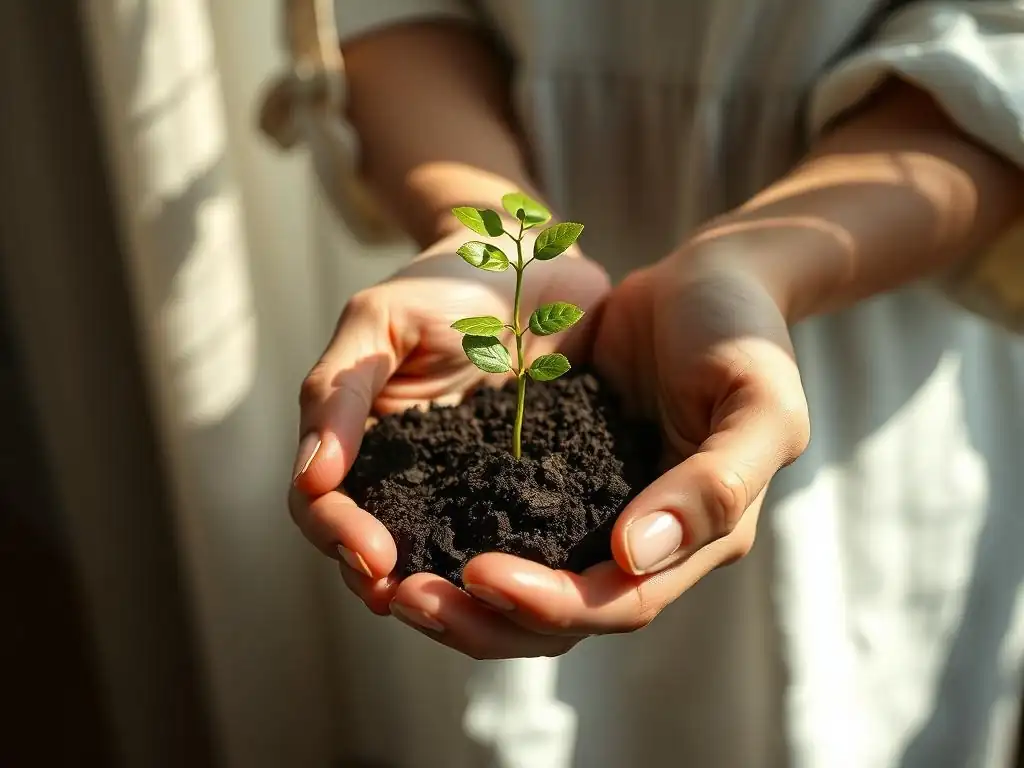
Mindfulness and self-care practices are essential tools for managing the physical and emotional symptoms of eco-anxiety. Mindfulness techniques, such as meditation or deep breathing exercises, can help anchor you in the present moment, reducing the tendency for the mind to ruminate on future environmental catastrophes. Spending time in nature, if it is a source of comfort rather than distress, can also be a form of mindful self-care, fostering a connection to the natural world you are concerned about.
Prioritizing basic self-care is also crucial. Ensuring you get adequate sleep, eating nutritious food, engaging in regular physical activity, and making time for hobbies and relaxation are fundamental to building resilience against stress and anxiety. These practices help regulate your nervous system, improve your mood, and provide the physical and mental strength needed to cope with difficult emotions. Integrating self-care into your routine is a vital part of developing effective coping strategies help manage climate anxiety.
Limiting Exposure to Overwhelming Climate Change News
While staying informed about climate change is important, constant exposure to alarming news can significantly exacerbate eco-anxiety. It is healthy and necessary to set boundaries around your consumption of climate-related media. Consider scheduling specific times to check the news rather than being constantly exposed, or choose reliable sources that also discuss solutions and positive developments alongside the challenges.
Be mindful of how news consumption affects you. If you notice that certain types of content or excessive scrolling leave you feeling overwhelmed and despairing, it's a sign that you need to limit your exposure. This is not about ignoring the problem, but about managing your mental health so that you can engage with the issue from a place of strength rather than being paralyzed by fear. Setting these limits is a proactive coping strategy for managing climate anxiety.
Seeking Professional Therapy for Eco-Anxiety: Finding a Therapist
For individuals whose eco-anxiety is significantly impacting their quality of life, seeking professional therapy is a valuable and effective coping strategy. Therapists can provide a safe space to explore complex emotions related to climate change and offer evidence-based techniques to manage anxiety symptoms. Cognitive Behavioral Therapy (CBT) can help identify and challenge negative thought patterns related to environmental doom, while Acceptance and Commitment Therapy (ACT) can help individuals accept difficult feelings and commit to actions aligned with their values.
Finding a therapist who is either knowledgeable about eco-anxiety or experienced in treating general anxiety and trauma is beneficial. Many mental health professionals are increasingly recognizing eco-anxiety as a valid concern and are equipped to help individuals process these feelings. A therapist can help you develop personalized coping strategies help build resilience, find a balance between awareness and well-being, and connect with your sense of purpose in addressing environmental challenges.
Eco-Anxiety and the Future: Building Resilience in a Changing World
Cultivating Hope and Agency in the Face of Climate Change
Navigating eco-anxiety in a changing world requires actively cultivating hope and fostering a sense of agency. While acknowledging the severity of the environmental crisis is important, dwelling solely on doom scenarios can be paralyzing. Hope is not about denying the challenges, but about believing in the possibility of positive outcomes and the capacity for change. This can be nurtured by focusing on progress being made, technological innovations, successful conservation projects, and growing global awareness and activism.
Developing a sense of agency involves recognizing that even seemingly small actions contribute to the larger effort. Engaging in personal lifestyle changes, participating in community initiatives, or advocating for policy change all empower individuals and counteract feelings of helplessness. Cultivating hope and agency together helps transform passive worry into active engagement, building psychological resilience against the stresses of climate anxiety.
Promoting Climate Action and Environmental Sustainability
Promoting climate action and environmental sustainability is a crucial long-term strategy for addressing eco-anxiety, both individually and collectively. Working towards systemic solutions – advocating for renewable energy, sustainable policies, conservation efforts, and corporate responsibility – tackles the root causes of environmental distress. Engaging in these efforts can provide a powerful antidote to feelings of powerlessness and despair, offering a concrete way to contribute to a better future.
This involves supporting organizations working on environmental issues, participating in political processes, and educating others about the importance of sustainability. Collective action demonstrates that individuals are not alone in their concerns and that change is possible when people work together. Focusing energy on promoting positive environmental change is a way to channel the distress of eco-anxiety into meaningful, constructive efforts.
Fostering a Sense of Collective Responsibility for the Planet
Addressing eco-anxiety also involves fostering a sense of collective responsibility for the planet. Recognizing that environmental challenges are shared problems that require shared solutions can reduce the burden on individuals and promote collaboration. Shifting from an individualistic perspective to one of collective care and responsibility encourages mutual support, empathy, and coordinated action on a larger scale.
This collective approach acknowledges that no single person can solve climate change, but that everyone has a role to play. It emphasizes building community resilience, supporting vulnerable populations, and working together across borders and sectors. Fostering this sense of shared responsibility helps to distribute the emotional weight of eco-anxiety and builds a foundation for more effective and equitable responses to environmental crises.
Future Research Directions: Exploring the Long-Term Impacts of Eco-Anxiety
As eco-anxiety becomes more widely recognized, there is a growing need for further research into its long-term impacts and the most effective interventions. Understanding how chronic exposure to climate-related stress affects mental health over decades, particularly in vulnerable populations, is crucial. Research is needed to explore the potential intergenerational impacts of climate anxiety and how it might shape future societal responses to environmental challenges.
Future research should also focus on developing and testing specific therapeutic approaches and community-based interventions tailored to address eco-anxiety. Identifying which coping strategies help build resilience most effectively and how mental health support can be integrated into climate action initiatives are important areas of study. Continued exploration will enhance our understanding of this emerging mental health issue and improve our capacity to support those affected by climate anxiety.
Resources for Managing Eco-Anxiety: Where to Find Support
Online Communities and Support Groups for Climate Anxiety
Many individuals find solace and support in connecting with others who share their experiences of eco-anxiety through online communities and support groups. These platforms provide a space for people to share their feelings, discuss coping strategies, and find validation from peers who understand the unique nature of their concerns. While specific links cannot be provided here, searching for "eco-anxiety support group," "climate anxiety community," or similar terms on social media platforms or dedicated mental health forums can reveal relevant groups.
These online spaces can offer a sense of belonging and reduce feelings of isolation, which are common with eco-anxiety. They can also be sources of shared information about coping techniques, activism opportunities, and resources. It is important to seek out groups that promote healthy coping and action rather than dwelling solely on despair.
Mental Health Professionals Specializing in Eco-Anxiety
A growing number of mental health professionals are developing expertise in treating eco-anxiety. These therapists understand the context of climate change and its psychological impacts, offering tailored support and coping strategies. When seeking a therapist, you can inquire about their experience or knowledge regarding environmental concerns or climate anxiety. Many therapists who specialize in trauma, grief, or general anxiety are also well-equipped to help individuals process these feelings.
Professional therapy can provide structured support through techniques like CBT, ACT, or other modalities to help manage anxiety symptoms, challenge unhelpful thought patterns, and develop healthy responses to environmental stress. A therapist can help you navigate the emotional complexity of eco-anxiety and find ways to live meaningfully while remaining engaged with the issue.
Environmental Organizations Offering Mental Health Resources
Increasingly, environmental organizations are recognizing the mental health toll of climate change on their members and the public. Some environmental groups now offer resources, workshops, or support networks specifically aimed at addressing eco-anxiety and burnout among activists and concerned individuals. These resources might include guides on coping, webinars on building resilience, or connections to mental health professionals who are environmentally aware.
While their primary focus is on environmental action, these organizations understand that the well-being of individuals is integral to the sustainability of the movement. Exploring the resources provided by environmental groups you support or are interested in can offer additional avenues for finding both practical coping strategies help and community support for climate anxiety.
Frequently Asked Questions
What is Ecoanxiety and how is it defined?
Ecoanxiety is defined as the chronic fear of environmental doom. It stems from observing the seemingly irrevocable impacts of climate change and the perceived lack of action to prevent further damage. It's essentially worry about the planet's future.
What are some of the primary causes of Ecoanxiety?
The causes are varied, but prominently include exposure to news and images depicting environmental disasters, like wildfires and floods. A feeling of helplessness and lack of control over the climate crisis also contributes significantly. Disconnection from nature can further exacerbate this anxiety.
What are some effective coping strategies for managing Ecoanxiety?
Coping strategies involve focusing on actions within your control, such as reducing your carbon footprint and advocating for change. Connecting with nature through activities like hiking or gardening can also be highly beneficial. Seeking support from mental health professionals is also recommended.
How does Ecoanxiety differ from general environmental concern?
While general environmental concern is a healthy awareness of ecological issues, Ecoanxiety is a more intense and pervasive emotional response. It can manifest as anxiety, depression, and feelings of hopelessness. This emotional distress can significantly impact daily life.
Where can I find resources and support for dealing with Ecoanxiety?
Mind Care Guide offers comprehensive information, support, and resources for managing various mental health challenges, including Ecoanxiety. Other resources include mental health professionals specializing in climate psychology and community groups focused on environmental activism and support.
Final Reflection: Finding Hope in the Face of Eco-Anxiety
The pervasive threat of climate change is no longer a distant concern; it's a lived reality shaping our anxieties and influencing our daily lives. The psychological impact of this looming crisis, as explored throughout this article, is profound and demands our attention. We've examined the causes of eco-anxiety, from witnessing environmental devastation to grappling with the inadequacy of current responses, and explored practical coping strategies to navigate this challenging emotional landscape.
Eco-anxiety isn't simply a personal struggle; it's a collective symptom reflecting a deeply fractured relationship with our planet. It's a testament to our innate connection to the natural world and our inherent capacity for empathy, extending beyond ourselves to encompass the fate of all living things. The greatest threat to our planet is the belief that someone else will save it.
This quote underscores the critical need for individual and collective action. The ongoing influence of eco-anxiety is pushing us to re-evaluate our consumption habits, advocate for systemic change, and foster a deeper sense of responsibility towards environmental stewardship. It's a powerful catalyst for positive transformation.
You now possess a deeper understanding of eco-anxiety and the tools to manage it. Consider how this knowledge can empower you. Don't let eco-anxiety paralyze you; let it galvanize you. Engage in actions – big or small – that align with your values. Support sustainable initiatives, advocate for climate-friendly policies, and nurture your connection with nature. By acknowledging the reality of eco-anxiety and actively working towards solutions, we can transform this collective challenge into a collective opportunity for healing and positive change, both for ourselves and for the planet we call home.
Unleash Your Eco-Action Plan: Steps Towards a Greener Future
Thanks for taking the time to explore the complex world of eco-anxiety with us. We hope you gained a deeper understanding of your feelings and how to navigate them. Now it's time to translate that understanding into action!
Here's how you can move forward:
- Prioritize one small, sustainable change: Start with something manageable, like using a reusable water bottle or switching to a plant-based milk. Small steps add up!
- Share this article with someone who might find it helpful: Let's start a conversation about eco-anxiety and solutions.
- Consider exploring local environmental groups: Connect with a community actively working towards positive change. You might be surprised by how much you can contribute.
Ready to take that first step toward a greener, less anxious future? What's one small change you're willing to commit to this week?