
Beyond Worry: Transforming EcoAnxiety into Constructive Engagement


Welcome to Mind Care Guide, a sanctuary for navigating the complexities of mental well-being. Feeling overwhelmed by the state of our planet? You're not alone. Many are experiencing ecoanxiety, and it's a valid response. But anxiety doesn't have to be paralyzing. Explore our guide to Ecoanxiety Constructive Action Strategies and discover how to channel your concerns into positive change, starting right now.
- Beyond Worry: Transforming Eco-Anxiety into Constructive Engagement | Mind Care Guide
- From Eco-Anxiety to Empowerment: Taking Constructive Action
- Practical Strategies for Constructive Engagement with Climate Issues
- Cultivating Resilience in the Face of Climate Change
- Reframing the Narrative: Hope and Possibility in the Climate Crisis
- Conclusion: Turning Eco-Anxiety into a Catalyst for Positive Change
- Frequently Asked Questions
- Final Reflection: From Eco-Anxiety to Eco-Action: A Path Forward
- Unleash Your Eco-Power: Take Action Today!
Beyond Worry: Transforming Eco-Anxiety into Constructive Engagement | Mind Care Guide
Defining Eco-Anxiety: Fear and Uncertainty in a Changing World
Eco-anxiety can be understood as a chronic fear of environmental doom. It's the feeling of dread, worry, and distress related to the escalating climate crisis and its potential impacts on the planet and human civilization. Unlike general anxiety, eco-anxiety is specifically tied to environmental concerns, such as rising sea levels, extreme weather events, biodiversity loss, and the perceived inability of humanity to address these challenges effectively. This form of anxiety is increasingly recognized by mental health professionals as a legitimate response to a very real and pressing global threat.
This deep-seated unease stems from observing or experiencing the effects of climate change firsthand, or from consuming news and information about environmental degradation. For many, it's not just a passive worry but an active emotional burden that can permeate daily life, affecting sleep, concentration, and overall well-being. The feeling of helplessness in the face of a global problem of this magnitude is often a central component of eco-anxiety, contributing to feelings of despair and a sense of loss for the future.
The Psychological Impact of Climate Change: Beyond the Headlines
The effects of climate change extend far beyond physical environmental damage; they have profound and widespread psychological consequences. Acute climate events like hurricanes, floods, and wildfires can lead to trauma, PTSD, and displacement-related stress, affecting potentially millions globally each year. For example, a study following Hurricane Katrina in 2005 found significant increases in depression and PTSD among survivors years after the event. Beyond acute events, the slow-burn effects of climate change, such as prolonged droughts or gradual sea-level rise, can erode community stability, livelihoods, and mental health over time, contributing to chronic stress and anxiety.
Furthermore, the constant barrage of negative climate news can lead to feelings of helplessness, grief, and moral injury – the distress from witnessing acts that violate one's moral beliefs, such as environmental destruction. Research indicates that a significant percentage of young people report experiencing distress or worry about climate change, with some studies suggesting that over half of young adults globally feel "very" or "extremely" worried.
This pervasive sense of threat and the feeling of living in an uncertain future can contribute to a range of mental health challenges, highlighting the urgent need to address both the environmental crisis and its psychological toll.
Recognizing the Symptoms of Eco-Anxiety: Is This You?
Identifying eco-anxiety involves recognizing a pattern of emotional and physical responses linked specifically to environmental concerns. Common emotional symptoms include persistent worry or fear about the future of the planet, feelings of helplessness, grief or sadness about environmental loss, anger at perceived inaction by governments or corporations, and even existential dread. You might find yourself constantly checking climate news, feeling overwhelmed by the scale of the problem, or experiencing a sense of guilt about your own environmental impact.
Physically, eco-anxiety can manifest similarly to other forms of anxiety, including difficulty sleeping, racing thoughts, fatigue, and even somatic symptoms like headaches or stomach issues. Behavioral changes might include avoiding climate-related information entirely due to overwhelm, or conversely, becoming fixated on it. Socially, it might lead to feeling isolated if those around you don't share your level of concern, or it could manifest as difficulty discussing your feelings with others. Recognizing these signs is the first step toward finding healthy ways to cope and transform this worry into meaningful action.
From Eco-Anxiety to Empowerment: Taking Constructive Action

Ecoanxiety Constructive Action Strategies: A Framework for Change
Turning the distress of eco-anxiety into positive momentum requires a structured approach focusing on actionable steps. Ecoanxiety constructive action strategies involve shifting from passive worry to active engagement, utilizing feelings of concern as a catalyst for positive change. This framework typically includes educating oneself thoroughly on climate issues from reliable sources, identifying specific areas where one can contribute effectively, and engaging in personal, community, or advocacy efforts. The key is to find actions that feel empowering and aligned with one's values and capacity, fostering a sense of agency rather than despair.
These strategies are not about eliminating anxiety entirely but about channeling its energy into productive outlets. For instance, understanding that reducing personal emissions does contribute to the collective effort, or that advocating for policy change can influence outcomes on a larger scale, provides a sense of purpose. Implementing ecoanxiety constructive action strategies helps individuals regain a sense of control over their response to the climate crisis, transforming the overwhelming feeling of being a helpless bystander into the empowering reality of being an active participant in solutions.
Shifting Perspective: From Overwhelm to Agency
The sheer scale of the climate crisis can feel paralyzing, leading to feelings of overwhelm and powerlessness. Shifting from this state of overwhelm to one of agency is crucial for managing eco-anxiety constructively. This involves recognizing that while one person cannot solve the entire problem, individual and collective actions do make a difference. It's about reframing the narrative in your mind from "the world is ending and I can't do anything" to "the situation is serious, but I can contribute to solutions." This perspective shift is foundational to developing ecoanxiety constructive action strategies.
Cultivating agency also involves setting realistic expectations and focusing on progress rather than perfection. Celebrate small victories, whether personal (like successfully reducing waste) or collective (like a local environmental policy win). Understanding that change happens incrementally, through persistent effort from many individuals and groups, helps to combat the feeling that your actions are insignificant. This reframing empowers you to engage with climate issues from a position of strength and purpose, rather than fear and paralysis.
Practical Strategies for Constructive Engagement with Climate Issues
Individual Actions: Small Changes, Big Impact
Taking personal steps can be a powerful way to manage eco-anxiety by providing a sense of control and aligning your actions with your values. These actions, while seemingly small on their own, contribute to a larger movement and can inspire others. Reducing your consumption of single-use plastics, for example, contributes to decreasing the roughly 8 million tons of plastic entering the oceans annually. Choosing sustainable transportation options like cycling or public transit helps lower your carbon footprint, directly addressing a significant source of global emissions – transportation accounts for approximately one-quarter of energy-related CO2 emissions.
Reducing Your Carbon Footprint: Practical Tips for Sustainable Living
Reducing your personal carbon footprint is a tangible way to engage with climate action daily. Consider steps like improving home energy efficiency – sealing drafts, adding insulation, or switching to LED bulbs can cut household energy use significantly, potentially by 15-20%. Opting for renewable energy sources, if available, can eliminate your household's Scope 2 emissions. Dietary changes, such as reducing meat and dairy consumption, also have a substantial impact; producing animal products generally requires more land, water, and energy than plant-based foods, with livestock contributing significantly to greenhouse gas emissions, particularly methane.
Mindful Consumption: Making Eco-Conscious Choices
Mindful consumption is about making deliberate choices regarding what you buy and how it's produced and disposed of. This involves prioritizing durability and repairability over disposability, choosing products with minimal packaging, and supporting companies with sustainable practices. Before making a purchase, ask yourself if you truly need the item and consider its full lifecycle impact. The fashion industry, for instance, is a major polluter; choosing second-hand clothing or investing in high-quality, ethically produced items can significantly reduce your environmental impact compared to fast fashion.
Spreading Awareness: Talking About Climate Change Effectively
Sharing your knowledge and concerns with others is a vital part of constructive engagement. This doesn't mean doom-mongering, but rather having empathetic and informative conversations about climate change and potential solutions. Start with people you know, sharing personal experiences or facts in a non-judgmental way. Focus on shared values and local impacts to make the issue relatable. For instance, discussing how climate change affects local parks or food production can be more effective than abstract global statistics.
The greatest threat to our planet is the belief that someone else will save it.
- Robert Swan, Environmentalist
Community Engagement: Finding Strength in Numbers
Joining forces with others amplifies your impact and provides essential social support, combating feelings of isolation often associated with eco-anxiety. Working within a community can lead to larger-scale projects and advocacy efforts that are impossible alone. Collective action fosters resilience and provides a sense of belonging among like-minded individuals.
Joining Local Environmental Groups: Collective Action for a Greener Future
Local environmental groups offer opportunities to participate in tangible projects, such as community clean-ups, tree planting initiatives, or advocating for local policy changes. These groups provide structure, resources, and a network of support. For example, joining a local watershed council might involve monitoring water quality or organizing riverbank restoration projects, directly impacting your local environment. These actions provide concrete evidence of positive change, which can be very grounding when feeling overwhelmed by global issues.
Participating in Climate Advocacy: Making Your Voice Heard
Advocacy involves working to influence policy and systemic change. This can range from signing petitions and writing to elected officials to participating in peaceful demonstrations or lobbying efforts. Collective advocacy through organizations can push for significant policy shifts, such as investments in renewable energy or stricter regulations on industrial emissions. For instance, campaigns by environmental groups have been instrumental in advocating for policies like the Clean Air Act or international agreements like the Paris Agreement, demonstrating the power of organized voices.
Volunteering for Environmental Causes: Giving Back to the Planet
Volunteering your time and skills to environmental organizations or projects is another powerful way to contribute. This could involve working at a community garden, assisting with conservation efforts, helping with environmental education programs, or supporting research. Volunteering provides hands-on experience and a direct connection to the efforts being made to protect the environment, fostering a sense of purpose and efficacy. Many conservation organizations rely heavily on volunteer support for critical field work, such as habitat restoration or species monitoring.
Finding Professional Support for Eco-Anxiety
While action is empowering, it's also important to process the emotional weight of eco-anxiety. Professional support can provide tools and strategies for managing distress and building resilience, complementing your constructive actions.
Therapy for Eco-Anxiety: Processing Your Feelings and Finding Hope
Therapy, particularly approaches like Cognitive Behavioral Therapy (CBT) or Acceptance and Commitment Therapy (ACT), can help individuals process feelings of grief, fear, and helplessness related to climate change. Therapists can provide strategies for managing anxious thoughts, building coping mechanisms, and finding a balance between acknowledging the severity of the crisis and maintaining psychological well-being. A therapist can help you explore your feelings without becoming overwhelmed and develop a healthier relationship with climate information.
Support Groups: Connecting with Others Who Understand
Joining support groups specifically for eco-anxiety or broader environmental concerns can be incredibly validating. Connecting with others who share similar worries reduces feelings of isolation and allows for mutual support and shared coping strategies. These groups can also be a source of inspiration for action, as members often share information about local initiatives and advocacy opportunities. Hearing how others are coping and taking action can provide both comfort and motivation.
Finding Eco-Anxiety Therapists and Resources
As eco-anxiety becomes more widely recognized, resources are emerging to help individuals find support. Some therapists specialize in climate-aware therapy, integrating ecological concerns into their practice. Organizations focused on climate psychology or environmental mental health often provide directories of practitioners or resources for finding help. Searching online for "eco-anxiety therapy near me" or consulting professional mental health associations can be starting points for finding appropriate support tailored to these specific concerns.
Cultivating Resilience in the Face of Climate Change
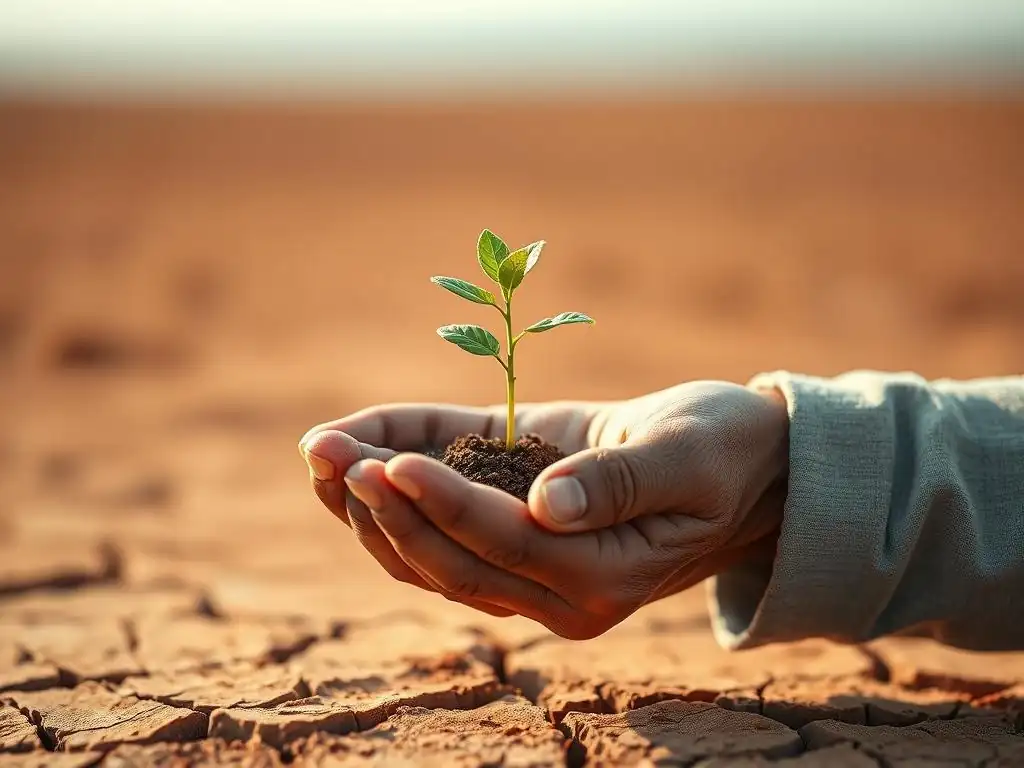
Building Emotional Resilience: Coping Mechanisms for Eco-Anxiety
Developing emotional resilience is key to navigating the challenges posed by the climate crisis without succumbing to despair. This involves cultivating the ability to adapt to stress and adversity. Strategies include setting boundaries around news consumption – limiting exposure to overwhelming information can prevent burnout. Engaging in activities that bring joy and relaxation provides necessary respite. Focusing on what you can control, such as your personal actions and immediate environment, helps anchor you when global issues feel overwhelming.
It's also important to acknowledge your feelings without letting them consume you. Allow yourself to grieve environmental losses but then channel that energy into constructive responses. Building a strong social network and seeking support from friends, family, or professional help are vital components of resilience. Remember that feeling anxious about climate change is a normal response to a threat; the goal is to develop healthy ways to process these feelings and maintain your capacity for action.
Practicing Mindfulness and Self-Care: Nurturing Your Mental Well-being
Mindfulness practices, such as meditation or deep breathing exercises, can help ground you in the present moment and reduce the intensity of anxious thoughts about the future. Regular self-care activities – ensuring adequate sleep, nutrition, and physical activity – are fundamental to maintaining mental and emotional reserves. Engaging in hobbies, spending time with loved ones, and setting aside time for relaxation are not luxuries but necessities when dealing with chronic stress like eco-anxiety. Prioritizing your well-being ensures you have the energy and capacity to engage constructively.
Practicing self-compassion is also critical. Recognize that it's okay to feel overwhelmed or scared. You don't have to be a perfect environmentalist or shoulder the weight of the world alone. Acknowledge your efforts, no matter how small they seem, and be kind to yourself on your journey.
Connecting with Nature: Rebuilding Your Relationship with the Earth
Spending time in nature can be a powerful antidote to eco-anxiety. Direct experience of the natural world fosters a sense of connection, appreciation, and stewardship. Even small doses of nature – a walk in a local park, tending houseplants, or simply observing birds – can reduce stress and improve mood. This connection can also reinforce your motivation to protect the environment, transforming abstract worry into a personal commitment to preserving the beauty and complexity you experience firsthand.
Engaging with nature mindfully, using your senses to observe the details around you, can enhance the therapeutic benefits. Notice the colors of leaves, the sounds of birds, the feel of the wind. This practice can help you feel more present and less consumed by future worries. Rebuilding a reciprocal relationship with the Earth, where you cherish and protect it while receiving solace and inspiration in return, is a core aspect of healing from eco-anxiety.
Reframing the Narrative: Hope and Possibility in the Climate Crisis
Focusing on Solutions: Celebrating Progress and Innovation
While acknowledging the severity of the climate crisis is necessary, dwelling solely on negative news can be debilitating. Actively seeking out and focusing on climate solutions, progress, and innovation can help balance the narrative and foster hope. Learn about advancements in renewable energy technology, breakthroughs in carbon capture, successful conservation projects, and policy wins. For example, the rapid decrease in the cost of solar and wind power over the last decade is a significant positive development, making clean energy increasingly competitive with fossil fuels globally.
Highlighting these areas of progress demonstrates that change is possible and is already happening. This focus provides a more complete and empowering picture of the climate situation, showing that while challenges remain, there are dedicated individuals, organizations, and innovations working towards a sustainable future. Celebrating these efforts can provide much-needed inspiration and motivation for continued action.
Embracing Sustainable Living: A Pathway to a Healthier Future
Adopting a lifestyle centered around sustainability is not just about reducing harm; it's also about building a healthier, more resilient future for ourselves and our communities. Sustainable living often leads to benefits like improved air and water quality, reduced exposure to toxins, and stronger local economies. For instance, investing in public transportation infrastructure not only lowers emissions but also reduces traffic congestion and improves urban air quality, leading to better public health outcomes.
Embracing sustainability can also foster a deeper connection to where your food comes from, the resources you use, and the impact of your choices. This intentional way of living can bring a sense of purpose and fulfillment, transforming anxiety into a positive commitment to personal and collective well-being. It's about building the world we want to live in, one sustainable choice at a time.
The Power of Collective Action: Creating a Better World Together
Understanding and participating in collective action is perhaps the most powerful antidote to the feeling of individual helplessness. Recognizing that millions of people worldwide are working towards climate solutions, in various ways and scales, shifts the perspective from individual burden to shared responsibility and collective power. Movements advocating for climate justice, community-led renewable energy projects, and international collaborations on conservation demonstrate the immense potential of people working together.
Collective action creates systemic change that individual actions alone cannot achieve. By joining groups, supporting policies, and participating in community initiatives, you become part of a larger force driving transformation. This shared effort not only increases the likelihood of meaningful progress but also provides a sense of solidarity and hope, reinforcing the idea that we are not alone in facing this challenge.
Conclusion: Turning Eco-Anxiety into a Catalyst for Positive Change
Eco-Anxiety as a Motivator: Using Worry to Fuel Action
Eco-anxiety, while uncomfortable, can serve as a powerful signal and motivator. It indicates a deep care for the planet and a recognition of the urgent need for action. Instead of viewing it as a debilitating condition, we can reframe eco-anxiety as a catalyst – an emotional response that, when managed constructively, can fuel our engagement with climate solutions. This worry can drive us to learn more, connect with others, and take meaningful steps.
The energy behind the anxiety, if channeled effectively using ecoanxiety constructive action strategies, can become a driving force for personal change and collective advocacy. It's about listening to the signal your emotions are sending and using that information to guide your actions towards positive impact.
Embracing Your Role in the Climate Solution: Every Action Matters
Recognizing that you have a role to play, no matter how small it feels, is essential for transforming anxiety into empowerment. Every sustainable choice, every conversation about climate change, every act of advocacy or volunteering contributes to the larger effort. The cumulative effect of millions of individuals and groups taking action creates significant momentum for change. Your participation is not insignificant; it is a vital thread in the tapestry of global climate action.
Embracing your role means accepting responsibility without being crushed by it. It's about finding your unique way to contribute, utilizing your skills, passions, and resources to make a difference within your sphere of influence.
Take the First Step: Commit to One Sustainable Action Today
Overcoming the inertia of eco-anxiety often starts with a single, manageable step. Don't feel pressured to overhaul your entire life or solve the world's problems overnight. Choose one sustainable action – perhaps reducing your plastic use for a week, researching a local environmental group, or having a conversation about climate change with a friend – and commit to doing it today.
Starting small builds momentum and confidence. As you successfully implement one change, it becomes easier to take the next step. This process of taking consistent, constructive action is key to transforming the passive worry of eco-anxiety into active hope and meaningful engagement with the climate challenges we face.
Frequently Asked Questions
What is Ecoanxiety and how is it defined?
Ecoanxiety is a form of anxiety specifically related to concerns about environmental degradation and climate change. It's characterized by feelings of worry, fear, and helplessness about the future of the planet.
What are some common symptoms of Ecoanxiety?
Common symptoms include persistent worry about environmental issues, feelings of helplessness, insomnia related to climate concerns, and sometimes even panic attacks when thinking about the future. It can significantly impact overall mental well-being.
What are some constructive action strategies to combat Ecoanxiety?
Constructive action strategies involve taking tangible steps to address environmental concerns. This might include reducing your carbon footprint, advocating for policy changes, or joining local environmental groups.
How can I manage feelings of helplessness associated with Ecoanxiety?
Focus on what you can control by taking small, manageable actions. Connecting with others who share your concerns and finding a supportive community can also reduce feelings of isolation and helplessness.
Where can I find more resources and support for dealing with Ecoanxiety?
Websites like Mind Care Guide offer information and resources on mental well-being, including specific strategies for dealing with Ecoanxiety. Seeking support from a mental health professional specializing in climate anxiety is also beneficial.
Final Reflection: From Eco-Anxiety to Eco-Action: A Path Forward
The climate crisis is not just an environmental issue; it's a deeply human one. The weight of impending ecological collapse is palpable, manifesting as eco-anxiety in millions. But this anxiety, while valid and understandable, doesn't have to be paralyzing. This article has explored how transforming that anxiety into constructive engagement is not only possible but crucial for our collective future.
The pervasive nature of eco-anxiety reflects a profound shift in our collective consciousness. We are increasingly aware of our interconnectedness with the natural world and the fragility of the ecosystems that sustain us. This awareness, while initially unsettling, can be a powerful catalyst for positive change. The greatest danger is not that our aim is too high and we miss it, but that it is too low and we reach it.
- Michelangelo. This quote reminds us that aiming for ambitious, even seemingly impossible, goals is essential when facing a challenge as monumental as the climate crisis. My own journey in researching this topic has underscored the importance of finding hope and agency amidst the overwhelming challenges.
Now, it's your turn. Consider the ways in which eco-anxiety might be manifesting in your own life. Identify one small, concrete action you can take today – whether it's reducing your carbon footprint, supporting sustainable businesses, or joining a local environmental group – to channel that anxiety into positive, meaningful action. Remember, even the smallest step forward contributes to a larger movement, and the collective power of individual actions can create a wave of change that will reshape our relationship with the planet and secure a healthier future for generations to come.
Unleash Your Eco-Power: Take Action Today!
Thanks for taking the time to explore the often-overwhelming topic of eco-anxiety. We hope this article provided you with valuable insights and tools to shift your perspective. Now, let's turn that newfound understanding into positive action!
- Prioritize one small, sustainable change: Maybe it's reducing your single-use plastic, starting a small compost bin, or researching local environmental organizations. Even tiny steps make a big difference.
- Share this article with someone who could benefit: Let's spread awareness and inspire collective action. A simple share can spark important conversations.
- Explore a local environmental initiative: Find a project that resonates with you – volunteering, participating in a cleanup, or simply learning more about local efforts.
What small change will you commit to making this week to transform your eco-anxiety into positive environmental action?