
EcoAnxiety and Hope: Balancing Realism with Optimism


Welcome to Mind Care Guide, a safe space to navigate the complexities of mental well-being. Are you feeling overwhelmed by the state of our planet? You're not alone. Many are experiencing ecoanxiety, a very real and valid response to environmental concerns. Dive into our resources on ecoanxiety coping strategies and discover practical tools to manage your anxieties, nurture hope, and find empowering ways to contribute to a healthier future. Let's explore how to balance realism with optimism together.
- EcoAnxiety Coping Strategies Resources: A Comprehensive Guide
-
Frequently Asked Questions
- What is ecoanxiety, and how does it relate to mental well-being?
- What are some practical ecoanxiety coping strategies resources that Mind Care Guide offers?
- How can I balance realism about climate change with optimism for the future?
- Where can I find support for dealing with ecoanxiety if I'm feeling overwhelmed?
- What specific actions can I take to address ecoanxiety and promote mental well-being while contributing to environmental solutions?
- Final Reflection: Cultivating Hope in the Face of Eco-Anxiety
- Unlock Your Eco-Hope: Take Action Today!
EcoAnxiety Coping Strategies Resources: A Comprehensive Guide
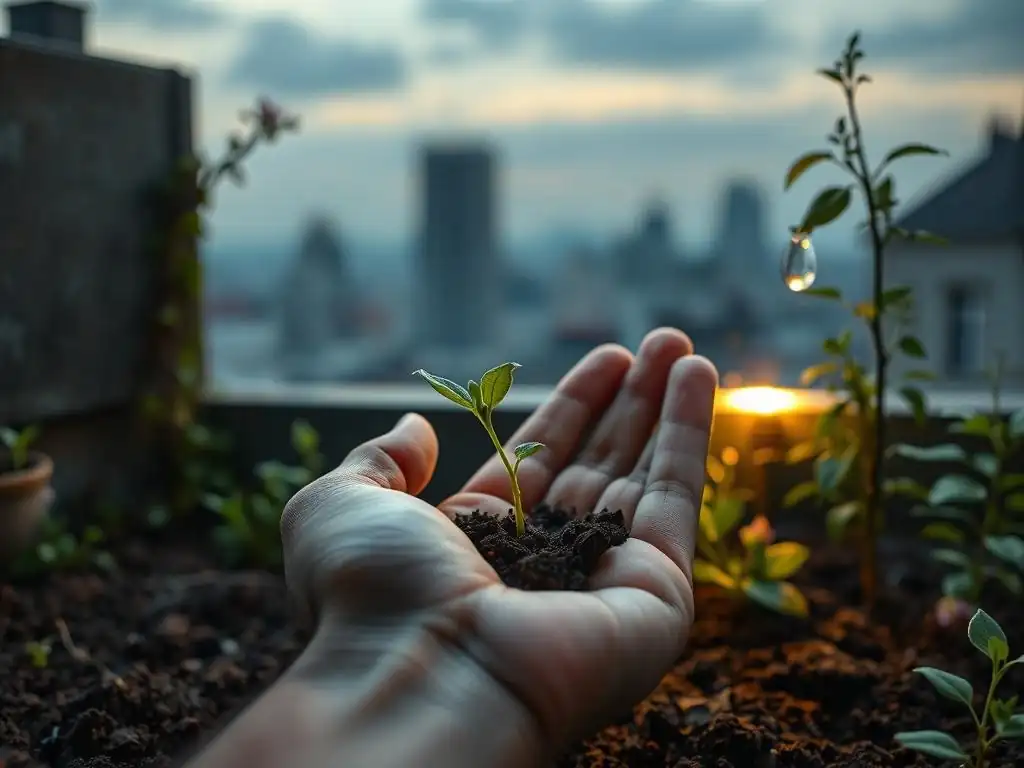
Navigating the complex emotions associated with ecoanxiety requires a multifaceted approach. Fortunately, a growing number of resources are available to help individuals understand and manage their climate-related distress. Accessing effective ecoanxiety coping strategies resources is a crucial step towards fostering mental well-being while remaining engaged with environmental challenges. This section highlights various avenues for support, from professional help to community connections and informative literature.
Mental Health Professionals Specializing in Climate Distress
When ecoanxiety becomes overwhelming, impacting daily functioning or causing significant distress, seeking professional help is a vital part of accessing effective ecoanxiety coping strategies resources. Therapists, psychologists, and counselors with experience in climate-aware therapy or environmental psychology can provide tailored support. These professionals are trained to help individuals process difficult emotions, develop resilience, and integrate their environmental concerns into their overall mental health framework. They can offer techniques such as Cognitive Behavioral Therapy (CBT) to challenge negative thought patterns or Acceptance and Commitment Therapy (ACT) to help individuals accept their feelings while committing to value-driven action.
The demand for mental health professionals specializing in climate distress is increasing. While precise global figures are still emerging, surveys in some regions indicate that a significant percentage of therapists report seeing clients presenting with climate-related anxiety or grief. For example, a 2021 survey of therapists in the UK found that over half had worked with patients experiencing distress about the climate crisis.
Finding a therapist who understands the unique nuances of ecoanxiety can make a profound difference in developing sustainable coping mechanisms and accessing appropriate ecoanxiety coping strategies resources. Many professional directories now include filters or keywords related to climate-aware therapy, making it easier to locate suitable practitioners.
Support Groups and Online Communities for EcoAnxiety
Connecting with others who share similar concerns can be incredibly validating and empowering. Support groups and online communities dedicated to ecoanxiety provide a space for individuals to share their experiences, fears, and hopes without judgment. These communities offer emotional support, practical advice, and a sense of collective identity. Participating in such a group can reduce feelings of isolation and provide perspective on managing climate-related stress. Members often share personal ecoanxiety coping strategies resources they have found helpful, creating a rich pool of shared knowledge.
These groups can take various forms, from local in-person meetings to large online forums and social media groups. Some are facilitated by mental health professionals, while others are peer-led. For instance, online communities like those found on platforms dedicated to climate psychology or environmental action often have dedicated sections for discussing emotional responses to the crisis.
Engaging with these communities allows individuals to learn from others' experiences, discover new ecoanxiety coping strategies resources, and participate in discussions about effective ways to channel anxiety into constructive action. The shared experience fosters resilience and reinforces the understanding that one is not alone in feeling distressed by the climate crisis.
Books and Articles on Climate Psychology and Resilience
A wealth of literature exists that explores the psychological dimensions of the climate crisis and offers insights into building resilience. Books and articles written by climate psychologists, environmental activists, and researchers provide valuable information on understanding ecoanxiety, its roots, and its impact. Reading these materials can help normalize your feelings, deepen your understanding of the issue, and equip you with intellectual tools to process complex information. Many of these resources also offer practical exercises and perspectives on finding hope and taking meaningful action, serving as excellent ecoanxiety coping strategies resources.
Examples of such literature include academic papers on climate psychology, popular science books explaining the emotional toll of environmental change, and practical guides on building personal and community resilience. Titles might cover topics ranging from the science of climate change and its psychological effects to philosophical reflections on humanity's relationship with nature and guides on engaging in effective environmental advocacy without burning out. Exploring these written resources can provide a structured way to learn about ecoanxiety and discover diverse ecoanxiety coping strategies resources that resonate with your personal needs and perspectives.
Organizations Dedicated to Environmental Advocacy and Mental Wellbeing
Numerous organizations work at the intersection of environmental issues and mental health, providing valuable ecoanxiety coping strategies resources. These groups often offer educational materials, host workshops, organize events, and advocate for policies that address both the climate crisis and its psychological impacts. Engaging with such organizations can provide opportunities for action, which is a powerful antidote to feelings of helplessness often associated with ecoanxiety. They may offer volunteer opportunities, campaigns to support, or access to networks of like-minded individuals.
These organizations vary in focus, from those primarily centered on climate science and policy advocacy to those specifically dedicated to climate psychology and therapeutic interventions. Some may offer specific programs designed to help individuals process climate grief or burnout, while others focus on empowering communities to take local environmental action. For instance, some environmental non-profits integrate mental well-being considerations into their volunteer training, recognizing the emotional challenges of climate work. Exploring the websites and resources offered by these diverse groups can unveil a range of ecoanxiety coping strategies resources, connecting you to opportunities for learning, support, and impactful engagement.
Frequently Asked Questions
What is ecoanxiety, and how does it relate to mental well-being?
Ecoanxiety is anxiety related to environmental issues and the climate crisis. It directly impacts mental well-being by causing stress, fear, and a sense of helplessness. Mind Care Guide aims to provide resources to manage this specific type of anxiety.
What are some practical ecoanxiety coping strategies resources that Mind Care Guide offers?
Mind Care Guide provides resources such as mindfulness exercises, connecting with nature, and joining environmental action groups. These strategies aim to empower individuals to take positive action and reduce feelings of overwhelm. We also offer links to external mental health professionals specializing in ecoanxiety.
How can I balance realism about climate change with optimism for the future?
Balancing realism and optimism involves acknowledging the severity of the climate crisis while focusing on potential solutions and positive change. Engaging in active hope, which involves taking meaningful action, can foster a sense of empowerment and reduce despair.
Where can I find support for dealing with ecoanxiety if I'm feeling overwhelmed?
Mind Care Guide offers a directory of mental health professionals experienced in treating ecoanxiety. We also provide links to support groups and online forums where individuals can connect with others experiencing similar feelings.
What specific actions can I take to address ecoanxiety and promote mental well-being while contributing to environmental solutions?
Focus on small, sustainable changes in your daily life, like reducing your carbon footprint. Engaging in community activism and advocacy can also provide a sense of purpose and control, alleviating feelings of helplessness associated with ecoanxiety.
Final Reflection: Cultivating Hope in the Face of Eco-Anxiety
The climate crisis is not just an environmental issue; it's a profound psychological one. The weight of impending ecological collapse is palpable, manifesting as eco-anxiety in millions worldwide. This article has explored the multifaceted nature of this anxiety, highlighting its symptoms, causes, and crucially, the pathways towards effective coping and fostering a sense of hope amidst the challenges. Understanding and addressing eco-anxiety is no longer a niche concern; it's a vital step towards collective action and individual well-being.
The pervasive influence of eco-anxiety on our collective consciousness is undeniable. It shapes our choices, our conversations, and even our dreams. We are witnessing a shift in societal awareness, a growing recognition of the interconnectedness between our mental health and the health of the planet. This resonates deeply with me, as I've personally witnessed the struggle of friends and family grappling with the overwhelming feeling of helplessness in the face of environmental degradation. The greatest danger is not that our aim is too high and we miss it, but that it is too low and we reach it.
- Michelangelo. This quote reminds us that while the challenges are immense, aiming for ambitious, sustainable solutions is essential for our collective mental and environmental well-being.
You, the reader, now hold the tools to navigate your own eco-anxiety. This isn't about ignoring the urgency of the climate crisis; it's about finding a balance between realistic assessment and proactive engagement. Take a moment to reflect on your own relationship with the environment. What actions, however small, can you take today to alleviate your anxiety and contribute to a more sustainable future? Embrace the power of community, seek support from others, and remember that even amidst the challenges, hope remains a potent force for change. Let's cultivate that hope together, transforming anxiety into action.
Unlock Your Eco-Hope: Take Action Today!
Thank you for taking the time to explore the complex world of eco-anxiety and the path towards hopeful action. We hope this article provided you with valuable insights and practical tools to manage your concerns while fostering a sense of agency. Now, let's move forward together.
Here's how you can build on what you've learned:
- Join a local environmental group: This is your primary action. Find a community that shares your passion and actively works towards positive change. This offers direct engagement and a powerful sense of collective action.
- Share this article with someone: Spread the message of hope and resilience. Let's build a network of support around this crucial conversation.
- Commit to one small, sustainable change this week: It could be anything – from reducing your plastic consumption to choosing a more ethical brand. Every step, no matter how small, counts!
What small action will you take today to contribute to a healthier planet and a calmer mind?