Remote Work and Burnout: Blurring Boundaries in the Digital Age
🌟 Discover how remote work blurs boundaries, increasing burnout risks. Explore effective remote work burnout solutions to restore work-life balance, enhance mental…
Read article

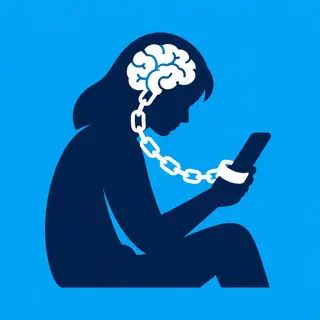
In today’s hyper-connected world, the line between work and personal life has never been blurrier—or more dangerous for your mental health. Burnout in the Digital Age is fueled by constant connectivity that keeps your mind racing long after the office lights go out. Endless notifications, 24/7 email chains, and the pressure to be “always on” can drain your energy, disrupt sleep, and trigger chronic stress. This modern-day exhaustion isn’t just about being tired; it’s a profound state of emotional, physical, and cognitive depletion that can lead to anxiety, depression, and reduced productivity. At Mind Care Guide, we help you recognize the subtle signs of digital burnout—like doomscrolling, irritability, or feeling tethered to your device—and offer practical, science-backed strategies to set boundaries, unplug intentionally, and reclaim your peace. You deserve a life where technology serves you, not the other way around. Explore our resources to break free from the cycle of digital fatigue and build a healthier, more balanced relationship with your screens.

🌟 Discover how remote work blurs boundaries, increasing burnout risks. Explore effective remote work burnout solutions to restore work-life balance, enhance mental…
Read article
🌟 Discover how incessant notifications contribute to digital burnout and explore effective digital burnout notification management strategies to reclaim mental well-being, reduce…
Read article
🌟 Discover the essential steps for a successful digital detox for mental health, enabling you to disconnect from screens, reduce stress, and…
Read article
🌟 Digital burnout is a growing concern, characterized by exhaustion and disengagement from screens. Recognizing signs early is crucial; explore effective digital…
Read article
🌟 Discover the root causes and impacts of digital burnout, along with effective solutions. Learn why prioritizing digital burnout prevention strategies now…
Read article
🌟 Discover effective digital learning fatigue solutions to combat online exhaustion. This guide offers practical strategies to restore mental well-being, enhance focus,…
Read article
🌟 Discover essential digital burnout prevention strategies to help you navigate the digital age safely. This guide offers practical tips and mental…
Read article
🌟 Explore the unique remote work burnout connectivity challenges, where constant digital engagement blurs work-life boundaries, intensifying stress. This article offers insights…
Read article
🌟 Discover how constant connectivity can negatively affect mental health, leading to stress, anxiety, and burnout. This guide explores the mental health…
Read article
🌟 Discover essential digital burnout prevention strategies for the workplace, empowering employees to maintain mental well-being in our hyperconnected world. This guide…
Read article
🌟 Discover essential digital resilience strategies for stress to help you manage digital overload effectively. This guide offers practical tips and resources…
Read article
🌿 Discover the importance of a digital detox for mental health and learn practical strategies to stay present in a connected world,…
Read articleIn today’s hyper-connected world, the line between work, rest, and personal life has blurred beyond recognition. Burnout in the Digital Age is not just about working long hours—it’s about the relentless ping of notifications, the pressure to respond instantly, and the inability to truly disconnect. This subcategory of Emerging Mental Health Issues explores how technologies designed to make life easier are now driving chronic stress, emotional exhaustion, and reduced accomplishment. Here, you’ll find actionable strategies to reclaim your time, set digital boundaries, and rebuild a sustainable relationship with technology. Let’s unravel the science behind connectivity fatigue and practical tools to thrive, not just survive, in a world that never sleeps.
Our brains are not wired for constant interruptions. When you check emails at midnight or scroll social media during family dinner, your nervous system stays in a low-grade “fight or flight” state. This hypervigilance depletes cognitive resources, leading to decision fatigue, irritability, and a diminished sense of control. Research shows that the mere presence of a smartphone—even if silent—reduces your working memory capacity and problem-solving skills. The dopamine-driven cycle of seeking validation through likes and replies mirrors addictive behavior, making it increasingly harder to disengage voluntarily. Over time, this erodes your resilience, making you more vulnerable to emotional and physical exhaustion.
What you can expect from this section is a deep dive into the neurological mechanisms behind digital burnout. We’ll explain why your brain perceives a notification as a threat, why multitasking is a myth that multiplies stress, and how loneliness paradoxically increases when you’re “connected” 24/7. You’ll learn about the concept of technostress and its four key triggers: overload, invasion, complexity, and uncertainty. By understanding your brain’s limits, you can begin to design healthier tech habits that protect your mental bandwidth rather than deplete it.
Digital burnout often masquerades as ordinary fatigue, but its symptoms are distinct. You might notice a persistent emotional numbness, a cynical attitude towards your work or social interactions, and a feeling of being “always on” but never truly productive. Physical signs include tension headaches, insomnia, and a racing heart when your phone buzzes. Behavioral red flags include repeatedly checking your device without reason, feeling anxious when offline, and neglecting real-world relationships. This is more than stress—it’s a state of chronic depletion where your emotional reserves are drained by the endless stream of inputs, leaving you disconnected from your own needs.
In this section, you’ll find a self-assessment checklist to evaluate your digital intake and its impact on your mood, sleep, and relationships. We’ll distinguish between healthy engagement and compulsive overuse, highlighting key markers like reduced empathy, loss of joy in hobbies, and procrastination fueled by distraction. You’ll also learn how to track your screen time meaningfully—not just minutes, but the emotional response during and after usage. Early detection is your greatest ally, and these practical signs will help you intervene before full-blown exhaustion sets in, preserving both your mental health and your career performance.
Constant connectivity directly hijacks your stress response system. Each notification can trigger a cortisol spike, and when these spikes occur dozens of times daily, your body forgets how to return to baseline. Elevated cortisol disrupts sleep architecture—especially deep REM sleep—which is critical for memory consolidation and emotional regulation. Over months, this leads to reduced hippocampal volume, affecting your ability to learn and retain information. Simultaneously, the visual and auditory stimulation from screens overstimulates your amygdala, making you more reactive to perceived threats, both digital and real. The result? A brain that feels foggy, anxious, and constantly on edge.
Expect to explore evidence-based insights from neuroscience on how blue light alters melatonin production and how “micro-breaks” every few minutes fragment your attention span. We’ll also discuss the dual-process theory—how your fast, reactive system takes over while your slower, reflective system atrophies from disuse. Crucially, you’ll learn about the concept of cognitive offloading and why relying on digital reminders reduces your innate capacity for focus. Armed with this knowledge, you can adopt practices like scheduled phone-free periods and “brain-dump” journaling to restore neural pathways for deep concentration and restorative sleep.
Detoxing doesn’t mean going off-grid for a month—it means establishing sustainable boundaries that fit your lifestyle. Start by creating tech-free zones in your home, such as the bedroom or dining table, to foster physical separation from devices. Use app blockers during deep work hours, and set a “digital sunset” where all non-essential notifications are muted two hours before bedtime. Implement a nomophobia (no-mobile-phone phobia) management plan by gradually increasing the time you leave your phone behind—begin with 15 minutes during a walk and build up. Crucially, replace screen time with analog activities: reading, journaling, cooking, or meeting friends live. These actions rebuild your tolerance for boredom, which is essential for creativity and mental restoration.
This section provides a step-by-step weekly plan to reduce your screen time without triggering withdrawal anxiety. You’ll discover how to customize device settings for a “do not disturb” schedule, manage group chats without guilt, and negotiate expectations with colleagues about response times. We also tackle the emotional side: how to cope with FOMO (fear of missing out) by reminding yourself that true connection is qualitative, not quantitative. By using techniques like the 20-20-20 rule (every 20 minutes, look at something 20 feet away for 20 seconds) and “phone-free mornings,” you’ll notice improved mood, sharper concentration, and a renewed sense of presence in your daily life.
Remote work has accelerated the disappearance of boundaries. The commute used to separate professional responsibilities from personal time—now, your laptop is always within reach. This blurs the psychological contract you have with your employer, increasing the expectation of availability and triggering guilt when you step away. To combat this, create a ritual to “close” your workday—shut down your computer, change your clothes, and verbally declare the day done. Set email batching times (e.g., at 10 a.m., 1 p.m., and 4 p.m.) and use out-of-office replies after hours. Communicate your boundaries assertively but kindly, framing them as productivity enhancers, not signs of disengagement.
Here, you’ll learn about the concept of asynchronous communication and how to shift your team culture towards less intrusive messaging. We’ll cover how to manage Slack and Teams notifications by muting specific channels, setting status updates to “focus mode,” and encouraging your team to use documentation instead of instant replies. You’ll also explore the psychological benefits of “fake commute” walks and how to structure your day to preserve blocks of uninterrupted deep work. By reclaiming your personal time, you not only reduce burnout but also increase your creativity and job satisfaction, showing that boundaries are a form of self-respect, not weakness.
The ultimate cure for digital burnout is not a tech intervention but a shift in mindset. Cultivate digital mindfulness by regularly asking yourself, “What is this interaction costing me emotionally?” Practice permission-based seeking—before replying to a message, ask if it truly requires your input or if it can wait. Adopt a self-compassion framework where you accept that not every notification is a priority and that your worth is not tied to your response time. This reduces the guilt that fuels compulsive checking. Additionally, schedule weekly digital sabbaths—a few hours or a full day where you disconnect completely and engage in nature, movement, or creative pursuits. These periods allow your mind to consolidate and reset, building deeper resilience against future stressors.
Expect to find guided meditation scripts specifically designed for tech anxiety, plus journaling prompts to reframe your relationship with devices. We’ll discuss the role of social support—joining a “digital minimalism” group or buddy system where you hold each other accountable. You’ll also learn how to negotiate your personal tech values with family and friends, creating shared expectations that reduce friction and collective burnout. Over time, these practices transform from tactics into a lifestyle of intentionality, where technology serves you, not the other way around. The goal is not to eliminate connectivity but to make every digital interaction meaningful and aligned with your well-being.
Normal stress is temporary and tied to a specific challenge, easing when the situation resolves. Digital burnout is chronic, arising from ongoing overexposure to notifications, social pressure, and work demands. It persists even during “rest” periods, leading to emotional exhaustion, cynicism, and reduced efficacy. Unlike regular stress, burnout often requires deliberate behavioral changes and digital boundaries to recover.
There’s no universal number, but research suggests over 4-5 hours daily of leisure screen time (beyond work) correlates with worse mental health outcomes. More important than duration is quality: time spent passively scrolling is more harmful than active, purposeful use. Listen to your body—if you feel restless, anxious, or disconnected after screen use, it’s likely too much for your brain.
Yes, often within a few days. Blue light suppresses melatonin, but even removing the phone’s presence reduces anxiety-driven cortisol. Establishing a “no screens 60 minutes before bed” routine can deepen sleep latency and increase REM duration. Expect a noticeable improvement within a week, as your body’s natural circadian rhythm realigns without constant visual and cognitive stimulation.
Absolutely. Recovery involves boundary setting, not career change. Start by negotiating flexible hours or reducing after-hours email checks. Use tools like auto-replies, focus modes, and scheduled breaks. Combine this with regular physical activity, social connection, and mindfulness. Most people see significant relief in 4-8 weeks, though deeper role changes may be needed if workplace culture is toxic.
First, turn off all non-essential push notifications—email, news, social media—leaving only calls from key contacts. Second, designate one “phone-free hour” today, perhaps during meals or a walk, where you physically put the device away. Third, use the built-in screen time app to track your usage and set a daily limit, starting with a 15% reduction. Small, consistent actions compound into lasting change.