Coping with Loneliness After Loss or Major Life Changes
🌟 Navigating the emotional landscape of major life changes can intensify feelings of loneliness. Our comprehensive guide offers practical strategies and compassionate…
Read article

Social isolation is emerging as a silent public health crisis, with loneliness now affecting millions across all age groups. Far beyond a fleeting emotion, chronic social isolation is linked to increased risks of depression, anxiety, cognitive decline, and even heart disease. In our hyper-connected digital world, meaningful human connection has become scarce, driving what experts call the loneliness epidemic. At Mind Care Guide, we break down the psychological and physiological impacts of disconnection, offering science-backed strategies to rebuild your social fabric. Discover how to recognize the subtle signs of emotional isolation, navigate the complexities of modern relationships, and cultivate resilience through community, vulnerability, and intentional connection. Whether you’re struggling in silence or supporting a loved one, this resource provides actionable tools to combat loneliness and foster a deeper sense of belonging. It’s time to prioritize social health as a cornerstone of overall well-being—because no one should face the journey alone. Start creating meaningful bonds today and turn the tide against the epidemic, one conversation at a time.

🌟 Navigating the emotional landscape of major life changes can intensify feelings of loneliness. Our comprehensive guide offers practical strategies and compassionate…
Read article
🌱 Discover the hidden challenge of young adult loneliness and explore essential support resources to foster connection, resilience, and mental well-being. Learn…
Read article
🌟 Recognizing social isolation symptoms is crucial for mental well-being. Our Social Isolation Symptoms Awareness Guide highlights subtle signs like withdrawal and…
Read article
🌟 Social isolation significantly impacts those with chronic illness, exacerbating mental health challenges. Our comprehensive guide offers vital social isolation chronic illness…
Read article
🌟 Discover how FOMO causes social isolation, fueling feelings of loneliness and disconnection. This guide explores the impact of FOMO on mental…
Read article
🌟 Discover how social isolation impacts physical health beyond emotional distress, revealing tangible effects on the body. This article explores the critical…
Read article
🌟 When loneliness feels overwhelming, practicing self-compassion can be a powerful way to heal. Remember, self-compassion combats loneliness feelings by fostering kindness…
Read article
🌟 Social isolation impacting mental health has become a silent epidemic, threatening well-being worldwide. Addressing this urgent public health emergency requires increased…
Read article
🌟 Discover effective strategies to navigate isolated family dynamics and protect your mental health. This guide offers essential insights, support, and resources…
Read article
🌱 Discover the loneliness epidemic causes and solutions, a growing mental health crisis impacting millions worldwide. Learn how social disconnection affects well-being…
Read article
✨ Discover how setting healthy boundaries can strengthen relationships without sacrificing connection. Our comprehensive guide offers vital mental well-being advice, empowering you…
Read article
🌟 Discover effective strategies to combat social isolation in individuals with disabilities, enhancing mental health and well-being. This guide highlights crucial support…
Read articleThe loneliness epidemic is not merely a fleeting feeling of being alone—it is a profound public health concern that now affects millions across all age groups, with research linking chronic social isolation to depression, anxiety, cardiovascular disease, and even premature mortality. At Mind Care Guide, we explore social isolation as an emerging mental health issue, offering practical, science-backed strategies to rebuild meaningful connections. Whether you’re struggling with post-pandemic disconnection, remote work solitude, or generational shifts in community, this subcategory provides a compassionate roadmap toward emotional resilience and relational well-being.
Chronic loneliness often masquerades as fatigue, irritability, or a vague sense of emptiness, making it easy to overlook. Unlike temporary solitude, social isolation is characterized by a persistent gap between desired and actual social contact. You may find yourself withdrawing from gatherings, feeling misunderstood even in crowds, or relying heavily on digital interaction that leaves you emptier. The hallmark is not the number of friends but the perceived quality of connection — many people with large networks still feel profoundly isolated.
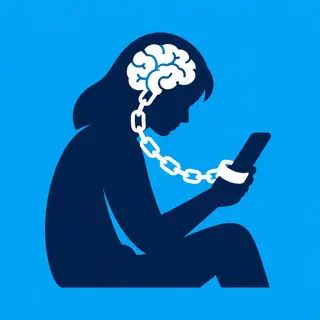
Understanding these signs is the first step toward healing. Mind-caretaking begins with self-awareness, so we provide a detailed checklist of cognitive, emotional, and behavioral indicators. For example, if you notice increased screen time without genuine conversation, or physical symptoms like headaches and disrupted sleep alongside social avoidance, these may signal deeper isolation. Recognizing these patterns early allows you to intervene before loneliness hardens into depression or anxiety disorders.
Social isolation is not just emotional—it’s neurological. Research shows that prolonged loneliness activates the same neural pathways as physical pain, increasing cortisol and inflammation while reducing prefrontal cortex activity tied to executive function and empathy. This creates a vicious cycle: the more isolated you feel, the more your brain perceives social threats, making it harder to trust or approach others. Over time, this can lead to hypervigilance, cognitive decline, and fragmented sleep patterns.
By understanding this brain-based perspective, you can approach loneliness with less self-blame and more effective strategies. Neuroplasticity offers hope — your brain can rewire itself through intentional social practice. We break down actionable micro-habits, like daily brief check-ins with a neighbor or joining small-group activities, that gradually rebuild neural pathways of connection. We also explain how mindfulness and grounding techniques reduce the amygdala’s threat response, allowing you to feel safe enough to engage authentically again.
Breaking free from social isolation requires more than willpower; it requires systematic, low-barrier actions. Start by scheduling “connection chunks” — 15 minutes of phone-free interaction with a friend, family member, or even a barista. Volunteer at a local animal shelter or community garden, which naturally fosters shared purpose without the pressure of immediate friendship. Also, consider joining a book club or hobby class where conversation flows around a topic, reducing the anxiety of open-ended small talk.
We emphasize progressive exposure for those with social anxiety: begin with online groups, then move to in-person meetups, and finally one-on-one coffee dates. Our guides include template scripts for initiating conversations, as well as tips for turning acquaintances into deeper bonds by asking open-ended questions and sharing vulnerability incrementally. Consistency matters more than intensity — even a 10-minute daily call with a loved one can significantly lower loneliness scores within weeks.
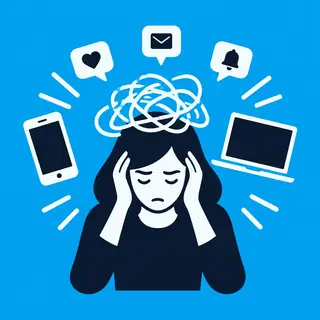
In an era of hyper-connectivity, paradoxically, many feel more isolated than ever. Social media often provides a false sense of belonging while reducing face-to-face time and fomenting social comparison. However, digital tools can also be lifelines if used intentionally. We teach you how to transform passive scrolling into active engagement — for instance, sending voice messages instead of likes, scheduling video calls with relatives, or joining niche online communities focused on your hobbies or mental health journeys.
Our key recommendation is the “digital-to-physical bridge”: use online platforms to find local events, then attend them in person. We also address the dangers of digital burnout, suggesting tech-free hours and “connection detoxes” where you substitute one virtual activity with a real-world interaction. By mastering the balance, you can turn the internet from a loneliness amplifier into a connection catalyst, without losing the warmth of genuine presence.
Individual effort alone is rarely enough to reverse the loneliness epidemic—it requires community-level change. We explore how co-housing models, community centers, and even urban planning that encourages public seating and walkable spaces reduce isolation. You can become an agent of change by starting a “caring committee” in your neighborhood, organizing low-pressure potlucks, or initiating a “buddy bench” program at local parks where people can sit if they want company.
We also highlight success stories from communities that implemented “warm line” phone services (non-crisis support calls) and intergenerational programs pairing seniors with students. Belonging is built through shared rituals — weekly walks, skill swaps, or meal trains. Our guides offer step-by-step plans for launching such initiatives, including funding, outreach templates, and safety considerations. You don’t have to solve loneliness alone; we show how collective action creates lasting change.
Overcoming immediate isolation is only the beginning; sustaining connection requires building a lifestyle that naturally fosters relationships. This means developing a “social playbook” of recurring activities: a Sunday morning run club, a monthly board game night, or a rotating dinner group. It also involves cultivating emotional intelligence—learning to express needs, listen actively, and repair ruptures—so relationships deepen over time. We provide journaling prompts to reflect on what kinds of interactions replenish you versus drain you.
We also address the role of self-compassion: loneliness is not a personal failure but a universal human signal to seek connection. Resilience comes from reframing loneliness as a compass, not a curse. We teach you how to set realistic social goals, celebrate small wins, and gracefully accept that some seasons will feel more solitary than others. By integrating these habits, you build a support system that buffers against future stressors and enhances overall mental well-being.
Loneliness is a subjective feeling of distress from a perceived lack of meaningful connection, while social isolation is an objective state of having few social contacts or infrequent interactions. You can feel lonely in a crowd or be isolated without feeling lonely. Both are risk factors for mental health issues, but loneliness correlates more strongly with depression, whereas isolation often leads to physical health decline.
Yes, chronic loneliness is linked to higher cortisol levels, systemic inflammation, and weakened immune response. Studies show it increases risk of heart disease by 29%, stroke by 32%, and accelerates cognitive decline in older adults. It also raises mortality risk comparable to smoking 15 cigarettes daily. However, these risks decrease once meaningful social connections are restored, making early intervention vital.
There is no fixed timeline—some notice improvement in 2-4 weeks with consistent daily social micro-habits, while others may take months, especially if underlying anxiety or depression is present. Progress is rarely linear; expect setbacks. Focus on quality over quantity, and seek professional help if loneliness persists despite effort, as it may coexist with clinical conditions requiring therapy.
Research indicates that video calls and voice messages can reduce loneliness significantly, sometimes nearly as much as face-to-face interactions, especially for those with mobility issues. However, text-only interactions are less effective. The key is rich, synchronous, and emotionally revealing communication. A weekly video chat with a confidant often outweighs daily superficial social media scrolling.
Start with gentle, non-judgmental outreach—a short call, a handwritten note, or an offer to share a meal. Avoid labeling or forcing activities. Encourage small steps like joining a class or walking group together. If they resist, keep consistent but low-pressure contact, and consider involving a therapist or mobile wellness service. Never dismiss their feelings; validate that isolation is hard, and offer practical help like transportation.