
The Hidden Mental Health Costs of Constant Connectivity

Welcome to Mind Care Guide.
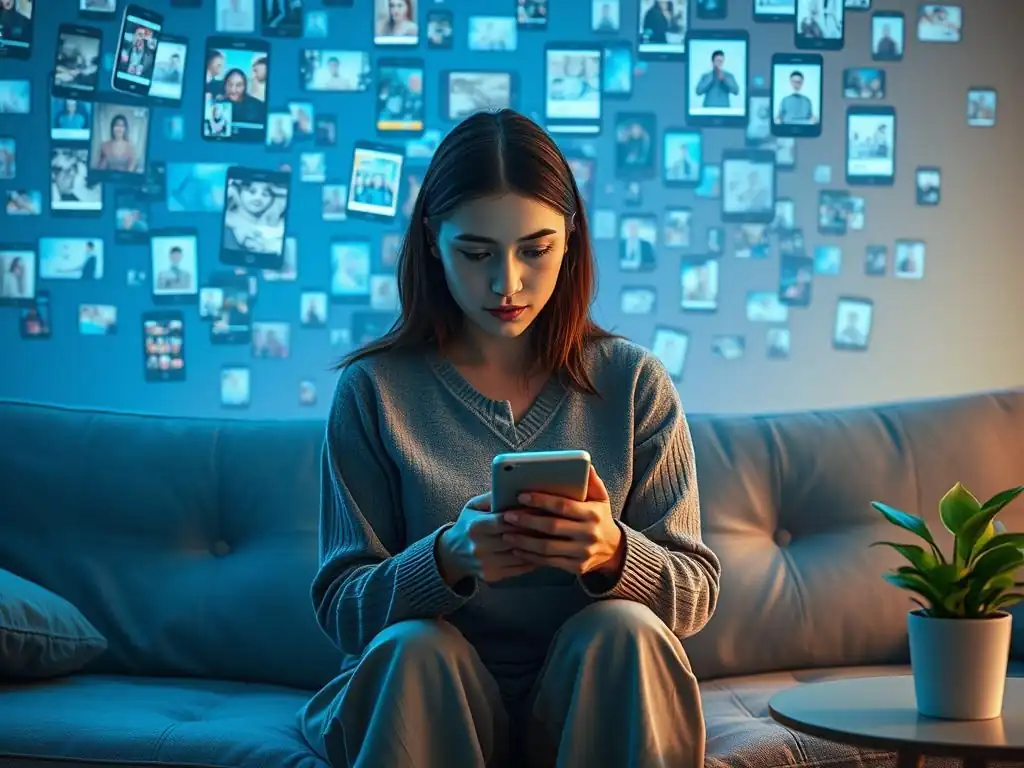
Feeling overwhelmed by the constant buzz of notifications and the curated perfection of online life? You're not alone. Many are experiencing the anxieties that come with constant connectivity. This guide delves into social media anxiety overwhelm relief, exploring the hidden mental health costs of our digital world. Discover practical strategies and compassionate support to reclaim your peace of mind and navigate the online landscape with greater ease. Let's unravel this together.
- The Hidden Mental Health Costs of Constant Connectivity: Finding Social Media Anxiety Overwhelm Relief
- The Digital Age and Its Impact on Mental Health: A Growing Concern
-
Unveiling the Mental Health Costs of Social Media Overload
- Social Media Anxiety: Defining the Digital Age Affliction
- The Cycle of Comparison and Self-Doubt on Social Platforms
- Fear of Missing Out (FOMO): A Constant Source of Stress and Anxiety
- The Pressure to Maintain a Perfect Online Persona
- Cyberbullying and Online Harassment: The Dark Side of Connectivity
- Identifying the Symptoms of Social Media Anxiety Overwhelm
- Social Media Anxiety Overwhelm Relief: Practical Strategies for Regaining Control
- Breaking Free From the Cycle: Long-Term Strategies for Digital Well-being
- Seeking Professional Help for Social Media-Related Mental Health Issues
- Conclusion: Embracing a Balanced Approach to Technology and Mental Well-being.
-
Frequently Asked Questions
- How does constant exposure to social media contribute to anxiety?
- What is "social media anxiety overwhelm" and how does it manifest?
- What are some practical steps to find social media anxiety overwhelm relief?
- Are there resources available to help manage social media-induced anxiety?
- How can I differentiate between healthy social media use and problematic overuse?
- Final Reflection: Reclaiming Our Minds in a Hyper-Connected World
- Unplug and Recharge: Prioritize Your Mental Well-being
Introduction: Understanding the Link Between Constant Connection and Mental Well-being
In the contemporary digital landscape, the line between our online and offline lives has become increasingly blurred, leading to a state of constant connectivity that was unimaginable just a few decades ago. This perpetual digital presence, while offering undeniable benefits like instant communication and access to vast information, is also casting a long shadow over our mental well-being.
Research indicates a growing correlation between excessive technology use, particularly social media, and various mental health challenges, including heightened stress, anxiety, and depression. Understanding this complex relationship is the first step towards mitigating its negative effects and fostering a healthier digital life.
The pervasive nature of smartphones and high-speed internet means we are rarely more than a few taps away from engaging with digital platforms. This ease of access fuels habits of continuous checking, scrolling, and interacting, creating a constant stream of information and social comparison. While intended to connect us, this relentless connectivity can paradoxically lead to feelings of isolation, inadequacy, and pressure, contributing significantly to what is now recognized as social media anxiety overwhelm. Addressing this requires acknowledging the impact of our digital habits and actively seeking strategies for social media anxiety overwhelm relief.
The Digital Age and Its Impact on Mental Health: A Growing Concern
Defining Constant Connectivity: What Does It Really Mean?
Constant connectivity refers to the state of being perpetually online or readily available for digital interaction. It's characterized by the habit of frequently checking devices – phones, tablets, computers – for notifications, updates, emails, or social media activity throughout the day, often without a specific task in mind.
This isn't just about being online for work or intentional communication; it's the background hum of potential digital engagement that persists from morning until night, sometimes even interrupting sleep. It means feeling a compulsion to respond quickly, to stay updated on everything happening in one's social circles or the wider world, and a reluctance to disconnect for any significant period.
This state extends beyond simple internet access; it's about the psychological readiness and often, the felt necessity, to engage digitally at almost any moment. Surveys suggest that many individuals check their phones dozens, sometimes even over a hundred times a day. This constant readiness to engage with digital stimuli prevents the mind from truly resting and disengaging, keeping it in a state of heightened alert or low-level stress. It signifies a profound shift in how we experience downtime, social interaction, and even solitude, making genuine digital detox a significant challenge for many.
Social media platforms have transitioned from niche online communities to central pillars of global communication and social interaction within less than two decades. Platforms like Facebook, Instagram, TikTok, and X (formerly Twitter) boast billions of users worldwide, integrated into daily routines for news consumption, social connection, entertainment, and even professional networking.
Their design, utilizing algorithms optimized for engagement through likes, shares, and notifications, creates powerful feedback loops that can be highly addictive, encouraging prolonged and frequent use. This widespread adoption means that social media is no longer just an optional pastime but a significant, and often unavoidable, part of modern life.
The pervasive influence of social media stems from its ability to shape perceptions, disseminate information rapidly, and act as a primary channel for social validation. It provides a curated window into the lives of others, often showcasing highlights and idealized versions of reality, which users constantly consume and compare themselves against.
This environment fosters new social norms and pressures, influencing everything from lifestyle choices and body image to political opinions and self-esteem. The sheer volume of content and the constant stream of updates mean users can spend hours scrolling, absorbing a continuous flow of information and social cues that can profoundly impact their mood and mental state, often contributing to feelings of social media anxiety overwhelm.
How Technology Overuse Contributes to Emerging Mental Health Issues
Excessive technology use, particularly the overuse of social media and smartphones, is increasingly linked to a range of emerging mental health issues. The constant exposure to curated online lives can lead to feelings of inadequacy, envy, and social comparison, fostering conditions like depression and low self-esteem.
The relentless stream of notifications and the pressure to be constantly available contribute to chronic stress and anxiety, making it difficult for individuals to relax and disconnect. Furthermore, the superficial nature of many online interactions can sometimes replace deeper, more meaningful in-person connections, potentially leading to feelings of loneliness and social isolation despite being constantly 'connected' online.
Beyond mood disorders, technology overuse is associated with sleep disturbances due to blue light exposure and the psychological inability to switch off before bed. It can also impact cognitive functions, potentially reducing attention span and impairing concentration due to the brain becoming accustomed to rapid, fragmented information. Conditions like "FOMO" (Fear of Missing Out) and "doomscrolling" (continuously consuming negative news) are direct psychological phenomena fueled by constant connectivity and contribute significantly to heightened anxiety levels. Addressing these issues requires a conscious effort to manage technology use and find effective social media anxiety overwhelm relief strategies.
Social media anxiety is a form of stress and unease triggered by interactions with or exposure to social media platforms. It encompasses a range of feelings, including worry about how one is perceived online, anxiety about keeping up with trends or maintaining an active online presence, and discomfort stemming from online interactions or lack thereof.
Unlike general anxiety, social media anxiety is specifically tied to the digital realm, often manifesting as a compulsion to check notifications, a fear of missing out on online events, or distress over not receiving enough likes or positive comments on posts. It reflects the psychological toll of navigating the complex social dynamics and performance pressures inherent in these platforms.
This specific type of anxiety is fueled by the unique environment of social media, which often presents an idealized, filtered version of reality and encourages constant comparison. The pressure to curate a perfect online persona, the potential for negative feedback or cyberbullying, and the sheer volume of information can create a constant state of low-grade stress. For many, the act of opening a social media app can immediately trigger feelings of apprehension or inadequacy, highlighting the need for effective social media anxiety overwhelm relief strategies to navigate this challenging digital landscape.
Social media platforms are fertile ground for comparison, as users are constantly exposed to curated highlights of others' lives – perfect vacations, career successes, ideal relationships, and flawless appearances. This creates an environment where individuals inevitably compare their own everyday reality, including struggles and imperfections, against these often unrealistic portrayals. Research consistently shows a link between increased social media use and higher levels of social comparison, particularly upward comparison (comparing oneself to someone perceived as better off), which is strongly associated with decreased self-esteem and increased feelings of envy and inadequacy.
This constant comparison fuels a damaging cycle of self-doubt. Seeing others' perceived successes can lead individuals to question their own achievements, worth, and life choices. For instance, a study might show that spending more time viewing idealized images on platforms like Instagram correlates with increased body dissatisfaction among young adults. This pervasive exposure to seemingly perfect lives can erode self-confidence and foster a persistent feeling of not being "good enough," making it crucial to develop strategies for social media anxiety overwhelm relief by altering one's consumption habits and perspective.
Fear of Missing Out (FOMO): A Constant Source of Stress and Anxiety
Fear of Missing Out, widely known as FOMO, is a psychological phenomenon characterized by the apprehension that others might be having rewarding experiences from which one is absent. Social media platforms, with their continuous streams of updates about social events, parties, travel, and exciting activities, are primary drivers of FOMO.
Users scroll through feeds and see what friends, acquaintances, and even strangers are doing, often experiencing anxiety that they are missing out on fun, opportunities, or important social connections. This fear compels individuals to stay constantly connected, checking their devices compulsively to avoid the uncomfortable feeling of being left out.
FOMO is a significant contributor to social media anxiety and overwhelm. It creates a pressure to be everywhere and do everything, leading to feelings of restlessness, dissatisfaction with one's current situation, and an inability to fully engage with real-life activities because the mind is preoccupied with what might be happening elsewhere online. Studies have linked high levels of FOMO to poorer mood, decreased life satisfaction, and increased social media engagement, creating a vicious cycle. Recognizing FOMO as a specific form of digital stress is vital for developing targeted social media anxiety overwhelm relief strategies.
The Pressure to Maintain a Perfect Online Persona
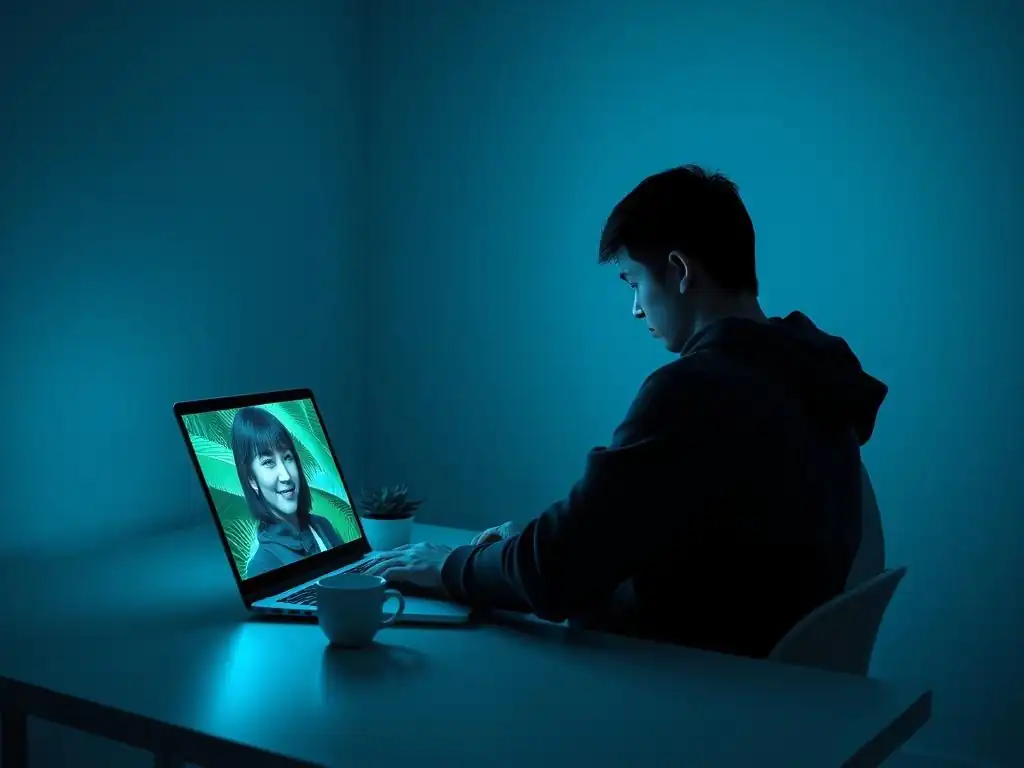
The architecture of social media, with its emphasis on likes, comments, and shares, incentivizes the presentation of an idealized self. Users often feel immense pressure to curate a perfect online persona, showcasing only the highlights of their lives – filtered photos, carefully worded updates, and displays of popularity or success. This involves significant effort in selecting what to share and how to present it, leading to a disconnect between one's online representation and real-life experiences. The pursuit of this digital perfection can be emotionally exhausting and contribute significantly to social media anxiety.
Maintaining this curated facade creates anxiety about authenticity and the fear of not measuring up to the standards one has set online or the standards perceived in others. The pressure to appear happy, successful, and popular online can mask underlying feelings of inadequacy or struggle, preventing individuals from seeking genuine support. This constant performance inhibits vulnerability and can lead to feelings of isolation, as real struggles are hidden behind a veneer of perfection. Breaking free from this pressure is a key component of finding social media anxiety overwhelm relief.
Cyberbullying and Online Harassment: The Dark Side of Connectivity
While social media connects people, it also provides platforms for negative and harmful interactions, including cyberbullying and online harassment. This can range from abusive comments and public shaming to the spread of rumors, doxxing (publishing private information), and persistent intimidation. Unlike traditional bullying, cyberbullying can happen anywhere, at any time, reaching victims even in the perceived safety of their own homes, and the content can spread rapidly and be difficult to remove. The anonymity or perceived distance of online interactions can embolden perpetrators, making online spaces feel unsafe for many users.
The mental health impact of cyberbullying is profound and can include severe anxiety, depression, feelings of isolation, lowered self-esteem, and in extreme cases, suicidal ideation. A global study might indicate that a significant percentage of young people report experiencing cyberbullying, highlighting its widespread nature. The constant fear of negative comments, public criticism, or harassment creates a climate of anxiety for many social media users, making it essential to address online safety and digital citizenship as part of comprehensive social media anxiety overwhelm relief efforts.
Recognizing the Emotional Signs: Irritability, Restlessness, and Fear
Social media anxiety overwhelm manifests through a variety of emotional signs that can significantly impact daily life. Individuals experiencing this type of digital stress often report increased irritability, feeling on edge or easily annoyed, particularly after spending time online or when unable to check their devices. A persistent sense of restlessness is common, a feeling of needing to constantly engage with something digital or a discomfort when disconnected. This restlessness can make it difficult to relax or focus on non-digital activities.
Furthermore, a palpable sense of fear or dread can accompany social media use. This might be fear of missing out (FOMO), fear of negative feedback, fear of not receiving validation (likes/comments), or fear of encountering upsetting content. For example, someone might feel a knot in their stomach before opening a specific app or experience heightened anxiety after posting something. These emotional indicators signal that the relationship with social media may be becoming detrimental and that seeking social media anxiety overwhelm relief is necessary.
Physical Manifestations of Digital Stress: Headaches, Sleep Disturbances, and Fatigue
The mental strain of constant connectivity and social media anxiety can also manifest physically. Chronic stress from digital overwhelm can contribute to tension headaches or exacerbate existing migraines. The blue light emitted by screens, combined with the psychological arousal from engaging with stimulating content, significantly interferes with natural sleep patterns, leading to difficulty falling asleep, staying asleep, or experiencing restless nights. This lack of quality sleep results in persistent fatigue and low energy levels throughout the day.
Other physical symptoms might include muscle tension, particularly in the neck and shoulders from prolonged device use, and eye strain. Some individuals may also experience digestive issues or a weakened immune system over time due to the chronic stress response. Recognizing these physical cues is just as important as identifying the emotional ones; they are bodily signals that the current level of digital engagement is unsustainable and negatively impacting health, underscoring the need for practical social media anxiety overwhelm relief strategies.
Changes in Behavior: Withdrawal from Real-Life Interactions
Social media anxiety overwhelm can lead to noticeable changes in behavior, particularly concerning real-life social interactions. Individuals might find themselves preferring online communication over in-person meetups, not just for convenience but because the curated nature of online interaction feels safer or more controllable than spontaneous face-to-face encounters. Conversely, some may become withdrawn from social situations altogether, feeling inadequate or anxious after comparing themselves to others online, leading them to avoid social gatherings where they might feel judged or exposed.
Another behavioral change is the compulsive checking of devices, even in social settings, indicating a diminished ability to be fully present in the moment. There might be a decline in participation in hobbies or activities that don't involve screens, as digital engagement consumes more time and mental energy. For instance, someone who previously enjoyed reading or sports might find themselves spending those hours scrolling instead. These shifts in behavior highlight how digital habits can displace real-world engagement and contribute to social isolation, making finding social media anxiety overwhelm relief critical for restoring balance.
Impact on Cognitive Function: Difficulty Concentrating and Making Decisions
The constant notifications, rapid information flow, and multitasking inherent in heavy technology use can impair cognitive function, leading to difficulties with concentration and decision-making. The brain becomes accustomed to switching rapidly between tasks and absorbing information in small, fragmented bursts, which can diminish the ability to focus deeply on a single task for an extended period. This can impact productivity at work or school and make it challenging to engage with complex information.
Furthermore, the mental load imposed by social media anxiety – worrying about posts, comparisons, and online validation – consumes cognitive resources that would otherwise be available for problem-solving and decision-making. The pressure to make quick judgments based on limited online information or the paralysis of choice presented by infinite online options can make even simple decisions feel overwhelming. Studies on cognitive performance often show a correlation between excessive screen time and reduced attention span and executive function, emphasizing the need for digital boundaries to support mental clarity and facilitate social media anxiety overwhelm relief.
Digital Detox: Creating Boundaries and Limiting Screen Time
One of the most direct paths to social media anxiety overwhelm relief is implementing a digital detox, which involves intentionally setting boundaries and limiting the time spent on digital devices, particularly social media. This isn't necessarily about complete abstinence forever, but rather about creating conscious space away from the digital world to reset and regain perspective. It requires a deliberate effort to break habitual checking behaviors and reduce the constant influx of information and social stimuli that contribute to overwhelm.
Establishing clear limits helps to reduce the opportunities for social comparison, exposure to stressors like cyberbullying, and the endless scroll that fuels FOMO. By reducing screen time, individuals can free up mental energy and physical time for activities that are more grounding and restorative. This foundational step is crucial for disrupting the cycle of digital overwhelm and creating mental space to process emotions and engage with the real world more fully, paving the way for more sustainable well-being.
Setting Specific Time Limits for Social Media Use
A practical way to implement a digital detox is by setting specific, non-negotiable time limits for social media use each day. This could involve allocating a fixed amount of time, say 30 or 60 minutes, to be used throughout the day, or restricting access to certain times, such as only in the evening. Many smartphones and third-party apps offer features to track and limit screen time, sending alerts when limits are approached or reached.
For example, one could decide to only check social media for 15 minutes during a lunch break and another 15 minutes in the evening. Adhering to these limits requires discipline but provides a clear structure that reduces the likelihood of falling into endless scrolling sessions. This intentional restriction helps curb compulsive checking and reduces exposure to potential anxiety triggers, contributing significantly to social media anxiety overwhelm relief.
Designating Tech-Free Zones in Your Home
Creating physical spaces in your home where technology is not allowed can be highly effective in fostering moments of disconnection. Designating the bedroom as a tech-free zone is particularly beneficial, as it prevents scrolling before sleep and immediately upon waking, which can set a negative tone for the day. The dining table is another excellent candidate for a tech-free zone, encouraging present and engaged interactions during meals.
These designated areas serve as physical reminders to disconnect and encourage engagement with the immediate environment and the people within it. Having tech-free zones helps to break the habit of constant device presence and creates sanctuaries for relaxation, conversation, or quiet contemplation without the interruption of notifications or the pull of online content. This spatial boundary reinforces mental boundaries, aiding in the process of finding social media anxiety overwhelm relief.
Scheduling Regular Breaks from Digital Devices
Beyond daily limits and zones, scheduling longer, regular breaks from digital devices can provide significant respite. This might involve taking a few hours off social media on weekends, dedicating one full day a week to being completely offline (a "digital Sabbath"), or even planning longer periods away from technology during vacations. These extended breaks allow for deeper mental disengagement and provide opportunities to reconnect with non-digital aspects of life.
Regular breaks help to recalibrate your relationship with technology, reducing the feeling of dependency and breaking the cycle of constant availability. They offer a chance to experience boredom or quiet without immediately reaching for a phone, fostering creativity and introspection. Incorporating scheduled breaks into your routine is a powerful practice for managing digital overwhelm and sustaining social media anxiety overwhelm relief long-term.
Mindful social media consumption involves approaching digital platforms with awareness and intention, rather than passively scrolling or reacting impulsively. It's about being conscious of why you are using social media, how it makes you feel, and what content you are consuming. This practice encourages a shift from unconscious habit to deliberate engagement, allowing users to gain control over their digital experience and minimize its negative impacts.
Cultivating mindfulness in the digital space helps individuals recognize the triggers that lead to anxiety or negative emotions. By paying attention to their feelings while scrolling, users can identify patterns and make conscious choices about which accounts to follow, what content to engage with, and when to disengage. This intentional approach transforms social media from a potential source of stress into a tool used purposefully, significantly contributing to social media anxiety overwhelm relief.
Unfollowing Accounts That Trigger Negative Emotions
A key component of mindful social media consumption is curating your feed by unfollowing or muting accounts that consistently trigger negative emotions such as envy, inadequacy, frustration, or comparison. This includes accounts that promote unrealistic lifestyles, foster excessive comparison, or share content that is consistently upsetting or anxiety-inducing. Your social media feed should ideally be a space that adds value or brings joy, not a source of distress.
Cleaning up your follow list is an empowering act of taking control over the information you consume. It reduces exposure to triggers for social media anxiety and creates a more positive and supportive online environment. Regularly reviewing who you follow and assessing the emotional impact of their content is a simple yet effective strategy for reducing digital overwhelm and fostering a healthier relationship with social platforms.
Focusing on Authentic Connections and Meaningful Interactions
Instead of passively consuming content or chasing likes, shift your focus to using social media for authentic connections and meaningful interactions. This means engaging in genuine conversations with friends and family, sharing aspects of your real life (not just the highlights), and supporting others in a sincere way. Prioritizing quality interactions over quantity of likes or followers can make the social media experience more fulfilling and less anxiety-provoking.
Actively reaching out to a friend, commenting thoughtfully on a post, or participating in groups centered around genuine interests can make social media a tool for strengthening relationships rather than a stage for performance. This intentional use reduces the pressure to maintain a perfect persona and fosters a sense of belonging and support, which are vital for social media anxiety overwhelm relief.
Practicing Gratitude and Appreciation for Real-Life Experiences
Mindful social media use involves balancing online engagement with a strong appreciation for real-life experiences. Counteract the tendency to compare your life to online portrayals by actively practicing gratitude for what you have and appreciating the richness of your offline world. Take time each day to notice and be thankful for simple moments, relationships, and personal achievements that are not documented or validated online.
Regularly reflecting on positive real-life experiences helps to ground you and reduces the perceived importance of online validation. It shifts your focus from the curated realities of others to the genuine value in your own life, diminishing the power of social comparison and fostering greater contentment. This practice strengthens your internal sense of worth, providing a powerful buffer against social media anxiety overwhelm.
Developing Healthy Coping Mechanisms for Digital Stress
Developing healthy coping mechanisms is essential for managing the stress and anxiety that can arise from constant connectivity and social media use. These strategies provide alternative ways to deal with uncomfortable emotions or the urge to compulsively check devices, offering healthier outlets than falling further into the digital rabbit hole. Building a repertoire of coping skills empowers individuals to respond constructively to digital stress rather than being overwhelmed by it.
These mechanisms help to regulate the nervous system, reduce feelings of restlessness, and provide a sense of control when faced with digital triggers. They offer ways to soothe anxiety, distract from negative thought patterns, and build resilience against the pressures of the online world. Integrating these practices into your daily routine provides ongoing social media anxiety overwhelm relief and supports overall mental well-being in the digital age.
Mindfulness Meditation and Relaxation Techniques
Practicing mindfulness meditation or other relaxation techniques, such as deep breathing exercises or progressive muscle relaxation, can be highly effective in managing social media anxiety. These practices help to calm the nervous system, reduce racing thoughts, and increase self-awareness, making it easier to recognize and disengage from anxious digital behaviors. Even just a few minutes of focused breathing can interrupt the stress response triggered by digital overwhelm.
Mindfulness meditation, in particular, teaches you to observe your thoughts and feelings without judgment. This skill is invaluable when navigating social media, allowing you to notice feelings of comparison or anxiety arising without getting swept away by them. Regularly incorporating these techniques provides tools to manage stress in the moment and builds long-term resilience, offering significant social media anxiety overwhelm relief.
Engaging in Physical Activity and Exercise
Physical activity is a powerful antidote to stress and anxiety, including that induced by social media. Exercise releases endorphins, which have mood-boosting effects, and provides a healthy outlet for pent-up energy and restlessness. Engaging in activities like walking, running, yoga, or dancing can serve as a deliberate break from screens and a way to reconnect with your body.
Making time for regular exercise helps to reduce overall stress levels and improves sleep quality, both of which are often negatively impacted by digital overwhelm. It provides a sense of accomplishment independent of online validation and shifts focus away from the digital world towards physical sensations and movement. Integrating physical activity into your routine is a proactive step towards managing digital stress and achieving social media anxiety overwhelm relief.
Spending Time in Nature and Connecting with the Physical World
Spending time outdoors and connecting with nature has well-documented benefits for mental health, including reducing stress and anxiety. Whether it's a walk in a park, hiking in the woods, or simply sitting in a garden, being in nature provides a calming environment that contrasts sharply with the fast-paced, stimulating digital world. It encourages presence and sensory engagement with the physical environment, pulling focus away from screens.
Connecting with the physical world through activities like gardening, crafting, cooking, or playing a sport also helps to ground you and provides a sense of tangible accomplishment. These activities offer a break from the abstract and often performative nature of online interactions and provide alternative sources of satisfaction and engagement. Prioritizing time in nature and offline activities is a fundamental strategy for finding social media anxiety overwhelm relief.
Seeking Support from Friends, Family, or a Mental Health Professional
Talking about your experiences with social media anxiety and overwhelm with trusted friends, family members, or a mental health professional can provide invaluable support. Sharing your feelings can reduce isolation and offer new perspectives or coping strategies. Friends and family can provide emotional support and may even join you in setting digital boundaries.
A mental health professional, such as a therapist or counselor, can offer evidence-based strategies like Cognitive Behavioral Therapy (CBT) to help you understand and change the thought patterns and behaviors contributing to your social media anxiety. They can provide personalized guidance and support tailored to your specific challenges, offering expert assistance in navigating digital stress and achieving lasting social media anxiety overwhelm relief.
Breaking Free From the Cycle: Long-Term Strategies for Digital Well-being

Cultivating Self-Awareness: Understanding Your Triggers and Vulnerabilities
Achieving long-term social media anxiety overwhelm relief requires cultivating deep self-awareness regarding your digital habits. This involves paying close attention to how social media makes you feel and identifying specific triggers that exacerbate your anxiety. Are certain platforms or types of content more problematic for you? Do specific times of day or emotional states (like boredom, loneliness, or stress) lead you to excessive scrolling or comparison? Understanding these patterns is the first step towards intentional change.
Journaling can be a helpful tool in this process, allowing you to track your social media use and corresponding moods or anxieties. Noticing when you feel compelled to check your phone or how you feel after a scrolling session provides valuable insights into your vulnerabilities. This self-knowledge empowers you to make conscious choices about your digital engagement rather than acting on autopilot, forming the foundation for sustainable digital well-being.
Building a Strong Sense of Self-Worth Independent of Online Validation
A crucial long-term strategy for social media anxiety overwhelm relief is building a strong sense of self-worth that is not dependent on online validation in the form of likes, comments, or followers. Social media often encourages seeking external validation, which can lead to fragile self-esteem that fluctuates based on digital feedback. True well-being comes from an internal sense of value, based on your character, values, relationships, and accomplishments in the real world.
Focus on nurturing your talents, pursuing your passions, and investing in meaningful relationships and experiences outside of the digital realm. Celebrate personal achievements that aren't broadcast online and cultivate self-compassion, recognizing your inherent worth regardless of how you are perceived on social platforms. Developing this internal resilience reduces the power of online metrics over your emotional state and is fundamental to breaking the cycle of social media anxiety.
Prioritizing Real-Life Relationships and Experiences
Shifting focus from online interactions to prioritizing real-life relationships and experiences is vital for long-term digital well-being. While social media can help maintain connections, it cannot replace the depth, nuance, and emotional richness of in-person interactions. Investing time and energy in face-to-face connections with friends, family, and community members provides genuine social support and belonging, which are protective factors against anxiety and depression.
Make a conscious effort to schedule time for in-person meetups, engage actively in conversations without digital distractions, and participate in shared activities or hobbies that take place offline. These real-world experiences provide authentic joy, connection, and a sense of presence that online interactions often lack. Strengthening your roots in the physical world reduces reliance on the digital one for social fulfillment, offering a sustainable path to social media anxiety overwhelm relief.
Fostering a Healthy Relationship with Technology: Using It as a Tool, Not a Crutch
The ultimate goal is to foster a healthy, balanced relationship with technology, viewing it as a tool to be used purposefully rather than a crutch to lean on for distraction, validation, or escaping discomfort. This involves being intentional about why you are using a device or platform and for how long. Technology should serve your life and goals, not consume them.
This means using social media to genuinely connect with loved ones who are far away, to learn new skills, or to access useful information, rather than mindlessly scrolling out of habit or boredom. It involves recognizing when technology is serving you and when it is contributing to stress or avoidance. Cultivating this intentionality transforms technology from a potential source of anxiety into a valuable asset used mindfully, which is key for maintaining long-term social media anxiety overwhelm relief.
Recognizing When It's Time to Reach Out for Support
It's important to recognize that while self-help strategies can provide significant social media anxiety overwhelm relief, sometimes the impact of digital overload on mental health warrants professional intervention. If your anxiety, stress, or depressive symptoms related to social media are persistent, significantly interfering with your daily functioning (work, school, relationships), or if you are experiencing overwhelming feelings of hopelessness or isolation, it is a clear sign that professional support could be beneficial. Don't hesitate to seek help if you feel unable to manage your symptoms on your own or if they are worsening despite your best efforts.
Other indicators that professional help may be needed include using social media as a primary coping mechanism to avoid dealing with real-life problems, experiencing panic attacks related to online interactions, or finding that your digital habits are causing significant conflict in your relationships. A mental health professional can provide a safe space to explore these issues, offer diagnosis if necessary, and develop a tailored treatment plan. Reaching out is a sign of strength and a proactive step towards recovery and lasting social media anxiety overwhelm relief.
Types of Therapy That Can Help: Cognitive Behavioral Therapy (CBT), Acceptance and Commitment Therapy (ACT)
Several therapeutic approaches are effective in addressing social media-related mental health issues. Cognitive Behavioral Therapy (CBT) is particularly useful as it helps individuals identify and challenge the negative thought patterns and beliefs that contribute to social media anxiety, such as thoughts about comparison, validation, or fear of missing out. CBT techniques can help restructure these thoughts and develop healthier behavioral responses to digital triggers, like reducing compulsive checking or setting boundaries.
Acceptance and Commitment Therapy (ACT) is another valuable approach. ACT focuses on accepting difficult thoughts and feelings (like anxiety or envy) without trying to eliminate them, while committing to actions that align with personal values. This can help individuals navigate the discomfort associated with social media without being controlled by it, encouraging them to prioritize real-life values and activities over online validation. Both CBT and ACT provide practical tools and strategies for managing social media anxiety overwhelm.
Finding a Qualified Mental Health Professional
Finding the right mental health professional is a crucial step in seeking support for social media-related issues. Look for licensed therapists, counselors, psychologists, or psychiatrists who have experience working with anxiety disorders, digital addiction, or issues related to technology use and mental health. You can search for professionals through online directories provided by mental health organizations, healthcare provider networks, or through recommendations from trusted sources.
When choosing a professional, consider their therapeutic approach, fees, location (or availability for teletherapy), and whether you feel comfortable talking to them. Don't be afraid to schedule initial consultations to find a good fit. A qualified professional can provide personalized guidance, support, and evidence-based strategies to help you understand the root causes of your social media anxiety and develop effective, long-term strategies for social media anxiety overwhelm relief, supporting your journey towards better digital well-being.
Conclusion: Embracing a Balanced Approach to Technology and Mental Well-being.
Frequently Asked Questions
Constant connectivity leads to social comparison, fueling feelings of inadequacy and worthlessness. This constant bombardment of curated content can create a fear of missing out (FOMO) and exacerbate anxiety.
It's a state of mental exhaustion and heightened anxiety caused by excessive social media use. Symptoms include increased heart rate, difficulty concentrating, and feelings of being overwhelmed by information.
Setting time limits and practicing mindful usage are crucial first steps. Unfollowing accounts that trigger negative emotions and prioritizing real-life interactions can also help.
Yes, Mind Care Guide offers articles, resources, and support networks. Consider seeking professional guidance from a therapist or counselor specializing in digital well-being.
Healthy use involves intentional engagement and a balance with offline activities. Problematic overuse often leads to neglecting responsibilities, increased anxiety, and decreased overall well-being.
Final Reflection: Reclaiming Our Minds in a Hyper-Connected World
The relentless pace of digital connection, while offering undeniable benefits, extracts a hidden toll on our mental well-being. We've explored the insidious ways constant notifications, curated perfection, and the pressure to maintain an online persona contribute to anxiety, overwhelm, and a pervasive sense of inadequacy. This isn't simply a matter of "logging off"; it's about understanding the deeply ingrained mechanisms that shape our relationship with technology and our own selves.
The impact of this constant connectivity extends far beyond individual struggles; it's reshaping our social fabric, fostering comparison and competition, and eroding genuine connection. We are witnessing a generation grappling with the consequences of a world designed to keep us perpetually "on." The greatest deception men suffer is from their own opinions.
– Leonardo da Vinci. This quote rings true in the context of social media, where our perceptions of ourselves and others are often distorted by carefully crafted online personas and the relentless pressure to conform. This constant comparison fuels anxiety and undermines self-esteem, creating a cycle that's difficult to break.
You hold the power to redefine your relationship with technology. Consider this article not as a condemnation of the digital world, but as a roadmap for navigating it mindfully. Start small: set boundaries around your screen time, curate your feeds intentionally, and prioritize real-life connections. Remember that true well-being isn't found in the endless scroll, but in the quiet moments of self-reflection and genuine human interaction. Take a breath, reclaim your attention, and rediscover the joy of being present in your own life, free from the anxieties of constant connectivity.
Unplug and Recharge: Prioritize Your Mental Well-being
Thanks for taking the time to explore the hidden mental health costs of constant connectivity with us. We hope this article provided valuable insights into how technology impacts your well-being. Now, let's put that knowledge into action!
- Prioritize a Digital Detox: Schedule a specific time each day (or week!) to disconnect completely from screens. Try a screen-free evening or even a weekend unplugged—you might be surprised at the difference!
- Share your experience: Let us know in the comments what strategies you're using to manage screen time and protect your mental health. We'd love to hear from you and share tips with others.
- Explore mindfulness techniques: Discover simple mindfulness exercises that can help you ground yourself and reduce stress, even when you're surrounded by technology. Many free resources are available online.
Ready to make a conscious shift towards a healthier digital lifestyle? What small step will you take today to reclaim your mental well-being?