
The Neuroscience of Tech Addiction: What Happens in Your Brain?

Welcome to Mind Care Guide, a sanctuary for understanding and nurturing your mental well-being.
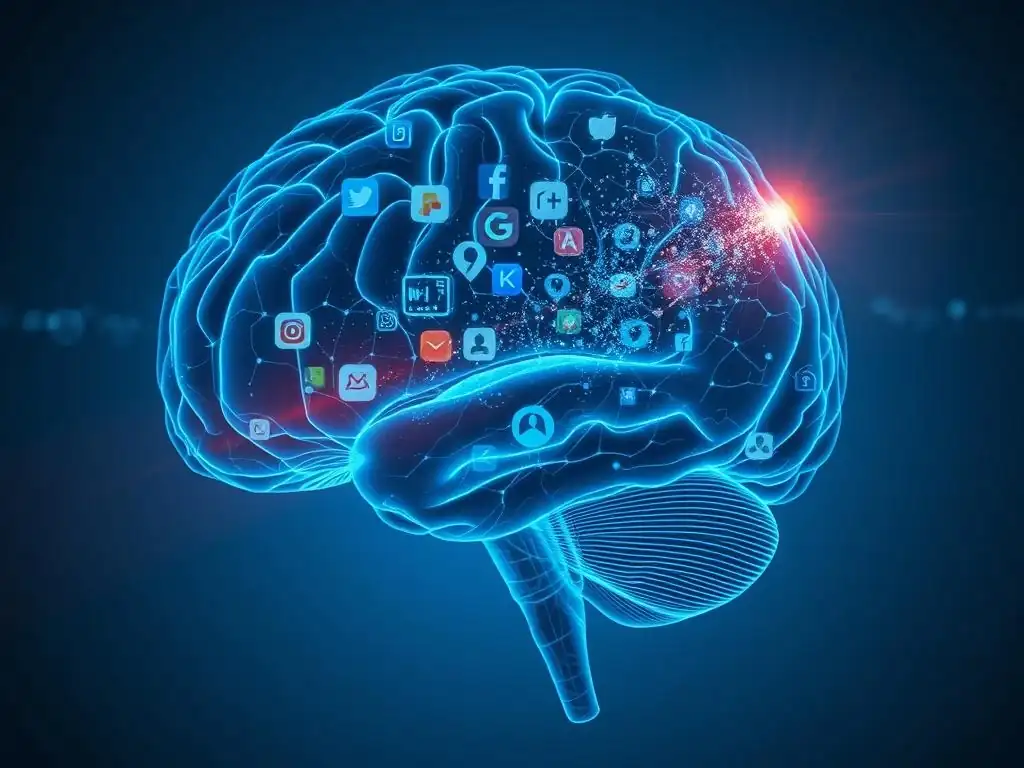
Ever wondered what happens inside your brain when you're endlessly scrolling? Tech addiction brain rewiring is a real phenomenon, and it's impacting us more than we realize. Let's unravel the science behind this modern challenge and explore how to regain control. Dive in to discover the fascinating (and perhaps unsettling) truth about how technology is shaping your mind, and, more importantly, what you can do about it.
The Neuroscience of Tech Addiction: What Happens in Your Brain?
- Understanding Tech Addiction and the Brain
- The Brain's Reward System and Tech Addiction
- Tech Addiction Brain Rewiring: Structural and Functional Changes
- Specific Brain Regions Affected by Technology Overuse
- The Impact of Social Media on the Brain
- The Consequences of Tech Addiction on Cognitive Function
- Is Tech Addiction a Real Addiction? The Neurological Evidence
- Breaking Free: Strategies for Reversing Tech Addiction Brain Rewiring
- The Future of Neuroscience and Tech Addiction Treatment
- Preventing Tech Addiction: Promoting Healthy Digital Habits
- Frequently Asked Questions
- Final Reflection: Rewiring Our Brains, Rewiring Our Lives
- Unlock Your Digital Wellbeing: Take Control of Your Tech Use
Understanding Tech Addiction and the Brain
Defining Tech Addiction: Compulsive Technology Use and Its Impact
Tech addiction, often referred to as problematic internet use, compulsive computer use, or digital addiction, is characterized by an inability to regulate one's interaction with technology, leading to significant distress or impairment in daily life. It's not simply using technology frequently, but rather a pattern of excessive use that persists despite negative consequences, such as neglecting responsibilities, damaging relationships, or experiencing physical health issues like sleep deprivation or eye strain.
Individuals may feel an intense urge to use their devices, become irritable or anxious when unable to do so, and spend increasing amounts of time online, much like with traditional substance addictions.
This behavioral pattern can profoundly impact an individual's mental and physical well-being. For instance, studies and anecdotal reports show that excessive screen time, particularly before bed, disrupts circadian rhythms, leading to sleep disorders. Furthermore, the constant connectivity can contribute to heightened stress levels and feelings of being overwhelmed, often referred to as "digital overload." The impact extends to social spheres, where real-life interactions may be neglected in favor of online connections, sometimes leading to isolation despite perceived online social activity.
The Growing Concern of Technology Overuse: A Public Health Challenge
The pervasive integration of technology into nearly every aspect of modern life, from work and education to social interaction and entertainment, has elevated concerns about potential overuse to a significant public health issue. With billions of people globally accessing the internet and using smartphones daily, the sheer scale of technology engagement means that even a small percentage developing problematic use patterns translates into a large number of affected individuals. Reports from organizations like the World Health Organization (WHO) acknowledging "gaming disorder" highlight the increasing recognition of behavioral addictions related to technology.
This widespread concern is amplified by the fact that technology is constantly evolving and becoming more engaging, often through design features intended to maximize user time and attention. The economic models of many digital platforms rely on sustained user engagement, inadvertently creating environments that can foster compulsive use. Public health discussions are increasingly focusing on not just identifying and treating individuals with severe tech addiction but also on promoting digital well-being and preventative strategies across the population, recognizing the broad societal implications of technology overuse.
How Digital Addiction Differs From Substance Use Disorders
While there are significant overlaps in the neurological pathways involved, digital addiction, as a behavioral addiction, differs from substance use disorders in key ways. Substance addictions involve the ingestion of chemical compounds that directly alter brain chemistry, often leading to physical dependence and withdrawal symptoms that can be severe and medically complex. Heroin or alcohol withdrawal, for example, involves specific physiological reactions like tremors, nausea, or seizures due to the body's physical adaptation to the substance.
Behavioral addictions, including tech addiction, do not involve the ingestion of a substance but rather a compulsive engagement in a rewarding behavior. While withdrawal symptoms can occur (e.g., irritability, restlessness when offline), they are typically psychological and emotional rather than involving severe physical dependence. The primary mechanism revolves around the compulsive pursuit of the rewarding experience itself, rather than the chemical effects of a substance on the body. However, the brain changes, particularly concerning the reward system and impulse control, show striking similarities, leading to the concept of Tech addiction brain rewiring.
The Brain's Reward System and Tech Addiction
Dopamine Release: The Lure of Notifications and Instant Gratification
The brain's reward system, particularly the mesolimbic pathway, plays a central role in motivating behavior by releasing dopamine, a neurotransmitter associated with pleasure, motivation, and learning. In the context of technology, actions like receiving a social media like, getting a notification, or achieving a new level in a game trigger a surge of dopamine. This creates a positive feedback loop: the behavior (checking the phone, playing the game) is reinforced by the pleasurable dopamine release, making the individual more likely to repeat the behavior in the future.
This system is highly susceptible to the intermittent and variable rewards inherent in many digital platforms. Unlike consistent rewards, unpredictable rewards (like not knowing when you'll get a like or a notification) are particularly effective at reinforcing behavior, a principle well-established in behavioral psychology and exploited by app design. This constant potential for a "hit" of dopamine keeps users checking their devices compulsively, contributing significantly to the development of tech addiction.
The Role of the Nucleus Accumbens in Reinforcing Tech Habits
The nucleus accumbens, a key structure within the brain's reward circuit, is heavily involved in processing motivation, reward, and reinforcement learning. When a behavior, such as checking social media or playing a video game, leads to a dopamine release, the nucleus accumbens registers this as a rewarding experience. This strengthens the neural pathways associated with that behavior, making it more likely to become a habit.
In individuals struggling with tech addiction, the nucleus accumbens may become hypersensitive to technology-related cues (like the sound of a notification) and drive a powerful urge to engage with the technology, even when consciously trying to resist. This heightened activity in response to digital stimuli is a core component of the Tech addiction brain rewiring, reinforcing the compulsive nature of the behavior and making it difficult to disengage.
Algorithmic Design: How Platforms Exploit Reward Pathways
Modern digital platforms are often designed using sophisticated algorithms and psychological principles to maximize user engagement. Features like infinite scrolling, autoplay videos, push notifications, and variable reward systems (like the unpredictable nature of social media likes or comments) are specifically crafted to tap into and exploit the brain's reward pathways. These design choices create highly stimulating environments that are difficult to disengage from.
For example, social media algorithms learn user preferences to curate feeds that are constantly novel and engaging, providing a steady stream of potential dopamine triggers. Video game design often incorporates progression systems, achievements, and social competition that provide regular, reinforcing rewards. This deliberate engineering of digital experiences to be maximally addictive contributes significantly to the difficulty individuals face in moderating their technology use and plays a role in the observed Tech addiction brain rewiring.
Tech Addiction Brain Rewiring: Structural and Functional Changes
Reduced Gray Matter Volume in Regions Associated with Cognitive Control
Neuroimaging studies, particularly using Magnetic Resonance Imaging (MRI), have provided insights into the structural changes associated with tech addiction. Several studies have reported reduced gray matter volume in specific brain regions in individuals with problematic internet use or gaming disorder compared to control groups. Notably, reductions have been observed in areas critical for cognitive control, decision-making, and impulse regulation, such as the prefrontal cortex and the anterior cingulate cortex.
For instance, a meta-analysis of studies on internet addiction found consistent evidence of gray matter abnormalities in the prefrontal cortex. This region is crucial for executive functions, including planning, inhibiting impulses, and regulating behavior. A decrease in gray matter volume here suggests a potential weakening of the brain's capacity for self-control, which can make it harder for individuals to resist the urge to use technology, contributing to the cycle of addiction and highlighting aspects of Tech addiction brain rewiring.
Altered White Matter Connectivity Affecting Impulse Control
Beyond gray matter volume, research also indicates that tech addiction is associated with alterations in white matter, the brain tissue composed of myelinated nerve fibers that connect different brain regions. White matter tracts facilitate communication between various parts of the brain. Studies using diffusion tensor imaging (DTI) have found altered connectivity in individuals with problematic technology use, particularly in pathways connecting the prefrontal cortex with other areas involved in the reward system and impulse control.
Changes in these white matter tracts can disrupt the efficient communication between brain regions responsible for regulating impulses and those driving reward-seeking behavior. This altered connectivity may weaken the "brake" signals from the prefrontal cortex, making individuals more prone to acting on immediate urges to use technology, even when they know it's detrimental. This altered wiring pattern is a direct manifestation of Tech addiction brain rewiring.
Impaired Prefrontal Cortex Function: Diminished Executive Function
Functional neuroimaging studies, such as fMRI (functional Magnetic Resonance Imaging), examine brain activity while individuals perform tasks. These studies have shown that the prefrontal cortex, already implicated structurally, also exhibits altered function in individuals with tech addiction. When presented with technology-related cues or tasks requiring impulse control, the prefrontal cortex may show reduced activation compared to healthy individuals.
This diminished functional activity in the prefrontal cortex correlates with impaired executive functions. Individuals may struggle with tasks requiring planning, organization, working memory, and inhibitory control. For example, someone might find it difficult to prioritize important tasks over checking their phone or to stop scrolling once they've started. This functional impairment is a key aspect of Tech addiction brain rewiring, making it challenging to manage technology use effectively.
Specific Brain Regions Affected by Technology Overuse
The Amygdala: Heightened Anxiety and Stress During Tech Absence
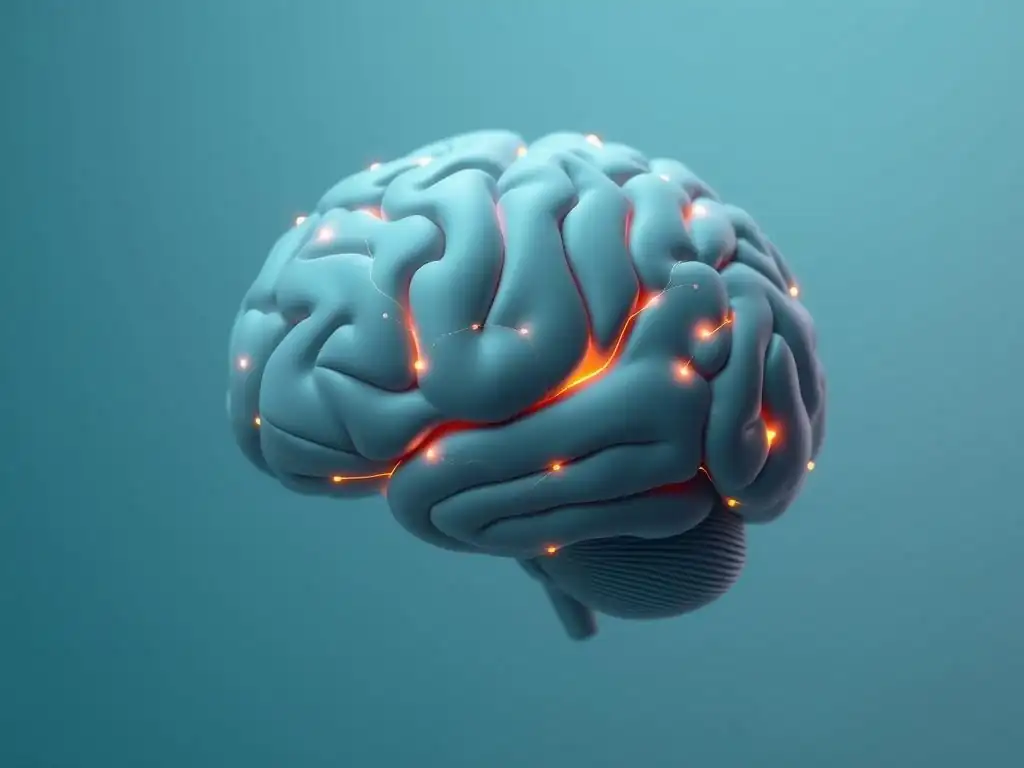
The amygdala is a crucial part of the brain's limbic system, primarily involved in processing emotions, particularly fear and anxiety. In individuals with tech addiction, the amygdala can become hyperactive when they are unable to access their devices or when they anticipate being offline. This can manifest as significant anxiety, irritability, restlessness, and even panic-like symptoms, akin to withdrawal experienced in substance addictions.
This heightened sensitivity of the amygdala contributes to the distress experienced when attempting to cut back on technology use. The brain interprets the absence of the digital reward and connection as a threat or source of stress, triggering the amygdala's alarm system. This neurological response reinforces the compulsion to return to technology to alleviate the negative feelings, creating a difficult cycle to break and reflecting the emotional aspects of Tech addiction brain rewiring.
The Hippocampus: Potential Link Between Excessive Use and Memory Deficits
The hippocampus is a brain structure vital for forming new memories and spatial navigation. While research is ongoing, some studies suggest a potential link between excessive technology use and changes in hippocampal function or structure. For example, multitasking across multiple digital platforms can strain working memory, and constant distraction from notifications may interfere with the process of encoding information into long-term memory.
Furthermore, reliance on external digital memory aids (like constantly searching for information online rather than recalling it) could theoretically impact the brain's own memory-forming processes. While the direct causal link and extent of hippocampal changes due to tech addiction require more research, the anecdotal evidence of memory and concentration problems among heavy tech users points towards potential neurological impacts, possibly involving this key memory region as part of broader Tech addiction brain rewiring.
Visual Cortex: Increased Activation and Potential for Visual Fatigue
The visual cortex, located in the occipital lobe, is responsible for processing visual information. Given the highly visual nature of most modern technology – screens displaying text, images, videos, and animations – the visual cortex is constantly engaged during technology use. Some research indicates increased activity in certain visual processing areas in heavy gamers, for instance.
While increased activation isn't inherently negative, prolonged and intense visual stimulation can lead to visual fatigue, eye strain, and potentially contribute to problems like computer vision syndrome. The brain's visual system is working hard to process the rapid changes and bright lights from screens for extended periods. Although not typically considered a core part of the addiction circuit, the visual cortex is undeniably impacted by the sheer volume of visual input received through technology overuse.
Social media platforms are expertly designed to leverage the brain's reward system through intermittent reinforcement. Every like, comment, share, or follower notification provides an unpredictable positive stimulus. This variability makes the behavior of checking social media highly resistant to extinction, similar to how gambling works on the brain. You never know when you'll get a rewarding notification, so you keep checking compulsively.
This constant cycle of anticipating and receiving intermittent rewards leads to frequent dopamine surges. Over time, the brain can become conditioned to crave these digital rewards, making it difficult to resist checking social media, even during important tasks or social interactions. This powerful reinforcement mechanism is a key driver behind problematic social media use and contributes to the observed Tech addiction brain rewiring.
FOMO, or the Fear of Missing Out, is a psychological phenomenon exacerbated by social media, and it has roots in brain activity related to social connection and anxiety. The brain is hardwired for social connection, and seeing others participate in desirable activities online can trigger feelings of exclusion, anxiety, and inadequacy. This activates areas like the amygdala (involved in anxiety) and potentially the anterior cingulate cortex (involved in processing social pain).
To alleviate this discomfort, individuals are driven to constantly check social media to stay updated, seeking reassurance and connection. This behavior is negatively reinforced – using social media reduces the uncomfortable feeling of FOMO. The brain learns that checking social media is a way to escape this anxiety, further embedding the habit and contributing to compulsive use patterns, influencing emotional regulation pathways as part of Tech addiction brain rewiring.
Social media platforms often present idealized versions of reality, leading users to engage in upward social comparison – comparing themselves unfavorably to others perceived as more successful, attractive, or happy. This constant comparison can negatively impact self-esteem and trigger activity in brain regions associated with processing social status and emotional pain.
Studies using fMRI have shown that viewing images on social media can activate areas like the ventral striatum (part of the reward system, triggered by positive social feedback) but also areas like the anterior cingulate cortex and insula when experiencing negative social comparison or exclusion. This complex interplay of reward and perceived social threat can contribute to anxiety and depression, highlighting how social media impacts not just addiction pathways but also broader emotional and self-perception circuits in the brain, further illustrating aspects of Tech addiction brain rewiring.
The Consequences of Tech Addiction on Cognitive Function
Attention Deficit: Reduced Ability to Sustain Focus
One of the most commonly reported cognitive consequences of tech addiction is a diminished ability to sustain attention. Constant switching between tasks, notifications, and platforms trains the brain for rapid context-switching rather than deep focus. The brain becomes accustomed to receiving information in small, fragmented bursts, making it difficult to engage with tasks requiring prolonged concentration.
Research suggests that chronic media multitasking is associated with poorer performance on tasks requiring sustained attention and filtering out irrelevant information. The constant interruption from notifications and the ingrained habit of checking devices retrains attentional circuits, potentially leading to difficulties focusing on single tasks for extended periods, impacting productivity and learning, and representing a functional aspect of Tech addiction brain rewiring.
Memory Problems: Difficulty Encoding and Retrieving Information
While the hippocampus's direct involvement is still being researched, the behavioral patterns associated with tech addiction can indirectly lead to memory problems. The inability to focus due to constant distraction interferes with the initial encoding of information into memory. If attention is divided between a lecture or a book and incoming notifications, the brain struggles to process and retain the new information effectively.
Furthermore, relying heavily on external digital storage and search engines can reduce the need to retrieve information from one's own memory. While convenient, this could potentially weaken the brain's internal memory retrieval pathways over time. Users might find themselves forgetting details they would previously have remembered or feeling a reduced capacity for mental recall, indicative of potential cognitive shifts related to Tech addiction brain rewiring.
Impaired Executive Functions: Struggles with Planning and Task Management
As noted in the discussion of the prefrontal cortex, tech addiction is linked to impaired executive functions. These higher-level cognitive skills include planning, organizing, prioritizing, initiating tasks, and managing time. Individuals struggling with tech addiction often find it difficult to manage their daily schedules effectively, prioritize responsibilities over technology use, or resist procrastination fueled by digital distractions.
For example, someone might spend hours online instead of working on a crucial project, despite knowing the negative consequences. This difficulty in initiating and completing goal-directed behavior, coupled with poor impulse control, reflects a weakening of the brain's executive control systems. This functional impairment is a hallmark consequence of the Tech addiction brain rewiring process, making it hard to regulate behavior and achieve long-term goals.
Is Tech Addiction a Real Addiction? The Neurological Evidence
Brain Imaging Studies: Similar Activation Patterns to Substance Addictions
A significant piece of evidence supporting the view of tech addiction as a real addiction comes from brain imaging studies. These studies have shown that exposure to technology-related cues (like seeing a smartphone or hearing a notification sound) in individuals with problematic use can trigger activity in brain regions overlapping with those activated in substance addictions when exposed to drug cues. Areas like the nucleus accumbens, ventral tegmental area, and prefrontal cortex show similar patterns of altered activity and connectivity.
For instance, fMRI studies comparing individuals with internet gaming disorder to those with substance use disorders have found comparable abnormalities in brain networks involved in reward processing, impulse control, and emotional regulation. While the stimulus is behavioral rather than chemical, the brain's response shares striking similarities, suggesting that the underlying neural mechanisms of compulsion and loss of control may be shared, supporting the concept of Tech addiction brain rewiring as a true addictive process.
Neurochemical Changes: Altered Dopamine and Serotonin Levels
Beyond brain structure and activity, research also points to potential neurochemical changes in individuals with tech addiction, particularly involving dopamine and serotonin. As discussed, dopamine plays a key role in the reward pathway. Chronic overstimulation of this pathway through excessive technology use might lead to a downregulation of dopamine receptors in certain brain areas, potentially requiring more stimulation to achieve the same level of pleasure – a phenomenon seen in substance tolerance.
Serotonin, another crucial neurotransmitter involved in mood regulation, sleep, and anxiety, may also be affected. Some studies suggest altered serotonin levels or receptor sensitivity in individuals with problematic internet use. These neurochemical shifts can contribute to mood disturbances, anxiety, and depression often co-occurring with tech addiction. The alteration of these key neurotransmitter systems provides further biological evidence for the addictive nature of severe technology overuse and its role in Tech addiction brain rewiring.
The Debate: Behavioral Addiction and Diagnostic Criteria
Despite the compelling neurological evidence, the classification of tech addiction as a formal addiction remains a subject of debate within the medical and psychological communities. While "Gaming Disorder" is included in the WHO's International Classification of Diseases (ICD-11), other forms like social media addiction or general internet addiction are not yet formally recognized in the DSM-5 (Diagnostic and Statistical Manual of Mental Disorders) as distinct addictive disorders, though they are listed as conditions warranting further research.
The debate centers on establishing clear diagnostic criteria that distinguish problematic but non-addictive overuse from true addiction, and whether these behavioral patterns truly share the same underlying pathology as substance dependence. However, the growing body of neuroscience research detailing the structural, functional, and neurochemical changes – the Tech addiction brain rewiring – provides strong support for the idea that severe, compulsive technology use can indeed hijack the brain's reward and control systems in ways analogous to substance addictions.
Breaking Free: Strategies for Reversing Tech Addiction Brain Rewiring
Mindfulness and Meditation: Enhancing Self-Awareness and Impulse Control
Mindfulness and meditation practices offer promising avenues for helping individuals manage tech addiction by strengthening the prefrontal cortex and enhancing self-awareness. Regular mindfulness practice has been shown to increase gray matter density in areas associated with attention, self-awareness, and emotional regulation, including parts of the prefrontal cortex and the insula.
By training the mind to observe thoughts and urges without immediately acting on them, mindfulness helps individuals recognize the triggers and cravings associated with technology use. This increased awareness, coupled with improved impulse control stemming from prefrontal cortex strengthening, empowers individuals to pause before automatically reaching for their devices, providing a crucial step in counteracting the automatic responses developed during Tech addiction brain rewiring.
Cognitive Behavioral Therapy (CBT): Modifying Thoughts and Behaviors
Cognitive Behavioral Therapy (CBT) is a widely used therapeutic approach that is highly effective in treating various behavioral addictions, including tech addiction. CBT helps individuals identify the negative thought patterns and beliefs that contribute to their compulsive technology use and develop healthier coping mechanisms.
A CBT therapist works with the individual to challenge distorted thoughts (e.g., "I can't cope unless I check my phone"), develop strategies to manage cravings and triggers, and gradually modify problematic behaviors. This might involve setting realistic limits, scheduling offline activities, and practicing alternative ways to handle stress or boredom. By changing cognitive and behavioral patterns, CBT helps to build new, healthier neural pathways, effectively working to reverse aspects of Tech addiction brain rewiring.
Given the brain's innate drive for social connection and the way social media can both fulfill and distort this need, actively re-engaging in real-world social interactions is a vital strategy for recovery. Genuine face-to-face interactions stimulate different brain pathways compared to online interactions, fostering deeper emotional connection and providing more authentic social rewards.
Participating in in-person activities with friends, family, or community groups can help fulfill the need for belonging and social validation in healthier ways, potentially reducing the reliance on digital platforms for these needs. Building these meaningful connections strengthens social circuits in the brain and provides alternative sources of reward and support, helping to counterbalance the digital habits reinforced during Tech addiction brain rewiring.
The Future of Neuroscience and Tech Addiction Treatment
Transcranial Magnetic Stimulation (TMS) for Regulating Brain Activity
Transcranial Magnetic Stimulation (TMS) is a non-invasive procedure that uses magnetic fields to stimulate nerve cells in the brain. It is already used to treat conditions like depression and OCD and is being explored for its potential in treating various addictions. For tech addiction, TMS could potentially target areas like the prefrontal cortex to enhance its activity and improve executive control and impulse regulation.
By modulating activity in specific brain circuits implicated in the reward system and self-control, TMS might help rebalance the neural pathways that have been altered by excessive technology use. While still largely experimental for tech addiction, research into its efficacy could open new avenues for directly addressing the neurological underpinnings of Tech addiction brain rewiring.
Using Neurofeedback to Enhance Self-Regulation
Neurofeedback is a type of biofeedback that allows individuals to see their brainwave activity in real-time and learn to regulate it. By providing visual or auditory feedback corresponding to specific brainwave patterns, individuals can be trained to increase or decrease activity in targeted brain regions.
For tech addiction, neurofeedback could potentially be used to train individuals to increase activity in prefrontal areas associated with focus and inhibition or decrease activity in reward-related areas when exposed to cues. This could empower individuals to gain more conscious control over their brain states and responses to digital stimuli, offering a tool to directly influence and potentially reverse aspects of Tech addiction brain rewiring.
The Ethical Implications of Technology in Treating Tech Addiction
As technology becomes more integrated into mental health treatment, particularly for conditions like tech addiction, ethical considerations become paramount. While apps and digital tools can offer accessible support and tracking, there are concerns about data privacy, the potential for these tools to be misused, and whether they truly address the root causes of addiction or simply provide a digital band-aid.
Furthermore, the development of advanced neuro-technologies like TMS and neurofeedback raises questions about accessibility, cost, and the potential for unintended side effects. Ensuring that technological treatments are developed and deployed responsibly, with a focus on patient well-being and evidence-based practice, is crucial as we explore these new frontiers in addressing the complex challenges posed by Tech addiction brain rewiring.
Preventing Tech Addiction: Promoting Healthy Digital Habits
Setting Time Limits and Establishing Tech-Free Zones
Prevention is key to avoiding the negative impacts of tech overuse and the potential for Tech addiction brain rewiring. A practical strategy is to set clear and realistic time limits for technology use, particularly for non-essential activities like social media or gaming. Many devices and apps now offer built-in tools to track and limit screen time.
Equally important is establishing tech-free zones and times throughout the day. This could mean no phones at the dinner table, keeping bedrooms screen-free, or designating certain hours in the evening as digital downtime. These boundaries help create space for other activities, reduce the constant temptation to check devices, and allow the brain to rest and engage in different modes of processing.
Encouraging Offline Activities and Hobbies: Diversifying Interests
To counteract the pull of the digital world, it's essential to cultivate and engage in fulfilling offline activities and hobbies. Pursuing interests like sports, arts, reading, spending time in nature, or learning a new skill provides alternative sources of pleasure, achievement, and social connection that don't rely on screens.
Diversifying interests helps ensure that an individual's sense of identity and well-being is not solely tied to their digital life. Engaging in varied activities provides different types of cognitive stimulation and emotional satisfaction, building resilience against the compulsive pursuit of digital rewards and fostering a more balanced lifestyle that protects against negative Tech addiction brain rewiring.
Educating Children and Adolescents: Promoting Digital Literacy and Well-being
Educating young people about healthy technology use is perhaps the most critical preventative measure. Children and adolescents are particularly vulnerable to developing problematic habits due to their developing brains, including the prefrontal cortex which is still maturing. Teaching them digital literacy involves more than just how to use technology; it includes understanding the potential risks, recognizing manipulative design features, and developing critical thinking skills about online content.
Promoting digital well-being involves discussing the importance of balance, sleep hygiene related to screen time, online safety, and the impact of social media on mental health. Open conversations within families and schools, setting good examples as adults, and equipping young people with the skills to manage their digital lives responsibly are fundamental steps in preventing the widespread negative consequences of tech overuse and safeguarding against Tech addiction brain rewiring in future generations.
Frequently Asked Questions
How does tech addiction impact the brain?
Tech addiction can trigger the release of dopamine, a neurotransmitter associated with pleasure and reward, leading to a cycle of compulsive use. This repeated stimulation can rewire the brain's reward system, making it crave tech-related stimuli.
What is the role of dopamine in tech addiction and brain rewiring?
Dopamine is a key neurotransmitter that reinforces addictive behaviors. With excessive tech use, the brain releases dopamine, creating a reward pathway that encourages repeated engagement, ultimately leading to brain rewiring.
Can tech addiction lead to structural changes in the brain?
Yes, studies suggest that prolonged tech addiction can cause structural changes in the brain, particularly in areas responsible for executive function and impulse control. This can impair decision-making abilities.
What are some strategies for rewiring the brain after tech addiction?
Strategies include practicing mindfulness, engaging in digital detoxes, and seeking therapy. These actions help to rebuild healthy neural pathways and reduce reliance on technology.
Where can I find resources to help with tech addiction?
Mind Care Guide offers a comprehensive collection of information, support, and resources related to mental well-being, including tech addiction. Contact a mental health professional for personalized advice.
Final Reflection: Rewiring Our Brains, Rewiring Our Lives
The pervasive nature of technology in modern life has fundamentally altered our brains, creating a landscape of potential addiction that demands our attention. The research presented in this article highlights the alarmingly similar neurological pathways activated by technology use and substance abuse, demonstrating that tech addiction is not simply a matter of willpower, but a complex interplay of neurochemical reward systems and learned behaviors. This isn't just about scrolling through social media; it's about understanding how our brains are being reshaped by the very tools we use to connect.
The impact of this rewiring extends far beyond individual struggles; it shapes our social interactions, our attention spans, and even our sense of self. The constant stream of notifications and the dopamine rush associated with likes and comments are subtly, yet powerfully, altering our expectations of connection and fulfillment. As Sherry Turkle eloquently stated, We expect more from technology and less from each other.
This quote underscores the crucial need to understand the profound societal implications of our increasingly tech-saturated world, and to actively consider the cost of this constant connectivity.
Consider the information presented here. What steps can you take to cultivate a healthier relationship with technology? Are you aware of your own tech usage patterns, and are they serving you well? This isn't about abandoning technology entirely; it's about reclaiming agency over your brain and your life. By understanding the neuroscience of tech addiction, you can begin to consciously shape your relationship with technology, fostering a more balanced and fulfilling existence, one where technology serves you, rather than the other way around.
Unlock Your Digital Wellbeing: Take Control of Your Tech Use
We hope this exploration into the neuroscience of tech addiction provided valuable insights into your brain's response to technology. You've now learned how to recognize the patterns and understand the underlying mechanisms. Let's turn that knowledge into positive action!
- Prioritize a Digital Detox: Identify one area of your tech use you'd like to reduce—social media, gaming, or something else—and commit to a one-hour reduction daily this week. This small step can make a big difference.
- Share Your Reflections: Discuss your insights from this article with a friend, family member, or colleague. Sharing your experience can strengthen your resolve and provide a supportive network.
- Explore Mindful Tech Practices: Consider experimenting with techniques like setting app time limits, utilizing website blockers, or scheduling dedicated tech-free time. What small change could you implement today?
What's one actionable step you can take right now to improve your relationship with technology?