
Technology Overuse and Sleep Disruption: Breaking the Cycle

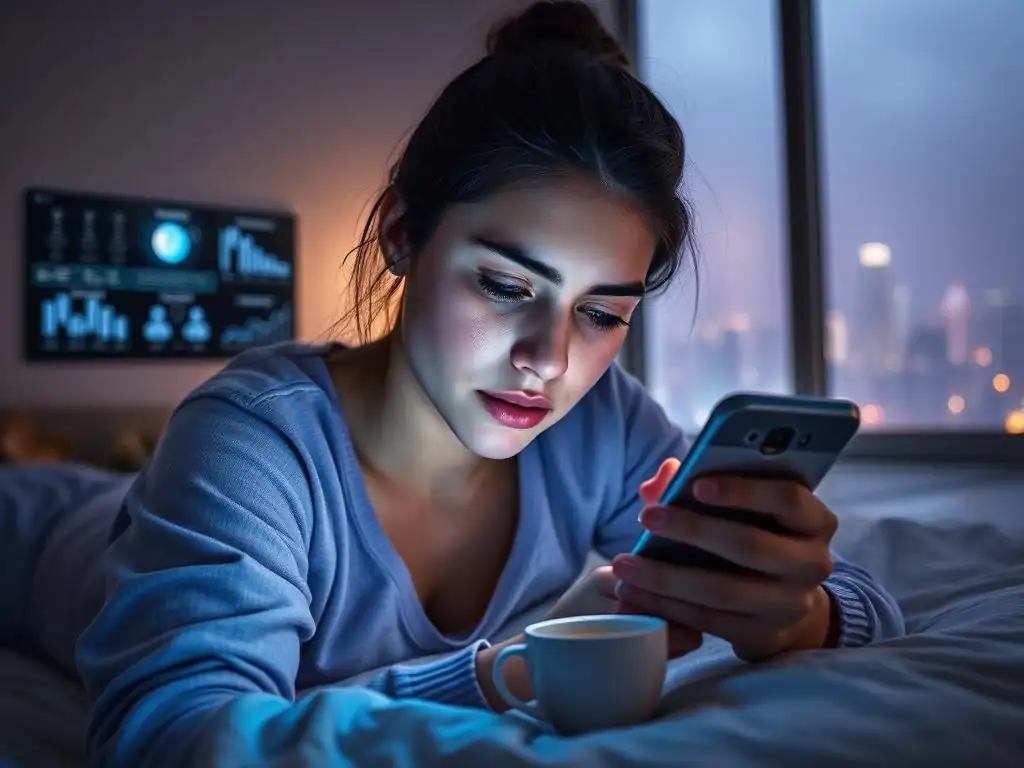
Welcome to Mind Care Guide, a supportive space dedicated to your mental well-being.
Are you feeling the constant pull of technology, only to find your sleep slipping away? In our latest article, "Tech overuse disrupts sleep," we delve into the connection between our digital habits and the quality of our rest. Discover actionable strategies and empathetic guidance to reclaim your nights and find a healthier balance. Read on to understand how to break this cycle and prioritize your sleep for a brighter tomorrow.
- Technology Overuse and Sleep Disruption: Breaking the Cycle | Mind Care Guide
- Identifying the Signs of Tech-Induced Sleep Deprivation
- The Science Behind Sleep and Technology's Interference
- Practical Strategies to Break the Cycle of Tech Overuse and Sleep Disruption
- Alternative Activities to Engage in Before Bed
- Managing Technology Dependence for Improved Sleep
- Long-Term Benefits of Reduced Tech Use Before Sleep
- Resources for Further Support and Information
-
Frequently Asked Questions
- How does technology overuse specifically disrupt sleep patterns?
- What are some common signs that tech overuse is impacting my sleep?
- Besides blue light, what other aspects of technology use contribute to sleep problems?
- What practical steps can I take to reduce tech overuse and improve my sleep?
- What resources are available if I'm struggling to break the cycle of technology overuse and sleep disruption?
- Final Reflection: Reclaiming Your Rest in a Hyper-Connected World
- Reclaim Your Rest: Take Control of Your Tech Habits
Technology Overuse and Sleep Disruption: Breaking the Cycle | Mind Care Guide
How Excessive Screen Time Affects Sleep Quality
Excessive screen time, particularly in the hours leading up to bedtime, significantly degrades sleep quality. When individuals spend prolonged periods interacting with digital devices like smartphones, tablets, and computers, they often delay their natural sleep onset.
This delay isn't just about staying up late; it's about disrupting the body's intrinsic signals for sleep. Research, including studies published in journals like Sleep Medicine Reviews, indicates that high screen usage correlates strongly with reduced total sleep time, increased sleep latency (the time it takes to fall asleep), and more frequent awakenings during the night.
For example, a 2019 study involving young adults found that those reporting more than two hours of screen time per day had a substantially higher risk of poor sleep quality compared to those with less screen time. This demonstrates a clear correlation between the amount of time spent in front of screens and the deterioration of restful sleep patterns.
Furthermore, the interactive nature of many digital activities keeps the brain engaged and alert, making it difficult to wind down. Social media scrolling, gaming, or even reading engaging articles online can stimulate cognitive function and emotional responses, counteracting the relaxation needed for sleep. This cognitive arousal means that even when a person finally closes their eyes, their mind may still be racing, preventing them from entering deeper, restorative sleep stages.
This is a key way tech overuse disrupts sleep – it keeps your brain active when it should be preparing to rest. The constant stream of notifications and information also contributes to a state of hypervigilance, making it harder to switch off and truly relax before attempting to sleep.
The Role of Blue Light in Sleep Disruption
One of the most significant physiological impacts of technology use on sleep is the effect of blue light emitted by screens. Digital devices, especially smartphones and tablets, emit a significant amount of blue light, which has a short wavelength and high energy. This type of light is particularly effective at suppressing the production of melatonin, the hormone responsible for regulating the sleep-wake cycle (circadian rhythm).
Exposure to blue light in the evening tricks the brain into thinking it's still daytime, delaying the natural signal to feel sleepy. Studies have shown that just a couple of hours of evening blue light exposure from screens can suppress melatonin levels by as much as 50%, making it considerably harder to fall asleep at the desired time.
The impact of blue light is cumulative and depends on the intensity and duration of exposure. Sitting close to a bright screen for several hours before bed delivers a powerful dose of this melatonin-suppressing light directly into the eyes. This interference with the body's internal clock explains why many people who engage in tech overuse before sleep find themselves feeling wide awake late into the night, even when they are physically tired. It's a direct biological pathway through which tech overuse disrupts sleep cycles, leading to chronic sleep deprivation for many individuals.
Psychological Effects: Stress, Anxiety, and Sleep
Beyond the physiological impacts, the psychological effects of tech overuse significantly contribute to sleep problems. Constant connectivity can lead to increased stress and anxiety. The pressure to be always available, the fear of missing out (FOMO) on social media, or exposure to negative news and online conflict can elevate cortisol levels, the body's primary stress hormone.
Elevated cortisol in the evening is counterproductive to sleep, as it promotes alertness. For instance, checking work emails late at night can trigger stress responses that make it impossible to relax and transition into sleep mode. This heightened state of mental arousal is a major psychological barrier to restful sleep.
Moreover, the addictive nature of technology can create a cycle of compulsive checking and engagement, leading to feelings of restlessness and inability to disconnect. This dependency often manifests as anxiety when separated from devices, further exacerbating sleep difficulties. Individuals might lie in bed feeling anxious about notifications they are missing or worries about what they saw online.
This mental clutter and emotional distress directly interfere with the ability to calm the mind and drift off to sleep. It’s a clear case where tech overuse disrupts sleep not just physically, but by creating a turbulent mental landscape that is incompatible with peaceful rest.
Identifying the Signs of Tech-Induced Sleep Deprivation
Recognizing Symptoms of Sleep Disruption from Technology
Identifying sleep disruption caused by tech overuse involves recognizing specific symptoms that differ slightly from general sleep deprivation. A primary sign is difficulty falling asleep at a consistent, desired time, often finding oneself wide awake long after intending to sleep, having spent the preceding hours on screens. Another common symptom is waking up frequently during the night, sometimes triggered by the urge to check a device or simply due to a restless mind from earlier tech engagement.
Waking up feeling unrefreshed, despite seemingly adequate time in bed, is also indicative. Unlike other causes of poor sleep, individuals experiencing tech-induced sleep issues often report feeling most alert and engaged while using their devices late at night, followed by a sudden crash of fatigue once they finally disengage, making the transition to sleep difficult.
Daytime symptoms are also telling. Persistent fatigue, difficulty concentrating, increased irritability, and impaired performance at work or school are common. You might notice yourself reaching for caffeine more often to combat daytime sleepiness. Furthermore, a specific sign related to technology is experiencing eye strain, headaches, or blurred vision, especially towards the end of the day, which can be linked to prolonged screen exposure and contribute to overall discomfort that hinders sleep onset. These physical and cognitive symptoms, appearing alongside heavy evening tech use, strongly suggest that tech overuse disrupts sleep patterns significantly.
Assessing Your Technology Usage Patterns Before Bed
A critical step in addressing tech-induced sleep problems is honestly assessing your technology usage patterns in the hours leading up to bedtime. This involves observing what devices you use, when you use them, and for how long. Do you scroll social media in bed until you fall asleep? Do you watch streaming services on a tablet in a dark room?
Do you answer work emails on your laptop right before turning in? Keeping a simple log for a few nights can provide valuable insight. Note the time you stop using screens and the time you actually fall asleep. Many people are surprised to find a significant gap between these two times, directly correlated with their late-night tech habits.
Consider the type of content you consume as well. Highly engaging, stimulating, or emotionally charged content (like intense video games, stressful news, or dramatic shows) is more likely to keep your brain active than passive or calming content. Be mindful of the habit – do you automatically reach for your phone as soon as you're in bed? This automatic behavior can be a strong indicator of a pattern where tech overuse disrupts sleep. Understanding these specific habits allows for targeted changes to break the cycle.
Common Devices Contributing to Sleep Problems: Smartphones, Tablets, Laptops
Virtually any device with a screen can contribute to sleep problems if used inappropriately close to bedtime, but smartphones, tablets, and laptops are the most common culprits. Smartphones, due to their portability and ubiquitous use, are perhaps the biggest offenders, often being the last thing people look at before closing their eyes. Their bright, blue-light-emitting screens are held close to the face, maximizing the negative impact on melatonin production.
Tablets and laptops are also frequently used in the evening, whether for work, entertainment, or communication. While they might be slightly further away than a phone, their larger screens often emit even more blue light.
Gaming consoles and televisions can also contribute, though their impact might vary depending on the distance from the screen and the type of content. However, the interactive nature of smartphones, tablets, and laptops often leads to more prolonged and engaging use right before sleep, making their disruption more pronounced. The habit of having these devices readily accessible in the bedroom reinforces the pattern where tech overuse disrupts sleep, making it difficult to create a boundary between wakefulness and rest.
The Science Behind Sleep and Technology's Interference
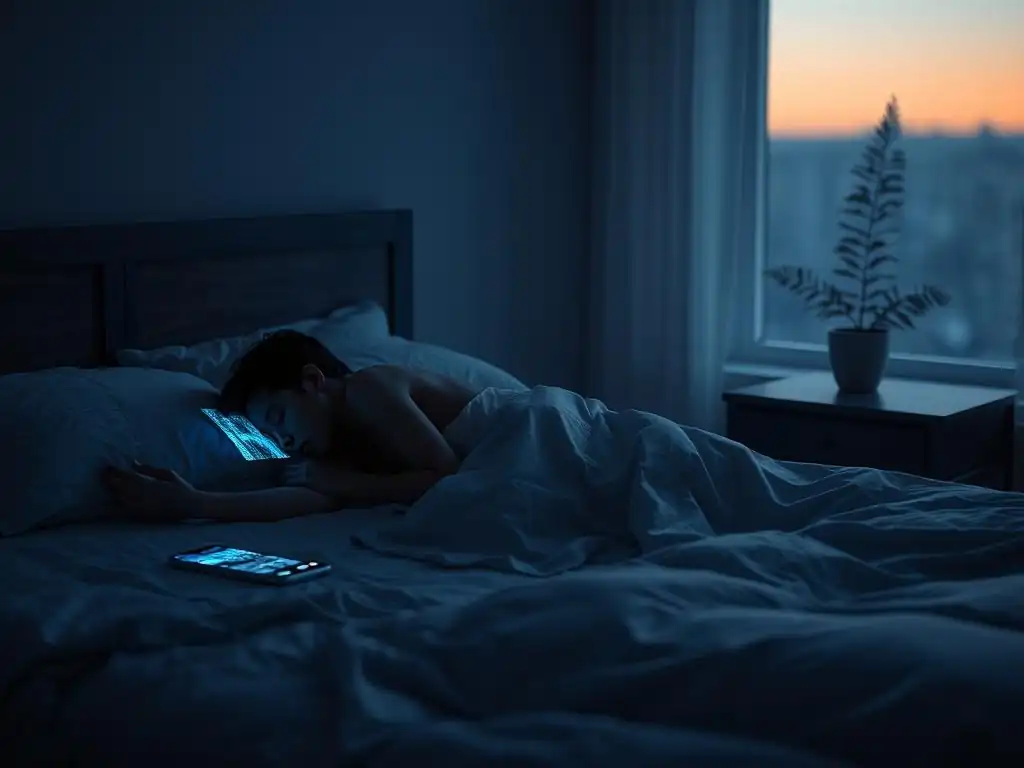
Melatonin Suppression: The Hormonal Impact of Tech Use
The scientific link between tech use and sleep disruption is largely centered on the hormone melatonin. Melatonin is produced primarily in the pineal gland in the brain and is often called the "hormone of darkness" because its production increases as light decreases, signaling to the body that it's time to sleep.
Conversely, exposure to light, especially blue light, signals to the brain that it's daytime, suppressing melatonin production. When you use screens emitting blue light in the evening, you are effectively sending a strong "wake up" signal to your brain at the very time it should be preparing for sleep.
This suppression directly impacts the body's natural sleep drive. With lower melatonin levels, you feel less sleepy, delaying the onset of sleep. Furthermore, chronic suppression can disrupt the overall pattern of melatonin release, potentially affecting sleep quality throughout the night. Studies have shown that even relatively short exposure to blue light from screens can significantly reduce the natural rise in melatonin that typically occurs in the evening. This hormonal interference is a primary mechanism by which tech overuse disrupts sleep on a biological level.
Circadian Rhythm Disruption: How Technology Alters Your Internal Clock
Beyond immediate melatonin suppression, prolonged and consistent evening tech use can lead to a more fundamental disruption of the body's circadian rhythm. The circadian rhythm is the body's internal 24-hour clock that regulates various physiological processes, including the sleep-wake cycle, hormone release, body temperature, and metabolism. Light is the most powerful external cue (zeitgeber) for synchronizing this internal clock. By exposing yourself to bright, blue-rich light from screens late at night, you are essentially shifting your internal clock forward, making it harder to fall asleep at a conventional time and harder to wake up in the morning.
This chronic misalignment between your internal clock and the external environment (like work or school start times) is known as social jetlag and can have significant health consequences. It can lead to chronic sleep deprivation, impaired cognitive function, and an increased risk of various health problems, including obesity, diabetes, and cardiovascular disease. This highlights how tech overuse disrupts sleep not just on a nightly basis, but by altering the body's fundamental timekeeping system, leading to long-term health implications.
The Neurological Effects of Late-Night Tech Engagement
Late-night tech engagement doesn't just affect hormones and circadian rhythms; it also has direct neurological impacts that interfere with sleep. Engaging with stimulating content like video games, social media, or fast-paced videos activates areas of the brain associated with arousal, reward, and attention. The constant stream of notifications and new information keeps the prefrontal cortex, the brain's executive control center, highly active. This state of cognitive arousal makes it difficult for the brain to transition into the slower, more relaxed brainwave states necessary for falling asleep.
Furthermore, the reward pathways in the brain, particularly those involving dopamine, are activated by likes, comments, and notifications on social media or achievements in games. This creates a cycle of seeking immediate gratification, making it hard to put the device down. This neurological stimulation and the associated reward seeking keep the brain in a state of heightened activity, preventing the natural winding down process required for sleep. It's clear that tech overuse disrupts sleep by keeping the brain "wired" when it should be preparing to rest.
Practical Strategies to Break the Cycle of Tech Overuse and Sleep Disruption
Creating a Tech-Free Bedroom Environment
One of the most effective strategies to combat tech-induced sleep problems is to create a completely tech-free bedroom environment. This means removing all screens – smartphones, tablets, laptops, and even TVs – from the bedroom. The bedroom should be a sanctuary for sleep and intimacy, not a place for digital consumption. Having devices present provides a constant temptation to check emails, scroll through social media, or watch videos, even if you intend to sleep. Their mere presence can create a subtle sense of obligation or anxiety about missing something.
Designating the bedroom as a tech-free zone helps re-associate the space with rest and relaxation. Charge your devices outside the bedroom, perhaps in the living room or kitchen. Use a traditional alarm clock instead of your phone to wake up. This physical separation creates a necessary boundary and significantly reduces the opportunity for late-night tech engagement. Research indicates that individuals who keep their phones out of the bedroom report better sleep quality and duration compared to those who keep them nearby. This is a fundamental step in ensuring tech overuse disrupts sleep no more in your personal space.
Establishing a Pre-Sleep Routine Without Technology
Developing a consistent pre-sleep routine that excludes technology is crucial for signaling to your body that it's time to wind down. This routine should start at least 60-90 minutes before your desired bedtime. Instead of scrolling on your phone, engage in calming activities. This could include taking a warm bath or shower, reading a physical book or magazine (not on a backlit device), listening to quiet music or a podcast (played on a non-screen device or with the screen turned off/dimmed significantly), or practicing gentle stretching or yoga.
The goal is to create a predictable sequence of relaxing activities that helps lower your heart rate, calm your mind, and prepare your body for sleep. Consistency is key; doing the same routine each night helps reinforce the association between these activities and sleep onset. This deliberate shift away from stimulating digital engagement is a powerful way to prevent tech overuse disrupts sleep patterns from interfering with your rest.
Setting Time Limits for Evening Technology Use
Implementing strict time limits for technology use in the evening is a practical step to reduce exposure to blue light and stimulating content before bed. A commonly recommended guideline is to cease all non-essential screen use at least one to two hours before your target bedtime. For example, if you aim to be asleep by 11:00 PM, put away your phone, tablet, and laptop by 9:00 PM or 10:00 PM at the latest.
Use alarms or timers on your devices (or even external timers) to remind you when it's time to power down. Communicate these limits to family or housemates if necessary to get their support. While initially challenging, consistently adhering to these time boundaries significantly reduces the amount of blue light exposure and mental stimulation in the critical pre-sleep window. This proactive approach directly counteracts the way tech overuse disrupts sleep onset and quality.
Using Blue Light Filters and Night Mode Effectively
While creating tech-free time is ideal, sometimes evening screen use is unavoidable (e.g., for essential tasks). In such cases, utilizing blue light filters and 'Night Mode' features available on most modern devices can help mitigate some of the negative effects. These features shift the screen's color spectrum towards warmer, more yellow tones, reducing the amount of blue light emitted. While they don't eliminate blue light entirely, they can significantly reduce the suppression of melatonin compared to standard screen settings.
However, it's important to understand that these filters are not a perfect solution. Even with filters, the brightness of the screen and the engaging nature of the content can still be stimulating and interfere with sleep. Therefore, relying solely on blue light filters is insufficient. They should be used as a secondary measure when evening screen time is necessary, complementing the primary strategy of reducing or eliminating tech use in the hours before bed. Using these features mindfully can help lessen the degree to which tech overuse disrupts sleep when complete avoidance isn't possible.
Alternative Activities to Engage in Before Bed
Relaxation Techniques: Meditation and Deep Breathing
Incorporating relaxation techniques like meditation and deep breathing exercises into your pre-sleep routine can effectively calm the mind and body, counteracting the arousal caused by tech overuse. Simple mindfulness meditation involves focusing on your breath and observing your thoughts without judgment. Even 5-10 minutes of quiet meditation can help reduce racing thoughts and promote a sense of peace. Numerous guided meditation apps and resources are available, though be mindful of using a screen for this purpose unless it has a very dim, filtered display or you are using audio-only.
Deep breathing exercises, such as diaphragmatic breathing or the 4-7-8 technique (inhale for 4 seconds, hold for 7, exhale for 8), activate the parasympathetic nervous system, which is responsible for rest and digestion. Practicing these techniques before bed helps lower your heart rate, relax muscles, and create a physiological state conducive to sleep. These practices offer a stark contrast to the stimulating engagement of technology and provide a healthy alternative to help you wind down.
Reading Physical Books or Magazines
Reading a physical book or magazine is an excellent alternative to screen-based entertainment before bed. Unlike backlit screens, paper reflects light rather than emitting it, meaning there is no blue light exposure to suppress melatonin. Reading can be a calming and immersive activity that diverts your attention from daily worries and digital distractions. Choose relaxing or enjoyable material, avoiding anything too stimulating or stressful, such as suspenseful thrillers or work-related content.
The tactile experience of holding a book and turning pages can also be inherently soothing for some people. Make sure you have adequate, warm-toned lighting for reading, positioned so it doesn't shine directly into your eyes. This simple, timeless activity provides a peaceful transition into sleep and is a highly recommended alternative to the stimulating effects that occur when tech overuse disrupts sleep onset.
Gentle Exercise and Stretching for Better Sleep
Engaging in gentle exercise or stretching in the evening can also promote relaxation and prepare the body for sleep. Activities like gentle yoga, stretching, or a leisurely walk earlier in the evening (not right before bed, as intense exercise can be stimulating) can help release muscle tension and promote a sense of physical ease. Avoid vigorous workouts close to bedtime, as they can increase heart rate and body temperature, making it harder to fall asleep.
Focus on slow, deliberate movements and stretches that promote flexibility and relaxation. This physical activity, when done calmly, helps reduce stress hormones and signals to the body that it's time to transition from activity to rest. Combining gentle movement with mindful breathing can be particularly effective. This provides a healthy physical outlet that supports sleep, unlike the sedentary and stimulating nature of tech overuse that disrupts sleep quality.
Managing Technology Dependence for Improved Sleep
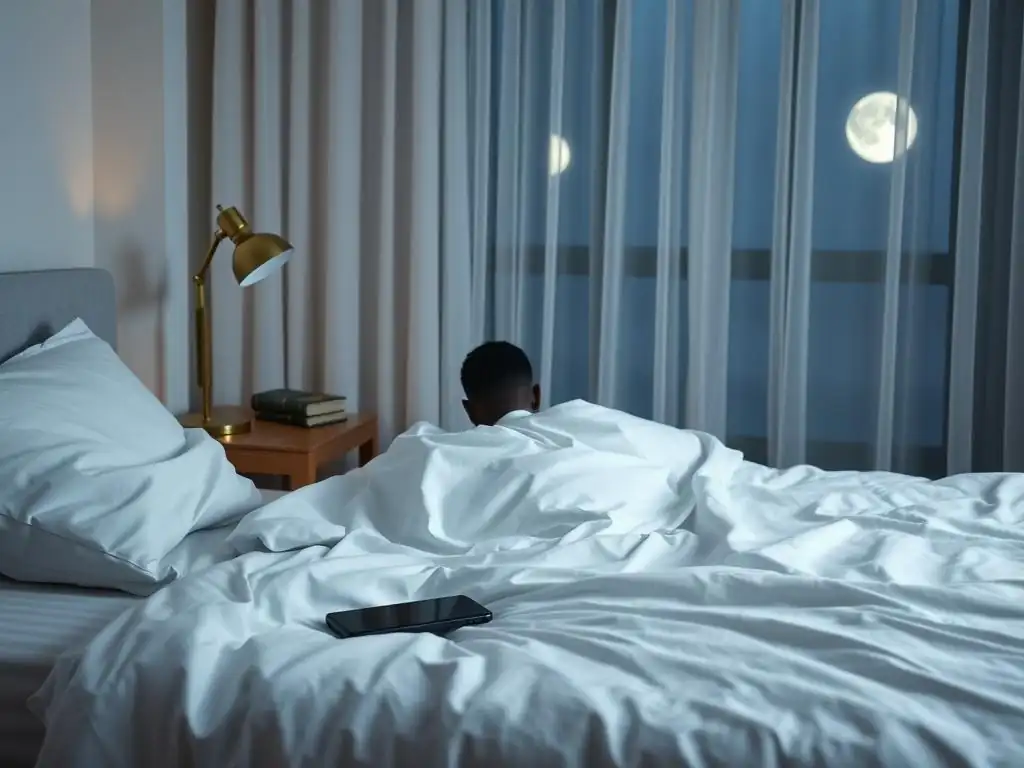
Recognizing and Addressing Underlying Issues Driving Tech Overuse
Managing technology dependence for better sleep requires recognizing and addressing the underlying reasons why you might be engaging in tech overuse in the first place. Is it boredom? Is it a way to avoid dealing with difficult emotions or thoughts? Is it related to social anxiety or a need for constant validation? Is it driven by work demands or the pressure to be always connected? Understanding the root cause of the compulsive behavior is crucial for breaking the cycle.
Once you identify these underlying issues, you can begin to address them directly. This might involve developing healthier coping mechanisms for stress or boredom, finding alternative ways to connect with others offline, or setting better boundaries between work and personal life. Without addressing the core reasons for the dependence, simply trying to cut back on tech might feel like deprivation and be difficult to sustain.
Seeking Support for Technology Dependence: Therapy, Support Groups
For individuals struggling with significant technology dependence that impacts their sleep and overall well-being, seeking professional support can be highly beneficial. Therapists specializing in addiction or behavioral issues can help you understand the patterns of your tech use, identify triggers, and develop healthier coping strategies. Cognitive Behavioral Therapy (CBT) can be particularly effective in challenging the thoughts and beliefs that drive excessive tech engagement.
Support groups, either online or in-person, can also provide a sense of community and shared experience. Hearing from others facing similar challenges and sharing your own struggles can reduce feelings of isolation and provide practical tips and encouragement. These resources offer structured support to help you navigate the complexities of reducing tech dependence, which is often a necessary step when tech overuse disrupts sleep significantly and chronically.
Building Healthy Habits to Replace Tech Use
Reducing tech dependence isn't just about taking something away; it's also about replacing those habits with healthy, fulfilling alternatives. Identify activities that you enjoy but have neglected due to excessive screen time. This could include hobbies like painting, playing a musical instrument, gardening, spending time in nature, or engaging in face-to-face social interactions.
Actively scheduling these alternative activities into your day, especially during times when you would typically engage in tech overuse, can help fill the void and make the transition easier. Building a life rich in offline activities reduces the reliance on technology for stimulation and connection, creating a more balanced lifestyle that naturally supports better sleep. This proactive approach to replacing habits is key to ensuring tech overuse disrupts sleep patterns less and less over time.
Long-Term Benefits of Reduced Tech Use Before Sleep
Improved Sleep Quality and Duration
The most direct and significant long-term benefit of reducing tech use before sleep is a dramatic improvement in sleep quality and duration. By minimizing exposure to blue light and stimulating content, you allow your body's natural melatonin production to occur unhindered, making it easier to fall asleep. Reducing mental arousal before bed leads to less tossing and turning and fewer awakenings during the night.
Over time, establishing a consistent tech-free wind-down routine can help regulate your circadian rhythm, leading to more consistent sleep onset and wake times. This results in accumulating more total sleep time and spending more time in the crucial deep and REM sleep stages, which are essential for physical restoration and cognitive function. Simply put, reducing the ways tech overuse disrupts sleep leads to more restful and sufficient sleep night after night.
Enhanced Cognitive Function and Focus
Chronic sleep deprivation caused by tech overuse has well-documented negative impacts on cognitive function, including impaired attention, concentration, memory, and problem-solving abilities. By improving your sleep through reduced evening tech use, you directly enhance these cognitive functions. A well-rested brain is better equipped to focus, learn, and retain information.
Improved sleep also supports better executive function, including planning, decision-making, and impulse control. This can translate to improved performance at work or school, better decision-making in daily life, and increased productivity. The mental fog associated with poor sleep lifts, allowing for clearer thinking and enhanced mental acuity. This demonstrates how addressing the ways tech overuse disrupts sleep can have widespread positive effects on daily life.
Reduced Stress and Anxiety Levels
The relationship between technology, stress, anxiety, and sleep is a two-way street. While stress and anxiety can contribute to sleep problems, poor sleep also exacerbates stress and anxiety. Reducing tech use before bed helps break this negative feedback loop. By disengaging from potentially stressful online content and reducing the pressure to be constantly connected, you create a calmer mental state before sleep.
Furthermore, getting enough quality sleep improves your ability to cope with stress and manage anxiety during the day. Adequate sleep helps regulate mood and emotional reactivity. Over time, consistently getting better sleep by addressing how tech overuse disrupts sleep can lead to a significant reduction in overall stress and anxiety levels, contributing to improved mental and emotional well-being.
Resources for Further Support and Information
Websites and Organizations Dedicated to Sleep Health
For more in-depth information on sleep health and hygiene, numerous reputable websites and organizations offer valuable resources. The National Sleep Foundation (NSF) and the American Academy of Sleep Medicine (AASM) are excellent starting points, providing evidence-based information on sleep disorders, healthy sleep practices, and the impact of lifestyle factors like technology. These sites offer guides, articles, and tools to help you understand your sleep better.
Other organizations focused on mental health, such as the National Alliance on Mental Illness (NAMI) or Mental Health America (MHA), also often include sections on sleep as it is intrinsically linked to mental well-being. Exploring these resources can provide a broader understanding of how sleep fits into overall health and offer additional strategies for improvement. These resources help you understand the full scope of how tech overuse disrupts sleep and what steps you can take.
Mental Health Professionals Specializing in Technology Dependence
If you suspect your tech use has become a significant dependence or addiction impacting your sleep and daily life, seeking help from a mental health professional is advisable. Look for therapists, counselors, or psychologists who specialize in behavioral addictions, technology addiction, or digital well-being. They can provide personalized assessment, therapy (such as CBT or counseling), and strategies tailored to your specific situation.
You can find qualified professionals through directories provided by psychological associations, employee assistance programs, or referrals from your primary care physician. Don't hesitate to ask about their experience with technology-related issues. Getting professional support can be a crucial step in overcoming dependence and rebuilding healthy habits.
Recommended Reading on Sleep Hygiene and Technology Use
Several excellent books delve into the science of sleep, the impact of technology, and practical strategies for improvement. Titles like "Why We Sleep" by Matthew Walker offer a comprehensive understanding of sleep's importance and the factors that disrupt it. Books specifically addressing digital habits and their impact on well-being, such as those on digital minimalism or mindful technology use, can also provide valuable insights and strategies.
Look for books that are based on scientific research and offer practical, actionable advice rather than just anecdotal information. Reading material that promotes relaxation and learning about healthy habits can also be a great addition to your tech-free pre-sleep routine. Expanding your knowledge is a powerful tool in managing how tech overuse disrupts sleep and reclaiming your rest.
Frequently Asked Questions
How does technology overuse specifically disrupt sleep patterns?
Exposure to blue light from screens suppresses melatonin production, a hormone crucial for regulating sleep. Furthermore, the constant stimulation keeps the brain alert, making it difficult to fall asleep and stay asleep.
What are some common signs that tech overuse is impacting my sleep?
Signs include difficulty falling asleep, frequent awakenings during the night, feeling tired even after a full night's sleep, and increased daytime fatigue and irritability.
Besides blue light, what other aspects of technology use contribute to sleep problems?
The content consumed can be stimulating or anxiety-inducing, making it hard to relax. Also, the social comparison and pressure from social media can increase stress, impacting sleep quality.
What practical steps can I take to reduce tech overuse and improve my sleep?
Establish a "digital curfew" at least an hour before bed. Use blue light filters on devices and consider reading a physical book or engaging in a relaxing activity instead.
What resources are available if I'm struggling to break the cycle of technology overuse and sleep disruption?
Mind Care Guide offers articles, support groups, and links to mental health professionals specializing in behavioral therapy and sleep hygiene. Consult your doctor if the problem persists.
Final Reflection: Reclaiming Your Rest in a Hyper-Connected World
The pervasive nature of technology in modern life has created a silent epidemic: sleep deprivation. We've explored the insidious ways our devices hijack our sleep, from the blue light emitted from screens to the addictive allure of constant notifications. This isn't just about feeling tired; it's about impacting our physical and mental health in profound ways.
The struggle to disconnect is a universal one, a battle fought nightly in bedrooms across the globe. The constant stream of information and the pressure to stay "connected" have fundamentally altered our relationship with rest. This shift has far-reaching consequences, affecting everything from our productivity and emotional well-being to our overall lifespan. Sleep is the golden chain that ties health and our bodies together.
– Thomas Dekker. This quote highlights the critical role sleep plays in our overall well-being, a role often overlooked in our technologically driven society.
You now have the knowledge to break free from this cycle. Consider your own relationship with technology; are you truly in control, or are your devices controlling you? Start small: try putting your phone away an hour before bed, experimenting with blue light filters, and creating a relaxing bedtime routine. Reclaim your nights, reclaim your rest, and reclaim your health. The journey to better sleep begins with a single, conscious decision.
Reclaim Your Rest: Take Control of Your Tech Habits
Thanks for taking the time to explore the connection between technology overuse and sleep disruption! We hope you found valuable insights into improving your sleep hygiene. Now it's time to put that knowledge into action.
Here's how you can start reclaiming your rest tonight:
- Prioritize a tech-free hour before bed: This is your key to better sleep. Put away your phone, tablet, and laptop, and engage in relaxing activities instead.
- Experiment with a calming bedtime routine: Try a warm bath, reading a physical book, or gentle stretching to signal your body it's time to unwind.
- Share your tech-free bedtime tips with friends and family – let's build a community of well-rested individuals!
What small change will you make tonight to improve your sleep?