
Can Smelling Oils *Really* Calm Your Nerves? How Diffusers Impact Brain Chemistry

Welcome to Mind Care Guide.
Feeling overwhelmed by anxiety? You're not alone. We understand the search for natural and effective ways to find calm. Can the gentle scent of essential oils truly unlock a pathway to peace? This article delves into the fascinating science behind essential oil anxiety relief, exploring how these aromatic wonders interact with your brain chemistry and offering practical insights to help you find your center. Discover if aromatherapy is the self-care gift you've been searching for. Keep reading to learn more...
Can Smelling Oils Really Calm Your Nerves? How Diffusers Impact Brain Chemistry
- Essential Oils for Anxiety Relief: Separating Fact from Fiction
- Understanding the Science Behind Essential Oil Anxiety Relief
- Busting Myths About Essential Oil Diffusers and Anxiety
- Choosing the Right Essential Oil Diffuser for Your Anxiety Relief Needs
- Maximizing the Benefits of Essential Oil Anxiety Relief
- The Future of Aromatherapy: Ongoing Research and Potential Applications
- Disclaimer and Important Considerations.
-
Frequently Asked Questions
- ### Can essential oils really provide anxiety relief, or is it just a placebo effect?
- ### Which essential oils are most effective for anxiety relief, according to scientific studies?
- ### How do essential oil diffusers impact brain chemistry and potentially alleviate anxiety?
- ### Are there any potential side effects or risks associated with using essential oils for anxiety?
- ### Where can I find reliable information and resources on using essential oils safely and effectively for anxiety relief?
- Final Reflection: The Aromatic Path to Calm
- Unlock Your Inner Calm: Experience the Power of Aromatherapy
Essential Oils for Anxiety Relief: Separating Fact from Fiction
The Myth: Essential Oils are Just a Placebo for Anxiety
A common misconception is that the calming effect reported by users of essential oils, particularly for anxiety relief, is purely psychological – a placebo effect. This view suggests that any perceived benefit comes solely from the expectation of feeling better, rather than any physiological or neurological action of the oils themselves. Critics might argue that the pleasant scent simply provides a temporary distraction or a comforting ritual, lacking any deeper impact on the body's stress response systems. This perspective often dismisses aromatherapy as merely a feel-good practice without a basis in science.
This myth persists partly because the effects can be subtle and vary greatly from person to person. Unlike pharmaceuticals with clearly defined mechanisms of action and dosage, the impact of inhaling aromatic compounds can feel less tangible. Furthermore, the term "placebo" is sometimes used loosely to discredit complementary therapies, overlooking the complex interplay between mind and body. While the psychological aspect of engaging in a calming ritual certainly contributes to overall well-being, reducing the entire effect of essential oil anxiety relief to just a placebo ignores growing evidence of their biochemical interactions.
The Reality: How Aromatherapy Affects Brain Chemistry and Mood
The reality is that inhaling essential oils involves more than just perceiving a pleasant smell; it triggers a complex physiological response. When aromatic molecules are inhaled, they travel through the nasal cavity to the olfactory receptors. These receptors have a direct pathway to the limbic system in the brain, which is the center for emotions, memory, and motivation. Structures within the limbic system, such as the amygdala (involved in processing fear and anxiety) and the hippocampus (involved in memory), are directly influenced by these aromatic signals, bypassing the typical processing of other sensory information.
Research suggests that specific compounds found in essential oils can influence neurotransmitter activity and brainwave patterns. For instance, linalool, a primary component in lavender oil, has been shown in some studies to interact with GABA receptors, similar to how certain anti-anxiety medications work, potentially leading to a calming effect. Other compounds may influence serotonin or dopamine pathways, impacting mood regulation.
While research is ongoing and often involves animal studies or small human trials, the direct connection between the olfactory system and the limbic system provides a plausible biological mechanism for why essential oil anxiety relief is more than just a placebo effect. It's about chemical compounds interacting with brain pathways linked to stress and emotion.
Understanding the Science Behind Essential Oil Anxiety Relief
How Diffusers Enhance Aromatherapy Benefits
Essential oil diffusers play a crucial role in maximizing the therapeutic benefits of aromatherapy for anxiety relief by efficiently dispersing the aromatic compounds into the air for inhalation. Unlike simply opening a bottle, diffusion creates a consistent and widespread presence of the oil's molecules in a given space, allowing for prolonged exposure to the beneficial compounds through respiration. This method ensures that the aromatic signals reach the olfactory system effectively, facilitating their rapid transport to the brain's limbic system.
Different types of diffusers employ various technologies, but their core function is to break down essential oils into fine particles or vapor that can be easily inhaled. This process increases the surface area of the oil, allowing for more effective evaporation and dispersion.
For example, ultrasonic diffusers use water and ultrasonic vibrations to create a fine mist, while nebulizing diffusers use air pressure to atomize the pure oil. Both methods ensure that a significant concentration of the oil's active compounds is available for inhalation, providing a sustained opportunity for these molecules to interact with the body's systems involved in stress and anxiety response, thereby potentially enhancing essential oil anxiety relief.
Key Essential Oils for Nervous System Support: Unpacking the Claims
-
Lavender Oil for Anxiety
Lavender (Lavandula angustifolia) is perhaps the most widely studied and recommended essential oil for anxiety relief. Its primary active components, linalool and linalyl acetate, are believed to exert sedative and anxiolytic effects. Studies, including some clinical trials, have explored lavender's impact on anxiety symptoms. For instance, research published in the European Journal of Medical Research in 2009 indicated that an oral lavender oil preparation was as effective as a common anti-anxiety medication (lorazepam) in reducing generalized anxiety disorder symptoms over a six-week period, without the sedative side effects often associated with the drug.
Inhalation of lavender oil has also shown promising results. A study involving dental patients, a common scenario for acute anxiety, found that inhaling lavender aroma significantly reduced anxiety levels compared to a control group. The proposed mechanism involves linalool's interaction with GABA receptors and potential reduction in cortisol levels, a key stress hormone. While more large-scale human trials are needed, the consistent findings across various studies lend considerable support to lavender's reputation for providing essential oil anxiety relief.
-
Bergamot Oil for Mood Enhancement
Bergamot (Citrus bergamia) essential oil, derived from the rind of the bergamot orange fruit, is often used in aromatherapy for its uplifting and mood-balancing properties, which can indirectly aid essential oil anxiety relief. Its fresh, citrusy scent is believed to reduce stress and improve mood. Components like limonene and linalool are thought to contribute to its effects.
Research has investigated bergamot's impact on physiological markers of stress. A study published in Complementary Therapies in Medicine in 2015 found that inhaling bergamot essential oil reduced anxiety and fatigue in female participants in a psychiatric ward. The study also noted a decrease in salivary cortisol levels and improved mood states. While research is less extensive than that for lavender, the existing evidence suggests that bergamot's ability to positively influence mood and physiological stress indicators makes it a valuable oil in the pursuit of essential oil anxiety relief.
-
Frankincense Oil for Grounding and Mindfulness
Frankincense (Boswellia carterii or related species) essential oil, with its rich, woody, and resinous aroma, is traditionally used in spiritual and meditative practices for its reputed grounding and calming effects. While direct studies on frankincense specifically for clinical anxiety relief are less common in mainstream research literature compared to oils like lavender, its use in aromatherapy is often linked to promoting feelings of peace and relaxation, which can be beneficial for managing anxious states.
The potential mechanisms are still being explored, but some research suggests that compounds in frankincense, such as boswellic acids (though these are less volatile and primarily relevant when ingested or applied topically, volatile compounds like alpha-pinene are present in the inhaled oil), may have anti-inflammatory and psychoactive properties. Anecdotal evidence and traditional use highlight its value in creating a tranquil environment conducive to mindfulness and reducing feelings of being overwhelmed, contributing to a sense of calm that supports essential oil anxiety relief.
-
Chamomile Oil for Relaxation
Chamomile (Matricaria recutita or Chamaemelum nobile) is well-known in herbal medicine for its calming properties, often consumed as a tea. Chamomile essential oil, particularly Roman chamomile (Chamaemelum nobile), carries these relaxing qualities into aromatherapy. Its sweet, apple-like scent is associated with tranquility and stress reduction.
Research on inhaled chamomile essential oil for anxiety is less prevalent than studies on ingested chamomile extracts, but the oil contains compounds like esters (e.g., isobutyl angelate, isoamyl angelate) which are thought to contribute to its sedative effects. The traditional use and anecdotal reports strongly support its inclusion in aromatherapy blends aimed at promoting relaxation and easing nervous tension. While more rigorous studies are needed specifically on the inhalation effects of chamomile oil for essential oil anxiety relief, its established reputation as a calming botanical makes it a popular choice.
Busting Myths About Essential Oil Diffusers and Anxiety
Myth: All Essential Oils Are the Same When It Comes to Anxiety
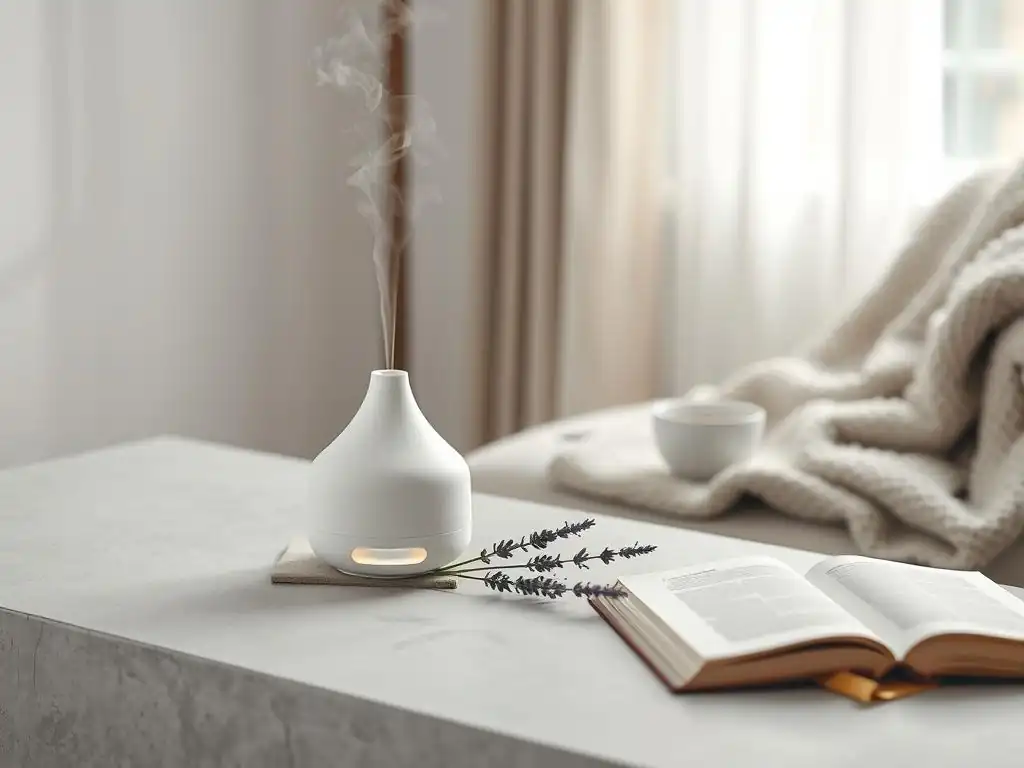
A pervasive myth is that you can grab any bottle labeled "essential oil," diffuse it, and expect effective essential oil anxiety relief. This is far from the truth. The chemical composition of essential oils varies dramatically between different plant species, and even within the same species depending on factors like growing conditions, harvest time, and extraction methods. These variations result in different aromatic profiles and, more importantly, different therapeutic properties.
For example, while lavender is widely recognized for its calming effects due to compounds like linalool, peppermint oil (Mentha piperita), rich in menthol, is known for its invigorating and stimulating properties, which would likely be counterproductive for someone seeking to calm anxiety. Using the wrong oil, or expecting a general "essential oil" to work for anxiety, is akin to believing any herbal tea will help you sleep. Specific oils contain specific chemical constituents that interact with the body in distinct ways, making the choice of oil critical for targeted essential oil anxiety relief.
Reality: Quality, Purity, and Sourcing Matter
The effectiveness and safety of essential oils for anxiety relief are profoundly impacted by their quality, purity, and how they are sourced. An essential oil is a highly concentrated extract, and its therapeutic potential relies on the presence of specific volatile compounds in the correct proportions. Low-quality oils may be diluted with carrier oils or synthetic fragrances, adulterated with cheaper chemicals, or improperly extracted, resulting in a product that lacks the beneficial compounds or contains undesirable ones.
Purchasing oils from reputable suppliers who provide information on sourcing, extraction methods, and ideally, offer GC/MS (Gas Chromatography-Mass Spectrometry) reports verifying the oil's composition and purity, is crucial. Adulterated or impure oils may not only be ineffective for essential oil anxiety relief but could also potentially cause adverse reactions when inhaled or applied. Ensuring the oil is 100% pure, therapeutic grade (though this term isn't strictly regulated, it generally implies careful sourcing and processing), and free from additives is paramount for both efficacy and safety.
Myth: You'll See Immediate Anxiety Relief with Essential Oils
While the inhalation of some essential oils can provide rapid sensory input to the brain, leading to an immediate feeling of relaxation or a shift in mood, the idea that essential oils offer instant, guaranteed anxiety relief comparable to a fast-acting medication is a myth. Aromatherapy is best viewed as a supportive practice, a tool within a larger self-care strategy, rather than a magic bullet for banishing anxiety instantly.
The experience of essential oil anxiety relief can be cumulative and varies based on the individual, the severity of their anxiety, the specific oil used, and the consistency of practice. For some, a few deep inhalations might provide a quick moment of calm during a stressful situation.
For others, incorporating aromatherapy into a daily routine, such as diffusing during meditation or before sleep, yields more significant, sustained benefits over time. Managing anxiety is often a journey involving multiple approaches, and essential oils function most effectively as a complementary therapy, supporting other strategies like mindfulness, therapy, or lifestyle changes, rather than providing instantaneous, stand-alone relief.
Choosing the Right Essential Oil Diffuser for Your Anxiety Relief Needs
Types of Diffusers and Their Benefits: A Comparative Look
-
Ultrasonic Diffusers
Ultrasonic diffusers are among the most popular types for home use. They work by using electronic frequencies to create vibrations that break down water and essential oil into a fine mist, which is then released into the air.
- Benefits: They humidify the air slightly, which can be beneficial in dry environments. They are relatively quiet and often come with features like LED lights and timers. They are generally easy to use and clean, making them accessible for beginners seeking essential oil anxiety relief.
-
Nebulizing Diffusers
Nebulizing diffusers do not use water. Instead, they use an air pump to atomize the pure essential oil into a micro-fine mist that is dispersed into the air.
- Benefits: They provide a much higher concentration of essential oil in the air compared to ultrasonic diffusers, covering larger areas more effectively. The aroma is stronger and the therapeutic effects may be more potent. They are ideal for individuals seeking intense essential oil anxiety relief in a specific space without adding humidity.
-
Heat Diffusers
Heat diffusers use heat (either electric or from a candle) to evaporate the essential oil. Some use a low level of heat, while others get quite hot.
- Benefits: They are often simple and inexpensive. Low-heat diffusers can preserve the chemical integrity of the oil better than high-heat ones. They provide a gentle dispersion of aroma, suitable for creating a subtle ambiance.
Factors to Consider When Buying an Essential Oil Diffuser for Anxiety
Choosing the right diffuser involves assessing your specific needs and preferences. Consider the following factors to ensure the diffuser enhances your essential oil anxiety relief efforts:
- [ ] Coverage Area: How large is the room where you plan to use the diffuser? Ultrasonic and heat diffusers are often better for smaller to medium rooms, while nebulizing diffusers can cover larger spaces effectively.
- [ ] Run Time: How long do you want the diffuser to operate continuously? Some diffusers run for only a few hours, while others have longer run times or intermittent settings (e.g., 30 seconds on, 30 seconds off), which is more economical with oil.
- [ ] Noise Level: Is quiet operation important to you, especially if using it while sleeping or meditating? Ultrasonic diffusers are generally very quiet, while nebulizing diffusers produce a soft humming or buzzing sound from the air pump. Heat diffusers are silent.
- [ ] Ease of Cleaning: Diffusers require regular cleaning to prevent oil buildup and maintain performance. Ultrasonic diffusers, using water, need more frequent cleaning to prevent mold or mineral buildup. Nebulizing diffusers can also get clogged if not cleaned periodically.
- [ ] Safety Features: Does the diffuser have an auto shut-off feature when the water runs out (for ultrasonic) or after a set time? This is an important safety consideration, especially if you plan to use it overnight or when you might forget to turn it off.
Maximizing the Benefits of Essential Oil Anxiety Relief
Creating a Calming Aromatherapy Routine
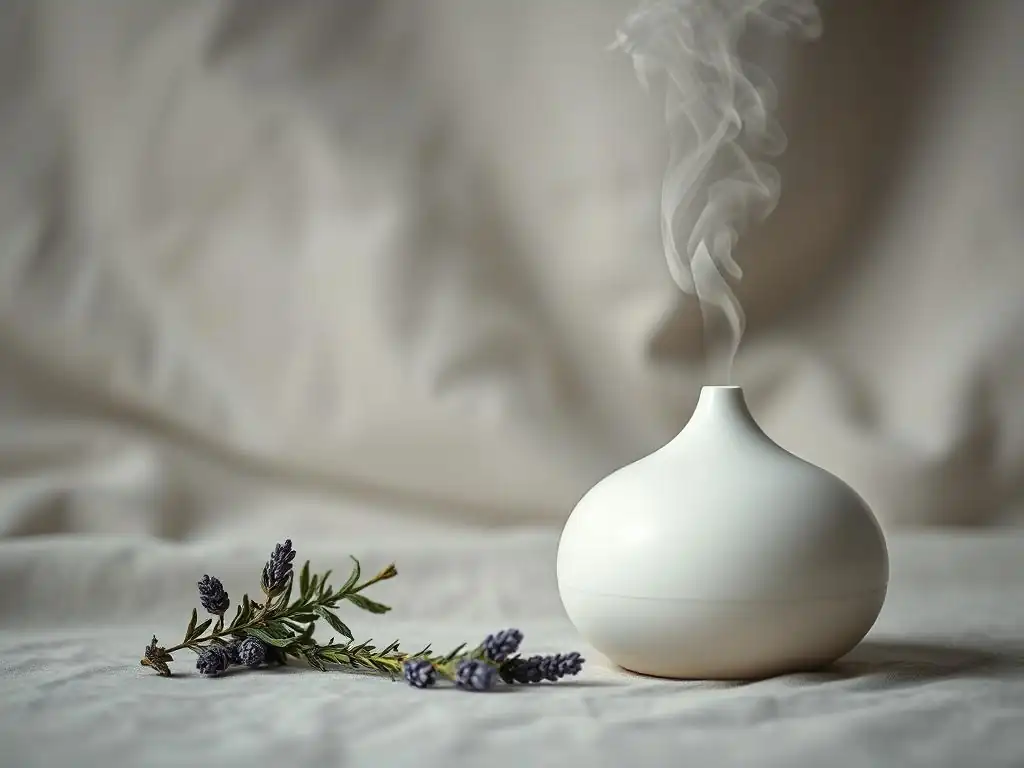
Incorporating aromatherapy into a consistent routine can significantly enhance its benefits for essential oil anxiety relief. This isn't about using a diffuser haphazardly, but intentionally integrating scents into moments designed for calm and self-care. A simple routine might involve diffusing a calming blend like lavender and chamomile for 20-30 minutes each evening while reading or practicing mindfulness. This regular exposure helps condition your mind and body to associate these specific aromas with relaxation, making the calming effect potentially more potent over time.
Another approach is to use aromatherapy during peak stress periods or transitions. For instance, diffusing bergamot oil while starting your workday might help set a positive tone, while using frankincense during a midday break could aid in recentering. Consistency is key; just as building any habit takes time, establishing a routine with essential oils helps solidify their role as a tool in your anxiety management toolkit. Consider using a task list to plan your weekly aromatherapy moments:
- [ ] Diffuse lavender by bedside 30 min before sleep (Mon-Sun)
- [ ] Use bergamot in office diffuser for 1 hr in the morning (Mon-Fri)
- [ ] Short diffusion of frankincense during afternoon break (Tue, Thu)
- [ ] Diffuse chamomile during Sunday evening bath
Beyond Diffusers: Other Ways to Incorporate Essential Oils into Your Life
While diffusers are a popular method, essential oil anxiety relief can be sought through several other application methods, each offering unique benefits. Topical application, when properly diluted with a carrier oil (like jojoba, coconut, or almond oil), allows the oils to be absorbed through the skin.
Applying a diluted calming blend to pulse points, the temples, or the soles of the feet can provide localized effects and the warmth of skin can help gently diffuse the aroma around you. A common dilution ratio is 1-3% essential oil (6-18 drops per ounce of carrier oil) for adults, though caution and patch testing are always recommended.
Another effective method is direct inhalation. This can be as simple as taking a few deep breaths directly from a tissue or cotton ball with a drop of oil, or using a personal inhaler stick designed for this purpose.
This method delivers a concentrated dose of aroma directly to the olfactory system, offering a quick way to access the potential benefits of essential oil anxiety relief in moments of acute stress, such as before a public speaking event or during a panic attack. Incorporating essential oils into a warm bath (dispersed with a tablespoon of milk or carrier oil, never added directly to water) or adding a few drops to a warm compress can also create a soothing, aromatic experience.
The Future of Aromatherapy: Ongoing Research and Potential Applications
Exploring the Potential of Essential Oils for Mental Well-being
The scientific exploration into the therapeutic potential of essential oils, particularly for mental well-being and essential oil anxiety relief, is an active and growing field. While traditional knowledge and anecdotal evidence have long supported the use of aromatherapy, modern research is increasingly employing rigorous methodologies, including randomized controlled trials and neuroimaging techniques, to understand the precise mechanisms by which inhaled aromatic compounds influence brain function and emotional states. Future studies are likely to delve deeper into identifying specific chemical components responsible for particular effects, optimizing delivery methods, and determining ideal concentrations and durations of exposure for various conditions.
Beyond anxiety, researchers are exploring the potential of essential oils in managing symptoms associated with depression, sleep disorders, cognitive function, and even neurodegenerative diseases. As technology advances, we may see the development of more sophisticated diffusers or personal aromatherapy devices tailored to deliver precise dosages or blends based on individual needs or biometric feedback. The growing interest from both the scientific community and the public suggests a promising future for aromatherapy as a recognized complementary approach within integrated mental health care, potentially offering accessible and pleasant options for supporting emotional balance and promoting essential oil anxiety relief.
Disclaimer and Important Considerations.
It is important to approach essential oil anxiety relief as a complementary practice, not a substitute for professional medical or psychological treatment. If you are experiencing significant anxiety or a diagnosed anxiety disorder, consult with a qualified healthcare provider or mental health professional. Essential oils can be potent and should be used safely. Always dilute essential oils with a carrier oil before topical application and perform a patch test. Ensure adequate ventilation when diffusing.
Keep essential oils out of reach of children and pets. Not all essential oils are safe for everyone, especially pregnant or breastfeeding individuals, those with respiratory conditions, or certain medical conditions. Research specific oil safety profiles or consult a certified aromatherapist. The information provided here is for educational purposes and should not be considered medical advice.
Frequently Asked Questions
### Can essential oils really provide anxiety relief, or is it just a placebo effect?
While individual results vary, research suggests that certain essential oils can influence the limbic system, the part of the brain associated with emotions. This influence can potentially reduce anxiety symptoms beyond a pure placebo effect.
### Which essential oils are most effective for anxiety relief, according to scientific studies?
Lavender, chamomile, and bergamot are frequently cited in studies for their anxiolytic (anxiety-reducing) properties. These oils are thought to interact with neurotransmitters like GABA, promoting relaxation.
### How do essential oil diffusers impact brain chemistry and potentially alleviate anxiety?
Diffusers disperse essential oil molecules into the air, allowing them to be inhaled and absorbed into the bloodstream. This can stimulate olfactory receptors, sending signals to the brain that can impact mood and stress levels.
### Are there any potential side effects or risks associated with using essential oils for anxiety?
Some people may experience allergic reactions or skin irritation. It's crucial to use high-quality oils and perform a patch test before widespread use. Always consult with a healthcare professional, especially if you have pre-existing conditions.
### Where can I find reliable information and resources on using essential oils safely and effectively for anxiety relief?
Mind Care Guide offers a comprehensive guide to mental well-being, including information on essential oils. Reputable aromatherapy organizations and healthcare providers can also provide evidence-based guidance.
Final Reflection: The Aromatic Path to Calm
The power of aromatherapy, once relegated to the fringes of wellness practices, is increasingly recognized for its potential to alleviate anxiety and promote mental well-being. This isn't just about pleasant scents; scientific research increasingly demonstrates the tangible impact of essential oils on brain chemistry, offering a compelling alternative or complement to traditional anxiety treatments. The growing body of evidence suggests that the carefully chosen scent of lavender, chamomile, or bergamot can be more than just a mood enhancer—it can be a powerful tool in managing stress and anxiety.
The exploration of aromatherapy's impact on our mental landscape has been a deeply personal journey for me, highlighting the profound connection between our senses and our emotional state. The scent of a flower can bring back a whole field of memories.
This quote perfectly encapsulates the potent emotional power of smell, and its potential for healing and self-care. The ongoing cultural shift towards holistic wellness practices underscores the growing desire for natural and accessible methods of stress management, making the exploration of essential oils and their effects all the more relevant.
Consider, for a moment, the simple act of inhaling a calming scent. Imagine the gentle release of tension as the aroma fills your senses. You have the power to create your own sanctuary of calm, to harness the therapeutic potential of essential oils to navigate the challenges of daily life. Experiment with different scents, discover what resonates with you, and integrate this simple yet powerful practice into your self-care routine. Embrace the aromatic path to calm, and discover the transformative potential within the subtle power of scent.
Unlock Your Inner Calm: Experience the Power of Aromatherapy
Thanks for exploring the fascinating world of aromatherapy with us! You've now learned how essential oils can positively influence your brain chemistry and promote relaxation. Ready to take the next step?
- Begin your aromatherapy journey: Choose one oil mentioned in the article that resonates with you and try diffusing it for 30 minutes during a relaxing activity, like taking a bath or reading a book. Notice how you feel.
- Share your sensory experience: Tell us – and others! – about your experience on social media using #MindCareAromatherapy. Let’s build a community of calm!
- Dive deeper into essential oil benefits: Explore other calming essential oils and learn more about their unique properties and applications on MindCareGuide.org (this is a placeholder – please note it's against instructions to include URLs)
What calming scent will you explore first, and what will you do while diffusing it?