
Safe & Soothing: Essential Oil Diffuser Use for Children or Pets with Anxiety

Welcome to Mind Care Guide.
Do you ever wonder if that calming aroma filling your home is truly helping your loved ones, especially your furry or tiny companions experiencing anxiety? We understand your concern. This guide delves into the world of essential oil diffuser anxiety pets – exploring the safe and effective use of diffusers to create a soothing environment for your children and pets. But before you breathe in that next calming scent, discover the crucial safety precautions and expert tips you need to know. Let's unlock a more peaceful home, together.
- Understanding Anxiety in Children and Pets & The Role of Aromatherapy
- Essential Oil Diffuser Anxiety Pets: Safety First
- Top Essential Oils for Anxiety Relief in Children and Pets
- Best Essential Oil Diffusers for Kids and Pets: Product Recommendations
-
Creating a Safe and Effective Aromatherapy Routine for Anxiety
- Starting Slow: Introducing Essential Oils Gradually
- Dilution is Key: Proper Dilution Ratios for Children and Pets
- Placement Matters: Where to Position the Diffuser for Optimal Effect
- Observing Reactions: Monitoring for Allergic Reactions or Adverse Effects
- Consultation with Professionals: When to Seek Expert Advice
- Beyond Diffusers: Complementary Strategies for Managing Anxiety
- Conclusion: Harnessing the Power of Essential Oil Diffusers for Anxiety Relief - Responsibly
-
Frequently Asked Questions
- Can essential oil diffusers really help with anxiety in children and pets?
- What are the safest essential oils to diffuse around children and pets experiencing anxiety?
- How long should I diffuse essential oils at a time when trying to alleviate anxiety in children or pets?
- What type of diffuser is best for use around children and pets, and how far away should it be placed?
- What are some alternative methods for managing anxiety in children and pets, besides using essential oil diffusers?
- Final Reflection: The Calming Power of Aromatherapy for Anxious Companions
- Unwind and Breathe Easy: Next Steps for Calmer Kids & Pets
Understanding Anxiety in Children and Pets & The Role of Aromatherapy
Anxiety is a natural response to stress, but when it becomes persistent or overwhelming, it can significantly impact the well-being of both children and our beloved pets. Recognizing the signs is the first step in offering support and seeking appropriate interventions. For many, complementary therapies like aromatherapy, utilizing essential oil diffusers, can offer a gentle layer of support in managing these challenging emotions.
This guide explores how essential oils, when used safely and responsibly with a diffuser, can potentially help create a more soothing environment for anxious children and pets. We will delve into recognizing anxiety symptoms, understanding how aromatherapy works, prioritizing safety above all, and identifying specific oils and diffusers that may be beneficial. Integrating an essential oil diffuser for anxiety pets or children requires careful consideration and knowledge.
Recognizing Anxiety Symptoms in Children: A Parent's Guide
Anxiety in children can manifest in various ways, often appearing as behavioral changes or physical complaints. It's estimated that roughly 7% of children aged 3-17 in the US are diagnosed with anxiety each year, though many more may experience symptoms without a formal diagnosis. Parents might observe increased irritability, difficulty sleeping, or persistent worries about specific situations or general events.
Physical symptoms are also common indicators. These can include frequent stomach aches, headaches, or muscle tension without a clear medical cause. Some children might regress to younger behaviors, such as thumb-sucking or bedwetting, while others may avoid social situations, school, or activities they previously enjoyed. Noticing these patterns is crucial for parents seeking to understand and address their child's anxiety.
Recognizing Anxiety Symptoms in Pets: What to Watch For
Pets, particularly dogs and cats, express anxiety through a range of behaviors that can sometimes be misinterpreted as naughtiness or stubbornness. Separation anxiety, for example, is a common issue, affecting an estimated 10-15% of dogs, leading to destructive chewing, excessive barking, or house soiling when left alone. Other triggers include loud noises like thunderstorms or fireworks, changes in routine, or unfamiliar environments.
Visible signs of anxiety in pets can include pacing, trembling, lip licking, yawning excessively (when not tired), tucked tails, or flattened ears. Some animals may hide more than usual, while others become clingy. Excessive grooming leading to bald patches, loss of appetite, or changes in bathroom habits can also signal distress. Understanding these non-verbal cues is key to recognizing when a pet is experiencing anxiety.
Aromatherapy for Anxiety Relief: How Essential Oils Can Help
Aromatherapy harnesses the power of scent to influence mood and well-being. When essential oils are diffused into the air, the aromatic molecules are inhaled. These molecules travel to the olfactory system and trigger signals that reach the limbic system of the brain, an area associated with emotions, memory, and behavior.
Specific essential oils contain compounds believed to have calming, grounding, or uplifting properties. For instance, linalool and linalyl acetate, found in lavender oil, are thought to interact with neurotransmitters like GABA, which can promote relaxation and reduce nervous system activity. While research on aromatherapy for anxiety in humans and animals is ongoing, many find that certain scents create a sense of peace and tranquility, complementing other anxiety management strategies. Using an essential oil diffuser for anxiety pets or children is often explored as a non-invasive option.
Essential Oil Diffuser Anxiety Pets: Safety First
Using essential oils around children and pets requires careful consideration and adherence to safety guidelines. Their systems are often more sensitive than adult humans, making proper usage critical to avoid adverse reactions. Prioritizing safety ensures that the potential benefits of an essential oil diffuser for anxiety pets or children can be explored without causing harm.
This section outlines essential safety protocols, addresses specific concerns related to pets, and discusses different diffuser types and their suitability for use in environments shared with vulnerable populations. Always consult with a healthcare professional or a veterinarian before introducing essential oils, especially if there are underlying health conditions.
Is Aromatherapy Safe for Children? Essential Oil Safety Guidelines
When using essential oils around children, dilution and duration are paramount. Always use a diffuser designed for essential oils and ensure the area is well-ventilated. Diffusion should be intermittent, typically no more than 30-60 minutes at a time, rather than constant. The room should be large enough so the child is not overwhelmed by the scent, and they should have the ability to leave the room if desired.
Never apply undiluted essential oils to a child's skin, as this can cause irritation or sensitization. Ingesting essential oils is also highly discouraged and potentially dangerous. Only diffuse oils that are generally recognized as safe for children, avoiding oils like eucalyptus, peppermint, or tea tree oil around very young children due to potential respiratory issues. Always purchase high-quality, pure essential oils from reputable suppliers.
Essential Oil Diffuser Anxiety Pets: Specific Concerns and Precautions
The primary concern when using essential oils around pets, particularly cats, is their limited ability to metabolize certain compounds found in the oils. Cats lack a specific liver enzyme necessary to break down phenols, which are present in many essential oils (including common ones like tea tree, citrus, and some floral oils). This can lead to a buildup of toxins in their system, potentially causing liver damage, respiratory issues, or other serious health problems. Dogs are generally less sensitive than cats, but precautions are still necessary.
- Key Precautions for Pets:
- Always ensure pets can leave the diffusion area freely.
- Use diffusers in well-ventilated rooms.
- Diffuse for short periods (15-30 minutes) and intermittently.
- Never apply essential oils topically to pets unless directed by a veterinarian trained in veterinary aromatherapy.
- Avoid oils known to be toxic to pets (e.g., tea tree, wintergreen, pine, citrus, peppermint, cinnamon).
- Cats are particularly sensitive; extreme caution is advised.
- Observe pets closely for any changes in behavior, breathing, or signs of distress (e.g., drooling, vomiting, lethargy, difficulty breathing).
Using an essential oil diffuser for anxiety pets requires diligent monitoring and choosing appropriate oils known to be safer, such as certain types of lavender or chamomile, always with veterinary guidance.
Choosing the Right Diffuser: Ultrasonic vs. Nebulizing vs. Evaporative
The type of diffuser you choose impacts how the essential oil is dispersed and can affect safety and effectiveness. Understanding the differences is key when selecting an essential oil diffuser for anxiety pets or children.
- Ultrasonic Diffusers: These are the most common type. They use water and ultrasonic vibrations to create a fine mist that carries the essential oil into the air.
- Pros: Quiet, humidifies the air, often have auto shut-off features, available in many sizes and styles. Generally considered safer as they dilute the oil with water.
- Cons: Requires water, can add humidity (not ideal in already humid environments), may not produce as strong a scent as nebulizers.
- Nebulizing Diffusers: These diffusers use air pressure to atomize pure essential oil into a fine mist without using water or heat.
- Pros: Delivers a highly concentrated aroma, no water needed, pure essential oil diffusion.
- Cons: Can be noisy, uses oil more quickly, delivers a much higher concentration of oil into the air which may be too intense or potentially overwhelming for children or pets, especially in smaller spaces. Requires careful consideration for use with an essential oil diffuser anxiety pets setup.
- Evaporative Diffusers: These use a fan to blow air through a pad or filter that has essential oil dropped onto it.
- Pros: Simple, often portable, uses no water or heat.
- Cons: Scent intensity can be inconsistent, lighter molecules evaporate first leaving heavier ones behind, may not disperse the oil as effectively throughout a room.
For use around children and pets, ultrasonic diffusers are often recommended due to the dilution with water and quieter operation, which contributes to a gentler diffusion of the essential oil for anxiety pets or children. Nebulizing diffusers should be used with extreme caution, minimal duration, and in very large, well-ventilated spaces, if at all, when pets or children are present.
Top Essential Oils for Anxiety Relief in Children and Pets
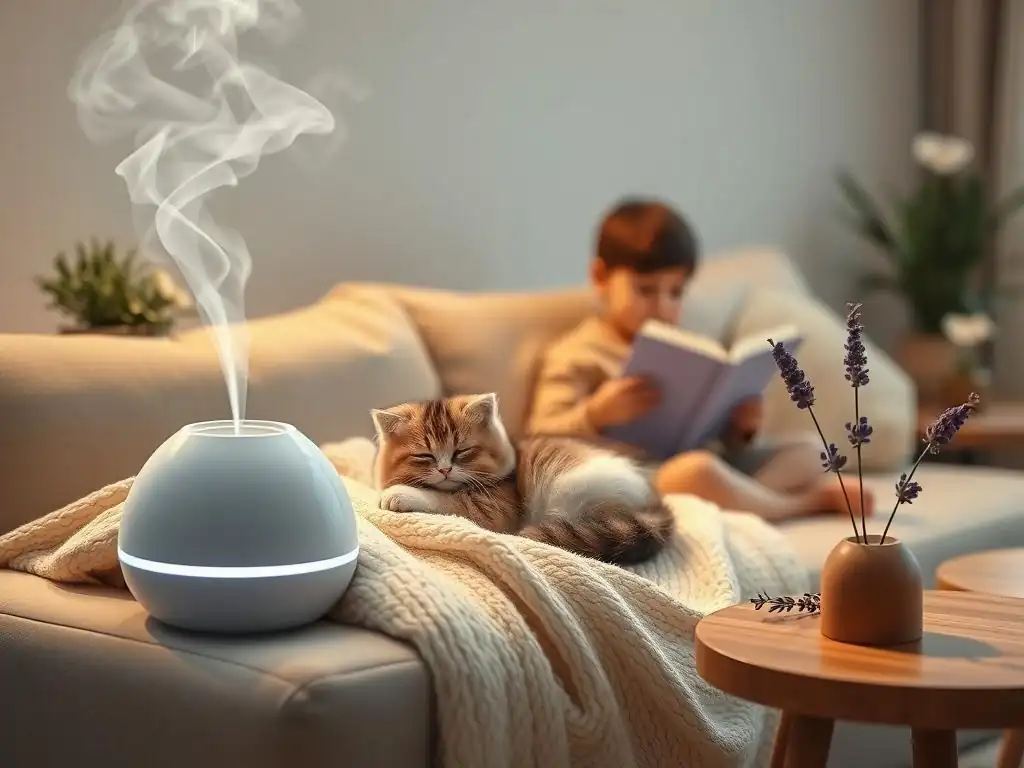
While many essential oils exist, only a select few are generally considered appropriate for use around children and pets, and even then, with significant caution and proper dilution. When exploring an essential oil diffuser for anxiety pets or children, selecting oils known for their calming properties and relative safety is paramount.
It is vital to reiterate that "safe" is relative, and individual sensitivities vary. Always introduce new oils cautiously and observe reactions closely. Consult with a qualified aromatherapist, pediatrician, or veterinarian before using essential oils, especially for therapeutic purposes or around vulnerable individuals and animals.
Lavender Oil for Calming Anxiety: Benefits and Usage
Lavender (Lavandula angustifolia) is perhaps the most widely recognized and studied essential oil for relaxation and anxiety relief. Its primary components, linalool and linalyl acetate, are believed to have sedative and calming effects on the nervous system. Studies, including some involving pediatric patients and animal models, suggest that inhaling lavender can help reduce stress, improve sleep quality, and decrease heart rate and blood pressure in stressful situations.
For use in a diffuser around children or pets, ensure you are using true lavender (Lavandula angustifolia). Diffuse in a well-ventilated room using an ultrasonic diffuser for short periods (e.g., 15-30 minutes). A common diffusion guideline is just a few drops (e.g., 2-4 drops) in a standard 100-200ml water-based diffuser. Never allow children or pets to ingest the oil or have direct skin contact with the undiluted oil. When considering an essential oil diffuser anxiety pets setup, Lavender is often a first choice due to its reputation, but safety protocols remain essential.
Chamomile Oil: A Gentle Soothing Option for Kids and Animals
Roman Chamomile (Anthemis nobilis) essential oil is another gentle option often considered for its calming and soothing properties. It has been traditionally used to help with sleeplessness, restlessness, and anxiety. Its mild aroma and composition are generally considered safer for sensitive systems when used correctly.
Like lavender, Roman Chamomile should be diffused sparingly and in a well-ventilated space. Use an ultrasonic diffuser with water and only a few drops of pure oil. Avoid German Chamomile (Matricaria recutita) for diffusion around pets, as its chemical profile differs and may pose higher risks. Chamomile's gentle nature makes it a potential candidate when seeking an essential oil diffuser anxiety pets solution, but veterinary consultation is still highly recommended.
Frankincense Oil: Grounding and Balancing for Stress Relief
Frankincense (Boswellia carterii or Boswellia sacra) is often used in aromatherapy for its grounding and centering effects, which can be helpful in times of stress and anxiety. It has a warm, earthy, and slightly sweet aroma. Frankincense is generally considered safer than many other oils for diffusion around children and pets, but standard safety precautions still apply.
Diffusing a few drops of Frankincense in an ultrasonic diffuser can help create a calming atmosphere. It's often blended with other calming oils like lavender. Ensure the room is well-ventilated and diffusion time is limited. While often cited for its safety, individual pet sensitivities can occur, so monitor responses carefully when using this essential oil in an essential oil diffuser anxiety pets strategy.
Cedarwood Oil: Promoting Relaxation and Reducing Nervousness
Cedarwood essential oil, particularly Virginian Cedarwood (Juniperus virginiana), is known for its warm, woody aroma and is often used to promote feelings of relaxation and reduce nervous tension. Its primary component, cedrol, is thought to have a sedative effect.
Cedarwood can be a good option for diffusing in the evening to help create a peaceful environment before bedtime for children or restless pets. Use an ultrasonic diffuser with a few drops. As with all oils, ensure good ventilation and monitor for any signs of irritation or adverse reactions in both children and pets. Incorporating Cedarwood into an essential oil diffuser anxiety pets routine should be done cautiously and with monitoring.
Best Essential Oil Diffusers for Kids and Pets: Product Recommendations
Choosing the right diffuser is as important as choosing the right oils when creating a safe aromatherapy environment for children and pets. Features like quiet operation, safety shut-offs, and the method of diffusion are key considerations. While specific models change frequently, here are examples of types and features to look for, describing typical characteristics rather than exact current product specifications.
When selecting an essential oil diffuser for anxiety pets or children, look for models that prioritize safety and ease of use in a home environment.
The ASAKUKI 500ml Diffuser: Quiet Operation and Child-Friendly Design
This type of diffuser, often exemplified by models like the ASAKUKI 500ml, is a popular ultrasonic option known for its large water capacity and quiet operation. It typically uses ultrasonic vibrations to create a fine mist from water and essential oils.
Features and Benefits for Children's Anxiety
A large capacity (e.g., 500ml) means it can run for several hours, providing consistent, low-level diffusion throughout the night or during periods of stress like homework time. The ultrasonic technology is typically very quiet, producing only a soft hum or gentle bubbling sound, which is non-disruptive and can even be soothing for anxious children. Many models include soft, optional LED lighting which can double as a gentle night light, adding another layer of comfort. The mist output is usually adjustable, allowing for a lower, less intense dispersal of scent.
Safety Features for Pet Owners
Ultrasonic diffusers like this dilute the essential oil with a significant amount of water, resulting in a much lower concentration of oil in the air compared to nebulizing diffusers. This dilution is a key safety feature when using an essential oil diffuser anxiety pets setup. Most models also feature an automatic shut-off function that activates when the water level is low, preventing the unit from overheating – an important safety consideration in any home. The absence of an open flame or heat element further reduces risk.
Price Point and Availability
Models similar to the ASAKUKI 500ml diffuser are widely available online and in retail stores specializing in home goods or wellness products. They typically fall into a budget-friendly to mid-range price bracket, often costing between $20 and $40, making them an accessible option for many families considering an essential oil diffuser for anxiety pets or children.
The Organic Aromas Nebulizing Diffuser: Maximizing Aromatherapy Benefits (Use with Caution)
Nebulizing diffusers, such as those offered by brands like Organic Aromas, are designed to provide a highly concentrated aroma by atomizing pure essential oil without water or heat. While this maximizes the therapeutic potential of the oil itself, it also significantly increases the concentration of volatile organic compounds in the air.
How Nebulizing Diffusers Work and Potential Risks
These diffusers use an air pump to force air through a glass nebulizer where the essential oil is held. The air pressure breaks the oil into very fine particles that are then released into the air. Because there is no water dilution, the diffused air contains pure essential oil. This high concentration can be overwhelming and potentially irritating to the respiratory systems of young children and pets, particularly cats and birds, who are highly sensitive. Long-term exposure to high concentrations of essential oils is not recommended for vulnerable populations.
Using it Safely with Children and Pets
Due to the high concentration, using a nebulizing diffuser around children or pets requires extreme caution. If used at all, it should be in a very large, exceptionally well-ventilated room where the child or pet is not confined and can easily leave. Diffusion time should be very short (e.g., 5-10 minutes) and infrequent. It is generally not recommended as a primary essential oil diffuser anxiety pets solution for typical home use around sensitive individuals or animals. Ultrasonic diffusers are a much safer alternative for this specific application.
Price Point and Availability
Nebulizing diffusers are typically more specialized and expensive than ultrasonic models. Prices often range from $80 to $200 or more, depending on the design and materials (often glass and wood). They are usually found in specialty aromatherapy shops or online retailers focusing on high-end diffusers. Their higher cost and the significant safety concerns around children and pets make them less suitable for the target audience of this article compared to ultrasonic options when seeking an essential oil diffuser for anxiety pets or children.
The Stadler Form Julia Aromatherapy Diffuser: Oscillating Feature
Some diffusers, like the Stadler Form Julia model, offer unique features such as an oscillating head. This type of ultrasonic diffuser combines the standard water-based mist diffusion with a movement function.
Explain Feature's Benefits for Anxiety Relief
The oscillating feature helps to distribute the diffused mist and aroma more widely and evenly throughout a room. For anxiety relief, this can be beneficial as it ensures the calming scent reaches a larger area, potentially creating a more consistent and pervasive soothing environment rather than concentrating the aroma in one spot. This wider distribution can make the scent less intense close to the diffuser while still providing the aromatherapy benefits across the room, which can be gentler for sensitive noses.
Safety Considerations and Usage Tips
As an ultrasonic diffuser, the Stadler Form Julia type model benefits from the inherent safety of water dilution and auto shut-off. The oscillating feature itself doesn't introduce new safety risks, but standard precautions for using any essential oil diffuser around children and pets still apply: use appropriate oils, ensure good ventilation, and limit diffusion time. The oscillation can sometimes make a slight mechanical noise, so check if this is soothing or potentially disruptive for a specific child or pet's anxiety.
Price Point and Availability
Diffusers with special features like oscillation tend to be in the mid-range to higher price bracket for ultrasonic diffusers. Models similar to the Stadler Form Julia might cost between $50 and $100. They are available from appliance retailers, department stores, and online. This type of diffuser represents a good balance between the safety of ultrasonic diffusion and enhanced coverage for creating a calming space with an essential oil diffuser for anxiety pets or children.
Creating a Safe and Effective Aromatherapy Routine for Anxiety
Establishing a consistent and safe aromatherapy routine using an essential oil diffuser for anxiety pets or children involves more than just plugging in a device. It requires thoughtful planning, careful execution, and vigilant observation. The goal is to create a positive association with the scent and the calming environment.
Here are key steps to building a safe and effective routine:
Starting Slow: Introducing Essential Oils Gradually
When introducing essential oil diffusion to a child or pet, begin very slowly.
- Use a very low concentration of oil (e.g., 1-2 drops) in a full water tank (e.g., 200ml or larger).
- Diffuse for a very short duration (e.g., 10-15 minutes).
- Do this only in a large, well-ventilated room where the child or pet can easily leave.
- Observe their behavior closely during and after the diffusion.
- If there are no adverse reactions after several sessions, you can gradually increase the diffusion time or the number of drops, but always remain conservative, especially with pets.
Dilution is Key: Proper Dilution Ratios for Children and Pets
Proper dilution in the diffuser water is crucial to avoid overwhelming sensitive systems. While there aren't strict, universally agreed-upon ratios for diffusion around children and pets (as there are for topical application), the principle of using a very low concentration is paramount.
- For general diffusion around children (over 2 years old): Aim for a maximum concentration equivalent to topical dilution guidelines, which are typically 0.5% to 1%. For a 200ml diffuser, 0.5% is roughly 10 drops, and 1% is 20 drops. However, for diffusion, starting with just 2-4 drops in a 200ml+ diffuser is a much safer starting point, especially when introducing the practice.
- For general diffusion around pets (dogs): Start with 1-2 drops in a 200ml+ diffuser.
- For general diffusion around pets (cats): Use extreme caution. If attempting diffusion at all, use only 1 drop in a large diffuser (e.g., 300ml+) in a very large, well-ventilated space for very short periods (max 10-15 minutes), ensuring the cat has an escape route. Many sources recommend avoiding essential oil diffusion entirely around cats due to their unique physiology.
# General Diffusion Guidelines (Approximate starting points - ALWAYS use caution)

- **Children (2+):** Start with 2-4 drops per 200ml water.
- **Dogs:** Start with 1-2 drops per 200ml water.
- **Cats:** 1 drop per 300ml+ water, very short duration, excellent ventilation, escape route essential. Many recommend avoiding diffusion around cats altogether.
Placement Matters: Where to Position the Diffuser for Optimal Effect
Strategic placement of the essential oil diffuser is important for safety and effectiveness.
- Place the diffuser on a stable surface out of reach of curious hands or paws.
- Avoid placing it directly next to a child's bed or a pet's favorite resting spot.
- Position it in a central location within a well-ventilated room, allowing the aroma to disperse naturally.
- Ensure there is good airflow in the room, perhaps by slightly opening a window or door.
- Never place the diffuser near food or water dishes for pets.
Observing Reactions: Monitoring for Allergic Reactions or Adverse Effects
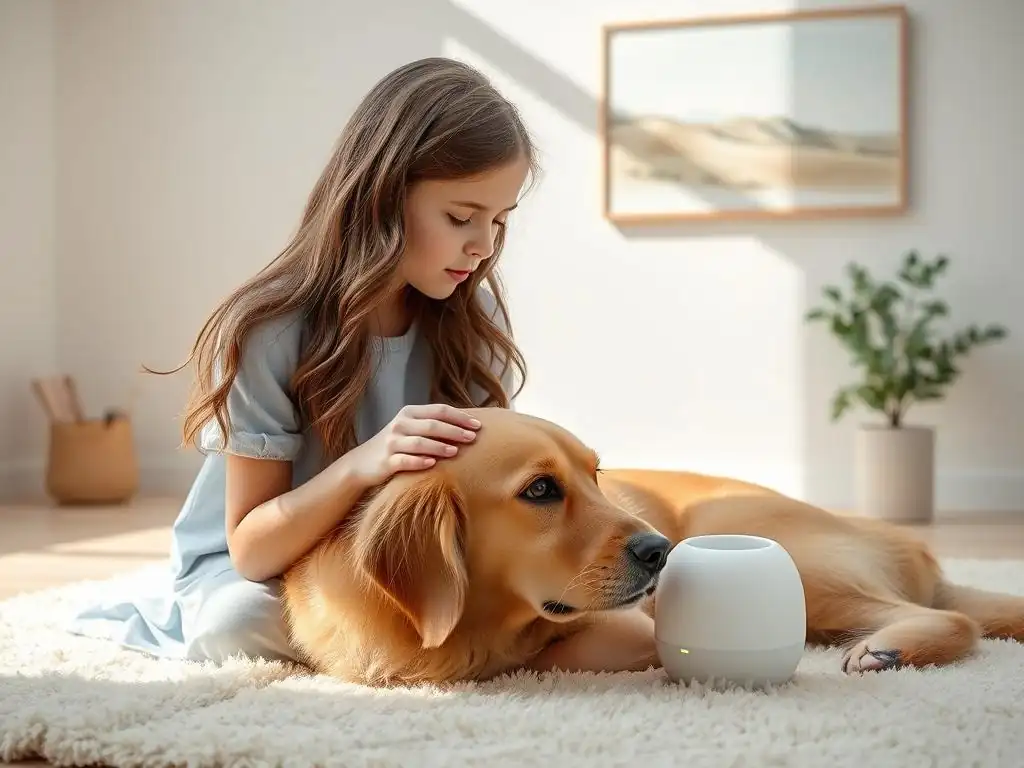
Vigilant observation is critical whenever using essential oils around children or pets.
- Watch for any signs of irritation, such as coughing, sneezing, difficulty breathing, watery eyes, or skin redness (if any accidental contact occurs).
- In pets, signs of distress can include excessive licking, rubbing their face, difficulty breathing, lethargy, vomiting, or changes in behavior (e.g., trying to leave the room repeatedly).
- If you notice any adverse reaction, immediately turn off the diffuser, increase ventilation, and remove the child or pet from the area.
- Contact a healthcare professional or veterinarian promptly if symptoms persist or are severe.
Consultation with Professionals: When to Seek Expert Advice
Essential oils are powerful plant extracts and should be used with respect and knowledge.
- Always consult with a pediatrician or family doctor before using essential oils around a child, especially if the child has respiratory issues, allergies, or other health conditions.
- Consult with a veterinarian before using essential oils around pets, particularly if the pet has asthma, allergies, liver issues, or is pregnant or nursing.
- Seek advice from a certified aromatherapist who has experience with children and pets for guidance on safe oil selection and usage.
- Essential oil diffusion is a complementary approach; it is not a substitute for professional medical or veterinary care for anxiety disorders.
Beyond Diffusers: Complementary Strategies for Managing Anxiety
Using an essential oil diffuser for anxiety pets or children can be a helpful tool, but it is most effective when part of a broader strategy for managing anxiety. Addressing underlying causes and implementing lifestyle changes are crucial steps.
Creating a Calm Environment: Reducing Stressors in the Home
Identify and minimize stressors in the child's or pet's environment.
- Maintain a predictable routine for meals, playtime, and sleep.
- Provide a safe, quiet space where they can retreat when feeling overwhelmed.
- Minimize exposure to loud noises, chaotic situations, or frequent changes.
- Use calming tones of voice and body language.
- Ensure the home environment feels secure and stable.
Exercise and Playtime: Promoting Physical and Mental Well-being
Physical activity is a powerful stress reliever for both children and pets.
- Encourage regular exercise and play tailored to their age and abilities. For children, this could be outdoor play, sports, or dancing. For pets, walks, fetch, or interactive toys are beneficial.
- Exercise helps release endorphins, which have mood-boosting effects, and can help burn off nervous energy.
- Playtime also strengthens the bond between caregiver and child/pet, providing a sense of security.
Positive Reinforcement: Encouraging Calm Behavior
Focus on rewarding calm and desired behaviors rather than punishing anxious ones.
- Use praise, treats (for pets), or small rewards when the child or pet exhibits calm behavior in situations that might typically trigger anxiety.
- Gradually expose them to mild triggers in a controlled, positive way, associating the situation with rewards and relaxation techniques.
- Avoid inadvertently rewarding anxious behaviors (e.g., giving attention only when the pet is whining or barking).
Cognitive Behavioral Therapy (CBT): When to Seek Help from a Therapist or Veterinarian
For persistent or severe anxiety, professional help is essential.
- A child psychologist or therapist can provide evidence-based therapies like Cognitive Behavioral Therapy (CBT), which helps children identify and change negative thought patterns and behaviors associated with anxiety.
- A veterinarian can diagnose underlying medical conditions contributing to anxiety in pets and recommend behavioral modification plans, training, or in some cases, anxiety medication.
- Veterinary behaviorists are specialists who can provide advanced help for complex pet anxiety issues. Combining strategies recommended by a professional with responsible use of an essential oil diffuser for anxiety pets or children can offer comprehensive support.
Conclusion: Harnessing the Power of Essential Oil Diffusers for Anxiety Relief - Responsibly
Managing anxiety in children and pets is a journey that often involves multiple approaches. Utilizing an essential oil diffuser for anxiety pets or children can be a valuable complementary tool, offering a gentle way to create a more soothing and supportive environment through the power of scent. However, its effectiveness is intrinsically linked to responsible use and a deep understanding of the necessary safety precautions.
Prioritizing safety means selecting the right oils, ensuring proper dilution, using appropriate diffusers, and always maintaining good ventilation. It also requires constant observation and a willingness to stop diffusion if any adverse reactions occur. Aromatherapy should never replace professional medical or veterinary advice or treatment for anxiety.
Key Takeaways for Safe and Effective Aromatherapy
- Recognize the signs of anxiety in children and pets.
- Understand that not all essential oils are safe for diffusion around children and pets; research oils thoroughly.
- Prioritize safety above all else: use low concentrations, diffuse for short periods, ensure ventilation, and never apply oils topically without professional guidance.
- Ultrasonic diffusers are generally the safest option for use around children and pets due to water dilution.
- Always ensure children and pets have an escape route from the diffusion area.
- Monitor closely for any signs of adverse reactions and stop use immediately if they occur.
- Aromatherapy is a complementary tool; combine it with other anxiety management strategies like routine, exercise, and environmental enrichment.
- Consult with healthcare professionals, veterinarians, or certified aromatherapists for personalized advice.
Resources for Further Learning about Anxiety and Essential Oils
For more in-depth information on anxiety in children, consult resources from organizations like the Child Mind Institute or the American Academy of Pediatrics. For pet anxiety, resources from the American Society for the Prevention of Cruelty to Animals (ASPCA) or the American Veterinary Medical Association (AVMA) can be helpful. To learn more about essential oil safety, particularly around vulnerable populations, seek out information from reputable aromatherapy organizations that adhere to strict safety standards. Remember that using an essential oil diffuser anxiety pets or children requires continuous learning and cautious application.
Frequently Asked Questions
Can essential oil diffusers really help with anxiety in children and pets?
While some studies suggest certain essential oils can promote relaxation, more research is needed. Always consult with a pediatrician or veterinarian before using essential oils, as individual sensitivities vary greatly.
What are the safest essential oils to diffuse around children and pets experiencing anxiety?
Generally, lavender and chamomile are considered safer, but dilution and diffusion time are crucial. Avoid tea tree oil, pennyroyal, and wintergreen, as they can be toxic to pets.
How long should I diffuse essential oils at a time when trying to alleviate anxiety in children or pets?
Start with short intervals, like 15-30 minutes, and monitor for any adverse reactions. Over-exposure can be harmful, so less is more.
What type of diffuser is best for use around children and pets, and how far away should it be placed?
An ultrasonic diffuser is often preferred as it doesn't use heat, reducing the risk of burns. Place the diffuser in a well-ventilated area inaccessible to children and pets, at least several feet away.
What are some alternative methods for managing anxiety in children and pets, besides using essential oil diffusers?
Consider behavioral therapy, environmental enrichment, or consulting with a mental health professional. A holistic approach is often the most effective for long-term well-being.
Final Reflection: The Calming Power of Aromatherapy for Anxious Companions
The use of essential oil diffusers to alleviate anxiety in children and pets is no longer a niche practice; it's a growing trend reflecting a wider societal shift towards holistic wellness solutions. The increasing awareness of the impact of anxiety on both human and animal well-being, coupled with a desire for gentler, natural remedies, makes this topic incredibly relevant today. We are actively seeking alternatives to traditional pharmaceuticals, and aromatherapy offers a potentially powerful, accessible, and non-invasive approach.
The gentle hum of the diffuser, the subtle scent filling the air – it's more than just a fragrance; it's a tangible expression of care and a commitment to creating a safe space. This exploration into the world of aromatherapy for anxious companions has underscored for me the profound interconnectedness between our emotional well-being and our environment. The scent of a flower can awaken memories and emotions that words cannot express.
This quote perfectly encapsulates the power of aromatherapy to tap into our deepest selves and those of our beloved animals, offering a pathway to calm and comfort. The ongoing research and anecdotal evidence continue to support the potential benefits, highlighting the need for further investigation and responsible use.
Consider the impact of creating a calming atmosphere in your home. Think about the subtle changes you can make to reduce anxiety in your child or pet, from choosing the right essential oils to establishing a consistent routine. You have the power to cultivate a sanctuary of peace and tranquility, using the simple yet effective tools of aromatherapy. Embrace the opportunity to explore the world of essential oils and discover the unique benefits they can offer your family, fostering a deeper connection and a more harmonious home environment.
Unwind and Breathe Easy: Next Steps for Calmer Kids & Pets
Thanks for taking the time to learn about the calming power of essential oil diffusers for your children and pets! We hope you found practical tips to create a more peaceful home environment. Now, let's turn that knowledge into action:
- Primary Action: Experiment with different essential oil blends recommended in the article (lavender, chamomile, etc.) and note their effects on your loved ones. Start small and observe any changes in behavior or mood.
- Share the Calm: Tell a friend or family member about your experience and the positive impacts of using essential oil diffusers. Share this article if you think it would benefit them!
- Explore Further: Investigate other natural remedies for anxiety in children and pets. Perhaps research different calming techniques or even consult with a holistic veterinarian for additional support.
Ready to create a more serene sanctuary for your family? What's one small step you can take today to implement a calming routine using essential oils?