
The Surprising Connection Between Your Sense of Smell and Anxiety Levels Explained

Welcome to Mind Care Guide, your compassionate companion on the journey to mental well-being.
Ever wonder why a particular scent can suddenly trigger a wave of unease? We delve into the fascinating – and often overlooked – smell anxiety connection explained in our latest article. Understanding this link is the first step towards managing anxiety triggers and reclaiming your peace of mind. Curious to learn how your nose might be playing a role in your anxiety? Discover the surprising insights and practical strategies that await you within.
The Surprising Connection Between Your Sense of Smell and Anxiety Levels Explained
- Understanding the Smell-Anxiety Link: How Your Nose Impacts Your Nerves
- Decoding the Anxiety-Smell Relationship: Common Triggers and Responses
-
Can Aromatherapy Help? Essential Oils for Anxiety Relief
- Lavender: The Calming Powerhouse for Anxiety Reduction
- Research Supporting Lavender's Anxiolytic Effects: Studies and Findings
- Product Recommendation: Plant Therapy Lavender Essential Oil
- Chamomile: Soothing the Senses and Easing Anxiety
- How Chamomile Interacts with the Nervous System: A Deeper Look
- Product Recommendation: Edens Garden Relax Synergy Blend
- Bergamot: Uplifting Your Mood and Reducing Stress
- The Citrusy Scent with Stress-Relieving Properties: Bergamot Explained
- Product Recommendation: ASAKUKI Essential Oil Diffuser
-
Using Essential Oil Diffusers to Manage Anxiety: A Practical Guide
- Choosing the Right Diffuser for Your Needs: Ultrasonic vs. Nebulizing
- Product Recommendation: InnoGear Essential Oil Diffuser
- Product Recommendation: Organic Aromas Nebulizing Diffuser
- Creating Your Own Anxiety-Relieving Aromatherapy Blends: Recipes and Tips
- Blend Recipe 1: Lavender and Cedarwood for Relaxation
- Blend Recipe 2: Bergamot and Frankincense for Uplifting Your Mood
- Safety Considerations When Using Essential Oils for Anxiety: Dosage and Precautions
-
Beyond Essential Oils: Other Smell-Related Strategies for Anxiety Management
- Mindful Breathing Exercises and Aromatherapy: Combining Techniques for Maximum Effect
- Creating a Calming Sensory Environment: Scented Candles and Incense (with Caution)
- Product Recommendation: Chesapeake Bay Candle Mind & Body Collection
- Identifying and Avoiding Personal Scent Triggers: A Proactive Approach
- The Future of Smell and Anxiety Research: What's Next?
- Conclusion: Harnessing the Power of Smell for a Calmer Mind
-
Frequently Asked Questions
- How does the sense of smell directly relate to anxiety?
- What are some specific smells that are commonly linked to increased anxiety?
- Can anxiety itself alter my sense of smell?
- How can I use my sense of smell to reduce anxiety?
- Where can I find more resources and support if I'm struggling with the smell anxiety connection?
- Final Reflection: Unlocking the Silent Language of Anxiety Through Scent
- Unveil Your Scent-sational Calm: Take Control of Anxiety Today!
Understanding the Smell-Anxiety Link: How Your Nose Impacts Your Nerves
The Science Behind Olfactory Perception and Anxiety
The olfactory system, responsible for our sense of smell, is unique among our senses because it has a direct pathway to the limbic system, the brain's emotional center. When you inhale an odor, scent molecules travel up the nasal passage to the olfactory epithelium, where olfactory receptors detect them. These receptors send signals directly to the olfactory bulb, which is part of the limbic system, particularly the amygdala and hippocampus.
Unlike other senses like sight or sound, which are first processed through the thalamus before reaching emotional centers, smell bypasses this relay, allowing for an immediate and powerful emotional response. This direct link is fundamental to understanding the smell anxiety connection explained.
This rapid processing means that smells can evoke strong memories and emotions almost instantaneously, sometimes even before we consciously recognize the scent. This evolutionary advantage likely helped our ancestors quickly identify dangers like spoiled food or predators. However, this direct line also means that odors associated with past negative experiences, even subtle ones, can trigger a rapid emotional or physiological reaction, including feelings of anxiety or fear. The efficiency of this pathway highlights why the connection between smell and anxiety can be so profound and sometimes difficult to consciously control.
The Role of the Amygdala in Processing Smells and Fear Responses
The amygdala, a pair of almond-shaped nuclei located deep within the temporal lobes, is a key player in processing emotions, especially fear and anxiety. It acts as the brain's threat detection system. The olfactory bulb sends projections directly to the amygdala, establishing a powerful olfactory anxiety link. When the amygdala receives signals from the olfactory system, it quickly assesses the potential threat or emotional significance of the smell based on past experiences and learned associations.
If a smell is associated with a traumatic event or a stressful period, the amygdala can trigger a fear or anxiety response, even if the current situation is safe. This can manifest as increased heart rate, rapid breathing, or a feeling of panic. Research using fMRI scans has shown increased activity in the amygdala when individuals are exposed to odors previously linked to stressful events. This demonstrates the amygdala's crucial role in mediating the smell anxiety connection explained, illustrating how an odor can bypass conscious thought and directly activate the brain's fear circuitry.
Decoding the Anxiety-Smell Relationship: Common Triggers and Responses
Specific Scents That Commonly Trigger Anxiety: From Perfumes to Cleaning Products
While some smells are universally perceived as unpleasant (like sulfur or decay), many anxiety triggers are highly personal and learned. Common culprits include strong, artificial fragrances found in perfumes, air fresheners, and laundry detergents. For someone who experienced stress or illness associated with a particular perfume worn by a caregiver, that scent, years later, might unconsciously trigger feelings of unease or even panic. Similarly, the harsh chemical smell of certain cleaning products can evoke anxiety in individuals who associate them with sterile, potentially distressing environments like hospitals or clinics.
Beyond artificial scents, natural odors can also act as triggers. The smell of smoke, for instance, is a primal warning signal that can induce immediate anxiety due to its association with fire and danger. Even seemingly innocuous smells like certain foods or the scent of rain can be triggers if they are linked to specific past traumas or highly stressful events. Identifying these personal triggers is a crucial step in managing the smell anxiety connection explained for an individual.
Case Study: Emily's Experience with Scent-Induced Panic Attacks
Emily, a 34-year-old graphic designer, began experiencing sudden, inexplicable panic attacks. They would often occur when she was out shopping or visiting friends' homes. After tracking her episodes, she noticed a pattern: the attacks frequently started when she encountered certain strong floral perfumes or scented candles. She recalled that her grandmother, with whom she had a complex and sometimes stressful relationship, always wore a heavy floral perfume. During her childhood, visits to her grandmother's house were often filled with tension and anxiety.
Emily realized that the connection between smell and anxiety was profoundly impacting her life. The floral scents, bypassing her conscious thought, were directly triggering her amygdala's fear response based on those early stressful associations. By working with a therapist and consciously identifying and avoiding these specific scent triggers, Emily was able to significantly reduce the frequency and intensity of her panic attacks, illustrating the power of recognizing and managing the olfactory anxiety link.
The Body's Physiological Response to Anxiety-Triggering Smells: Heart Rate, Breathing, and More
When an anxiety-triggering smell activates the amygdala, it initiates a cascade of physiological responses mediated by the sympathetic nervous system, often referred to as the "fight or flight" response. One of the most immediate effects is an increase in heart rate and blood pressure as the body prepares for action. Breathing becomes faster and shallower, sometimes leading to hyperventilation, which can exacerbate feelings of panic.
Other physical manifestations can include muscle tension, sweating (particularly on the palms), digestive upset (like nausea or stomach cramps), and a general feeling of unease or dread. These physical symptoms are the body's automatic, unconscious reaction to the perceived threat signaled by the smell, reinforcing the potent smell anxiety connection explained. Understanding these physiological responses can help individuals recognize when a scent is triggering their anxiety and take steps to manage their symptoms.
Can Aromatherapy Help? Essential Oils for Anxiety Relief
Lavender: The Calming Powerhouse for Anxiety Reduction
Lavender (Lavandula angustifolia) is perhaps the most widely recognized essential oil for its calming and anxiety-reducing properties. Its sweet, floral aroma is often used in aromatherapy to promote relaxation, improve sleep, and ease nervous tension. The main active compounds in lavender essential oil, particularly linalool and linalyl acetate, are believed to interact with neurotransmitters in the brain, such as GABA (gamma-aminobutyric acid), which helps to quiet the nervous system.
Inhaling lavender scent can signal the brain to slow down and enter a more relaxed state. This makes it a popular choice for individuals looking to manage the smell anxiety connection explained using natural methods. Whether diffused in a room, added to a warm bath, or applied topically (diluted), lavender's soothing aroma offers a gentle approach to easing everyday stress and anxiety.
Research Supporting Lavender's Anxiolytic Effects: Studies and Findings
Numerous studies have explored lavender's effects on anxiety. A 2010 study published in the International Journal of Neuropsychopharmacology found that an oral lavender oil preparation significantly reduced anxiety in patients with Generalized Anxiety Disorder (GAD), comparable to the effects of a low-dose benzodiazepine, but without sedative effects or potential for dependence. While this study used an ingested form, the findings support the active compounds' efficacy.
Research focusing specifically on inhalation has also yielded positive results. A study involving dental patients, often prone to anxiety, showed that inhaling lavender oil significantly reduced their anxiety levels compared to a control group inhaling a neutral scent. Another analysis of multiple studies published in Phytomedicine concluded that there is compelling evidence supporting the anxiolytic effects of lavender, particularly via inhalation, providing scientific backing for its traditional use in managing the olfactory anxiety link.
Product Recommendation: Plant Therapy Lavender Essential Oil
Plant Therapy Lavender Essential Oil is a popular choice known for its high quality and purity.
Chamomile: Soothing the Senses and Easing Anxiety
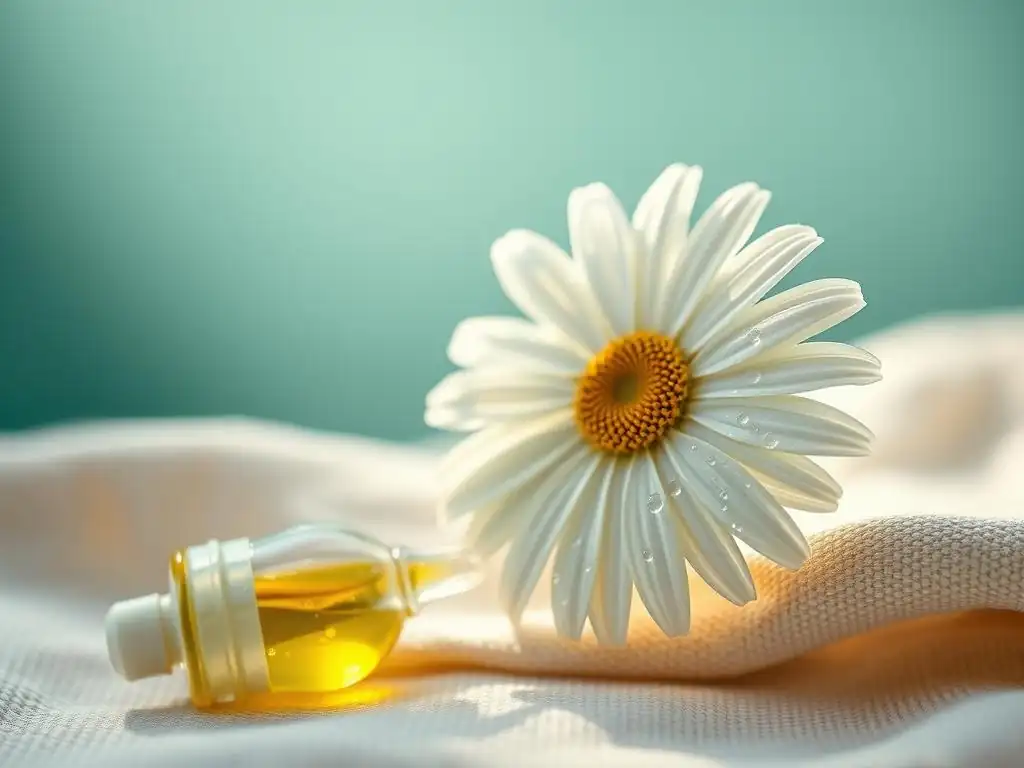
Chamomile, particularly German Chamomile (Matricaria recutita) and Roman Chamomile (Chamaemelum nobile), is another essential oil widely used for its calming properties. While commonly known as a tea for relaxation, the essential oil, derived from the flowers, offers a more concentrated aromatic experience. Its gentle, slightly sweet, herbaceous aroma is comforting and can help soothe frayed nerves.
Chamomile essential oil is often recommended for easing mild anxiety, promoting relaxation before sleep, and calming restlessness. It's considered a gentle oil, making it suitable for use around children (with proper dilution and guidance). Its calming scent can help counteract the negative smell anxiety connection explained by introducing a sense of peace and tranquility.
How Chamomile Interacts with the Nervous System: A Deeper Look
Like lavender, chamomile is believed to interact with the body's stress response system. Research suggests that compounds within chamomile, such as apigenin, may bind to GABA receptors in the brain, similar to how some anti-anxiety medications work. This interaction helps to reduce neuronal excitability, leading to a calming effect on the nervous system.
While much of the research on chamomile's anxiolytic effects has focused on oral consumption (like tea or supplements), the aromatic inhalation of chamomile essential oil is also thought to leverage this interaction with the GABA system. The direct pathway from the olfactory bulb to the limbic system allows the volatile compounds in the oil to quickly reach areas of the brain involved in regulating mood and anxiety, helping to interrupt the cycle of the olfactory anxiety link.
Product Recommendation: Edens Garden Relax Synergy Blend
Edens Garden Relax Synergy Blend often contains chamomile along with other calming oils like lavender and sweet marjoram, offering a convenient mix for easing tension.
Bergamot: Uplifting Your Mood and Reducing Stress
Bergamot (Citrus bergamia) is a citrus fruit whose rind yields an essential oil with a distinctly refreshing and uplifting aroma. While many citrus oils are known for their energizing properties, bergamot is unique in its ability to be both uplifting and calming, making it excellent for reducing stress and improving mood. Its scent is often described as sunny, sweet, and slightly floral.
Bergamot is frequently used in aromatherapy to help alleviate symptoms of stress, anxiety, and mild depression. It can help to balance emotions and create a sense of well-being. For those dealing with the smell anxiety connection explained, bergamot can offer a positive aromatic counterpoint to negative triggers, helping to shift the emotional state.
The Citrusy Scent with Stress-Relieving Properties: Bergamot Explained
Studies have indicated that inhaling bergamot essential oil can influence the autonomic nervous system, which controls involuntary bodily functions like heart rate and stress hormone release. Research published in Complementary Medicine Research found that inhaling bergamot essential oil vapor for 15 minutes led to a significant reduction in salivary cortisol levels (a stress hormone) and improved mood in participants.
This suggests that bergamot's aroma doesn't just feel good; it can have measurable physiological effects that contribute to stress reduction. By helping to lower cortisol and regulate heart rate, bergamot can effectively mitigate some of the physical symptoms associated with anxiety, offering a natural way to manage the olfactory anxiety link.
Product Recommendation: ASAKUKI Essential Oil Diffuser
ASAKUKI Essential Oil Diffuser is a popular ultrasonic diffuser that works well with citrus oils like bergamot, dispersing their uplifting scent into the air.
Using Essential Oil Diffusers to Manage Anxiety: A Practical Guide
Choosing the Right Diffuser for Your Needs: Ultrasonic vs. Nebulizing
Essential oil diffusers are devices that disperse essential oils into the air, allowing you to inhale their aromatic compounds. Two common types are ultrasonic and nebulizing diffusers. Ultrasonic diffusers use water and ultrasonic vibrations to create a fine mist that carries the essential oil molecules. They are generally quieter, act as a humidifier, and are often more affordable. However, they dilute the oil with water, resulting in a less intense aroma.
Nebulizing diffusers, on the other hand, use air pressure to atomize the essential oil into a fine mist without using water. This results in a much more potent and concentrated aroma, making them potentially more effective for therapeutic purposes. They are typically noisier than ultrasonic diffusers and can be more expensive. The choice depends on your priorities: if you want a gentle, humidifying aroma for a large space, ultrasonic might be best; if you need a strong, pure diffusion for targeted therapeutic effect, a nebulizing diffuser could be preferable for managing the smell anxiety connection explained.
Product Recommendation: InnoGear Essential Oil Diffuser
InnoGear Essential Oil Diffuser is a well-regarded ultrasonic diffuser, offering a quiet and humidifying way to enjoy essential oils.
Product Recommendation: Organic Aromas Nebulizing Diffuser
Organic Aromas Nebulizing Diffuser is known for producing a strong, pure mist of essential oil without water, ideal for a more intense aromatherapy experience.
Creating Your Own Anxiety-Relieving Aromatherapy Blends: Recipes and Tips
Creating your own essential oil blends allows you to tailor the aroma to your specific needs and preferences for managing the smell anxiety connection explained. A simple rule of thumb is to start with a total of 5-10 drops of essential oil for a standard diffuser (check your diffuser's instructions). You can combine oils known for their synergistic effects.
When blending, consider the 'notes' of the oils: top notes (like citrus, mint) are uplifting and evaporate quickly; middle notes (like lavender, chamomile) are balancing and form the heart of the blend; base notes (like cedarwood, frankincense) are grounding and long-lasting. Aim for a balance of notes for a well-rounded aroma. Always use high-quality, pure essential oils.
Blend Recipe 1: Lavender and Cedarwood for Relaxation
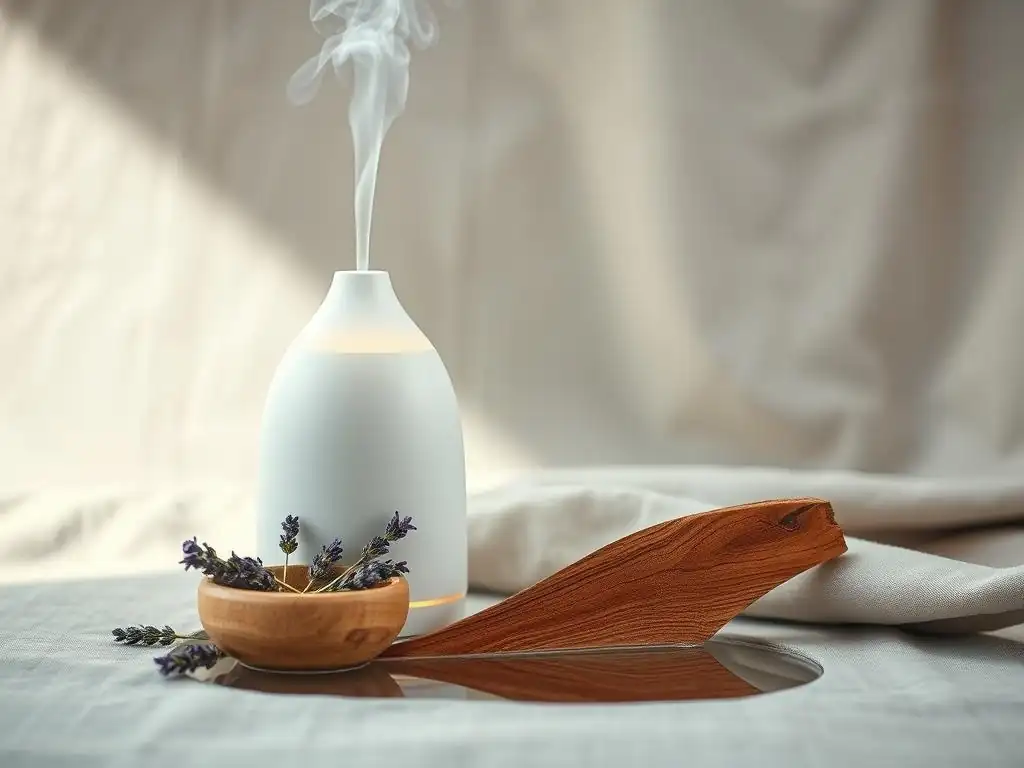
This blend is excellent for winding down in the evening or creating a calm atmosphere.
- 5 drops Lavender essential oil
- 3 drops Cedarwood (Atlas or Virginia) essential oil
- Add to your diffuser following its instructions.
Cedarwood has a warm, woody aroma that is grounding and calming, complementing lavender's relaxing properties. This combination is particularly helpful for easing tension and preparing for sleep, directly addressing the negative olfactory anxiety link with soothing scents.
Blend Recipe 2: Bergamot and Frankincense for Uplifting Your Mood
This blend is designed to lift spirits and promote a sense of peace.
- 4 drops Bergamot essential oil
- 4 drops Frankincense essential oil
- Add to your diffuser following its instructions.
Frankincense has a rich, balsamic aroma that is deeply grounding and historically used in spiritual practices for promoting tranquility and mindfulness. Paired with the uplifting citrus of bergamot, this blend helps to center the mind while reducing feelings of stress and worry, offering a positive aromatic experience to override potential triggers associated with the smell anxiety connection explained.
Safety Considerations When Using Essential Oils for Anxiety: Dosage and Precautions
While essential oils are natural, they are also highly concentrated and potent. It's crucial to use them safely. For diffusion, follow your diffuser's guidelines; typically, 5-10 drops in a standard room is sufficient. More is not necessarily better and can sometimes cause headaches or respiratory irritation. Ensure the room is well-ventilated, especially if diffusing for extended periods.
Topical application requires dilution with a carrier oil (like fractionated coconut oil, jojoba oil, or almond oil) to prevent skin irritation. A common dilution rate for adults is 1-3% essential oil (about 6-18 drops per ounce of carrier oil). Some oils, particularly citrus oils like bergamot (unless labeled "bergaptene-free"), can cause photosensitivity, meaning they make your skin more susceptible to sunburn if applied topically before sun exposure. Always perform a patch test before applying a new oil widely.
Essential oils should never be ingested unless under the direct guidance of a qualified healthcare professional or certified aromatherapist. Keep oils out of reach of children and pets. Consult a doctor if you are pregnant, nursing, have a medical condition, or are taking medication before using essential oils, as some can interact with certain conditions or drugs.
Mindful Breathing Exercises and Aromatherapy: Combining Techniques for Maximum Effect
Combining mindful breathing with aromatherapy can significantly enhance anxiety management. Mindful breathing involves focusing your attention on the sensation of your breath, helping to anchor you in the present moment and interrupt anxious thought patterns. When you pair this practice with the intentional inhalation of a calming aroma, like lavender or chamomile, you create a powerful synergistic effect.
Choose a scent that you find particularly soothing. Before or during a mindful breathing exercise, take a few slow, deep breaths, consciously inhaling the chosen aroma from a diffuser, an aromatherapy inhaler, or even a drop on a tissue. This engages your olfactory system in a positive way, leveraging the direct smell anxiety connection explained to promote relaxation and calm the nervous system, making the breathing exercise even more effective.
Creating a Calming Sensory Environment: Scented Candles and Incense (with Caution)
Beyond essential oil diffusers, other aromatic products like scented candles and incense can contribute to a calming sensory environment. However, it's important to use these with caution. Many commercial scented candles and incense products contain synthetic fragrances and other chemicals that can potentially irritate respiratory systems or trigger sensitivities in some individuals.
If you choose to use candles or incense, look for options made with natural ingredients, such as soy or beeswax candles scented with pure essential oils, or incense made from natural resins and botanicals. Ensure good ventilation when burning. Used mindfully, a naturally scented candle or incense can help create a peaceful ambiance, adding another layer to managing the olfactory anxiety link by associating specific spaces or rituals with calming scents.
Product Recommendation: Chesapeake Bay Candle Mind & Body Collection
Chesapeake Bay Candle Mind & Body Collection offers soy-blend candles with scents designed for relaxation and well-being. Look for options scented with essential oils.
Identifying and Avoiding Personal Scent Triggers: A Proactive Approach
A crucial step in managing the smell anxiety connection explained is identifying your personal scent triggers. Pay attention to what smells precede feelings of anxiety or panic. Keep a journal to note the time, location, your feelings, and any noticeable scents around you. Over time, patterns may emerge, revealing specific perfumes, cleaning products, foods, or environmental smells that consistently trigger your anxiety.
Once identified, the proactive approach is to avoid or minimize exposure to these triggers whenever possible. This might involve choosing unscented versions of products, asking friends or family to avoid wearing certain perfumes around you, or finding alternative routes or locations if specific environmental smells are problematic. While not always possible to avoid triggers entirely, conscious awareness and avoidance can significantly reduce the frequency of scent-induced anxiety episodes.
The Future of Smell and Anxiety Research: What's Next?
Emerging Studies on the Gut-Brain-Olfactory Axis
Recent scientific interest is growing in the complex interplay between the gut microbiome, the brain, and the olfactory system – often referred to as the gut-brain-olfactory axis. Research is beginning to explore how the composition of gut bacteria might influence not only overall mental health but also how we perceive and react to smells, potentially impacting the smell anxiety connection explained.
Studies in animal models have shown that changes in gut bacteria can affect olfactory sensitivity and even alter anxiety-like behaviors. While human research is still in early stages, these emerging studies suggest a fascinating potential link where the health of our gut could influence our emotional responses to smells, opening new avenues for understanding and potentially treating scent-related anxiety.
The Potential of Personalized Aromatherapy for Anxiety Treatment
Given the highly personal nature of scent triggers and preferences, the future of using smell for anxiety management likely lies in personalization. As research into the genetic and neurological basis of olfactory perception and its link to emotion advances, it may become possible to develop more targeted and effective aromatherapy interventions.
Imagine personalized scent profiles created based on an individual's specific scent triggers, calming preferences, and even genetic predispositions related to olfactory processing and anxiety. This could lead to bespoke essential oil blends or synthetic aromas designed to specifically counteract an individual's negative olfactory anxiety link or enhance their positive responses to calming scents, offering a more precise and potentially more effective therapeutic approach.
Conclusion: Harnessing the Power of Smell for a Calmer Mind
Recap of Key Strategies for Managing Anxiety Through Smell
The surprising smell anxiety connection explained highlights the powerful, often unconscious, influence that odors have on our emotional state. Our olfactory system's direct link to the limbic system, particularly the amygdala, means that smells can trigger rapid emotional and physiological responses, including anxiety. Understanding this link is the first step towards managing it.
Key strategies involve identifying and, where possible, avoiding personal scent triggers that evoke anxiety. Simultaneously, intentionally incorporating calming aromas, such as those from essential oils like lavender, chamomile, and bergamot, through methods like diffusion and mindful inhalation, can help counteract negative responses and promote relaxation. Combining aromatherapy with practices like mindful breathing further enhances its effectiveness.
Encouragement and Resources for Continued Mental Well-being
Harnessing the power of smell is a valuable tool in a holistic approach to mental well-being. While aromatherapy and scent management can be highly beneficial for managing everyday anxiety and stress, they are not a substitute for professional medical or psychological help. If you are experiencing significant anxiety or panic attacks, it is essential to consult with a healthcare provider or a licensed mental health professional.
Numerous resources are available to support your mental health journey, including therapy, counseling, support groups, and evidence-based treatments. Integrating strategies for managing the smell anxiety connection explained into a broader self-care plan, alongside professional support when needed, can contribute significantly to achieving a calmer mind and improved overall well-being. Remember that seeking help is a sign of strength, and you don't have to navigate anxiety alone.
Frequently Asked Questions
How does the sense of smell directly relate to anxiety?
The olfactory bulb, which processes smells, is directly connected to the amygdala and hippocampus, brain regions heavily involved in emotional processing and memory formation. This close proximity can trigger anxiety based on past experiences associated with specific scents.
What are some specific smells that are commonly linked to increased anxiety?
Certain smells, like smoke (associated with danger) or hospital odors (linked to illness), can evoke anxiety. However, it's highly individual; a scent associated with a traumatic event in your past is more likely to cause anxiety.
Can anxiety itself alter my sense of smell?
While less common, chronic anxiety can sometimes affect your sense of smell (hyposmia or anosmia) or even cause phantosmia (smelling things that aren't there). These changes are thought to be related to the impact of stress hormones on the brain.
How can I use my sense of smell to reduce anxiety?
Aromatherapy with calming scents like lavender, chamomile, or sandalwood can help reduce anxiety. Mindful smell meditation and creating positive scent associations can also be beneficial.
Where can I find more resources and support if I'm struggling with the smell anxiety connection?
The Mind Care Guide website offers a comprehensive guide to mental well-being, including information, support, and resources for various mental health challenges, focusing on the smell anxiety connection and coping strategies.
Final Reflection: Unlocking the Silent Language of Anxiety Through Scent
The intricate relationship between our sense of smell and anxiety levels is not merely a scientific curiosity; it's a powerful key to understanding and managing our emotional well-being. Understanding this connection allows us to move beyond simply treating anxiety symptoms and begin to address the underlying neurological pathways involved, offering a more holistic approach to mental health. This is crucial in a world increasingly overwhelmed by stress and anxiety.
The pervasive influence of scent on our emotional landscape is often overlooked, yet its impact is profound and far-reaching. From the comforting aroma of a familiar place to the triggering scent of a past trauma, our olfactory system acts as a direct line to our limbic system, the emotional center of our brain. This explains why certain smells can evoke such intense and immediate emotional responses. As the poet John Keats eloquently stated, A thing of beauty is a joy forever: its loveliness increases; it will never pass into nothingness.
While not directly about scent, this speaks to the enduring power of sensory experiences to shape our emotional lives, a power particularly potent with smell.
Consider the implications of this knowledge. You now possess the tools to consciously utilize aromatherapy, mindful scent selection, and even environmental adjustments to positively influence your anxiety levels. Take a moment to reflect on the scents that surround you – which ones soothe, and which ones trigger? By understanding this personal olfactory landscape, you can actively cultivate a more calming and supportive environment for your mental well-being. This is not just about passively accepting anxiety; it's about actively shaping your sensory experience to promote inner peace and resilience.
Unveil Your Scent-sational Calm: Take Control of Anxiety Today!
Thanks for taking the time to explore the fascinating link between scent and anxiety with us! We hope you gained valuable insights into how aromatherapy and mindful fragrance choices can positively impact your well-being. Now it's time to put this knowledge into action!
- Start your personalized aromatherapy journey: Identify 2-3 calming essential oils (lavender, chamomile, bergamot are great places to start) and experiment with diffusing them or adding them to a relaxing bath. Notice how your mood shifts.
- Share your scent discoveries: Tell us in the comments below which scents you find most calming! What surprising ways are you incorporating aromatherapy into your daily life?
- Dive deeper into mindful smelling: Take a moment each day to consciously breathe in and appreciate the subtle scents around you. Notice how it affects your feelings.
Ready to unlock the power of scent to alleviate anxiety? What small step will you take today to cultivate a more peaceful and fragrant environment?