
Tailoring Aromatherapy: Using Diffusers for Specific Anxiety Types (Social, GAD, etc.)

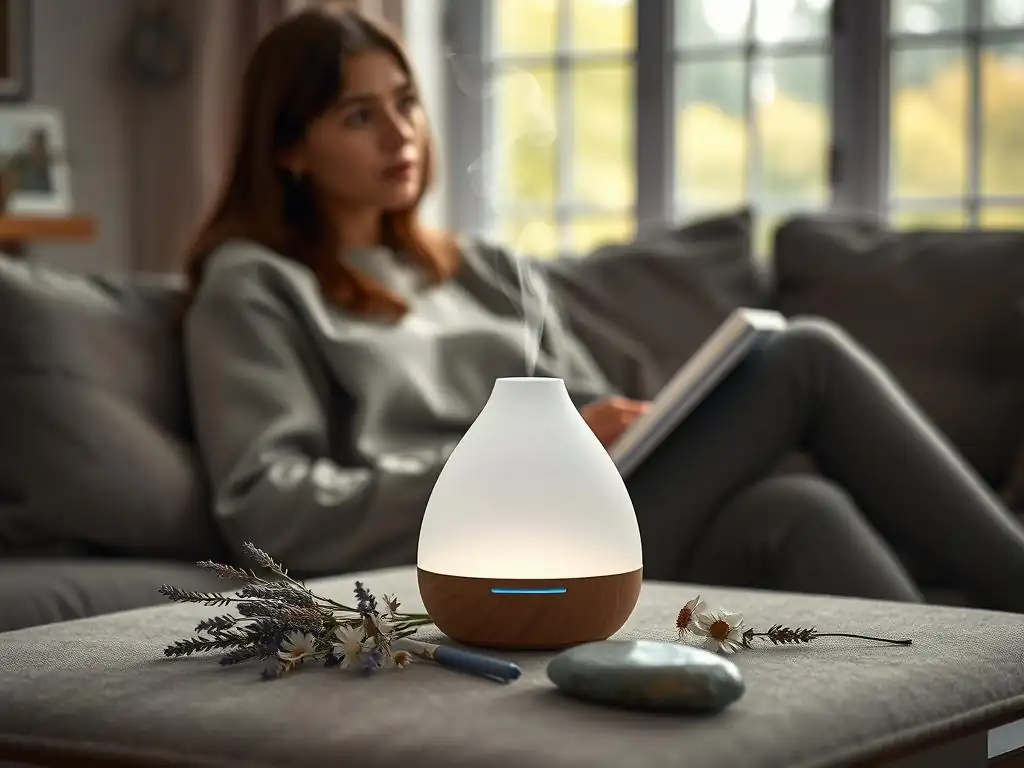
Welcome to Mind Care Guide, a sanctuary for your mental well-being.
Feeling the knot of social anxiety tighten its grip? You're not alone. Discover how aromatherapy, a gentle yet powerful tool, can help you navigate those challenging moments. Explore our guide on " Tailoring Aromatherapy: Using Diffusers for Specific Anxiety Types (Social, GAD, etc.)" and unlock personalized strategies to soothe your mind and reclaim your peace. Let's embark on this journey to tranquility together.
Tailoring Aromatherapy: Using Diffusers for Specific Anxiety Types (Social, GAD, Panic)
- Introduction: Understanding Anxiety and the Power of Aromatherapy
- Aromatherapy for Social Anxiety: Finding Confidence and Calm
- Aromatherapy for Generalized Anxiety Disorder (GAD): Managing Chronic Worry
- Aromatherapy for Panic Attacks: Quick Relief and Long-Term Support
- Beyond the Diffuser: Complementary Therapies for Anxiety
- Conclusion: Empowering Yourself with Aromatherapy for Anxiety Relief
-
Frequently Asked Questions
- How does aromatherapy help with social anxiety, as opposed to other types of anxiety?
- What are the best essential oils to use in a diffuser for someone experiencing social anxiety?
- How often should I use aromatherapy in a diffuser to manage social anxiety symptoms effectively?
- Are there any potential side effects or risks associated with using aromatherapy for social anxiety?
- Can aromatherapy with diffusers completely replace other treatments for social anxiety, like therapy or medication?
- Final Reflection: Breathing Easy: The Power of Personalized Aromatherapy
- Unleash the Calming Power of Scents: Your Personalized Aromatherapy Journey
Introduction: Understanding Anxiety and the Power of Aromatherapy
The Growing Need for Natural Anxiety Relief
Anxiety disorders represent a significant mental health challenge globally, affecting millions of people each year. According to estimates, generalized anxiety disorder (GAD) alone impacts around 6.8 million adults in the United States, or about 3.1% of the population, in any given year. Social anxiety disorder is even more prevalent, affecting approximately 15 million American adults.
These figures highlight a widespread need for effective coping mechanisms and support, both within clinical settings and through accessible self-care practices. While traditional treatments like therapy and medication are cornerstones of anxiety management, many individuals seek complementary approaches that can be integrated into their daily lives to provide additional support and empowerment.
The demand for natural and holistic methods to support mental well-being has surged as people become more aware of the potential side effects of pharmaceutical interventions and seek greater control over their health journey. This has led to increased interest in practices such as mindfulness, meditation, yoga, and aromatherapy.
These approaches often focus on addressing the physiological and psychological symptoms of anxiety by promoting relaxation, reducing stress hormones, and creating a sense of calm. The accessibility and relatively low cost of many natural methods, including aromatherapy, make them appealing options for individuals looking to supplement their existing treatment plans or explore initial steps towards managing mild to moderate anxiety symptoms.
How Aromatherapy Can Support Mental Well-being
Aromatherapy, the practice of using essential oils for therapeutic benefit, works primarily through the sense of smell and absorption through the skin. When essential oils are inhaled, olfactory receptors transmit signals to the limbic system, a part of the brain that plays a crucial role in controlling emotions, memory, and behavior.
This direct pathway allows certain aromas to influence physiological responses such as heart rate, blood pressure, stress hormone levels (like cortisol), and even neurotransmitter activity. For example, inhaling lavender has been shown in some studies to promote relaxation and reduce anxiety scores, potentially by affecting GABA receptors in the brain, similar to certain anti-anxiety medications.
Beyond the neurological impact, the act of engaging with aromatherapy itself can be a calming ritual. Preparing a diffuser, selecting oils based on their known properties and personal preference, and consciously inhaling the fragrance provides a moment of mindful pause. This ritual can interrupt anxious thought patterns and shift focus to the present moment.
Furthermore, the association of specific scents with feelings of calm or safety can create a conditioned response, where merely smelling a particular oil blend can trigger a relaxation response over time. This makes aromatherapy a versatile tool that can be adapted to address different types of anxiety and integrated into various daily routines, offering a simple yet powerful method for supporting mental well-being.
Choosing the Right Diffuser for Your Needs: A Quick Guide
Selecting the appropriate diffuser is key to effectively using aromatherapy for anxiety relief. Diffusers disperse essential oils into the air, but they do so using different technologies, each with its own advantages. Ultrasonic diffusers are popular, using water and ultrasonic vibrations to create a fine mist that carries the essential oil molecules into the air. They are often quiet, act as humidifiers, and are suitable for creating a calming atmosphere in larger rooms. However, they dilute the oil with water.
Nebulizing diffusers, on the other hand, use pressurized air to atomize the essential oil directly into the air without water or heat. This method provides the purest and most concentrated aroma, making it highly effective for therapeutic use in smaller spaces or when you need a potent effect quickly.
They can be noisier than ultrasonic diffusers and use more oil. Evaporative diffusers use a fan to blow air through a pad or filter soaked in essential oil, while heat diffusers use heat to evaporate the oil.
Both are generally less effective at dispersing the full therapeutic properties of the oil compared to ultrasonic or nebulizing diffusers, but they can be simple and portable options, such as car diffusers or small personal diffusers, which might be useful for on-the-go support. Consider the space size, desired intensity, noise level, and need for portability when choosing the best diffuser for your specific anxiety management needs.
Social anxiety disorder (SAD), also known as social phobia, is characterized by an intense fear of being judged, scrutinized, or humiliated in social situations. This fear can be so overwhelming that it interferes significantly with daily life, making it difficult to attend school or work, socialize with friends, or even run errands. Common symptoms include excessive worry before social events, intense fear during them, physical symptoms like blushing, sweating, trembling, or nausea, and avoiding social situations altogether. The constant anticipation of negative evaluation creates a cycle of distress that can severely limit one's opportunities and quality of life.
Aromatherapy offers a complementary approach to managing the symptoms of social anxiety by targeting both the psychological fear and the physical manifestations. Certain essential oils have properties known to reduce stress, promote relaxation, and uplift mood, which can help counteract the feelings of nervousness and self-consciousness associated with social interactions. For instance, oils like Bergamot are known for their mood-boosting and anxiety-reducing effects, while Lavender is widely recognized for its calming properties.
Using aromatherapy for social anxiety involves creating a sense of internal calm and confidence that can make navigating social situations feel less daunting. By incorporating specific oil blends into a diffuser before or even during a social event, individuals can create a personal aromatic sanctuary that helps ground them and alleviate acute symptoms like rapid heart rate or trembling hands, making the prospect of social engagement less intimidating.
Creating custom blends allows you to combine the synergistic properties of different essential oils to specifically address the complex feelings associated with social anxiety. While individual responses vary, certain combinations are frequently recommended for their calming and confidence-boosting effects. When creating blends for use in a diffuser, a general guideline for a 100ml water-based ultrasonic diffuser is typically 3-5 total drops of essential oil, adjusting based on room size and desired intensity. For a nebulizing diffuser, follow the manufacturer's instructions, which often involve adding undiluted oil directly.
Lavender and Bergamot: A Classic Combination for Social Situations
This blend is perhaps one of the most widely used in aromatherapy for anxiety, and it's particularly effective for social anxiety due to its dual action. Lavender (Lavandula angustifolia) is renowned for its profound calming and sedative effects, helping to quiet the racing thoughts and physical tension often experienced before or during social events. It has been shown in some studies to reduce cortisol levels, the body's primary stress hormone.
Bergamot (Citrus bergamia), a citrus oil with a bright, uplifting scent, is known for its ability to reduce anxiety and improve mood. Research suggests that inhaling Bergamot can decrease feelings of stress and fatigue.
A simple blend might be 3 drops of Lavender and 2 drops of Bergamot in a diffuser. The combination helps to simultaneously soothe the nervous system and uplift the spirits, providing a sense of relaxed alertness that can make social interactions feel more manageable and less intimidating.
Roman Chamomile and Sweet Orange: Promoting Relaxation and Confidence
Another gentle yet effective blend for addressing social anxiety combines the calming properties of Roman Chamomile with the cheerful aroma of Sweet Orange. Roman Chamomile (Anthemis nobilis) is deeply relaxing and is often used to ease nervous tension, worry, and irritability. It possesses gentle sedative properties that can help calm an overactive mind and soothe physical symptoms like nervous stomach. Sweet Orange (Citrus sinensis) is a wonderfully uplifting oil that helps to brighten mood, reduce stress, and promote a sense of optimism and confidence.
Its warm, sunny aroma can help dispel feelings of gloom or self-doubt. A beneficial blend could be 2 drops of Roman Chamomile and 3 drops of Sweet Orange in a diffuser. This combination works by melting away tension while simultaneously infusing the environment with a positive and encouraging energy, making it easier to step out and engage with others without feeling overwhelmed by fear.
Effective use of aromatherapy for social anxiety goes beyond just choosing the right oils; it involves strategic timing and placement of your diffuser to maximize the benefits when you need them most. Integrating diffusion into your routine before and even during social interactions can create a supportive aromatic environment that helps manage anxiety symptoms in real-time.
Before a Social Event: Preparing for Calmness
Using a diffuser in the hours leading up to a social event can be a powerful way to preemptively address rising anxiety. Set up your diffuser in a space where you will be getting ready, such as your bedroom or living room. Choose your preferred blend, perhaps Lavender and Bergamot, and let it run for 30-60 minutes while you prepare. This allows the calming and uplifting molecules to saturate your personal space and be inhaled consistently, helping to lower your baseline stress levels before you even leave the house.
- Choose a quiet space.
- Select your anxiety-reducing blend.
- Diffuser for 30-60 minutes.
- Focus on mindful breathing while inhaling the aroma.
This preparation ritual not only provides the therapeutic benefits of the oils but also serves as a calming routine that signals to your brain that it's time to relax and prepare in a centered way. It helps shift your focus from anticipated fears to the present moment and the soothing sensory experience, building confidence before stepping into the social situation.
During Social Interactions: Discreet and Subtle Diffusion
While carrying a large diffuser to a party isn't practical, there are ways to utilize aromatherapy for social anxiety discreetly during interactions. Personal inhalers are a popular option; they are small tubes with a cotton wick inside onto which you place a few drops of essential oil.
You can simply bring the inhaler to your nose for a quick, potent dose of aroma whenever you feel anxiety spiking. Another method involves applying a diluted blend (using a carrier oil like jojoba or fractionated coconut oil) to pulse points or a piece of diffuser jewelry, such as a lava stone bracelet or necklace.
Example Dilution for Skin Application (Patch Test First):
2-3 drops essential oil blend per 1 teaspoon (5ml) carrier oil
These methods allow you to access the benefits of your chosen oils privately without drawing attention. A quick inhale from a personal inhaler containing, for example, a Roman Chamomile and Sweet Orange blend, can provide immediate grounding and a sense of calm amidst a crowded or intimidating social setting. It's a personal tool for empowerment, allowing you to carry your own calming influence with you.
Aromatherapy for Generalized Anxiety Disorder (GAD): Managing Chronic Worry
Understanding GAD and its Impact on Daily Life
Generalized Anxiety Disorder (GAD) is characterized by persistent and excessive worry about a variety of everyday things, such as work, school, health, family, or finances. Unlike temporary anxiety caused by a stressful event, GAD involves chronic worry that is difficult to control and occurs on most days for at least six months.
This pervasive anxiety is often accompanied by physical symptoms like restlessness, fatigue, difficulty concentrating, irritability, muscle tension, and sleep problems. The constant state of worry and the accompanying physical symptoms can significantly impair an individual's ability to function in various areas of life, including work, social activities, and personal relationships.
Living with GAD means navigating a world that often feels overwhelming and unpredictable, with the mind constantly anticipating potential problems. This chronic state of hyperarousal and worry drains energy and makes simple tasks feel exhausting. The impact extends beyond emotional distress, affecting physical health and cognitive function.
Individuals with GAD may find it hard to make decisions, struggle with memory due to preoccupation with worries, and experience physical discomfort from persistent muscle tension. While therapy and medication are standard treatments, incorporating practices like aromatherapy can provide valuable support by helping to break the cycle of worry, promote relaxation, and alleviate some of the associated physical symptoms, offering moments of respite and calm amidst the ongoing challenge.
Essential Oils for GAD: Targeting Root Causes
Managing GAD requires strategies that address both the mental cycle of worry and the physical tension it creates. Essential oils known for their grounding, calming, and stress-reducing properties are particularly helpful. Diffusing these oils throughout the day and night can help create a consistent environment that supports a calmer state of being.
Frankincense: Reducing Worry and Promoting Grounding
Frankincense (Boswellia carterii or serrata) is highly valued in aromatherapy for its ability to deepen breathing, calm the nervous system, and promote feelings of peace and spiritual grounding. It is often used to quiet an overactive mind and interrupt the cycle of persistent worry that is characteristic of GAD. Research suggests that inhaling Frankincense may help reduce heart rate and blood pressure, physiological responses often heightened by chronic anxiety. Its rich, balsamic aroma creates a sense of stability and presence, helping to anchor individuals who feel adrift in a sea of worries.
Diffusing Frankincense, perhaps 3-4 drops in a living space, can help create a sanctuary of calm, making it easier to focus on the present moment rather than hypothetical future problems. Its grounding effect is particularly beneficial for individuals who feel disconnected or overwhelmed by their thoughts, offering a subtle yet powerful anchor to reality.
Ylang Ylang: Balancing Emotions and Reducing Stress
Ylang Ylang (Cananga odorata) is an intensely floral essential oil known for its potent ability to reduce stress, lower blood pressure, and balance emotions. It is often recommended for anxiety, panic, and feelings of overwhelm. Studies have indicated that inhaling Ylang Ylang can lead to significant decreases in stress levels, heart rate, and blood pressure. Its rich, exotic aroma has a sedative effect that can help calm the racing heart and shallow breathing associated with anxiety.
Using Ylang Ylang in a diffuser (start with just 1-2 drops as its scent is strong) can help soothe emotional turbulence and promote a sense of peace. It is particularly useful during periods of heightened worry or when experiencing physical tension related to GAD. Blending Ylang Ylang with citrus oils like Bergamot or grounding oils like Frankincense can create a more balanced aroma and enhance its therapeutic effects, offering a fragrant path towards emotional equilibrium and reduced physical stress.
Diffuser Techniques for GAD: Creating a Consistent Routine
Consistency is key when using aromatherapy to manage chronic conditions like GAD. Integrating diffusion into daily routines can help maintain a lower overall level of anxiety and create predictable moments of calm throughout the day.
Morning Routine: Starting the Day with Clarity
Beginning the day with a calming and focusing aroma can help set a positive tone and prepare the mind to face potential worries. Diffuse a blend known for promoting clarity and reducing stress, such as Frankincense or a blend of Lemon and Peppermint (though use Peppermint cautiously as it can be stimulating for some). Set up your diffuser while you get ready, meditate, or have breakfast.
- Place diffuser in your main living area or office.
- Choose an uplifting yet grounding blend.
- Diffuse for 30-60 minutes as you start your day.
- Pair with a mindful activity like journaling or gentle stretching.
This morning ritual helps ground you before the demands of the day begin and provides a buffer against potential stressors. It's a proactive step in managing GAD, establishing a foundation of calm from the outset.
Evening Routine: Preparing for Restful Sleep
Difficulty sleeping is a common symptom of GAD, with worries often escalating at bedtime. Using a diffuser in the evening can help signal to your body and mind that it's time to wind down and prepare for rest. Calming oils like Lavender, Roman Chamomile, or Ylang Ylang are excellent choices for evening diffusion.
- Place diffuser in your bedroom about 30-60 minutes before bed.
- Use a relaxing, sedative essential oil or blend.
- Ensure the diffuser has an auto shut-off feature for safety.
- Avoid stimulating activities like screen time while diffusing.
This evening practice creates a peaceful bedroom environment conducive to sleep, helping to quiet the anxious thoughts that can interfere with falling or staying asleep. It provides a gentle transition from the day's worries to a state of rest, supporting one of the most critical aspects of managing GAD: getting adequate, restorative sleep.
Aromatherapy for Panic Attacks: Quick Relief and Long-Term Support
Recognizing Panic Attacks and the Role of Aromatherapy
Panic attacks are sudden episodes of intense fear that trigger severe physical reactions when there is no real danger or apparent cause. Symptoms can include a racing heartbeat, sweating, trembling, shortness of breath, chest pain, nausea, dizziness, and a feeling of losing control or impending doom. These episodes are often unpredictable and can be terrifying, leading to significant distress and, in some cases, the development of panic disorder, where individuals live in fear of having another attack. The intensity of a panic attack makes finding immediate coping mechanisms crucial.
Aromatherapy can play a dual role in managing panic attacks: providing immediate support during an episode and contributing to a long-term strategy to reduce their frequency and intensity. During an acute attack, certain aromas can help ground the individual, disrupt the escalating cycle of fear and physical symptoms, and promote a sense of calm. The act of focusing on a specific scent can redirect attention away from the overwhelming internal sensations.
For long-term support, regular use of calming essential oils can help lower overall anxiety levels, potentially making panic attacks less likely to occur. While aromatherapy is not a substitute for professional medical help during a panic attack, having essential oils readily available can be a valuable part of a personal safety plan, offering a non-invasive tool for immediate self-soothing.
Essential Oils for Panic Attack Relief: Immediate Action
When a panic attack strikes, speed and efficacy are paramount. Certain essential oils are known for their rapid calming effects and ability to address physical symptoms like nausea or shortness of breath, making them suitable for acute use.
Peppermint: Clearing the Mind and Reducing Nausea
Peppermint (Mentha piperita) is a potent oil known for its invigorating and clarifying properties. While not traditionally thought of as calming in the same way as lavender, its strong, sharp aroma can be incredibly grounding during a panic attack. Inhaling Peppermint can help clear a foggy mind and reduce feelings of disorientation or derealization that can accompany panic. Furthermore, Peppermint is well-known for its anti-nausea properties, which can be a significant relief for individuals experiencing stomach upset during an attack.
Keeping a personal inhaler with a few drops of Peppermint oil can provide quick access to its benefits. During an attack, taking a few deep breaths from the inhaler can help interrupt the symptom cycle, promoting clearer thinking and alleviating physical discomfort. It offers a powerful sensory anchor in a moment of intense internal chaos.
Clary Sage: Balancing Hormones and Promoting Calm
Clary Sage (Salvia sclarea) is an essential oil often used for its euphoric and balancing properties, particularly related to hormones. It is deeply relaxing and can help reduce feelings of stress, anxiety, and fear. Clary Sage is thought to influence cortisol levels and promote a sense of well-being, which can be beneficial during and after a panic attack. Its warm, herbaceous aroma is comforting and soothing.
While not as instantly activating as Peppermint, having Clary Sage available, perhaps in a pre-diluted rollerball or a personal inhaler blend, can provide profound calming support. It helps to settle the nervous system and promote a state of relaxation after the peak of an attack has passed, aiding in recovery and preventing residual anxiety. Some individuals find a blend of Clary Sage and Lavender particularly helpful for managing panic symptoms.
Diffuser Strategies for Panic Attacks: Creating a Safe Space
Using diffusers and personal aromatherapy tools strategically can help create environments and access points for quick relief during panic attacks, as well as contribute to overall anxiety reduction.
At Home: Designing a Calming Environment
Your home environment should be a sanctuary, especially if you experience panic attacks. Having a diffuser in a frequently used room, like the living room or bedroom, allows you to fill the space with calming aromas regularly, lowering overall stress levels. During or immediately after an attack at home, returning to a space infused with a familiar, soothing scent can help you regain composure.
- Keep a diffuser ready in your safe space.
- Have your preferred calming oils easily accessible.
- Turn on the diffuser at the first sign of rising anxiety or during the attack (if possible).
- Combine with other grounding techniques like deep breathing or holding a comforting object.
Having aromatherapy as a readily available tool in your home empowers you to take immediate action to soothe yourself during a distressing episode. The consistent use of calming scents in this space can also help create a positive association, making the room itself feel more inherently safe and relaxing.
On the Go: Carrying Essential Oils for Immediate Relief
Panic attacks can occur anywhere, making it essential to have tools for relief when you're away from home. Personal inhalers or small rollerball bottles of diluted essential oil blends are ideal for carrying in a pocket, purse, or backpack. These allow for discreet use whenever anxiety begins to escalate or a panic attack feels imminent.
- Prepare personal inhalers or rollerballs with your chosen oils (e.g., Peppermint, Clary Sage, Lavender).
- Keep them easily accessible in your bag or pocket.
- Practice using them when you are not anxious so the action becomes second nature.
- Focus on slow, deep inhalations when using the personal tool during a moment of panic.
This preparedness is key. Knowing you have a tool that can potentially help provides a sense of security, which in itself can slightly reduce anxiety. The act of reaching for the inhaler and focusing on the scent provides a necessary distraction and a direct pathway to influencing your physiological and emotional state during a crisis. This portable aromatherapy for social anxiety or general panic situations offers a sense of control in moments that feel uncontrollable.
Beyond the Diffuser: Complementary Therapies for Anxiety
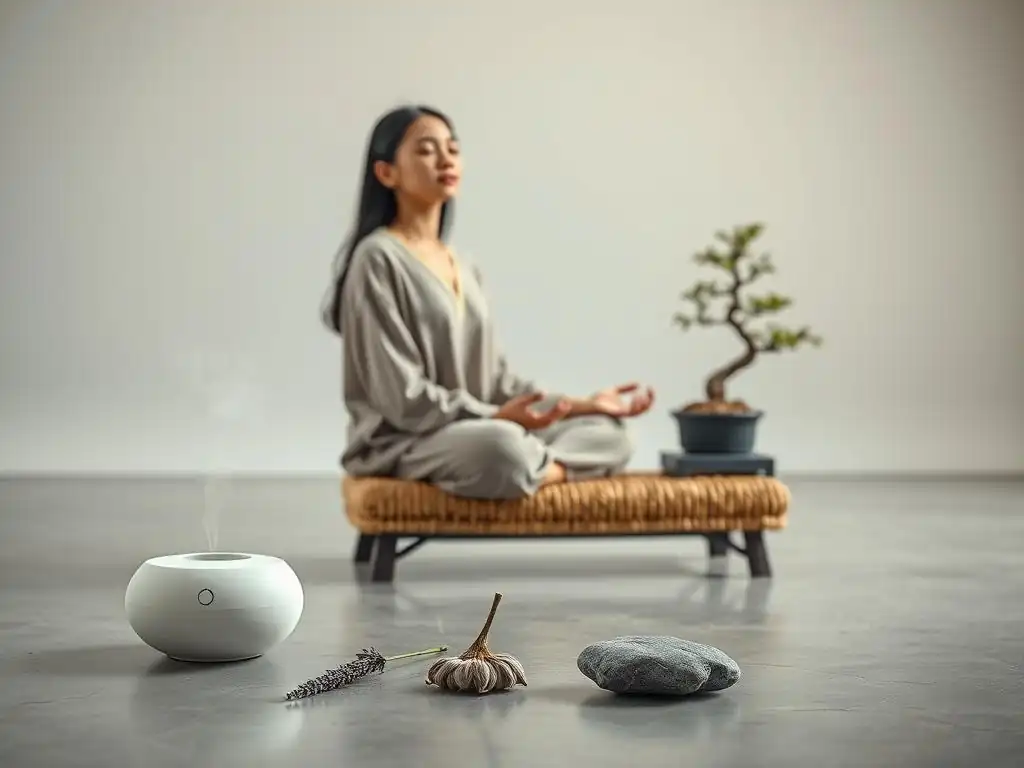
Combining Aromatherapy with Other Self-Care Practices
Aromatherapy is most effective when used as part of a holistic approach to managing anxiety. Combining the use of diffusers and essential oils with other self-care practices can create a powerful synergy that addresses anxiety from multiple angles. For example, diffusing a calming blend like Lavender and Roman Chamomile while taking a warm bath or practicing gentle yoga can enhance the relaxation benefits of both activities. Similarly, using an uplifting blend like Bergamot and Sweet Orange while engaging in activities that bring joy or a sense of accomplishment can amplify positive feelings and counteract anxious thoughts.
Integrating aromatherapy into existing routines, such as morning mindfulness or evening journaling, reinforces the calming ritual. Applying a diluted essential oil blend to pulse points before meditation or deep breathing exercises can deepen the practice by engaging the sense of smell in the calming process. The key is to view aromatherapy not as a standalone cure, but as a supportive tool that enhances the effectiveness of other healthy habits aimed at reducing stress and promoting emotional well-being. This layered approach provides a more robust defense against anxiety's pervasive effects.
The Importance of Mindfulness and Meditation
Mindfulness and meditation are invaluable practices for managing anxiety, and they pair exceptionally well with aromatherapy. Mindfulness involves paying deliberate attention to the present moment without judgment, which can help individuals detach from anxious thought loops and reduce rumination. Meditation, often involving focused breathing or guided imagery, cultivates a state of deep relaxation and mental clarity.
Using a diffuser during mindfulness or meditation sessions can significantly enhance the experience. Calming oils like Frankincense or Sandalwood (Santalum album) can promote a deeper state of relaxation and focus, making it easier to quiet the 'monkey mind' often driven by anxiety.
Diffusing uplifting oils like Lemon or Grapefruit (Citrus paradisi) before or after these practices can help lift mood and create a sense of positive energy. Regular practice of mindfulness and meditation, supported by the ambient aroma from a diffuser, helps build resilience to stress over time, making it easier to manage anxious feelings when they arise, whether they stem from social anxiety, GAD, or other sources.
Professional Support: When to Seek Additional Help
While aromatherapy and self-care practices can be incredibly beneficial, it is crucial to recognize that they are complementary tools and not substitutes for professional medical or psychological care, especially for moderate to severe anxiety disorders, including pronounced social anxiety, GAD, or panic disorder. If your anxiety is significantly impacting your daily life, relationships, or ability to function, or if you are experiencing frequent or debilitating panic attacks, seeking help from a qualified healthcare professional is essential.
Therapists, counselors, psychiatrists, and medical doctors can provide diagnosis, evidence-based therapies like Cognitive Behavioral Therapy (CBT) or Exposure Therapy, and discuss medication options if appropriate. They can also help rule out any underlying physical conditions that might be contributing to your symptoms. Aromatherapy can be discussed with your healthcare provider as a complementary strategy to support your overall treatment plan. Combining professional guidance with self-care tools like aromatherapy offers the most comprehensive approach to managing anxiety and embarking on a journey towards lasting mental well-being.
Conclusion: Empowering Yourself with Aromatherapy for Anxiety Relief
Creating a Personalized Aromatherapy Plan
Empowerment in managing anxiety comes from building a toolkit of strategies that work for you. Aromatherapy, particularly through the use of diffusers tailored to specific needs, offers a flexible and accessible option. To create a personalized aromatherapy plan for anxiety relief, start by identifying the types of anxiety you experience most often – whether it's social anxiety, generalized worry, or panic attacks – and the specific symptoms you want to address (e.g., racing heart, intrusive thoughts, muscle tension, nausea).
Next, research essential oils known to help with those specific symptoms and anxiety types. Experiment with small amounts to find scents that you personally find calming or uplifting.
Consider how you will use aromatherapy in different situations: a diffuser for creating a calming home environment (useful for GAD or general stress), a personal inhaler for on-the-go relief (great for social anxiety or potential panic attacks), or a diluted rollerball for topical application during moments of acute stress. Document which oils and methods seem most effective for you, noting the time of day or specific situations where they provide the most benefit.
The Ongoing Journey of Mental Well-being
Managing anxiety is often an ongoing journey rather than a destination. There will be good days and challenging days. Integrating practices like aromatherapy for social anxiety, GAD, or panic into your routine is a commitment to supporting your mental well-being consistently. Be patient with yourself and remember that finding what works best can take time and experimentation. The goal is not necessarily to eliminate anxiety entirely, but to develop effective coping strategies that reduce its impact and allow you to live a fuller, more engaged life.
Continue to explore different essential oils, diffuser techniques, and how they interact with other self-care practices you employ. Stay open to adjusting your aromatherapy plan as your needs change. Celebrate small victories and be compassionate with yourself during setbacks. By taking proactive steps like tailoring your aromatherapy use and combining it with other supportive practices and professional guidance when needed, you are actively participating in your own healing and building resilience for the journey ahead.
Frequently Asked Questions
Aromatherapy can help with social anxiety by promoting relaxation and reducing feelings of self-consciousness through specific scents known to ease stress. This differs from general anxiety as it targets specific anxieties related to social situations.
Some top essential oils for social anxiety diffused include lavender, known for its calming properties, bergamot, which can uplift mood, and ylang-ylang, which can reduce feelings of tension and promote relaxation.
For managing social anxiety, using a diffuser with appropriate essential oils for 15-30 minutes before social events or during periods of heightened anxiety is recommended. Consistency is key, so regular use is more beneficial.
While generally safe, some individuals may experience skin irritation or allergic reactions to certain essential oils. It's crucial to test a small area before widespread use and consult a healthcare professional if you have concerns.
Aromatherapy is often best used as a complementary therapy, not a replacement for professional treatment like therapy or medication. It can support overall well-being and manage symptoms, but shouldn't be the sole intervention.
Final Reflection: Breathing Easy: The Power of Personalized Aromatherapy
The personalized approach to aromatherapy, as discussed throughout this article, is not merely a trend; it's a crucial step towards effective anxiety management in our increasingly stressful world. The ability to tailor scent profiles to specific anxiety types—whether social anxiety, generalized anxiety disorder, or other forms—offers a powerful, accessible, and potentially transformative tool for individuals seeking relief. This personalized approach moves beyond generic solutions, acknowledging the nuanced nature of anxiety and the individual needs of those experiencing it.
The impact of aromatherapy on the cultural landscape is undeniable, shifting from a niche practice to a widely recognized complementary therapy. Its integration into wellness routines reflects a growing awareness of the mind-body connection and the importance of holistic approaches to mental health. This shift is particularly significant for those struggling with anxiety, often feeling misunderstood or lacking effective coping mechanisms. The scent of lavender has always been associated with relaxation, but its power lies in its ability to calm the nervous system and promote a sense of peace,
a leading aromatherapist once stated. This highlights the potential of aromatherapy to provide a sense of control and agency in managing anxiety symptoms.
Now, consider your own experience with anxiety. What triggers your anxiety? What scents bring you comfort? I encourage you to experiment with different essential oils and diffuser blends, paying close attention to how they make you feel. Don't be afraid to explore, to personalize your approach, and to discover the unique power of aromatherapy in your journey towards a calmer, more confident you. The path to managing anxiety is personal, and aromatherapy can be a valuable companion on that journey.
Unleash the Calming Power of Scents: Your Personalized Aromatherapy Journey
Thanks for exploring the world of aromatherapy and anxiety relief with Mind Care Guide! We hope you found practical tips to navigate your unique anxiety challenges. Now, let's turn that knowledge into action.
- Craft your personalized aromatherapy blend: Based on what you’ve learned, experiment with different essential oils to find your perfect calming combination. Start with just two or three, and keep a journal to track your results!
- Share your scent discoveries: Let others benefit from your journey! Share your favorite blends and experiences in the comments below – your insights could help someone else find relief.
- Explore further: Deepen your understanding by researching the specific properties of essential oils mentioned in the article. A deeper dive can expand your aromatherapy toolkit.
Ready to embrace the transformative power of scent and start crafting your own soothing sanctuary?