
Quick Relief: Using Your Diffuser for Immediate Help During Anxiety Spikes

Welcome to Mind Care Guide, a supportive space dedicated to your mental well-being.
Feeling overwhelmed by anxiety? You're not alone. This article dives into how you can diffuse anxiety naturally, quickly now, offering practical tips and immediate relief techniques. Discover how aromatherapy, a mindful practice, can transform your space and create a calming sanctuary. Curious to learn how a simple diffuser can become your secret weapon against anxiety spikes? Let's explore.
Quick Relief: Using Your Diffuser for Immediate Help During Anxiety Spikes
- Understanding Anxiety Spikes and the Need for Rapid Relief
- Diffuse Anxiety Naturally, Quickly Now: Your Essential Oil Toolkit
- Creating Your Anxiety-Relief Diffuser Blend
- Setting Up Your Diffuser for Maximum Impact
- Real-Life Scenarios: Diffusing Anxiety in Specific Situations
- Beyond the Diffuser: Complementary Strategies for Managing Anxiety
-
Frequently Asked Questions
- How can a diffuser help with diffuse anxiety quickly?
- What are the best essential oils to use in a diffuser for anxiety relief?
- Is using a diffuser a natural and quick solution for anxiety, or does it require additional steps?
- How often should I use my diffuser to manage anxiety and for how long each time?
- Are there any potential risks or side effects associated with using a diffuser for anxiety, and how can I mitigate them?
- Final Reflection: Breathing Easy: Finding Calm in the Chaos
- Unwind and Breathe: Take Control of Your Anxiety Now
Understanding Anxiety Spikes and the Need for Rapid Relief
What Triggers Anxiety Spikes and Why Quick Action Matters
Anxiety spikes are sudden, intense surges of fear, worry, or panic that can feel overwhelming and debilitating. They can be triggered by a wide range of factors, from specific situations like public speaking or a stressful work deadline to unexpected events or even seemingly random occurrences. For some individuals, the triggers are external, such as a crowded place or a difficult conversation.
For others, they might be internal, like a worrying thought loop or physical sensations misinterpreted as danger. The intensity of these spikes can vary, but their sudden onset and often disruptive nature highlight the critical need for strategies that can provide rapid relief and help regain a sense of control. Waiting for the spike to pass naturally can prolong distress and interfere with daily activities.
The urgency for quick action during an anxiety spike stems from the body's physiological response. When anxiety surges, the sympathetic nervous system kicks into gear, triggering the "fight or flight" response. Heart rate increases, breathing becomes shallow, muscles tense, and a cascade of stress hormones like cortisol and adrenaline flood the system.
These physical symptoms can exacerbate the mental distress, creating a feedback loop that intensifies the spike. Implementing a quick, effective coping mechanism can interrupt this cycle, signaling to the nervous system that the perceived threat is manageable. This is where tools that offer immediate sensory input, like aromatherapy through a diffuser, can be particularly valuable in helping to quickly diffuse anxiety naturally, quickly now.
The Role of Aromatherapy in Managing Anxiety Symptoms
Aromatherapy, the practice of using natural plant extracts known as essential oils for therapeutic benefits, has been utilized for centuries to influence mood and promote relaxation. The mechanism behind its effect on anxiety involves the olfactory system, which is directly linked to the limbic system in the brain – the area responsible for emotions, memory, and stress response.
When you inhale the scent of an essential oil, the aromatic molecules travel through the nasal passages to the olfactory receptors, which send signals directly to the limbic system, including the amygdala and hippocampus. This direct pathway allows essential oils to potentially influence emotional states and physiological responses related to stress and anxiety relatively quickly.
The impact of aromatherapy on anxiety is supported by a growing body of research and anecdotal evidence. While not a cure, certain essential oils have demonstrated properties that can help calm the nervous system, reduce feelings of worry, and promote a sense of peace. For instance, studies have explored the effects of lavender oil inhalation on reducing anxiety scores in various settings, including dental offices and before medical procedures.
The act of deep inhalation itself, often encouraged during aromatherapy, also contributes to calming the nervous system by activating the parasympathetic response. This combination of physiological and psychological effects makes using a diffuser a powerful tool in your arsenal to quickly diffuse anxiety naturally, quickly now when a spike occurs.
Diffuse Anxiety Naturally, Quickly Now: Your Essential Oil Toolkit
Top Essential Oils for Immediate Anxiety Relief: Lavender, Chamomile, and More
When seeking rapid relief from an anxiety spike, certain essential oils stand out due to their well-documented calming and mood-balancing properties. Having a selection of these oils readily available can significantly enhance your ability to quickly diffuse anxiety naturally, quickly now using your diffuser. The key is to identify which scents resonate most with you personally and have the most profound calming effect. While individual responses vary, oils like lavender, Roman chamomile, and bergamot are frequently recommended for their effectiveness in alleviating acute anxiety symptoms.
Beyond these core options, other essential oils such as frankincense, vetiver, ylang-ylang, and cedarwood also offer significant benefits for anxiety and stress reduction. Frankincense is often used for its grounding and centering effects, helpful when feeling overwhelmed or disconnected. Vetiver, known for its deep, earthy aroma, is particularly effective for grounding and calming nervous energy.
Ylang-ylang, with its sweet floral scent, can help reduce heart rate and promote relaxation, though its strong aroma can be overwhelming for some. Cedarwood provides a sense of stability and peace. Exploring these different oils allows you to build a personalized toolkit tailored to your specific needs and scent preferences, ensuring you have the most effective options at hand to quickly diffuse anxiety naturally, quickly now.
Lavender Oil: The Calming Powerhouse for Anxiety Reduction
Lavender (Lavandula angustifolia) is perhaps the most widely recognized and studied essential oil for its relaxing and anxiolytic (anxiety-reducing) effects. Its sweet, floral aroma is instantly associated with calm and tranquility for many people. The primary active components in lavender oil, linalool and linalyl acetate, are believed to interact with neurotransmitters in the brain, potentially influencing GABA pathways, which are known targets for anti-anxiety medications. This interaction can help quiet the nervous system and reduce feelings of agitation and worry.
Numerous studies have demonstrated lavender's effectiveness in reducing anxiety levels. For example, research published in journals like Complementary Therapies in Clinical Practice has shown that inhaling lavender oil can significantly lower anxiety scores in various populations, including patients in hospitals and individuals with generalized anxiety disorder.
Many users report feeling a noticeable sense of calm and relaxation within minutes of diffusing lavender oil, making it an excellent first choice when you need to quickly diffuse anxiety naturally, quickly now during a sudden spike. Its gentle nature also makes it suitable for use in various settings, including bedrooms and shared living spaces.
Roman Chamomile: Gentle Relief for Stress and Panic
Roman Chamomile (Chamaemelum nobile) essential oil is another highly valued oil for its profound calming and soothing properties, particularly effective for nervous tension, irritability, and even panic feelings. Unlike German Chamomile, which is often used for physical ailments, Roman Chamomile is primarily prized for its emotional and mental benefits. Its sweet, apple-like, herbaceous scent is gentle yet powerful in promoting relaxation and peace. Compounds within Roman Chamomile, such as esters, are thought to contribute to its sedative and calming effects on the nervous system.
This oil is often recommended for those experiencing restlessness, overthinking, or a sense of being overwhelmed. It's particularly useful for winding down before sleep or calming a racing mind during an anxiety spike. While perhaps less extensively studied for acute anxiety spikes via inhalation compared to lavender, its traditional use and anecdotal evidence strongly support its efficacy for general anxiety and promoting a sense of calm. Many individuals find its gentle aroma uniquely comforting, making it a go-to option when seeking to quickly diffuse anxiety naturally, quickly now in a soothing manner.
Bergamot: Uplifting Your Mood and Reducing Tension
Bergamot (Citrus bergamia) essential oil, a citrus oil pressed from the rind of the bergamot orange fruit, offers a unique combination of uplifting and calming properties. Its fresh, sweet, and slightly floral citrus scent is known for its ability to brighten mood, reduce stress, and alleviate tension. The mechanism is thought to involve its influence on neurotransmitters like serotonin and dopamine, which play crucial roles in mood regulation. Bergamot can help shift focus away from anxious thoughts by providing a pleasant, uplifting sensory experience.
Research has indicated that inhaling bergamot oil can reduce levels of cortisol, the primary stress hormone, and improve mood. For example, a study published in Phytotherapy Research found that inhaling bergamot essential oil reduced anxiety and fatigue in participants. This makes bergamot an excellent choice when anxiety is accompanied by feelings of sadness, lethargy, or mental fogginess.
Using bergamot in a diffuser can help to quickly diffuse anxiety naturally, quickly now while also providing an emotional lift, offering a dual benefit during stressful moments. (Note: Like other citrus oils, bergamot can cause photosensitivity if applied topically, but this is not a concern when diffusing).
Choosing the Right Diffuser for Your Needs: Ultrasonic vs. Nebulizing
The type of diffuser you use can impact the effectiveness and experience of using essential oils for anxiety relief. Two of the most popular types are ultrasonic and nebulizing diffusers. Understanding the differences between them can help you select the best tool to quickly diffuse anxiety naturally, quickly now in a way that suits your lifestyle and preferences. Both types disperse essential oil molecules into the air, but they do so through different mechanisms, affecting the concentration, coverage area, and overall intensity of the aroma.
Consider where and when you are most likely to experience anxiety spikes when choosing a diffuser. Do you need something for a large room or a small personal space? Is portability important? Do you prefer a stronger scent or a more subtle one? Answering these questions will guide you towards the diffuser type that will be most effective for your specific needs, ensuring that your chosen method for diffusing anxiety quickly and naturally is as efficient and pleasant as possible.
Ultrasonic Diffusers: Affordable and Versatile Options
Ultrasonic diffusers are very popular and widely available, known for their ease of use and affordability. They work by using electronic frequencies to vibrate a small ceramic disc under the surface of water. This vibration creates a fine mist of water and essential oil that is then dispersed into the air, humidifying the space slightly. These diffusers typically have a reservoir that holds both water and essential oil, making them relatively quiet and capable of running for several hours, often with automatic shut-off features.
One key advantage of ultrasonic diffusers is their ability to cover a decent-sized room (e.g., 200-500 sq ft for standard models). They also dilute the essential oil with water, which can make the aroma less intense and potentially more suitable for sensitive individuals or use in shared spaces.
While the dilution means the therapeutic concentration in the air might be lower than with a nebulizer, the gentle diffusion over a longer period can still be very effective for maintaining a calm atmosphere or providing consistent background support to quickly diffuse anxiety naturally, quickly now. They often come with features like LED lights and timers, adding to their appeal.
Nebulizing Diffusers: Maximizing Essential Oil Potency
Nebulizing diffusers, in contrast to ultrasonic models, do not use water or heat. Instead, they use an air pump to force air through a small tube, creating a vacuum that pulls the essential oil up and atomizes it into a fine mist of pure oil molecules. This results in a much higher concentration of essential oil in the air and a more intense aroma compared to ultrasonic diffusers. Nebulizers are often considered more therapeutically effective for respiratory or potent aromatic effects because the oil is not diluted.
While nebulizing diffusers are typically more expensive, louder (due to the air pump), and use essential oil more quickly than ultrasonic diffusers, they are excellent for quickly saturating a space with aroma and delivering a strong therapeutic dose. If your priority is rapid, potent inhalation during an acute anxiety spike in a personal space, a nebulizing diffuser might be the superior choice. They are ideal for smaller areas where you want maximum impact to quickly diffuse anxiety naturally, quickly now, providing a powerful sensory anchor during moments of intense distress.
Creating Your Anxiety-Relief Diffuser Blend
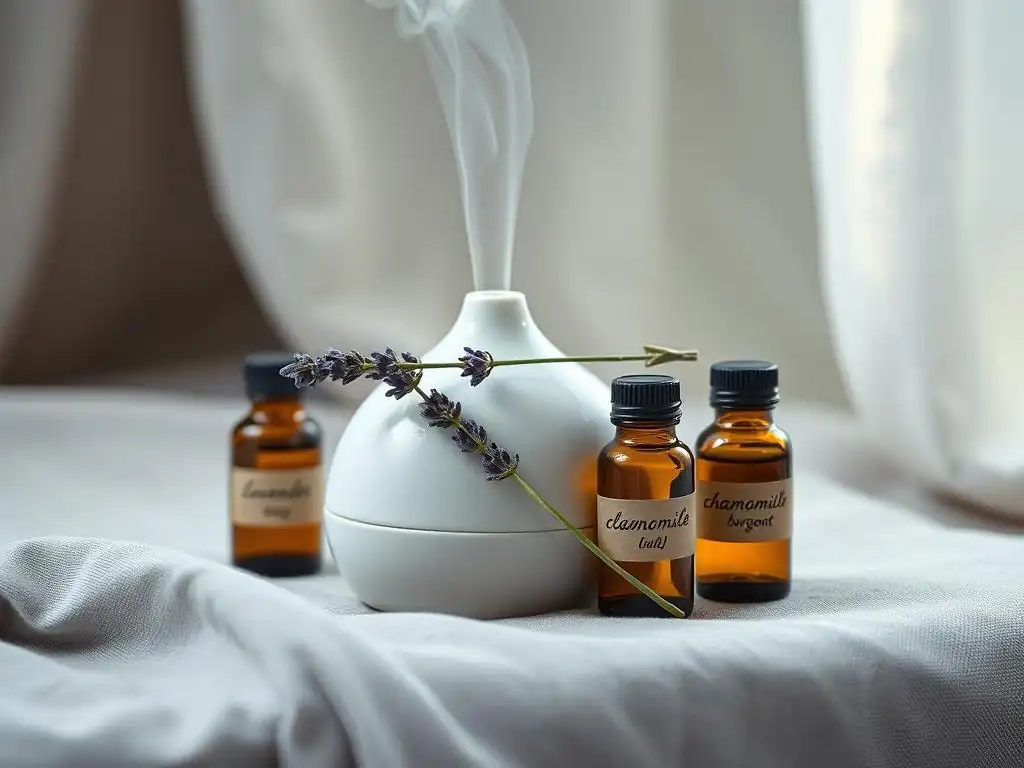
Simple and Effective Blends for Immediate Calming
Creating your own essential oil blends allows you to combine the therapeutic properties and aromas of different oils for a synergistic effect. While single oils like lavender are effective on their own, combining them can sometimes enhance their calming power or provide a more complex and appealing scent profile. When seeking immediate calming during an anxiety spike, simple blends are often best – focusing on 2-3 oils known for their rapid relaxation effects. Having pre-mixed blends ready in small dropper bottles can save valuable time when you need to quickly diffuse anxiety naturally, quickly now.
Experimenting with different ratios and oil combinations is part of the process of finding what works best for you. Start with recommended ratios and adjust based on your personal preference and the desired intensity of the aroma. Remember that essential oils are potent, so a few drops are usually sufficient for a diffuser. The goal is to create a blend whose aroma signals safety, comfort, and calm to your nervous system, providing a rapid anchor during moments of distress.
The "Serenity Now" Blend: Lavender, Frankincense, and Cedarwood
This blend combines three oils renowned for their ability to promote peace, grounding, and relaxation. Lavender provides the core calming effect, reducing agitation and worry. Frankincense adds a deep, resinous note that is grounding and centering, helping to quiet a busy mind and foster a sense of spiritual peace. Cedarwood offers a warm, woody aroma that is inherently calming and provides a sense of stability and security, much like being surrounded by nature.
A good starting ratio for an ultrasonic diffuser might be 3 drops of Lavender, 2 drops of Frankincense, and 1 drop of Cedarwood. For a nebulizing diffuser, you might use slightly fewer drops overall but maintain a similar ratio. This blend is excellent for creating a peaceful atmosphere in your home or office, helping you to feel more centered and less overwhelmed when anxiety strikes, making it easier to quickly diffuse anxiety naturally, quickly now.
The "Grounding Force" Blend: Vetiver, Patchouli, and Sandalwood
When anxiety manifests as feeling scattered, disconnected, or overly airy, a grounding blend can be incredibly helpful. This combination brings together deeply earthy and woody scents known for their ability to anchor energy and promote stability. Vetiver, with its rich, smoky, rooty aroma, is profoundly grounding and helps to calm nervous energy and overthinking. Patchouli adds an earthy, slightly sweet, and musky note that is also grounding and can help bring you back into your body. Sandalwood (ensure sustainable sourcing) provides a smooth, woody, and slightly sweet scent that is very centering and promotes a sense of calm presence.
A suggested ratio could be 2 drops of Vetiver, 2 drops of Patchouli, and 2 drops of Sandalwood for an ultrasonic diffuser. This blend is potent and deeply calming, ideal for moments when you need to feel firmly rooted and present to quickly diffuse anxiety naturally, quickly now and counter feelings of panic or dissociation. Its rich aroma is best suited for personal spaces where you can fully appreciate its depth.
The "Citrus Burst" Blend: Bergamot, Sweet Orange, and Grapefruit (Caution: Photosensitivity)
While citrus oils are often associated with uplifting and energizing effects, they can also be incredibly effective at reducing stress and improving mood, which indirectly helps alleviate anxiety, especially when it's linked to low mood or fatigue. This blend combines uplifting Bergamot with sweet, cheerful Sweet Orange (Citrus sinensis) and bright, invigorating Grapefruit (Citrus paradisi). The combination creates a refreshing and optimistic aroma that can help lift spirits and reduce tension.
A possible ratio could be 3 drops of Bergamot, 2 drops of Sweet Orange, and 1 drop of Grapefruit for an ultrasonic diffuser. This blend is great for daytime use or when you need to quickly shift your emotional state to a more positive one. It helps to quickly diffuse anxiety naturally, quickly now by providing a burst of freshness and light.
Important Caution: While diffusing citrus oils is generally safe, be mindful of potential photosensitivity if any oil residue were to come into contact with skin and then exposed to sunlight. This is less of a concern with diffusion but worth noting for general essential oil use.
Adjusting Blend Ratios for Personalized Anxiety Relief
Finding the perfect blend ratio is a personal journey. What one person finds calming, another might find too strong or not effective enough. The beauty of creating your own blends is the ability to customize them precisely to your needs and preferences. Start with recommended ratios as a baseline, but don't be afraid to adjust the number of drops of each oil. If you find Lavender particularly calming, you might increase its proportion. If Frankincense helps you feel more grounded, add an extra drop.
Keep a small notebook or note on your phone to track the blends and ratios you try and how they make you feel. Note which combinations were most effective at quickly diffusing anxiety naturally, quickly now during moments of stress. Over time, you will develop a repertoire of personalized blends that are specifically tailored to provide you with the most immediate and profound sense of relief when you need it most. This iterative process ensures your aromatherapy practice is optimally effective for your unique experience of anxiety.
Setting Up Your Diffuser for Maximum Impact
Location, Location, Location: Where to Place Your Diffuser for Optimal Benefit
Where you place your diffuser significantly impacts how effectively you can quickly diffuse anxiety naturally, quickly now. For immediate relief during an anxiety spike, you want the aromatic molecules to reach your olfactory system quickly and efficiently. Place the diffuser relatively close to where you are sitting or standing, ideally within a few feet. Avoid placing it in a corner or behind furniture, as this can impede the dispersal of the mist or vapor.
Consider the airflow in the room. Placing the diffuser near a gentle air current (like from a fan or open window, but not directly in a strong draft that will blow the mist away) can help distribute the aroma more effectively throughout your immediate personal space. For nighttime anxiety, placing a diffuser on a bedside table ensures you inhale the calming aroma as you relax and prepare for sleep.
In an office setting, a small personal diffuser on your desk is ideal. The goal is to create an immediate aromatic envelope around you that signals calm and safety, allowing the oils to work their magic rapidly.
Diffuser Settings and Run Times for Anxiety Management
Most diffusers offer various settings, including continuous operation, intermittent cycles (e.g., 30 seconds on, 30 seconds off), and timers (e.g., 1 hour, 3 hours, 6 hours). When you need to quickly diffuse anxiety naturally, quickly now, starting with a continuous setting for a short period (like 15-30 minutes) can provide the most rapid and intense exposure to the aroma. This allows you to inhale the therapeutic compounds quickly during the peak of the anxiety spike.
Once the initial spike has subsided, you can switch to an intermittent setting or a longer timer (1-2 hours) to maintain a calming atmosphere. Avoid running diffusers continuously for many hours without breaks, as this can sometimes lead to olfactory fatigue (where you stop noticing the scent) or potential sensitivity. Short, focused diffusion sessions during moments of high anxiety followed by longer, gentler periods for maintenance or prevention are often the most effective approach. Pay attention to how you feel and adjust the settings accordingly – your personal response is the best guide.
Combining Diffusion with Other Relaxation Techniques
While diffusing essential oils is a powerful tool on its own, its effectiveness in quickly diffusing anxiety naturally, quickly now can be significantly enhanced when combined with other simple relaxation techniques. The sensory input from the aroma can act as a powerful anchor, making it easier to engage in practices that calm the nervous system. Integrating aromatherapy into a multi-faceted approach can create a stronger, more immediate sense of relief and help you regain control more quickly.
Think of the aroma as a cue or a trigger for relaxation. When you inhale the calming scent, intentionally pair it with a calming activity. This creates a positive association that strengthens over time. For example, you might decide that whenever you turn on your anxiety-relief diffuser blend, you will also practice deep breathing or listen to soothing music. This layered approach utilizes multiple pathways to calm your mind and body simultaneously, amplifying the therapeutic effect and providing more robust support during stressful moments.
Deep Breathing Exercises to Enhance Aromatherapy Benefits
Deep breathing is a cornerstone of anxiety management, helping to regulate the nervous system and interrupt the stress response. Combining deep breathing with aromatherapy creates a potent synergy. As you inhale deeply, you draw the essential oil molecules further into your lungs, potentially increasing their absorption and impact. More importantly, the conscious act of focusing on your breath provides a mental anchor, while the pleasant aroma provides a sensory anchor.
To combine these techniques, start your diffuser and then find a comfortable seated position. Close your eyes gently if comfortable. Inhale slowly and deeply through your nose, filling your belly with air, while focusing on the calming scent. Hold your breath for a few seconds, then exhale slowly and completely through your mouth, releasing tension. Repeat this process for several minutes. The aroma helps to make the breathing exercise feel more pleasant and can deepen the sense of relaxation, making it easier to quickly diffuse anxiety naturally, quickly now.
Mindfulness Meditation for Anxiety Reduction
Mindfulness involves paying attention to the present moment without judgment. When anxiety spikes, the mind often races with worries about the future or regrets about the past. Mindfulness can help ground you in the here and now, interrupting these anxious thought patterns. Incorporating aromatherapy into a brief mindfulness practice can make it more accessible and effective, using the scent as a focal point for your attention.
Set up your diffuser with your chosen anxiety-relief blend. Sit comfortably and bring your attention to the aroma filling the air. Simply notice the scent – its qualities, how it changes with each breath. If your mind wanders to anxious thoughts, gently guide your attention back to the sensation of inhaling the calming aroma and the feeling of your breath entering and leaving your body. Even just 5-10 minutes of focused mindfulness combined with aromatherapy can help to quickly diffuse anxiety naturally, quickly now by anchoring you in the present moment and reducing the intensity of overwhelming thoughts.
Real-Life Scenarios: Diffusing Anxiety in Specific Situations
Diffusing Anxiety at Work: Staying Calm During High-Pressure Situations
Work environments can be significant sources of anxiety, triggered by deadlines, presentations, difficult colleagues, or demanding tasks. An anxiety spike at work can impair focus, decision-making, and communication. Using a small personal diffuser (like a USB-powered one for your desk) or a subtle ultrasonic diffuser in your immediate workspace (if permissible) can provide discreet and immediate support.
When faced with a high-pressure situation, such as preparing for an important meeting or dealing with a sudden crisis, quickly setting up your diffuser with an uplifting yet calming blend like Bergamot and Lavender can help. Inhaling the aroma while taking a few deep breaths before the event or during a short break can help ground you, clear your head, and reduce feelings of overwhelm.
For example, before a major presentation, diffusing a citrus blend might help calm nerves while also boosting confidence. Having this tool readily available allows you to quickly diffuse anxiety naturally, quickly now, helping you maintain composure and performance under stress.
Diffusing Anxiety at Home: Creating a Peaceful Sanctuary
Home should be a place of rest and safety, but for many, it can also be where anxiety manifests, perhaps triggered by family dynamics, financial worries, or simply the accumulation of daily stress. Using a diffuser at home allows you to create a consistently calming atmosphere throughout the day or target specific times when anxiety tends to peak, such as evenings.
Placing diffusers in key areas like the living room or bedroom can help maintain a sense of peace. For example, diffusing a "Serenity Now" blend in the living room during the evening can help everyone unwind.
If anxiety spikes tend to occur while managing household tasks, having a diffuser in that area can provide support. The ability to quickly turn on a diffuser with a comforting aroma makes it an accessible and non-disruptive way to quickly diffuse anxiety naturally, quickly now within your personal sanctuary, providing immediate comfort and helping to restore a sense of calm within your living space.
Diffusing Anxiety Before Bed: Promoting Restful Sleep
Anxiety and sleep disturbances often go hand in hand. A racing mind or physical tension from anxiety can make it difficult to fall asleep or stay asleep. Aromatherapy before bed is a popular and effective strategy to calm the nervous system and prepare the body for rest. Using a diffuser in the bedroom is one of the easiest ways to incorporate this practice into your nightly routine.
About 30-60 minutes before you plan to go to sleep, start your bedroom diffuser with a blend specifically chosen for sleep and relaxation, such as Lavender and Roman Chamomile. Run it on a timer for the first hour of sleep or an intermittent setting.
The gentle, consistent diffusion of calming aromas throughout the initial sleep phase can help quiet the mind, relax tense muscles, and promote a sense of security conducive to falling asleep. This simple ritual provides a clear signal to your body that it's time to wind down, helping you to quickly diffuse anxiety naturally, quickly now that might otherwise interfere with restful sleep.
Beyond the Diffuser: Complementary Strategies for Managing Anxiety
Lifestyle Changes That Support Anxiety Reduction
While using a diffuser is an excellent tool for immediate relief during anxiety spikes, addressing the root causes of anxiety often requires broader lifestyle adjustments. Integrating healthy habits into your daily routine can significantly reduce the frequency and intensity of anxiety over time, complementing the quick relief provided by aromatherapy. These changes build resilience and create a stronger foundation for emotional well-being.
Consider incorporating regular physical activity into your week; even moderate exercise like a brisk walk can help reduce stress hormones and boost mood. Prioritize getting consistent, quality sleep, as sleep deprivation can worsen anxiety. Maintaining a balanced diet, limiting caffeine and alcohol intake, and practicing stress-reduction techniques like yoga or meditation regularly are also crucial components. While a diffuser can help you quickly diffuse anxiety naturally, quickly now in the moment, these lifestyle changes contribute to sustained anxiety management and overall mental health.
When to Seek Professional Help for Anxiety
Aromatherapy and lifestyle adjustments can be incredibly helpful for managing mild to moderate anxiety and providing relief during acute spikes. However, it's important to recognize when anxiety is severe, persistent, or significantly interfering with your daily life, as this may indicate a need for professional support. Signs that you might benefit from professional help include frequent or debilitating panic attacks, constant worry that is hard to control, avoidance of situations due to fear, or anxiety accompanied by symptoms of depression.
Mental health professionals, such as therapists, counselors, or psychiatrists, can provide evidence-based treatments for anxiety disorders, including cognitive-behavioral therapy (CBT), exposure therapy, and medication. These interventions address the underlying patterns and biological factors contributing to severe anxiety in ways that self-help methods alone cannot. Using your diffuser for quick relief is a valuable coping strategy, but it should be part of a comprehensive approach to mental wellness, and seeking professional guidance when needed is a sign of strength and self-care.
Frequently Asked Questions
How can a diffuser help with diffuse anxiety quickly?
A diffuser releases essential oils into the air, which can trigger calming responses in the brain through the olfactory system. This can offer immediate, although temporary, relief from anxiety symptoms.
What are the best essential oils to use in a diffuser for anxiety relief?
Lavender, chamomile, and bergamot are commonly recommended for their anxiolytic properties. These oils can help promote relaxation and reduce stress when diffused.
Is using a diffuser a natural and quick solution for anxiety, or does it require additional steps?
Using a diffuser is considered a natural approach and can provide quick relief. However, it's most effective when combined with other coping mechanisms and, if needed, professional treatment.
How often should I use my diffuser to manage anxiety and for how long each time?
You can diffuse essential oils for 15-30 minutes at a time, several times a day, depending on your needs. Pay attention to how your body responds and adjust the frequency and duration accordingly.
Are there any potential risks or side effects associated with using a diffuser for anxiety, and how can I mitigate them?
Some people may experience allergic reactions or sensitivity to certain oils. It's crucial to use high-quality oils, dilute them properly, and ensure good ventilation. If you have any health conditions, consult with a healthcare professional first.
Final Reflection: Breathing Easy: Finding Calm in the Chaos
The pervasive nature of anxiety in our modern world demands accessible and effective coping mechanisms, and the simple act of diffusing essential oils offers a surprisingly potent tool for immediate relief. This isn't about replacing professional help; it's about empowering individuals to navigate anxiety's sharp edges with readily available resources, finding a moment of calm amidst the storm. The ability to quickly soothe frayed nerves can be transformative, offering a lifeline during overwhelming moments.
The impact of readily accessible self-care strategies like aromatherapy cannot be understated. It's a quiet revolution, a shift towards embracing holistic approaches to mental wellness. The body benefits from movement, and the mind benefits from stillness.
This quote speaks to the power of finding moments of peace, even amidst the demands of daily life, and aromatherapy, in its simplicity, offers a pathway to that stillness. The subtle shift in mood, the gentle inhalation of calming scents – these are powerful tools that deserve wider recognition and integration into our self-care routines.
Consider the power you now hold. You've learned a simple, natural technique to help manage anxiety spikes. Don't underestimate the significance of this knowledge. Experiment with different essential oil blends, find what works best for you, and integrate this practice into your daily life. Remember that self-care isn't selfish; it's essential. Take a deep breath, choose your calming scent, and embrace the journey towards a more peaceful, present you.
Unwind and Breathe: Take Control of Your Anxiety Now
Thanks for taking the time to learn more about using your diffuser for anxiety relief! We hope you found practical tips to help manage those challenging moments. Now it's time to put your newfound knowledge into action.
- Try a calming diffuser blend today: Experiment with lavender, chamomile, or bergamot to find what soothes you best. Note how different blends affect your mood and relaxation levels.
- Share your favorite calming diffuser recipes: Connect with our community on social media and share your go-to blends – let’s build a library of anxiety-busting recipes together!
- Consider adding a calming diffuser routine to your daily self-care practice. Maybe you could incorporate it after a long day or before bed.
What simple change will you make today to prioritize your mental well-being?