
The Science of Scent: Why Diffusers Are a Powerful Tool for Anxiety Relief

Welcome to Mind Care Guide, a safe space dedicated to nurturing your mental well-being.
Feeling overwhelmed by anxiety? You're not alone. Discover how the power of scent can be a gentle yet effective tool for finding calm. Dive into "The Science of Scent" and explore the world of essential oil anxiety relief, unlocking the secrets to a more peaceful and balanced you. Let's embark on this journey to serenity together...
The Science of Scent: Why Diffusers Are a Powerful Tool for Anxiety Relief
- Understanding Anxiety and the Power of Aromatherapy
- The Science Behind Essential Oil Anxiety Relief
-
Choosing the Right Essential Oil Diffuser for Anxiety Relief
- Types of Diffusers: Ultrasonic, Nebulizing, and Heat Diffusers – Which is Best?
- Ultrasonic Diffusers: Quiet Operation and Humidifying Benefits
- Nebulizing Diffusers: Maximum Oil Concentration and Therapeutic Effects
- Heat Diffusers: Simpler Designs and Cost-Effectiveness (Less Recommended for Therapeutic Use)
- Key Features to Consider: Run Time, Coverage Area, and Timer Settings
- Top Essential Oils for Anxiety Relief: A Detailed Guide
-
Creating Your Own Essential Oil Blends for Anxiety Relief
- Blending Essential Oils: Understanding Synergy and Dilution
- Recipe 1: The "Calm & Focus" Blend (Lavender, Lemon, Rosemary)
- Recipe 2: The "Stress Relief" Blend (Bergamot, Frankincense, Ylang Ylang)
- Recipe 3: The "Sleep Easy" Blend (Lavender, Chamomile, Cedarwood)
- Safety Precautions: Dilution Ratios and Potential Allergies
- Maximizing the Benefits of Essential Oil Diffusers for Anxiety
- Beyond the Diffuser: Other Aromatherapy Methods for Anxiety Relief
- Conclusion: Embrace the Power of Scent for a Calmer Mind
-
Frequently Asked Questions
- How do essential oils provide anxiety relief?
- Which essential oils are considered most effective for anxiety?
- How does a diffuser enhance the benefits of essential oils for anxiety?
- Are there any potential side effects or precautions to consider when using essential oils for anxiety?
- How long does it typically take to feel the effects of essential oils for anxiety relief when using a diffuser?
- Final Reflection: Breathing Easy: The Enduring Power of Aromatherapy
- Unleash the Calming Power of Scent!
Understanding Anxiety and the Power of Aromatherapy
The Growing Prevalence of Anxiety Disorders
Anxiety disorders represent a significant and increasing challenge to global mental well-being. According to the World Health Organization (WHO), an estimated 301 million people were living with an anxiety disorder in 2019, making it the most common mental disorder worldwide. This includes generalized anxiety disorder, panic disorder, social anxiety disorder, and specific phobias. The impact extends beyond emotional distress, often manifesting in physical symptoms such as increased heart rate, difficulty breathing, muscle tension, and sleep disturbances, significantly affecting daily life and productivity.
The COVID-19 pandemic further exacerbated this trend, with studies indicating a substantial rise in anxiety levels. A meta-analysis published in The Lancet in November 2020 estimated a 25% increase in the prevalence of anxiety and depression globally during the pandemic's first year. This highlights the urgent need for accessible and effective strategies to manage anxiety, prompting many to explore complementary and alternative approaches, including the potential of essential oil anxiety relief.
How Aromatherapy Offers a Natural Approach to Anxiety Management
Aromatherapy, the practice of using natural plant extracts (essential oils) for therapeutic purposes, offers a holistic and non-invasive method for addressing anxiety. Unlike pharmaceutical interventions that target specific neurochemical pathways, aromatherapy engages the body's natural systems, particularly the sense of smell, to influence mood and emotional states. The appeal lies in its natural origin and the potential for fewer side effects compared to some conventional treatments.
Utilizing essential oils for anxiety relief often involves inhalation, which allows volatile aromatic compounds to enter the bloodstream rapidly via the lungs and directly impact the brain. Diffusion is a popular method for inhalation, dispersing tiny particles of essential oil into the air for continuous or intermittent exposure. This creates an environment designed to promote relaxation, reduce stress, and alleviate anxious feelings, offering a gentle yet potentially powerful tool in a comprehensive anxiety management plan.
Exploring the Link Between Scents and Emotional Well-being
The profound connection between scent and emotion is rooted in the structure of the human brain. Our sense of smell is uniquely linked to the limbic system, a complex network of structures involved in emotion, motivation, memory, and behavior. When we inhale a scent, olfactory receptors in the nose send signals directly to the olfactory bulb, which in turn transmits these signals to areas within the limbic system, including the amygdala (associated with fear and emotional memory) and the hippocampus (involved in memory formation).
This direct pathway explains why certain smells can instantly trigger vivid memories or evoke strong emotional responses, sometimes bypassing conscious thought. For instance, the smell of a particular flower might instantly bring back a cherished childhood memory and associated feelings of happiness. In the context of essential oil anxiety relief, specific aromatic compounds in essential oils are believed to interact with these limbic system structures, influencing neurochemical pathways and potentially modulating mood, stress levels, and feelings of anxiety.
The Science Behind Essential Oil Anxiety Relief
The Olfactory System: A Direct Pathway to the Brain
The olfactory system is perhaps the most direct sensory pathway to the brain's emotional and memory centers. Unlike other senses, which relay information through the thalamus before reaching the cortex, olfactory signals from the nose travel directly to the olfactory bulb, located at the base of the forebrain. From there, signals project to several key brain regions, including the piriform cortex, amygdala, and hippocampus – all integral parts of the limbic system.
This unique anatomical arrangement means that inhaling essential oil aromas provides a swift route for their chemical components to potentially influence brain activity related to emotions and stress responses. When essential oils are diffused, their volatile molecules are inhaled, interacting with olfactory receptors. This interaction triggers a cascade of electrical signals that travel along the olfactory nerve, directly accessing areas involved in regulating mood, behavior, and physiological responses associated with anxiety, making essential oil anxiety relief a scientifically plausible concept.
How Essential Oils Interact with the Limbic System (Emotional Center)
Upon reaching the limbic system, the aromatic compounds from essential oils can interact with neurons and neurotransmitters, potentially altering brain function and emotional states. The amygdala, a key player in processing emotions like fear and anxiety, is particularly responsive to olfactory input. Studies using fMRI (functional magnetic resonance imaging) have shown changes in amygdala activity when individuals are exposed to certain aromas.
The hippocampus, crucial for memory and also part of the limbic system, is another target. The strong link between smell and memory suggests that essential oils could potentially influence how we process and recall emotional experiences. By directly influencing these core emotional processing centers, essential oils inhaled via diffusion offer a mechanism for providing essential oil anxiety relief by potentially dampening the brain's stress response and promoting feelings of calm and relaxation.
Neurotransmitters and Anxiety: The Role of Serotonin, GABA, and Dopamine
Anxiety disorders are often associated with imbalances in key neurotransmitters, chemical messengers that transmit signals throughout the brain and nervous system. Serotonin is known for its role in mood, sleep, and appetite; low levels are often linked to depression and anxiety. GABA (gamma-aminobutyric acid) is the primary inhibitory neurotransmitter, helping to calm nervous activity; reduced GABA function is implicated in increased anxiety and panic. Dopamine is involved in reward, motivation, and pleasure; imbalances can affect mood and stress response.
Research is exploring how essential oils might interact with these neurotransmitter systems. Some studies suggest that certain essential oil components, like linalool found in lavender, may influence GABA receptors, producing a calming effect similar to some anti-anxiety medications. Others indicate potential effects on serotonin or dopamine pathways. While research is ongoing and complex, the potential for essential oils to modulate neurotransmitter activity provides a biochemical basis for their reported benefits in providing essential oil anxiety relief.
Research-Backed Evidence: Essential Oils for Anxiety Reduction
A growing body of scientific literature supports the use of essential oils for anxiety reduction, particularly through inhalation methods like diffusion. A systematic review and meta-analysis published in Complementary Therapies in Medicine in 2019 analyzed multiple studies and found that aromatherapy, particularly with lavender, showed significant positive effects on reducing anxiety symptoms in various populations, including patients undergoing medical procedures and those in clinical settings.
Another study published in the Journal of Alternative and Complementary Medicine in 2017 investigated the effects of inhaling essential oils on test anxiety in nursing students. Participants who inhaled a blend containing lavender, chamomile, and neroli showed significantly lower self-reported anxiety levels compared to a control group. While more large-scale, rigorous studies are needed to fully understand the mechanisms and efficacy, these findings provide promising evidence for essential oil anxiety relief as a complementary therapy.
Choosing the Right Essential Oil Diffuser for Anxiety Relief
Types of Diffusers: Ultrasonic, Nebulizing, and Heat Diffusers – Which is Best?
When selecting a diffuser for essential oil anxiety relief, understanding the different types is crucial, as each operates differently and offers unique benefits. The three primary types are ultrasonic, nebulizing, and heat diffusers. Ultrasonic diffusers use water and electronic frequencies to create a fine mist, nebulizing diffusers use pressurized air to atomize the oil directly, and heat diffusers use gentle heat to evaporate the oil.
The "best" type depends on your specific needs, priorities, and the desired intensity of the aromatherapy experience. For maximizing the therapeutic effects of essential oils for anxiety relief, nebulizing diffusers are often considered superior due to their ability to disperse pure, undiluted oil in high concentration. However, ultrasonic diffusers offer added humidity and quieter operation, making them popular for general use and overnight diffusion. Heat diffusers, while simple and affordable, can alter the chemical composition of oils and are generally less recommended for therapeutic purposes.
Ultrasonic Diffusers: Quiet Operation and Humidifying Benefits
Ultrasonic diffusers are arguably the most popular type for home use, largely due to their user-friendly design, quiet operation, and dual function as humidifiers. These diffusers work by using ultrasonic vibrations to break down a mixture of water and essential oil into a fine mist that is released into the air. Because they use water, they add a small amount of humidity to the environment, which can be beneficial in dry climates or during winter months.
Their operation is typically very quiet, often just a gentle hum or bubbling sound, making them ideal for use in bedrooms, offices, or during relaxation practices where noise is a concern. While the oil is diluted by water, ultrasonic diffusers still effectively disperse the aroma throughout a room, providing consistent and pleasant essential oil anxiety relief over several hours. Many models also include LED lights, timers, and automatic shut-off features, adding to their convenience and appeal.
Nebulizing Diffusers: Maximum Oil Concentration and Therapeutic Effects
Nebulizing diffusers stand out for their ability to deliver the most potent and concentrated form of essential oil into the air, making them highly effective for therapeutic applications like essential oil anxiety relief. Unlike ultrasonic diffusers, they do not use water or heat. Instead, they use an air pump to atomize pure essential oil into microscopic particles that are then released into the air.
This method ensures that the full chemical profile of the essential oil is dispersed without dilution or alteration by heat, allowing for maximum inhalation of beneficial compounds. While nebulizers can be louder than ultrasonic models and typically use more oil due to the higher concentration, they are often preferred by aromatherapists and individuals seeking the most intense therapeutic effects for specific health concerns like significant anxiety or respiratory support. They are particularly well-suited for use in larger spaces or when a powerful aromatic impact is desired for essential oil anxiety relief.
Heat Diffusers: Simpler Designs and Cost-Effectiveness (Less Recommended for Therapeutic Use)
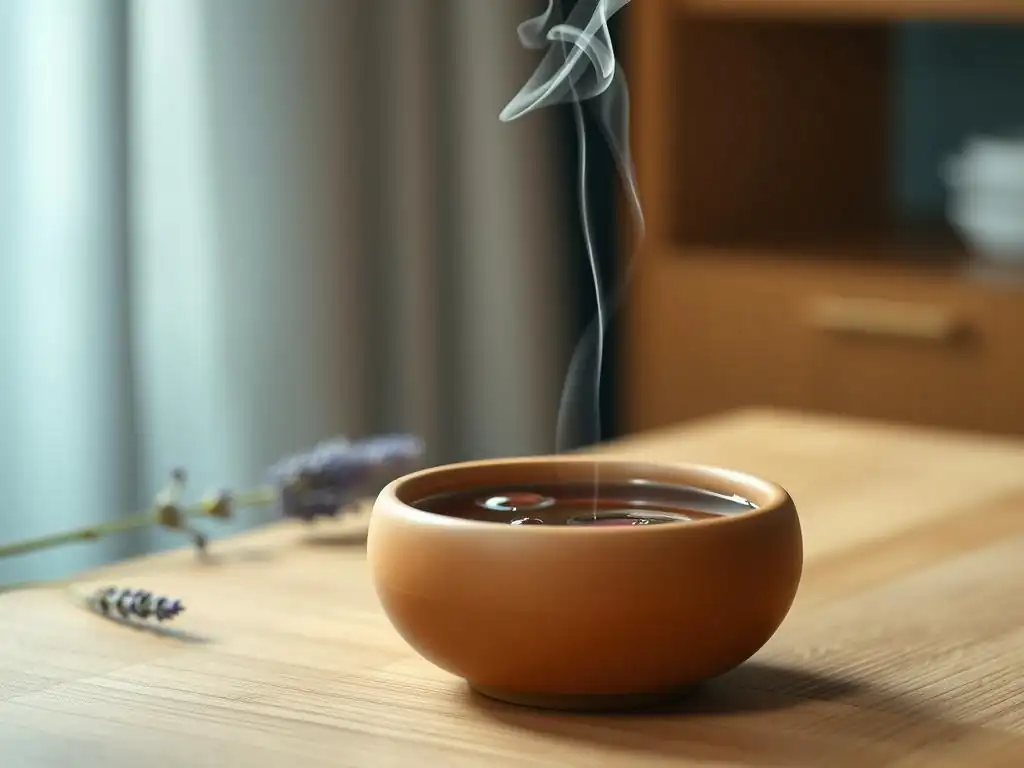
Heat diffusers are perhaps the simplest and most affordable type of diffuser available. They work by gently heating essential oil, causing it to evaporate and release its aroma into the air. This can range from electric diffusers with heating plates to simple candle-powered burners. Their main advantages are their low cost and lack of moving parts, making them durable and easy to use.
However, the use of heat, even gentle heat, can potentially alter the chemical composition of essential oils. Some therapeutic compounds within the oil might be degraded or changed by the heat, reducing their therapeutic efficacy. For this reason, heat diffusers are generally less recommended for achieving significant essential oil anxiety relief or other therapeutic benefits compared to ultrasonic or nebulizing types, which preserve the integrity of the essential oil molecules. They are better suited for simply creating a pleasant aroma in a room rather than targeting specific health outcomes.
Key Features to Consider: Run Time, Coverage Area, and Timer Settings
When choosing any type of diffuser for essential oil anxiety relief, several key features should influence your decision. The run time indicates how long the diffuser can operate before needing a refill or shutting off. For overnight use or extended periods of relaxation, a longer run time (e.g., 6-10 hours for ultrasonic) or intermittent settings (common in nebulizers) are beneficial.
The coverage area specifies the size of the room the diffuser is effective in. A small personal diffuser might be suitable for a desk, while a larger unit is needed for a living room or bedroom.
Check the manufacturer's specifications to ensure the diffuser matches the space you intend to use it in for optimal essential oil anxiety relief throughout the room. Timer settings are also highly valuable, allowing you to set the diffuser to run for a specific period (e.g., 1 or 2 hours) and then automatically turn off, conserving oil and providing control over exposure, which is particularly useful for managing usage during sleep or short relaxation sessions.
Top Essential Oils for Anxiety Relief: A Detailed Guide
Lavender: The Calming Classic for Stress and Restlessness
Lavender (Lavandula angustifolia) is arguably the most well-known and widely used essential oil for stress and anxiety relief. Its sweet, floral aroma is instantly recognizable and has been associated with relaxation for centuries. The primary active compounds in lavender oil, particularly linalool and linalyl acetate, are believed to exert calming effects on the nervous system.
Inhaling lavender aroma is thought to influence the parasympathetic nervous system, promoting a state of rest and relaxation. It is commonly used to ease feelings of tension, soothe restlessness, and prepare the mind and body for sleep. Diffusing lavender oil in the evening is a popular practice for promoting essential oil anxiety relief and improving sleep quality, which is often compromised by anxiety.
Studies on Lavender Oil and its Anxiolytic Effects
Numerous studies have investigated lavender's effects on anxiety. A meta-analysis published in Phytomedicine in 2010 reviewed 15 studies and concluded that oral lavender oil preparation was effective in reducing anxiety symptoms in patients with Generalized Anxiety Disorder (GAD), with effects comparable to low-dose benzodiazepines but without sedative side effects or addiction potential.
While studies on inhaled lavender are sometimes smaller or less conclusive than those on oral preparations, a study published in the Journal of the Medical Association of Thailand in 2011 found that inhaling lavender aroma reduced anxiety and improved mood in dental patients awaiting treatment. Another study in the International Journal of Nursing Practice in 2015 showed that aromatherapy with lavender significantly reduced anxiety and stress levels in nursing students before exams. These findings support the use of inhaled lavender for essential oil anxiety relief.
Bergamot: Uplifting and Mood-Boosting Properties
Bergamot (Citrus bergamia) essential oil, cold-pressed from the peel of the bergamot orange fruit, possesses a unique citrusy, slightly floral aroma that is both uplifting and calming. It is widely used in aromatherapy to improve mood, reduce stress, and alleviate symptoms of anxiety and depression. The main constituents, such as limonene and linalyl acetate, are thought to contribute to its therapeutic effects.
Bergamot's ability to act as both an uplifter and a relaxant makes it a versatile oil for essential oil anxiety relief, particularly when anxiety is accompanied by low mood or feelings of being overwhelmed. Diffusing bergamot can help create a more positive and relaxed atmosphere, making it easier to cope with daily stressors and anxious thoughts.
The Science Behind Bergamot's Ability to Reduce Cortisol Levels
Research suggests that bergamot oil inhalation can impact physiological markers of stress. A study published in Complementary Therapies in Medicine in 2015 found that inhaling bergamot essential oil for 15 minutes reduced salivary cortisol levels and improved feelings of fatigue and negative mood in healthy women. Cortisol is a primary stress hormone, and elevated levels are often associated with chronic stress and anxiety.
Another study, published in the Journal of Alternative and Complementary Medicine in 2013, found that exposure to bergamot essential oil aroma in a mental hospital waiting room reduced anxiety and improved well-being in patients. These studies provide evidence that bergamot can help modulate the body's stress response, offering a scientific basis for its use in essential oil anxiety relief.
Chamomile: Soothing and Promoting Relaxation
Chamomile essential oil, typically Roman Chamomile (Anthemis nobilis) or German Chamomile (Matricaria recutita), is renowned for its gentle, calming, and soothing properties. Its sweet, apple-like aroma is often associated with relaxation and comfort. Chamomile has a long history of traditional use as a remedy for anxiety, insomnia, and digestive upset related to stress.
The therapeutic compounds in chamomile oil, such as esters like isobutyl angelate and isoamyl angelate (in Roman Chamomile), are thought to exert sedative and relaxing effects on the nervous system. Diffusing chamomile oil can help to create a tranquil environment, easing nervous tension and promoting a sense of peace, making it a valuable oil for essential oil anxiety relief, especially when anxiety interferes with sleep.
Chamomile Oil for Sleep and Anxiety: A Powerful Combination
Anxiety and insomnia often go hand-in-hand; difficulty sleeping can worsen anxiety, and anxiety can make it hard to fall or stay asleep. Chamomile oil is particularly effective in addressing this vicious cycle. Its anxiolytic properties help to calm the mind and reduce racing thoughts that often keep anxious individuals awake.
Simultaneously, chamomile's mild sedative effects can promote drowsiness and improve sleep latency (the time it takes to fall asleep). A study published in the Journal of Advanced Nursing in 2016 found that inhaled chamomile oil helped improve sleep quality and reduce fatigue in postpartum women. While this study focused on sleep, the close link between sleep and anxiety suggests that chamomile's ability to improve rest contributes significantly to overall essential oil anxiety relief.
Frankincense: Grounding and Reducing Feelings of Overwhelm
Frankincense (Boswellia carterii or Boswellia serrata) essential oil, derived from the resin of the Boswellia tree, has a rich, woody, and slightly spicy aroma. It has been used for centuries in spiritual and meditative practices due to its reputed ability to promote feelings of peace, grounding, and introspection. In aromatherapy, frankincense is valued for its calming and centering effects.
Frankincense oil can help to slow down breathing and promote a sense of calm, making it useful during moments of panic or overwhelm. Its grounding aroma can help bring focus back to the present moment, reducing rumination on anxious thoughts. Diffusing frankincense is an excellent way to create a tranquil space for meditation, yoga, or simply unwinding, supporting essential oil anxiety relief through its calming and spiritual associations.
Frankincense Oil and its Impact on the Nervous System
Research into frankincense's effects on the nervous system is ongoing. Some studies suggest that compounds in frankincense, such as boswellic acids (though these are less volatile and primarily relevant for topical or internal use) and incensole acetate (which is volatile), may have psychoactive properties. Incensole acetate, for instance, has been shown in animal studies to activate ion channels in the brain that are associated with feelings of warmth and relaxation.
While direct human studies on inhaled frankincense for anxiety are less numerous than for lavender, its traditional use and the potential for its aromatic compounds to interact with neural pathways that influence mood and perception suggest a plausible mechanism for its calming effects. Its ability to promote slower, deeper breathing during inhalation also contributes to its reputation for providing essential oil anxiety relief by activating the body's relaxation response.
Ylang Ylang: Easing Tension and Promoting a Sense of Calm
Ylang Ylang (Cananga odorata) essential oil, extracted from the flowers of the tropical ylang-ylang tree, has a intensely sweet, floral, and slightly exotic aroma. It is often used in aromatherapy to reduce stress, tension, and anxiety, and to promote feelings of euphoria and relaxation. Its powerful scent can be quite potent, so it is often used in small quantities or blended with other oils.
Ylang Ylang is believed to have a balancing effect on the nervous system, helping to soothe agitation and promote a sense of calm. It is sometimes used to help alleviate symptoms associated with anxiety, such as rapid heartbeat and nervous tension. Diffusing ylang ylang can help create a luxurious and calming atmosphere, contributing to essential oil anxiety relief and overall emotional balance.
Ylang Ylang Oil and its Potential to Lower Blood Pressure
One of the physical manifestations of anxiety is often an increase in heart rate and blood pressure. Research has explored Ylang Ylang's potential to mitigate these physiological responses to stress. A study published in the Journal of Exercise Rehabilitation in 2012 investigated the effects of inhaling Ylang Ylang oil on blood pressure and heart rate in healthy men.
The study found that inhaling Ylang Ylang oil significantly decreased systolic and diastolic blood pressure and heart rate compared to a control group. Participants also reported feeling more calm and relaxed. This physiological effect suggests that Ylang Ylang oil may help to directly counter some of the physical symptoms associated with anxiety, offering a tangible benefit in essential oil anxiety relief beyond just the emotional impact.
Creating Your Own Essential Oil Blends for Anxiety Relief
Blending Essential Oils: Understanding Synergy and Dilution
Creating custom essential oil blends allows you to tailor the therapeutic effects and aromas to your specific needs for essential oil anxiety relief. The concept of synergy is important here – the idea that combining certain oils can produce a greater effect than using each oil individually. For instance, blending a calming oil like lavender with an uplifting oil like bergamot might create a balanced effect that addresses both anxiety and low mood.
When blending for diffusion, dilution isn't typically a concern as you are not applying the oil to the skin. However, considering the potency of certain oils is important for aroma intensity and potential sensitivity. Start with a smaller number of drops when trying a new blend in your diffuser. For a standard 100ml ultrasonic diffuser, a total of 5-10 drops is usually sufficient, while nebulizing diffusers might require slightly more depending on the model and desired intensity.
Recipe 1: The "Calm & Focus" Blend (Lavender, Lemon, Rosemary)
This blend aims to provide essential oil anxiety relief while also promoting mental clarity and focus, which can be helpful when anxiety makes it difficult to concentrate.
- 3 drops Lavender (calming, stress reduction)
- 2 drops Lemon (uplifting, mood-boosting)
- 1 drop Rosemary (focus, mental clarity)
Add these drops to your diffuser according to its capacity (adjusting the total number of drops based on diffuser size and personal preference, staying within recommended limits). This blend is excellent for diffusing during work, study sessions, or any time you need to feel grounded yet mentally alert.
Recipe 2: The "Stress Relief" Blend (Bergamot, Frankincense, Ylang Ylang)
This blend is designed for deep relaxation and stress reduction, targeting both the emotional and physical symptoms of anxiety for comprehensive essential oil anxiety relief.
- 3 drops Bergamot (uplifting, cortisol reduction)
- 2 drops Frankincense (grounding, calming)
- 1 drop Ylang Ylang (tension easing, potentially lowering blood pressure)
Diffuse this blend in the evening, during meditation, or whenever you need to unwind and release accumulated tension. The combination of these oils creates a rich, complex aroma that is both comforting and soothing.
Recipe 3: The "Sleep Easy" Blend (Lavender, Chamomile, Cedarwood)
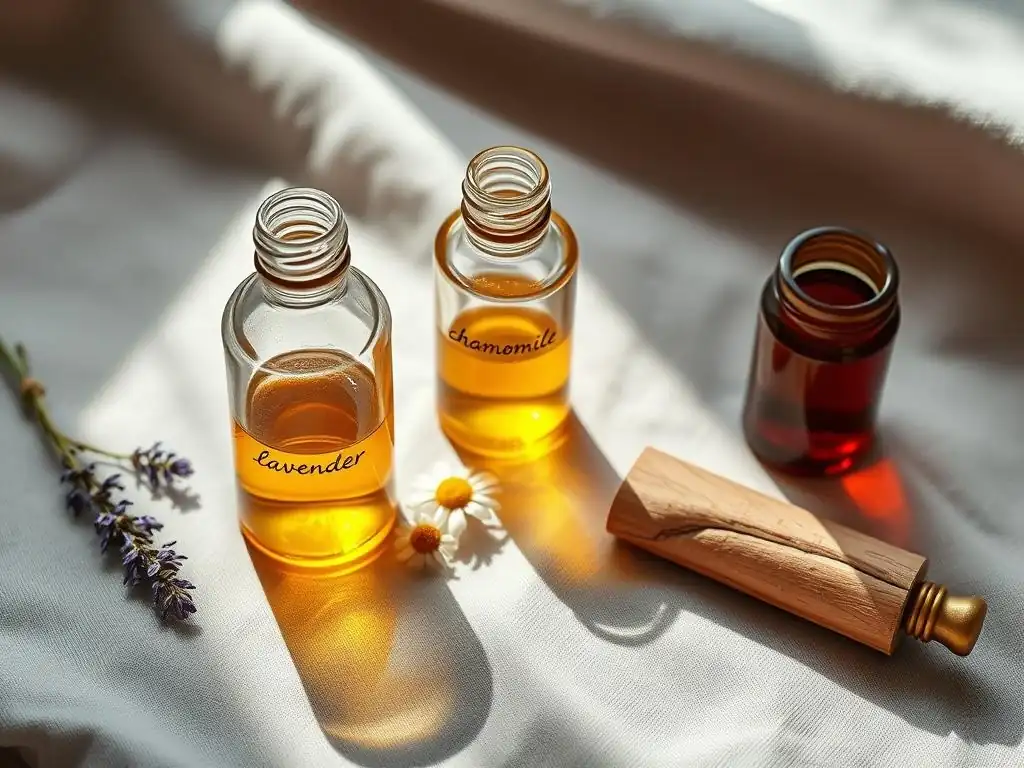
This blend focuses on promoting restful sleep by calming the mind and body, addressing anxiety that interferes with sleep – a key aspect of essential oil anxiety relief.
- 4 drops Lavender (sleep aid, calming)
- 2 drops Roman Chamomile (soothing, sedative)
- 2 drops Cedarwood (grounding, promoting relaxation)
Use this blend in your bedroom diffuser about 30-60 minutes before bedtime. Cedarwood adds a grounding, woody note that complements the floral and herbal scents of lavender and chamomile, creating a deeply relaxing atmosphere conducive to sleep.
Safety Precautions: Dilution Ratios and Potential Allergies
While diffusing is generally considered a safe method of aromatherapy, especially compared to topical application or ingestion, it's still important to be mindful of safety precautions. Unlike topical use, dilution with a carrier oil is not required for diffusion. However, using an excessive number of drops in a small space can lead to overwhelming aroma and potential respiratory irritation for sensitive individuals. Always follow the diffuser manufacturer's recommendations for the maximum number of drops.
Be aware of potential allergies or sensitivities to specific essential oils. Even through inhalation, some individuals may experience headaches, nausea, or respiratory discomfort. If you are prone to allergies or have respiratory conditions like asthma, introduce new oils cautiously and ensure the space is well-ventilated. Pay attention to how your body responds to different oils. While rare with diffusion, understanding potential sensitivities is part of safe essential oil anxiety relief practice.
Maximizing the Benefits of Essential Oil Diffusers for Anxiety
Integrating Diffusers into Your Daily Routine: Morning, Afternoon, and Evening
To maximize the benefits of essential oil diffusers for essential oil anxiety relief, consistent integration into your daily routine is key. Consider using different blends or oils at various times of the day to support specific needs. In the morning, an uplifting blend like the "Calm & Focus" blend (Recipe 1) with citrus or peppermint can help ease morning anxiety and promote alertness.
In the afternoon, during periods of stress or a dip in energy, diffusing a balancing oil like Bergamot or a simple floral like Geranium can help maintain calm and improve mood. In the evening, transitioning to relaxing blends like the "Stress Relief" (Recipe 2) or "Sleep Easy" (Recipe 3) blends featuring Lavender, Chamomile, or Frankincense can help wind down, release the day's tension, and prepare for a restful night, providing continuous essential oil anxiety relief throughout the day.
Creating a Relaxing Atmosphere: Combining Diffusers with Mindfulness Practices
Diffusing essential oils enhances the creation of a relaxing atmosphere, but its benefits for essential oil anxiety relief are often amplified when combined with other mindfulness and relaxation practices. Set up your diffuser in a comfortable space where you can sit quietly, meditate, practice deep breathing exercises, or engage in gentle stretching or yoga.
The calming aroma serves as an anchor for your attention, helping to draw you into the present moment and away from anxious thoughts. For example, diffusing Frankincense or Lavender during a meditation session can deepen your sense of peace and focus. This synergistic approach, combining the physiological effects of aromatherapy with the mental discipline of mindfulness, can significantly boost your ability to manage anxiety.
Addressing Common Concerns: Safety, Allergies, and Pet Considerations
While generally safe, it's important to address common concerns when using diffusers for essential oil anxiety relief. As mentioned, be mindful of potential sensitivities or allergies, starting with low concentrations and ensuring ventilation. If you experience any adverse reactions, discontinue use.
Pet safety is a crucial consideration. Some essential oils can be toxic to pets, particularly cats, due to their inability to metabolize certain compounds. Oils like tea tree, citrus oils, peppermint, and pine can be problematic. Always research the safety of specific oils around your pets. Use diffusers in well-ventilated areas where pets can leave if they wish. Avoid diffusing in closed rooms with pets for extended periods. Consulting a veterinarian knowledgeable in essential oils is recommended if you plan to use diffusers regularly in a home with pets.
Beyond the Diffuser: Other Aromatherapy Methods for Anxiety Relief
Essential Oil Roll-Ons: Portable Anxiety Relief on the Go
While diffusers are excellent for creating a therapeutic environment at home or in an office, essential oil roll-ons offer portable and discreet essential oil anxiety relief when you're away from your diffuser. Roll-ons consist of essential oils pre-diluted in a carrier oil (like fractionated coconut oil or jojoba oil) in a convenient roller bottle.
They can be easily applied to pulse points like the wrists, temples, or behind the ears, allowing you to inhale the aroma throughout the day. This method provides a personal dose of aromatherapy without affecting others around you. A blend containing Lavender, Bergamot, or Chamomile in a roll-on can be a quick and effective tool for managing sudden feelings of anxiety or stress during your commute, at work, or before a challenging situation.
Aromatherapy Inhalers: Quick and Discreet Relief
Aromatherapy inhalers, sometimes called nasal inhalers or aroma sticks, offer another highly portable and discreet method for essential oil anxiety relief. These small plastic tubes contain a cotton wick saturated with pure essential oil or a blend. To use, you simply hold the inhaler to your nostril and inhale deeply.
This method delivers a concentrated burst of aroma directly to the olfactory system, providing rapid access to the brain's emotional centers. Inhalers are ideal for immediate, on-the-spot relief from acute anxiety, panic attacks, or moments of intense stress. They are completely silent and inconspicuous, making them perfect for use in public places, meetings, or anywhere you need quick essential oil anxiety relief without drawing attention.
Aromatherapy Bath Soaks: Relaxation and Stress Reduction
An aromatherapy bath soak combines the therapeutic benefits of essential oils with the relaxing properties of warm water, offering a deeply soothing experience for essential oil anxiety relief. To prepare an aromatherapy bath, add essential oils to a dispersant like Epsom salts, Dead Sea salts, or a carrier oil before adding them to the bathwater. This helps the oils disperse throughout the water and prevents them from sitting on the surface, which can irritate the skin.
Popular oils for anxiety relief in a bath include Lavender, Roman Chamomile, Bergamot, or Frankincense. The warm water helps to open pores, allowing for potential absorption through the skin, while the steam carries the aromatic molecules for inhalation. Soaking in an aromatherapy bath for 15-30 minutes can help to relax muscles, calm the mind, and promote a sense of overall well-being, significantly reducing stress and anxiety. Use about 5-10 drops of total essential oil per bath, properly dispersed.
Conclusion: Embrace the Power of Scent for a Calmer Mind
The Future of Aromatherapy in Mental Health
The integration of aromatherapy, particularly the use of essential oil diffusers for essential oil anxiety relief, is poised to become a more recognized and utilized complementary approach in mental health. As research continues to uncover the intricate links between scent, the brain, and emotional regulation, the scientific basis for aromatherapy's efficacy is strengthening.
Future developments may include more standardized protocols for therapeutic use, larger clinical trials confirming efficacy for specific anxiety disorders, and greater acceptance within conventional healthcare settings. The accessibility and non-invasive nature of diffusion make it an appealing option for individuals seeking natural ways to support their mental well-being and manage anxiety symptoms as part of a holistic care plan.
Resources for Further Learning about Essential Oil Anxiety Relief
For those interested in delving deeper into the world of essential oils and their role in essential oil anxiety relief, numerous reputable resources are available. Look for information from certified aromatherapists, professional aromatherapy organizations (such as the National Association for Holistic Aromatherapy - NAHA, or the Alliance of International Aromatherapists - AIA), and peer-reviewed scientific journals publishing research on aromatherapy and mental health.
Educational books written by qualified experts can also provide comprehensive guidance on safe usage, blending techniques, and the specific properties of various essential oils. Understanding the science, safety guidelines, and different application methods will empower you to effectively and confidently incorporate essential oils and diffusers into your personal strategy for managing anxiety and fostering a calmer mind.
Frequently Asked Questions
How do essential oils provide anxiety relief?
Essential oils interact with the limbic system, the part of the brain controlling emotions, through the sense of smell. Certain scents can trigger calming responses and reduce feelings of anxiety by influencing neurotransmitters.
Which essential oils are considered most effective for anxiety?
Lavender, chamomile, bergamot, and frankincense are frequently cited for their anxiolytic properties. Their chemical compounds can promote relaxation and reduce stress hormones.
How does a diffuser enhance the benefits of essential oils for anxiety?
Diffusers disperse essential oils into the air, creating a calming atmosphere that promotes relaxation. This allows for consistent inhalation, maximizing the potential therapeutic effects.
Are there any potential side effects or precautions to consider when using essential oils for anxiety?
Some individuals may experience skin irritation or allergic reactions, especially with undiluted oils. It's crucial to perform a patch test and ensure proper ventilation. Consult a healthcare professional before using essential oils if you are pregnant or have any underlying health conditions.
How long does it typically take to feel the effects of essential oils for anxiety relief when using a diffuser?
The effects can vary depending on the individual and the oil used. Some people may experience a sense of calm within minutes, while others may require more prolonged exposure for noticeable benefits. Consistency is key.
Final Reflection: Breathing Easy: The Enduring Power of Aromatherapy
The science behind scent's impact on anxiety is undeniable, and its relevance today is more critical than ever. In a world saturated with stress and uncertainty, finding accessible and effective methods for managing anxiety is paramount. The simple act of diffusing essential oils, as explored throughout this article, offers a surprisingly powerful tool for navigating the complexities of modern life and fostering a sense of calm.
The influence of aromatherapy on our cultural landscape is subtly yet profoundly impactful. From the ancient traditions of herbal remedies to the modern wellness industry's embrace of essential oils, the connection between scent and well-being has endured for millennia. This enduring appeal speaks to a fundamental human need – the need to find solace and equilibrium amidst chaos. Aromatherapy is not just about pleasant smells; it's about harnessing the power of nature to positively influence our emotional and physical state.
This quote encapsulates the core message of this article: that the therapeutic potential of essential oils is rooted in both scientific understanding and deeply ingrained human experience.
Consider the power you now hold. You've learned about the science behind essential oil anxiety relief, and you have the knowledge to incorporate this simple yet effective practice into your daily life. Don't underestimate the transformative potential of a few drops of essential oil. Experiment with different scents, find what resonates with you, and create a sanctuary of calm within your own home. Embrace the opportunity to cultivate a more peaceful, present, and balanced you. Start diffusing your way to a calmer, more centered life, today.
Unleash the Calming Power of Scent!
Thanks for exploring the science behind scent and its amazing potential for anxiety relief! We hope you gained valuable insights into how aromatherapy can enhance your well-being. Now it's time to put that knowledge into practice.
- Start your aromatherapy journey today: Choose a calming essential oil blend (lavender, chamomile, or sandalwood are great starting points) and create a peaceful atmosphere in your home. Experiment with different oils and diffuser settings to find your perfect blend.
- Share your scent discoveries: Tell us about your favorite calming scents and how they've helped you! Leave a comment below and let's build a supportive community around natural anxiety relief.
- Dive deeper into aromatherapy: Research the specific benefits of different essential oils and learn more about how they interact with your body and mind.
Ready to experience the transformative power of scent? What calming essential oil are you most excited to try?